Category: Planning / Development

  • Klybeckquai and Westquai as a hinge between the city and the future

    Klybeckquai and Westquai as a hinge between the city and the future

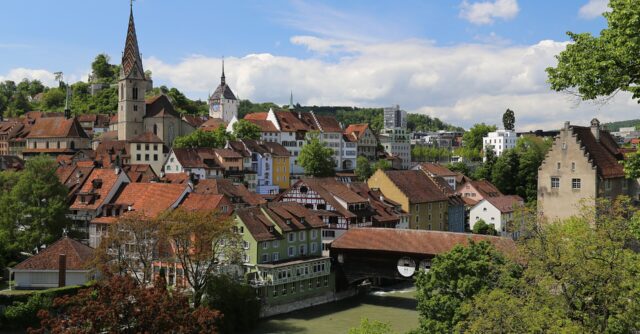
    Klybeckquai and Westquai have been among the most vibrant places in Switzerland for over a hundred years. This is where the city meets the port, the Rhine, the river Wiese and three countries. The ongoing modernization of the port infrastructure, in particular the relocation of the port railroad to the Südquai, opens the door to the urban transformation of this striking urban area. This will create unique opportunities for the Klybeck and Kleinhüningen districts. They are gradually moving closer to the Rhine and the River Wiese and gaining in quality of life and amenity. Urban growth, social diversity and sustainable integration.

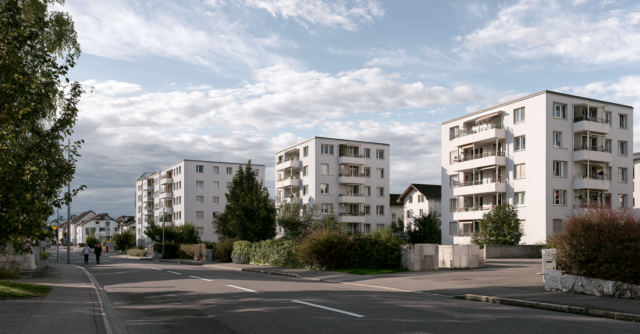
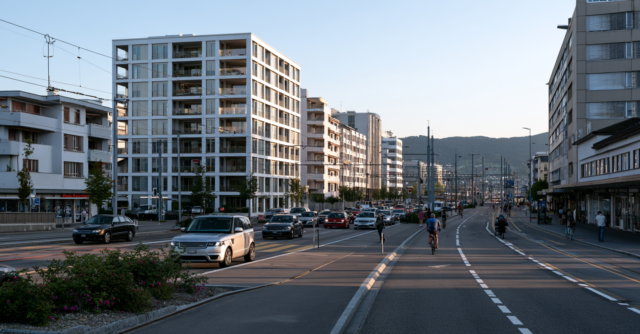
    At the heart of the new development concept is the consistent expansion of the Klybeck district towards the Rhine. The plans include a variety of affordable apartments, neighborhood-friendly uses and spacious perimeter block developments that strengthen the urban climate with green courtyards. The striking neighborhood park, which will develop from the Ackermätteli, and an extended, widened Rhine promenade will connect the neighborhood even more closely with the river and offer space for encounters, leisure, recreation and nature. The barrier of the former railroad tracks will disappear, but the traces of industrial history will be preserved as an identity. The focus on pedestrian and bicycle traffic as well as a new streetcar line promote sustainable, future-proof neighborhood mobility.

    Westquai space for the future
    Westquai will initially remain an industrial and commercial zone, but will gradually develop into a new urban hotspot from 2030. The innovation area between the port, the Rhine and the border triangle offers space for work, urban production, leisure, gastronomy, culture and a variety of green and open spaces. The future use should remain open in order to be able to react flexibly to social developments. Existing buildings will be preserved as far as possible in line with the net zero target for 2037.

    More greenery, more opportunities, more quality of life on the waterfront
    With the expansion of the natural and open spaces by 20,000 m², half of the site now comprises high-quality green areas. A substantial contribution to the biotope network and urban climate. The new district park and the two-kilometre-long Rhine promenade make the river a tangible experience for the city’s population. The strengthened open space fulfills central requirements of urban development and will become the social heart of Basel’s urban network.

    Klybeckquai and Westquai will create urban life on the waterfront. Basel is using the interface between past and future, industry and innovation to give the city a new face on the Rhine.

  • Canton of Zurich presents design plan for Limmattal Energy Centre

    Canton of Zurich presents design plan for Limmattal Energy Centre

    According to a statement, the canton of Zurich will make the design plan documents for Limeco’s planned Limmattaler Energiezentrum (LEZ) available to the public from 20 January. Interested parties can view the documents for 60 days at the municipal office, the cantonal office for spatial development and online, and comment on the plan. Those responsible for the regional utility company and the canton will also be available to answer questions during a public information event on 21 January at Heimstrasse 46 in Dietikon.

    Limeco will have to rebuild its waste incineration plant (KVA) and wastewater treatment plant (ARA) in the coming years. The regional utility company wants to combine both facilities in the new energy centre on the site of the current KVA. The LEZ will also produce energy in the form of electricity, district heating and gas. The current WWTP in Antoniloch must be decommissioned by 2050 because it is located in a nature and bird sanctuary of national importance.

    The Zurich-based architectural firmPenzel Valier was awarded the contract for the overall concept of the energy centre in January 2025.

  • Modernization and building mobility: Why we need to build on the existing infrastructure

    Modernization and building mobility: Why we need to build on the existing infrastructure

    This is particularly evident in ageing elevators and escalators. Around 10 million of these systems are in operation worldwide, most of them in densely populated city centers. They are more susceptible to faults and safety risks. Ageing elevators also often restrict the freedom of movement of people with disabilities, for example by making it difficult to open revolving doors.

    Modernization is not just a question of safety or comfort. It is also one of the most effective instruments for reducing emissions. The construction industry is already responsible for around 40% of global CO₂ emissions – a figure that could double within 25 years if nothing is done. The European Commission estimates that 85 to 95% of the buildings that will exist in 2050 are already standing today. Replacing these buildings is not an option. The key to reducing CO₂ is therefore not to build new buildings, but to retrofit the older but still functioning systems.

    For all those who want to keep their buildings and cities alive, modernization is a necessary investment in resilience, sustainability and general well-being. Today, networked, data-driven systems can detect wear and tear, predict maintenance requirements and extend the service life of systems – making cities not only safer, but also smarter and more environmentally friendly.

    For many building owners, modernization is still a challenge. High investment costs, long downtimes and uncertainty about where to start are common concerns. Partial modernization is often a sensible middle way. It combines the advantages of new technologies with the continued use of intact components and thus significantly reduces costs and operational interruptions – without having to accept the expense and downtime of a complete replacement. In the elevator sector, this can save up to 90 percent CO₂ compared to a complete replacement.

    Our cities cannot be redrawn, but they can be developed further. When we modernize the mobility systems that move millions of people every day, we create urban environments that are safer, more inclusive and more climate-friendly – and ready for the challenges of the coming decades.

  • Zimmerberg region consolidates wastewater treatment in new plant

    Zimmerberg region consolidates wastewater treatment in new plant

    STRABAG AG is involved in the Zimmerberg wastewater treatment plant (WWTP) project. The Schlieren-based construction company is erecting the shell of the new Scheller pumping station in Horgen on the former Gasi site. According to a statement, the aim of this work is to replace the existing WWTPs in Horgen and Thalwil with a new plant.

    Both existing wastewater treatment plants are “getting on in years”. Instead of operating both pumping stations individually, which would involve high investment costs for comprehensive modernisation, both municipalities have decided to join forces and create a “joint, modern wastewater treatment plant” for the Zimmerberg region. Once the joint treatment plant is operational, the existing Horgen wastewater treatment plant will be dismantled. The resulting unused land on the lake shore will be made available for public use and urban development.

    The participating municipalities of Horgen, Oberrieden, Rüschlikon and Thalwil already joined forces in September 2020 to form the ARA Zimmerberg special-purpose association. ARA Zimmerberg expects that from 2029 onwards, it will be able to treat the wastewater of up to 78,000 residents and industry in the Zimmerberg region.

  • SVIT Zurich political talk “Zurich municipal council elections 2026”

    SVIT Zurich political talk “Zurich municipal council elections 2026”

    Municipal elections will be held in the city of Zurich on March 8, 2026. With regard to this important election in the largest municipality in our canton (with an impact beyond the cantonal borders), SVIT Zurich recommends candidates for election. They are members of the relevant commissions HBD/SE (Department of Buildings, Urban Development) and FD (Department of Finance) or hold important positions in their parties. Newcomers who are not yet members of the municipal council are also included. However, all seven candidates share a common interest: To advance a liberal housing and real estate policy for Zurich that addresses the current challenges on the housing market quickly and effectively.

    In the political talk, the candidates will explain where they stand up for housing policy and the real estate sector and will also be available to answer critical questions in person during the drinks reception. At the end of the event, our political guests will compete against each other in the SVIT Zurich political game “Build & Rent”. Who will win the game? Who will win the 2026 Zurich municipal elections? We are curious.

    Link to the candidate videos

    Link to registration for the political event

    Download:
    SVIT Zurich “Polit-Check” on the municipal elections

  • Future model for life sciences, research and cluster power

    Future model for life sciences, research and cluster power

    The centrepiece of the campus is a kilometre-long, continuous park that physically and socially connects all the buildings. The striking buildings Main Campus HQ, HORTUS, ALL, HOPE, SCALE as well as Swiss TPH, ALBA Haus and many more are grouped around the green ribbon and create a space for dialogue, recreation and networking with more than five football pitches of park space. With over 5,000 workplaces on completion and more than 115,000 m² of usable space, the site will set new standards for infrastructure and collaboration in Switzerland and Europe.

    Architecture and sustainability as drivers
    The architecture by Herzog & de Meuron and Felippi Wyssen visibly conveys the idea of innovation to the outside world. The Main Campus HQ is practically fully let and, as a multifunctional research and communication centre, is a magnet for companies such as JNJ, SKAN, Basilea, the University of Basel and other players. Flexible multi-storey car parks and mobility services support the sustainable use of the site. SENN is acting as investor, developer and total contractor – from planning and realisation through to long-term marketing. The project is being developed in close collaboration with Basel Area Business & Innovation, the Canton of Basel-Landschaft and other partners from the worlds of science and business.

    HORTUS, an office building that amortises its production energy in 30 years, is outstanding. It was built from wood, clay and waste paper, generates energy via photovoltaics and fulfils the highest ESG criteria. Every component is part of the circular economy and prepared for future utilisation cycles. The inner courtyard garden by Piet Oudolf contributes to biodiversity and the indoor climate. HOPE and SCALE will offer further flexible spaces suitable for the public and production from 2028. Neighbours Swiss TPH and ALBA Haus strengthen the health science focus of the site, while the Holiday Inn Express complements the international business and network offering.

    Image: Switzerland Innovation Park Basel Area Main Campus

    Cluster, community and innovation
    More than 100 companies – from global players and spin-offs to young scale-ups – characterise the area and use programmes such as BaseLaunch and DayOne for start-ups, networking and knowledge transfer. Cluster events, community platforms and modern co-working infrastructures promote dialogue and the creation of joint projects. Educational facilities, childcare, catering, sports and conference facilities create a fully-fledged urban working ecosystem.

    The Botnar Institute of Immune Engineering as a beacon
    The Botnar Institute of Immune Engineering (BIIE), which will move into the ALL, a new, sustainable building on the campus in 2027, will provide a special boost. The decision in favour of this location underlines Basel’s importance as a research location. The institute, funded by the Fondation Botnar with around 1 billion dollars, brings together up to 300 top researchers from all over the world to develop innovative immune-based diagnostics and therapies. The aim is to close gaps in health technologies and improve quality of life worldwide. The BIIE community will have a significant impact on the cluster and the Basel region and will strengthen global networks with partners such as Oxford and ETH Zurich.

    Impact and perspective
    The Switzerland Innovation Park Basel Area Main Campus brings together knowledge, infrastructure and community in an internationally visible innovation centre. By integrating sustainability, empathy and excellence, a global hub for cutting-edge research, vibrant entrepreneurship and future-oriented urban development is being created in Allschwil. The model shows how site development, architecture and science clusters can pave the way for economic and social transformation today and tomorrow.

  • Engineers’ Day 2026

    Engineers’ Day 2026

    Against the backdrop of climate change, digitalization and sustainable mobility, engineers are taking on a key role. They develop solutions for renewable energy systems, resilient infrastructures, smart mobility concepts, digital technologies, data-based applications and resource-conserving production.

    focus on the next generation
    Engineers’ Day aims to get young people interested in technology at an early age, from primary school children to university students. Companies and institutions offer guided tours, workshops, demo stations and dialog formats that bring professions to life and enable direct encounters with experts.

    the background to this is a persistent shortage of skilled workers, particularly in engineering and STEM professions, where women continue to be severely underrepresented. Companies, organizations and educational institutions are therefore invited to register their own events and activities for 4 March 2026 and thus actively contribute to the promotion of young talent.

    national Conference of Engineers
    The National Conference of Engineers will be held on the same day for the first time. Around 40 experts from business, science, politics and associations will come together at Lucerne University of Applied Sciences and Arts in Horw to discuss specific measures to strengthen the next generation of engineers.

    the aim of the conference is to join forces across industries and disciplines and find new ways to attract more young people in their diversity to engineering, STEM and tech professions. The conference thus complements the decentralized activities of Engineers’ Day with a strategic platform for exchange and joint initiatives.

    from Muttenz to Lucerne
    The handover from the previous venue of Muttenz to Lucerne in October 2025 marks a further step in the format’s development. With the first National Conference of Engineers at HSLU, Engineers’ Day 2026 will not only be an event for young talent, but also a meeting place for decision-makers in the engineering and education landscape.

  • Gray Energy Steep Pass for Tenant Protection

    Gray Energy Steep Pass for Tenant Protection

    Grey energy in context
    The strength of the argument comes from the absolute statement that “the preservation of existing buildings and thus grey energy is always better than demolition”. According to a survey of experts, the vast majority of specialist planners, architects and service providers in the property sector agree with this stance. However, just under half of property owners also share this view, albeit with reservations.

    When asked in more detail, the respondents differentiated their attitude. Poor building fabric or poor energy efficiency, an outdated usage structure, utilisation that cannot be activated for the realisation of more living space or economic viability could be arguments against preservation. The sector rightly emphasises that there is no absolute truth and that the treatment of each property must be weighed up between ecological, economic and social aspects.

    One regulation for two different concerns
    Parallel to the intensification of the debate on the conservation of grey energy, the tone on tenant protection has become more heated. Various initiatives at cantonal and federal level want to prevent tenants from having to leave their homes due to extensive renovations or building replacements. These initiatives also take the uncompromising position that no eviction is always better than eviction. The canton of Basel-Stadt shows how quickly regulations can take effect. Barely three years after the introduction of the housing protection initiative, fewer properties are already being demolished and therefore fewer properties are being let out. The protection of residential property has a predominantly economic effect, with the regulated prices for new flats making replacements and renovations less financially attractive for property developers. As a result, fewer projects are being realised.

    Cautious discussion about social and societal costs
    As little as the absolute statement on the preservation of grey energy is correct, the blanket statement that not renting out is always better than renting out does not apply. The statement may be true for the individual tenant concerned, but not when it comes to providing housing for the entire population. Extensions and replacements can create more living space for more people, often in locations that are already well developed and supplied. Structural deficits in housing cannot be remedied without interventions in the building structure.

    What is needed is a more objective discussion on how the conflict of objectives between the protection of the individual and the interests of society can be resolved in the best possible way. In some cases, delaying a replacement or upgrading the existing housing stock for a further life cycle may make sense; in other cases, the social benefit of more living space outweighs this. The focus should be on the discussion of how to best cushion the social impact of rent reductions. Regulations should be focussed on finding solutions for cases of hardship.

    A balanced discourse is needed
    Absolute considerations ignore the fact that decisions are often complex and require diverging concerns to be weighed up. Sustainable solutions are usually caught between different arguments.

    Representatives of the industry should be aware that generalised statements reduce the scope for context-specific discussions. If the sector unthinkingly backs the preservation of grey energy or opposes rent reductions, the door for the discussion of moderate regulations closes.

  • Zurich strengthens energy transition with 60 million program

    Zurich strengthens energy transition with 60 million program

    Buildings are among the biggest energy consumers in the canton of Zurich. Around 40 percent of energy requirements and a third of CO₂ emissions are attributable to this area. However, a lot has changed in recent years. Technical innovations, the CO₂ levy and cantonal regulations are having an impact.

    With the energy subsidy programme, the canton is creating additional incentives to replace fossil fuel heating systems, insulate building shells or modernize heat distribution systems. Demand for subsidies remains high, fueled by the revised Energy Act of 2022.

    Financial framework until 2029
    The cantonal government is now requesting CHF 60 million from the cantonal council to continue the program. These funds are to be supplemented with shares from the CO₂ levy and from the national impulse program. Provided the federal benefits are not reduced, this will result in a total budget of up to CHF 286 million for the years 2026 to 2029.

    The focus is on measures in the building sector. Advice and information services will also be supported, particularly for owners who want to renovate their properties to make them more energy efficient or are looking for alternatives before the statutory ban on electric heating systems from 2030.

    Focus on innovation and biogas
    In addition to traditional building renovations, the canton will increasingly promote innovation in future. One million francs per year is available for pilot projects that test new technologies and processes for efficient energy use or storage. A further CHF 250,000 per year will go towards the promotion of biogas from agricultural facilities. A promising energy source for industrial high-temperature processes.

    In this way, the energy promotion program combines climate protection with regional value creation. It strengthens innovation and at the same time acts as a lever on the way to net zero in Zurich’s building stock.

  • Wolf-Areal Basel affordable apartments

    Wolf-Areal Basel affordable apartments

    SBB is pressing ahead with the transformation of the former Wolf freight station into an urban living and working quarter. As with the Volta Nord project, former railroad areas are being opened up for living, working and leisure.

    from 2028, around 270 apartments will be built on two building plots in the heart of the site, specifically positioned in the affordable segment.

    low-cost rent and contemporary forms of housing
    The Basler Wohngenossenschaft is planning around 150 cooperative apartments, while Vivanta is planning around 120 additional affordable units. All apartments will be built according to the cost-rent principle, which allows for moderate rents in the long term.

    the concepts are based on contemporary forms of living for different phases of life, from families to singles to older people. Communal areas and meeting zones are intended to strengthen neighborhood life and promote social networking.

    Non-profit partners with a clear mission
    BWG and Vivanta pursue an explicitly non-profit mission. To secure affordable living space while maintaining high quality and sustainability standards. The projects should demonstrate that ecological construction methods are compatible with affordable rents.

    building rights as a development instrument
    Building plots are allocated on the basis of a partnership-based building rights agreement developed jointly by SBB, the Federal Office for Housing and the Swiss Housing Association. This model creates reliable conditions for non-profit developers and accelerates the realization of affordable housing in city centers.

    with the development of the Wolf site, SBB is continuing to pursue its strategy of opening up areas that are no longer required for operational purposes for modern urban use and making a substantial contribution to affordable housing.

  • Canton Zurich wants to use large roofs for solar power

    Canton Zurich wants to use large roofs for solar power

    The Zurich Cantonal Council wants to improve the security of the electricity supply with solar power and long-term storage. According to a statement, it presented two proposals to amend the cantonal energy law on 6 January.

    The first bill stipulates that roofs larger than 300 square metres must be equipped with solar panels across their entire surface. This requirement applies to new buildings and the renovation of existing roofs. The cantonal government estimates the potential of fully utilising all suitable roofs at around 6 terawatt hours of electricity per year. This corresponds to around two-thirds of the canton’s current electricity consumption. According to the cantonal government, around 60 per cent of this potential lies in large roofs.

    The second bill provides for the expansion of long-term storage facilities. Electricity grid operators are to jointly promote these in future. This promotion is to be financed by a levy on electricity consumption not exceeding 0.5 centimes per kilowatt hour. The corresponding promotion fund is to be managed by the Zurich Cantonal Electricity Works (EKZ). The cantonal government wants to use this to make the surplus solar power generated in summer available for use during the winter months.

    Both proposals will now be submitted to the Cantonal Council for deliberation.

  • Official surveying in Switzerland gets a new strategy until 2040

    Official surveying in Switzerland gets a new strategy until 2040

    The institutions involved in Switzerland’s official surveying have defined a new strategic direction for the period up to 2040. According to a statement by the Federal Office of Topography swisstopo, the federal government, cantons, municipalities and the institutions responsible for updating the data are placing users at the heart of the system. Swisstopo will coordinate the implementation of the new strategy.

    According to the information provided, it aims to ensure a “more transparent, up-to-date and usable official surveying system for society as a whole”. This will create legal certainty, for example in decisions relating to spatial planning. In addition, the new system is intended to guarantee and improve the protection of property rights through the land register and to support innovation and sound planning in the future.

    The strategic vision also envisages the integration of new technologies, in particular artificial intelligence and three-dimensional modelling. For example, 3D views can replace two-dimensional division plans for condominiums. Height restrictions can also be taken into account more reliably when it comes to rights of way or passage, for example.

    In addition, these technologies also allow the documentation of past events. This can be crucial in disputes or when assessing the legal situation. “The new vision,” according to swisstopo, “aims to facilitate the exchange of knowledge and the use of data by all stakeholders – citizens, surveyors, GIS specialists, public administrations, companies and research institutions.” GIS refers to geographic information systems.

  • More flexibility in hotel industry training in Thun

    More flexibility in hotel industry training in Thun

    The Thun Hotel Management School will introduce a hybrid school hotel model from the 2026/27 academic year onwards. Students will then be able to choose whether to complete their training at the school hotel with or without overnight accommodation. According to a statement, this is intended to offer greater flexibility.

    The school is responding to “changing needs among students and businesses, as well as new economic conditions”. For some students, staying overnight at the school hotel is a financial challenge.

    To make both models possible, teaching hours, inter-company courses and the organisation of the school day will be adjusted accordingly. In doing so, the practice-oriented management school for the hotel and catering industry in Switzerland aims to “preserve what has proven itself while breaking new ground” and “ensure the long-term attractiveness of the school block model”.

    As the Thun Hotel Management School emphasises, both variants guarantee the same quality of training, support and structure. The hybrid school hotel model applies to all three training occupations – hotel communication HOKO, hotel and catering specialist FAHH/PAHH and restaurant specialist REFA/REAN – and to all years of training.

  • Project makes barriers in everyday city life tangible again

    Project makes barriers in everyday city life tangible again

    Lucerne University of Applied Sciences and Arts, the research collective Correctiv.Schweiz – the Swiss branch of the German non-profit research organisation Correctiv – and the Central Swiss online magazine zentralplus.ch have tested everyday city life for obstacles faced by people with disabilities.According to a press release, the “Achtung Barriere!” (Beware of barriers!) project aims to give others an insight into the everyday life of people affected by neurodiversity and show how they perceive their environment.

    The first step was to develop a virtual city tour. The digital application makes it possible to understand “how challenging it is for a visually impaired person to cross a street and how much stress this causes”. Secondly, immersive mixed reality (MR) experiences are used, which enable users to “immerse themselves in the scene” with special MR glasses and headphones, as explained by Tobias Matter, a design researcher specialising in augmented and mixed reality. This makes it possible to experience the multisensory overload that “noise, movement and the chaotic situation of a construction site” have on an autistic person.

    Lucerne residents are also contributing their experiences to the research project, which is funded by the Gebert Rüf Foundation. The public can report their experiences with obstacles on the research platform CrowdNewsroom.org, which belongs to Correctiv.

    According to Pascal Ruedin, head of projects at the civil engineering office, “different perspectives, expectations and experiences come together at almost every corner of the city”. As the project’s contact partner, the city aims to “bring different perceptions into a common exchange”. The results are intended to provide a basis for political decision-makers to “better understand spatial impacts” in future urban planning decisions.

  • Experimental field of cooperative city life

    Experimental field of cooperative city life

    As an innovation and learning platform, “mehr als wohnen” sees the Hobelwerk not only as a housing estate, but also as a real-life laboratory for new forms of housing, participation models and cooperative governance. For experts in planning, housing construction and urban development, the neighborhood offers illustrative material for central questions of future urban development. For example, the focus is on how much community everyday life can actually tolerate and how mixed uses can be organized in such a way that they function robustly in the long term. It also shows how a district can be designed to be socially open, ecologically ambitious and yet economically viable.

    The Hobelwerk is located on the former site of the Kälin & Co. carpentry factory right next to Oberwinterthur railroad station and thus in a well-developed, formerly commercial location. The client is the building cooperative mehr als wohnen, which has realized its second major project after the Hunziker Areal and developed the site in two stages between 2018 and 2023.

    five new buildings and several converted existing buildings have been built on an area of around 16,000 m², with a total of around 158 apartments plus commercial and communal areas. The development is considered a model for socially, ecologically and economically sustainable urban development and has won several architectural and energy awards.

    urban design, architecture and mix of uses
    The various structures, including long blocks along the tracks, a courtyard house, a rectangular building and a small residential tower, create a small-scale quarter with courtyards, alleyways, play areas and gardens. Several offices, including pool Architekten, Ramser Schmid, Pascal Flammer, Baubüro in situ and Studio Vulkan, ensure diversity in the details while maintaining a clear overall figure.

    the mix of uses ranges from classic 1.5- to 6.5-room apartments, cluster apartments and micro co-living to residential studios for cultural workers and commercial space of various sizes, some of which is affordable. The first floor includes a daycare center, bakery, co-working space, studios, laundromats, common rooms and communal areas that function as an extended “living room” for the development.

    living concepts and everyday organization
    The cooperative combines established and experimental forms of living such as micro-co-living for one to two people with shared kitchens and common areas, spacious cluster apartments for shared apartments, classic family apartments and inclusive housing projects, for example with partner organizations such as jawohn. The residential offering is complemented by guest rooms, guest apartments and rooms that can be flexibly rented.

    the commons play a central role with arcades, roof terraces, common rooms and the covered Hobelwerkplatz square, which facilitate informal encounters and shared use. Residents actively shape the neighborhood in neighborhood groups and participation formats, a core component of the “more than housing” DNA.

    existing buildings, open space and identity
    The old planing mill hall and the Z-Hall were preserved, gently converted and now form the center with a covered square for markets, festivals, cultural and neighborhood events. In this way, the industrial past remains present as a spatial and narrative layer and gives the area a clear identity.

    the open space design with vegetable gardens, gravel paths, play areas and the greening of courtyards and façades aims to ensure a high quality of stay, heat reduction and biodiversity. Low-car access and a mobility station with bikes and trailers make everyday life without a car easier.

    sustainability, governance and learning character
    The project focuses on energy-efficient construction, robust, durable materials and the targeted reuse of components, combined with low per capita consumption of resources and space. The Hobelwerk received several awards for this, including as one of the best new construction projects in Switzerland and for its energy-efficient, resource-conserving design.

  • Cantons stop fire protection liberalization

    Cantons stop fire protection liberalization

    The current VKF fire protection regulations from 2015 form the binding framework for structural and technical fire protection throughout Switzerland. They are implemented by the cantons and municipalities. A complete revision was planned for 2026/2027. On behalf of the cantons, the VKF prepared a draft of around 500 pages, which had been undergoing technical consultation since September 2025 under the project title “BSV 2026”.

    The aim was to create a more modern set of regulations with a stronger focus on proportionality, deregulation and cost-benefit optimization. The approach was clear protection targets, simplified verification procedures and more individual responsibility throughout the entire life cycle of a building.

    Planned relaxations in focus
    Critical discussions focused primarily on selective relaxations. The draft provided for longer permitted escape route lengths and simplified requirements for combustible components in certain usage scenarios. In addition, mandatory inspections were to be partially reduced in favor of more self-declaration and personal responsibility on the part of owners.

    how much reduction in standards can a system whose core mission is to protect human life tolerate? Critics warn that supposed efficiency gains could come at a high price in the event of an emergency.

    Halt after fire disaster
    The fire disaster in Valais on New Year’s Eve suddenly changed the discussion. The Intercantonal Body for Technical Barriers to Trade, as the political client of the project, called a halt to the liberalization efforts at the beginning of January 2026.

    although the technical consultation will be formally concluded by January 11, the content of the entire reform project will be reassessed. Reliable findings from the ongoing investigations into the fire are to be discussed both technically and politically and explicitly integrated into further work.

    Criticism of “more market, less state
    Even before the fire, experts and the media expressed skepticism about the direction of the revision. The thrust of “deregulation, more personal responsibility, fewer controls” was interpreted as a risk of weakening security in favor of cost savings, flexibility and project acceleration.

    The situation is particularly delicate in cantons without cantonal building insurance, such as Valais, where the prevention and control structures are less dense. There is growing concern that longer escape routes, more flammable components and reduced supervision could result in higher risks of major damage and casualties.

    What’s next for BSV 2026?
    The consultation on the technical draft is being evaluated, while the IOTH and VKF are simultaneously drawing up a new timetable for the “BSV 2026” project. Officially, everything is open, from targeted clarifications and greater standardization to more stringent individual requirements.

    At the same time, another debate is gaining momentum. Many stakeholders are calling for more uniform inspections and minimum standards throughout Switzerland, as the current implementation of fire safety inspections varies greatly between cantons. The marching halt is therefore not the end of the reform, but a turning point. Away from pure deregulation and towards a fire protection policy that makes the lessons learned from Crans-Montana visible and binding.

  • Interdisciplinarity as the key to innovation in the construction industry

    Interdisciplinarity as the key to innovation in the construction industry

    Students from the fields of architecture, engineering, building technology, geomatics, IT and sustainability management come together on the programme. This diversity opens up new perspectives, but also demands openness and a willingness to learn. Different ways of thinking, specialised languages and priorities must be brought together to achieve a common goal. The attitude is crucial. Those who are prepared to listen, learn from each other and build trust create space for genuine innovation.

    Communication as the foundation
    Without precise communication, even the best technology will fail. Even a term like “model” can be understood completely differently depending on the discipline. In this training programme, students learn to consciously address such differences, develop a common vocabulary and avoid misunderstandings. Collaborative platforms such as Miro or model-based data rooms support the process, but are no substitute for face-to-face dialogue. Only when language, visualisation and digital tools are intelligently combined can a common understanding be created.

    Structure creates trust
    Transparent roles, clear responsibilities and comprehensible processes form the backbone of successful teams. They prevent duplication of work, promote initiative and provide security so that teams can take responsibility. The programme trains this attitude in practical projects in which students take responsibility, give feedback and reflect. This builds trust, the prerequisite for productive flexibility.

    Thinking beyond disciplinary boundaries
    Interdisciplinarity means thinking outside the box and adopting new perspectives. This creates learning spaces in which technical expertise, digital methods and project management intertwine. Students learn to make data-based decisions, integrate sustainable goals and think about people in the process.

    This combination of attitude, structure and communication turns diversity into a strength and interdisciplinary collaboration into a driving force for innovation in digital planning and construction.

  • Basel between regulation and reality

    Basel between regulation and reality

    The latest political interventions, above all the housing protection initiative that came into force in May 2022, have shaken up the industry. The Housing Protection Act protects the existing housing stock and acts as a brake on renewal. Many owners are asking themselves, is it still worth doing what would make economic and ecological sense? The current discussions in the local property sector show that realism dominates, optimism is rare and uncertainty is widespread. At least politicians have recognised the problem and made initial adjustments. On 1 November 2025, the ordinance on the Housing Protection Act was amended and corrections made. The amendment to the ordinance is a step in the right direction. But not much more. In order for renovation, refurbishment and investment to actually take place again, the law needs to be amended.

    At the same time, it should be noted that the Basel housing market remains robust. The demand for good living space is unbroken, vacancy rates remain low (albeit less low than in other cities) and the attractiveness of the tri-border region, with its locally anchored pharmaceutical and life science industry, remains high. But the surrounding area is not sleeping either, with regulatory intervention in Basel encouraging a creeping relocation of investments to the neighbouring cantons and beyond. This not only affects investors, but also the local industry, which has to look outside Basel-Stadt for work. In some cases, this is causing prices to falter. This is not a healthy trend, but a warning signal.

    At the same time, the requirements for ESG compliance and energy efficiency are constantly increasing and with them the cost pressure. Anyone building or renovating today not only has to do the maths, but also justify themselves to banks, authorities and an increasingly critical public.

    In the short term, the search for stability and planning security dominates. In the medium term, the focus is shifting to the energy-efficient refurbishment of existing properties, not least from an ESG perspective.

    In the long term, the Basel property market will have to be judged on whether it can find a new balance between regulation, sustainability and profitability. Confidence remains, fuelled by the conviction that quality, innovative spirit and regional strength will endure even in challenging times.

    Fabian Halmer,
    President SVIT beider Basel
  • New logistics hall increases efficiency in the national distribution network

    New logistics hall increases efficiency in the national distribution network

    Senn AG from Oftringen, which specializes in extensions, new buildings and special constructions, is building a new steel warehouse for the Migros distribution company(MVB) in Suhr. According to a press release, the new building covers an area of 7500 square meters, is more than 100 meters long and 15.5 meters high. At the heart of the modernization is a fully automated storage system, which will increase capacity and make logistics more efficient.

    A total of 1100 different components were required, which was logistically demanding and a challenge for assembly due to limited space for temporary storage. According to Senn AG, most of the assembly work was carried out using the company’s own mobile crane and two construction site cranes.

    According to the press release, the supporting structure is made of white-coated steel. a total of 530 tons of steel were used. According to the company, Senn AG processes 7,000 tons of steel and aluminium annually at its headquarters and is active in steel and metal construction, sheet metal and stainless steel centers, emergency power systems, mobile crane operations and other transport solutions.

    Construction work has been underway since the end of June. Around three quarters of the hall has been assembled and the final parts of the hall are currently being coated in the workshop and prepared for transportation. The project should be completed before the end of December.

    The realization of the warehouse is important for Migros’ supply network. As MVB writes, the retail group operates one of two national distribution centers in Suhr. The first was built more than 50 years ago in Neuendorf SO, and another site was built in Suhr more than 25 years ago.

  • St.Gallen prevents planning standstill in municipalities

    St.Gallen prevents planning standstill in municipalities

    In many St.Gallen municipalities, comprehensive revisions of structure and framework land use planning are currently underway, while in some cases the 1972 Building Act is still in force. As a result, no new planning principles could be implemented for years between the publication and approval of new land use plans, and important projects remained blocked. The IV. Amendment to the Planning and Building Act closes this gap and implements the motion to avoid a planning standstill. The aim is to ensure the municipalities’ ability to develop and at the same time create legal clarity.

    Two approaches for greater planning certainty
    The government is pursuing two approaches to achieve this. On the one hand, special land use plans that are still materially based on the old law can continue to be approved until the new framework land use plan has been approved by the Office for Spatial Development and Geoinformation. If such a plan is compatible with the future regulations, it can be converted into a PBG-compliant special use plan without having to restart the procedure. On the other hand, under the new law, special land-use plans may be published and approved as soon as the revised framework land-use plan has been published. Depending on their compatibility with the old law, they enter into force either immediately or only when the new plan comes into force.

    Extended deadline for local planning revisions
    In addition, the government is proposing to extend the deadline for adapting the municipal framework land use plan to the new Planning and Building Act from 2027 to 2030 across the board. Experience to date has shown that many municipalities are unable to complete their extensive planning work within ten years. The deadline can also be extended further on an individual basis upon justified request. The new provisions combine legal certainty with flexibility and thus form an important basis for orderly settlement development, reliable investment decisions and the implementation of the canton’s spatial planning objectives.

  • Federal government supports 33 model projects for tomorrow’s spatial planning

    Federal government supports 33 model projects for tomorrow’s spatial planning

    The model projects are seen as a field of experimentation for municipalities, regions and private organizations that want to tackle current challenges with new methods. These include an ageing population, housing shortages, a lack of space for sport and exercise, the decline in biodiversity and gaps in basic services in rural areas. What is needed are bold, directly implementable projects whose experiences can serve as a model for other regions. This funding instrument has been in existence for 25 years and is now supported by nine federal agencies from four departments under the leadership of the Federal Office for Spatial Development ARE.

    33 projects, six thematic priorities
    33 projects were selected for the 2025-2030 program generation and allocated a total of CHF 4.274 million. In addition to financial support, the projects will receive technical support and assistance with knowledge transfer, especially if solutions prove successful. The projects are divided into six thematic priorities.

    • Strengthening central functions in rural and mountain regions
    • Improving the quality of life through biodiversity and attractive landscapes
    • sport and exercise-friendly settlement planning
    • more sustainable regional food systems
    • sustainable housing through conversion and transformation of existing buildings
    • Co-creation of local services

    Broad federal sponsorship
    In addition to the ARE, the Federal Roads Office, the Federal Office for the Environment, the Federal Office of Public Health, the Federal Office of Culture, the Federal Office of Sport, the Federal Office for Agriculture, the Federal Office for Housing and the State Secretariat for Economic Affairs are involved. These federal agencies contribute their expertise and ensure that successful model projects also have an impact on other regions and programs. Some earlier projects have already been recognized with prestigious awards such as the Wakker Prize. The new projects will start at the beginning of 2026 and are intended to show how sustainable spatial development can be shaped on the ground.

  • Polysportive lighthouse project takes shape

    Polysportive lighthouse project takes shape

    After many years of planning, construction has now begun. A large polysport complex is being built on the Dürrbach site for around CHF 65 million, realized by HRS Real Estate AG as total contractor. The new building is set to open in fall 2026 and will mark a new sporting focal point in the Glattal.

    Over 30 sports under one roof
    The project is being supported by Zurich Tennis and the Zurich Gymnastics Association, which together unite almost 100,000 sports enthusiasts in the region. The plans include modern halls for tennis and gymnastics, specialized training areas and space for numerous other indoor sports. The offer will be complemented by sports infrastructure, overnight accommodation and facilities for sports medicine and regeneration. The sports center is designed for year-round operation of popular and elite sports.

    Campus for sport and training
    The new sports center will also be home to the Zürcher Oberland Art and Sports School. This will create a campus that combines training, school and talent development in terms of space and content. Young athletes will find ideal conditions on site to combine sporting ambitions and training.

    Beny Ruhstaller strengthens strategic management
    Beny Ruhstaller recently joined the Board of Directors of Sportzentrum Dürrbach AG. He is not joining primarily as a construction specialist, but as an expert in the world of gymnastics. Thanks to his previous activities for the Zurich and Swiss Gymnastics Associations, he brings many years of association experience, a broad network in gymnastics and tennis and a keen sense of the needs of athletes. This strengthens his ambition to develop the Zurich Sports Center into a forward-looking platform for sport, training and exercise in the region.

  • What the new Spatial Planning Act can do

    What the new Spatial Planning Act can do

    A central point of criticism concerns the possibility of using agricultural buildings that are no longer in use outside of building zones for residential purposes. Kappeler emphasizes that this is only possible within the framework of the so-called territorial approach. Cantons can designate special use zones for clearly defined areas, for example to preserve and further develop traditional cultural landscapes. Only in such areas are conversions permitted under strict conditions, and the Second Homes Act with the 20 percent threshold for second homes continues to apply. In the view of the ARE, this selective flexibility is not a softening, but a specifically controlled instrument for regional characteristics.

    Separation principle with stabilization target
    The core concern of RPG2 is to strengthen the principle of separation between building and non-building areas. This is now supplemented by a stabilization objective. The building stock and sealed surface area as at 29 September 2023 are the decisive factors against which future development outside the building zones will be measured. If cantons do not achieve this stabilization, they must take additional measures. Parliament deliberately did not want a rigid cap, but rather limited flexibility with a clear upper limit. This gives building outside of building zones an additional barrier without completely blocking sensible adjustments.

    Demolition premiums and pioneering work by the cantons
    Another pillar of the revision is the demolition premium for buildings outside of building zones. The federal government anticipates 1,000 to 2,000 demolitions per year at an average cost of CHF 20,000 to 30,000, resulting in an annual volume of CHF 20 to 60 million. This is to be financed jointly by the federal government and the cantons. This is a challenge for the latter, as they have to develop and implement stabilization strategies at the same time. The ARE draws up guidelines, approves the cantonal strategies and monitors their effectiveness; if the measures are not effective, sanctions are envisaged.

    Renewable energies and tourism businesses
    In the final phase of parliamentary deliberations, additional provisions on renewable energies outside building zones were included in the law. Under certain conditions, plants for the commercial use of biomass or methanation are to be permitted in less sensitive areas, with the details being specified at ordinance level. Another controversial issue is the simplified further development of existing hospitality and accommodation establishments. Hotels and restaurants outside of building zones will be given more leeway for modernization and expansion. Often without a comprehensive planning procedure and participation, if a building permit is sufficient. Critics see this as a weakening of the principle of separation, while supporters point to the need to ensure the economic viability of existing businesses.

    Tougher action against illegal building
    Kappeler cites the new regulations against illegal building as a clear strength of the revision. Authorities must now issue a mandatory ban on illegal use. This is a powerful instrument, as a building that cannot be used quickly loses its attractiveness. In addition, municipalities can no longer decide on their own not to restore the building to its legal state. In future, such a waiver will require the approval of the canton. RPG2 thus combines more differentiation and leeway where planning is justified with stricter rules, measurable objectives and more consistent enforcement outside of building zones.

  • Fresh capital for data-based planning in the construction industry

    Fresh capital for data-based planning in the construction industry

    The Zurich-based start-up vyzn has successfully completed its seed financing round. According to a press release, this was led by the venture capital companies Spicehaus Partners from Zug and Kiilto Ventures, part of the Kiilto chemicals group based in Finland. Other strategic investors from the construction and real estate sectors were also involved. The amount of the newly raised capital is not disclosed. The capital is now intended to pave the way for expanding the portfolio and driving growth.

    The spin-off from the Swiss Federal Institute of Technology in Zurich(ETH) is led by the founding team, which includes CEO Adrian Henke, CTO Romana Rust, COO Martino Tschudi and CCO Michael Sinniger. The aim is to transform the planning of new construction and renovation projects with the help of data-based analyses. And soon, it is said, the vyzn software will cover more than just life cycle assessment and energy efficiency and enable early, precise and cost-effective planning iterations. The integration of data on recyclability, cost estimation and thermal comfort has also been announced. The basis for this is a recent technological breakthrough: vyzn can now automatically convert architectural models into fully simulatable 3D models.

    Growing demand from European markets is emphasized. Expansion into Germany is imminent; the vyzn software is set to be used by the first customers there as early as the beginning of 2026. The start-up is also looking to expand its team with a view to further expansion. Customers already include over 50 companies such as Zurich Airport, Implenia, Halter, Pensimo and Amstein-Walthert.

    “With vyzn, we are breaking down the data silos in planning,” says vyzn CEO Adrian Henke. “Our customers use our platform to resolve the contradiction between economical and sustainable construction.”