Tag: Baugeschichte

  • How Glarus became an architectural jewel

    How Glarus became an architectural jewel

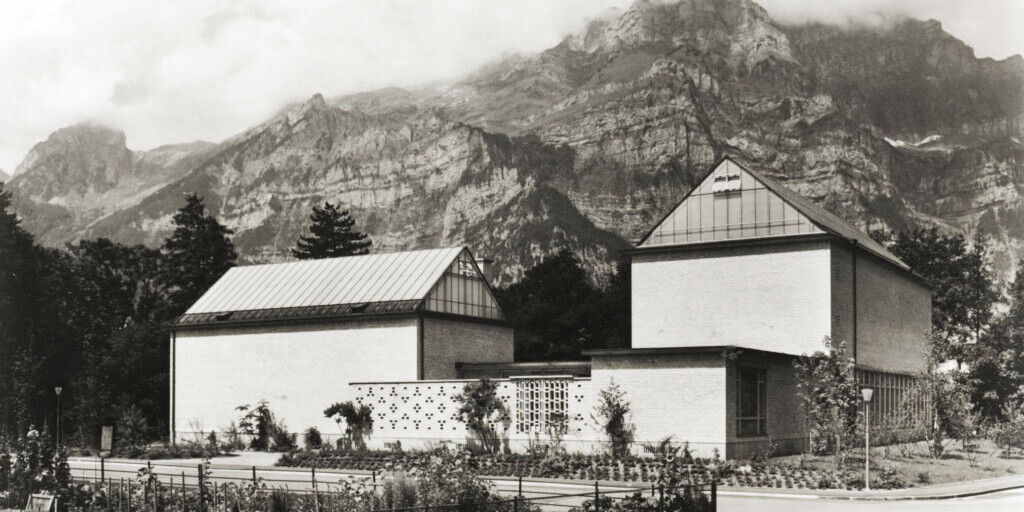
    When the art historian and diplomat Gustav Schneeli was looking for a location for his own museum in 1942, he found the perfect place in Glarus. The Glarus Art Association, which had been considering the idea of its own museum for decades, recognised the opportunity for collaboration. Schneeli made his Symbolist and Impressionist-influenced works available and promised 250,000 francs for a foundation. The foundation stone for today’s Kunsthaus.

    Architectural clarity with vision
    After Schneeli’s death in 1944, the architect Hans Leuzinger developed a project of remarkable consistency. The path led from classical approaches through numerous variations to a finely tuned lighting design. Scandinavian influences, careful site inspections and creative foresight formed a building that consciously distanced itself from monumental representational intentions and blended sensitively into the Glarus valley basin.

    Political hurdles, patient negotiations
    The realisation was anything but straightforward. Disputes over the location, delays caused by the war, critical voices from the administration and the community of heirs as well as the threat of the foundation’s withdrawal jeopardised the project on several occasions. It was only through diplomatic skill, architectural persuasion and tireless commitment that construction could begin on the last possible day, 15 July 1950.

    Art and architecture as a sign of the times
    The opening in 1952 was not only an architectural success, but also a strong signal for Glarus as a cultural centre. A cultural attitude manifested itself in a simple but expressive building that continues to have an impact today. Architect Reto Fuchs’ research reveals this masterpiece and its eventful construction history. The Kunsthaus Glarus stands for masterful architecture, the courage to take a stand and the idea of thinking big about culture in rural areas.

  • The 24th report of the Zurich Heritage Society

    The 24th report of the Zurich Heritage Society

    With its 24th report, the Zurich Cantonal Monument Preservation Office has published a detailed documentation of its work in recent years, providing important insights into the restoration of architectural monuments throughout the canton. This volume contains 34 detailed texts on individual buildings and ensembles spanning a period of more than 700 years of building culture. The selected projects illustrate the typological diversity and regional distribution of monuments in Zurich.

    Particularly noteworthy in this report is the increase in projects from the 20th century, including striking buildings such as the Tibet Institute in Zell, the landscaping of the Wintower in Winterthur and the Pavillon Le Corbusier in Zurich. The report also presents a number of educational and catering buildings as well as agricultural structures that are characteristic of regional architecture.

    Outstanding examples include the castle ruins of Alt-Wülflingen near Winterthur, the guild house “Zur Meisen” and the “Schildner zum Schneggen” society house in Zurich as well as the historicist Wart Castle in Neftenbach. Two villas with extensive parks in Horgen and Männedorf are also included in the report.

    The documentation of each property in the report includes a timeline of the construction history, detailed descriptions of the measures carried out and extensive illustrations. The report is supplemented by two introductory articles dealing with liturgical buildings in Dielsdorf and innovations in timber construction in the early 20th century in the canton of Zurich. These articles shed light on the influence of civil engineering on architecture and the importance of building with wood during a period of major technical and cultural change.

    Finally, the report contains around 90 short reports on renovations accompanied by monument conservationists, which illustrate the breadth and depth of monument conservation activities in the Canton of Zurich. The 24th Report on the Preservation of Historical Monuments in Zurich thus offers a valuable resource for specialists in monument preservation, architecture and urban planning as well as for anyone interested in the preservation of cultural heritage.