Tag: Begegnungszonen

  • Basel-Stadt tests CO2-neutral concrete in pedestrian zones

    Basel-Stadt tests CO2-neutral concrete in pedestrian zones

    The Department of Construction and Transport of the Canton of Basel-Stadt is currently trialling new furniture for Basel’s pedestrian zones in Birkenstrasse and Göschenenstrasse. According to a press release, CO2-neutral and cement-reduced concrete is being tested for their production. The new benches are also equipped with small tables and mounting options for awnings, while the plant troughs for large shrubs will provide shade in future. During the one-year test phase, residents will be able to provide ongoing feedback.

    As the furniture in the meeting zones needs to be both robust and durable, it has so far mainly been made of concrete. However, the cement binder usually contained in concrete causes high CO2 emissions during production. The new materials currently being developed are intended to solve this problem. On the one hand, a CO2-neutral concrete mixed with biochar is being used. This stores CO2 and thus permanently removes it from the atmosphere. On the other hand, a mixture of conventional and cement-free concrete is being tested. A mineral binder made from crushed concrete and clinker rubble is intended to reduce the proportion of cement and thus also CO2 emissions.

    There is also enough space in the new plant troughs for shrubs up to five metres high or larger climbing plants. For example, an ironwood tree and a wisteria, both of which are considered climate-resistant, are now being planted. The rest of the troughs can be planted by the residents themselves.

    Since 2002, over 90 meeting zones have been set up in Basel’s residential neighbourhoods. The background to the new furniture is the residents’ desire for more opportunities for greenery and shade as well as a better quality of life in the zones.

  • A residential area to feel good

    A residential area to feel good

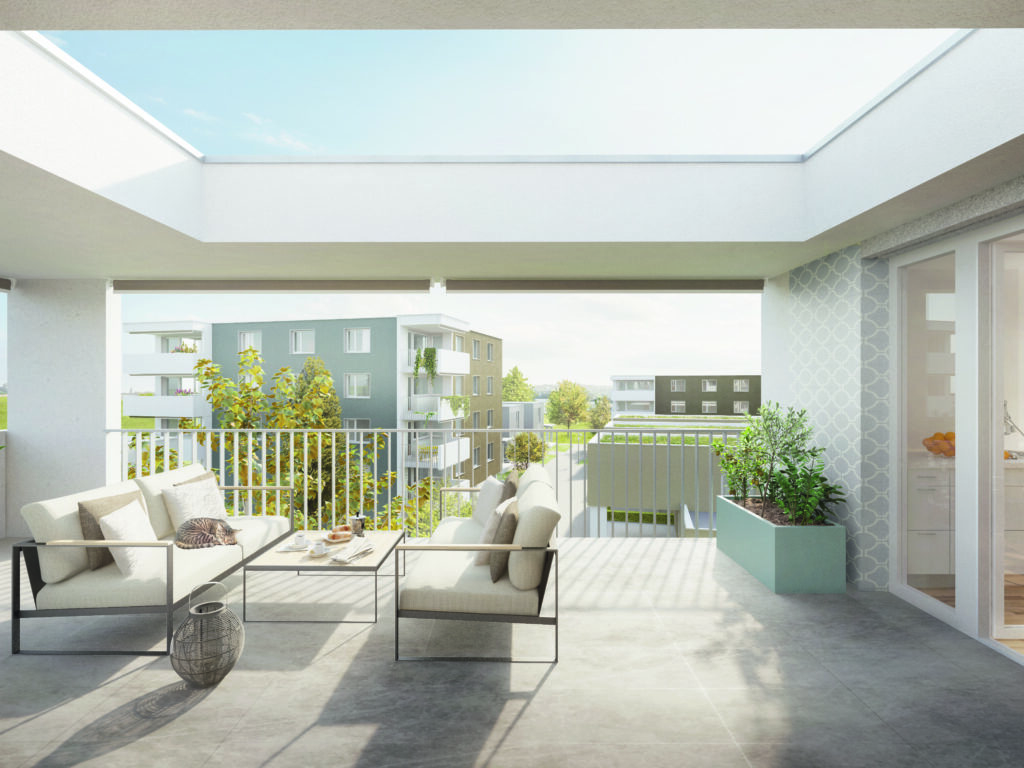
    With this project, Steiner AG is creating living space for young people, singles, couples, families and senior citizens. In the new quarter there will be attractive housing offers, private retreats and communal meeting areas. Numerous green areas with playgrounds and playgrounds invite you to spend a lot of time outside. At first glance, the many green and recreational areas as well as the bright apartments catch the eye: "We have placed great emphasis on open, well-lit interiors with a beautiful view, which ensure a pleasant, feel-good climate, peace and relaxation," says Stefan Gabriel, Team Leader Real Estate Development at Steiner AG. «The apartments are barrier-free, functional and can be flexibly furnished. Private gardens and community gardens invite you to linger and round off the multi-generational living in the quarter. "

    Here, a fallow industrial area is being transformed into a new place to live in the countryside. Existing listed buildings such as the barn and the Alte Post are carefully integrated and revitalized for living and common areas. This project aims to create a comfortable living area that will enrich Fischbach-Göslikon.

    Contemporary renovation
    Steiner AG sees its project as a symbol of the connection between the past and the future of Fischbach-Göslikon. “The listed barn is an important cultural and historical witness in the community and in the neighborhood – a building that needs to be preserved. The barn is being gently but modernly renovated and used for new purposes. A day-care center with 16 places and a workshop are to be built on the ground floor. A common room for various occasions, such as birthdays or family celebrations, is planned on the upper floor. The room can also be rented by the public, ”says Gabriel.

    Start of construction in 2022
    The start of construction on the first stage is scheduled for 2022. The overall project, which consists of three stages and should be completed by 2032, will one day include 165 residential units in 10 apartment buildings and 46 row single-family houses. Due to the current design plan, there must be an interval of four years between building applications. Gabriel concludes: “We are now expecting the building permit for the first stage to become legally binding. We are pleased about the excellent cooperation with the authorities and everyone involved. This is an important prerequisite for such a project to be implemented successfully. "

    The 165 residential units are all very bright.