Tag: bezahlbarer Wohnraum

  • Ground-breaking ceremony marks the start of a new residential development in Baden

    Ground-breaking ceremony marks the start of a new residential development in Baden

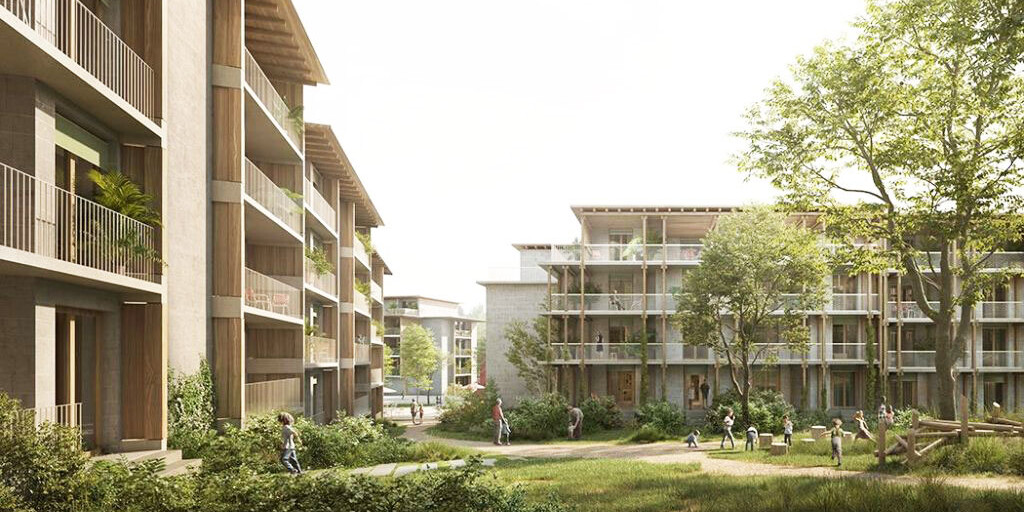
    The first five foundation stones were laid on the Brisgi site, marking the official start of the approximately three-year construction phase. According to a statement from the City of Baden, the site will see the creation of around 220 units of sustainable and affordable housing. The symbolic laying of the foundation stones was carried out by Baden’s Mayor Markus Schneider, representatives of the non-profit developers – the Baden Housing Foundation, Logis Suisse AG and the Graphis Building and Housing Cooperative – as well as members of the local community.

    “These five stones come from the excavation and represent the core values of the future Brisgi site: together we are shaping the future with sustainable and affordable housing,” explains the City of Baden in the statement.

    By 2028, affordable flats and flexible housing options for single people, couples and families are to be built on the site. In addition, community life will be enhanced by studios, green spaces, a neighbourhood square and a playground.

    The project will be built in accordance with the Swiss Sustainable Building Standard (SNBS). “The site focuses on hybrid construction, renewable energy, biodiversity and minimal soil sealing,” the press release states. “In this way, the project demonstrates that high-quality construction, sustainability and affordable housing go hand in hand.”

  • Society for affordable housing aims to create permanently affordable living space

    Society for affordable housing aims to create permanently affordable living space

    The new real estate company GEW aims to raise private capital for permanently affordable housing for people with low to medium incomes in Switzerland. GEW was founded in December 2025 against the backdrop of an increasing shortage of affordable housing in Switzerland, according to a press release. It will develop, build, acquire and operate residential properties with rents in the affordable segment of the local market, which are to be below the 50th percentile in the respective municipality.

    GEW aims to contribute to social stability in Switzerland through its work. Rising rents, a lack of building land reserves, restrictive regulations and high land and construction costs have meant that housing production can no longer keep pace with demand. “When housing becomes a concern, new answers are needed,” said Reto Brüesch, Managing Director of GEW, in the press release. “We are convinced that the private sector can and must take on part of the responsibility with entrepreneurial thinking and a clear focus on the common good.”

    The GEW model is based on three pillars: efficient development and construction, cost-effective operation and low capital costs due to low risk. This creates an economically viable approach that combines affordable rents with entrepreneurially responsible investments. “Investing in GEW creates affordable housing in Switzerland while also generating a fair return and a positive social impact,” explains Daniel Kusio, Chairman of the Board of Directors of GEW. He is supported on the Board of Directors by real estate economist Donato Scognamiglio and Balz Halter, Chairman of the Board of Directors of the Halter Group.

    While municipalities can use GEW to create affordable housing without excessive financial burden, owners benefit from transparent models such as sale, building rights or contributions in kind. Investors, in turn, gain access to a long-term investment with a stable income structure.

  • Building lease flats create new living space in Altstätten

    Building lease flats create new living space in Altstätten

    Halter AG is implementingtheTresTerrä project in collaboration with the Catholic denomination of the canton of St. Gallen, owner of the project, andSchlieremerTend AG, partner for communication and marketing. As part of this, Halter will undertake the construction of ten residential buildings on the Guter Hirte site in Altstätten, which will provide affordable living space in the future, according to a press release. The ground-breaking ceremony and official start of construction for the project have now taken place.

    “Tres Terrae stands for a place where living, open space and neighbourhood come together,” says a statement from Halter. “The aim is to create lasting quality of life that offers people a home for the long term.”

    Three building complexes are planned, which will be located around a central communal square and connected by a network of paths. A total of 37 freehold flats will be built in the buildings, ranging from 2.5-room to 5.5-room flats. Central meeting areas will provide space for interaction and community, according to the project description.

    In order to reduce the equity requirement and facilitate financing, the flats will be sold under building law. The flats are expected to be ready for occupancy in 2028.

  • Gartenstadt Bergacker living with a future

    Gartenstadt Bergacker living with a future

    The approximately 70-year-old buildings on the Bergacker estate are no longer up to date and are in need of renovation. It is not feasible to renovate them while they are occupied, which is why the owners, Swiss Life for the western part of the site and Habitat 8000 for the eastern area, have decided in favour of a comprehensive replacement building.

    Test planning was carried out back in 2019 to develop a sustainable urban planning solution. The result is a concept based on four-storey terraced buildings that are arranged along the slope and create generous, green open spaces. These “garden courtyards”, developed by EMI Architekten and Maurus Schifferli Landschaftsarchitekt, tie in with the original garden city idea and promote the quality of life.

    Sustainability as a guiding principle
    The entire construction project is designed in accordance with the highest sustainability standards and aims to achieve the “Gold” certificate of the Swiss Sustainable Building Standard. Energy is supplied by geothermal probe heat pumps and photovoltaic systems, making the neighbourhood largely self-sufficient in renewable energy. Green roofs and climate-resistant outdoor spaces with wildflower meadows and shady trees promote biodiversity. At the same time, a large proportion of the garden courtyards remain unsealed in order to improve natural water management.
    In addition to ecological sustainability, the social component also plays a central role. The new building will create a total of 270 flats with 1.5 to 5.5 rooms, which are aimed at a broad public, from singles and families to older people. The focus is on affordable living space that is suitable for all stages of life.

    Living quality through intelligent architecture
    The new buildings make optimum use of the hillside location to offer maximum living comfort. A noise-reduced mezzanine floor has been created on the street side, while the rooms on the garden side have generous ceiling heights and offer direct access to the green open spaces. The floor plans are designed in such a way that morning sun in the kitchens and evening sun in the living rooms ensure a pleasant indoor climate. Each flat has two outdoor areas in the form of a loggia, a balcony or a terrace with a private garden.

    Particular emphasis is placed on communal areas. In a participatory process, tenants expressed a desire for seating, playgrounds, barbecue areas and urban gardens, which are now being integrated into the planning.

    Staggered implementation for a smooth transition
    To ensure an orderly transition for residents, the new building will be realised in several stages. The construction project planning should be completed by the end of 2025 before the first construction phase starts in 2026. The first new buildings are expected to be occupied in 2028, while the other construction phases should be completed by 2030.

    Swiss Life tenants will be actively supported throughout the entire process. They will receive help in finding accommodation, have priority when re-letting within the neighbourhood and benefit from flexible notice periods.

    A showcase project for sustainable living
    Gartenstadt Bergacker is becoming a forward-looking neighbourhood that combines sustainable construction with a high quality of living and a social mix. Conscious planning and the involvement of the tenants will create an environment worth living in that fulfils ecological, economic and social requirements in equal measure. The project sends out a strong signal for the future of sustainable living in the city of Zurich.

  • Daniel Leupi on Zurich’s housing policy

    Daniel Leupi on Zurich’s housing policy

    Daniel Leupi has been responsible for the City of Zurich’s real estate policy as Chief Financial Officer since 2013 and can point to tangible results. With the Leutschenbach, Letzi, Hard and Hardau I housing estates, almost 830 new non-profit apartments have been created. At the same time, the city has acquired 24 properties in recent years. Leupi also attributes this success to the strengthened acquisitions department.

    With the new housing fund, non-profit developers can now also apply for financial contributions for land purchases and new buildings. The depreciation contributions financed from these funds enable lower rents despite rising market prices. At the same time, a new letting ordinance ensures that the approximately 10,000 municipal apartments are allocated in a socially responsible and transparent manner.

    A growing portfolio with responsibility
    At the end of 2024, the municipal portfolio will comprise 58 housing estates and over 500 individual residential properties, a total of 1,400 buildings with almost 10,000 non-profit apartments. In addition, there are 220 active building rights for over 6,000 apartments and further projects in preparation. The city thus acts not only as a planner, but also as a major real estate owner with a clear focus on affordable housing.

    Challenges of a dynamic market
    Despite all efforts, the challenge remains great. According to Leupi, the housing shortage is a structural problem that occurs in every attractive city center. It is particularly problematic that many investors are primarily constructing high-priced new buildings, while existing apartments are being squeezed out. Although the market is growing, it is not socially balanced. The city cannot create affordable housing for everyone, but it can create more and more affordable housing.

    Market intervention or tenant protection?
    The discussion surrounding the case of the so-called “SUGUS houses” has reignited the debate on social mixing. Leupi does not see this as a problem, but rather as a functioning example of affordable housing in private hands. At the same time, he warns against a blockade through excessive regulation, as has occurred in some cantons through housing protection laws. In Zurich, the City Council is therefore supporting the popular initiative “Protect affordable housing”, which aims to prevent vacancies while maintaining flexible implementation options at municipal level.

    Investors responsible
    For Leupi, part of the solution lies in the industry’s own responsibility, albeit with clear expectations. While some owners continued to act fairly, others exploited the market situation ruthlessly. Excessive rent mark-ups when tenants change are not isolated cases. This is why more government involvement is needed for lower and middle incomes. Not as an intervention in the market, but as a balance to its dynamics.

    Growth yes – but in a socially responsible way
    A central problem remains that many new replacement buildings are displacing affordable housing. Although new projects create living space, they often increase prices. Institutional investors and property developers are called upon to plan in a more socially responsible way in future. Otherwise, social acceptance of immigration, bilateral agreements and the liberal economic system as a whole would be at stake.

    The “slow” building permit process
    The supposedly slow building permit process is a frequently criticized topic. Leupi puts this into perspective and emphasizes that the administration works efficiently. The median time for new building applications is 121 days. The trend is downwards despite the rising number of cases. What takes time, however, are appeals, project changes and amendments to conditions. The number of these has risen significantly in recent years, from 229 to 410 cases per year.

    As a solution, Zurich relies on consulting, digitalization and process optimization. The aim is to create planning certainty and increase resistance to appeals.

    Airbnb, renovations and new standards
    The impact of short-term rentals is a hot topic. Back in 2020, Zurich decided to amend its building and zoning regulations in order to create regulatory requirements for Airbnb & Co. Implementation is currently stalling because the decision is before the Federal Supreme Court. However, Leupi believes the city is on the right track.

    At the same time, he advocates binding industry standards in dealing with renovations to cushion social hardship. There are already positive examples, such as when the rent remains constant when moving within the same housing estate. Leupi would like to see more models like this, including from private players.

    Three key areas of action
    Leupi currently sees three urgent tasks for the city government. Firstly, the targeted expansion of the city’s residential portfolio through construction and purchase. Secondly, the broad establishment of the housing fund in order to strengthen non-profit organizations and thirdly, a political offensive for more federal and cantonal involvement in the area of non-profit housing construction.

    Zurich has shown what is possible. The task now is to continue on the path we have taken, with social moderation, economic foresight and political consistency.
  • City takes over site in Oerlikon

    City takes over site in Oerlikon

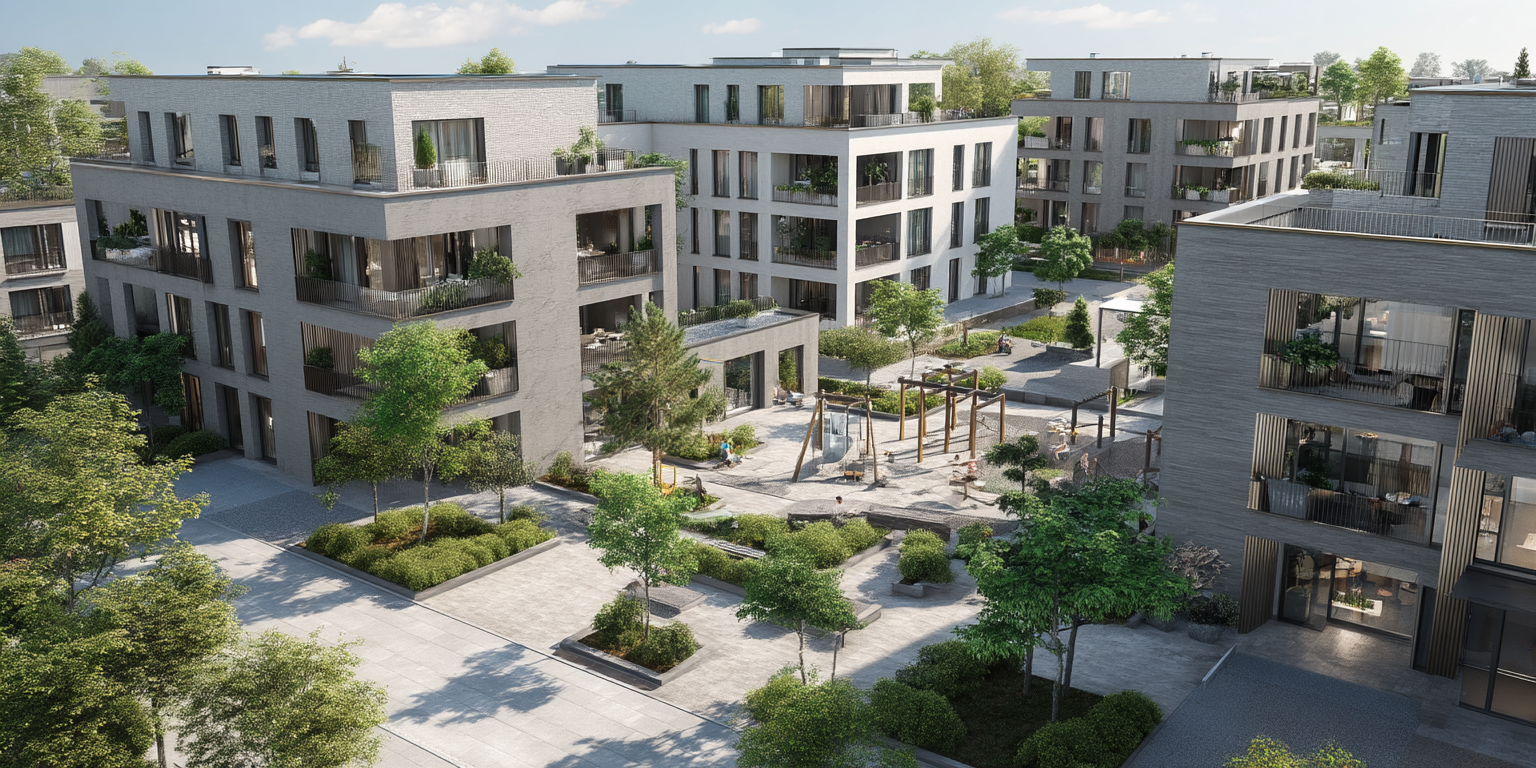
    Zurich-based technology company ABB has finalised the sale of a “significant urban development site” to the city of Zurich, according to a press release. The city is planning a mixed-use development including affordable housing, commercial and socio-cultural uses and the creation of outdoor spaces on the approximately 25,500 square metre site in Zurich Oerlikon. The development site is located close to ABB’s global headquarters. The sale, which was completed on 27 March, was agreed in an urban development contract between the two parties in 2021, according to the press release.

    ABB will report an operating gain on disposal of around 120 Swiss francs before tax in the first quarter of 2025 and receive net cash of around 90 million Swiss francs. These amounts include the effect of the value-added compensation of almost 17 million francs from the development plan amendment and compensation for the zonal relocation of affordable housing totalling around 22 million francs, which ABB had to pay under the agreement.

    With this transaction, ABB is not only supporting the city of Zurich in the construction of additional affordable housing, but also in the further development of the Neu-Oerlikon neighbourhood, according to the ABB press release. As part of the agreement, the former ABB production site and current event venue Halle 550 will be retained in the long term.

    ABB’s corporate headquarters in Zurich-Oerlikon and the historic ABB building will remain unaffected by the sale.