Tag: Dekarbonisierung

  • District heating from wastewater to decarbonise the municipality

    District heating from wastewater to decarbonise the municipality

    The energy company CKW, part of the Axpo Group, has been awarded the contract for the prequalification of the planned district heating network in Richterswil. With the district heating network, which is central to the municipality’s energy and climate concept, the energy company wants to launch a long-term partnership for decarbonisation, according to a press release.

    The energy network will mainly be operated using waste heat from the Richterswil wastewater treatment plant (WWTP). Additional heat production for peak load and security coverage will be evaluated in the future. The aim is for commercial enterprises and residents to benefit from an economically attractive offer. “We are delighted to have been awarded the contract and are convinced that we can plan an economical and sustainable heat supply in Richterswil,” Angela Krainer, Head of Energy at CKW, is quoted as saying in the press release.

    In future, CKW will be responsible for the entire project planning of the heat network. The collaboration between the municipality and the company is to be concretised in the summer and the next project steps are to be taken in autumn 2025.

  • Biogas plant to be converted to biomethane production

    Biogas plant to be converted to biomethane production

    Axpo Biomasse AG now operates a biogas processing plant in Aarberg instead of the previous combined heat and power plant. The fermentation plant in Aarberg processes around 20,000 tonnes of regional biomass into electricity and natural fertiliser every year. The biogas produced in this process is now processed into biomethane and fed directly into the existing gas network.

    Previously, the biogas was used to generate electricity and heat. The changeover is intended to make more efficient use of the energy content of the biomass used. “In this way, we are making another important contribution to the decarbonisation of the energy supply and to regional value creation,” says Daniel Gobbo, Head of Axpo’s Biomass Business Unit.

    The biomethane produced is purchased by Energie Wasser Bern (ewb), the energy supplier for the city of Bern. According to the announcement, ewb has signed a contract for the complete purchase of the production. Transport will be via the Seelandgas AG network. For possible surplus quantities, Gasverbund Mittelland (GVM) is also building a pressure boosting station so that the gas can be fed into the Gasverbund Mittelland high-pressure network.

    By purchasing the gas, Energie Wasser Bern is contributing to the promotion of biogas production in Switzerland. “By purchasing gas from the Aarberg plant, ewb is consistently pursuing its strategy for a CO2-neutral energy future and strengthening sustainable security of supply,” says Marcel Ottenkamp, Head of Energy Management at ewb.

  • Industrial company once again ranks among the most sustainable worldwide

    Industrial company once again ranks among the most sustainable worldwide

    KONE has made it onto the A list in the sustainability ratings for companies just published by CDP, known as the CDP Scores 2025. This list comprises the top 4 per cent of the more than 22,100 companies from around the world that were assessed. The ratings range from D to A and show how ambitious and effective companies are in terms of climate, water security and forests.

    According to a press release, the lift manufacturer has been disclosing its data via CDP since 2009 and has now achieved a CDP rating of A or A- for the 13th consecutive time. At the end of January, KONE was ranked 54th in this year’s Global 100 Most Sustainable Corporations in the World list by Corporate Knights, placing it second among engineering companies.

    “This recognition reflects our systematic efforts to integrate sustainability into everything we do – from our products and services to our operations and partnerships,” said Kirsi Simola-Laaksonen. He is KONE’s Senior Vice President and responsible for sustainability and the environment.

    He goes on to explain that the proportion of renewable drives in KONE lifts will have increased significantly by 2025. This has improved the energy efficiency of the products and reduced both the company’s own CO2 emissions and those of its customers. As over 99 per cent of emissions come from the product and value chain, the company is “actively working with suppliers to identify opportunities to reduce emissions from the materials used in our products”.

    KONE has been headquartered in Espoo, Finland, since 1910. KONE (Switzerland) AG has been operating in Switzerland since 1996. The company employs over 60,000 people in more than 70 countries.

  • New role for H₂ heat

    New role for H₂ heat

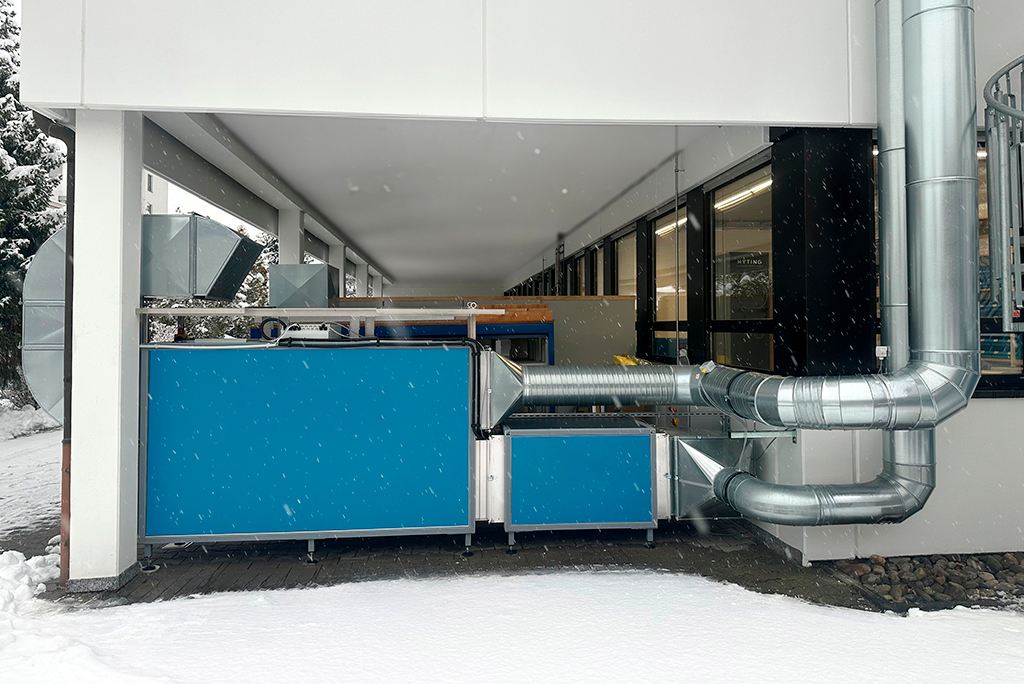
    In a production hall, an inconspicuous device is making heating technology history. The first catalytic hydrogen air heating system has been put into operation at a customer. The 10 kW system provides peak load heat for a production area of around 1,000 cubic metres for the pump manufacturer Flusys, using hydrogen from regional supplies. For the young company from Wiesbaden, this is more than just a field test. It is a practical test for a technology that is intended to replace fossil fuels in the heating sector in the future.

    Commercial and industrial buildings
    The company is deliberately targeting commercial and industrial buildings rather than single-family homes. This is where high heat demand, limited electrical connected load and increasing pressure to decarbonise come together directly. A purely electrical solution using large heat pumps often fails due to expensive grid connections or simply a lack of capacity. The hydrogen heating system covers the peak load, while a heat pump or another heat source takes over the base load.

    In Offenbach, the 10 kW unit works in a hybrid network with a heat pump. The heat pump supplies the production area during normal operation, while the H₂ heating system kicks in on particularly cold days or when capacity utilisation is high. This division of tasks allows the heat pump to be dimensioned smaller and reduces the required electrical connected load, a noticeable lever for investment and output prices. For locations with an existing or planned hydrogen infrastructure, the system thus becomes an economical component of the energy supply.

    The flameless hydrogen heating system
    Technologically, the company differs significantly from conventional condensing boilers or H₂ burners. The system works with a flameless, catalytic process. Hydrogen is mixed with ambient air, remains below the lower explosion limit and only reacts with the oxygen in the catalyser. Heat is generated, but no visible flame, as the process is based on controlled oxidation rather than combustion.

    The lower process temperatures mean that neither CO₂, NOx nor particulate matter are produced; the only by-product is water in the form of humidity. At the same time, flammable hydrogen concentrations are never used in the appliance, making the technology inherently safe. HYTING sees this as a kind of “plug-and-play heating” with hydrogen that utilises existing air ducts or ventilation systems and can be scaled in a modular design.

    Practical test, endurance test and approval
    The system is not the first endurance test for the young technology. A leading engineering service provider had previously accompanied a 2,500-hour endurance test that simulated around ten years of real operation. During the test, there were neither failures nor measurable wear and tear on safety-critical components. Continuous emission measurements confirmed the absence of CO₂, NOx and particulate matter emissions.

    The first customer system now marks the transition from the laboratory to industrial reality. Further systems are to follow in the course of the first quarter of 2026, also in commercial applications with existing hydrogen expertise.

    Where does the technology make sense
    Despite the attention, catalytic hydrogen heating is no substitute for gas heating or heat pumps in the broad market. Hydrogen is currently expensive, the infrastructure is limited and a comprehensive H₂ network for residential neighbourhoods is not in sight. For the foreseeable future, there is therefore no basis for economical use in single-family homes.

    The situation is different in industrial clusters, harbour regions or chemical parks, where hydrogen is already being produced or the hydrogen core network is being set up. This is where it can play to its strengths. As peak load heating in combination with heat pumps, as a supplement to industrial waste heat or as a flexible option in logistics properties with their own hydrogen production from PV surpluses. The role is thus clearly defined, not as a competitor to heat pumps, but as a building block in hybrid systems for companies that can utilise H₂ without major additional expense.

    Whether the niche becomes more will ultimately be decided outside the technology room. The price of hydrogen, the pace of grid expansion and political decisions will determine whether flameless H₂ heaters will be used more frequently in commercial buildings in the future or remain a specialised tool that is primarily used in places where hydrogen is already part of the energy mix.

  • New technology paves the way for virtually CO2-free cement

    New technology paves the way for virtually CO2-free cement

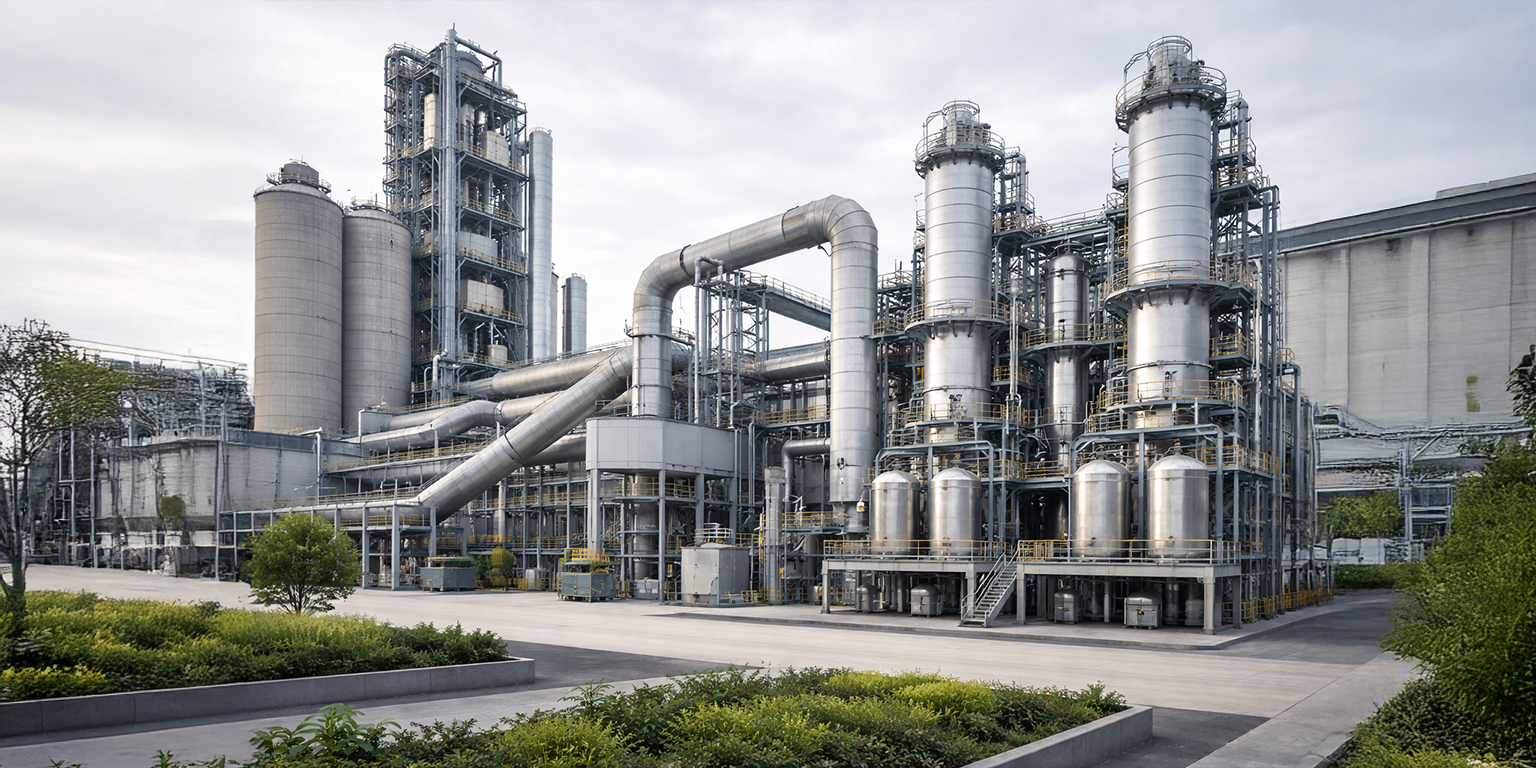
    Holcim has agreed to acquire a strategic stake in Capsol Technologies, a specialist in post-combustion carbon capture solutions based in Oslo. This was announced in a statement by the building materials supplier. The focus is on HPC (hot potassium carbonate) technology, an energy-efficient chemical absorption process for capturing CO2 from gas streams, combined with an integrated heat recovery system. Holcim intends to use this technology to promote the large-scale production of virtually CO2-free cement and meet growing customer demand for climate-friendly building materials.

    “By combining Holcim’s expertise in cement production and on-site CO2 capture with Capsol’s safe and efficient technology, we have an additional lever to drive decarbonisation and achieve profitable growth,” said Ram Muthu, Head of Operational Excellence at Holcim. “This strategic investment brings us one step closer to large-scale production of virtually CO2-free cement.”

    The investment was preceded by a CapsolGo demonstration project at Holcim’s Dotternhausen plant in Germany in 2025, where Capsol successfully tested its technology in an industrial environment. The investment expands Holcim’s portfolio of decarbonisation technologies within its open innovation ecosystem. Through Holcim MAQER Ventures, the Group’s corporate venture capital unit, Holcim has made 19 investments to date and reviews more than 500 start-ups in the field of sustainable construction solutions each year.

  • Data-driven decisions for green real estate strategies

    Data-driven decisions for green real estate strategies

    Empiraintends to utilise Zurich-basedOptimI’s Real Estate Decision Intelligence (REDI) to strengthen data-driven decision-making in the areas of investment, funds, asset management and sustainability management. According to a statement, the aim is to develop an integrated approach that holistically combines financial performance, climate impact and regulatory requirements. OptimI’s REDI platform supports Empira in making informed investment decisions, developing scientifically sound decarbonisation pathways at fund and asset level, and planning capital-efficient investment and refurbishment strategies.

    Empira uses the platform in particular in the context of its Transition to Green Fund, which targets energy-inefficient properties with repositioning potential and utilises government incentives for green refurbishments and comprehensive asset management to create high-quality, sustainable residential and office properties.

    “Digital decision intelligence is essential today to achieve both stable returns and credible decarbonisation, starting from the moment we receive an initial investment memorandum,” said Torsten Bergmann, Vice President of Investment Advisory at Empira. “Optiml provides us with the analytical depth we need to achieve consistent, scalable impact across all our funds and supports our transition-to-green strategy with reliable decision-making processes.”

    According to the announcement, the introduction of the OptimI solution underscores the industry trend toward data-driven asset optimisation, in which sustainability and financial performance are assessed holistically. The real estate sector is responsible for around 40 per cent of total energy-related CO2 emissions worldwide. Industry players are therefore increasingly obliged to present credible and financially robust decarbonisation strategies.

  • New pipe bridge strengthens regional district heating network

    New pipe bridge strengthens regional district heating network

    BRUGG Pipes from Kleindöttingen, part of the Brugg-based BRUGG Group AG, has supplied pre-insulated district heating pipes for a crossing of the A4 highway. The bridge element between Holzhäusern and Rotkreuz was lifted into place at the end of October, according to a press release. During assembly, two 48-metre-long pipes suitable for bridge structures were installed. They weigh 4.9 tons without water.

    The pipe bridge connects existing and new sections of the Ennetsee heating network. Further districts and commercial locations in Rotkreuz ZG, Cham ZG and neighboring areas are to be connected to the district heating network. The client for the project is WWZ. The company B S AG was responsible for the planning and construction management of the bridge, supported by Hodel SHLK AG as the pipe constructor. “I am delighted with how WWZ, B S, Hodel SHLK and the other partners implemented this project in a spirit of partnership and with the utmost precision. Laying our pipes like this with our own bridge is definitely not an everyday occurrence. I am all the more pleased that the installation was successful and that our pre-insulated pipe systems are now supporting the expansion of the Ennetsee heating network and decarbonization,” said Martin Rigaud, CEO of BRUGG Pipes, in the press release.

    WWZ uses the waste heat from the Renergia waste incineration plant in Perlen LU as a heat source. Cham is also to be supplied with district heating from the project by fall 2026. Overall, the expansion of the network is expected to save around 12,000 tons of carbon dioxide per year.

  • Strategic partnership strengthens building technology and energy planning

    Strategic partnership strengthens building technology and energy planning

    AEW Energie AG is acquiring a stake in Herzog Kull Group Holding AG(HKG). The energy supplier from Aarau will acquire a 35 per cent stake in the Zug-based building technology and electrical engineering group, AEW announced in a press release. The two companies intend to develop new business areas together. Examples cited in the press release include general planning for site concepts and standardised overall solutions for residential construction.

    The two companies have agreed not to disclose the purchase price for the shares. AEW and HKG have already worked together in the past. AEW acquired a 50 per cent stake in the HKG subsidiary GA-Werkstatt.ch AG(GAW) at the end of 2023. GAW is to be merged with HKG subsidiary Energy-Group.ch AG this year to form Energy Group AG.

    “The megatrends of decarbonisation, decentralisation and digitalisation will continue to shape the energy system in the future, and every building will be an active element in this,” AEW CEO Marc Ritter is quoted as saying in the press release. His company intends to expand its own expertise in planning, engineering and building management, while continuing to forgo activities in execution. As part of the acquisition of HKG, Ritter and AEW Chairman of the Board of Directors Raffael Schubiger will join the Board of Directors of Herzog Kull Group Holding AG.

  • Merger planned in the Zurich energy sector

    Merger planned in the Zurich energy sector

    According to a joint statement, the City of Zurich and EKZ have decided to endeavour to have Energie 360 Grad AG taken over by EKZ. The main shareholder of Energie 360 Grad is the City of Zurich with a 96 per cent stake. The remaining 4 per cent is held by 22 political municipalities.

    In a resolution dated 31 May 2023, the Zurich City Council decided that Elektrizitätswerk der Stadt Zürich(ewz) should be the sole municipal provider for large energy networks in the city. Energie 360 Grad’s large energy networks in the city were to be transferred to ewz.

    As a result, Energie 360 Grad increasingly focussed on activities outside the city area. As a result, municipal ownership was examined, as were possible partnerships for Energie 360 Grad. EKZ and the City of Zurich have now agreed to enter into exclusive talks regarding a takeover of Energie 360 Grad by EKZ.

    According to the press release, the energy infrastructure in the canton of Zurich could largely be operated from a single source if EKZ and Energie 360 Grad were to join forces. EKZ already supplies 100 per cent renewable electricity. EKZ would consistently pursue Energie 360 Grad’s strategy towards renewable gases and the installation of charging infrastructure for electric cars. “This would be a decisive step towards decarbonisation and achieving the climate targets,” said the two negotiating partners.

    The municipal council and the EKZ Board of Directors must now decide on the realisation of the sale of Energie 360 Grad to EKZ. According to the information provided, the aim is to finalise a possible transaction by the end of 2026.

  • Energie 360° and EKZ hold takeover talks

    Energie 360° and EKZ hold takeover talks

    The City of Zurich announced back in 2024 that it was looking for new partnerships for Energie 360°. After withdrawing from the municipal heat supply, the company is increasingly focusing on projects outside the city area. In order to secure its long-term future, the city conducted market research with external support and spoke to several interested parties.

    It is now clear that Zurich and EKZ are conducting exclusive negotiations regarding a possible takeover. According to the press release, the talks are intended to clarify whether the merger of the two energy companies can create added value for the canton and the city.

    Synergies for the canton’s energy future
    EKZ has extensive experience in the construction and operation of complex energy infrastructures and already supplies 100 percent renewable energy in the electricity sector. A merger with Energie 360° would enable the canton of Zurich to manage large parts of its energy supply from a single source in future.

    For Energie 360°, integration into EKZ would mean the consistent continuation of its transformation. Away from fossil gas and towards renewable energy networks, biogas and charging infrastructure for electromobility. This would see the canton of Zurich take a significant step towards net zero in a national comparison.

    Observers see this bundling as an opportunity to better coordinate regional energy production, grid infrastructure and security of supply. At the same time, the planned takeover offers the opportunity to deploy resources and expertise more efficiently in an increasingly fragmented market.

    Decision expected by the end of 2026
    Two bodies will decide whether the merger actually goes ahead. The municipal council on the city side and the Board of Directors on the EKZ side. The negotiations should be completed by the end of 2026.

    The sale would be a significant strategic step for Zurich. It would involve the disposal of an important energy company, but also the opportunity to unite behind the goal of decarbonization in the canton. If the takeover is successful, an energy player would emerge in the Zurich area that consistently relies on renewable sources for electricity, heat and mobility, thus setting the course for a climate-neutral future.

  • ETH spin-off teaches the construction industry how to save money

    ETH spin-off teaches the construction industry how to save money

    The ETH spin-off is making its mark on the grounds of Innovation Park Zurich. A three-and-a-half-ton dumper truck is presented at customer demos with the specially developed hybrid drive. The construction industry is facing enormous challenges in view of the three gigatons of CO₂ emissions produced by its machines worldwide. The hybrid drive enables a reduction of 30 to 50 percent in fuel consumption and emissions. A revolution for construction companies facing increasingly strict environmental regulations.

    Efficiency and development as an ongoing task
    The pressure to innovate is high. In order to remain competitive and meet future requirements, the team is constantly working on further developments and optimizing the technology for various applications. Cooperation with construction and machinery companies ensures practical solutions, while the location in the IPZ pavilion offers ideal conditions for research and development.

    From prototype to series production
    Following intensive collaboration with partners, series production is imminent. This means that the innovative hybrid drive will soon be widely used and make a significant contribution to decarbonization and cost reduction in the construction industry. The technology combines power and flexibility with ecological responsibility. A model that will give the Swiss construction industry a new boost.

    The company impressively demonstrates how technological innovations master the balancing act between efficiency, economy and sustainability. The path to the future of construction leads via intelligent drives.

  • Study shows potential for renewable energy in Frauenfeld

    Study shows potential for renewable energy in Frauenfeld

    The municipal utility company of Frauenfeld, Thurplus, and researchers from the Swiss Federal Laboratories for Materials Science and Technology (Empa) have presented the results of a two-year study entitled “Energy Perspectives 2050”. As detailed in a press release, the study developed scenarios that show which technologies, energy requirements and infrastructures could be used to achieve net-zero emissions in the specified period.

    According to the study, 80 percent of buildings in Frauenfeld are still heated with oil or natural gas. However, decarbonization could be achieved with the technologies already available today, such as district heating, heat pumps, photovoltaics and battery storage. However, to replace the existing fossil heating systems by 2040, 250 buildings a year would have to be equipped with renewable heating technologies. District heating plays a central role here, but solar systems also have great potential. Solar energy, which currently covers 18 percent of Frauenfeld’s electricity requirements, could be increased almost fivefold by 2040, according to the press release.

    The study was carried out in collaboration with Urban Sympheny AG, a spin-off of Empa. The project was supported by the Swiss Federal Office of Energy (SFOE), the Office for Energy of the Canton of Thurgau and the Office for Building Construction and Urban Planning of the City of Frauenfeld.

  • Airport tests water reservoir under glacial channel

    Airport tests water reservoir under glacial channel

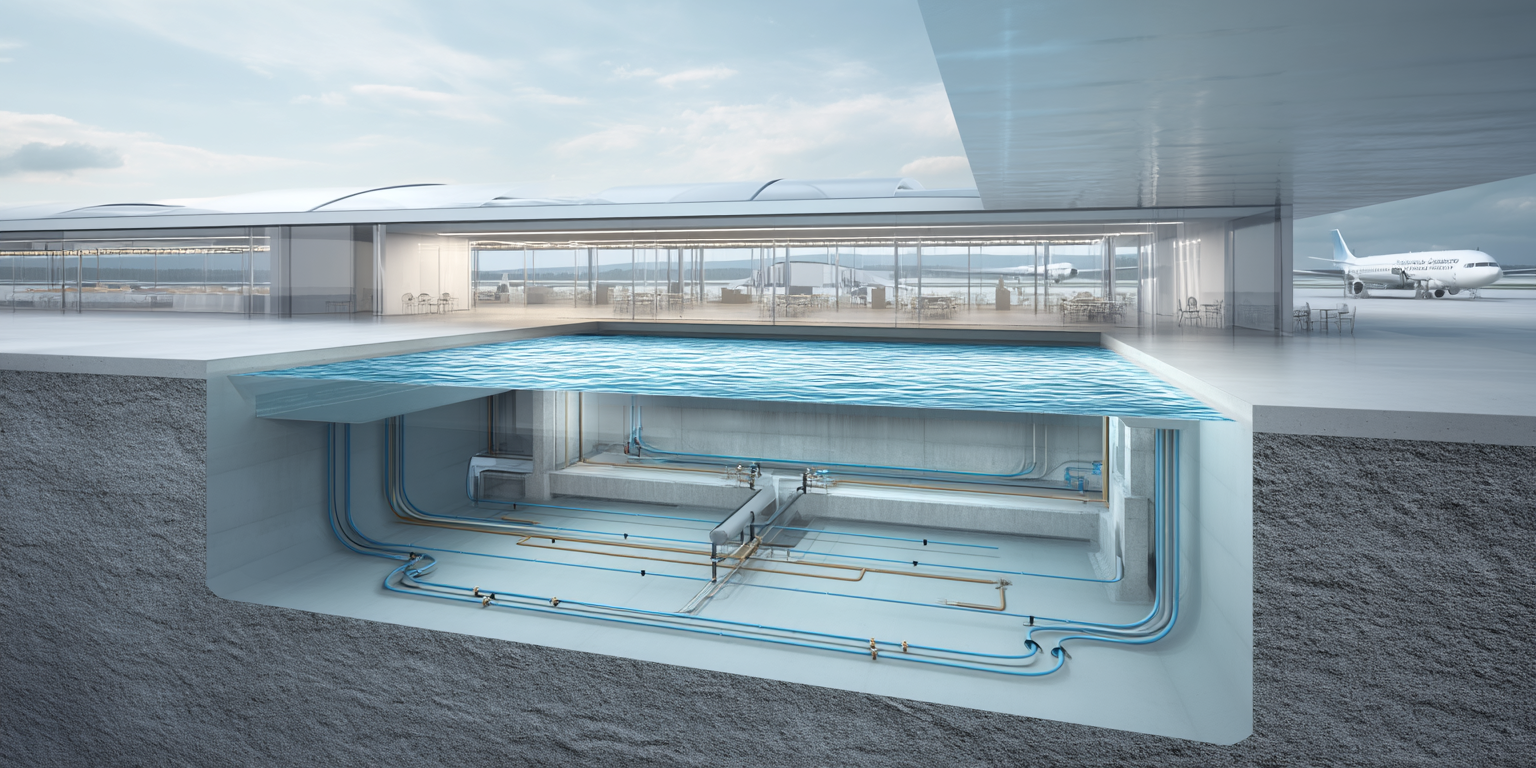
    Flughafen Zürich AG is starting the construction of a second test well in an ice-age channel located around 300 meters below the airport site, the airport operator announced in a press release. It plans to use the water-bearing channel as a heat and cold reservoir for emission-free heating and cooling of the airport building. A test well installed last fall had already delivered promising results.

    “The volumes of water that could be pumped and the flow rate of the water give us further confidence that the channel can be used to store heat and cold,” said Guido Hüni, Head of Energy and Decarbonization at Flughafen Zürich AG, in the press release. “Further tests are now needed to determine the extent to which this storage facility can be used.”

    A suitable location for the second well is currently being sought. Once installed, it will be connected to the first well for circulation tests. “This next step will allow us to test the efficiency of such a storage facility and, if the results are positive, we can then plan the actual expansion,” explains Hüni.

    The airport operator is counting on being able to cover the majority of the heating and cooling requirements for the airport building via the channel. Depending on the yield, the water reservoir could be combined with geothermal probe fields. The estimated cost of the investment is stated in the press release as around CHF 8 million. Flughafen Zürich AG can rely on financial support from the Swiss Federal Office of Energy.

  • District heating network in the lower Wiggertal is getting closer

    District heating network in the lower Wiggertal is getting closer

    The energy companies Primeo Energie from Münchenstein and StWZ Energie AG are in the planning stages for the district heating network Fernwärme Unteres Wiggertal (FUWI). According to a press release, their solution envisages the integration of existing networks.

    “The project is an important contribution to the decarbonisation of the heat supply. StWZ and Primeo are convinced that the district heating network in the lower Wiggertal can be realised most effectively if we join forces in a joint company,” Michael Schneider, Managing Director of Primeo Wärme AG, is quoted as saying. The first step will be to expand the district heating network in Oftringen and Zofingen and to integrate the existing district heating networks of both municipalities. Wood combustion in the StWZ energy centres and waste heat from the waste incineration plant (KVA) of Erzo (Entsorgung Region Zofingen) are to be used as climate-neutral heat energy substitutes.

    In addition to StWZ Energie AG Zofingen, EW Oftringen AG and EW Rothrist AG were initially involved in the project. Contrary to the plans, the two regional energy suppliers have withdrawn their commitment to join the company for the time being for various reasons. However, according to the press release, both companies are behind the project for CO2-neutral district heating. Participation at a later date has not been ruled out.

    The question of a future increase in heat consumption from summer 2027 is also still open. The Oftringen electorate will be asked to vote on the construction of a new waste incineration plant and the additional land required for this in November 2025.

  • New member of the Board of Directors strengthens growth of sustainable property platform

    New member of the Board of Directors strengthens growth of sustainable property platform

    Optiml has announced that Prof Dr Alexander von Erdély has joined the team as an angel investor. The 55-year-old, who holds a doctorate in civil engineering, has more than 30 years of management experience in the property sector. Three months ago, he took up his position as spokesman of the board of the German Federal Agency for Real Estate, which has around 18,000 federally owned properties in its portfolio.

    Prior to this, von Erdély was CEO of CBRE Germany, the world’s largest provider of commercial property services and investments, headquartered in Dallas and based in Zug, Switzerland. As a “passionate advocate for ESG, sustainability and innovation”, he is “a role model in his commitment to driving progress in property and urban development”, according to the spin-off from the Swiss Federal Institute of Technology in Zurich.

    The new board member will support Optiml in scaling its Real Estate Decision Intelligence platform. It provides property managers, investors and consultants with tools to achieve their goals in terms of profitability and sustainability. According to the information provided, it offers valuable insights into portfolios and building values as well as optimal decarbonisation and investment strategies and also detailed action plans for net zero refurbishment and compliance with ESG regulations, for example.

    According to a report by startupticker.ch, ten new customers from the DACH region and the UK are currently being integrated into the platform. The Zurich-based company is also working on adapting its solution to the regulatory peculiarities and calculation framework of the USA. CCO and co-founder Nico Dehnert calls the acquisition of the first customer in the USA, a real estate investment trust, “a significant milestone on our growth path”.

  • New projects for decarbonisation of the gas industry to start in 2025

    New projects for decarbonisation of the gas industry to start in 2025

    EPFL and the French-speaking Swiss gas supplier Gaznat have signed a framework agreement to expand their collaboration, according to a press release. This provides for three calls for tenders for research and development projects that can make a significant contribution to a clean gas supply. The first call is scheduled for early 2025.

    The winning projects will be selected by a scientific advisory board consisting of four representatives from both sides. These include Gaznat CEO Gilles Verdan, Wendy Lee Queen and Yasmine Calisesi from the EPFL Energy Centre and EPFL Vice President Edouard Bugnion. A programme manager will coordinate the tenders and support the selected projects.

    EPFL and Gaznat have already jointly financed 17 projects in three calls for proposals. Gaznat opened its innovation lab in Aigle in 2023.

    Gaznat, based in Lausanne, procures and transports gas for partner companies in western Switzerland. The company aims to make its supply climate-neutral by 2050. “Thanks to our research and development collaboration with EPFL, we are getting closer to our goal of climate neutrality and can decarbonise our industry,” Gaznat Chairman of the Board of Directors René Bautz and CEO Gilles Verdan are quoted as saying in the press release.

  • Zug Economic Area – Facts and Figures Zug

    Zug Economic Area – Facts and Figures Zug

    Located within the Greater Zurich Area (GZA), Zug is one of the world’s leading economic regions. The location boasts an excellent infrastructure, great potential for young talent and political and economic stability.

    Both the municipalities and the canton of Zug are constantly evolving and adapting to the requirements. With innovative projects, such as a bypass to relieve congestion in the centre of Cham, lake water that will regulate the temperature in the houses in residential areas in the future and exciting projects, such as the Association for Decarbonisation or the Climate Charter Zug, the canton is shaping a modern image with ambition.

    Numerous areas of historical significance are being renovated and converted to create attractive mixed-use developments comprising residential, work and commercial space.

    As a result, Zug remains a canton worth living in, which is also reflected in a high level of life satisfaction.

    Zug is not only appreciated by its 133,000 residents, numerous independent ratings and studies also confirm Zug’s outstanding position. For example, Zug has been ranked first among the Swiss cantons in the Credit Suisse and UBS rankings for 24 years. The basic principles of business friendliness, service orientation and a culture of innovation make the canton of Zug an ideal partner for companies, educational institutions and research institutes.

    Testimonials

    Andreas Klopp
    General Manager Roche Diagnostics International AG

    “Rotkreuz is located in the Zurich-Zug life sciences cluster and offers ideal conditions for driving innovation thanks to its excellent infrastructure and high quality of life. For over 50 years, Roche in Rotkreuz has been contributing to the health of patients worldwide with diagnostic solutions.”

    Dr Katja Buller
    Vice President, Head of Corporate Affairs International, Biogen

    “Local and international specialists,
    “Local and international specialists, a multi-layered infrastructure and professional cooperation with the authorities have made the canton of Zug the ideal location for our international headquarters for more than 20 years”

    Katharina Gasser
    President of the Zug Chamber of Commerce

    “Our members appreciate the business-friendly conditions in the dynamic and innovative Canton of Zug. The authorities are service-orientated, make decisions quickly and work efficiently; the unique “spirit of Zug” is palpable.”

    Hanspeter Rhyner
    Chairman of the Executive Board, Zuger Kantonalbank

    “Zuger Kantonalbank combines tradition and modernity. This is precisely the DNA of the attractive location of the Canton of Zug. Digital AND personal –
    this is how we meet the needs of our customers in line with this DNA. And we can fulfil all needs and accompany you through life.”

  • Switzerland on course for net zero

    Switzerland on course for net zero

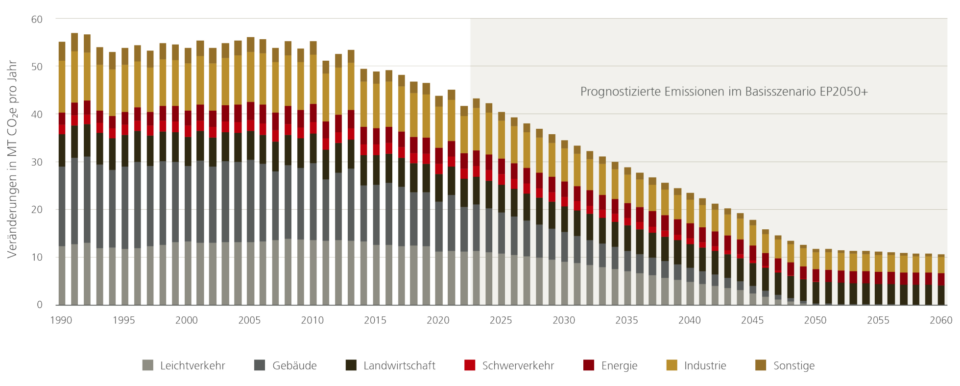
    Switzerland compares favourably with other countries. Its carbon intensity is the lowest of all OECD countries and electricity generation is already largely CO₂-free. Emissions were reduced by 24% between 1990 and 2022. This is a remarkable achievement while at the same time doubling its economic strength. This strong starting position offers Switzerland the opportunity to take a leading role in green technologies such as carbon capture or low-carbon cement.

    Renewable energies and energy storage are key
    In order to continue decarbonisation, electricity generation capacity must be increased from the current 27 gigawatts to over 60 GW by 2050. This is particularly challenging as the four remaining nuclear reactors will be shut down by 2034. A massive expansion of renewable energies and innovative solutions for the seasonality of supply and demand are required. Increasing energy storage capacities and efficient demand management will also play a key role.

    Michael Baldinger, Chief Sustainability Officer at UBS, explains: “For sectors that cannot completely eliminate their emissions, carbon capture technologies are crucial. This presents Switzerland with technological, logistical and financial challenges, but at the same time opens up opportunities in green markets.”

    Regulatory changes set the course
    The legal basis for the transition will be defined by significant regulatory changes in 2025. These include the Electricity Act, the CO₂ Act and the Climate and Innovation Act. Adapting to EU requirements will also increase the number of Swiss companies subject to reporting requirements from 300 to 3,500. These changes require targeted investments and close cooperation between the business, political and financial sectors.

    Financial sector as a key player
    According to estimates by the Swiss Bankers Association (SBA), CHF 13 billion is required annually to achieve net zero. The Swiss financial sector plays a decisive role here. It offers financing options such as bank loans, bonds and blended finance solutions that support the market entry of new technologies. It can also advise companies on the transformation and act as a link between investors and companies.

  • PropTech Innovation Challenge 2024

    PropTech Innovation Challenge 2024

    On 19 November 2024, the Swiss start-up was named the winner of the PropTech Innovation Challenge 2024 by the Urban Land Institute (ULI) at the C Change Summit in Barcelona. The competition, which is aimed at leading innovators from the property and technology world, was held this year under the motto of reducing Scope 3 emissions. These emissions, which are generated along the entire value chain, are considered one of the biggest challenges facing the property industry.

    The challenge initiated by the Young Leaders was looking for pioneering solutions that can be implemented regionally, are scalable and sustainable. Particular attention was paid to retrofitting, the circular economy and the integration of ESG platforms.

    AI meets decarbonisation
    The ETH spin-off presented an AI-supported SaaS solution that supports asset managers, investors and consultants in the decarbonisation of building portfolios. The software creates precise, time-coordinated and cost-optimised renovation plans for property portfolios. This enables the industry to comply with strict net-zero targets without having to resort to inefficient, manual approaches.

    The expert jury particularly praised the scalability and efficiency of the solution, which makes it possible to implement complex investment and renovation strategies with minimal effort. The company is thus setting new standards for the reduction of carbon emissions in the property sector.

    A look into the future of the industry
    The PropTech Innovation Challenge shows how important innovative technologies are for the future of the property industry. Solutions play a key role in achieving sustainability goals and leading the industry towards a more climate-friendly future. With its combination of high-tech and practical applications, the company offers a tool that not only increases efficiency, but also strengthens collaboration between stakeholders.

    The success at the PropTech Innovation Challenge 2024 is a clear signal of the relevance of technological innovations in the property sector. The start-up’s AI-supported solution underlines how sustainability and profitability can go hand in hand. The industry is facing a paradigm shift and the company shows how this can be successfully shaped.

  • “Best of Research 2024” goes to Lisa Pantenburg

    “Best of Research 2024” goes to Lisa Pantenburg

    The “Best of Research 2024” award from the Swiss Real Estate Institute is considered one of the most important awards in the field of property research. Lisa Pantenburg impressed the jury with her thesis on the decarbonisation of the Swiss building stock. The award ceremony took place as part of the Swiss Real Estate Institute’s symposium at the HWZ in Zurich, where the best scientific papers of the year were presented.

    Focus on climate targets and building refurbishment
    The award-winning work analyses the challenges and opportunities associated with the decarbonisation of the building stock. The aim is to show ways in which Switzerland can achieve the net-zero target by 2050. The focus is on owners of owner-occupied single-family homes and rented apartment buildings, who must be specifically motivated to implement energy-efficient renovations.

    Example project as a pioneer of the energy transition
    A single-family home in Zurich, which has been modernised with comprehensive energy measures, provides an illustrative example of the possibilities of building refurbishment. By installing a heat pump and a photovoltaic system as well as improving the building envelope, annual energy savings of over 30% were achieved. This project illustrates the potential of sustainable refurbishments, which make a significant contribution to achieving climate targets.

    Research for a sustainable future
    Lisa Pantenburg’s work not only provides theoretical findings, but also practical recommendations for action. She sheds light on the social, legal and economic aspects that are necessary to increase the renovation rate in Switzerland. These results show how research can make an important contribution to the sustainable development of the property sector.

    Lisa Pantenburg’s award emphasises the importance of excellent scientific work and highlights how innovative thinking can overcome the challenges of the energy transition.

  • Circular economy in the construction industry

    Circular economy in the construction industry

    Decarbonising industrial processes is a key approach to reducing CO₂ emissions. An industry roadmap presented here serves as a guide for companies to identify and implement suitable measures.

    Optimisation of concrete as a building material
    The sustainable use of concrete requires optimisation of its properties and targeted use in line with its performance. At the end of a building’s service life, options such as renovation, refurbishment, demolition with reuse of components or recycling must be carefully considered.

    Pollutant management in the circular economy
    Effective pollutant management is essential for a sustainable circular economy. This includes both the client’s disposal concept during dismantling planning and the separation of materials and pollutants during material treatment.

    Dealing with PFAS
    Per- and polyfluorinated alkyl compounds (PFAS) are a particular challenge due to their longevity and ubiquity. The event shed light on the possibilities and limitations of dealing with this group of substances.

    Innovative decarbonisation projects
    One highlight was the presentation of the world’s largest electric melting furnace for rock wool. This project shows how decarbonisation is implemented in practice and the potential that lies in the production of stone wool. The 2024 autumn event underlined the importance of a sustainable circular economy and offered practical solutions for the construction industry.

  • Property sector facing change with obstacles

    Property sector facing change with obstacles

    Growing awareness of climate risks is increasing the pressure on the property sector to find solutions. According to the latest C-Change survey, 93 per cent of the investors surveyed take climate-related risks into account in their decisions. This trend reflects the increasing commitment to not only recognising climate policy requirements, but actively integrating them into the corporate strategy.

    Lack of data and knowledge
    Despite positive developments, there are obstacles to the implementation of decarbonisation measures. According to the survey, 61 per cent of companies lack the in-depth knowledge and qualitative data needed to take the right steps to reduce CO2 emissions. Aleksandra Smith-Kozlowska from ULI emphasises the need for systematic knowledge transfer and better availability of high-quality data.

    Transition risks on investment strategies
    The survey shows that transition risks are increasingly influencing investors’ strategies. 94 per cent of the companies surveyed report that the risks influence their portfolio decisions. Although 51 per cent make investments in properties with these risks and 30 per cent feel compelled to divest themselves of affected properties. The cost of retrofitting and the risk of asset losses are becoming the focus of attention.

    An instrument for risk mitigation
    The survey highlights the growing interest in a CO2 tax as a strategic tool for decarbonisation. 21 per cent of companies have voluntarily introduced internal carbon pricing mechanisms in the last 12 months. Around 71 per cent use a shadow price per tonne of CO2 to incorporate potential emissions costs into business planning

    Obstacles to the sustainable property industry
    Despite the progress made, there are concerns about competitiveness that have so far slowed down the industry-wide introduction of the carbon tax. Critical factors include lack of data consistency, lack of stakeholder support and uncertainty about the impact on financial results and operational strategies.

    As measures, the ULI calls for more intensive education and the introduction of clear guidelines. The ULI’s latest publications, including “Accelerating Accountability: The Case for Carbon Pricing” and “Universal Principles for Carbon Pricing in the Real Estate Sector”, are intended to help the industry establish carbon pricing as an integral part of the value chain and thus promote long-term sustainability goals.

  • Investments in the circular economy and decarbonisation strengthen CO2 strategy

    Investments in the circular economy and decarbonisation strengthen CO2 strategy

    Holcim receives a grant from the EU Innovation Fund for another major cleantech project. This brings the number of Holcim’s EU-funded CCUS projects to seven. According to a press release from the building materials manufacturer, this new carbon capture and storage (CCUS) project at its site in Martres-Tolosane in south-west France is a highly scalable plant based on mature technologies and close partnerships.

    Holcim had already announced an investment of 100 million euros in the sustainability of this cement plant in 2017. Between 2021 and 2023, Holcim invested a further 200 million euros in the decarbonisation of its French industrial facilities and made a further 60 million euros available for its continuation in May of this year.

    According to Holcim, these investments will have a leverage effect on the development of new sectors and jobs in the field of the circular economy on the one hand, and in the medium term in the field of carbon capture, storage and utilisation on the other. To this end, a new pilot platform, a real industrial test centre for open innovation, will be built at the Martres-Tolosane factory. It will be dedicated to improving new CO2 capture technologies.

    “Holcim is well on its way to making net-zero cement and concrete a reality on a large scale in this decade,” CEO Miljan Gutovic is quoted as saying in the press release. “This support from the EU Innovation Fund is a testament to the strength of our engineering teams, the maturity of our technologies and progressive partnerships across the value chain.”

  • Investment in low-CO2 cement promotes market launch

    Investment in low-CO2 cement promotes market launch

    Holcim is making a financial contribution to the scaling and rapid market launch of Sublime Systems‘ low-CO2 cement. The investment by the Zug-based company, one of the world’s largest producers of building materials, is driving forward the construction of Sublime’s first commercial production plant. The start-up had already received 87 million dollars from the US Department of Energy in March.

    According to a statement from Holcim, the Sublime Systems team has developed a “unique technology” for the decarbonisation of cement, which covers the entire production process from the use of clean electricity to carbon-free raw materials. “We are excited about the potential of this technology and look forward to jointly bringing it to market on a large scale,” Holcim’s Head of Sustainability Nollaig Forrest is quoted as saying.

    Holcim has secured a large proportion of the Sublime Cement produced there through a binding purchase agreement. Both partners have set up their own project team to jointly develop further plants.

    “In the cement industry, size is everything,” says Leah Ellis, CEO and co-founder of Sublime Systems. “By combining Sublime’s technology with Holcim’s advanced global operations, from manufacturing and logistics to commercial distribution, together we can increase our impact.”

    The company currently operates a pilot plant with a production capacity of up to 250 tonnes per year at its headquarters in Somerville, Massachusetts, and is developing its first commercial plant with an annual capacity of 30,000 tonnes, which is scheduled to open in Holyoke, also in Massachusetts, as early as 2026.

  • New energy supplier for Uettligen

    New energy supplier for Uettligen

    CKW has taken over the Uettligen heating network with effect from 27 August 2024. According to a press release, the energy supplier from Central Switzerland, which is part of the Axpo Group, intends to expand its decarbonisation strategy. The plants of the heating network north of Bern will continue to be maintained on behalf of CKW by the previous operator and main shareholder a energie AG from Schüpfen BE. Due to an adjustment in a energie’s strategy and the pending further expansion of the heating network, a buyer for the heating network was reportedly being actively sought.

    The acquisition of the Uettligen heating network joins the existing CKW portfolio of district heating networks such as Schüpfheim LU and Meggen LU. According to the press release, CKW will focus on modernising the plants and expanding the district heating network.

    “CKW is looking forward to the collaboration and is proud to be able to continue and further develop the well-functioning Uettligen district heating network,” said Rafael Mesey, Head of New Energies at CKW. “With CKW AG, we will have a reliable and strong partner for our customers in the heating network in the future,” adds Christian Cappis, the outgoing Chairman of the Board of Directors of the Uettligen heating network.

  • New white paper: ‘Energy storage systems for properties: Using renewable energy efficiently’

    New white paper: ‘Energy storage systems for properties: Using renewable energy efficiently’

    Link to the whitepaper

    Switzerland is aiming for a target of net zero by 2050. This means replacing fossil-based energies with renewables. However, the output from systems is dependent on weather conditions, the time of day, and the season. Getting supply and demand in sync calls for storage solutions. This also improves the property’s carbon footprint, because it requires less oil or gas to cover peak loads.

    Electricity storage systems: battery-powered flexibility
    Battery storage systems can temporarily store surplus solar power locally and supply household consumers, electric vehicles or the heat pump later on. This significantly increases the level of self-consumption and with it the cost-efficiency of solar power plants. Not only the operator benefits from a storage system – the electricity grid does as well. This means, for example, that when a solar power plant produces a surplus, it doesn’t have to be shut off for fear of overloading the grid. And in the reverse scenario – when demand outstrips supply – locally stored energy can help cover peak loads, which stabilises the grid and keeps costs low. Currently the standard means of electricity storage is the lithium-ion battery, while alternatives such as sodium-ion batteries and salt batteries have yet to become established. This also applies to bidirectional charging, in which the battery of an electric vehicle is used for local electricity storage.

    Heat storage units: geothermal probes and containers
    One alternative to storing surplus solar power is to transform it into thermal energy. Heat can be stored over weeks or months and used later for heating and hot water supply as required. This makes heat storage a great fit with renewable heating systems such as heat pumps and thermal networks. And some types of storage system can be used as heat sinks in summer to cool buildings with minimal use of energy. The most common storage types in Switzerland are geothermal heat storage units and container heat storage units. One interesting variant that requires less space is ice storage.

    Hydrogen and methane: seasonal storage
    Another way to store surplus solar power seasonally is to transform it into a carbon-neutral gas like hydrogen or methane (‘power-to-gas’). If required, the gas can be used either to produce heat and electricity or as a fuel for vehicles. Hydrogen is produced through the electrolysis of water, and the degree of efficiency in this transformation is up to 80 per cent. Transforming it further into methane has the advantage that it can be stored in the natural gas grid, so it doesn’t require separate infrastructure. The overall degree of efficiency depends on the method used, but with a current best-case result of 50 to 70 per cent, it is not yet cost-effective.

    You can find much more information and real-life examples in the new ewz white paper ‘Energy storage systems for properties: Using renewable energy efficiently’.

  • Fresh capital for the decarbonisation of real estate

    Fresh capital for the decarbonisation of real estate

    The software service provider Optiml has secured fresh capital totalling USD 4 million in a pre-seed financing round. According to a press release published on LinkedIn, the company intends to continue supporting the property market with software as it takes steps towards decarbonisation in the sector. As a service provider (Software-as-a-Service/SaaS), Optiml wants to develop programmes that facilitate data management and provide tools for asset and portfolio decisions. In doing so, the company takes into account constantly changing regulations and market conditions, according to the press release. With software supported by artificial intelligence, property companies and owners can plan their refurbishment and renovation work in line with the market and incorporate decarbonisation targets for their properties.

    The refurbishment and decarbonisation software from the spin-off of the Swiss Federal Institute of Technologyin Zurich(ETH), which was founded in 2022, is based on years of research in the ETH Sustainability and Technology Group (SusTec). It uses science-based optimisation algorithms.

  • Oxara, KIBAG and Holcim Switzerland join forces

    Oxara, KIBAG and Holcim Switzerland join forces

    Oxara, KIBAG and Holcim Switzerland are joining forces to establish the cement substitute Oxacrete Oulesse across the Swiss construction market, according to a press release. According to the press release, cement production accounts for around 5 percent of annual greenhouse gas emissions in Switzerland. The collaboration between Oxara, based in Dietikon, KIBAG in Zurich and Holcim in Zug addresses the urgent need for scalable, circular and decarbonizing technologies. After validating the Oulesse technology and evaluating the market potential of this solution, Oxara, KIBAG and Holcim are now planning to officially enter the market together.

    With Oxacrete Oulesse, the construction industry can be made more sustainable by promoting the reuse of demolition materials and closing loops. This can significantly reduce the environmental impact of building materials and serve up to 10 percent of the Swiss concrete market. The production of Oxacrete Oulesse uses recycled materials and the binder offers a low-carbon alternative to conventional cement.

    “This partnership is a further step towards achieving our sustainability goals,” says Clemens Wögerbauer, Head Commercial and Sustainability at Holcim Switzerland. Holcim has already developed a framework for decarbonizing the cement industry in 2022 with experts from science, civil society and industry. This emerged from a partnership with the British Science Based Targets Initiative(SBTi). “We have visionary and innovative partners at our side who fit perfectly with our mission: To combine a circular economy with decarbonization,” Wögerbauer continues.

  • Ground-breaking ceremony for carbon-free cement plant in Belgium

    Ground-breaking ceremony for carbon-free cement plant in Belgium

    Building materials producer Holcim, headquartered in Zug, has broken ground on a plant for the production of carbon-free cement in Belgium, according to a press release. The event in Obourg took place in the presence of Belgian Prime Minister Alexander De Croo and the EU Commissioner for Climate Action, Wopke Hoekstra.

    The modern GO4ZERO plant should be able to produce a total of 2 million tonnes of net zero cement per year by 2029. With a planned investment of over 500 million euros, the project aims to drive forward the decarbonisation of Europe, according to the press release. Holcim is collaborating on the project with Air Liquide, a Paris-based company specialising in gases for industry, medicine and environmental protection.

    Holcim is supporting the project with 230 million euros from the European Innovation Fund, which is financed by revenues from the EU Emissions Trading System. “The Innovation Fund is driving the introduction of innovative, low-carbon technologies in Europe,” Wopke Hoekstra is quoted as saying.

    “By driving decarbonisation as an engine for profitable growth, Holcim is well on its way to making net-zero cement and concrete a reality on a large scale in this decade,” says Miljan Gutovic, CEO of the Holcim Group. GO4ZERO is one of six projects supported by the European Union for the capture, utilisation and storage of carbon dioxide. “These aim to capture a total of over 5 million tonnes of CO2 per year so that we can offer over 8 million tonnes of fully decarbonised cement per year across Europe by 2030,” says Gutovic.

  • Partnership for a sustainable energy supply in Volketswil

    Partnership for a sustainable energy supply in Volketswil

    Energie 360° and Vantage Data Centres have entered into a partnership to set up an energy network. The data centre operator based in the US state of Colorado is planning to build a new data centre campus in Volketswil. According to a press release, the planned utilisation of waste heat at the new site will create the “ideal energy source for an energy network”. “We are delighted about this partnership and the fact that we can make a contribution to the decarbonisation of the energy system,” Wolfgang Zepf, Country Manager of Vantage Switzerland, is quoted as saying.

    Construction of the energy centre is scheduled to begin in summer 2025. From the end of 2028, 70 megawatts of neutral thermal energy are to be generated for 7,000 households in the municipalities of Volketswil, Greifensee, Schwerzenbach and Effretikon.

    Consumers will probably not have to wait that long. In order to be able to supply heat from the energy network as soon as possible, work has begun on creating a climate-friendly interim solution, according to the statement: “In order to utilise synergies with other construction work, Energie 360° is already building part of the transport pipeline between Volketswil and Effretikon. The first properties could be supplied with climate-friendly heat as early as the end of 2026.