Tag: Eigentum

  • The big living showdown

    The big living showdown

    The housing protection initiative aims to prevent rents from rising disproportionately after conversions or demolitions. Investors should have future rents approved with the building permit, and yields should also be capped. A majority in the Cantonal Council (including the SVP, FDP and GLP) rejects this as too much interference in property rights and warns of barriers to investment. Instead, the majority of the committee is proposing a counter-proposal that would protect tenants in particular from abusive terminations. With information and support periods of 12 months in the event of restructuring. Critics see this as a placebo that does little to protect tenants and leaves the interests of yields untouched.

    HEV start-up aid initiative
    This initiative aims to facilitate access to home ownership. The homeowners’ association is calling for the canton to guarantee up to 15 percent of the purchase price for owner-occupiers by reducing the equity from 20 to 5 percent. The government supports the proposal as it could make it easier for middle-income families to buy. However, left-wing parties are warning of rising demand and higher land prices without a sustainable increase in housing supply. A close decision is looming in the cantonal council.

    Home ownership initiative of the HEV
    This initiative demands that at least an equal number of owner-occupied homes be built alongside affordable rental apartments in state-subsidized housing projects. It has not yet found a majority, as critics do not consider the one-sided promotion of rental apartments to be in line with the constitution. A counter-proposal aimed at addressing problems with the calculation of the imputed rental value also has little chance of success.

    Housing initiative of the Greens
    The Greens are calling for the establishment of a public housing agency with start-up capital of at least CHF 500 million in order to create affordable, non-profit housing and promote non-profit developers. The majority in the cantonal council rejects this and instead proposes a framework for accelerated housing construction. The initiators want to force a referendum if the proposal is rejected.

    Outlook and political tensions
    The debate in the cantonal council opens a politically hot autumn. Another point of contention will be the SP’s right of first refusal initiative, which aims to give municipalities more scope to intervene in land purchases in order to limit speculation. Its counter-proposal has mainly economic and legal opponents.

    The positions of the stakeholders show the dilemma between protecting housing, promoting property ownership and concerns about investment incentives. The outcome of the votes will have a decisive influence on future housing policy in the canton of Zurich and is also likely to send a signal to other Swiss cantons.
  • Protect property more effectively against squatters

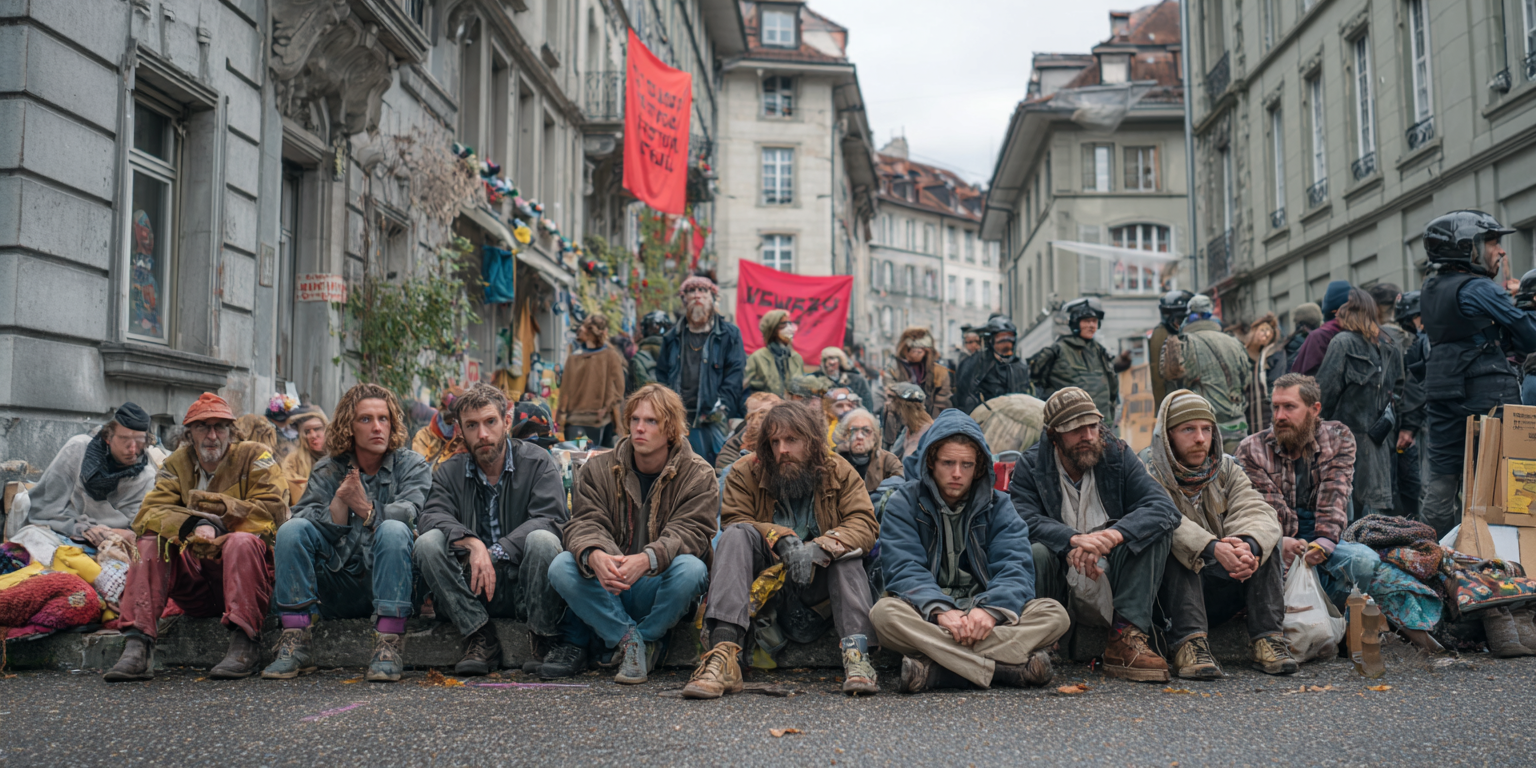
    Protect property more effectively against squatters

    On Monday, the Council of States adopted the Federal Council’s proposal to amend the Civil Code by a large majority. Owners should now be able to reclaim their property themselves within a “reasonable period” after becoming aware of an occupation. Previously, the condition “immediately” applied. This change gives owners more flexibility and room for maneuver in the event of unlawful occupation.

    Rapid eviction even in the case of unknown squatters
    The second key amendment to the law is also intended to enable homeowners to obtain an eviction more quickly, especially if the number or identity of the squatters is unclear. This should prevent unlawful occupations from continuing in the long term and owners from having to bear high follow-up costs.

    Controversial voices from the Council of States
    However, the bill was not uncontroversial. Carlo Sommaruga, SP member of the Council of States from Geneva, criticized the tightening of the law as superfluous, as many squats are regulated by interim use agreements anyway. According to Sommaruga, rising rents and the housing shortage are much more relevant in this context.

    Further process in parliament
    Although there is still a small difference of opinion between the two chambers, the way has basically been paved for a stronger position for owners in the case of squatting. The bill now returns to the National Council for finalization.

  • Last key building in the airport area now belongs to one hand

    Last key building in the airport area now belongs to one hand

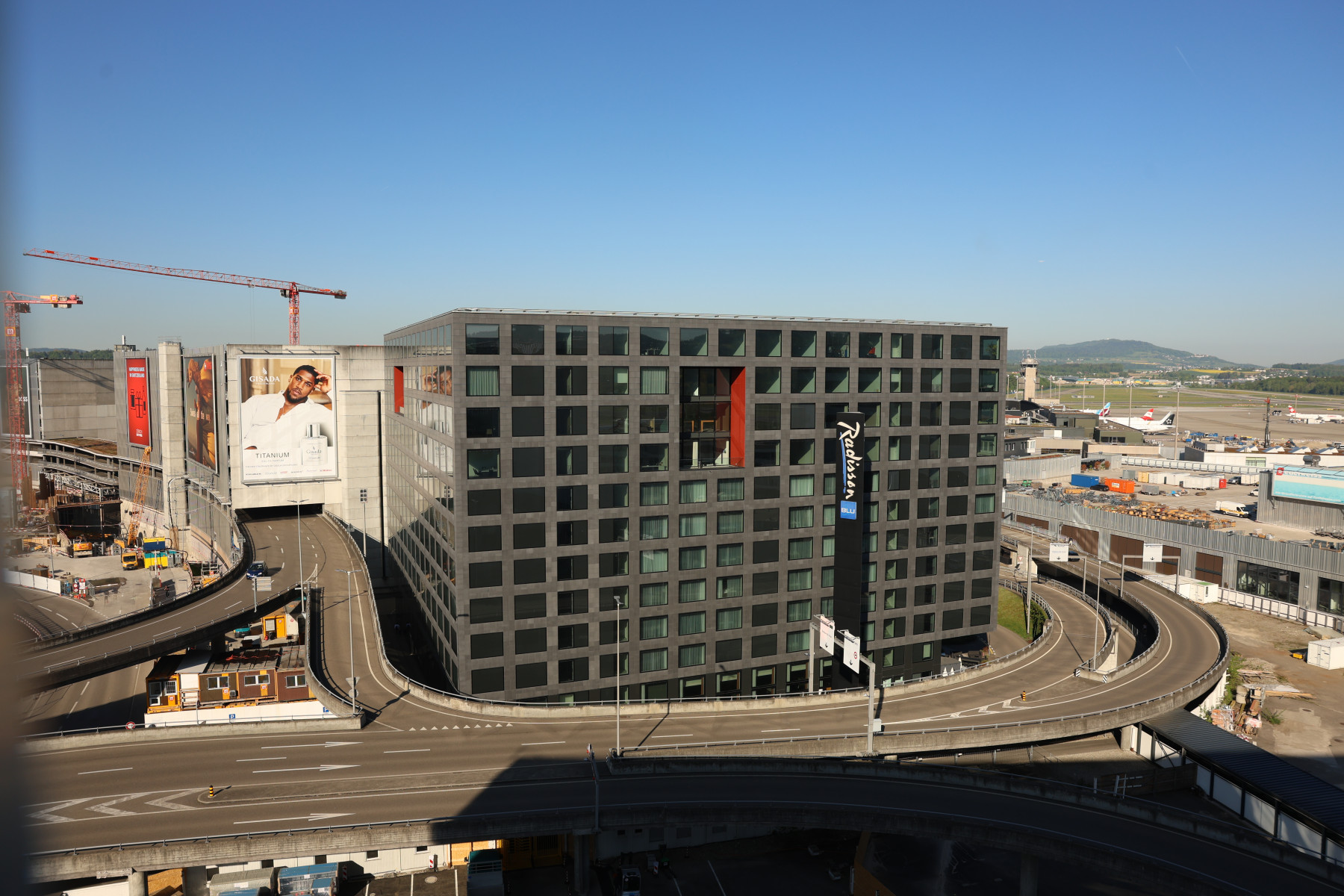
    Flughafen Zürich AG has announced the takeover of the Radisson Blu building in a press release. The previous owner, Al Maha Real Estate AG, has handed over the property in full for the purchase price of CHF 155 million. This is the last site within the airport perimeter that has not previously belonged to Flughafen Zürich AG.

    According to the press release, the building, which was constructed under building rights from 2005 and inaugurated in 2008 and is home to the Radisson Blu hotel chain as well as offices and a meeting and conference centre, was subject to a building rights agreement until 2080, which was terminated prematurely following its reversion to Flughafen Zürich AG. The rental agreement with Radisson Blu will continue. Hotel operations are to continue. In addition, there will be no changes to the existing utilisation.

    The strategic idea behind the complete takeover of ownership is the development and growth objectives of Flughafen Zürich AG in the central airport perimeter.

  • Mobimo expands Aeschbach neighbourhood in Aarau

    Mobimo expands Aeschbach neighbourhood in Aarau

    Mobimo has laid the foundation stone for the Hofhaus and Hallenhaus buildings in Aarau’s Aeschbach neighbourhood with representatives from the authorities and its project partners, according to a press release. As part of the overall Torfeld Süd development area, the next stage in the expansion of the neighbourhood, which was revitalised in 2019, is thus being realised.

    Based on plans by Baumberger Stegmeier Architekten from Zurich, 126 rental flats with 1.5 to 5.5 rooms will be built there. The courtyard house is being realised as a timber construction with a garden courtyard in a future-oriented, ecological design. According to Mobimo, the hall building stands out positively in terms of sustainability and grey energy because as much of the existing façade of the former Hall 5 has been retained as possible. It will serve as the ground floor for the extension of the historic building.

    Completion is planned for autumn 2026, with occupancy scheduled for the second quarter of 2026. Marketing will begin in the third quarter of 2025. The Aeschbachquartier will then have a total of around 260 rental and owner-occupied flats. It will also offer around 4600 square metres of commercial space for 1400 people working there.

  • Future-orientated living in the Bostudenzelg

    Future-orientated living in the Bostudenzelg

    Bostudenzelg is one of the last contiguous undeveloped building zones in the city of Thun. For the site, half of which is owned by the city and half by Frutiger AG and the Bernese Pension Fund (BPK), the owners have developed a joint vision for modern living. The innovative residential project creates urgently needed living space for all generations, realising the city’s development goals in an exemplary manner.

    Unique “open space” as a vision
    The basis of the site development is the indicative project, which is based on the winning “open space” project that emerged from the ideas competition (SIA 142). The centrepiece is a spacious park around which the buildings are arranged in a ring, which is intended to promote a communal feeling of living “in the countryside”. The residential project attaches great importance to careful integration into the neighbourhood as well as good networking and design of the outdoor spaces, which are freed from motorised traffic.

    High-quality internal development
    Great importance is attached to the interaction between the buildings and the open space as well as the economical use of the land. Different building heights will bring accents and dynamism to the neighbourhood design and highlight the entrances to the new area.

    An attractive and lively residential quarter
    The residential project focuses on versatile and socially mixed forms of housing for all needs. In addition, the project offers space for other possible uses such as a kindergarten or daycare centre, a retirement and nursing home as well as public spaces and a neighbourhood meeting point. Commercial space and non-profit housing are also part of the plans. This mix of uses will make the residential neighbourhood more attractive and revitalise it.

    Mobility and traffic concept
    Great attention is being paid to aspects of sustainability and future-oriented and environmentally friendly mobility. The new development regulations call for a mobility operating concept that offers solutions to reduce the volume of traffic and thus improve the quality of life in the neighbourhood.

    Involvement of the public
    The appropriate involvement of the neighbourhood population and other interest groups is a major concern for the planning partners throughout the entire process. To date, the public has had the opportunity to submit their opinions and suggestions on the new development plan as part of the public consultation process. At the same time, the focus is on early and close cooperation with potential non-profit building rights holders. Further participatory development formats for the site are planned in connection with the granting of building rights and based on the participation concept.

    Further steps
    Following the public consultation process and the preliminary review by the canton, the new development regulations will be published.the process for allocating the urban building plots under building rights has also been started. The next step is to prepare the architectural competitions. At the same time, Frutiger AG and the Bernese Pension Fund are pressing ahead with the development of their construction project. Implementation will take place in several stages.

    Conclusion
    This project in Thun is an example of how careful, partnership-based and integrated planning as well as future-oriented and innovative development of a residential construction site can bring concrete added value to the surrounding neighbourhoods by ensuring a high level of urban planning quality for the buildings and outdoor spaces and ensuring appropriate involvement of the population, interest groups and partners.