Tag: Elektromobilität

  • Dwindling interest in electric cars in Switzerland

    Dwindling interest in electric cars in Switzerland

    Based on the results of the third AXA Mobility Survey,AXA Switzerland warns that dwindling interest in electric cars could jeopardise the mobility turnaround. According to a statement from the insurance company headquartered in Winterthur, the figures generally give reason to speak of a trend reversal for the automotive market: Between 2023 and 2025, the proportion of those planning to buy a car rose by 12 per cent to 34 per cent. At the same time, only 24 per cent are considering an electric car; in 2023, this was an option for 34 per cent. The underlying representative survey was conducted in May 2025 in cooperation with the Sotomo research institute in Zurich.

    According to the study, electric mobility is currently rejected by 30 per cent of respondents, compared to 25 per cent in 2023. The growing reservations relate to range, price and charging options. According to the press release, the used car market for e-cars continues to lag behind that for combustion engines. The reasons for this are concerns about the condition of the battery and the rapid pace of technological development. At the same time, the reputation of electric cars has fallen by 9 per cent in the past year. “Despite these obvious difficulties in getting electric cars accepted, only a minority of 38 per cent are still in favour of greater political support for the drive technology,” Sotomo Director Michael Hermann is quoted as saying.

    Regardless of the drive technology, AXA is observing that German makes are the undisputed leaders in the wake of the upturn in the automotive market; Chinese makes, particularly BYD, are catching up. Electric cars from the USA are losing popularity.

    The survey also asked what the population thinks of autonomous driving: Scepticism prevails here, mainly due to safety concerns and possible cyber attacks. The majority of car owners are concerned about the misuse of their vehicle data, according to the survey.

  • First fast-charging station for electric cars opened in Adelboden

    First fast-charging station for electric cars opened in Adelboden

    Adelboden now has its first direct current fast-charging station for electric cars. According to a press release, the station at Licht- und Wasserwerk Adelboden AG(LWA) at Dorfstrasse 36 has a capacity of 50 to 100 kilowatts. This means that electric cars can be charged within 30 to 60 minutes. LWA now offers a total of 20 public charging points at six locations in Adelboden.

    LWA sees the fast charging station as a milestone for sustainable mobility in Adelboden. “Every charging break is an invitation to explore Adelboden’s village centre,” says Pascal von Allmen, Managing Director of LWA, in the press release. This benefits not only car drivers, but also local businesses.

  • Lucerne is building a public network of charging stations

    Lucerne is building a public network of charging stations

    A public network of around 30 charging stations for electric cars is to be created in Lucerne by 2035. According to a press release, the focus will be on charging in neighbourhoods. To this end, the city will provide third-party providers with public land and the basic infrastructure, including network access, in return for a concession fee. It intends to refinance its investment of CHF 960,000 through the concession fees in line with the polluter-pays principle.

    By 2040, all vehicles registered in the city of Lucerne are to be electric or powered by renewable energy. In order to achieve this goal of the climate and energy strategy, the city of Lucerne and Energie Wasser Luzern(ewl) launched the Green Zones pilot project in April 2024. As part of this, the first public charging stations were installed on Bergstrasse and Eichmattstrasse. The city describes the experience of the five-year project as “consistently positive”.

    The measures are part of the overall concept for renewable drives in mobility. It was developed by the Zurich-based consulting and engineering company EBP Switzerland on behalf of the city of Lucerne. The scope of the concept also includes funding programmes for basic and charging infrastructure, which will be financed from the city of Lucerne’s energy fund, or that only emission-free taxis will be granted operating licences from 2033. In addition, parking permits for long-term parking on public land will only be issued for emission-free vehicles from 2040.

  • Councillors demand right to charging stations in residential buildings

    Councillors demand right to charging stations in residential buildings

    On Wednesday, the Council of States adopted a motion by National Councillor Jürg Grossen by 24 votes to 18. The Federal Council should create binding regulations to ensure access to private charging stations in rented and owner-occupied apartments. The proponents argued that slow charging stations are a key lever for the mobility and energy transition.

    Decarbonization needs infrastructure
    Flavia Wasserfallen emphasized that a lack of charging infrastructure is one of the main reasons for stagnating sales figures for electric vehicles. “Cars need to be charged where they are,” she said. Thierry Burkart also pleaded for a state framework, “combustion engines would never have caught on without charging stations.”

    Property rights versus climate target
    The majority of the Council of States Committee for the Environment, Spatial Planning and Energy opposed a legal obligation. They warned against too much interference in the guarantee of property rights and private autonomy. Daniel Fässler argued that the market should determine where charging infrastructure is created.

    Federal Council’s duty
    The Federal Council had also spoken out against the motion. According to the government, the situation is unclear in the current tenancy and condominium law. Nevertheless, it must now draw up proposals to implement the request.

    Past funding approaches failed
    As part of the last revision of the CO₂ Act, the Federal Council wanted to provide up to CHF 30 million annually for charging infrastructure in apartment buildings and public parking lots. However, this measure failed at the time due to opposition from parliament.

  • Takeover strengthens charging infrastructure in the e-mobility market

    Takeover strengthens charging infrastructure in the e-mobility market

    AVIA VOLT Suisse AG acquires the charging infrastructure provider Plug’N Roll and expands its charging infrastructure by 2345 charging points. Plug’N Roll customers benefit from access to a Europe-wide network of over 850,000 charging points. Graubünden-based Repower AG, the previous owner of Plug’N Roll, is realigning its focus with Repower E-Mobility.

    According to a press release, AVIA VOLT is now reviewing Plug’N Roll’s contracts and business processes. Its 24,600 customers will be seamlessly integrated into the AVIA network. The takeover will enable integrated billing of electrical and fossil energy for Plug’N Roll fleet operators. According to the press release, AVIA VOLT’s system architecture offers compatibility with the software and hardware solutions of many manufacturers.

    AVIA VOLT, based in Frauenfeld, is a subsidiary of several Swiss AVIA companies. It sees the takeover as an important step towards establishing itself as a leading service provider in the field of electromobility. “For us, the takeover means a targeted strengthening of our position as a provider of reliable charging infrastructure in Switzerland,” said Martin Osterwalder, Chairman of the Board of Directors of AVIA VOLT.

    Plug’N Roll is the e-mobility division of Repower AG. The e-mobility provider has been developing charging infrastructure in public spaces, for company fleets and for real estate since 2012. The Plug’N Roll brand will be used by AVIA VOLT until the end of 2025. Three Plug’N Roll employees will be taken on by AVIA VOLT.

  • Automated production for sustainable energy use

    Automated production for sustainable energy use

    Libattion AG, based in Opfikon, has opened a new plant in Biberist for processing used batteries from electric cars. Here, the batteries are used to produce modular stationary energy storage units. According to the company, this is Europe’s largest plant of its kind. The production facility was set up on the site also used by battery recycling company Librec.

    The new facility has a high degree of automation. “Our new production hall enables us to respond flexibly to market requirements and make an important contribution to conserving resources in Europe,” said Stefan Bahamonde, CEO and co-founder of Libattion, in the press release. “By automating our production, we can not only operate efficiently, but also economically and adapt our capacities precisely to demand.”

    In 2022, Libattion produced stationary storage systems with a total capacity of 7 megawatt hours; last year, the company already achieved a total capacity of 27 megawatt hours. The company aims to increase its total capacity to 500 megawatt hours by 2026. Libattion’s storage systems have a modular design and can have capacities ranging from 97 kilowatt hours to 60 megawatt hours. Safety is the top priority, explains Bahamonde: “Thanks to automated production and strict quality controls, we can guarantee the highest safety standards for every storage system”.

  • Challenges and opportunities in Europe’s battery industry

    Challenges and opportunities in Europe’s battery industry

    Global demand for batteries is expected to triple by 2030 and reach between 4.0 and 4.6 terawatt hours. It could double again by 2040. The market is currently dominated by technologically leading companies from Asia, particularly China. Significant overcapacities there are leading to falling prices globally, which is putting additional pressure on European manufacturers with higher production costs and uncertainties in the ramp-up of electromobility.

    European strengths
    Despite these challenges, Europe has the potential to play a significant role in battery production. Competitive advantages lie in innovative approaches, high-quality production technologies and a focus on the ecological footprint of batteries. In order to catch up with the Asian market leaders, Western manufacturers must establish cost-efficient mass production, conduct intensive research and enter into close co-operation, including with Asian partners.

    Market volatility and future scenarios
    Volatility in the battery cell market increased significantly in 2024. The main reasons for this are the lower-than-expected sales figures for electric vehicles and regulatory uncertainties in the USA and the European Union. Experts have therefore developed three scenarios for future demand.

    Positive scenario: Rapid progress in electrification leads to demand of 4.6 TWh by 2030 and 8.8 TWh by 2040.

    Base scenario: Despite temporary declines in electric car sales, emissions targets are achieved, leading to demand of 4.3 TWh in 2030 and 8.6 TWh in 2040.

    Negative scenario: Significant delays, for example due to a postponement of the ban on combustion engines in the EU, result in demand of 4.0 TWh in 2030 and 8.1 TWh in 2040.

    These forecasts emphasise the uncertainties and the need for flexible planning for European manufacturers.

    Strategies for European manufacturers
    In order to be able to compete globally, European companies should pursue the following approaches.

    Focus on sustainability: Reduce CO₂ emissions in battery cell production to 30 to 40 kilograms per kilowatt hour by optimising raw material procurement and innovative production processes such as dry coating or laser drying.

    Early integration of innovations: Focusing production plans on new, cost-efficient battery types for small and mid-range electric vehicles in order to enter mass production more quickly and benefit from increasing volumes.

    Strengthen cooperation: Close cooperation with other European manufacturers and partnerships with leading Asian companies that are ahead in research, development and industrialisation in order to benefit from their expertise.

    By implementing these strategies, European battery manufacturers can increase their competitiveness and play a significant role in the growing global battery market.

  • New fast-charging stations for better electromobility in western Switzerland

    New fast-charging stations for better electromobility in western Switzerland

    The Europe-wide fast charging station specialist Electra and the property asset manager Procimmo from Renens are working together to expand the charging infrastructure in French-speaking Switzerland. The two companies have started a corresponding collaboration, Electra announced in a press release. As a first step, two fast-charging stations will be installed in Aubonne VD and Gland VD.

    The fast-charging station in the Outlet Aubonne shopping centre is being implemented by the Procimmo Real Estate SICAV – Industrial fund. The Procimmo Real Estate SICAV – Commercial PK fund is responsible for the fast-charging station at the Gland BackStage Pub in Gland. The first two charging points have been in operation since December 2024, with two more to follow this quarter.

    Electra, based in Paris, is represented in Switzerland by Electra Charging Switzerland AG in Zurich. Together with Procimmo, “we can network Western Switzerland even better and thus upgrade important and central locations with charging stations”, says Alessandro Inderbitzin, General Manager Electra Switzerland & Austria, in the press release. Procimmo CEO Arno Kneubühler, for his part, sees the collaboration with the specialist for fast-charging stations “as a significant step towards expanding and complementing our portfolio with Electra’s strong services”. With their partnership, the two companies want to respond to the increasing demand for fast-charging stations in Switzerland. For Procimmo, the commitment also represents a contribution to an electrified Switzerland.

  • Circular economy for electric car batteries

    Circular economy for electric car batteries

    The canton of Solothurn and the Swiss Innovation Park Biel/Bienne(SIPBB) are joining forces in the field of the circular economy for electromobility. According to a press release, the SIPBB is setting up the subsidiary Swiss Battery Technology Center Solothurn GmbH at the Biberist site, which will commence operations in 2026.

    The company will recover raw materials from batteries using a combination of automation, robotics, artificial intelligence, safety technologies and chemical and material technology processes. Research results and experience from the activities of the SIPBB will be utilised, supported by the canton of Solothurn, which has been a co-shareholder of the innovation park since 2015.

    The Swiss Battery Technology Center Solothurn GmbH will in future operate as an innovation player with companies already active in the circular economy at the Biberist site, such as Librec AG, Grensol and Libattion.

    “With Swiss Battery Technology Center Solothurn GmbH, we have been able to gain another important partner for the Biberist site in order to become a centre of excellence for electromobility in Europe,” said Monika Beck, Head of the Solothurn cantonal location promotion agency, in the press release.

  • New initiatives for sustainable digitalisation and the economy

    New initiatives for sustainable digitalisation and the economy

    The SMG Swiss Marketplace Group has presented a new sustainability manifesto. According to a press release, the company intends to use the document to emphasise its commitment to sustainable business practices. The manifesto contains four central pillars that are intended to describe SMG’s future framework for action.

    These include integrity through good corporate governance and transparency, protecting the digital future through advanced cybersecurity and data protection, empowering employees by promoting an inclusive working environment and positive engagement through environmental and social initiatives.

    As part of its new sustainability strategy, SMG is committed to various initiatives, such as promoting electromobility, reducing carbon emissions in various business areas and improving energy efficiency in its data centres.

    The company sees its online marketplace Ricardo as an important example. “For 25 years, Ricardo has offered a real alternative for responsible consumption,” said Christoph Tonini, CEO of SMG, in the press release. “Thanks to its circular economy approach, which promotes the reuse of products, Ricardo is a key driver of sustainable consumer behaviour in Switzerland. Sustainability has been part of our DNA since the beginning and we are determined to extend this approach to our entire group.”

    The SMG Swiss Marketplace Group brings together the digital marketplaces of TX Group, Ringier and Mobiliar. These focus on property, automotive and finance, among others.

  • Synergies for sustainable building and energy solutions

    Synergies for sustainable building and energy solutions

    From 14 to 17 November 2024, visitors to Bernexpo can expect a unique trade fair format: the Hausbau Energie Messe and Energy Future Days will once again join forces to present the largest Swiss event for construction, renovation and energy. Every year, this event attracts over 10,000 private homeowners, prospective builders, architects and planners and offers a varied programme for experts and interested parties.

    Specialist events and innovations for energy and construction
    This year’s focus is on sustainable energy generation and utilisation. A wide range of specialist and public events offer exciting insights and valuable information on topics such as photovoltaics, storage systems, electromobility and refurbishment processes. For architects in particular, the Architecture Forum will be focussing on innovative solutions for modern construction projects under the motto “Liveable living and working spaces”.

    Specialist day for experts and decision-makers
    Thursday is aimed specifically at experts from the construction and energy sector. Architects, planners, energy specialists, installers and decision-makers from the public sector and investors will find an ideal platform for professional dialogue and networking. The combination of trade fair and expert forum creates synergies that provide pioneering impetus for the future of construction and energy supply.

    New platform for solar energy solutions: “BärnSOLAR 24
    Another highlight is the launch of “BärnSOLAR 24”, a platform dedicated entirely to the integration of solar energy in construction projects. It offers experts targeted answers and customised solutions for the use of solar energy in construction.

  • Project funding from LadenPunkt – Apply now!

    Project funding from LadenPunkt – Apply now!

    How can e-vehicle charging be made grid-friendly and efficient? This year’s funding is looking for projects that offer solutions for smart charging at home and at work – especially when the grid is not under heavy load.

    Which projects are being funded?
    In 2024, the focus of project funding is on the topic of “Smart charging 2.0 at home and at work”. We are looking for innovative approaches that test grid-supportive, renewable and demand-oriented charging in practice.

    Funding is available for projects that, for example, test new technologies, offer user-friendly services such as data-supported charging plans, develop business models, e.g. dynamic pricing or networking of buildings and vehicles.

    Who can participate?
    Project funding is aimed at companies and organizations from areas such as electromobility, energy supply, real estate, architecture and site development. Project applications from multidisciplinary consortia that bring together partners from different disciplines are particularly welcome.

    Procedure and funding amount
    Funding is awarded as part of a competition. A jury of experts selects 5 to 8 projects, which receive between CHF 30,000 and CHF 200,000, up to a maximum of 40% of the eligible project costs.

    The LadenPunkt team will be happy to provide you with a non-binding consultation. Further information can be found on the LadenPunkt website.

    The closing date for submissions is December 15, 2024

  • Energy City strengthens climate policy with new certification standards

    Energy City strengthens climate policy with new certification standards

    The Energiestadt association wants to support its 644 member municipalities and cities on the path to climate neutrality in future. In 30 years of commitment, much of what was initially considered progressive has become the standard, writes Energiestadt in a corresponding press release. In order to continue to act as a pacesetter, certification and support for members should be consistently focussed on the net-zero target.

    The Energiestadt label recognises cities and municipalities for their sustainable energy and climate policy. In future, the certification process will place particular emphasis on net-zero relevant strategies and measures. The press release cites the phasing out of natural gas for heating and the promotion of electromobility as examples. To receive the highest accolade of Gold City, in future it will be necessary to prove that strategies and measures are being consistently pursued and are compatible with the net-zero target. At the same time, Energiestadt wants to simplify the certification process for smaller municipalities.

    “With the new instruments, Energiestadt is strengthening its role as a leading competence centre for local energy and climate policy in Switzerland,” said Maren Kornmann, Co-Managing Director of Energiestadt, in the press release. “Energiestadt is the only organisation to offer a comprehensive package for the planning, implementation and monitoring of net-zero measures at local level.”

  • FEDRO promotes electric mobility in Switzerland

    FEDRO promotes electric mobility in Switzerland

    As part of the electromobility roadmap, FEDRO is accelerating the expansion of fast-charging stations along the motorways. A dense network is already being established at rest areas, but additional areas are now to be made available. On February 12, 2024, a call for projects was launched to provide new locations for fast-charging hubs. Five lots with a total of eleven plots spread across the country were recently awarded to companies.

    Efficiency and progress in record time
    Seven companies applied for the tendered lots within just three months. After an intensive review of the bids submitted, the five best applications were selected:
    Lot 1: Fastned Switzerland AG
    Lot 2: Mercedes-Benz High Power Charging Europe GmbH
    Lot 3: Atlante Italia S.r.l.
    Lot 4: Electra Charging Switzerland AG
    Lot 5: GOFAST AG

    These companies now have three years to plan the hubs, submit building applications and build the infrastructure. They bear full responsibility for the planning, financing, construction, operation and maintenance of the stations.

    A common goal – Roadmap Electromobility 2025
    The Roadmap Electromobility 2025 brings together over 70 players from business, the public sector, associations and science to promote electromobility in Switzerland. Together, they are pursuing these three central goals

    – 50% plug-in vehicles in new registrations by 2025
    – Expansion of the charging infrastructure to 20,000 charging stations
    – Promotion of user-friendly and grid-friendly charging

    The platform enables these players to work together, with each contributing to the spread of electromobility through individual measures or in joint “lighthouse” projects.

    Future-oriented and sustainable
    With the ambitious expansion of fast-charging hubs along the national roads, Switzerland is positioning itself as a pioneer in electromobility. These projects are not only a step forward in the charging infrastructure, but also a significant step towards a more sustainable future.

  • Successful return of ineltec with a focus on innovation

    Successful return of ineltec with a focus on innovation

    A new start that convinces
    The return of ineltec was a complete success. The trade fair, which took place on 11 and 12 September 2024 at Messe Zürich, attracted a large number of visitors and impressed both exhibitors and trade visitors. With a clear focus on efficiency and innovation, the trade fair presented its innovations on compact, focussed stands that encouraged direct interaction between visitors and suppliers.

    Enormous visitor interest and exciting innovations
    ineltec attracted an impressive number of visitors: the halls were already packed on the opening day. Professionals from all over Switzerland crowded around the exhibitors’ latest developments and products. Exhibition Director Noëlle Marti was overwhelmed by the response: “The enormous interest and positive feedback from our visitors exceeded all expectations. It’s a wonderful feeling when our intensive preparatory work pays off in this way.”

    Breadth and depth of the range – the right thing for everyone
    With a clearly structured trade fair layout and a wide range of exhibitors, ineltec offered something for everyone: whether it was about smart building, the circular economy, electromobility or innovative technologies – trade visitors were able to search specifically for the topics relevant to them and find what they were looking for. The clear layout, which enabled visitors to move efficiently through the various exhibition stands, was particularly appreciated.

    Expert knowledge in the Speakers Corner
    A highlight of the trade fair was the extensive lecture programme in the Speakers Corner. Here, industry experts presented their latest developments and tools, including on the topics of artificial intelligence, electrical systems and electromobility. The moderated innovation pitches, organised by Electrosuisse, tested the presented technologies for their practical suitability – a valuable source of knowledge for all participants.

    Focus on young talent
    ineltec paid particular attention to promoting young talent. A total of 16 training classes visited the trade fair and were given guided tours to gain an insight into the latest developments in the industry and potential career opportunities. The promotion of young talent was supported by EIT.swiss, which presented the winners of a competition with high-quality measuring devices – a motivational boost for the next generation of the electrical industry.

    Networking and interaction at the highest level
    In addition to the professional highlights, the trade fair also offered space for entertainment and interaction. At the second marketplace, visitors were able to take part in virtual reality simulations, skill tests and interactive demonstrations – an ideal opportunity to exchange ideas with colleagues and experience new technologies up close.

    A strong network and supportive partners
    EIT.swiss, the professional organisation for the electrical industry, was a strong partner of the trade fair and made a significant contribution to its success. Director Simon Hämmerli was delighted: “ineltec has once again proven that it is the perfect place to promote dialogue and networking within the industry. The large number of visitors shows that interest in technological development is unbroken.”

    Ineltec 2024 was a complete success and impressively demonstrated that the industry is lively and forward-looking. With the successful restart, the electrical industry is already looking forward to the next edition, which will take place on 9 and 10 September 2026.

  • Expansion of electromobility in Switzerland

    Expansion of electromobility in Switzerland

    According to a press release, Swiss Post and the fenaco cooperative are moving ahead with their joint plans for a nationwide electric fast-charging network. A total of 50 locations are planned by mid-2025. The capacity is then to be gradually expanded to 300 locations with 1,500 charging stations.

    Private drivers of electric vehicles and company fleets of electric vehicles will find these charging facilities at post offices, Agrola petrol stations and Landi shops, among others. All of them will use 100 per cent local electricity from renewable energy sources, which can be paid for using common payment methods such as Twint and credit cards or a customer card.

    The goal is to be achieved via the PowerUp joint venture. Both partners each have a 50 per cent share in this. The contracts have been signed and submitted to the competition authorities for approval, according to reports.

    PowerUp’s strength is its immediate proximity to workplaces, shops and leisure facilities. The combination with service offerings ensures a safe and well-maintained charging infrastructure with contact persons on site. PowerUp also offers simple pricing with no hidden costs. The partners see their joint commitment to electromobility as a contribution to the federal government’s electromobility roadmap.

  • Largest charging park for electric cars with 18 new fast-charging stations

    Largest charging park for electric cars with 18 new fast-charging stations

    Energie 360° has opened the largest charging park for electric cars in the canton of Ticino at the Serfontana shopping centre. The park comprises a total of 38 charging points, 18 of which are newly added fast-charging points. These allow electric car drivers to charge their vehicles from 10% to 80% within 20 to 40 minutes while they shop or take a break. With this expansion, Energie 360° is setting another milestone in the promotion of electromobility in the region.

    Fast charging with green electricity
    The new fast charging stations at Centro Shopping offer an impressive charging capacity of up to 400 kilowatts, powered by 100% green electricity. Jörg Wild, CEO and Head of Mobility at Energie 360°, emphasises the importance of this expansion: “Our aim is to rapidly promote electromobility throughout Switzerland. With the new charging park, we are offering our customers one of the largest and most efficient charging parks in Switzerland.”

    Over 300 charging locations in Switzerland
    Energie 360° already operates over 300 charging locations throughout Switzerland and plans, builds and maintains them in collaboration with partners such as Coop, SBB and the Swiss Finance & Property Group. The company pursues the goal of creating sustainable energy and mobility solutions and making electromobility available nationwide. With the new charging park in Chiasso, Energie 360° is sending a clear signal in favour of the future of mobility and the expansion of the charging infrastructure in Switzerland.

  • New charging stations for property funds

    New charging stations for property funds

    The Akara Swiss Diversity Property PK(ADPK) property fund managed by Swiss Prime Site Solutions from Zug invests in existing properties and development and construction projects throughout Switzerland. According to a press release, the fund’s apartment buildings are to be equipped with a new charging concept for electromobility. AEW Energie AG, based in Aarau, has assumed responsibility for the planning and operation of the new charging infrastructure under the contracting model. The on-site installations will be carried out by regional specialist partners, according to the press release. The charging stations will be customised to the various properties and local requirements. The first projects have already been launched.

    “We are proud to have a strong partner at our side in the ADPK fund management, which, like us, recognises and promotes the importance of sustainable mobility solutions,” said Arian Rohs, Head of Mobility Solutions at AEW Energie AG, in the press release. “This cooperation enables us to further expand our commitment to electromobility and make an important contribution to reducing CO2 emissions.”

  • Emissions from heating oil and gas are falling

    Emissions from heating oil and gas are falling

    In Switzerland, emissions from fuels fell significantly in 2023 compared to the previous year, namely by 8.8 per cent. The different cold winter months were converted to average weather conditions. Compared to 1990, these emissions were 41.7 per cent lower. This is shown in the recently published CO2 statistics for 2023, which are published annually by the Federal Office for the Environment(FOEN).

    According to its press release, this decrease is mainly due to the improved energy efficiency of buildings and the increased use of renewable energies for heating. In particular, gas consumption has fallen significantly for the second year in a row.

    In contrast, CO2 emissions caused by fuels such as petrol and diesel remained the same as in the previous year. Compared to 1990, emissions have fallen by 5.2 per cent. According to the data, the fact that they did not rise again after the pandemic, i.e. after 2022, is partly due to the change in mobility behaviour that began at that time: more working from home and fewer business trips. On the other hand, the FOEN also cites the growing share of electromobility as a reason for this. The share of biogenic fuels in total fuel consumption has risen slightly from 3.4 per cent to 3.6 per cent.

  • Galliker puts superlative charging station from Designwerk into operation

    Galliker puts superlative charging station from Designwerk into operation

    Galliker Transport AG now has a charging station of superlatives: as part of the Innovation Day by Galliker, the logistics company from Altishofen has put the first Stationary Battery Backed Mega Charger from Designwerk into operation, Designwerk Technologies AG announced in a press release. The pilot system of the battery-backed fast charging system has a total capacity of 1 megawatt hour and is powered by solar energy produced by Galliker itself.

    “By using the battery-buffered charging station, we can utilise the solar power produced during the day to efficiently charge our electric commercial vehicles around the clock,” said Felix Felder, Head of Fleet Management at Galliker Transport AG, in the press release. “The Mega Charger can contribute to the stability of our site network by smoothing out peak loads.”

    The charging station is the size of a standard container. The pilot system at Galliker is equipped with two charging points, each with an output of 420 kilowatts of direct current. The maximum version of the Mega Charger can accommodate a total capacity of up to 2 megawatt hours.

    “The commissioning of the Mega Charger at Galliker is an important milestone in the development of future-proof charging infrastructure for heavy commercial vehicles,” explains Thorben Maier, Head of Sales and Customer Service Charging Technology at Designwerk Technologies AG. “Our technology enables logistics companies to cover a wide range of charging scenarios sustainably, with the buffer storage relieving the load on the power grid.”

  • New white paper: unlocking synergies with integrated energy solutions

    New white paper: unlocking synergies with integrated energy solutions

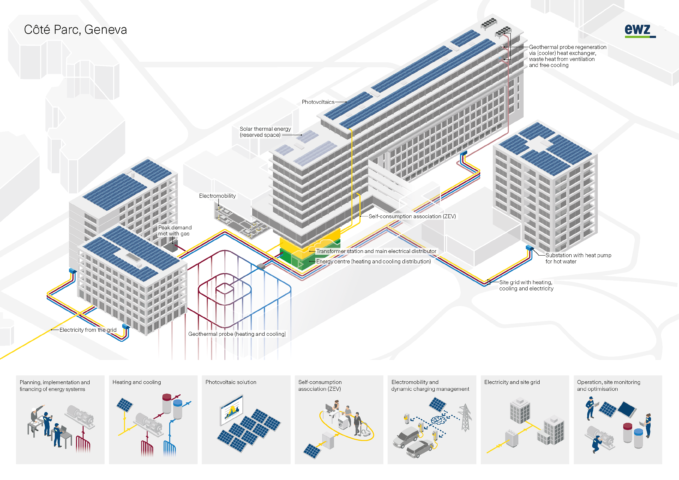
    Integrated energy solutions for sites and complexes generate added value for all stakeholders. They intelligently network all of the energy supply components for an ideal interaction of production, consumption and storage within an overall system. This unleashes efficiency potential, increases the degree of self-sufficiency and secures long-term supply to new and existing properties. The new ewz and Faktor Journalisten white paper entitled ‘Integrated energy solutions for sites and complexes’ offers property owners a knowledge base they can use during the planning process.

    Components of integrated energy solutions
    To exploit synergies, you need to plan the energy solution as a networked system from the beginning.

    Heating and cooling from local, renewable sources
    Thermal networks are a good way of supplying sites or complexes with carbon-free or carbon-neutral local heating and cooling. They can be implemented and operated on different scales (for complexes, sites or entire neighbourhoods) and at different temperature levels. The energy for high-temperature networks largely comes from wood or the waste heat generated by waste incineration plants, while networks with low to medium temperature levels often use geothermal heat, lake and river water, ground water and waste heat (from computing centres, for example). The lowest operating temperatures are achieved by anergy networks or low-temperature networks, which also cool buildings in summer with the free cooling method. Various network types can be combined for greater efficiency (see Côté Parc and Greencity).

    Harness solar power with a high rate of self-consumption
    A self-consumption association (ZEV) maximises the amount of energy consumed on site, which means that the photovoltaic installation is paid off quicker. What’s more, solar power is often cheaper than electricity from the public grid for ZEV participants. Local electricity communities (LEG), which are expected to be introduced in 2025 or 2026, enable solar power supply across properties and use the distribution grid.

    Microgrids for security in planning and supply
    Site electricity grids can be used to supply complexes, sites or neighbourhoods with electrical energy. Microgrids, or smart grids fitted with smart components, incorporate both generators and consumers of electricity. They help to ensure grid reliability by selectively switching on consumers, charging storage systems or throttling production.

    Charging infrastructure and electromobility – the new standard
    Electromobility is another important aspect of sustainable sites. To meet the growing demand for electric charging stations, it is a good idea to address construction of the charging infrastructure early on. Load management can help coordinate the electricity requirements of the charging station(s) with that of the other consumers in the building, and to regulate charging.

    Storing energy for enhanced efficiency
    With the share of renewable energies set to increase in the future, energy storage will become increasingly important. For example, electric car batteries configured for bidirectional charging can be used for storage purposes. Stationary battery storage systems are another means of absorbing surplus solar power and making it available again as required. Thermal storage units can be charged with solar power that would otherwise have to be fed into the public grid. This helps prevent peak loads, and also means that heat generators can set up in smaller dimensions. Geothermal probe fields can absorb excess heat (e.g. from solar panels or waste heat) to regenerate the ground and to cool spaces.

    Reducing emissions and cutting costs in the long term
    Continuous energy monitoring is a good way to cut energy costs and reduce greenhouse gas emissions in the long term. Continuous monitoring of the electricity, heating and cooling consumption values in a property, for example, can serve as a basis for adjustment. Energy monitoring is also important for ESG reporting, which is already mandatory for certain companies. By constantly reviewing consumption data and ensuring professional operation, companies have an opportunity to reach their efficiency and environmental targets and to create transparency in their dealings with various stakeholder groups.

    ‘Energy as a service’
    The ‘use, don’t own’ principle is ideally suited to integrated energy solutions for entire complexes or sites. For customers, this not only reduces their investment of time, but also the financial risk, while ensuring a significantly higher security of supply. When a client chooses an ‘energy as a service’ model, they outsource the planning, construction, operation and/or financing of the entire energy infrastructure for decades. This also ensures that the systems are operated reliably and efficiently.

    Learn more in our new white paper entitled ‘Integrated energy solutions for sites and complexes’.

  • Helion opens training centre for the energy transition

    Helion opens training centre for the energy transition

    Helion has opened its own training centre. At the Helion TrainingCenter, future specialists in the energy sector learn hands-on “just like on a real construction site”, according to a media release from the provider of energy solutions on the opening. The training centre consists of a model single-family house with a pitched and flat roof in original size. It offers space for the training of more than 200 solar specialists per year. In addition, 50 training courses per year are possible.

    The goal is eight to ten apprenticeships per year. People coming from other backgrounds could also be qualified to become solar specialists through adult education. Thanks to the linking of photovoltaics, electromobility, bidirectional charging and heat pumps, the training centre covers the training of specialists for both the energy and mobility sectors. “Both areas will shape the future,” Anja Bates, head of HR at the AMAG Group, is quoted as saying. Helion is part of AMAG.

    With a total area of 200 square metres, the facility forms the most comprehensive learning environment for renewable energies in Switzerland. The training centre can meet the “high quality demand for urgently needed specialists”, Frank Rutschmann, head of the Renewable Energies Section at the Swiss Federal Office of Energy, is quoted as saying. They are “our capital for the expansion of renewable energies”.

    Helion has already been training new staff on its own initiative for four years, including numerous lateral entrants. Before the creation of the solar training programmes for “solar installers and solar installers with a federal vocational certificate”, they were taught the skills in a two-week course. This laid the foundation for the Helion TrainingCenter. It is supported by the Federal Office of Energy and the Canton of Solothurn.

  • First Electrosuisse e-mobile Charging Forum

    First Electrosuisse e-mobile Charging Forum

    Electromobility yes, but how to charge? Competent advice is crucial even before the purchase decision is made. When planning and implementing an appropriate charging infrastructure, questions from different areas arise. What is the appropriate charging infrastructure for home, business or on the road?

    The e-mobile professional association has perceived the industry’s need for a specialist conference in the field of charging infrastructure and launched a call for papers. Over 25 proposals were received and then voted on in a topic voting. The feedback from the community was clearly focused on the following 5 topics:

    – Bidirectional charging
    – Smart charging
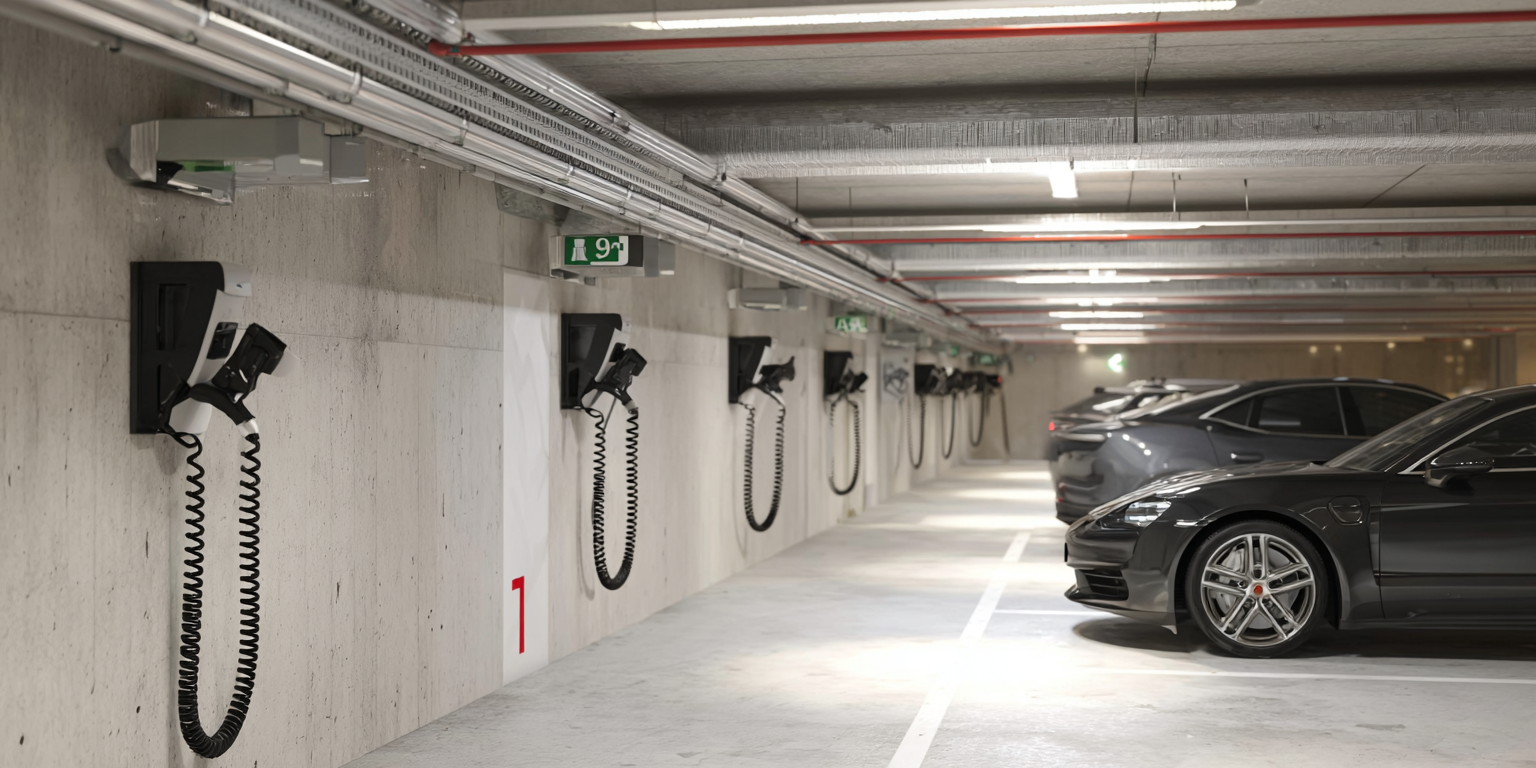
    – Charging infrastructure in underground car parks
    – Energy supply 2050
    – Charging infrastructure 2050

    The moderator, Sarah Andrina Schütz, will guide the participants through the day, while renowned speakers will present solutions for concrete implementation and provide an outlook on the coming trends. In addition, well-known partners will organise an interesting accompanying exhibition. Numerous associations support the congress with the aim of establishing dialogue between the various professionals involved in the electromobility sector.

    At the e-mobile Charging Forum, current developments in the charging infrastructure sector will be discussed and an interactive exchange of knowledge and experience will be facilitated.

  • AMAG acquires solar specialist Helion

    AMAG acquires solar specialist Helion

    AMAG , based in Cham, is acquiring the Helion division of the Zug-based company Bouygues Energies & Services . The car dealership reached a contractual agreement on this with the provider of building and energy supply technology on September 2, according to a media release .

    Accordingly, the purchase should be completed by the beginning of November. The Helion division, which specializes in photovoltaics, heat pumps and e-mobility, is to be fully integrated into the newly founded AMAG Energy & Mobility business unit of AMAG Group AG as an independent stock corporation. AMAG will take on all of Helion's employees as part of a business takeover.

    The AMAG Group specializes in the import and sale of Volkswagen, Audi, SEAT, Skoda, Cupra and VW Commercial Vehicles vehicles. In the future, she would like to “develop into the leading provider of sustainable individual mobility”. In the field of electromobility, the company wants to use the takeover of the solar specialist to offer its customers new services and to produce the electricity itself to operate the electric vehicles it sells.

    "Helion makes it possible to offer our private customers complete solutions for everything to do with electromobility via our trading and service partner network," Helmut Ruhl, CEO of the AMAG Group, is quoted in the media release.

    The newly founded AMAG Energy & Mobility division is headed by Martin Everts. He was previously Head of Corporate Development at AMAG and is a proven energy expert. According to the information, Helion will continue to be managed by the previous management team around the two founders Noah Heynen and Samuel Beer.

  • Sustainable living quarters: big leaps instead of small steps

    Sustainable living quarters: big leaps instead of small steps

    The energy transition can only be achieved with the housing industry. Because almost 40 percent of the world’s CO 2 emissions come from buildings, and most of it from residential buildings. In order to achieve the climate protection goals, European and national regulations are therefore increasingly aimed at the construction and housing sectors.

    However, it is not only increasingly stringent regulations that are forcing builders and owners to pay attention to sustainability. Irrespective of this, investors are increasingly demanding that ecological and social criteria be taken into account in real estate projects, and the EU Disclosure Regulation ensures more transparency in this regard. Properties that fail to meet sustainability criteria will lose value and find it increasingly difficult to find buyers and tenants.

    In this way, the market creates incentives for builders and owners to make their properties more sustainable. The “impact” idea is becoming more and more important: It is not about complying with the regulations with the least possible effort, but about creating the greatest possible benefit for the environment and society with reasonable effort.

    It is not primarily a question of planning new buildings at the drawing board according to the latest ecological standards. Because most of the houses that we will be living in in ten, 20 or 30 years have already been built. And many of them have the energetic standard of the seventies and therefore no features to keep energy consumption and greenhouse gas emissions within limits. Demolition and new construction are often not financially viable. In addition, there is the so-called gray energy, which is used for the extraction, production and transport of building materials and the construction itself. A refurbishment with unspectacular but intelligent measures often has more ecological impact than an ecological model new building.

    Strong Lever
    Quarters, i.e. entire building ensembles or districts, offer special opportunities to achieve impact. On the one hand, of course, because such projects include a large number of residential units. This multiplies the effect of measures at building level, such as improved insulation, installing better insulating windows or replacing the heating system with more energy-efficient technology.

    Above all, however, thanks to the economies of scale, the construction of complex systems is considerably cheaper because several buildings can share a common infrastructure. Energy-efficient combined heat and power plants can thus become just as economical as the use of solar energy, small wind turbines or geothermal energy. Electromobility concepts, which include, for example, charging infrastructure for electric cars or bicycles, can be implemented much more easily in a neighborhood than in a single building. Other possibilities concern common green areas that improve the microclimate or accommodate biotopes for plants and insects.

    In addition, larger neighborhood projects have spillover effects on the neighborhood and possibly even beyond. This applies in particular to the social component. In this way, facilities such as kindergartens or doctor’s surgeries, which are being planned as part of the development of the district, can also be used by residents from the wider area. The planning therefore includes the social structure beyond the boundaries of the quarter and should be carried out in close coordination with the municipality and residents. For larger projects, there should also be traffic planning in cooperation with external bodies, which works towards pedestrian and bicycle friendliness and greater use of local public transport and electromobility.

    The more a project has an impact on the neighborhood, the greater the weight that builders and owners have in negotiations with municipalities and authorities. This can also lead to urban planning decisions that increase the sustainability and thus the market value of the project, for example when a new tram stop is built for a new or redesigned quarter.

    Good contacts and negotiating power in the exchange with authorities are also important in order to influence or accelerate bureaucratic processes in terms of the sustainability of the project. One example is environmental protection, which often prevents environmentally harmful heating systems from being replaced by more efficient technology. However, authorities have some leeway when it comes to permits and are more likely to use this leeway if a permit for a large-scale project will bring significant environmental benefits.

    Possible conflicts between ecological and social sustainability must be taken into account. It is conceivable that energy-related renovations will increase rents. On the other hand, tenants are relieved of the ancillary costs, which is more important due to the recent sharp rise in energy costs. With state aid, it is conceivable to make energy-related renovations neutral in terms of overall rent.

    Climate protection is one of the most important challenges of our time, and the real estate industry has a special responsibility here. In the case of neighborhood projects, the actors have a particularly strong lever in their hands to quickly achieve noticeable effects.

  • "The merger of Immoscout24 and Homegate could be a case for WEKO"

    "The merger of Immoscout24 and Homegate could be a case for WEKO"

    Mr. Egloff, to what extent do you benefit from your law studies for your work as President of the Homeowners’ Association (HEV) of Switzerland and the Canton of Zurich?
    It’s definitely helpful. The homeowner has legal problems and questions to solve again and again: From the classic area of ownership to taxes, land register to neighborhood and tenancy law, there is a wide range that is important for our members. We offer our members free legal advice – this is used very actively. But I also benefit from my legal background in political discourse.

    The abolition of the imputed rental value is currently being discussed again at the political level. Can you briefly name the disadvantages that this causes for homeowners and who is most affected?
    The imputed rental value is taxed on a fictitious income. Homeowners therefore have to pay tax on 60 to 70 percent of the potential market rent as income for their property – notably one that they do not generate in practice. This amount is in addition to regular income. This often means that those affected slide into the higher or even highest progression and thus have to pay a significantly higher amount of tax. Older homeowners in particular are negatively affected by the current practice. They have often paid off their debts so that the debt interest deduction is no longer relevant to them.

    How confident are you of the reform going through this time?
    The imputed rental value was introduced 100 years ago as a war tax. This was then repeatedly extended for a limited period until it became established as a fixed tax. We have been trying to abolish imputed rental value for 25 years. 10 years ago I was once very confident that we could be successful. The project is now up and running again, but I am not sure that it will succeed.

    Where do you see the problems?
    On the one hand, homeowners represent a minority in the voting population. On the other hand, people like having homeowners as taxpayers – the state is reluctant to do without them. There is probably no perfect solution in this case.

    Energy law initiator Martin Neukom from the Greens said that, according to a survey in the city of Zurich, less than half of the homeowners had considered alternatives to oil and gas when replacing their heating system and that binding rules were therefore needed for the replacement. What do you think of this argument?
    In recent years, energy and heating issues have been a topic in every publication of HEV Switzerland and the HEV of the Canton of Zurich. Our members have a high level of information in this regard. Greenhouse gas emissions have fallen by 34 percent over the past 30 years. And this despite the fact that living space has increased by 46 percent over the same period. Our members invest CHF 20 billion in building maintenance every year – CHF 9.5 billion each for energy-related renovations. These figures show that homeowners do take their responsibility seriously.

    The City of Zurich Tenants’ Association invalidated other arguments against the planned energy law, i.e. possible evictions, forced house sales or rent increases: the energy law does not force homeowners to comprehensively renovate properties and terminate tenancies. Were the arguments advanced by the HEV and your party, the SVP, misleading?
    The Energy Act forces property owners to replace fossil fuel heating systems with ones using renewable energies over time. Let’s take a property from the 1960s with oil heating as a technical example. If this goes out, the owner must have a heat pump installed. With this property, which is already getting on in years, this only makes sense if the building shell is renovated at the same time. If, for example, the flow temperature is no longer reached with old radiators, floor heating must also be installed. On the one hand, this leads to enormous costs. On the other hand, these renovations cannot be carried out with the tenant in the apartment.

    «
    Inside the building-
    area are
    we also without
    legal
    regulations 2050
    net zero
    »

    And what do you say about the political point of view?
    In June of this year, the President of the Swiss Tenants’ Association, Carlo Sommaruga, submitted a proposal in Bern in which he literally called for “measures under tenancy law against vacant notices in connection with energy-related renovations”. In my opinion, if the arguments we have put forward were misleading, such an approach would not be necessary.

    What contribution do you think homeowners could make to achieve the climate goals?
    I believe in personal responsibility, and the figures I mentioned above confirm that this is taken seriously. If one also draws the lowering path of the CO2
    If we push further in the building sector, you can see that we can easily achieve the climate goals of the Paris Agreement. In 2050 we will be at net zero. I therefore find a state-defined regulation superfluous in this case.

    How important and forward-looking do you personally think electromobility is?
    In principle, I am in favor of electromobility. But it brings with it many challenges. On the one hand, we have gaps in the energy supply. We cannot produce enough electricity on our own. That means we have to get nuclear power from France and coal power from Germany. On the other hand, the embodied energy in electromobility is relatively high. No sustainable solution has yet been found for the disposal of the corresponding batteries. For me, there are still a lot of unanswered questions on this topic.

    According to a study by the consulting firm EBP, an intensified sale of e-cars fails in terms of electromobility, among other things due to the lack of charging stations in properties. Why do homeowners find it difficult to carry out such an installation?
    A private homeowner who needs a charging station for himself will certainly not find it difficult to have it installed. As long as he has the wherewithal to do so. But if you have an apartment building with twelve apartments and an underground car park with ten parking spaces, the question arises as to how many charging stations you should actually install. And who pays for the investment if no tenant has an electric car afterwards? In such a case, the tenant is unlikely to agree to a rent increase. In addition, there is an increasing trend towards car-free housing estates – especially in urban areas. Installing charging stations would make no sense here. Experience has shown that the market regulates many things on its own.

    Can you elaborate on the last point?
    About 50 years ago you suddenly couldn’t rent an apartment if it didn’t have a bathtub. Or 30 years ago the scenario with apartments without a dishwasher was repeated. I am assuming that future demand will also influence supply when it comes to electromobility. At some point you will no longer be able to rent out an apartment if you cannot offer the tenant a solution tailored to their mobility needs.

    How do you assess the real estate bubble that UBS has been predicting for some time and that Zurich in particular is said to be badly affected by?
    With regard to interest rate and real estate price developments, I see one constant: the forecasts have always been wrong in recent years. The UBS index has been predicting this bubble for years – it has never burst so far. I personally see a strong real estate market with rising prices. Caution is certainly required when financing home ownership. Especially in the home sector. The portability regulations must be checked individually and comprehensively. Otherwise, a sudden sharp rise in interest rates could pose existential problems for one or the other.

    «
    an interest
    Many countries cannot afford to increase
    »

    Is there a massive rise in interest rates?
    The countries that are relevant for this, ie the EU and the USA, cannot afford an interest rate hike. On the other hand, we see clear signs of rising inflation – this could have an impact. For the real estate market, however, inflation usually means rising prices – because in this situation the need for material assets increases.

    You have retired from active politics. Which achievements would you describe as your personal milestones?
    My greatest success was definitely the abolition of inheritance and gift taxes for direct descendants in the canton of Zurich. I consider the abolition of the real estate transfer tax, which we brought about with a popular initiative, to be the second major success.

    And what milestones have you reached in the real estate industry?
    Here I would mention the good contact and exchange between the various real estate organizations. In my early days as President of HEV Switzerland, everyone primarily tilled their own little garden. It was important to me to maintain an exchange and to define common goals. Today we meet four times a year in the Federal Palace and discuss current political dossiers.

    Two major players have joined forces with Immoscout24 and Homegate. How do you rate this event?
    I’m not sure if this merger is a win for consumers. I assume that we will have to reckon with massive price increases in the future. This case should at most concern the Competition Commission (WEKO).

  • The Metropolitans: Over 180 parking spaces, electric car ready

    The Metropolitans: Over 180 parking spaces, electric car ready

    The two towers rise around 60 meters into the sky and thus shape the character of the Leutschenbach district in the north of the city of Zurich. However, “The Metropolitans” is not only visually impressive, it is also a showcase project when it comes to electromobility. The underground car park was equipped in such a way that a sustainable infrastructure for e-vehicles is available for the residents of the 212 apartments.

    Clear decision
    When the residential towers were completed in 2015/16, there was only one charging station in the underground car park. Little by little, other residents had their parking lot equipped. “There was a certain amount of wild growth,” explains Christian Steiger, who, as the delegate of the condominium owners, accompanied the expansion from the start. “When other owners expressed their interest in a charging station, we set up a project team to find a uniform solution”. The team obtained offers and recommended the charging solution from ewz after a thorough examination. “Working with ewz in the evaluation phase was very pleasant and productive,” explains Steiger. “We were also impressed by the price-performance ratio, the know-how and the complete solution.” The joint owners’ meeting followed the recommendation and decided, by far more, in favor of the ewz solution.

    Novel ceiling pillars
    After the award, ewz submitted a funding application to the City of Zurich, which covered up to 60 percent of the costs for the charging infrastructure as part of the 2000 watt contribution. The application was approved – implementation could begin in spring 2021. In a first phase, all 187 parking spaces in the underground car park were connected with a ribbon cable. This means that when you register, you only need to install and connect the charging station. Several dozen residents did this directly: in the summer of 2021, over 80 parking spaces were already equipped with a “easee” charging station.

    Depending on the location of a parking lot, the charging station is either mounted on the wall (wallbox) or suspended from the ceiling. Such ceiling pillars, each with up to four charging stations, are ideal for parking spaces in the middle of underground garages and impress with their high-quality design. According to Christian Steiger, the feedback on the new charging infrastructure is very positive. “The charging stations look good and work perfectly,” he sums up.

    Load management saves costs
    The charging infrastructure of “The Metropolitans” includes dynamic load management. It ensures that all connected e-cars receive sufficient electricity and are charged the next morning. At the same time, the system ensures that the need for charging is coordinated with the needs of the households. This automatic load balancing of the “easee” charging stations has the advantage that up to three times as many electric vehicles can be charged at the same time – 24 hours a day and thanks to a standard tariff at no additional cost. This prevents overloads or even power failures and ensures a reliable, stable power supply. In addition, thanks to the load management, an expensive expansion of the connected load of the two residential towers could be avoided.

    Simple billing
    While the basic expansion of the charging infrastructure was paid for jointly by all floor owners using a distribution key, the individual owner pays for the charging station himself. After that, only low costs are incurred in operation. The users receive a chip card (RFID card) so that they can identify themselves at their charging station and enable charging. The ewz package also includes an app that shows the electricity used and the costs at all times. You will be billed monthly via a credit card that is stored in the app. Users only pay ewz CHF 9.90 per month for these services.

    Advantages of the ewz charging solution
    Through the partnership, the residents benefit from a future-proof complete solution. The project team and the administration really appreciate having a single point of contact with ewz as the general contractor for the planning, implementation and operation of the charging infrastructure. This guarantees an efficient, practice-oriented solution with simple scalability. Ewz’s 24-7 customer service and its reputation as a city partner strengthen the customer’s feeling of security. You can also rest assured that your electric vehicles will only be charged with green electricity.

    Flexible, simple and sustainable: this is how the charging solution from ewz works. And you can find out more about Switzerland-wide energy solutions from ewz here.

  • Allreal creates value through long-term business activities geared towards sustainability

    Allreal creates value through long-term business activities geared towards sustainability

    Allreal has developed a sustainability strategy (ESG) that sets ambitious and specific goals and can be measured against these annually in the future. Allreal creates value through full CO2 neutrality (Environment) By 2050 at the latest, Allreal aims to achieve full CO2 neutrality for its investment property portfolio. By the end of 2022, the company will therefore ensure full consumption recording of the investment properties and develop individual property strategies. In addition, the company will start a broad-based expansion of photovoltaic systems and building management systems. In order to achieve the reduction path, partial compensation of the CO2 emissions will be made from 2022. The active control of user behavior should make a further contribution to lowering emissions. In addition to “green lease” contracts, there is also the promotion of electromobility and the creation of financial incentives to encourage sustainable user behavior among tenants. By the first half of 2024, at least 20% of the garage parking spaces will be equipped with an electric charging station (800 charging stations).


    With a view to the activities of general contracting, Allreal relies on the consistent use of reusable materials. In the case of in-house projects, the entire life cycle of a material is taken into account as quickly as possible. Allreal creates values by assuming responsibility (social) In the area of society, Allreal advocates comprehensive occupational health and safety as well as real equal opportunities. The company already offers an attractive working environment which, thanks to the flexibilisation of working hours (part-time work / partial retirement), enables work and family to be reconciled. Further related measures are being expanded on an ongoing basis.

  • Electromobility needs new goals

    Electromobility needs new goals

    Federal Councilor Simonetta Sommaruga discussed with those involved in electromobility what would be beneficial for its rapid expansion. At a top meeting with high-ranking representatives from the automotive, electricity, real estate and vehicle fleet sectors as well as the cantons, cities and municipalities, new objectives were outlined.

    They should join in with the goals that were set for the year 2022. According to a joint media release by the Federal Department for the Environment, Energy and Communication and the Federal Offices for Energy and Roads , they had already been reached in February 2021, with electric vehicles accounting for 15.1 percent.

    One of the proposals provides information and advice as well as more attractive and attractively priced services relating to the purchase of plug-in vehicles. In addition, the number of public charging stations should increase faster. This requires suitable measures to accelerate planning and construction. In addition, use and billing systems should become simpler and more transparent. Ultimately, it is important to create more charging options in the parking lot in front of the house or in the underground car park of apartment buildings.

    The actors in the Electromobility Roadmap would work out these goals in the coming months and derive suitable measures from them. Implementation should begin quickly. "The success in electromobility shows that the population wants to live in a climate-friendly way and be clean on the road," said Sommaruga. "Together we make it possible."

  • BKW creates competence center for electromobility

    BKW creates competence center for electromobility

    According to a press release, BKW wants to become a full-range supplier in the field of electromobility. A new competence center is to be set up for this purpose. The services of this new center will according to the information include the planning, installation and integration of charging infrastructures. However, BKW will also be responsible for accounting, for example.

    With the competence center, BKW is responding to the increasing demand for electric vehicles. This also leads to increasing interest in integrated e-mobility solutions. According to BKW, vehicle manufacturers, garages and the real estate industry are particularly interested in such offers.

    "Coupling renewable energy production with the transport sector is one of the opportunities to integrate renewable energies into a reliable energy supply system", Suzanne Thoma, CEO of BKW, is quoted in the press release. "With the expansion of our competencies in the field of electromobility, we are supplementing our existing solutions for decentralized, renewable energy and heat production in buildings and thus offer cross-sector, integrated full-service energy solutions", Thoma continues.