Tag: Energieinfrastruktur

  • Energy cooperative strengthens its brand and increases investment

    Energy cooperative strengthens its brand and increases investment

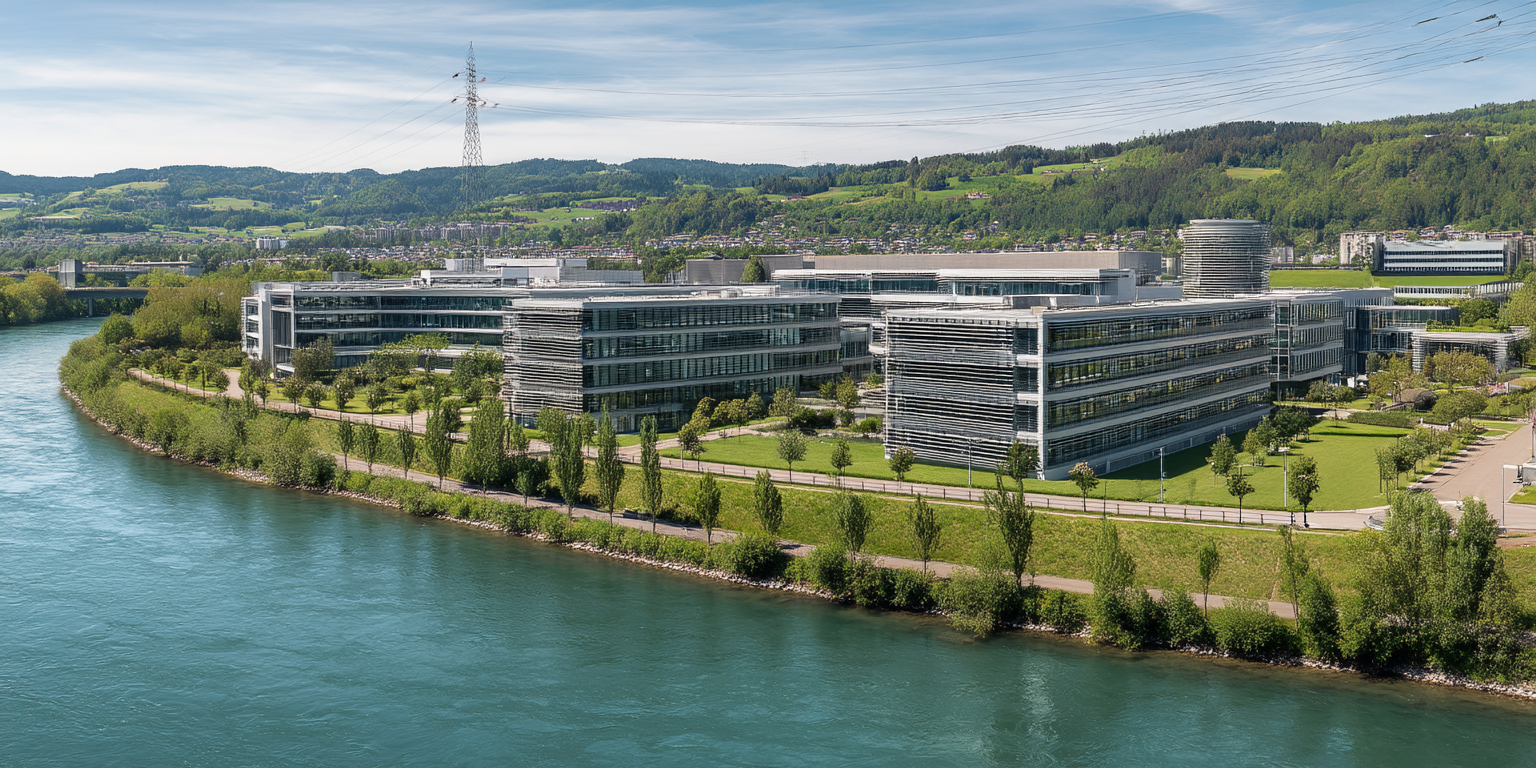
    The transition from EBM to Primeo Energie is now complete: at their annual general meeting on 15 April 2026, the delegates approved the change of name from EBM to Primeo Energie Genossenschaft. The company has been operating under the Primeo Energie brand since 2019. According to a press release, the name change is intended to ensure that the umbrella brand is also visible in the cooperative’s name in future and to avoid misunderstandings.

    Prior to this, the delegates had approved the annual accounts and the management report of the Primeo Energie Group. Operating profit (EBIT) rose to CHF 127 million in 2025. In the previous year, it had stood at CHF 124 million. Profit grew from CHF 91 million to CHF 109 million over the same period. In total, Primeo Energie invested CHF 187 million in energy infrastructure. This figure is set to rise to CHF 220 million in the current year.

    The contribution to the energy fund was doubled from CHF 2 million to CHF 4 million. CHF 3.1 million from the fund was allocated to grant applications, primarily for connections to district heating networks. Support is now also being provided for the conversion of photovoltaic systems with direct feed-in to self-consumption. The co-operatively organised company therefore expects an increase in applications. A further CHF 500,000 was made available for grants to charitable institutions.

    Gilbert Fuchs and Carmen Gerber-Balmelli were re-elected to the Board of Directors for a further term until 2030. Thomas Ernst was newly elected to the board. Long-standing Vice-President Urs Grütter stepped down.
  • Investment supports expansion of decentralised energy infrastructure

    Investment supports expansion of decentralised energy infrastructure

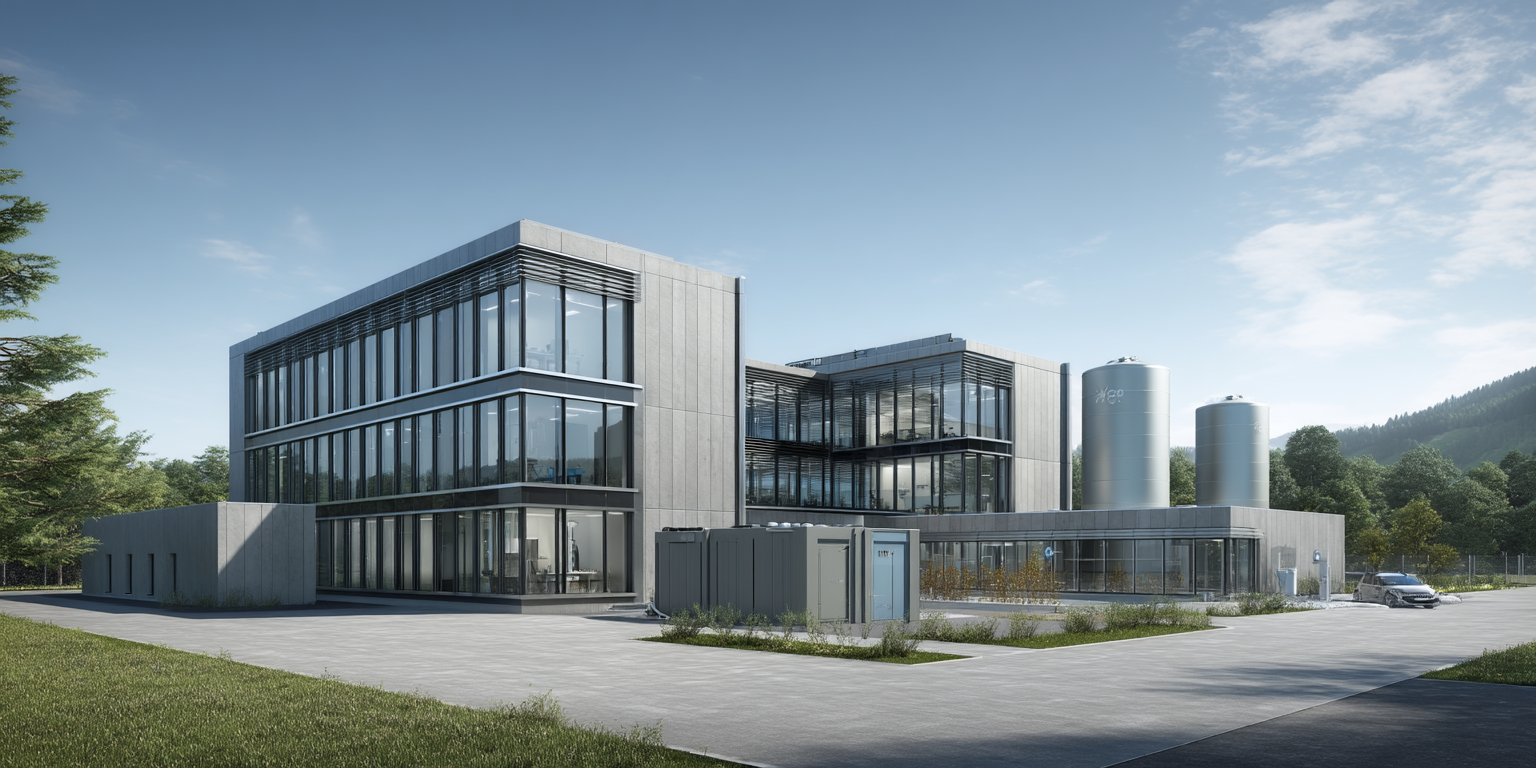
    Youdera Group SA has secured a strategic investment from Amundi Energy Transition. According to a statement, the funds will support the company’s next phase of growth and an implementation plan of around 150 million euros for decentralised energy infrastructure in the European commercial and industrial sector.

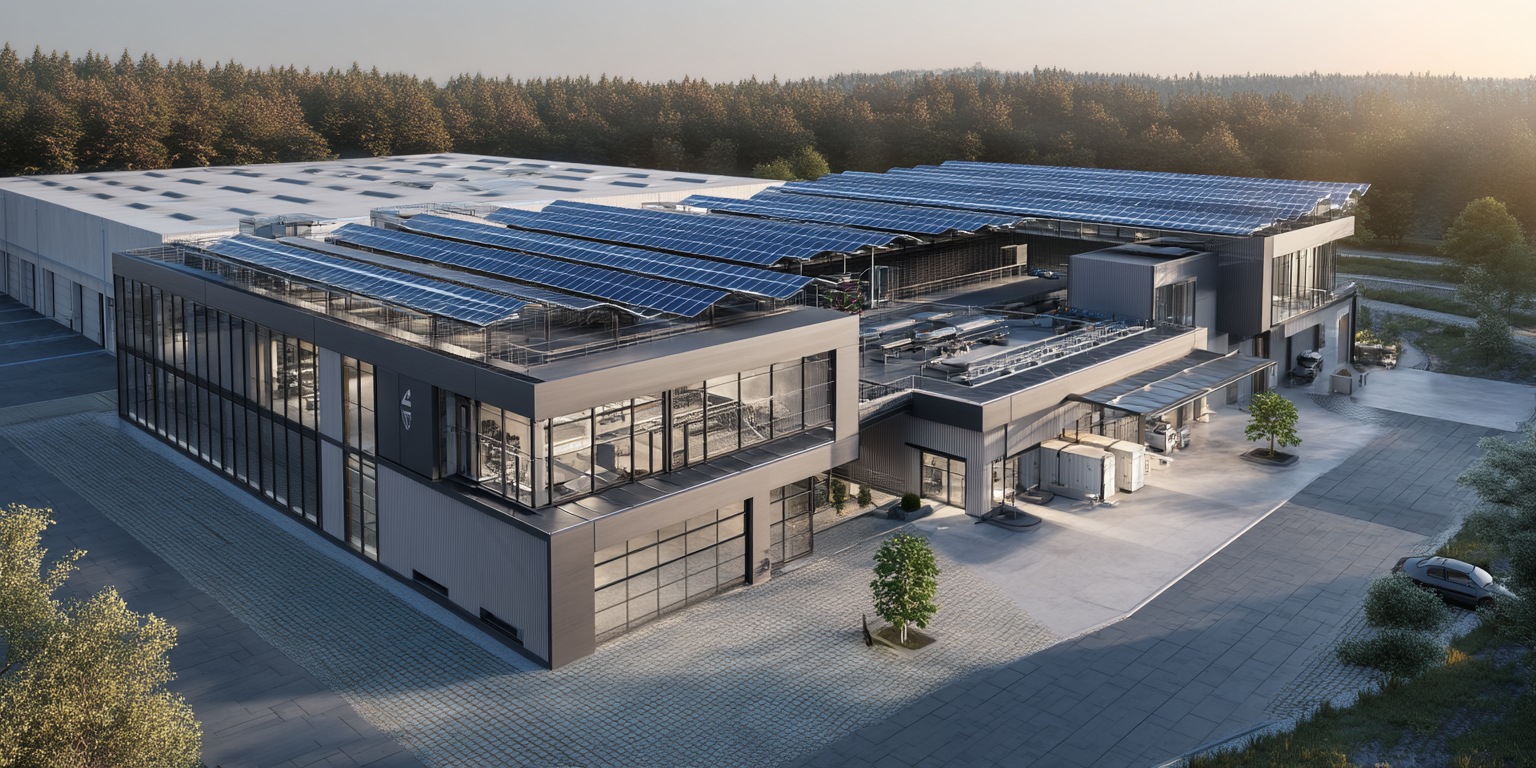
    Youdera offers companies energy management, which involves the planning and development, financing, construction and operation of energy systems. The aim is to reduce dependence on the electricity grid, make energy costs more predictable and drive electrification. The offering includes photovoltaic systems, battery storage, building envelope refurbishments, heat pumps and other measures to increase energy efficiency.

    The investment by Amundi Energy Transition, a subsidiary of French asset manager Amundi S.A., offers the opportunity to scale the model across Europe, says Pedro Miranda, CEO and co-founder of Youdera. “In a more volatile world, European companies need to act decisively to remain competitive.”

    Youdera was founded in 2015, is based in Ecublens and has its main site in the EPFL Innovation Park in Lausanne. Its core markets are Switzerland, Spain and Portugal, but the company sees further growth potential in Europe. “As commercial and industrial customers are looking for more resilient and cost-efficient energy solutions, we are convinced that Youdera is ideally positioned to meet this growing market demand,” says Claire Chabrier, Head of Direct Investments – Private Markets at Amundi.

  • Start of construction marks an important step for renewable electricity generation

    Start of construction marks an important step for renewable electricity generation

    According to a press release, Kraftwerk Meiental AG celebrated the start of construction of the Meiental power station in the municipality of Wassen with an official ground-breaking ceremony on 11 March. The actual construction work began back in September. Work is currently underway on the penstock and the new power station control centre.

    The power station utilises water from the Meienreuss. This is collected at an altitude of 1,317 metres and channelled through a 3,250-metre-long penstock to the new hydroelectric power station, which is situated at an altitude of 1,100 metres in Fedenbrügg. With a capacity of 10 megawatts, the power station is expected to generate around 34 gigawatt-hours of electricity per year. It is scheduled to come into operation at the end of 2028.

    A total of 40 million Swiss francs is being invested. The canton of Uri and the municipality of Wassen anticipate additional tax revenue, whilst the canton and the Corporation of Uri expect water rights fees of half a million Swiss francs per year. “We are utilising our local hydropower, strengthening regional value creation and, at the same time, making an important contribution to a climate-friendly energy supply,” Uri State Councillor and Director of Public Works Hermann Epp is quoted as saying in the press release.

    Kraftwerk Meiental AG is owned by the cantonal energy supplier energieUri AG, the canton and the Corporation of Uri, as well as the municipality of Wassen.

  • New factory site combines energy and network expertise

    New factory site combines energy and network expertise

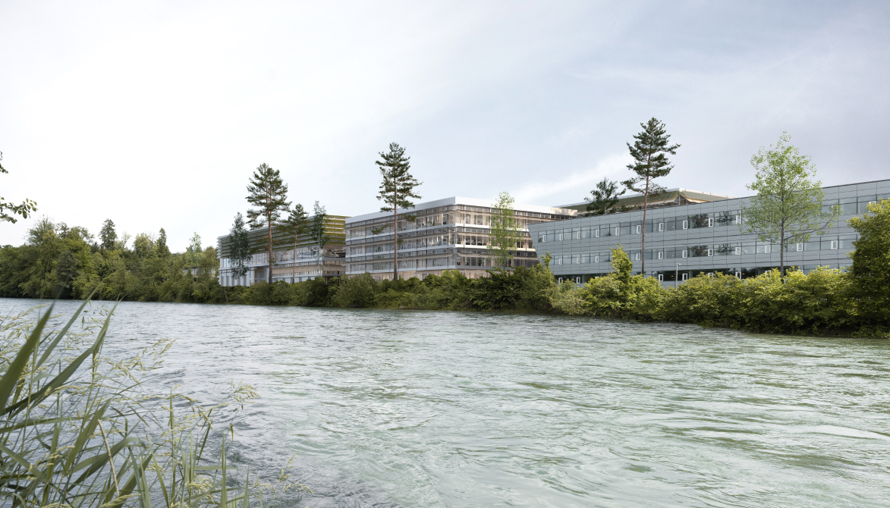
    CKW AG plans to relocate business divisions from the Reussbühl district of Lucerne to Reussinsel in Emmen, where it will also establish the company’s new headquarters, according to a press release. The Axpo subsidiary intends to use this move to consolidate its activities.

    At the heart of the project, known as EnergiePark Emmen, is the construction of a new building for the Networks and Building Technology divisions. CKW’s network base, which will be built there, will be responsible for the construction, operation and maintenance of the electricity grid in the greater Lucerne area. The new building will provide modern workplaces for employees. After several years of planning, the Compact project by Penzel Valier AG from Zurich and Maurus Schifferli Landscape Architects from Bern was awarded the contract to build the new company headquarters.

    Reuss Island is the historical birthplace of CKW, where the first power plant supplied electricity to the region in 1894. “With the planned relocation of our headquarters to Emmen, we are building on these roots and committing ourselves to Emmen as a location in the long term,” said Martin Schwab, CEO of CKW, in the press release. The relocation of the business divisions and headquarters to Emmen will mean that 1,000 employees will work on Reuss Island in future, instead of the previous 600.

    In the coming years, a development plan based on the draft project will be drawn up by the municipality of Emmen. “Together with the municipalities of Emmen and Ebikon, we want to further develop the Reuss island in the interests of all parties involved,” Schwab continued. According to the current status, construction projects could be approved and implemented from 2030, according to the press release.

  • New CKW headquarters strengthens Emmen

    New CKW headquarters strengthens Emmen

    With the “EnergiePark Emmen” project, CKW intends to further develop its existing site on the Reussinsel. The centerpiece is a new plant building for the Grids and Building Technology divisions, including a grid base for the construction, operation and maintenance of the electricity grid in the greater Lucerne area. The employees previously based in Reussbühl will thus have modern workplaces in Emmen, and processes will be bundled in terms of space and organization.

    Commitment to Emmen and more jobs
    The Reussinsel is CKW’s historic place of origin, where the first power plant went into operation in 1894. With the planned relocation of its headquarters, CKW is building on these roots and making a long-term commitment to the Emmen site. The number of employees on the Reussinsel will increase from around 600 today to around 1,000, which will generate additional tax revenue and strengthen the economic development of the municipality.

    Careful planning and inward densification
    The guideline project was developed in a planning process lasting several years with the municipality of Emmen and a study contract with five planning teams. The “Compakt” project by Penzel Valier AG with Maurus Schifferli Landschaftsarchitekten was selected for its urban planning quality and sensitive integration into the landscape. The project consistently focuses on inward densification. The valuable natural space on the Reussinsel remains untouched and additional buildings are only planned as a long-term reserve.

    Traffic, development and next steps
    An important part of the project is the development and traffic management. Mobility measures are planned together with Emmen and Ebikon, including a new bus stop in the Rathausen area, adjustments to the road infrastructure and mobility management with trip caps and balanced traffic distribution. Based on the indicative project, the municipality of Emmen is now drawing up the development plan with the active involvement of the local population. According to the current timetable, concrete construction projects could be approved and implemented from 2030.

  • Innovations for the Swiss energy system

    Innovations for the Swiss energy system

    The RECIPE consortium has been awarded the contract for the 2023 round of the SWiss Energy Research for the Energy Transition(SWEET) funding program, the Swiss Federal Office of Energy(SFOE) announced in a press release. The call for proposals was entitled Critical Infrastructures, Climate Change and Resilience of the Swiss Energy System and was launched by the SFOE in collaboration with the National Center for Climate Services(NCCS). RECIPE is made up of the Swiss Federal Institutes of Technologyin Zurich(ETH) and Lausanne(EPFL), the University of Applied Sciences and Arts Northwestern Switzerland(FHNW) and the Lucerne University of Applied Sciencesand Arts (HSLU) as well as the business partners Swisscom, Infras and Zoï. The ETH is in charge of the project.

    As part of SWEET, RECIPE will analyze the dangers that threaten the Swiss energy infrastructure as a result of the restructuring of the energy system and climate change. At the same time, the associated risks for the economy, society, resources and the ecosystem will be examined. Based on this, RECIPE intends to develop measures to increase resilience and draw up specific recommendations for stakeholders.

    SWEET was set up to promote innovations that can make a significant contribution to implementing the Energy Strategy 2050 and achieving Switzerland’s climate targets. The program, which runs until 2032, is managed by the SFOE and carries out rolling calls for proposals on key topics of the energy strategy and long-term climate strategy. Only projects from consortia are funded. In the case of RECIPE, the funding program covers CHF 8 million of the total budget of CHF 10.5 million.