Tag: Energiequelle

  • Mushroom batteries the energy source

    Mushroom batteries the energy source

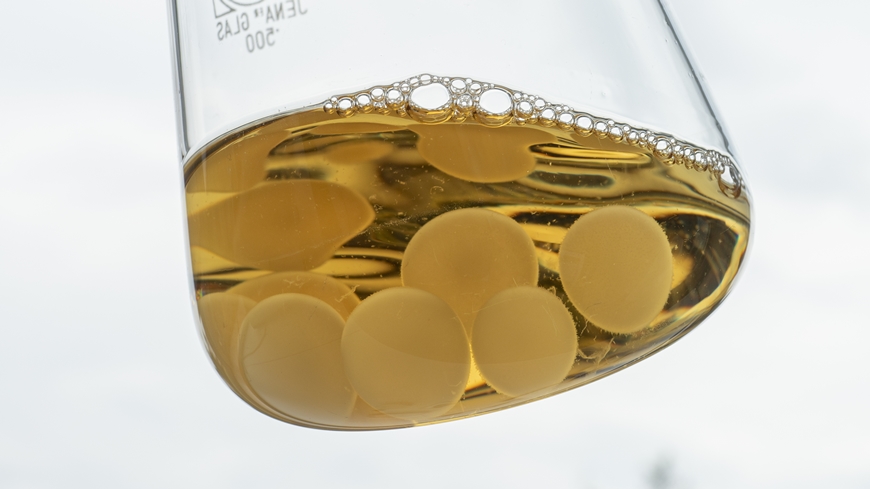
    The components of the mushroom battery are manufactured using 3D printing. The mushroom cells are incorporated directly into the printing ink. This special ink, developed on a cellulose basis, supports the growth of the mushrooms and is also electrically conductive. The manufacturing process places high demands. The ink must be biodegradable, easy to extrude and rich in nutrients without damaging the sensitive fungal cells.

    Possible applications and potential
    Although the mushroom battery only generates small amounts of electricity, it is sufficient to operate sensors in agriculture or environmental research for several days. The battery can be activated at the place of use by simply adding water and nutrients. After use, the materials decompose on their own due to the fungi.

    Challenges and future plans
    Working with living materials requires interdisciplinary knowledge from microbiology, materials science and electrical engineering. The researchers are planning to improve the performance and service life of the mushroom battery and to research other types of mushrooms as electricity suppliers. The aim is to develop an even more efficient, sustainable energy source.

    Green biotechnology with wood and mushrooms
    Wood, a renewable raw material, is also used by Empa for innovative applications. In addition to the mushroom battery, environmental sensors and green electronics made from cellulose fibres are being developed here. These projects promote the sustainable use of wood and fungi in materials science and contribute to the energy transition.
  • How wood can be better utilised

    How wood can be better utilised

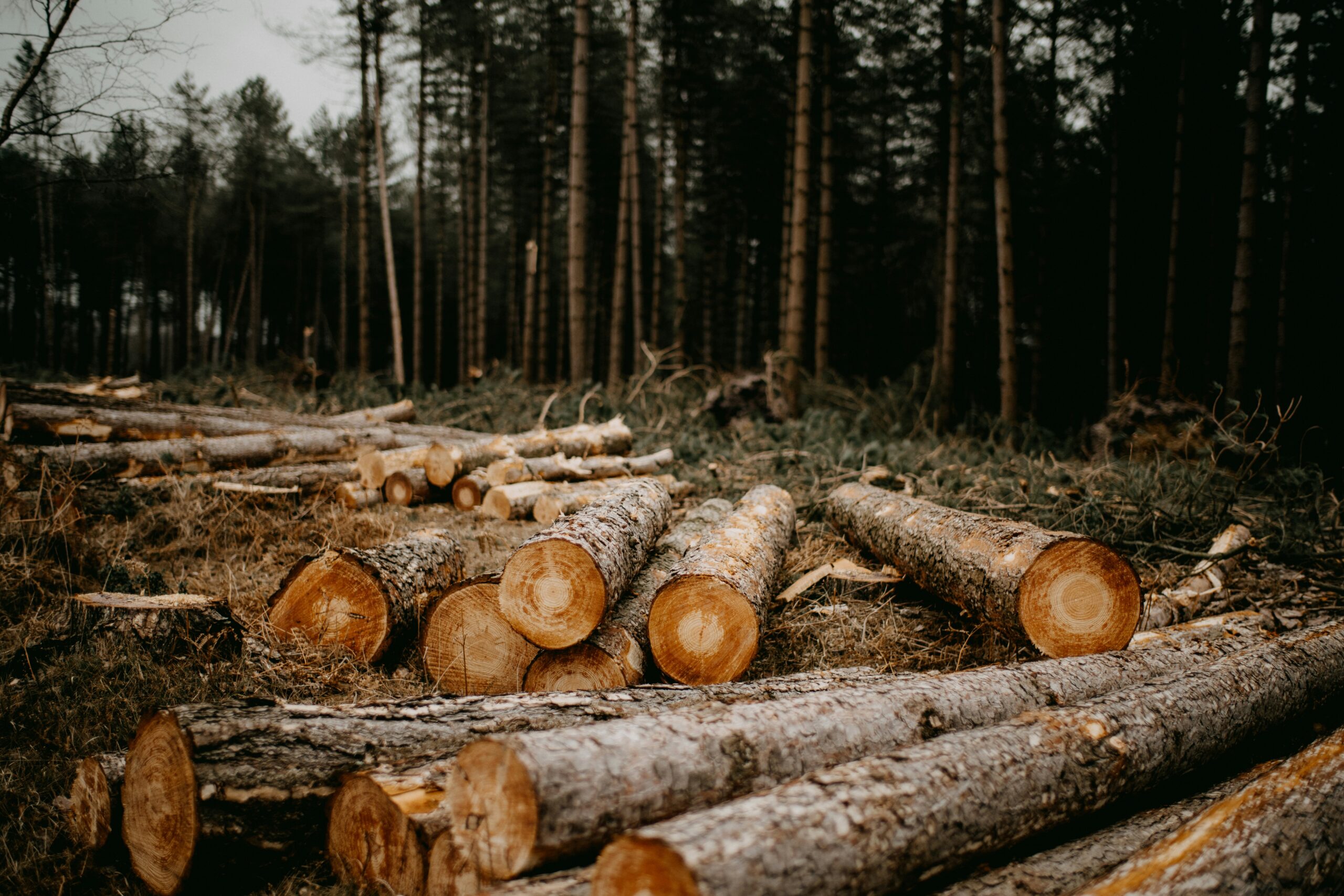
    Switzerland is aiming for net zero by 2050. Wood plays a key role in this endeavour. It binds CO₂ from the atmosphere, is versatile and offers sustainable alternatives to fossil fuels. But how much wood is actually available for construction, industry or energy generation? Researchers from Empa and WSL have provided the answers by analysing the material flows of wood in Switzerland in detail for the first time as part of the SCENE project.

    For their analysis, the researchers used data from 21 different sources for the year 2020, from wood harvesting to disposal. “In contrast to other studies, which often only use modelled values, we were able to draw on real data,” explains Nadia Malinverno from Empa. The effort paid off, as the study provides a precise picture of the entire wood flow in Switzerland.

    Recycling potential and the correct use of wood
    Only eight per cent of wood is currently recycled, compared to around 70 per cent for paper. In addition, 40 per cent of the wood harvested each year is used directly as fuel. “This is not ideal from an ecological point of view,” emphasises Claudia Som, co-author of the study. In order for wood to fulfil its role as a CO₂ store, it should be used as a material for as long as possible.

    The researchers’ vision is cascade utilisation
    Here, wood is first processed into durable products such as beams and boards that remain in the construction industry for as long as possible. Only after repeated use is the wood further processed into wood chips or fibres before it is finally burned. “Wood should only be used as an energy source when it is no longer usable as a material,” explains Som.

    The path to sustainable wood flows
    As part of the SCENE project, the researchers want to investigate more closely in future which uses of wood make the most ecological and economic sense. They are focussing on specific material flows. In what form is the wood available? How is it processed? Where is there potential for optimisation?

    “The sustainable use of wood is a key component of the energy transition,” says Malinverno. “Our work shows that Switzerland still has many untapped opportunities here, both in terms of climate protection and resource efficiency.”

  • Pioneering solar initiative in Glarus

    Pioneering solar initiative in Glarus

    The authorisation granted by the Glarus cantonal government under energy law enables Swisspearl AG to significantly expand its large-scale solar installation on the roofs of its production halls. With an impressive total output of 3100 kilowatts (kW), this system will not only be the largest of its kind in the canton, but will also be able to cover up to 50 per cent of the company’s electricity requirements. The decision to waive an annual levy of around CHF 30,000 is due to the innovative and exemplary nature of the project, which is considered to be pioneering for similar large-scale systems in the industry.

    The promotion of the photovoltaic system by waiving the fee reflects the endeavours of the canton and the company to be leaders in the use and expansion of renewable energy sources. This project not only represents a significant contribution to achieving the national energy targets, but also serves as an inspiring example for other companies to accelerate the transition to more sustainable energy sources.

    With the realisation of the photovoltaic plant, the canton of Glarus is reaffirming its commitment to a more environmentally friendly and sustainable future. Swisspearl AG demonstrates how companies can actively contribute to reducing their carbon footprint while increasing their energy efficiency. This initiative marks a decisive step forward in regional energy policy and sets new standards for the integration of renewable energies in industrial production.

    The approval of the photovoltaic plant in Niederurnen by the Glarus cantonal government represents a significant milestone in the pursuit of a more sustainable and energy-efficient economy. Swisspearl AG exemplifies the potential of industry to play a pioneering role in ecological change and emphasises the importance of innovative energy solutions for the regional and national economy.

  • Hydrogen project a location with potential

    Hydrogen project a location with potential

    The location in Domat/Ems, directly next to a main traffic axis in the Swiss Alps and in the immediate vicinity of electricity producers and an electricity plant operator, is creating a pioneering hydrogen project. Especially for HGVs that need to refuel with hydrogen at strategic junctions, the location in the Graubünden Rhine Valley is of great value.

    The technical performance spectrum of the newly planned facility is impressive: At full capacity, the 2 MW plant can generate over 300,000 kg of hydrogen per year. This corresponds to the energy content of 1,000,000 litres of diesel. Such a production rate not only affects the diversity of energy sources, but can also have a significant positive impact on the environment by reducing annual CO2 emissions by more than 3,600 tonnes.

    Energy storage as the biggest challenge
    Renewable energies have been the talk of the town for some time. However, storing them brings some challenges, especially because nature dictates when and how much energy is produced. This is where hydrogen comes on the scene as an optimal storage element. Especially in times of high energy production in summer, it can be advantageous to convert surplus electricity into hydrogen. However, constant production is essential for profitable operation. Current legal requirements suggest that such plants should be built near energy production sites.

    The first considerations in this direction were initiated in 2017. Soon after, Fanzun AG’s team of experts set out to find a suitable location. Urs Simeon, partner and project manager, expressed: “We were aware that the topic of hydrogen requires a lot of education. That’s why we started looking into it intensively at an early stage and were able to quickly build up comprehensive expertise.” According to Simeon, the biggest hurdle in the planning phase was the economic calculation – because the project only makes sense if it is economically viable.

    In the beginning there was a Norwegian investor

    When searching for the roots of this project, one comes across the name of Per Sandven, a visionary investor from Norway known for his pioneering and sustainable approaches. Sandven, as co-founder and former main shareholder, played a central role in the foundation and development of Calanda Solar. He also had a significant influence on the implementation of the adjacent Calinis photovoltaic project. This project, located in the former quarry of Felsberg and operated by Rhiienergie, was the largest photovoltaic facility in the canton of Graubünden in 2020. With a remarkable annual yield of 1,500,000 kWh, it supplies electricity to about 400 households.

    Further projects are in the pipeline

    In the past, Sandven and Fanzun have already worked hand in hand, for example on the 105%-PlusEnergie Hotel Muottas Muragl in Samedan, which also won a solar prize. Their cooperation illustrates the shared aspiration and vision to drive the change towards a more environmentally friendly and climate-neutral energy future. Fanzun AG is currently planning additional initiatives in the high-mountain solar segment, also known as the “Solarexpress”.

  • Lighthouse project in the canton of Aargau

    Lighthouse project in the canton of Aargau

    Switzerland is at the forefront of the most innovative countries in the world: "We are building a high-tech ecosystem here, based on the research focus of the Paul Scherrer Institute (PSI)," Benno Rechsteiner, CEO of Innovaare AG told Immo! Nvest. “With its top-class large research facilities, PSI is the largest research institute in Switzerland. In order to promote exchange with industry, several departments are moving into the innovation campus, which is connected to the PSI site by an underpass. This gives you direct access to the particle accelerator opposite. " Park Innovaare already houses 17 high-tech companies in existing buildings. These companies originate from research at the Paul Scherrer Institute, ETH, EPFL and CERN. "For us, a mix of research departments, large industrial companies, development-oriented SMEs and high-tech start-ups is ideal."

    Greatest possible flexibility
    In order to meet the demands of a modern innovation campus in the long term, the property must be built as flexibly as possible so that later adjustments are possible: to enter into settling companies ». says Rechsteiner, who sees the Innovaare Park as a lighthouse project in the canton of Aargau.

    Renewable energy sources
    Around 95 percent of the heat requirements of Park Innovaare are covered by waste heat from cooling and around five percent by PSI's district heating network. Highly efficient HFO machines, which draw their energy from the Aare, are used to efficiently generate the cooling energy. From this point of view, the energy requirements of the 38,000 m2 innovation campus for heating and cooling are largely met from renewable sources.