Tag: energiewende

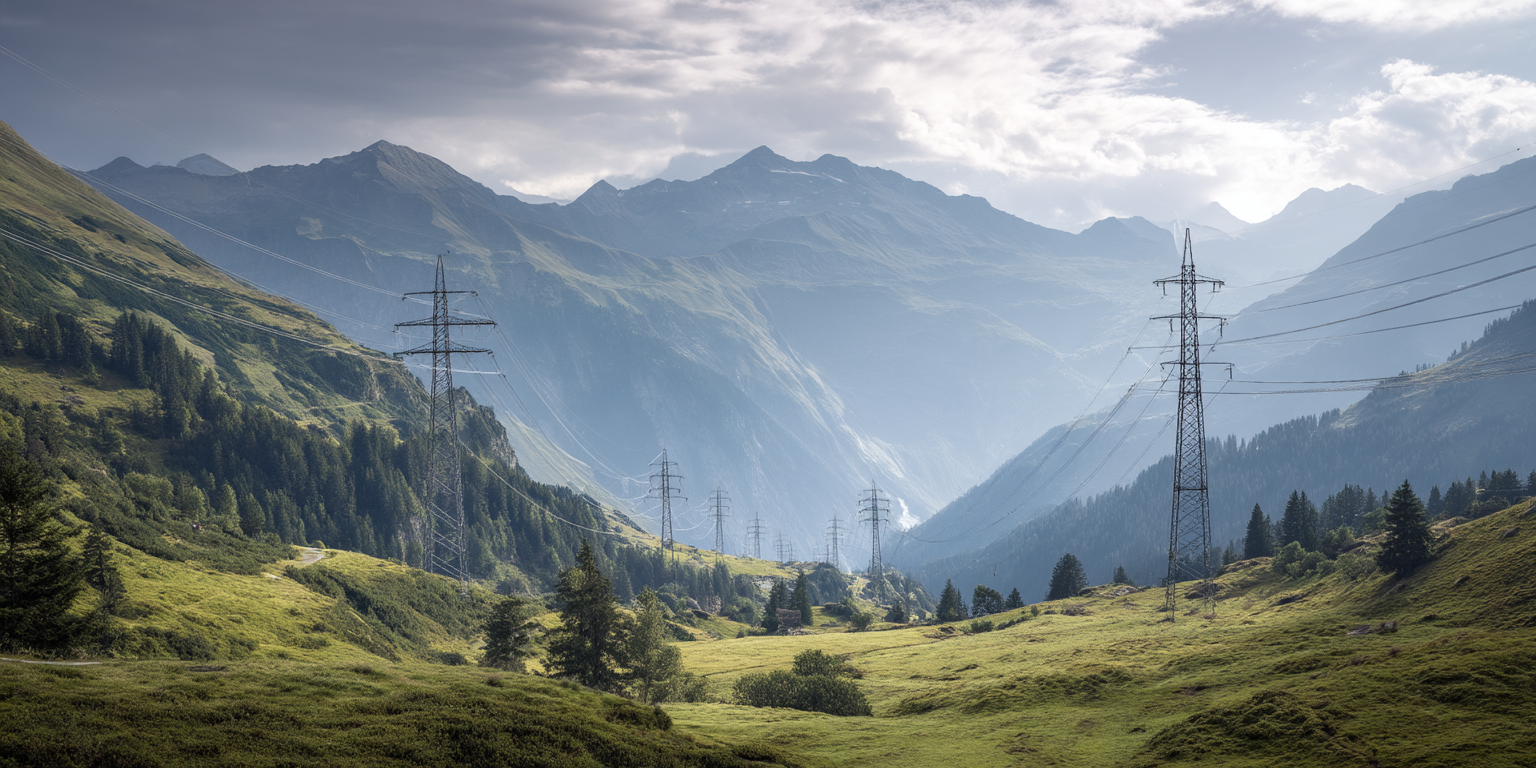
  • The grid becomes Switzerland’s bottleneck

    The grid becomes Switzerland’s bottleneck

    By 11 votes to 0 with 2 abstentions, the Energy Committee of the Council of States adopted the amendment to the law to speed up the expansion and conversion of the electricity grids. The committee has thus made it clear that the expansion of the grid infrastructure should no longer be treated as a political sideshow.

    This is more than just a technical step. The Commission expressly emphasises the outstanding importance of a domestic, renewable energy supply and demands that the legal framework conditions finally reflect this importance. The electricity grid is thus being transformed from a companion into the strategic backbone of energy policy.

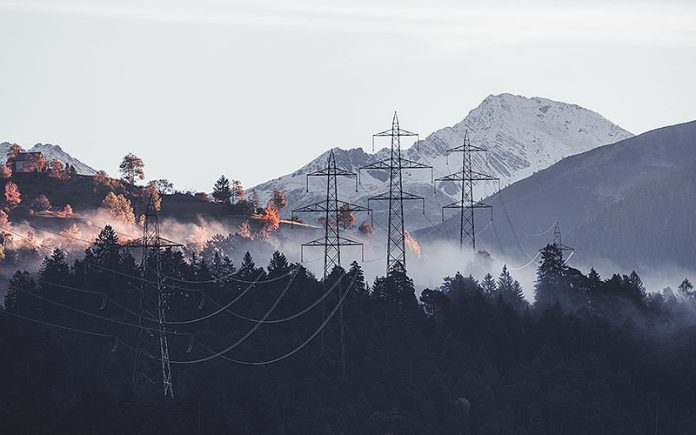
    Overhead lines before underground cables
    The Commission emphasises one key point. Transmission grid lines should primarily be realised as overhead lines. Underground cables remain the exception and should only be considered in special cases. However, this principle should not apply in construction zones.

    The political priority is thus visibly shifting towards speed and feasibility. The more complex the balancing of interests, the longer procedures take. This is precisely where the bill wants to start and streamline planning processes.

    More room for manoeuvre when replacing
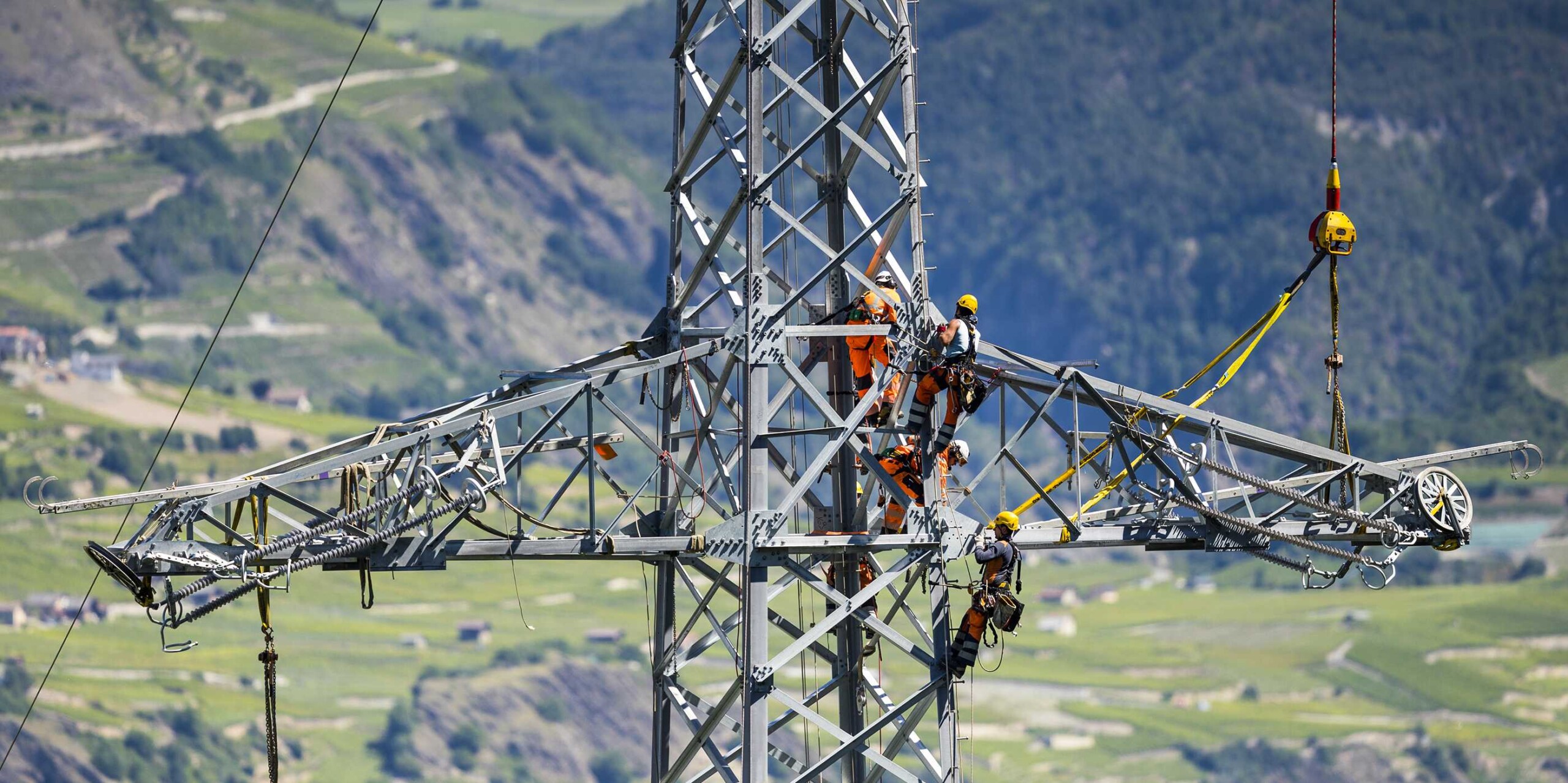
    The focus on existing buildings is particularly relevant. In the coming years, a large part of the grid infrastructure will reach the end of its service life. According to Swissgrid, structural bottlenecks are already noticeable today and two thirds of the 6,700 kilometre-long transmission grid is over 40 years old.

    The Commission therefore wants to facilitate the replacement of existing high-voltage and extra-high-voltage lines, including on existing or directly neighbouring routes. This principle should now also apply to parts of the distribution grid above 36 kV. This is a signal with an impact. Not every grid expansion begins on a greenfield site. Much is decided by replacing the existing grid more quickly.

    The silent hurdle of the energy transition
    There is also a detail with a major impact. In future, transformer stations will also be possible outside the building zone under certain conditions if no suitable location can be found within the building zone. This also shows where the energy transition gets stuck in everyday life. Often not because of the strategy, but because of the land.

    The proposal therefore hits a sore spot. Switzerland has accelerated the production of renewable energy, but the grid is threatening to become a bottleneck. If procedures continue to take years, it is not a lack of ideas that will slow down the turnaround, but a lack of lines.

  • Takeover strengthens position in the European energy market

    Takeover strengthens position in the European energy market

    In a press release, BKW announced the acquisition of the French energy company Volterres SAS. Volterres SAS operates a network of over 100 solar, wind and hydroelectric power plants and enables the tracking of electricity flows in real time. Volterres supplies more than 2 terawatt hours of electricity annually to companies and public organisations.

    The acquisition fits seamlessly into BKW’s existing strategy for France. The company had already previously expanded its activities in the country, including a contract to optimise 200 megawatts of battery capacity. BKW also markets numerous third-party wind, solar and battery projects in France and manages an annual renewable production of over 1 terawatt. With Volterres, BKW now covers the entire energy value chain.

    Strategically, the acquisition is an important step within Solutions 2030, according to the press release. With this focus, BKW is concentrating on the Energy Solutions, Power Grid and Infrastructure & Buildings business areas and positioning itself along the entire value chain of the energy transition. The aim is to achieve EBIT (earnings before interest and taxes) of over CHF 1 billion by 2030. France plays a key role in this.

    “France is a strategically important market for us. With the integration of Volterres, we are strengthening our position not only there, but in the entire European market and are further developing our portfolio of flexible energy solutions,” said Stefan Sewckow, Executive Vice President Energy Markets.

    BKW, based in Bern, is an internationally active energy and infrastructure company. Its range of services extends from engineering and consulting to building technology and the construction and operation of energy and supply grids.

  • Management change in the energy division of a large utility company

    Management change in the energy division of a large utility company

    Vertina Investment Foundation invested a total of CHF 74.3 million in four new-build projects in the first quarter of 2026. The fresh capital comes from the capital increase in the fourth quarter of 2025, according to a press release.

    The construction projects are located on properties in Oberglatt ZH, Kloten ZH, Seon AG and Zurich. These selected locations are characterised by good infrastructure connections and a solid market environment, according to the press release. After completion, the market value of the four properties will amount to CHF 131 million. This will increase the value of the total portfolio of the Vertina Residential investment group to CHF 350 million.

    In total, Vertina’s property portfolio consists of 13 properties with varying degrees of construction progress. The start of construction on four further projects is planned for the current financial year. As recently announced, Vertina will raise new capital of between CHF 60 and 80 million for this purpose in the second quarter.

  • Research project focuses on seasonal energy storage

    Research project focuses on seasonal energy storage

    According to a LinkedIn post, the University of Applied Sciences and Arts of Western Switzerland (HEIG-VD) and the engineering firmPlanairhave launched the BIG4HEAT project. BIG4HEAT will run for two years and is supported by the Swiss Federal Office of Energy (SFOE). Services Industriels de Genève (SIG), Groupe EausGranges-Paccot FR and Cadcime, based in Eclépens VD, are also industrial partners in the project.

    The main objective of the project is to develop an underground seasonal heat storage facility (Chemical Thermal Energy Storage, CTES). The heat energy is to be stored in summer and then used in winter. HEIG-VD and Planair want to use old cisterns for this purpose, which will be converted into heat storage facilities in line with the principles of the circular economy and retrofitting, i.e. the conversion of older facilities. According to HEIG-VD, “seasonal storage could reduce the electricity deficit in winter by almost 20 per cent”. With this project, HEIG-VD and Planair aim to reduce CO2 emissions and create space in urban areas from 2030 onwards by using underground storage facilities.

    Founded in 1956 and based in Yverdon, HEIG-VD conducts research in collaboration with companies, local authorities and national and international partners in various fields such as energy and sustainable development. Planair, based in La Sagne NE, is active in the fields of energy transition and renewable energies.

  • Generational change strengthens commitment to energy transition

    Generational change strengthens commitment to energy transition

    Reto Trittibach is the new owner and managing director of INES Energieplanung GmbH. According to a statement, André Joosten will be his deputy. With this new appointment, the Bern-based provider of energy supply solutions, founded 14 years ago, aims to maintain continuity.

    The aim of INES Energieplanung is to “support the energy transition with expertise and to the best of its ability”. Energy concepts for sites and district heating projects are developed. According to the company, INES contributes its expertise not only to the planning and construction of energy plants, but also to plant concepts. INES also acts as an energy consultant for the city of Bern.

    INES operates in the city and metropolitan area of Bern. Its main customers and cooperation partners include Marzili Wärmeverbund AG and the city of Bern.

    Founder Bruno Liesch shaped INES with a focus on sustainable energy solutions, heating networks and future-oriented energy planning. According to the announcement, he will continue to contribute his experience in project development on a part-time basis until the end of 2026.

  • Crowdfunding drives flexible solar energy forward

    Crowdfunding drives flexible solar energy forward

    Solarify GmbH is further expanding its range of investment opportunities for private investors in the energy transition. According to a press release, the Wabern-based company now offers crowdfunding for a new generation of solar power plants connected to battery storage systems. These enable solar power to be delivered at a later time.

    Solarify.ch is thus also responding to a change in the remuneration of solar power. In future, feed-in tariffs will be based on hourly rates. In addition, market prices will be recalculated on a quarterly basis. The storage facilities allow for a flexible response to prices.

    The company is already using solar systems with battery storage, for example at the Tannental asylum accommodation in the municipality of Muri near Bern and on the roof of Condecta AG in Bern.

    “With this new generation, we can operate solar systems in a way that benefits the grid and the system,” CEO Roger Langenegger is quoted as saying in the press release. “Instead of putting strain on the grids at midday, the electricity is consumed locally or sold at times of higher demand.”

    Solarify.ch enables private individuals to invest in the energy transition. Founded in 2016, the company has implemented 160 solar projects throughout Switzerland and invested 26 million Swiss francs.

  • Switzerland rethinks electric mobility

    Switzerland rethinks electric mobility

    The principle is familiar from smartphones. A transmitter coil transmits energy to a receiver coil via a magnetic field without the need for a plug. In the case of electric cars, this means that all you have to do is park and the charging process starts automatically. In the “INLADE” pilot project, Empa and energy supplier Eniwa AG tested this technology for the first time under everyday Swiss conditions. The project was supported by the Swiss Federal Office of Energy and the cantons of Zurich and Aargau.

    Practical test passed
    Even in snow, rain and slight parking deviations, inductive charging achieves an efficiency of around 90 percent, comparable to the classic cable. AMAG and other partners equipped existing vehicles with receiver coils and integrated interfaces for charging management. Following extensive safety tests, the vehicles were granted individual approval for Swiss roads. They are among the world’s first electric cars with an inductive system that are suitable for everyday use.

    Mobile storage for the energy transition
    The real revolution lies in the potential. Electric cars are stationary for an average of 23 hours a day. If they were automatically connected to the grid during this time, their batteries could compensate for fluctuations in the electricity grid and stabilize renewable energies. Bidirectional charging, i.e. feeding electricity back into the grid, also works inductively. Vehicles are connected more frequently without users having to take any active steps. This makes every parking space a potential hub of a decentralized energy system.

    Economically attractive
    Intelligent charging reduces electricity costs, especially when charging during the day when photovoltaic systems feed a lot of energy into the grid. The combination of convenience, efficiency and grid integration makes inductive charging a promising building block for the mobility of tomorrow.

  • Double use of space increases solar power production

    Double use of space increases solar power production

    According to a press release, ARA Thunersee has inaugurated HORIZON, the largest movable solar folding roof in the world. It was realized by the cleantech company dhp Technology from Zizers. With an installed capacity of 3.6 megawatts peak and around 3 gigawatt hours of electricity, the system will supply 700 households.

    According to ARA Thunersee, the more than 20,000 square meter plant is based on technology from dhp Technology. dhp CEO Gian Andri Diem sees great potential in generating energy on existing areas. “This is how we create progress without taking up additional space,” he is quoted as saying.

    According to dhp’s project description, efficient use of space is relevant in order to make progress with the energy transition through photovoltaics. Wastewater treatment plants, logistics areas, waterworks and parking areas are particularly suitable for solar power production due to their previously unused areas. According to Ingo Schoppe, Managing Director of ARA Thunersee, “intelligent land use makes an active contribution to security of supply, economic efficiency and climate protection”.

    The solar folding roof spans several clarifiers and makes double use of existing infrastructure areas – for wastewater treatment on the ground and for solar power generation above. The electricity generated there is intended for wastewater treatment and local supply.

    Based on Swiss cable car technology, the roof is able to react to extreme weather conditions. It folds up automatically in the event of storms, snow or hail. This allows operational safety and energy production to be achieved without having to intervene in ongoing processes.

  • Power-to-X tracker shows momentum in Switzerland

    Power-to-X tracker shows momentum in Switzerland

    With the new Power-to-X Tracker, the Swiss Power-to-X Collaborative Innovation Network (SPIN) and the Coalition for Green Energy & Storage (CGES) are presenting a nationwide overview of Power-to-X activities. The interactive platform maps all known projects, from pilot plants to commercial applications. This shows the rapid growth of a technology that could become the centerpiece of the energy transition.

    The aim is clear: to pool knowledge, promote synergies and facilitate investment. “The tracker creates a common data basis that accelerates collaboration and decision-making processes,” emphasize CGES Co-Directors Christoph Sutter and Antonello Nesci.

    The key to defossilization
    Power-to-X processes make it possible to convert renewable electricity into chemical energy carriers. This makes renewable energy storable and versatile, for example in industry, mobility or heat supply. For SPIN Co-President Martin Bäumle, these technologies are crucial for the transition to a climate-friendly economy. “Transparent data and networked players are the basis for turning ideas into scalable solutions,” explains Bäumle.

    Networking research, business and politics
    The tracker will be presented at the CGES annual event at Swissgrid in Aarau. The initiative is backed by a broad alliance of business, science and the public sector – supported by the ETH Domain. The systematic survey and visualization of the projects will provide an overview of the Swiss power-to-X landscape for the first time, offering guidance to researchers, politicians and investors alike.

  • Ticino shows the way to a modern power supply

    Ticino shows the way to a modern power supply

    The European energy system is facing the biggest transformation in its history. Transport, industry and buildings are being electrified, electricity demand is increasing massively and production is becoming more decentralised and volatile. For Switzerland, this means fundamentally adapting its grids. In Ticino, the course was set early on. As early as 2013, the canton brought together the major players, Swissgrid, Azienda Elettrica Ticinese (AET) and SBB, to think about electricity grids and spatial planning together.

    The analysis clearly showed that the infrastructure created in the 1950s was inefficient. Each institution had built its own lines without taking into account the overall view or the landscape. The result is a patchwork of routes through sensitive areas. Today, joint planning makes it possible to bundle several lines on one route, resulting in 140 kilometres becoming superfluous.

    Projects with national appeal
    At the heart of the realisation are three major projects, Airolo – Lavorgo in the Leventina, All’Acqua – Vallemaggia – Magadino and Lavorgo – Magadino in the Riviera and Piano di Magadino. They form the backbone for a secure supply for future generations. At the same time, they create the conditions for the dismantling of old lines, which significantly relieves the landscape.

    Lengthy procedures act as a brake
    The construction of new high-voltage lines in Switzerland often takes more than 15 years. However, close consultation in Ticino has made it possible to develop trust, coordination and joint proposals to speed up federal procedures. Municipalities and the population are actively involved in order to achieve broad-based solutions.

    Balancing landscape protection and security of supply
    Ticino combines sensitive habitats, historic villages and landscapes with lakes and mountains that are important for tourism. The balancing act between security of supply and landscape protection has been mastered here in an exemplary manner. Instead of unilaterally planning power lines, the territory is viewed as an overall system. An approach that increases acceptance and reduces conflicts.

    Federal Council wants to expand the model
    The innovative process has not gone unnoticed. The Federal Council has recognised the advantages and proposed extending the Ticino model to other cantons in a bill. This could turn a regional pioneering achievement into a national model of success, with a signalling effect for the entire energy transition.

    Ticino shows how the modernisation of critical infrastructures can succeed in a way that is technically efficient, compatible with the landscape and politically acceptable to the majority. The dismantling of 140 kilometres of power lines is only the most visible success. The decisive factor is a new way of thinking that strengthens security of supply and quality of life in equal measure.

  • Parliament wants to speed up construction of large power plants for renewables

    Parliament wants to speed up construction of large power plants for renewables

    The federal parliament has clearly approved the so-called acceleration decree in the final vote. According to a statement, 185 members of the National Council voted in favour, two against and nine abstained. In the Council of States, 44 members voted in favour of the decree, with no votes against or abstentions.

    The decree was proposed by the Federal Council in 2023. It is intended to speed up the construction of large power plants for renewable energies. The appeal process is to be shortened, thus limiting the possibilities for objections and appeals. The cantons are to concentrate the planning approval process for the construction of solar and wind power plants of national interest at cantonal level. The planning process for the expansion of electricity grids is to be shortened.

    The Association of Swiss Electricity Companies(VSE) welcomes the adoption of the acceleration decree. “The focussed cantonal procedure and the reduced number of instances are important levers on the path to a renewable energy supply,” said VSE Director Michael Frank in a press release. “For electricity producers, the compromise means more planning security and speed – exactly what we need now.”

    swisscleantech regrets that the debate had focussed for too long on the attempt to abolish the right of appeal for associations. According to the energy transition association, the abolition of the right of appeal for 16 hydropower projects has led to a great deal of uncertainty. The bottom line, however, is that more speed in the expansion of renewables is what counts, it wrote in a press release.

  • New innovation boost for sustainable heating systems

    New innovation boost for sustainable heating systems

    EBP Schweiz AG has acquired a stake in Nullpunkt AG via its venture capital investor EBP Ventures. The start-up from Oberengstringen has developed an innovative ice storage heat pump system and launched it on the market this August following a trial run with a prototype last year. “With this investment, EBP Switzerland is not only strengthening its own innovation network, but also making a concrete contribution to the energy transition in the building sector,” Simon Hess, Partner and Head of Energy Technology at EBP Switzerland, is quoted as saying in a corresponding post by the Zurich-based consulting and engineering company on LinkedIn.

    The system from Nullpunkt AG consists of an external heat exchanger, an ice storage tank and a heat pump. The outdoor heat exchanger extracts energy from the ambient air during the day. This is used to melt the ice in the ice storage tank. When this water freezes again, thermal energy is released. This is extracted from the storage tank by the heat pump and used to heat the house. Compared to other ice storage systems, the system from Nullpunkt has a more compact design, “high energy efficiency and an attractive price-performance ratio”, writes EBP.

    Nullpunkt’s current programme includes further development to include more powerful systems and additional regeneration sources. “A competent partner such as EBP will also provide us with the right technical impetus to establish Nullpunkt on the market in the long term,” Nullpunkt CEO Thomas Degelo is quoted as saying in the article.

  • Federal Council simplifies construction procedures

    Federal Council simplifies construction procedures

    To date, many construction projects and urban developments have been delayed due to the rigid direct application of the Federal Inventory of Sites worthy of Protection (ISOS). In Zurich in particular, thousands of apartments are blocked, as the example of Brunaupark shows. The Federal Council wants to simplify and speed up the processing and approval of residential projects with a new regulation. In future, the ISOS requirements will only apply directly in cases where the townscape is actually affected. This will significantly reduce the number of complex procedures and numerous projects can be realized more quickly.

    In future, cantons and municipalities will be given more leeway and clear boundaries as to when direct application of ISOS is really necessary. The conservation objectives of the inventory will be formulated more openly, which will enable inward settlement development while still protecting building culture.

    Solar installations are easier to approve
    The new measures also make it easier to install solar installations on new buildings. In future, an ISOS review will only be required for existing buildings. The federal government is thus taking account of the requirements of the energy transition and strengthening planning and legal certainty for future-oriented construction projects.

    Consensus at the round table
    The reform was developed at a broad-based round table with representatives from the federal government, cantons, cities, municipalities, business and civil society. The regulatory adjustments are to be made by fall 2026. At the same time, the processes for applying the ISOS inventory will be improved so that conflicts can be identified and resolved at an early stage.

    Prominent critics and supporters from politics and heritage protection welcome the new regulations. It is a sensible compromise between protection and development. Direct application remains possible for important monuments, but will no longer prevent important innovation projects in future.

    New momentum for residential construction
    The new rules give cantons and municipalities the necessary flexibility to combine resource protection and building culture. Residential construction projects such as Brunaupark could be approved and realized much more quickly in future. The Federal Office of Culture, Department of the Environment and Department of Economic Affairs have been tasked with implementing the new principles in order to address the increased demand for housing and the challenges of the energy transition in a holistic manner.

  • Fraunhofer ISE Testlab sets standard for inverters

    Fraunhofer ISE Testlab sets standard for inverters

    With the increasing expansion of renewable energies, the rotating masses of conventional power plants, which previously ensured a stable voltage and frequency, are no longer present in the grid. Grid-forming inverters must take over this task and reliably stabilize the grid even in critical situations such as frequency changes or short circuits. Until now, however, there has been a lack of a uniform definition and standardized verification procedures for these systems.

    GFM Benchmark test procedure
    In the GFM Benchmark project, Fraunhofer ISE invited leading manufacturers to test their devices in the laboratory. Seven companies provided inverters with different outputs and development statuses. The test procedure was developed together with German transmission grid operators and simulates various grid situations. In addition to normal operation, it also includes extreme situations such as phase jumps and short circuits in the grid.

    While many devices react similarly under clearly defined requirements, there are still clear differences under more complex conditions. The ISE team was therefore able to provide manufacturers with valuable tips for optimization and highlighted the need for further development.

    Paving the way for standardization and market integration
    The project results have been directly incorporated into European standardization work and the VDE FNN note “Grid-forming properties”. For the first time, the new test guideline provides a recognized framework for the practical testing and certification of grid-forming systems. This is particularly relevant as a new market for instantaneous reserve will be launched in Germany from 2026, in which battery storage systems with suitable certification, for example, will receive additional revenue opportunities.

    Market maturity, best practice and industry dialog
    The market analysis and test data provide a solid basis for decision-making for manufacturers, grid operators, investors and standards bodies. The certification measurements that are now possible will accelerate the market entry of new, stabilizing inverters. In addition, Fraunhofer ISE supports the transfer of European requirements into national regulations and supports the industry with best practice guidelines.

    Fraunhofer ISE has set a milestone with the test procedure for grid-forming inverters. This will not only make the energy transition in Europe safer, but also measurably faster.

  • Feasibility study for regional wind farm launched

    Feasibility study for regional wind farm launched

    Energy producer Axpo is examining the feasibility of a wind farm together with the two local communities of Rüthi and Sennwald and the political municipality of Rüthi. According to a press release, three wind turbines are planned in Rüthi, one in Altstätten SG and three in Sennwald. Together, they could generate around 54 gigawatt hours of electricity per year, even in winter. This corresponds to the average annual consumption of 11,500 households.

    Axpo informed the population in Rüthi on 25 August and in Sennwald on 26 August. Experts from the canton and Axpo answered citizens’ questions. The Axpo wind mobile was also on site to explain the technology and show a 3D visualisation of the potential wind farm.

    The press release quotes the mayor of Rüthi, Irene Schocher, who welcomes the transparent clarification of the wind potential and the early involvement of the local population: “A sound basis for decision-making is essential in order to realistically assess the potential of a wind farm in our region.” The local community of Sennwald is in favour of the project, according to its president Daniel Berger. It sees “the planned wind farm as an opportunity to strengthen the regional energy supply and make an active contribution to the energy transition.”

    A wind measuring mast will be erected in October 2025 to collect data on wind and bat activity for over a year. The economic viability of the project will then be assessed and a decision made on further planning. If it is realised, the local communities and the local population can participate in a project company.

  • New energy park brings the energy transition to life

    New energy park brings the energy transition to life

    The Grisons University of Applied Sciences (FHGR) has set up the new Grischa Energy Park on the Kuhrerhof and in the Rheinmühle in Chur. The park is intended as an experience and research center in the field of energy and environmental research, according to a press release.

    Embedded in an agricultural environment, work on photovoltaics, small-scale hydropower, wood gasification, wind power and biogas will come together at one location. The aim is to show the general public how renewable energies can be generated, stored and used. “At the Grischa Energy Park, the energy transition goes from an abstract concept to a tangible reality”, explains Steffi Giaracuni, project manager at the Institute for Multimedia Production at the Grisons University of Applied Sciences, in the press release. “Here, people can see, hear and feel how renewable energies are created – and how we can integrate them into our everyday lives together.”

    In the first implementation phase, work on the topics of wood, water and sun will be presented, followed by biogas, wind power and innovative digital communication tools by 2026.

    The project is supported by the UAS Graubünden, the Swiss Federal Office of Energy, the Klima Grischa Foundation and other regional partners. On August 28, experts from the fields of energy policy, innovation promotion, urban development, local energy solutions and agriculture will be answering questions from the public about Switzerland’s energy future at a science café.

  • Switzerland continues to massively expand solar power

    Switzerland continues to massively expand solar power

    The expansion of solar power reached a new record in 2024, according to a statement from Swissolar. According to the industry association, systems with a total output of 1,798 megawatts were installed, an increase of 10 per cent compared to the previous year. In total, 8170 megawatts were installed by the end of 2024. This generated 5961 gigawatt hours of electricity.

    Solar power accounted for 10.4 per cent of electricity demand in 2024. In the previous year, it was 8.25 per cent. Swissolar expects a share of 14 per cent by 2025. “Solar power is already a central component of our energy supply today and is well on its way to becoming the second mainstay of our electricity supply alongside hydropower,” said Matthias Egli, Managing Director of Swissolar, in the press release.

    Swissolar also emphasises the importance of solar power for the winter months. Around 2,400 gigawatt hours of solar power were generated between the beginning of October 2024 and mid-April 2025, around a third of annual production.

    The number of newly installed battery storage systems grew by 4 per cent in 2024. In single-family homes, 47 per cent of all solar installations were already equipped with battery storage systems, compared to just 42 per cent in the previous year. The total installed storage capacity at the end of 2024 was already 896 megawatt hours, enough to cover the consumption of 100,000 households for one day.

  • AI-supported platform for dynamic electricity tariffs

    AI-supported platform for dynamic electricity tariffs

    Exnaton and the energy group TotalEnergies Power & Gas Belgium have entered into a partnership. The two companies made this public at the VivaTech trade fair in Paris as part of a joint presentation. As the spin-off of the Swiss Federal Institute of Technology in Zurich, which was founded in 2020, explains in a press release, this cooperation demonstrates how agile energy start-ups can support established utilities in the development of new products and services for the energy transition. Exnaton was part of the start-up accelerator TotalEnergies On last year.

    Exnaton’s billing platform enables energy suppliers to offer dynamic tariffs for renewable electricity. The electricity prices for consumers are based on the current demand for electricity. To do this, Exnaton processes 35,000 data points per customer per year with its artificial intelligence-based software solution and provides current and forecast electricity prices every hour.

    In addition, price signals can be transmitted to intelligent devices such as charging stations for electric vehicles or energy management systems in the household so that energy consumption can be automatically shifted to more favourable time windows. According to Exnaton, the technology helps to “reduce grid bottlenecks as a result of increasing electrification, enables consumers to make tangible savings on their electricity costs and gives energy suppliers the opportunity to further develop their offering in line with the energy transition.”

  • Swissgrid invests in the grid of the future

    Swissgrid invests in the grid of the future

    The transmission grid is the basis for a secure electricity supply in Switzerland and its importance is growing. Decarbonization, decentralization and digitalization are fundamentally changing the energy system. Swissgrid is responding to these developments with the “Strategic Grid 2040” project and has identified 31 key projects that need to be implemented by 2040. Around CHF 5.5 billion is to be invested in the expansion, modernization and controllability of the grid.

    Growing demands on the grid
    The transformation of the energy supply is leading to new burdens. Electricity consumption is rising sharply due to heat pumps, electromobility and data centers. At the same time, feed-in from volatile, decentralized sources is increasing. International electricity flows are increasing due to wind farms and solar farms in Europe. To meet these challenges, Swissgrid is focusing on targeted grid reinforcements, new phase-shifting transformers to control electricity flows and the comprehensive renovation of existing infrastructure.

    Planning with foresight and consideration
    The NOVA principle (grid optimization before grid reinforcement before grid expansion) is at the heart of the strategy. The grid is only expanded when all other options have been exhausted. This minimizes costs and environmental impact. At the same time, coordinated planning with cantons and partners and early involvement of the public will increase acceptance and speed up the planning process.

    Networking beyond national borders
    Swissgrid is not only planning for Switzerland, but also for the European energy future. A closer connection to the European grid and integration into a future supergrid should help to transport electricity more efficiently across continents. A regulated electricity agreement with the EU remains crucial for this integration.

  • Strengthening the Swiss electricity grid with copper and brains

    Strengthening the Swiss electricity grid with copper and brains

    By enshrining the net-zero target by 2050 in law, Switzerland has set an important course for a climate-neutral energy supply. The expansion of renewable energies such as photovoltaics, hydropower and wind power is progressing. However, the existing grid infrastructure is not optimally designed for this. The integration of fluctuating feed-ins requires a flexible electricity grid that avoids bottlenecks and ensures a stable supply.

    Grid expansion is the biggest challenge
    Switzerland has a strong transmission grid, which is of great importance for international electricity trading. Nevertheless, two thirds of the 6700 kilometers of lines are between 50 and 80 years old and need to be modernized. There is an even greater need for action at the lower grid levels. Local distribution grids are increasingly challenged as decentralized power generators such as rooftop solar systems or electric vehicles put a strain on the low-voltage grid. The capacities of these grids need to be expanded and better controlled.

    Copper and intelligence solution
    Two approaches are crucial for a future-proof grid infrastructure.
    Classic grid expansion:
    The physical expansion of the electricity grid through new lines, reinforced cabling and more powerful transformers. This is expensive, but in many cases unavoidable.
    Intelligent control systems:
    Digitalization and smart technologies can be used to efficiently regulate electricity flows. This includes, for example, flexible feed-in systems for photovoltaics, grid-friendly home batteries and optimized load management for electric cars and heat pumps. Such concepts reduce expensive grid upgrades and make the system more agile.

    Flexibility as a success factor
    A highly flexible grid can cushion power fluctuations and balance demand peaks. This can be achieved through close networking with neighboring countries, the use of storage systems such as pumped storage power plants and intelligent control mechanisms. Researchers at ETH Zurich are also investigating how electromobility can contribute to grid stability, for example through controlled charging at times of high power availability.

    Both are necessary
    Neither traditional grid expansion nor intelligent control systems alone are enough to make the Swiss electricity grid fit for the energy transition. A combination of both is needed – copper for the physical infrastructure and brains for innovative control concepts. Investments in both areas are essential in order to meet the increasing demands of renewable energies efficiently and economically.

  • Efficiency boost for hydrogen

    Efficiency boost for hydrogen

    Electrolysis, the splitting of water into hydrogen and oxygen using electricity, is a tried and tested process, but is not yet fully utilised in terms of energy technology. Although the theoretical voltage required is 1.23 volts, in practice 1.5 to 1.6 volts are often necessary. This discrepancy is costly and slows down economic utilisation.

    A research team led by Franz Geiger has now identified a central cause. Before oxygen is released, the water molecules must rotate on their axis in order to align their oxygen atoms with the electrode. Only then can the oxygen evolution reaction take place. This rotation requires a considerable amount of energy comparable to that which holds water molecules together in a liquid state.

    Visualisation using laser technology
    This insight was made possible by a new type of analysis method, phase-resolved second harmonic generation. Using this laser technology, the researchers were able to observe in real time when and how many molecules change their orientation. This data provides a precise energetic quantification of the rotation for the first time. A milestone for the further development of more efficient electrolysis processes.

    Particular attention was paid to the haematite electrode, an inexpensive iron oxide that, despite its promising properties, has so far suffered from low efficiency. The new analysis now reveals where there is potential for optimisation.

    Basic pH value as a lever for increasing efficiency
    Another key factor is the pH value of the solution. The study shows that an alkaline environment, i.e. a pH value above 9, significantly reduces the energy required for molecule rotation. This significantly increases the efficiency of the oxygen evolution reaction. Electrolysis hardly takes place below this threshold.

    This realisation opens up new perspectives for industrial hydrogen production. In combination with targeted catalysts and advanced cell materials, electrolysis plants can be operated more economically and with fewer resources in future.

  • ETH Zurich provides the key to the energy transition in the power grid

    ETH Zurich provides the key to the energy transition in the power grid

    Europe’s electricity grid is based on alternating current and a precise rhythm that was previously dictated by large power plants with heavy turbines. With the phasing out of coal and nuclear power, these clock generators are increasingly disappearing. What sounds like a technical side note is actually a key challenge of the energy transition. Without a stable frequency, there is a risk of power outages and system instability.

    Because wind and solar systems supply direct current, inverters are needed to convert this into alternating current that is compatible with the grid. Until now, these have passively followed the existing cycle. However, with the elimination of traditional power plants, a paradigm shift is needed. In the future, inverters will have to be grid-forming themselves, a challenge that ETH Zurich has successfully met.

    Algorithm instead of shutdown
    Under the leadership of Prof Florian Dörfler, a research team at ETH Zurich has developed a revolutionary control system for inverters. This prevents systems from switching off automatically in the event of grid faults such as voltage dips. Instead, they remain connected to the grid, actively stabilise the frequency and independently limit their power output. A protective mechanism that avoids overloads and supports the grid at the same time.

    The solution is purely software-based and therefore directly suitable for industrial use. Initial practical tests in the laboratory have been successful. A patent application has been filed for the new algorithms and they could soon be integrated into industrial control systems.

    Roadmap for the energy transition
    ETH’s innovative approach has the potential to become the backbone of the future power supply. Decentralised, flexible, stable, an electricity grid that is no longer supported by a few large central power plants, but by thousands of intelligently controlled solar and wind power plants.

    Industrial partners are invited to work together with ETH students on the realisation, for example through Master’s theses in companies. This creates a direct transfer of knowledge from research to industry and ultimately to Europe’s electricity grids.

    The contribution to the energy transition is considerable. The solution increases grid security, reduces the risk of blackouts and makes the transition to renewable energies technically feasible. A key building block for a resilient, sustainable energy future.

  • DC technology as the key to the energy transition

    DC technology as the key to the energy transition

    Direct current is gaining strategic importance. The OVE DC Day 2025, organised in cooperation with the Smart Grids Austria technology platform, brought together around 80 international experts. Key topics included so-called DC microgrids, local energy grids that network renewable energies, storage systems and consumers on a direct current basis.

    These systems enable significantly more efficient energy distribution, for example in buildings, data centres, industry and self-sufficient island grids. Their potential is also evident in electromobility, for example through the direct coupling of charging infrastructure with renewable power generation.

    Focus on standardisation and safety
    In addition to specific fields of application, technical and normative aspects were also discussed. The speakers presented experiences from ongoing DC pilot projects, new regulatory frameworks and progress in standardisation. It was particularly emphasised that parallel projects are essential in order to create robust standards for DC technology.

    Inspiration from the industry
    With keynote speeches by Yannick Neyret (Schneider Electric) and Friederich Kupzog (AIT) as well as expert contributions from well-known companies, the DC Day offered a high-calibre overview of current developments. The focus was on practical insights from the industry and targeted dialogue between experts. An ideal basis for accelerated knowledge transfer.

    Direct current as an accelerator of the energy transition
    A highlight was the panel discussion with leading figures from the industry, including representatives from Siemens, Eaton, AIT, Schneider Electric and the Fraunhofer Institute. Under the moderation of Karl-Heinz Mayer (Eaton), it became clear that DC systems are ready for widespread use. Provided that standardisation and safety develop at the same time as the technology.

  • Digital map for storage solutions from renewable energy

    Digital map for storage solutions from renewable energy

    The Swiss Power-to-X Collaborative Innovation Network(SPIN) wants to make information about ongoing and planned Power-to-X (PtX) projects more easily accessible. The network is therefore now working with the Coalition for Green Energy and Storage(CGES). CGES was founded in 2023 by the Swiss Federal Institutes of Technology in Zurich(ETH) and Lausanne(EPFL) together with the Paul Scherrer Institute(PSI) and the Swiss Federal Laboratories for Materials Science and Technology(Empa) in order to develop scalable solutions for a climate-neutral and independent energy system together with industry.

    SPIN has been maintaining a comprehensive list of PtX projects in Switzerland for one and a half years. It shows where and by whom work is being carried out on converting renewable energies into storable energy sources such as hydrogen, synthetic fuels or methane. This database is intended to provide an overview and help to network stakeholders from research, industry, politics and administration.

    An interactive PtX tracker is to be developed as part of the cooperation now agreed between SPIN and CGES. SPIN will provide the data for this and CGES will visualise the projects on a digital map. Both organisations hope that this will not only increase visibility but also facilitate collaboration between various initiatives and interest groups. It is also intended to support decision-makers in adapting the legal framework. It should enable investors to recognise new business opportunities.

    This platform will also sensitise the public to the importance of PtX, according to the SPIN. The first results of the collaboration are expected to be presented in summer 2025.

  • Compact heat storage system wins innovation award for energy solutions

    Compact heat storage system wins innovation award for energy solutions

    The international jury of the SET Award 2025 has chosen Cowa Thermal Solutions as the winner in the Clean Energy & Storage category. The SET Award promotes innovative ideas and solutions for a sustainable energy future and thus accelerates the energy transition.

    The competition is announced and organized worldwide by the German Energy Agency in cooperation with the World Energy Council. It is supported by the German Ministry of Economic Affairs and Climate Protection. The award recognizes innovations that drive forward the global energy transition. The award ceremony took place as part of the SET Tech Festival 2025 in Berlin.

    As the organizers point out in a press release, Cowa is developing “compact heat storage systems with phase change materials that are five times smaller than water-based systems. With the aim of serving the growing European heat pump market, Cowa is improving the integration of renewable energy and urban energy efficiency.”

    In a press release issued by his company, which was founded in 2019 and is based in Technopark Lucerne, Cowa CEO Simon Maranda describes this award as “a great recognition of our work and commitment to innovative energy storage solutions. Our compact thermal energy storage systems are an ideal solution for integrating renewable heating systems, especially heat pumps, in urban buildings with limited space. We are proud to continue to drive this technology forward and play an active role in shaping the energy transition.”

    Once again this year, pioneering start-ups were honored in five categories: Clean Energy and Storage, Mobility & Transportation, Industry, Buildings & Construction and Access to Quality Energy & SDG-7. The winners of all five categories also presented their solutions at the Berlin Energy Transition Dialogue afterwards.

  • Research into concrete as a carbon sink

    Research into concrete as a carbon sink

    Researchers at the Swiss Federal Laboratories for Materials Science and Technology(Empa) want to remove large quantities of excess carbon dioxide from the atmosphere with the Mining the Atmosphere working group. According to a press release, 5 to 10 billion tonnes of carbon could be used annually as concrete aggregate. This would be enough to permanently store the excess CO2 within 100 years after the energy transition and thus bring the atmosphere back to a climate-friendly level. This is estimated to be 400 billion tonnes of carbon or the equivalent of around 1500 billion tonnes of CO2.

    However, surplus renewable energy is needed to realise this. This is the only way to convert the carbon dioxide into methane or methanol and then process it into polymers, hydrogen or solid carbon. “These calculations are based on the assumption that sufficient renewable energy will be available after 2050,” Pietro Lura, Head of Empa’s Concrete and Asphalt Department, is quoted as saying in the press release.

    However, the amount of building materials required worldwide far exceeds the surplus carbon in the atmosphere. “Even if sufficient renewable energy is available, the key question remains as to how these huge amounts of carbon can be stored in the long term,” Lura continues. The researchers see one approach here in the production of silicon carbide, which can be used as a filler in building materials and the production of asphalt. This should bind the carbon in the long term and have excellent mechanical properties. However, Lura describes the production process as extremely energy-intensive. Production still requires considerable material and processing research in order to make it economically viable.

  • New company strengthens local power supply in Buttisholz and the surrounding area

    New company strengthens local power supply in Buttisholz and the surrounding area

    (CONNECT) Dorfstrom AG, based in Buttisholz, commenced operations on 1 January 2025. According to a press release, the company was entered in the commercial register on 3 December 2024. The new company aims to provide impetus for the local energy supply in Buttisholz and other municipalities, according to the press release.

    A dedicated website, which was launched at the start of business operations, provides information about the project and the planned cooperation between local energy producers and a platform for collaboration. “The website is a central point of contact for informing people in Buttisholz and beyond about our goals and offers,” said Oscar Küng, Chairman of the Board of Directors of Dorfstrom AG.

    With the entry in the commercial register, Dorfstrom AG has reached an important milestone in rethinking the local electricity supply and actively driving forward the energy transition in Buttisholz, according to Dorfstrom AG. The company is focussing on the promotion of virtual mergers for self-consumption (vZEV) and the development of local electricity communities (LEGs). The aim is to utilise locally produced electricity directly in the respective municipality. This strengthens local value creation and reduces dependence on large energy suppliers.

    Dorfstrom AG organises local electricity trading to ensure efficient distribution and brings producers and consumers together. It wants to plan, build and operate renewable energy plants, from solar plants and biogas plants to local wind power projects. The electricity is also to be stored in order to compensate for fluctuations and ensure security of supply. Dorfstrom AG aims to support local energy projects through investments and partnerships.

  • Sette aziende creano un’agenzia comune per la fornitura di calore sostenibile nella Svizzera orientale

    Sette aziende creano un’agenzia comune per la fornitura di calore sostenibile nella Svizzera orientale

    Sette fornitori di servizi energetici della Svizzera orientale hanno fondato Wärme Netz Ostschweiz AG (WNO), secondo un comunicato stampa. I partecipanti sono EKT Holding AG, il Comune di Uzwil, il Comune di Wil, St.Gallisch-Appenzellische Kraftwerke AG, Schmid AG energy solutions, Technische Betriebe Flawil e Technische Betriebe Wil.

    L’obiettivo della nuova società è quello di sviluppare e gestire soluzioni di riscaldamento integrate innovative e rispettose del clima nei cantoni della Svizzera orientale di Thurgau, San Gallo, Appenzello Interno e Appenzello Esterno, nonché nelle regioni limitrofe. In qualità di fornitore di servizi energetici sovraregionali, WNO sostiene i Comuni e i clienti privati e aziendali nel passaggio a una fornitura di calore sostenibile, secondo il comunicato stampa. Le rispettive comunità locali e le aziende regionali sono coinvolte nello sviluppo e nel funzionamento delle reti di riscaldamento.

    “La fondazione di WNO è un passo decisivo verso una fornitura di calore rispettosa del clima nella Svizzera orientale. Insieme, stiamo portando avanti la transizione energetica, rafforzando la nostra regione e utilizzando tecnologie innovative”, ha dichiarato Marco Huwiler, membro del Consiglio di Amministrazione di WNO e Amministratore Delegato di Technische Betriebe Wil.

    Secondo il comunicato stampa, l’attenzione fino alla metà del 2025 si concentrerà sulla costituzione dell’azienda, ossia sulla creazione del personale, sullo sviluppo delle basi aziendali e delle soluzioni di finanziamento, nonché sui colloqui con i comuni e i potenziali azionisti. Lo sviluppo del primo progetto in un comune dovrebbe iniziare a metà del prossimo anno.

    Il settore del riscaldamento rappresenta circa il 50% del consumo energetico in Svizzera e causa oltre il 35% delle emissioni di gas serra, prosegue il comunicato stampa. WNO vuole sostituire i combustibili fossili con soluzioni di riscaldamento rinnovabili.

  • How wood can be better utilised

    How wood can be better utilised

    Switzerland is aiming for net zero by 2050. Wood plays a key role in this endeavour. It binds CO₂ from the atmosphere, is versatile and offers sustainable alternatives to fossil fuels. But how much wood is actually available for construction, industry or energy generation? Researchers from Empa and WSL have provided the answers by analysing the material flows of wood in Switzerland in detail for the first time as part of the SCENE project.

    For their analysis, the researchers used data from 21 different sources for the year 2020, from wood harvesting to disposal. “In contrast to other studies, which often only use modelled values, we were able to draw on real data,” explains Nadia Malinverno from Empa. The effort paid off, as the study provides a precise picture of the entire wood flow in Switzerland.

    Recycling potential and the correct use of wood
    Only eight per cent of wood is currently recycled, compared to around 70 per cent for paper. In addition, 40 per cent of the wood harvested each year is used directly as fuel. “This is not ideal from an ecological point of view,” emphasises Claudia Som, co-author of the study. In order for wood to fulfil its role as a CO₂ store, it should be used as a material for as long as possible.

    The researchers’ vision is cascade utilisation
    Here, wood is first processed into durable products such as beams and boards that remain in the construction industry for as long as possible. Only after repeated use is the wood further processed into wood chips or fibres before it is finally burned. “Wood should only be used as an energy source when it is no longer usable as a material,” explains Som.

    The path to sustainable wood flows
    As part of the SCENE project, the researchers want to investigate more closely in future which uses of wood make the most ecological and economic sense. They are focussing on specific material flows. In what form is the wood available? How is it processed? Where is there potential for optimisation?

    “The sustainable use of wood is a key component of the energy transition,” says Malinverno. “Our work shows that Switzerland still has many untapped opportunities here, both in terms of climate protection and resource efficiency.”

  • Securing the supply of raw materials for the energy transition

    Securing the supply of raw materials for the energy transition

    Minerals and metals such as copper, lithium and rare earths are essential for energy transition technologies, including batteries, electromobility and renewable energies. However, increasing demand is being met by limited production locations, which is making supply more difficult due to geopolitical tensions and export restrictions. Consumer countries are responding with industrial policy measures and international cooperation to avoid bottlenecks.

    Switzerland’s special role
    Swiss industry mainly imports semi-finished products and components from the EU, which reduces its direct dependence on raw material producers. Nevertheless, Switzerland is not immune to global supply risks. The Federal Council has therefore developed measures to ensure a stable supply of raw materials in the long term.

    Options for action to ensure security of supply
    The Federal Council’s report identifies key measures. The foreign trade policy focuses on the expansion of bilateral trade agreements and increased dialogue with international partners, particularly the EU. At the same time, the focus is on sustainability through the diversification of supply sources, the promotion of the circular economy and sustainable procurement practices. In the area of research and innovation, the development of new recycling technologies and alternative materials is supported.

    In addition, close dialogue with industry is recommended in order to identify supply risks at an early stage and manage them in a targeted manner. Deepening relationships with political, economic and scientific partners should form the basis for a reliable supply of raw materials.

    Sustainable management and circular economy
    A key recommendation of the report is to promote the sustainable use of minerals and metals. The life cycle of raw materials should be given greater consideration, for example through recycling and strengthening the circular economy. These approaches not only contribute to security of supply, but also make an important contribution to environmental protection.