Tag: Fabrikgebäude

  • Schönau Wetzikon: creative and residential district in the middle of nature

    Schönau Wetzikon: creative and residential district in the middle of nature

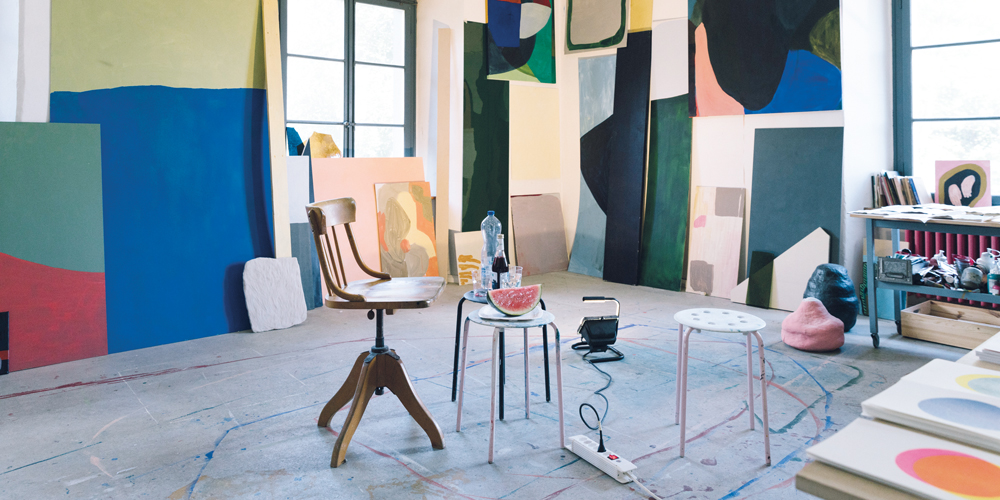
    Since the spinning mill was shut down at the end of 1991, the former Schönau textile factory site in Wetzikon has been used temporarily. A sound artist creates impressive sounding sculptures here, photographers, graphic artists, painters and sculptors have their studios here, there are cultural events, open studio days or, like last summer, a Schönau summer bar with concerts. A children's clothing store, a musical theater group, a carpenter's workshop or the job bus of the Stiftung Netzwerk also use the historic rooms, some of which are even used today. Since 2006, storks have lodged on the former factory chimney during the summer months. The natural landscape forms an idyllic setting around this colorful world of Schönau.

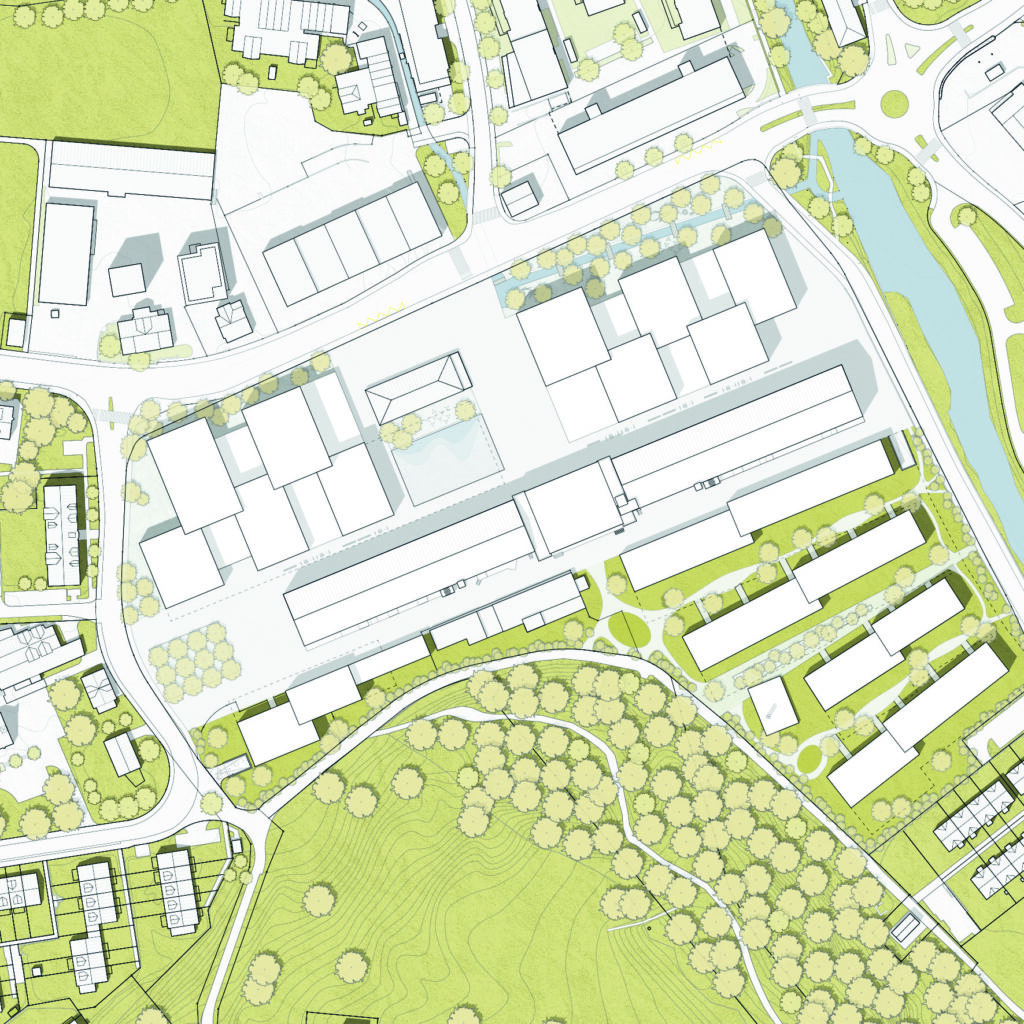
    Hiag intends to develop the area in stages up to 2030, taking up the character of Schönau and continuing to tell its story. There will also be room for creativity here in the future. In the heart of Schönau, new public facilities are to be created, such as a café,
    Shops, market stalls with regional products or a showroom, but also commercial premises. There will also be new residential buildings with around 100 apartments and innovative forms of housing such as studios or cluster apartments.

    The almost 200-year-old listed factory buildings are to be carefully renovated. The historical buildings lie in a spacious park and are embraced on the west side by the Schönauweiher, which is actually a technical body of water: it was dammed to generate hydroelectric power. A historic hydroelectric power plant, which is to be preserved and renovated, still bears witness to this today. There is a small raft in the pond. It was installed in 2012 as part of the Wetziker Fjord Strategy, which strengthens the natural space along the Aabach from the neighboring Kulturfabrik to the Pfäffikersee. This natural area is preserved as a place for recreation and meeting, upgraded and partly made accessible to everyone. Large parts are reserved exclusively for the animal and plant world.

    The Schönau lies on a hilltop. Wetzikon train station and Oberwetzikon town center can each be reached on foot in just under a quarter of an hour. There are various bus stops nearby.

    Participation and communication are important issues in the process. The development of the Schönau should be a project in which everyone could participate. Information events are held regularly and there are various information channels. The current tenants participate and help with projects and events.
    Since the end of 2020, the participation process for future uses in the historic cotton magazine, which is to become the public meeting place of Schönau, has been running. The collected ideas are currently being further developed into a concrete utilization concept.

    The city of Wetzikon has drawn up a public design plan for the Schönau with various experts. To ensure that his specifications are as specific and meaningful as possible, several well-known architectural offices and landscape architects have carried out a guideline project for the area. The Wetzik city parliament is expected to vote on the design plan in the first half of the year. When it is final, the new building projects will be worked out. A first construction project could be the design of the future heart of the Schönau in 2023 at the earliest – the renovation of the cotton magazine. The main building will remain in its current state until at least 2025.
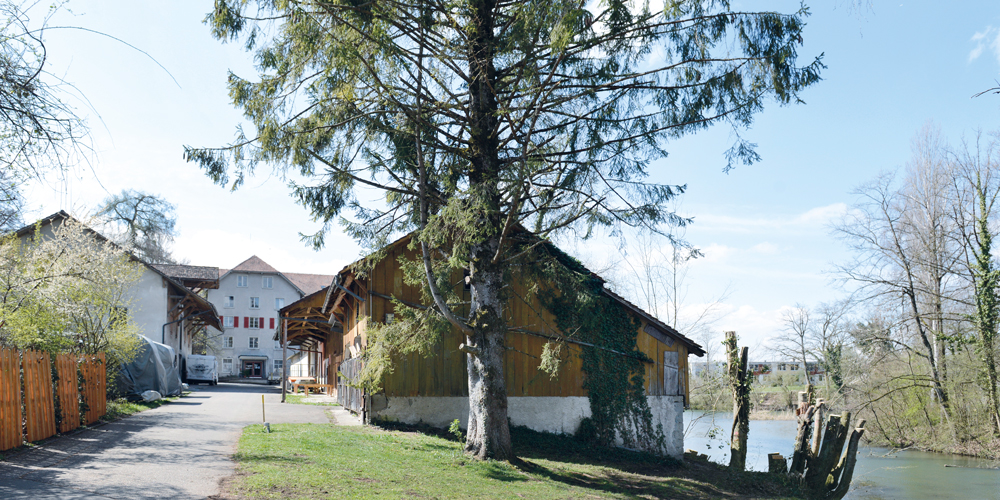
    The historic buildings are to be gently renovated.
    There should also be room for creativity in Schönau in the future.
  • New life for the old spinning mill

    New life for the old spinning mill

    "The winning project was selected on the one hand because of the urban development strategy on the northern area, and on the other hand because of the respectful handling of the listed old buildings", says the lead architect Urs Oechslin from Zurich-based Lilin Architects. The two new building ensembles in the foreground of the spinning mill, which are intended for different uses, create a reference to the context through their urban planning anchored in place. The volumetric differentiation is derived from the existing settlement pattern of the urbanized village. The sub-volumes are staggered in terms of depth and height and allow different views of the spinning mill. The building typology thus mediates with great independence between the individual village buildings and the large-scale spinning mill building. In this way, the spinning mill area is given a new, urban face in which the various identities of the building history are superimposed.

    Desired longevity
    Immediately after the study contract, the overall project was concretized, accompanied by the client, the building authorities, the preservation of monuments and representatives from the assessment committee and the neighborhood: "We are about to submit the draft of the development plan and the guideline project to a first round of official consultation" , so Oechslin. It is not easy to build a building park around the spinning mill that can keep up with the quality of the monument and whose beauty and benefits guarantee the desired longevity. In the immediate vicinity of such a monument, the demands on the architectural quality are very high. The cultural acceptance associated with aesthetics is more decisive for the value of the property than some technical innovations. What is no longer publicly pleasing will sooner or later be torn down. What, on the other hand, enjoys a social and cultural status, remains. The real meaning of a house ultimately lies in the contribution it makes to public life in the long term. Urs Oechslin: “If the population, the Baar community and the owners are successful in promising a place of great attraction, then the project will be approved by all authorities. It will have a political majority and will be supported by the broader population. "

    Sustainable renewal
    For some time now, the «Spinni» has not served the purpose for which it was originally built. Since the end of production, a wide variety of uses have established themselves in the rooms. The clear and simple building structure of the spinning mill building is functionally sustainable because user extensions integrated in it can be easily adapted to changes. The high quality longevity of the basic structure achieved in this way is also aimed at for the new buildings. That is why it is being adapted for the new mixed-use buildings. As a result, the proposed building structure is not tied to a specific use and will survive future renovation processes.

    A coherent whole
    The historically and structurally established strong identity of the area is a large fund from which any number of ideas can be realized. Time and again it is important to find suitable means to further develop, reinterpret and supplement this identity. In this way, the high level of social acceptance that the area enjoys today is to be further expanded. "Our motivation is to design a new, staggered part of the settlement with the intelligent combination of architectural, landscape-architectural and usage-specific interventions on the area of the old spinning mill on the Lorze", says Oechslin. And further: “This takes over the existing qualities and complements them adequately and respectfully. The demanding cultural, social, economic, ecological and building law requirements should be combined in a coherent whole in the interests of all those involved. "

    The new use of «Spinni» needs to be carefully considered and planned.