Tag: Förderprogramm

  • Canton of Nidwalden triples funding for energy-efficient building renovation

    Canton of Nidwalden triples funding for energy-efficient building renovation

    In its 2026 energy promotion programme, the Nidwalden Cantonal Council has decided to increase subsidies for energy-efficient building renovations by 300 per cent to 2.9 million Swiss francs. Together with federal funds, this means that a record annual budget of CHF 6.3 million is available, according to a statement. This cantonal subsidy programme supports owners who optimise their building envelope, replace fossil fuel or electric heating systems with renewable energy systems, or construct energy-efficient new buildings.

    According to the information provided, demand for subsidies was “exceptionally high” in 2025. The canton expects a further sharp increase in applications in 2026, particularly due to the expansion of district heating networks. In addition, tax breaks will be abolished in the future, which is also likely to cause demand to rise further this year.

    According to the information provided, energy-efficient building renovation – a key pillar for achieving the canton’s emission targets by 2035 – will only succeed if owners are willing to invest in their properties. “In doing so, they are making a major contribution to reducing greenhouse gases and saving energy,” said Environment Director Joe Christen.

    Although the subsidy can only cover a small portion of the investment, these investments are worthwhile in the long term when combined with tax savings and lower heating costs. “On average,” says Christen, “one franc of funding triggers almost ten times that amount in investment. Most of this added value remains in the canton, strengthening local businesses and helping to reduce the outflow of money abroad thanks to renewable energies.”

    The canton of Nidwalden is one of the exhibitors at the SWISS Pavilion at the Singapore Airshow. The international aviation trade fair takes place from 3 to 8 February.
  • 61 million for climate-friendly buildings

    61 million for climate-friendly buildings

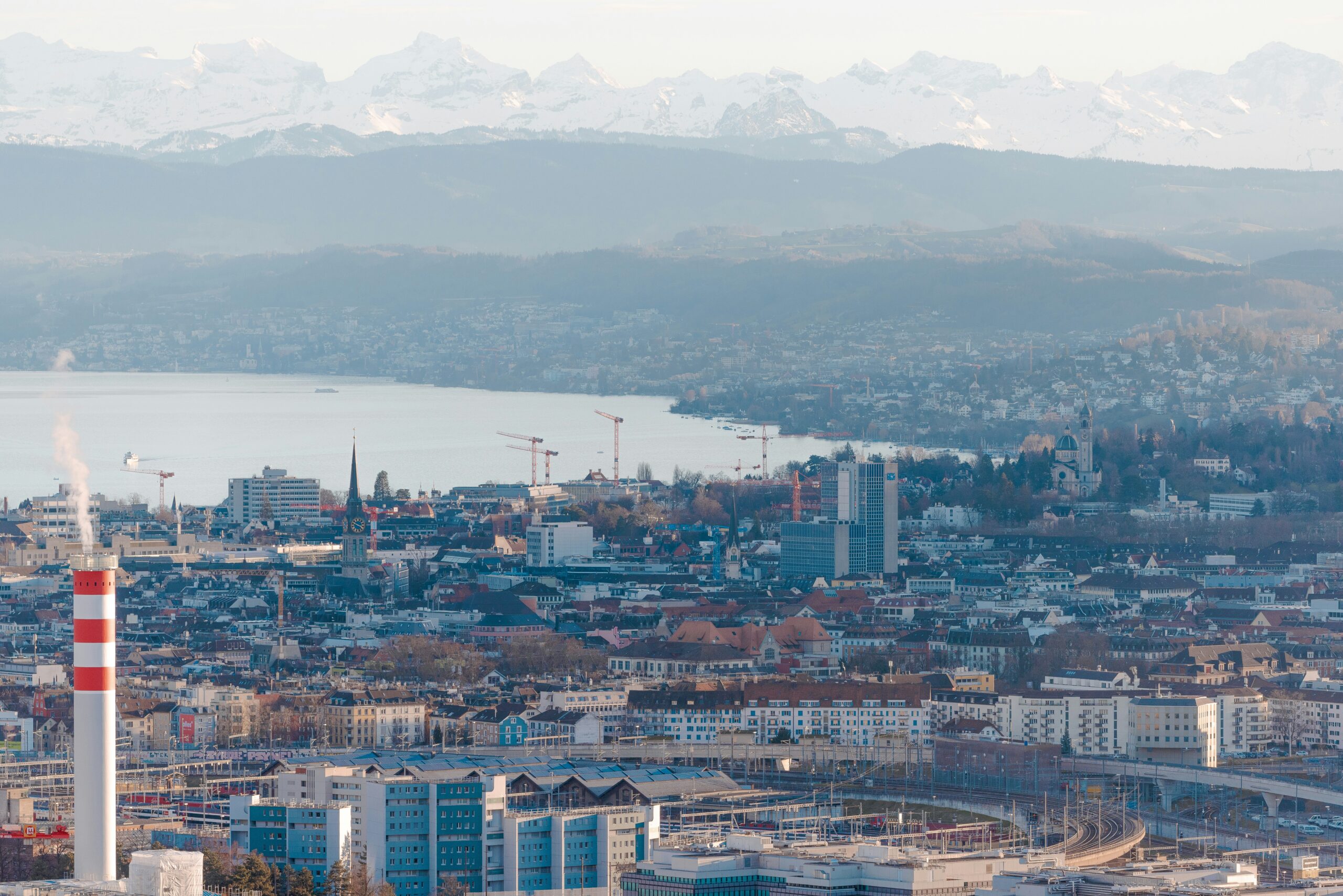
    Buildings are responsible for over 40 per cent of energy consumption and 30 per cent of greenhouse gas emissions in the canton of Zurich. Since September 2022, oil and gas heating systems in existing buildings must therefore be replaced with climate-friendly alternatives at the end of their service life if this is technically and financially feasible. in 2025, CHF 61 million in funding will be available for this change. These funds will be channelled specifically into measures to improve energy efficiency and promote sustainable heating systems.

    Stronger subsidies for larger heating replacements
    The 2025 subsidy programme places a particular focus on replacing larger fossil fuel heating systems. While the basic contributions for smaller systems have been reduced slightly, larger heating systems with an output of around 30 kilowatts or more will benefit from increased, performance-based subsidies. This takes account of the greater technical and economic challenges involved in such projects.

    Reward for comprehensive building modernisation
    A well-insulated building envelope saves heating energy, reduces heating costs and improves the indoor climate. An additional incentive is therefore provided for complete modernisations. Anyone who modernises at least 90 percent of the insulation area of the roof, facades and floors receives an additional contribution. From 2025, subsidies for modernisations in accordance with the MINERGIE standard will be linked to the additional “ECO” certification in order to take aspects such as recyclability and grey energy into account.

    Support for decentralised heating systems
    Decentrally installed electric or fossil-fuelled heating systems pose a particular challenge. From 2030, electricity-intensive electric heating systems will be banned in the canton of Zurich. Homeowners who replace such systems with climate-friendly alternatives will now benefit from a subsidy of at least CHF 15,000 for the installation of a heat distribution system. This is intended to facilitate and speed up the costly conversion process.

  • Aargau energy subsidy programme limited until 2026

    Aargau energy subsidy programme limited until 2026

    The Aargau energy promotion programme will be continued until 2026 with a gross credit of CHF 97.2 million. This decision by the Grand Council, which was passed by 89 votes to 47, deviates from the original proposal by the cantonal government. The government had envisaged an extension until 2028 and a total budget of CHF 176.5 million. The shorter period was chosen due to possible cost-cutting measures by the federal government, which could make cantonal co-financing more difficult.

    Controversy surrounding the funding
    While the SP, Centre Party, GLP and Greens welcomed the increase in the credit, the FDP and SVP were sceptical. The FDP called for a budget of CHF 88.25 million, which would cover half of the originally proposed total costs for four years. The SVP rejected the programme in principle and criticised state intervention.

    Focus of the programme
    The funding programme supports measures to improve energy efficiency and reduce CO₂ emissions. Among other things, the programme supports

    • Improvements to the building envelope
    • Wood heating systems and heat pumps
    • Connections to heating networks
    • Solar thermal systems
    • Projects for the development of heating networks

    Funds are also available for pilot projects. According to the cantonal dispatch, previous programmes have shown that energy efficiency has been increased and CO₂ emissions have been significantly reduced.

    Funding from CO₂ levies
    The majority of the funding comes from federal contributions, including from the CO₂ partial earmarking and the federal impulse programme. The canton itself bears around 25 % of the total costs.

    Prospects for homeowners
    The two-year limit raises questions about long-term planning. Homeowners and builders emphasised the need for continuity in funding programmes in order to promote investment in sustainable building technologies.

    The Canton of Aargau’s energy subsidy programme remains an important instrument for reducing CO₂ emissions and increasing energy efficiency. However, the limited duration of the programme until 2026 reflects the uncertainties surrounding federal funding and poses planning challenges for the future.

  • Continuation of the Basel region’s energy package planned until 2025

    Continuation of the Basel region’s energy package planned until 2025

    In order to ensure the continuity of the Basel-Landschaft energy package, the cantonal government has proposed an increase in the expenditure authorisation and a supplementary credit for 2024 to the cantonal parliament. This procedure is intended to ensure that the programme to promote energy-efficient building renovations and the use of renewable energies in the building sector can continue seamlessly. A supplementary credit of CHF 2.28 million has been requested for 2024, and the total expenditure authorisation until the end of 2025 is to be increased to CHF 42.16 million.

    The energy package has proven to be particularly effective thanks to the high willingness of building owners to invest. Despite demand stabilising at a high level after a record year in 2022, the subsidy programme remains very effective in an intercantonal comparison. These results were presented in detail in the latest interim report from the cantonal government to the cantonal council.

    Due to the current financial bottlenecks, the cantonal government is planning a moderate reduction in contribution rates from 1 January 2025. This adjustment reflects the above-average rates compared to other Swiss cantons and will be cushioned by the recently introduced energy premium, which offers income- and asset-based support. At the same time, the new national impulse programme, which will be launched at the beginning of 2025, will offer further financial support for the conversion of heating systems and comprehensive renovation of building envelopes.

    For the next planning periods from 2026 to 2030, the Government Council is preparing a separate bill based on the findings of the 2022 energy planning report and other parliamentary mandates. This initiative is intended to further strengthen the focus and effectiveness of the funding programme and adapt it to the dynamic needs of the energy market.

    Finally, based on the Cantonal Energy Act, the interim report emphasises the importance of regularly reviewing and adapting the support measures in order to effectively support CO2 reduction and meet legislative requirements. The cantonal government remains committed to a sustainable and energy-efficient future for Basel-Landschaft.

  • Microsoft kauft CO2-Zertifikate von neustark

    Microsoft kauft CO2-Zertifikate von neustark

    Der Technologieriese Microsoft setzt bei der Reduzierung seines CO2-Fussabdrucks auf das Jungunternehmen neustark. Die Ausgliederung der Eidgenössischen Technischen Hochschule Zürich (ETH) mit Sitz in Bern hat eine Technologie entwickelt, mit der CO2 aus der Atmosphäre dauerhaft in Recyclingbeton gespeichert werden kann. Dafür wird flüssiges CO2 in Abbruchmaterial eingeleitet. Die Technologie der Firma ist bereits mehrfach in einer Pilotanlage getestet worden.

    Neustark setzt im Rahmen seines Geschäftsmodells auch auf den Verkauf von CO2-Zertifikaten. Damit können Unternehmen ihren CO2-Ausstoss kompensieren. Microsoft wird einer Medienmitteilung zufolge solche Zertifikate von neustark beziehen. Das Technologieunternehmen will bis 2030 mehr CO2 aus der Atmosphäre entfernen als es selbst ausstösst.

    „Microsoft hat sich für neustarks technologiebasierte Lösung für Carbon Removal entschieden, weil die Leistung bereits 2022 erbracht werden kann und ein erhebliches Skalierungspotenzial hat“, heisst es in der Mitteilung.

    Weiter wird Microsoft neustark auch im Rahmen seines Förderprogramms für Schweizer Start-ups unterstützen. Dabei erhält das Jungunternehmen kostenlosen Zugriff auf verschiedene Software-Lösungen von Microsoft.

  • Federal government continues electricity saving program

    Federal government continues electricity saving program

    The ProKilowatt office received a total of 16 applications for the 2020 competitive tender for programs. According to a press release , twelve of them received funding approval. The programs with the best cost-benefit ratio, i.e. with the cheapest kilowatt-hour saved, were awarded the contract. These programs range from energy saving measures for companies in the food and feed industry to energy optimization in data centers.

    In addition, nine new projects were selected at the beginning of July. In this way, the Federal Office of Energy supports, among other things, the renovation of ventilation systems in a food company and the replacement of motors in industrial production processes. This year the Federal Office of Energy has awarded applicants CHF 29 million in funding.

    A total of 50 million francs is available to the federal government for calls for tenders for projects and programs in 2020. The deadline for submitting the third project round of the year and for programs to promote energy-efficient household appliances expired on September 4th. The applications received are currently being examined. The applicants will receive the funding notices in mid-November. Applications for the 2021 competitive tenders can be submitted from the beginning of November. The submission deadlines for projects are February 5, April 23 and September 3, 2021.