Tag: Fokus

  • Council of States approves Real Estate Message 2023

    Council of States approves Real Estate Message 2023

    the Federal Council wants to invest 29.5 million francs in the expansion and renovation of the Agroscope research centre in Zurich-Reckenholz. The underground connecting level of the federal administration and laboratory buildings in Liebefeld (municipality of Köniz BE) is to be expanded at a cost of CHF 21.1 million.

    For 27.5 million Swiss francs, the Federal Council wants to have a new building and a new office built for the Swiss representation in Cameroon’s capital. The two buildings are to be constructed on the grounds of the Swiss Embassy and replace rented buildings.

    The Real Estate Dispatch also includes expenditure of CHF 140 million for projects not individually specified below an amount of ten million francs. The Council of States unanimously adopted the federal resolution on the real estate message on Monday. It still goes to the National Council.

  • Federal Council wants to further strengthen the competitiveness of Swiss SMEs and regions

    Federal Council wants to further strengthen the competitiveness of Swiss SMEs and regions

    With the Dispatch on Location Promotion 2024-2027, the Federal Council is further developing the strategic foundations of federal location promotion. It is pursuing the following five goals with location promotion in the years 2024-2027: Improve the framework conditions for SMEs, strengthen regions, contribute to sustainable development, exploit the opportunities of digitalisation and strengthen the attractiveness of the business and tourism location. Compared to the period 2020-2023, the importance of sustainable development and digitalisation will be upgraded. In addition, location promotion will be geared even more strongly to the needs of the main target groups – SMEs and regions. In order to implement the goals, 23 concrete activities will be defined in the coming years by SECO and the mandated organisations (guarantee cooperatives, Swiss Export Risk Insurance, Swiss Association for Hotel Credit, Switzerland Tourism, Switzerland Global Enterprise). Some of them are implemented in cooperation with the cantons and other partners.

    The focal points of location promotion
    In SME policy, the focus is on expanding EasyGov.swiss, the one-stop shop of the Confederation, cantons and municipalities for businesses. This can make a significant contribution to reducing the administrative burden on businesses. In the period 2024-2027, the scope of EasyGov services is to be further expanded in order to meet the needs of businesses for additional electronic government services. As part of the expansion of EasyGov, it is planned, for example, to be able to offer businesses a bundled process for moving companies (change of address) in the future. Further expansion is also planned in the area of aliens law notifications and permits for businesses.

    In tourism policy, the focus is on the further development of investment promotion, sustainable development and the digital transformation of tourism. Another priority for the years 2024-2027 is the implementation of the recovery programme for Swiss tourism to counteract the effects of the Covid 19 pandemic.

    The New Regional Policy NRP will enter its third eight-year multi-annual period (2024-2031) in 2024. The existing thematic funding priorities of “industry” and “tourism” will be continued. In addition to digitalisation, sustainable development and the “local economy”, which complements the export orientation of the NRP, will be given particular weight as cross-cutting themes.

    Finally, the offer of support for the export industry, for example in relation to trade-related issues, and in particular access for Swiss exporters to large foreign infrastructure projects, will be further developed in line with demand and the “Team Switzerland” approach will be expanded. For example, various associations, federal offices, Switzerland Global Enterprise and Swiss Export Risk Insurance are increasingly conducting joint promotional activities abroad. These are aimed, among others, at general contractors who carry out large infrastructure projects. Further business opportunities are being identified in important markets.

    Commitment credits and payment frameworks
    In order to continue and further develop the instruments of location promotion, the Federal Council is proposing commitment credits and payment frameworks totalling CHF 428.83 million to parliament for the years 2024-2027. For the years 2020-2023, an amount of around CHF 399 million was available. In addition, there is a payment framework for the creation of the Regional Development Fund in the years 2024-2031 amounting to CHF 217.3 million (reduced by CHF 12.7 million compared to the previous period 2016-2023).

    Location promotion is implemented using the instruments of SME policy, tourism policy, the New Regional Policy (NRP) and foreign trade promotion.

  • Bundesrat steckt Ziele zur Standortförderung ab

    Bundesrat steckt Ziele zur Standortförderung ab

    Der Bundesrat entwickelt die strategischen Grundlagen zur Standortförderung des Bundes weiter. Mit seiner Botschaft für die Jahre 2024 bis 2027 verfolgt er laut einer Medienmitteilung fünf Ziele: Rahmenbedingungen für KMU verbessern, Regionen stärken, zur nachhaltigen Entwicklung beitragen, Chancen der Digitalisierung nutzen sowie die Attraktivität des Wirtschafts- und Tourismusstandorts stärken. Diese sind auch Bestandteile der Neuen Regionalpolitik, die 2024 in ihre dritte achtjährige Periode startet. Für die mandatierten Organisationen wurden 23 konkrete Aktivitäten formuliert.

    Im Vergleich zur Periode 2020 bis 2023 wird die Bedeutung der nachhaltigen Entwicklung und der Digitalisierung aufgewertet. Ausserdem soll sich die Standortförderung noch stärker an den Bedürfnissen der Hauptzielgruppen, den KMU und den Regionen, ausrichten. So liegt der Schwerpunkt bei der KMU-Politik im Ausbau von EasyGov.swiss, dem Online-Schalter für Unternehmen zur elektronischen Abwicklung von Bewilligungs-, Antrags- und Meldeverfahren an einem einzigen Ort.

    Den Fokus in der Tourismuspolitik setzt die Botschaft bei der digitalen Transformation der Branche und der Weiterentwicklung der Tourismusförderung. Zudem will der Bundesrat die Exportorientierung weiterentwickeln. So sollen sich etwa Promotionsauftritte im Ausland an Generalunternehmer mit grossen Infrastrukturprojekten richten.

    Für die Instrumente der Standortförderung beantragt der Bundesrat dem Parlament Finanzmittel in Höhe von 428,83 Millionen Franken, rund 40 Millionen mehr als in der ablaufenden Periode. Dagegen soll der Zahlungsrahmen für die Äufnung des Fonds für Regionalentwicklung in den Jahren 2024 bis 2031 gegenüber der Vorperiode um 12,7 Millionen Franken auf 217,3 Millionen Franken reduziert werden.

  • Switzerland and Japan open architectural project

    Switzerland and Japan open architectural project

    The Gramazio Kohler research group at the Swiss Federal Institute of Technology in Zurich ( ETH ) and the Obuchi Lab – T_ADS at the University of Tokyo are exhibiting an installation as part of the Collaborative Constructions architectural project. The project in the municipal pottery of the Japanese city of Tokoname goes back to an initiative of the two universities and the Swiss embassy in Japan.

    It is the first project of Vitality.Swiss, the Swiss public diplomacy program on the way to Expo 2025 in Osaka . The exhibition will be held in several cities of Aichi Prefecture as part of the Aichi Triennial Art Festival. According to an embassy announcement, it was officially opened on the occasion of the national holiday on August 1st and can be visited until October 10th.

    Gramazio Kohler Research, led by Matthias Kohler and Fabio Gramazio, presents a three-story timber frame structure that revitalizes the long history of skilled timber construction in Japan through Swiss design and technology. It reinterprets carpentry in the age of robotics, without metal parts, nails, screws or fasteners. Her work has been exhibited at the Center Pompidou, the Venice Biennale and the Guggenheim Museum in Bilbao, among others.

    The Obuchi Lab – T_ADS around Yusuke Obuchi exhibits a gate-like structure with numerous pottery chains through which pottery is actually steamed, which also cools the air. They were created through human-machine interactions. Obuchi projects explore innovative, inclusive and collaborative construction methods. They are known worldwide for their creative use of technology.

  • Implenia wins complex real estate projects in western Switzerland

    Implenia wins complex real estate projects in western Switzerland

    Alternatives beyond the results of last year's strategy review should be considered, particularly given the changed economic and market environment. The goal of the review is to create a more focused, agile group with a significantly lower absolute cost base that can deliver sustainable returns to all stakeholders and provide superior service to clients.

    Renovation of the headquarters of an international organization in Geneva
    Implenia has had the privilege of completely renovating the historic headquarters in Geneva for an important international organisation. The project will last about two and a half years. The work includes, among other things, the adaptation of the facades and the security installations to the current standards, a complete redesign of the general rooms and the 1,200 workplaces and the modernization of the technical equipment and installations.

    Implenia won the project as general contractor in a competition based on a previous mandate as overall planner and a new building that had already been built for this international organization. The aim of the project is to preserve the historical heritage while maintaining high architectural quality. The refurbished building is designed to meet strict sustainability requirements and was planned using BIM. The execution is done with Lean Construction.

    PULSE – two new buildings for production and research in Cheseaux-sur-Lausanne
    As total contractor, Implenia is constructing two new four-storey buildings for production and research in bio-pharmaceuticals, life sciences and other sectors in Cheseaux-sur-Lausanne for the client, which belongs to the EPIC Suisse AG group. The two buildings are connected by two shared basements. They are being built as a shell and the areas will be partially fitted out according to the wishes of the future tenants. The new buildings will be built to the Minergie standard and BREEAM-good certification is being sought. The project was planned with BIM and executed with Lean Construction. The work, which will start in the summer of 2022, will take around two and a half years. You can find more information about the project at discover.pulse.swiss.

  • Implenia wins two large and complex real estate projects in western Switzerland

    Implenia wins two large and complex real estate projects in western Switzerland

    New Kyoto office building in the Green Village in Geneva

    The Swiss Life Investment Foundation has commissioned Implenia as general contractor to construct the Kyoto office building in the new Green Village district on the grounds of the World Council of Churches in Geneva. The project has a total volume of more than CHF 60 million and will be around
    take two years. Implenia's Real Estate Division has been commissioned to develop the Green Village district, and Implenia's Buildings Division has already realized the Montreal residential building. The Kyoto office building has ten floors, including the ground floor, which will be partially converted at the request of the future tenant. Sustainability plays into the development of the Green
    Village plays a central role, so the new building is aiming for SNBS certification. The project was planned with BIM and executed with Lean Construction.

    New residential and commercial building on Alleestrasse in Biel

    As the general contractor, Implenia is constructing two new replacement buildings with five full floors in the Brühlstrasse Süd area in Biel for the client Meili Unternehmungen AG. A total of 105 rental apartments and service areas on the ground floor facing the street are planned to a high architectural standard. The project resulted from a study commissioned by Meili Unternehmungen AG and won by the architects Bart & Buchhofer AG. The solid construction with a rear-ventilated wooden facade is created with geothermal probes, a heat pump and a large-scale photovoltaic system. The project has a total volume of CHF 42 million and will last around two and a half years.

  • New professor for analysis, design and construction brings future-oriented impulses

    New professor for analysis, design and construction brings future-oriented impulses

    From March, Friederike Kluge will be moving from the University of Applied Sciences in Konstanz to the University of Applied Sciences Northwestern Switzerland FHNW and is looking forward to this new challenge: “I’m interested in the question of what building will look like in the future. The status quo cannot work in the long term. My hope and my goal are therefore to find solutions in research and together with the students as to how we can design construction in the future. Climate-neutral and climate-positive construction must be approached in a focused manner, always taking biological diversity into account. In the first year, for example, the aim is to introduce young people to the field of architecture, to convey the basic topics to them and still leave room for development and creativity. I am interested in this tension between fixed, e.g. physical quantities, which are irrefutable, and change, which is essential for a sustainable future, and I look forward to researching and developing this further at the FHNW together with my colleagues. Always with the goal of creating architecturally high-quality buildings»

    Friederike Kluge studied architecture at the University of Karlsruhe and gained initial teaching experience at the Professorship for Building Theory and Design, Prof. Daniele Marques, and at the Institute for Fine Arts, Prof. Stephen Craig. In addition to studying architecture, she completed the interdisciplinary accompanying course “Applied Cultural Studies” with the aim of designing buildings that bring together the knowledge of many subjects and at the same time have their own unmistakable character.

    During her five years at Buchner Bründler Architects in Basel, she was able to work, among other things, on the Swiss Pavilion for the Expo in Shanghai 2010 and as project and site manager on the «Bläsiring» residential building in Basel.

    Self-employed since 2012, she founded the «Alma Maki» office in Basel together with Meik Rehrmann at the beginning of 2014. Together they share the view that architecture gains if it represents a holistic process from the first sketch to the completion of construction and the basic architectural idea is still recognizable in the details. In order to be able to control this as best as possible, the office also implements the planned projects manually whenever possible and was awarded first prize in the “Swiss Foundation Award” for this approach in 2018.

    Since 2013, Frederike Kluge has been conveying her belief in conceptual, design, performance and built stringency, among other things as part of a teaching assignment at the Professorship for Architecture and Construction, Annette Spiro, ETH Zurich and since 2019 at the HTWG Konstanz, where she teaches the subjects of building construction and design consistently focused on the topic of sustainable building. For example, she organized a workshop entitled “The architectural detail in times of climate crisis”. As a result, the group “Countdown 2030” was founded. The founding idea was to develop a guide and to install a countdown clock above the architecture museum, which would sensitize the architecture industry to take bold measures in architectural practice and to develop a sustainable building culture. The group now has over 50 active members, organizes workshops, panel discussions and exhibitions, is active on juries and municipal committees, publishes articles on various topics in specialist journals and has been awarded the “Factor 5 Audience Prize” for its work and has been nominated for awarded the Swiss Art Award.

    The Institute of Architecture is extremely pleased that such a committed and future-oriented personality could be won.

    source

    University of Applied Sciences Northwestern Switzerland FHNW
    University of Architecture, Civil Engineering and Geomatics www.fhnw.ch/habg

  • Focus on qualitative development

    Focus on qualitative development

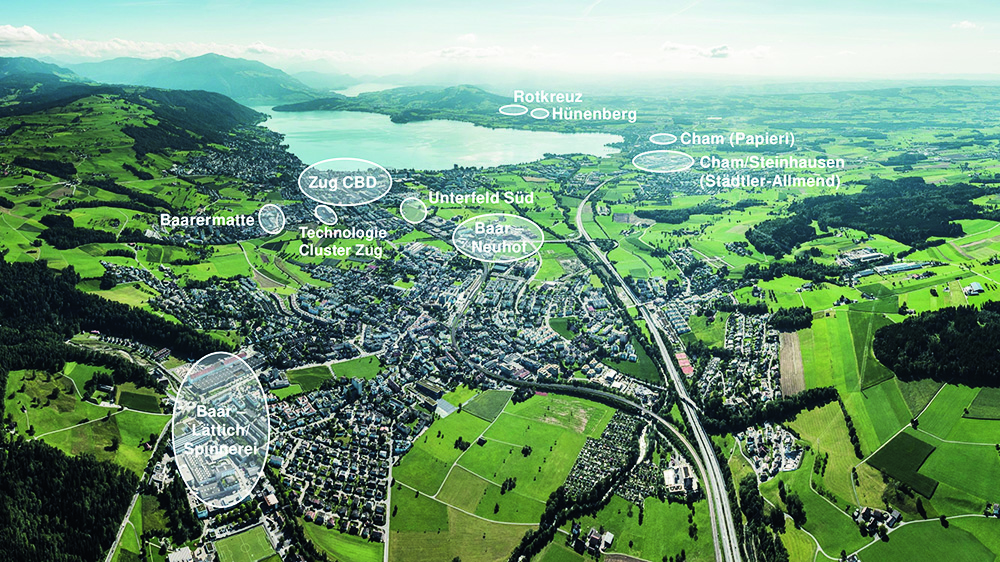
    Zug is one of the most popular economic and living areas. This is proven by numerous studies and rankings. The success is based on a long-term development strategy and attractive framework conditions. Zug offers a unique combination of excellent location factors such as the availability of skilled workers, stability, attractive taxation, central location, quality of life, level of education and economic friendliness.

    The Zug business center is dynamic, as evidenced by developments on the real estate market and in the transport infrastructure. The strong presence of value-added industries and service providers as well as a high concentration of high-growth sectors are important for the quality of economic development. The broadly diversified industry structure and the unique mix of small, large, local and international companies are an important driver for the innovative development of the canton. The focus of economic management by the Department of Economics is on the existing and established companies. Their growth makes the greatest contribution to the canton's economic development.

    Testimonials

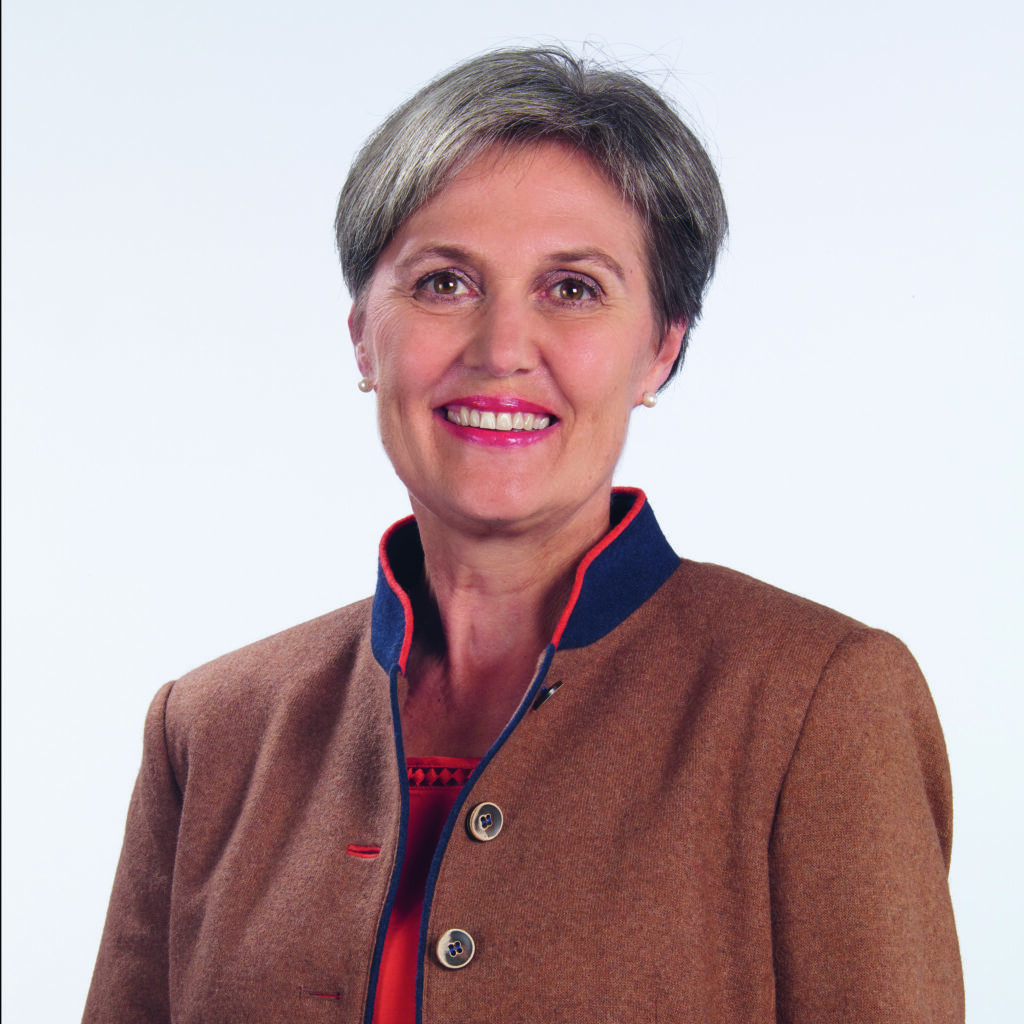
    Silvia Thalmann-Gut, member of the government, economics director and governor of the canton of Zug

    The canton of Zug offers excellent location conditions for everyone. This includes the "Spirit of Zug" that is lived. The distances are short, the authorities work quickly and efficiently. Zug's success is based on a long-term strategy.

    Heini Schmid, lawyer, former Cantonal Councilor and long-time President of Zug Tourism

    Zug is in Switzerland what Switzerland is in Europe: small, surrounded by large neighbors and therefore open and adaptable. For us, changes are always an opportunity to do things differently and better. Zug is Switzerland to the power of two; it is the total package that counts.

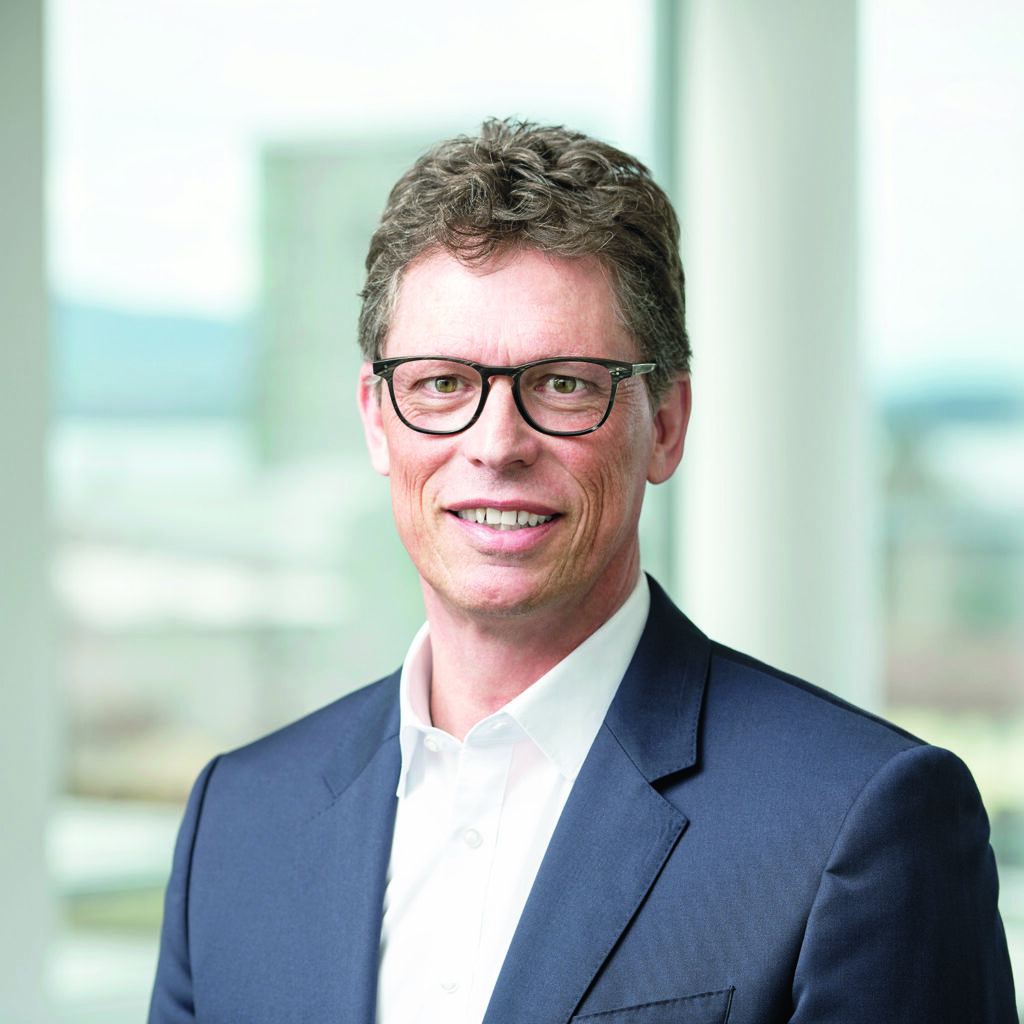
    Matthias Rebellius, CEO Siemens Smart Infrastructure, Chairman of the Board of Directors Siemens Schweiz AG

    From Zug, we are driving digitalization at Siemens Smart Infrastructure. For us, Zug is an ideal location for our global headquarters, as we can attract and promote the best local and international talent here.

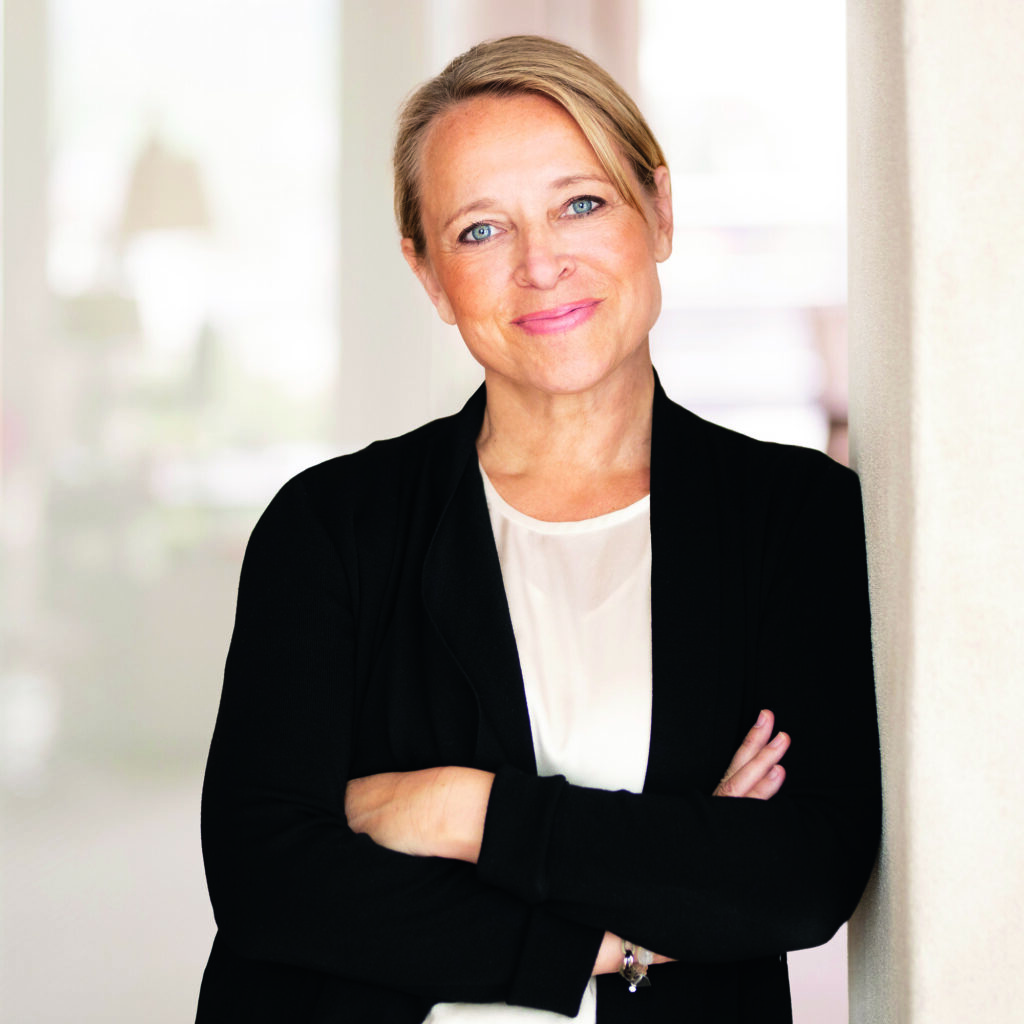
    Johanna Friedl-Naderer, President Europe, Canada & Partner Markets, Biogen

    Zug is the hub of our international headquarters. From here we coordinate our operational and administrative activities worldwide. The central location and high quality of life make Zug an attractive location for top talent.

    Contact point for the economy of the Canton of Zug
    Welcome to the canton of Zug. Our services are aimed directly at you as an entrepreneur. We are your partner and promote Zug as a business location.

    Business contact point, Aabachstrasse 5, 6300 Zug, T +41 41 728 55 04, economy@zg.ch

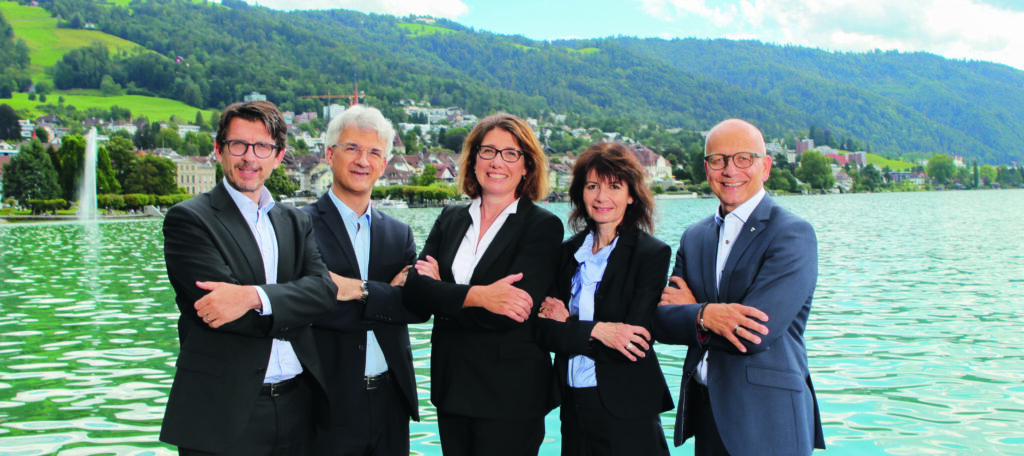
    Alberto Diaz, Deputy Ladder; Peter Müllhaupt, jur. Employee; Yvonne Valentino, assistant / back office manager; Ursula Kottmann Müller, Marketing / Communication; Beat Bachmann, Head (from left to right). Photographer: Peter Hofstetter