Tag: freiraumplanung

  • Condensed, networked, liveable

    Condensed, networked, liveable

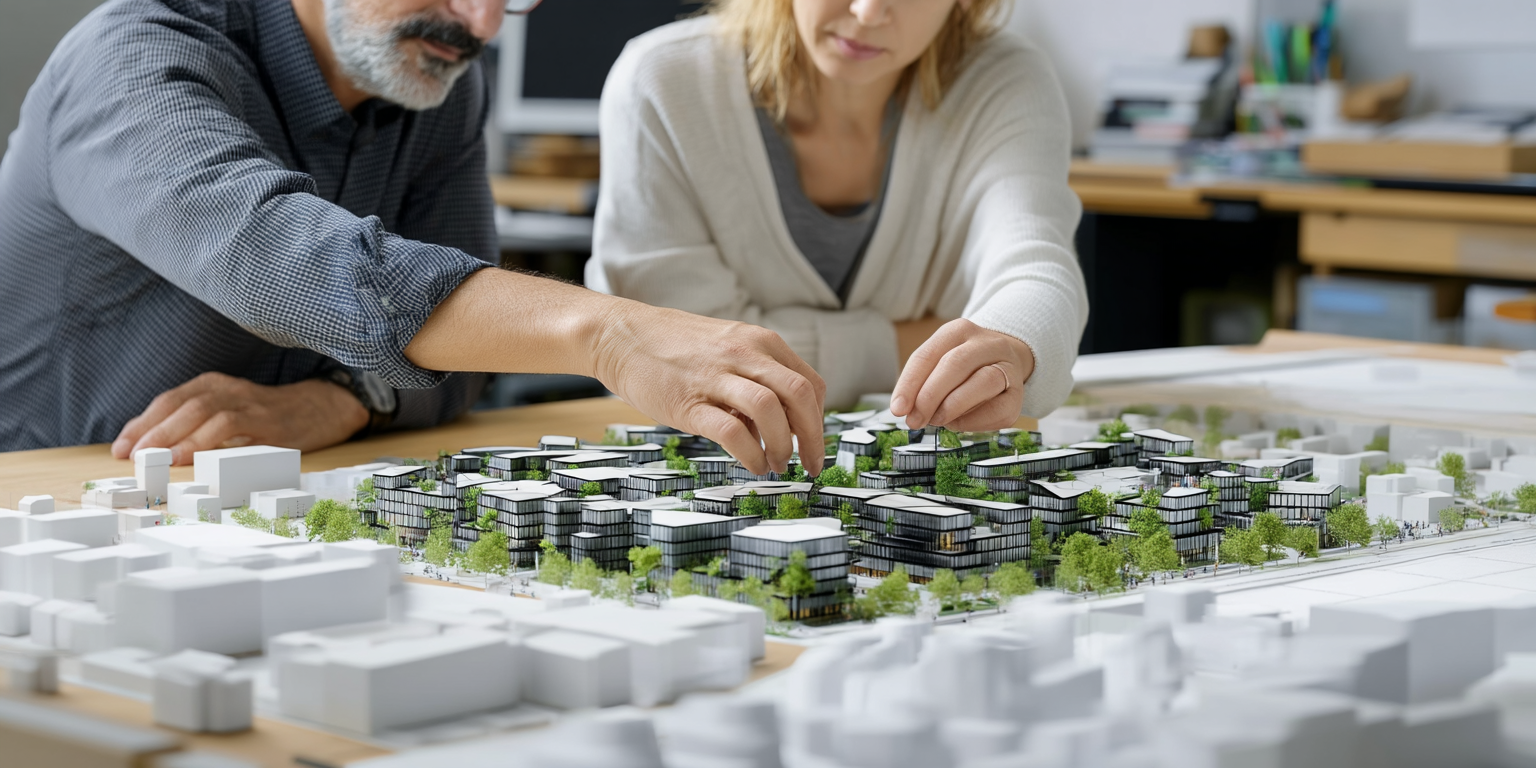
    Switzerland currently has over 9 million inhabitants and the population continues to grow. The pressure on the housing market is increasing, while building outside existing building zones has been severely restricted since the RPG revision of 2013. Cities and municipalities must develop inwards. According to Dita Leyh, Professor of Urban Development at the OST, there are sufficient reserves of space. Single-family home neighborhoods near train stations, brownfield sites or unused railroad areas offer great potential. A second revision of the RPG will further tighten the requirements.

    Densify where public transport is strong
    Inner development at public transport hubs makes particular sense. “Inner densification makes particular sense at public transport hubs,” says Dita Leyh. This is because optimal connections to the bus and rail network create more living space, but not automatically more traffic. Another key lies in the reorganization of stationary traffic. Collective garages on the edge of the neighborhood bundle car traffic, leaving the interior of the neighborhood largely car-free and thus gaining open space for people and nature. “The more densely you build, the more open spaces you have to create at the same time,” says Leyh.

    Mix of uses as a quality feature
    Densification is far more than just stacking up apartments. A diverse mix of uses, from bakeries and restaurants to green spaces, revitalizes neighbourhoods and creates added value. High-quality, interdisciplinary planning is needed to create this added value. Urban planning, transport planning and open space planning must sit together at the table from the outset, emphasizes Leyh. The updated Spatial Concept Switzerland 2050, which was adopted by the Federal Council in March 2026, confirms this approach and focuses on regional cooperation, landscape quality and climate-friendly mobility.
  • New open space concept enhances quality of life and biodiversity

    New open space concept enhances quality of life and biodiversity

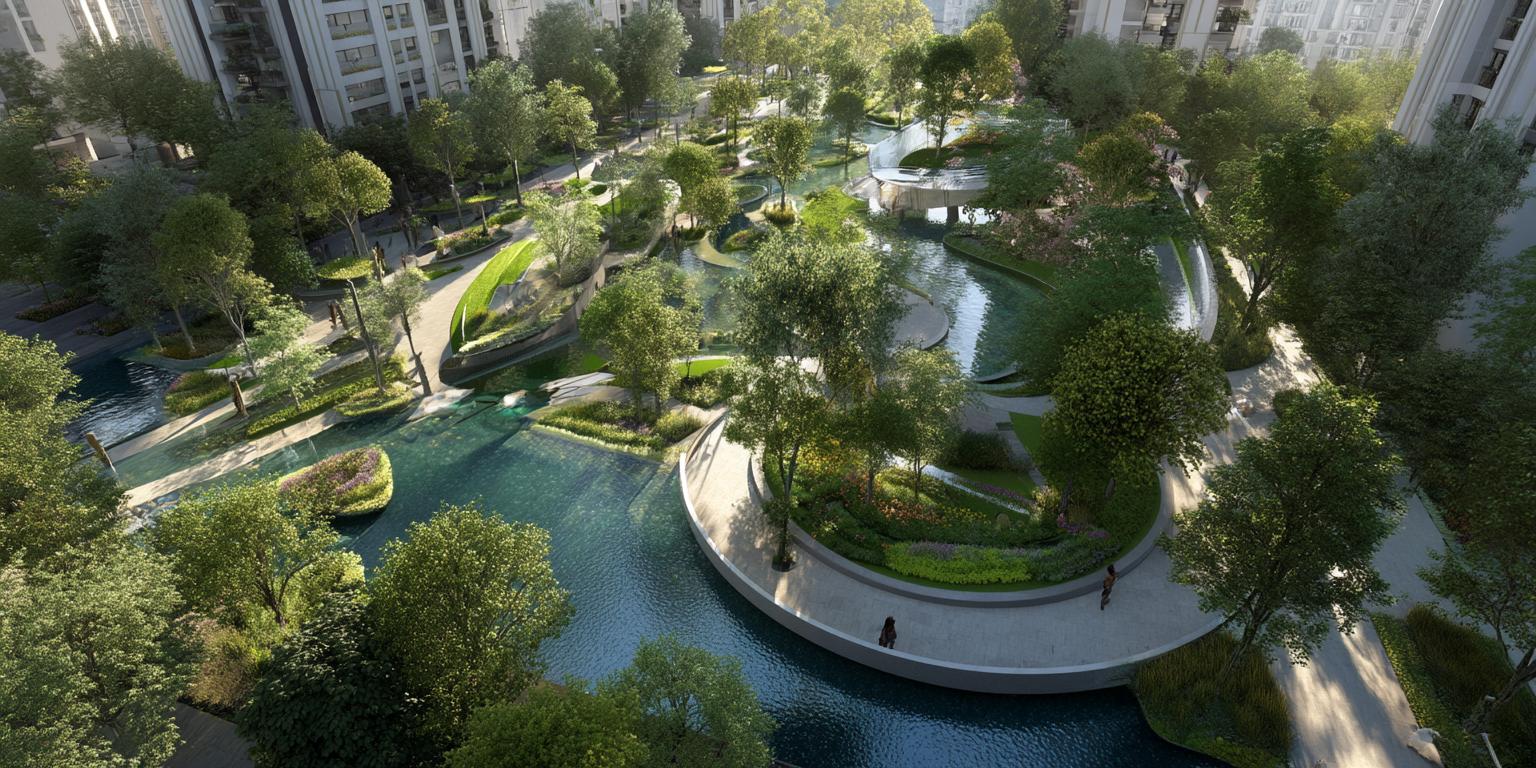
    According to a press release, Spreitenbach Municipal Council has adopted the open space concept. This establishes a legally binding framework for the future development of open spaces within the municipality’s built-up area. The aim is to safeguard and improve the quality and use of open and green spaces.

    The plan’s objectives include strengthening the identity of neighbourhoods, promoting biodiversity and enhancing climate resilience based on the ‘sponge city’ principle – rainwater runoff should be absorbed locally wherever possible.

    The plan also includes a catalogue of 21 specific measures. The first measures include the planning and implementation of Neumatt Park, the further development of the Ziegelei site, and the creation of temporary open spaces. Immediate measures are intended to improve the quality of the environment, whilst better signage will indicate the route connections. By the end of 2026, responsibilities are to be clarified, priorities set and initial measures prepared.

    The municipal assembly approved the commitment credit for the open space concept, amounting to 170,000 Swiss francs, on 28 November 2023. An interdisciplinary planning team subsequently developed the concept in collaboration with a broadly based steering group.

  • The former cantonal hospital becomes an urban oasis

    The former cantonal hospital becomes an urban oasis

    The winning project by Credit Suisse Investment Foundation and HRS Real Estate AG was selected as part of a two-stage competition process. It combines public space, commerce, gastronomy and various forms of housing to create a neighbourhood that will be lively around the clock.

    Living, working and recreation combined
    The development plan allows for a balanced mix of uses, making the neighbourhood attractive for different target groups. There are plans for 272 flats, 50% of which will be affordable, as well as a boutique hotel in the listed south wing of the old hospital. Additional areas for catering, commerce and public services will create a diverse offering. The “Süd-See Hub” construction area in particular is geared towards public uses and is set to become a popular meeting place.

    Open space design takes centre stage
    The “Süd-See Zug – für üs alli” concept focuses on open spaces to make the neighbourhood more attractive. The “Stadthof” as a central square opens up to the lake and connects the old town with the water. A public roof garden, green courtyards and squares offer additional space for recreation and quality of stay. The lakeside terrace and the park promote biodiversity and create a connection to nature.

    A well thought-out process
    The detailed development phase begins once the building lease has been signed. The Credit Suisse Investment Foundation, together with HRS Real Estate AG, will assume responsibility for the realisation of the architectural competition. This exciting project illustrates how a historic site can be transformed into a lively and inviting environment through innovative solutions and planning. The transformation of the former Zug Cantonal Hospital will not only enrich the architectural landscape of the city, but will also make an essential contribution to the quality of life of the population and further strengthen Zug’s position as a sought-after place to live and work.