Tag: Gebaeudesanierung

  • Renovation project focuses on the circular economy and reducing CO2 emissions

    Renovation project focuses on the circular economy and reducing CO2 emissions

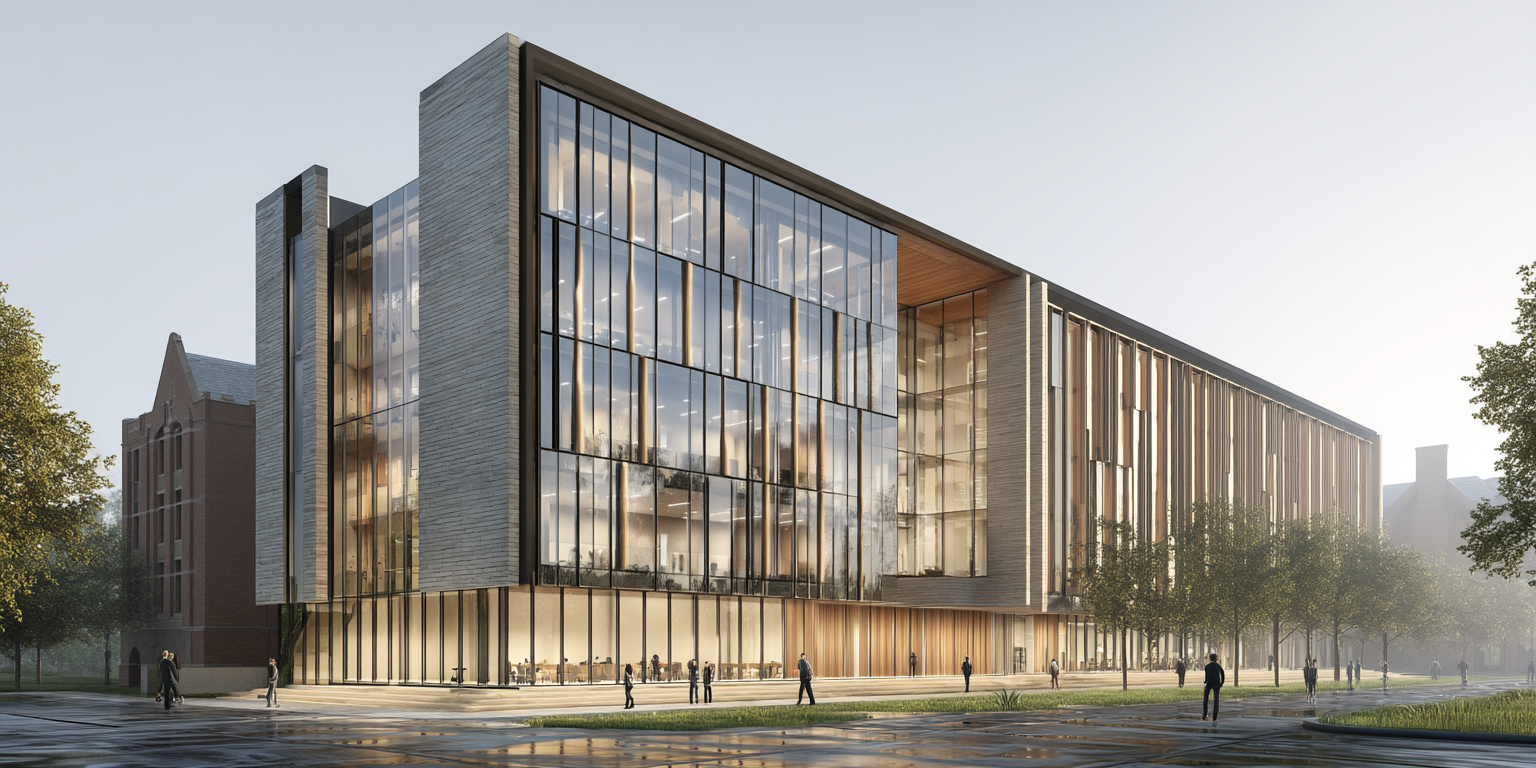
    According to its press release, Sika is participating as a funding partner in the three project phases – Exploration (2026), Synthesis (2027) and Transfer (2028) – of ETH’s Living Lab HIL. These phases will lay the groundwork for the refurbishment, energy-efficiency upgrade and extension of the teaching and research building for architecture and civil engineering (HIL) on the Hönggerberg campus. The major project is scheduled for completion by 2035.

    According to ETH, the need for renovation and the changed spatial requirements clearly called for a complete refurbishment involving demolition down to the load-bearing structure. Instead, the university intends to treat the existing building with greater care and focus on CO2 reduction, digitalisation and the circular economy. It is developing the construction project internally, drawing on knowledge and insights from its own teaching and research and working with industry partners.

    In this “globally unique flagship project”, as Sika describes it, the Baar-based specialty chemicals company for construction and industry is contributing more than just financial support. The project’s funding also encompasses an active and close technical exchange between Sika and the ETH project teams. This is facilitated through the ETH Foundation.

    Sika aims to help “drive the transformation towards sustainable construction methods”, says Patricia Heidtman, Head of Innovation and Sustainability. “The Living Lab HIL offers a unique platform that actively links research and practice and tangibly accelerates innovation.”

    Industry and science must act together to achieve climate targets, says Mathias Kohler, ETH Professor of Architecture and Digital Fabrication. “In cooperation with Sika, we are testing new solutions in the Living Lab HIL that will be implemented during the renovation phase of the ETH building from 2030 onwards.”
  • Zurich strengthens energy transition with 60 million program

    Zurich strengthens energy transition with 60 million program

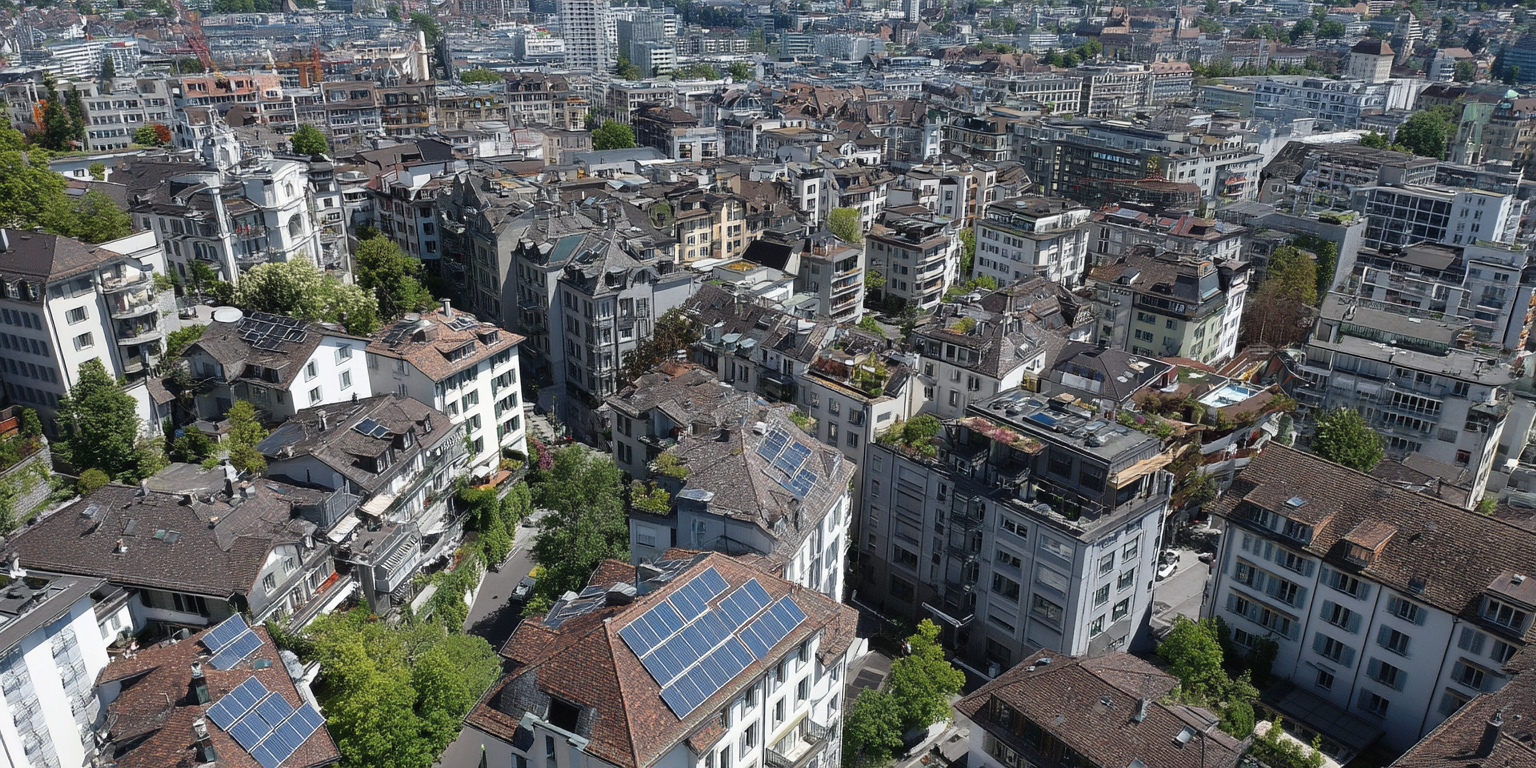
    Buildings are among the biggest energy consumers in the canton of Zurich. Around 40 percent of energy requirements and a third of CO₂ emissions are attributable to this area. However, a lot has changed in recent years. Technical innovations, the CO₂ levy and cantonal regulations are having an impact.

    With the energy subsidy programme, the canton is creating additional incentives to replace fossil fuel heating systems, insulate building shells or modernize heat distribution systems. Demand for subsidies remains high, fueled by the revised Energy Act of 2022.

    Financial framework until 2029
    The cantonal government is now requesting CHF 60 million from the cantonal council to continue the program. These funds are to be supplemented with shares from the CO₂ levy and from the national impulse program. Provided the federal benefits are not reduced, this will result in a total budget of up to CHF 286 million for the years 2026 to 2029.

    The focus is on measures in the building sector. Advice and information services will also be supported, particularly for owners who want to renovate their properties to make them more energy efficient or are looking for alternatives before the statutory ban on electric heating systems from 2030.

    Focus on innovation and biogas
    In addition to traditional building renovations, the canton will increasingly promote innovation in future. One million francs per year is available for pilot projects that test new technologies and processes for efficient energy use or storage. A further CHF 250,000 per year will go towards the promotion of biogas from agricultural facilities. A promising energy source for industrial high-temperature processes.

    In this way, the energy promotion program combines climate protection with regional value creation. It strengthens innovation and at the same time acts as a lever on the way to net zero in Zurich’s building stock.

  • Innovation for building refurbishment sets new standards across Europe

    Innovation for building refurbishment sets new standards across Europe

    HeiQ receives the German Sustainability Award for Products for its Xpectra technology, as detailed in a press release. The coating is sprayed onto buildings and reflects up to 74 per cent of heat radiation. According to the jury, the spray coating makes it easier to retrofit existing buildings in particular: “With this award, the jury is highlighting an innovation that shows how material-efficient technologies can simplify and accelerate the energy-efficient refurbishment of buildings and thus make an effective contribution to climate protection.”

    Xpectra is managed within the Schlieren-based HeiQ Group by HeiQ Xpectra GmbH, which is based in Regensburg, Germany. HeiQ will accept the award on 4 December in Düsseldorf. The company is now planning to scale the technology in Europe, North America and the Asia-Pacific region. “The German Sustainability Award is a successful example of HeiQ as an innovator of deep-tech materials and of our joint commitment to innovation and sustainability,” Oliver Zech is quoted as saying. He is the CEO of HeiQ RAS AG, which is also based in Regensburg. “The award strengthens our position on the market and opens up new opportunities for joint marketing.”

    HeiQ is a spin-off of the Swiss Federal Institute of Technology in Zurich, is based at the IJZ Innovation and Young Entrepreneur Centre and is a member of Start Smart Schlieren.