Tag: Hello World

  • Blockchain applications for the real estate sector

    Blockchain applications for the real estate sector

    The term blockchain should be familiar by now. Most people associate it with cryptocurrencies such as Bitcoin and it is partly correct, although blockchain is the technology while Bitcoin is an application of it. The technology may seem complicated, the Swiss blockchain expert Michael Trübestein, but he is convinced that “blockchain technology is comparable to the debut of the Internet and it will not stop. For now it is only uncertain how it will develop ».

    First of all, you need to understand how it works: a blockchain is made up of individual blocks, on each of which sequences of data, such as transactions, are stored. A blockchain is a decentralized network. This means that anyone, anywhere in the world, can participate in a blockchain naturally with a computer. Each computer participating in a blockchain stores the same individual blocks in the exact sequence that forms the chain. Each block has its own "DNA". A new computer is only allowed when it has been checked and verified by everyone else. What has been programmed on a blockchain cannot be subsequently changed by a computer. To make a change, all the other computers on the network would have to be involved, and it is precisely for this reason that the blockchain is so secure. If a single computer tries to change the blockchain, the chain is immediately broken and the offender is kicked out.

    In Baar, «Hello World» is the first property in the world to be tokenized
    The possibilities that blockchain technology offers in the real estate sector are enormous, according to Michael Trübestein, professor of property management at the University of Lucerne who specializes in Real Estate Investment and Real Estate Asset Management. Numerous companies are currently researching possible application areas. “Currently, there are only isolated applications, such as in the land registry or in the investment / financing sector. A specific example is the world's first tokenization of a property, Baar's 'Hello World' property, ”says Trübestein. 20 percent (3 million Swiss francs) of the value of "Hello World" was tokenized by the Zug-based company "Blockimmo" and sold to four investors.

    Crowdlitoken also specializes in real estate: founded in 2018, the start-up sees itself as a digital real estate company. “Investors can acquire holdings in selected Swiss real estate for a minimum amount of 100 francs / euro. They are then allowed to build their real estate portfolio by allocating the purchased bonds (Crowdlitokens ‹CRTs›) individually to the various Crowdlitoken properties, ”explains Domenic Kurt, CEO of Crowdlitoken. By participating in the properties, investors can achieve annual returns of 7 percent and decide whether to have it deposited monthly into their bank account or digitally as a CRT token.

    Access to the financial market is liberalized
    No intermediary bank is needed for a digital bond and therefore it is more convenient for the investor. Crowdlitoken has over 630 investors with a volume of 18 million CRTs and its real estate portfolio is constantly growing. Among their prominent users are the Swiss professional footballer Diego Bena-
    son. Kurt defines the difference between Crowdlitoken and other companies based on blockchain technology thus: «there are no competitors who would accept such a low investment for a stake in different real estate properties. To manage investments, users can access the portal with their smartphone ».

    That blockchain has disruptive potential is clear to both Trübestein and Kurt. Crowdlitoken CEO adds: “Banks are becoming obsolete for investment products like ours. New distribution channels are emerging and access to the financial market is being liberalized ». On the one hand, the digitization of the capital market is completely disruptive as it leads to an opening of the financial market. "There are no barriers and the minimum amounts to access them have dropped." On the other hand, the digitization of titles is itself destabilizing: "it means that they are no longer transferred
    transferred values through third parties and – since they are based on blockchain technology – they can be sent without being duplicated first, ”explains Kurt.

    Trübestein adds: «Cryptocurrencies have already influenced the world and the way of thinking of the various operators on the market. Nobody knows how they will develop in the future, but the advantages are already clear now ». There are also prerequisites in Switzerland: “We have goal-oriented framework conditions and innovative companies,” says Trübestein. When implementing innovations it is important that companies work together. This is what happened, for example, with «Hello World»: the operation is the result of the collaboration between Block-immo, Elea Labs and Swiss Crypto Tokens.

    WHAT IS A TOKEN?
    Domenic Kurt, Crowdlitoken: is a digital asset (token) based on the blockchain. It is the digital representation of a title. It contains the ownership rights of the bond, as well as the right to returns and represents a redemption obligation.

    WHAT IS BLOCKCHAIN?
    Michael Trübestein, expert: a chain (= chain) of information (= block). They are time stamped and stored on different computers. This ensures a high degree of protection against forgery. Blockchain systems also differentiate between public networks and private networks. They can be used 24/7.

    WHAT CAN BLOCKCHAIN TECHNOLOGY DO BETTER THAN A BANK?
    Domenic Kurt, Crowdlitoken: With securities based on blockchain technology, it is possible to send value without duplicating it. It replaces the creditors' ledger and ensures that transactions take place in a more streamlined, convenient and efficient manner.


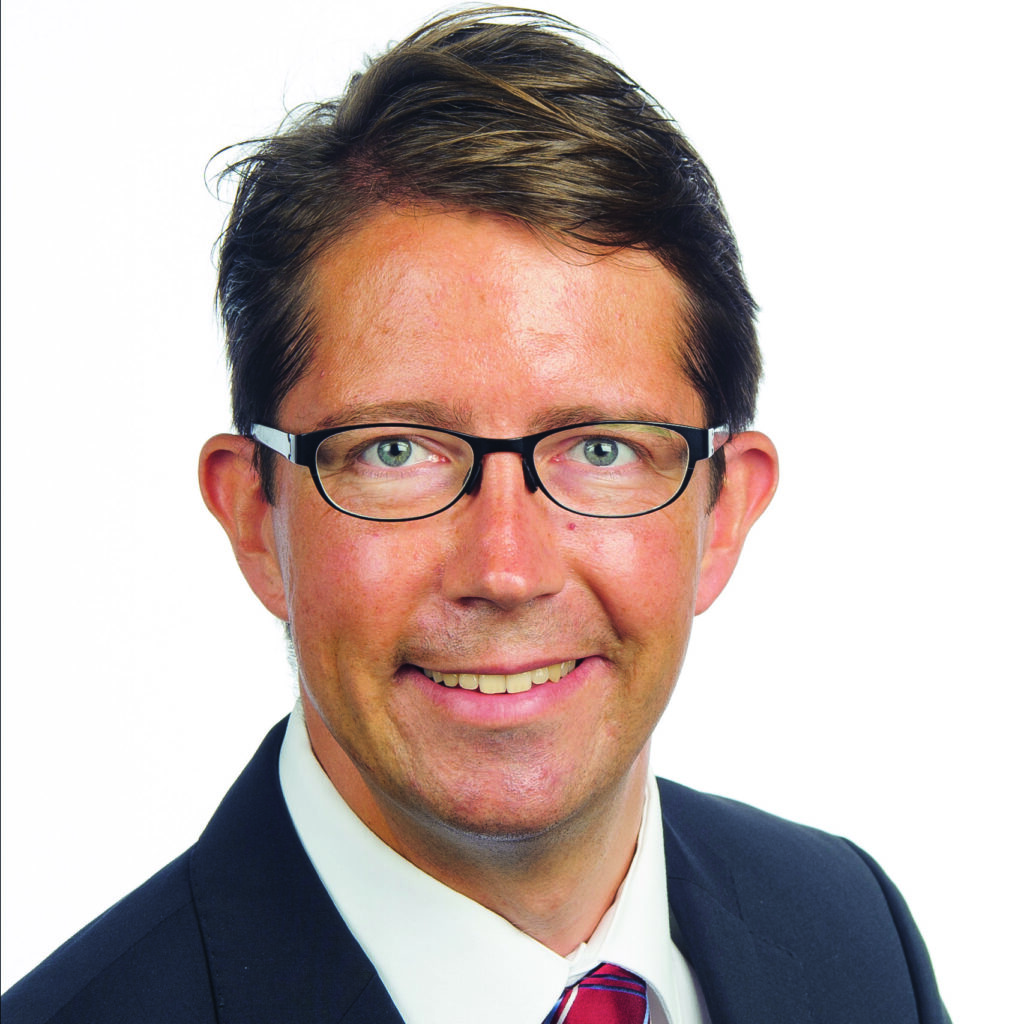
    Michael Trübestein

    Domenic Kurt
  • This is how blockchain is conquering the real estate industry

    This is how blockchain is conquering the real estate industry

    The term blockchain should be familiar by now. Most associate it with cryptocurrencies like Bitcoin. That's right, where blockchain is just the technology and Bitcoin is a resulting application. Even if the technology may seem complicated, the Swiss blockchain expert Michael Trübestein is certain: “Blockchain technology is comparable to the beginning of the Internet. It won't go away anymore. At the moment it is just uncertain how it will develop. "

    First you have to understand how a blockchain works: It consists of individual blocks – each of which stores data such as transactions. A blockchain works decentrally. In other words, anyone around the world can join a blockchain – virtually via a computer, of course. Every single computer stores all and exactly the same blocks that form a chain. Each block has its own «DNA». A new computer will only be admitted if it has been checked and verified by all other computers. Once programmed on a blockchain, it cannot be changed retrospectively by a single computer. For this, all computers would have to be involved – and that is exactly what makes the blockchain so secure. If a single computer tries to change the blockchain, the chain is immediately interrupted and the culprit is excluded.

    "Hello World" in Baar is the first property in the world to be tokenized
    The possibilities of blockchain technology are enormous for the real estate industry, as Michael Trübestein says. He is professor for real estate management at the Lucerne University of Applied Sciences, with a focus on real estate investment and real estate asset management. Numerous companies are currently researching possible areas of application. “Currently there are only a few applications, such as in the land register or in the investment / financing area. The world's first tokenization of a property, the “Hello World” property in Baar, ”says Trübestein, is an outstanding example. 20 percent of “Hello World” (CHF 3 million) of the property value was tokenized by the Zug-based company “Blockimmo” and sold to four investors.

    The company “Crowdlitoken” has also specialized in real estate: the start-up founded in 2018 sees itself as a digital real estate bond. «Investors can participate in selected Swiss real estate from 100 francs / euro. After the investment, our users can put together their own real estate portfolio by placing their purchased bonds (Crowdlitokens “CRTs”) individually on the various Crowdlitoken properties, ”says Domenic Kurt, CEO of Crowdlitoken, explaining the concept. By participating in the real estate, the investors generate returns of up to 7 percent per year. You can either have this paid out monthly to your bank account or receive it in CRTs.

    Access to the financial market is being liberalized
    A bank does not have to be interposed for a digital bond, which is cheaper for the investor. Crowd
    litoken already has 630 investors with a volume of 18 million CRTs. The real estate portfolio is constantly being expanded. The Swiss professional footballer Diego Benaglio is one of the prominent users of Crowdlitoken. Kurt defines what distinguishes Crowdlitoken from other companies that also rely on blockchain technology: “There is no comparable competitor who enables investors to invest such a low amount as an entry point for a stake in several properties. Investors can access the portal from their smartphone, where they can manage their entire investment. "

    It is clear to both Trübestein and Kurt that blockchain has disruptive potential. The CEO of Crowdlitoken says: “Banks are becoming obsolete for investment products like ours. New sales channels are emerging and access to the financial market is being liberalized. " On the one hand, the digitization of the capital market is inherently completely disruptive, as this leads to an opening of the market. «There are no entry barriers; Entry sums are reduced. " On the other hand, the digitization of securities is inherently disruptive: “This means that values are no longer transferred via third parties. With blockchain-based securities, it is possible to send values without duplicating them, ”explains Kurt.

    Trübestein adds: “Some applications such as crypto currencies have already influenced the world and the way market participants think. Nobody knows how the applications will develop in the future, but the advantages are already clearly visible. " The prerequisites are also in place in Switzerland: "We have target-oriented framework conditions and innovative companies here," says Trübestein. Cooperation between companies is important when implementing innovations. This is what happened, for example, with the “Hello World” property – the transaction results from a collaboration between Block-immo, Elea Labs and Swiss Crypto Tokens.

    Michael Trübestein
    Domenic Kurt

    What is a token
    Domenic Kurt, Crowdlitoken: A digital asset (token) based on the blockchain. It is a digital representation of a security. It contains property rights to the bond as well as the right to returns and represents a repayment obligation.

    What is blockchain?
    Michael Trübestein, Expert: A sequence (= chain) of information (= block). These are "time stamped" and are stored on several computers. This guarantees a high level of protection against forgery. There are also public and non-public systems. It can be used around the clock, seven days a week.

    What can blockchain technology do better than a bank?
    Domenic Kurt, Crowdlitoken: With blockchain-based securities it is possible to send values without duplicating them. It replaces the book of creditors and ensures that processes are designed and implemented in a leaner, more cost-effective and efficient manner.