Tag: Holzboden

  • 90 years of innovation with Swiss parquet tradition

    90 years of innovation with Swiss parquet tradition

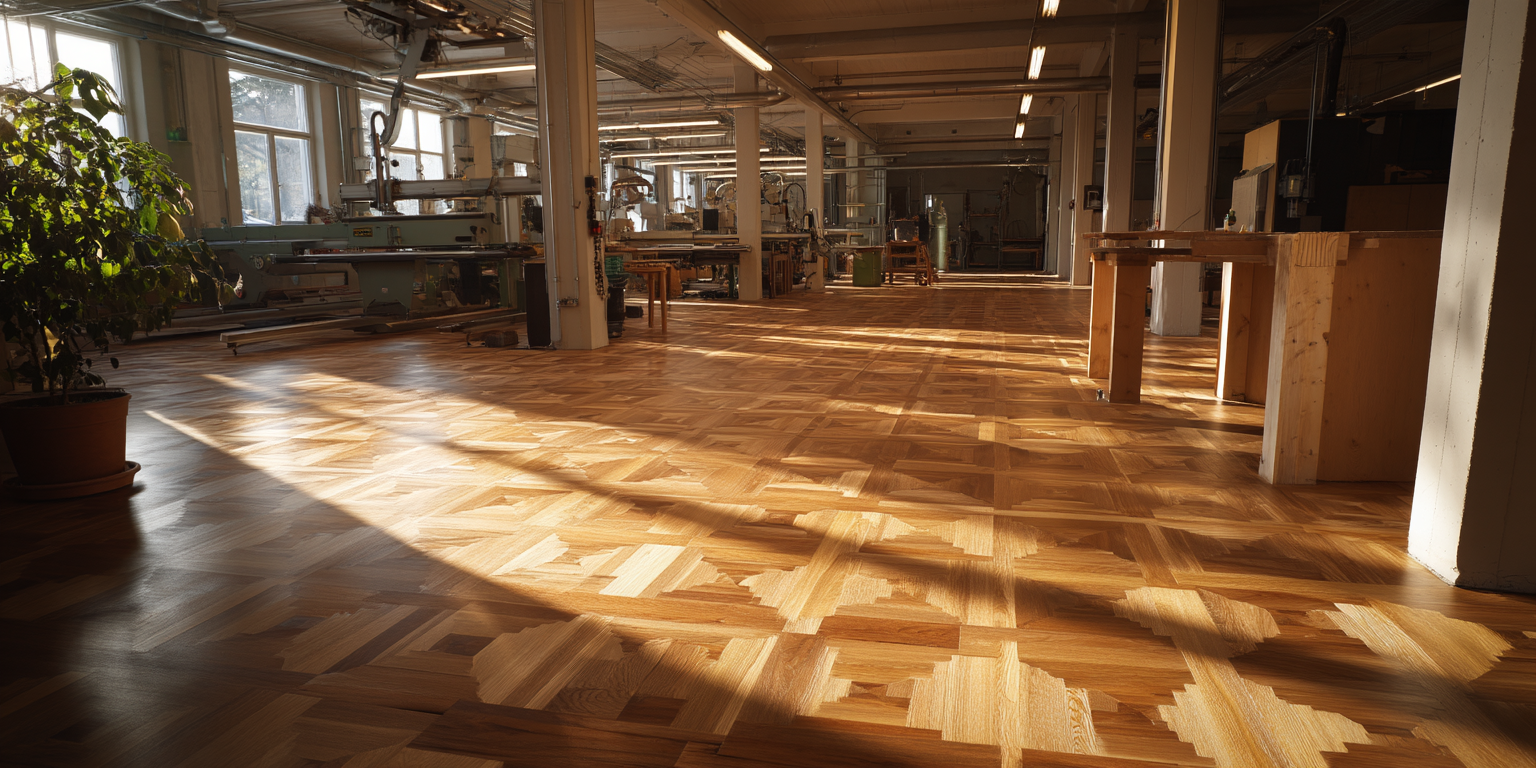
    The parquet manufacturer Bauwerk is looking back on its 90th anniversary this year. According to the company, it began with the introduction of the first dispersion adhesive to protect against harmful vapours from the bitumen adhesive used at the time. This was later followed by specialisation in parquet flooring. The impetus came from Ernst Göhner from Zurich, who in 1935 brought a “floor or wall covering composed of pieces of wood” to series production. This became the “industrially manufactured mosaic parquet or Klötzli parquet”, which is still available in the Bauwerk range today.

    Since the market launch of the first 2-layer prefinished parquet in 1976, the manufacturer has developed into a globally active company in the wood flooring industry with 1600 employees. In Switzerland alone, 2 million square metres of parquet from the Bauwerk Parkett, BOEN and Somerset Hardwood Flooring brands are laid every year.

    More than 60 per cent of the floor coverings are produced at the company headquarters in St. Margrethen. The research and development department has also been based there since the early 1950s. The manufacturer has been awarded cradle-to-cradle certification for its production processes, composition, use and recycling of all components, as well as for its handling of resources in line with the circular economy. Using parquet is environmentally friendly per se and stands for a positive ecological balance. “What’s more, every plank that leaves our factories is unique – the perfect combination of Swiss engineering and the power of nature,” says Patrick Hardy, CEO of the Bauwerk Group since 2022, in the press release.

    In addition to observing sustainable business practices, the company is also socially committed. The Parkettzauber campaign supported several charitable organisations with parquet flooring – including a children’s daycare centre and a socio-educational residential group.

  • Empa entwickelt recycelbaren Kunststoff für die Industrie

    Empa entwickelt recycelbaren Kunststoff für die Industrie

    Forschende der Eidgenössischen Materialprüfungs- und Forschungsanstalt (Empa) haben eine neue Art von Kunststoff entwickelt. Ihr Epoxidharz lässt sich sowohl reparieren als auch wiederverwerten. Das ist einer Medienmitteilung zufolge ein Novum. Bisher war die Wiederverwertung bei Epoxidharzen nicht möglich. Bei dieser Art von Kunststoffen sind die Polymerketten engmaschig miteinander vernetzt, was das Schmelzen verunmöglicht. „Haben sie einmal ausgedient, werden sie verbrannt oder in Deponien entsorgt”, erklärt Wenyu Wu Klingler vom Empa-Labor Advanced Fibers in St.Gallen.

    Epoxidharze haben allerdings ausgezeichnete mechanische und thermische Eigenschaften, wie die Empa in ihrer Mitteilung schreibt. Entsprechend werden sie vielseitig in der Industrie eingesetzt – etwa bei der Herstellung von Bauteilen für Flugzeuge, Autos, Züge, Schiffe und Windkraftanlagen.

    Mit dem besonderen Epoxidharz der Empa soll also unter anderem der Einsatz von faserverstärkten Kunststoffen in der Industrie nachhaltiger werden. „Die Herstellung von Kohlenstofffasern benötigt sehr viel Energie und setzt enorm viel CO2 frei”, erklärt Sabyasachi Gaan vom Empa-Labor Advanced Fibers. Wenn sie nach ihrer Nutzung in den Stoffkreislauf zurückgebracht werden können, könne der ökologische Fussabdruck verbessert und auch der Preis gesenkt werden, so Gaan.

    Faserverstärkte Kunststoffe, wie sie im Bau von Flugzeugen, Zügen, Booten, Autos und Velos eingesetzt werden, sind laut der Empa aber nicht die einzige Anwendung für den neuen Kunststoff. Er könnte beispielsweise zur Beschichtung von Holzböden eingesetzt werden –  als eine transparente, widerstandsfähige Schicht, die gute flammhemmende Eigenschaften aufweist.