Tag: Innovationen

  • Startups provide impetus for a sustainable energy future

    Startups provide impetus for a sustainable energy future

    The Energy Startup Day took place on November 19 at the Kultur & Kongresshaus Aarau. The event offered start-ups the opportunity to present themselves and make contacts. Several presentations were also on the program. And finally, five start-ups were awarded prizes.

    Borobotics AG, based in Technopark Winterthur, won the Jury Award and with it an Energate PR & Event Package. The company is working on a new type of geothermal drill for use in urban areas. The first of two Swissolar Awards went to SmartHelio from Prilly VD for its artificial intelligence-based software for the use of photovoltaic systems. The start-up won a Swissolar Marketing & Event Package. The second Swissolar Award, and with it a Swissolar Event Package, went to Synergi Solutions from Helsinki. The Finnish start-up has developed an app to optimize energy consumption.

    Voltiris from Epalinges VD won the Audience Award and with it a Communication Package from Zurich University of Applied Sciences (ZHAW), Electrosuisse and Swisspower. Voltiris develops modules for agrivoltaics in greenhouses. And the Investor Award went to SensorXSolutions, which won the SICTIC (Swiss ICT Investor Club) prize, which is equivalent to an invitation to an investor event. The young company from Sarnen has developed intelligent systems for detecting and handling gases such as methane in order to curb the greenhouse effect.

    The organizers welcomed a total of around 230 participants. ZHAW, Electrosuisse and Swisspower organized the event and were supported by numerous partners.

  • Direct investment as a driver of growth

    Direct investment as a driver of growth

    Direct investments are a central component of the global economy. They comprise equity investments in foreign companies with the aim of permanently influencing their business activities. The focus is on strategic control, market access and securing resources. In contrast to portfolio investments, which are primarily aimed at capital gains, direct investments have far-reaching economic effects for the countries of origin and recipient countries.

    Switzerland’s locational advantages
    Switzerland is one of the most attractive investment locations in the world. Factors such as legal certainty, a stable economy, highly qualified skilled labour and a well-developed infrastructure make the country particularly attractive for multinational companies. Many international corporations such as ABB and Novartis have their headquarters here, while global companies such as Google and Liebherr have branches in Switzerland.

    Global networking and economic effects
    As an investor and investment location, Switzerland benefits from international capital flows. Swiss companies expand abroad through direct investment, while foreign investors invest in Swiss companies. This not only promotes the exchange of expertise and technologies, but also strengthens economic dynamism. The pharmaceutical sector in particular plays a key role in bilateral investment flows, especially between Switzerland and the USA.

    Direct investments and their influence on growth
    Direct investments have a measurable influence on economic performance. Capital gains from Swiss investments abroad flow back into the domestic economy and have a positive impact on consumption and investment. At the same time, foreign direct investment in Switzerland creates employment and increases productivity. in 2022, foreign-controlled companies accounted for around 24 per cent of total gross value added, while 11 per cent of jobs were directly dependent on them.

    Increasing regulation as a challenge
    In recent years, direct investments have been subject to increasing political regulation. Tax adjustments and investment controls are intended to create transparency and prevent tax avoidance. At the same time, there is a growing debate about tighter controls on takeovers by foreign investors, particularly with regard to national security interests. These developments could impair the growth potential of future direct investments.

    Direct investment as a stabiliser and growth factor
    Switzerland benefits greatly from direct investment, both as a country of origin and as a recipient country. It promotes innovation, strengthens economic power and secures prosperity. However, increasing regulatory intervention could pose long-term challenges for the global flow of investment and economic growth.

  • Record sales of Swiss multinational speciality chemicals group

    Record sales of Swiss multinational speciality chemicals group

    Sika set a new sales record in the 2024 financial year. At 11.76 billion Swiss francs, the record result of 2023 was exceeded by 4.7 percent, the global speciality chemicals company for construction and industry announced in a press release. Increased synergies from the integration of the construction chemicals business MBCC acquired in 2022 and local acquisitions of Kwik Bond in the USA, Vinaldom in the Dominican Republic and Chema in Peru contributed to the sales growth. Organic sales growth amounted to 1.1 per cent.

    In addition to the acquisitions, all regions contributed to the record sales. At 11.2 per cent in local currencies, sales growth was strongest in the Americas region. In the EMEA and Asia/Pacific regions, growth rates of 7.3 and 2.4 percent respectively were realised in local currencies.

    “Over the past twelve months, Sika has successfully held its own in a market environment that remains very challenging and achieved a new sales record,” said Thomas Hasler, CEO, in the press release. “Our growth initiatives, our powerful and sustainable innovations and our consistent sales strategy for further market penetration are successful and impressively demonstrate that we are gaining further market share.” Sika will communicate its full Annual Report 2024 on 21 February. The Group expects operating profit at EBITDA level to increase at a faster rate than sales.

  • Green light for digitally manufactured concrete staircase

    Green light for digitally manufactured concrete staircase

    It is one of the big challenges in the upcoming NEST unit “STEP2”: a concrete staircase whose shape is reminiscent of a human spine. Although the unit is still in the planning stage, parts of the stairs have already been produced as prototypes. Because the unit pursues a great goal: only what has a future in the construction industry will be built. Together, the partners work consistently towards market readiness – and this is also the case with the staircase.

    “Over the past two years, the project team has jointly developed a completely new concept for the production of customised concrete components. This was only possible because the experts along the entire value chain worked together at eye level,” says Enrico Marchesi, innovation manager at NEST and project manager of “STEP2”, with conviction. The interdisciplinary project team was put together together together with the scouting and incubation experts of the main partner BASF. It is made up of the architectural firm ROK, which is responsible for the project management, the ETH Chair of Digital Building Technologies, 3D printing experts from the BASF subsidiary BASF Forward AM and the 3D printing company New Digital Craft, experts from the precast concrete manufacturer SW Umwelttechnik, engineers from the engineering firm WaltGalmarini and the experts from the Empa spin-off “re-fer”.

    Customised solutions
    The “STEP2” staircase impressively demonstrates how concrete structures can be realised with the help of computer-aided design and the latest 3D printing technologies. By using 3D-printed formwork, it is possible to create more complex shapes than with previous special formwork. At the same time, the amount of material required can be significantly reduced.

    The process enables customised concrete solutions that can be optimally adapted to the respective application and have a high level of detail. In addition, it also holds great potential in restoration, for example in the renovation of historical buildings.

    High complexity
    The design of the staircase comes from the ETH Chair of Digital Building Technologies. Based on this, the project team developed a complex, parameter-based formwork system for the individual steps, which is produced using 3D printing. “It was important for us to use digital fabrication in such a way that we can produce extremely filigree concrete elements. A key criterion for the system was the reusability of the formwork for the production of multiple steps. At the same time, we had to take into account the requirements of 3D printing and the material, as well as the conditions when filling the formwork,” explains Benjamin Dillenburger, head of the “Digital Building Technologies” team. In order to meet all these requirements, the exchange within the entire project team was of central importance.

    “In order for the 3D-printed formwork to be used for several stages, we used a suitable coating. In terms of sustainability, we opted for a material that can be detached from the formwork again. This is the only way we can ensure that the material is separated by type,” says Jörg Petri from “New Digital Craft”. He and the “Virtual Engineering” team from “BASF Forward AM” brought their years of know-how in the 3D printing field to the project.

    “For BASF Forward AM, the project is an important milestone in demonstrating that the materials used can withstand the high demands. It pays into our strategy to realise formwork using 3D printing as an alternative to conventional mould making,” says Anke Johannes, Director Sales Europe at BASF Forward AM. For the formwork material, the team chose Ultrafuse® PET CF15 filament because of its excellent properties for concrete formwork applications. In the end, the concept for manufacturing and assembling the formwork elements was ready.

    The endurance test
    Now the time had come to turn the stairs into reality. SW Umwelttechnik produced the steps in its own factory with the help of the formwork. Ultra-high-strength fibre-reinforced concrete was used as the material. “Our concrete allows for very thin, complex shapes that could not be realised with normal reinforced concrete. It’s great that we can demonstrate this so impressively with the staircase in the “STEP2″ unit,” says a pleased Klaus Einfalt, CEO of SW Umwelttechnik.

    The WaltGalmarini engineering office is responsible for calculating and assessing the statics. To check whether the calculated values correspond to reality, the steps were sent to Empa. There they were subjected to various load tests by Empa experts under the supervision of the engineering office. The first prototype consisting of three stages, which were all tested individually, largely fulfilled expectations and at the same time provided new findings for optimising the system.

    In the subsequent prototype, not only the statics but also the construction of the staircase system was put to the test. Three steps were threaded on top of each other and clamped together using “memory-steel”, an innovative prestressing technique developed by Empa spin-off “re-fer”. In the process, bars of the type “re-bar R18” were placed in predefined cavities and mechanically anchored. The pre-stressing was done by heating with electricity. Afterwards, further tests were carried out to analyse how loadable the steps are individually and the system as a whole. The result: the engineers deemed the overall system reliable.

    “I am very pleased that the staircase could not only convince on paper, but now also in practice. This represents an extremely important milestone in the project for us,” says Michael Knauss from ROK. With this “proof of concept”, the production of the final staircase can now take place – another important step towards the realisation of the NEST unit “STEP2”.

  • Smartconext moves into Suurstoffi Innovation Park

    Smartconext moves into Suurstoffi Innovation Park

    According to a press release , the smartconext Group has decided to relocate its company location from Baar to the Suurstoffi area in Rotkreuz. From August 1st, the Swiss marketplace for construction and real estate information will operate from the Switzerland Innovation Park Central .

    Numerous national and international companies, institutions and start-ups are based in the former industrial area. The Lucerne University of Applied Sciences and Arts also has a campus there. The proximity to well-known tenants from various sectors and the climate-neutral orientation offer plenty of development potential for a built environment worth living in.

    Smartconext expects the relocation of the headquarters to provide impetus and synergies for future tasks in the building and energy sector. The company, which specializes in intelligent, user-friendly and value-added digital products, accepts an offer from Switzerland Innovation to rent space on the campus, which, in accordance with the "Open Innovation" philosophy, focuses on a mix of different industry representatives and groups. With its core competencies in the construction industry, the new tenant can contribute to the goal of solution-oriented innovations. "The smartconext Group stands for digitization and transformation in the construction industry," says Dr. Maximilian Richter, Innovation Manager of the Switzerland Innovation Park Central, quoted.

  • Innovation Hub in Horgen opens its doors

    Innovation Hub in Horgen opens its doors

    Beijing, Singapore, Paris, Horgen – with immediate effect, an Innovation Hub is also open to customers, partners and interested trade visitors in Switzerland. A visit is worthwhile for anyone who would like to get a first-hand impression of the future-oriented products and solutions from the tech group Schneider Electric and Feller AG. The exhibits and audiovisual media convey everything worth knowing about modern living and working environments, which are right on the pulse of the times. Visitors have the opportunity to discover innovations at their own pace and to be inspired by the pioneering technologies.

    One company, two brands: the best of both worlds

    The Innovation Hub maps the entire spectrum of the energy and automation specialist Schneider Electric and its subsidiary, Feller AG. The innovations and technological developments at all levels, in the full breadth and depth of the portfolio, are presented on 500 square meters. In addition to intelligent products and solutions for industrial automation, the energy networks of the future, building automation and the connected home as a networked, digitized home also play a large role. Other topics such as energy efficiency in residential construction and e-mobility round off the diverse world of experience.

    Innovation and technology impulses: A place of experience and knowledge transfer

    Theoretical knowledge of modern digital technology is only one side of the coin. Nothing beats experiencing the advantages of future living and working environments under real conditions. “With our new Innovation Hub, a comprehensive world of experience has emerged. Here not only networked automation solutions are presented in an attractive environment, but also the networking of knowledge is promoted,” explains Tanja Vainio, Country President Schneider Electric Switzerland. The interdisciplinary competence center offers the ideal environment to hold training sessions or expert forums in the future.

  • digitalSTROM presents new products

    digitalSTROM presents new products

    According to a press release , digitalSTROM AG from Schlieren will present two innovations at the Light + Building 2022 trade fair. On the one hand, the networking specialist is presenting the integrated solution for access control. According to the announcement, this consists of the fully integrated Smart Video Doorbell and the interactive 10.1″ display, dS-Touch. With the video doorbell, residents can always keep an eye on who is ringing the doorbell. With the dS-Touch display, access control is integrated into the all-in-one solution from digitalSTROM for the first time. This includes fully centralized automation and control of lights, shutters, blinds, heating and ventilation systems and buttons.

    The dS Energy extension, which is also new, enables residents with a photovoltaic system to improve their energy balance. The self-generated energy is thus routed to the boiler or heat pump via an intelligent control system. This will also significantly reduce dependency on the electricity company, according to the statement.

    For the first time since 2018, digitalSTROM will be taking part in the trade fair from October 2nd to 6th in Frankfurt in order to present its range of smart home solutions and innovations to an international audience. “We benefit from the growing dynamics of home automation and the steadily increasing interest in digitalSTROM solutions,” Peter Lambrechts, Executive Chairman at digitalSTROM, is quoted as saying. In the difficult years for the entire industry, his company invested heavily in research and development and was able to present new products and solutions at Light + Building.

  • Canton of Zurich – on the pulse of the action

    Canton of Zurich – on the pulse of the action

    The canton of Zurich is an important growth driver in the Swiss economy. Its gross domestic product (GDP) was more than CHF 143 billion in 2017. That corresponds to more than 20 percent of Swiss GDP. This means that the canton of Zurich has the greatest economic output and added value within Switzerland. The added value can be increased by companies, research and educational institutions and specialist organizations cooperating along the value chain in clusters such as financial services, life sciences, creative industries, cleantech, aerospace, information and communication technology. According to the Statistical Office, the canton of Zurich generates more than 20 percent of the Swiss gross domestic product (GDP) with an annual GDP volume of over CHF 120 billion. This is the greatest cantonal economic added value in Switzerland.

    Maintaining international relationships is also an opportunity to directly follow and actively influence international developments in both the economic and political spheres. The business contacts acquired in this way are of direct benefit to the representatives from business, science and administration based in the canton.

    In terms of quality of life and standard of living, Zurich has held top positions in international rankings for many years. The city of Zurich emerged as the winner of the well-known Mercer study on quality of life seven times in a row. It has been in second place since 2009. The study compares 230 cities based on 39 criteria such as health care, entertainment, shopping, schools, housing, environmental issues, and the political and economic situation.

    A new index also measures the economic and social distribution of prosperity for the first time, and the metropolis on the Limmat ranks first among 113 cities, as zh.ch writes: The “Prosperity and Inclusion in Cities Seal and Awards Index” not only measures economic growth, but above all its quality and what proportion the different population groups have in it. Zurich scored particularly well in terms of work, living, leisure, security and education. Vienna follows in second place, ahead of Copenhagen, Luxembourg and Helsinki. In the inner Swiss city ranking, Zurich ranks first and Winterthur third.

    Testimonials

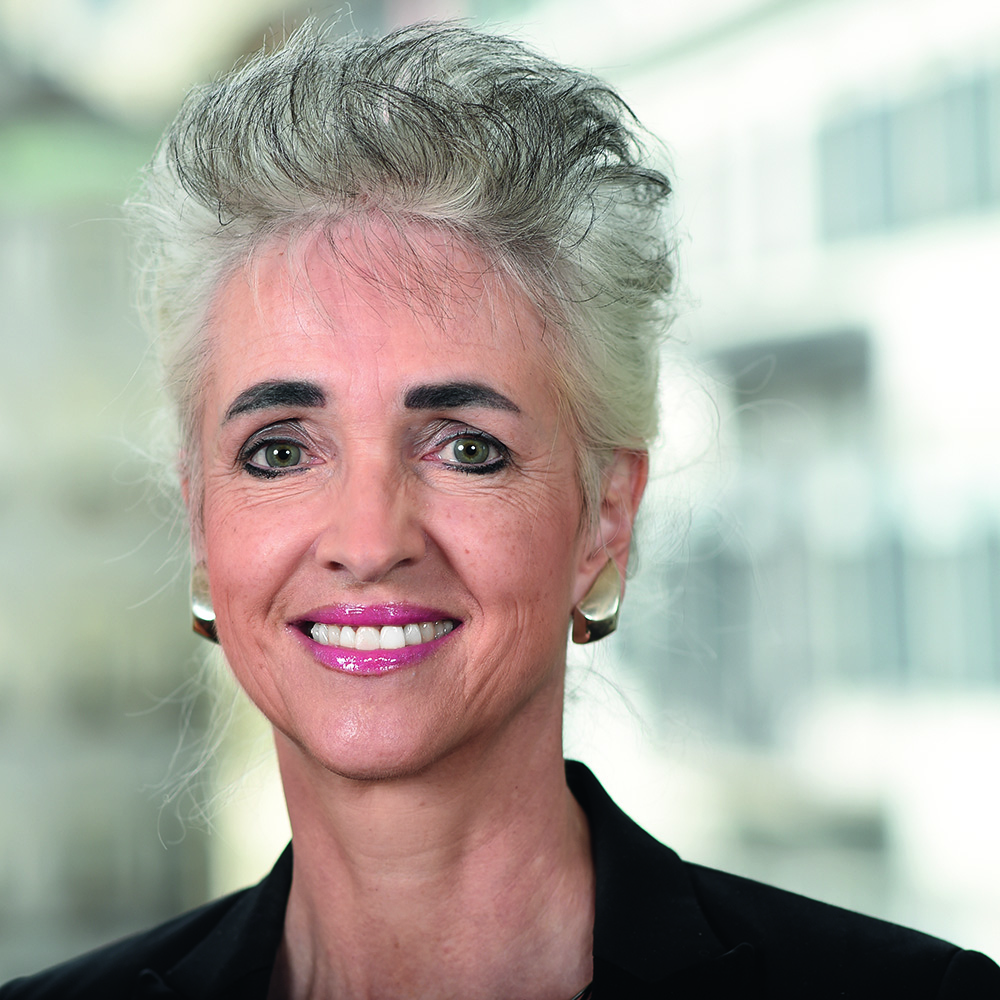
    Carmen Walker Spah
    Government Councilor,
    Director of Economics

    Thanks to the first-class universities, the availability of specialists, the excellent infrastructure and the high innovative strength of our economy, the canton of Zurich is a highly attractive location for companies.

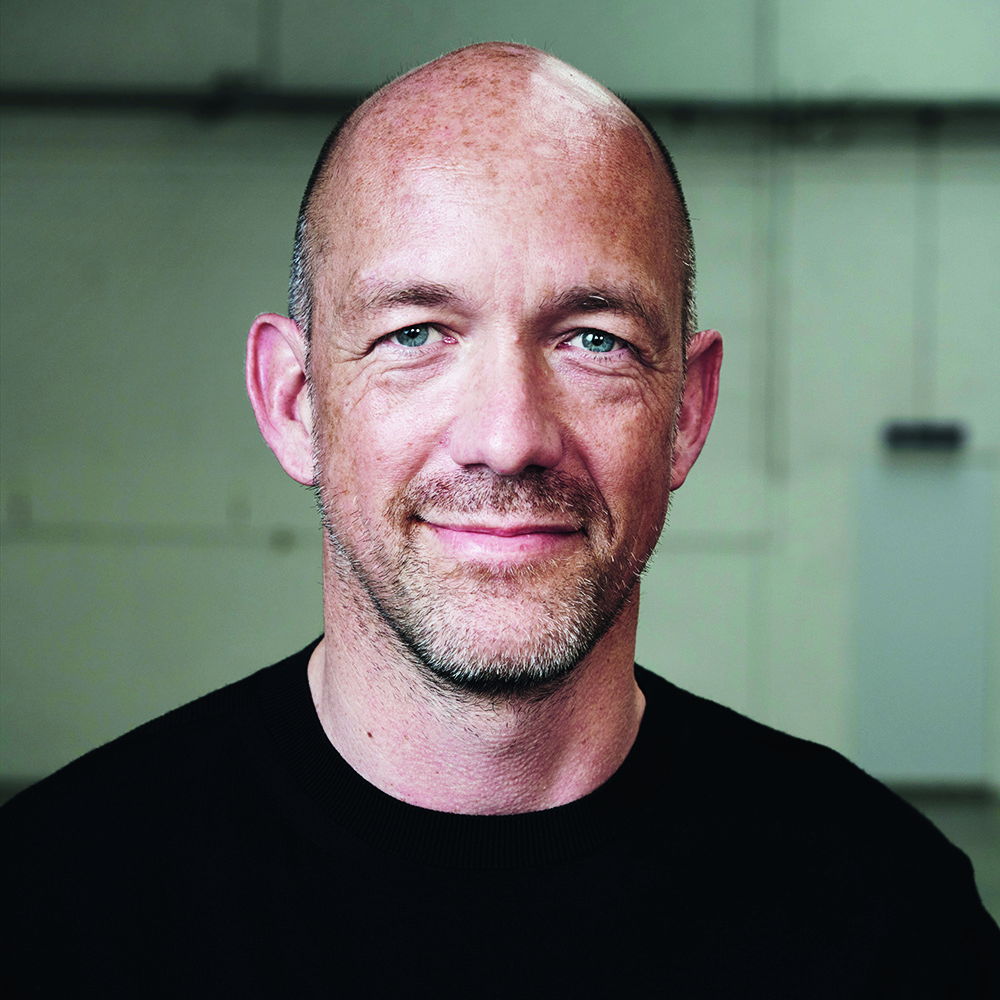
    David Allemann
    Co-founder On

    Zurich is cosmopolitan, cool and rethinks. It is important that many creative minds live and work in Zurich who drive the location forward in terms of creativity and innovation. So Zurich remains unique.

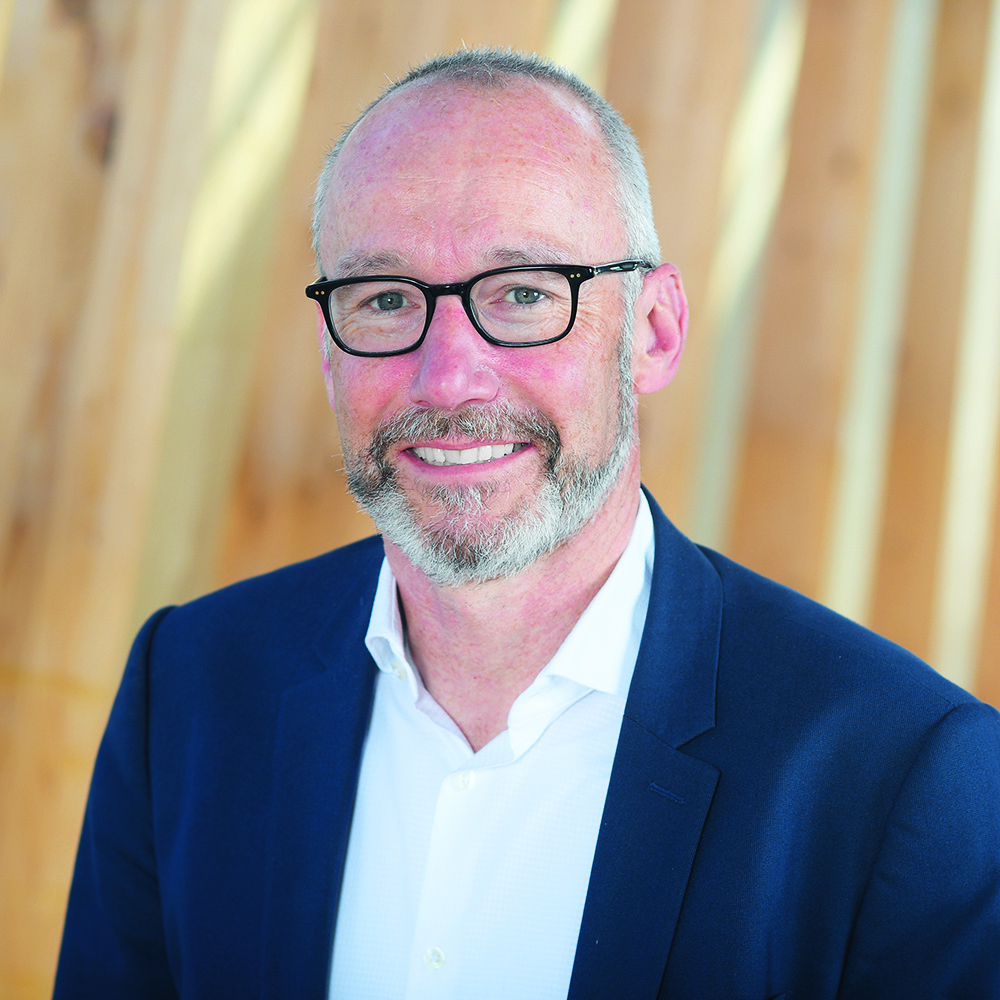
    René Kalt
    Managing Director
    Innovation Park Zurich

    Universities and numerous innovative companies make Zurich a perfect location for networking science and business. The Innovation Park Zurich contributes to this knowledge and technology transfer, making Zurich even more innovative.

    Mario Jenni
    Co-Founder &
    CEO Bio-Technopark Schlieren-Zurich

    Zurich is an excellent life sciences location due to numerous health and technology companies as well as excellent universities. The “Paradeplatz” of the biotech scene is located in Schlieren and is becoming more and more important nationally and internationally.

  • Holcim drives innovation from start-ups

    Holcim drives innovation from start-ups

    The Zug-based cement giant Holcim is teaming up with three young Swiss companies, according to a media release . The aim is to advance innovative technologies in the construction sector and promote sustainability.

    In cooperation with the Freiburg start-up Mobbot , for example, the integration of recycled building materials into 3D printing technology is to be promoted. Mobbot has developed the necessary 3D printing technology. Together with Holcim, it now wants to develop a concrete recipe that enables the use of recycled material in 3D printing.

    Holcim has entered into another cooperation with the Bern-based company Neuustark . The spin-off from the Swiss Federal Institute of Technology Zurich ( ETH ) is developing a technology with which CO2 from the atmosphere can be permanently stored in recycled concrete. For this purpose, liquid CO2 is introduced into the demolition material. As part of the collaboration, neustark is investigating the CO2 conversion potential of the demolition concrete recycled by Holcim. In turn, Holcim is optimizing the concrete produced by Neustark. Holcim believes it is possible to integrate the neustark solution into its recycling process in the future.

    The third collaboration between Holcim and the Ticino start-up company HeatNeutral has been agreed. This has developed an innovative combustion system that is intended to promote the decarbonization of production facilities. According to the information, the heating system works particularly efficiently and achieves an almost 100 percent combustion of fuels. This means that less fuel is required for the same output. In addition, the HeatNeutral system can also burn CO2-neutral oils such as vegetable oils, used cooking oils and biodiesel. Holcim is testing the solution in its concrete plant in Birsfelden BL.