Tag: klima

  • How wood can be better utilised

    How wood can be better utilised

    Switzerland is aiming for net zero by 2050. Wood plays a key role in this endeavour. It binds CO₂ from the atmosphere, is versatile and offers sustainable alternatives to fossil fuels. But how much wood is actually available for construction, industry or energy generation? Researchers from Empa and WSL have provided the answers by analysing the material flows of wood in Switzerland in detail for the first time as part of the SCENE project.

    For their analysis, the researchers used data from 21 different sources for the year 2020, from wood harvesting to disposal. “In contrast to other studies, which often only use modelled values, we were able to draw on real data,” explains Nadia Malinverno from Empa. The effort paid off, as the study provides a precise picture of the entire wood flow in Switzerland.

    Recycling potential and the correct use of wood
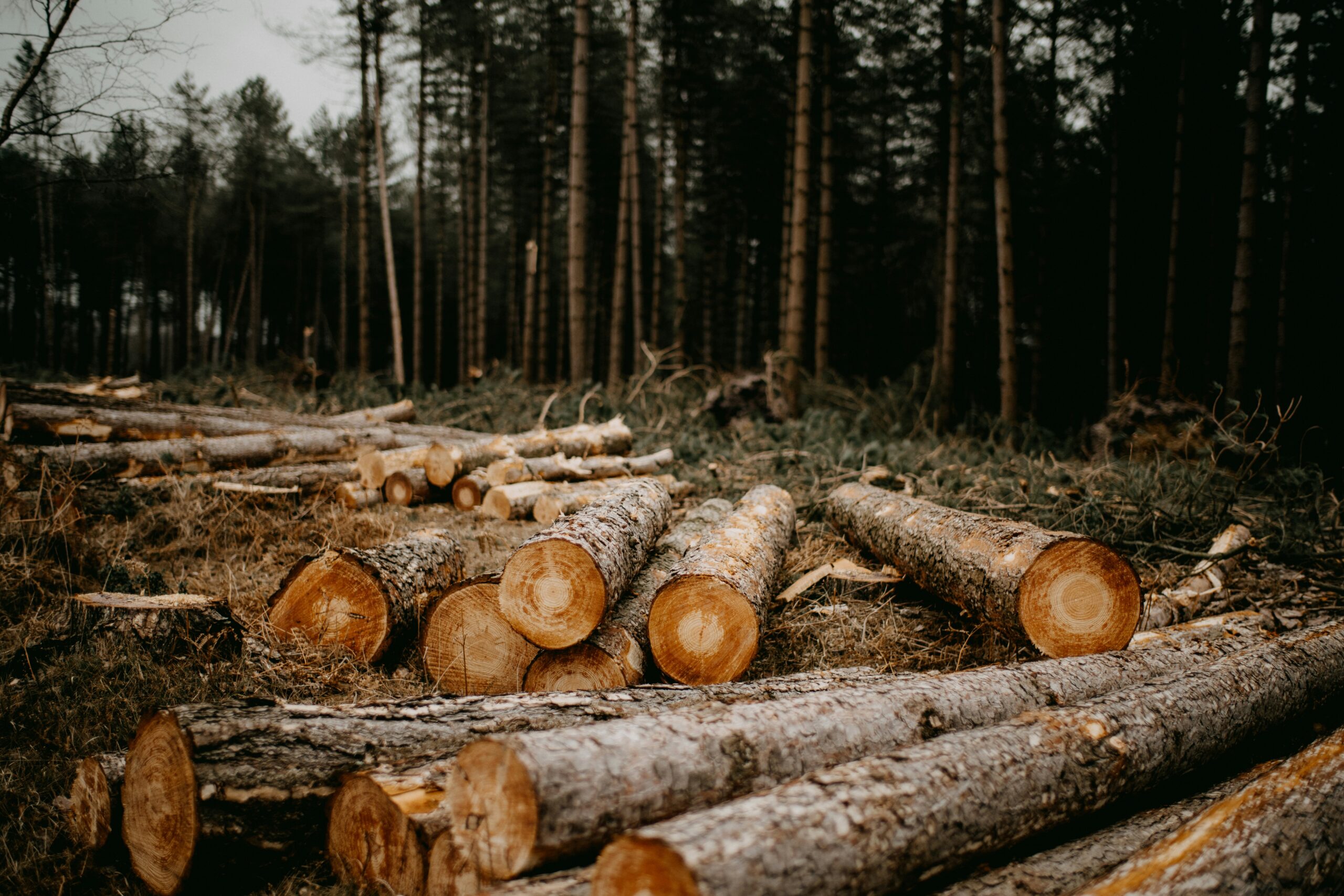
    Only eight per cent of wood is currently recycled, compared to around 70 per cent for paper. In addition, 40 per cent of the wood harvested each year is used directly as fuel. “This is not ideal from an ecological point of view,” emphasises Claudia Som, co-author of the study. In order for wood to fulfil its role as a CO₂ store, it should be used as a material for as long as possible.

    The researchers’ vision is cascade utilisation
    Here, wood is first processed into durable products such as beams and boards that remain in the construction industry for as long as possible. Only after repeated use is the wood further processed into wood chips or fibres before it is finally burned. “Wood should only be used as an energy source when it is no longer usable as a material,” explains Som.

    The path to sustainable wood flows
    As part of the SCENE project, the researchers want to investigate more closely in future which uses of wood make the most ecological and economic sense. They are focussing on specific material flows. In what form is the wood available? How is it processed? Where is there potential for optimisation?

    “The sustainable use of wood is a key component of the energy transition,” says Malinverno. “Our work shows that Switzerland still has many untapped opportunities here, both in terms of climate protection and resource efficiency.”

  • 61 million for climate-friendly buildings

    61 million for climate-friendly buildings

    Buildings are responsible for over 40 per cent of energy consumption and 30 per cent of greenhouse gas emissions in the canton of Zurich. Since September 2022, oil and gas heating systems in existing buildings must therefore be replaced with climate-friendly alternatives at the end of their service life if this is technically and financially feasible. in 2025, CHF 61 million in funding will be available for this change. These funds will be channelled specifically into measures to improve energy efficiency and promote sustainable heating systems.

    Stronger subsidies for larger heating replacements
    The 2025 subsidy programme places a particular focus on replacing larger fossil fuel heating systems. While the basic contributions for smaller systems have been reduced slightly, larger heating systems with an output of around 30 kilowatts or more will benefit from increased, performance-based subsidies. This takes account of the greater technical and economic challenges involved in such projects.

    Reward for comprehensive building modernisation
    A well-insulated building envelope saves heating energy, reduces heating costs and improves the indoor climate. An additional incentive is therefore provided for complete modernisations. Anyone who modernises at least 90 percent of the insulation area of the roof, facades and floors receives an additional contribution. From 2025, subsidies for modernisations in accordance with the MINERGIE standard will be linked to the additional “ECO” certification in order to take aspects such as recyclability and grey energy into account.

    Support for decentralised heating systems
    Decentrally installed electric or fossil-fuelled heating systems pose a particular challenge. From 2030, electricity-intensive electric heating systems will be banned in the canton of Zurich. Homeowners who replace such systems with climate-friendly alternatives will now benefit from a subsidy of at least CHF 15,000 for the installation of a heat distribution system. This is intended to facilitate and speed up the costly conversion process.

  • A natural way to a higher quality of living

    A natural way to a higher quality of living

    Heat sensation in humans
    Wood can absorb moisture from the air and release it again, so it acts as a buffer for fluctuations in humidity. People do not primarily feel the temperature, but the inflow and outflow of heat. Stone and metal are poor insulators and quickly draw heat from our bodies – they feel cold. In contrast, wood insulates well and draws heat from our bodies slowly – it therefore feels warmer at the same surface temperature. This is the core of the U-value. The lower this U-value, the less heat penetrates through the material and the lower the heating costs. Timber components always achieve a lower U-value thanks to the integrated thermal insulation in the load-bearing layer.

    Effective thermal insulation in winter
    An airtight layer is applied to the inside of the exterior walls to keep the heat energy inside in winter and prevent it from escaping outside. This layer must also block the transport of moisture from the inside to the outside in order to prevent harmful condensation forming in the exterior walls – in other words, it has a diffusion-inhibiting effect. The Minergie-P energy label even requires a blower door test to check the airtightness of the finished house.

    Optimum ventilation of rooms
    The most effective method of ventilating rooms is during the night. This is followed in winter by the estimated heat radiation from the sun, which should be shielded on hot summer days. Movable shading elements or specially coated glass are available for windows. The heat storage capacity is in fourth place after the influence of internal heat sources. This can be achieved in timber buildings with double plaster panelling.

    Effective noise protection
    In the construction industry, a distinction is first made between building physics and room acoustics. Building physics focuses on sound insulation by building components, while room acoustics aims to absorb reverberation through surfaces in order to make speech or music clearly and precisely audible. Modern timber constructions offer effective protection against unwanted noise. Impact noise from neighbouring flats must be given special consideration, particularly in apartment buildings.

    Focus on airborne noise and structure-borne noise
    In building acoustics, a distinction is made between airborne noise and structure-borne noise. Road noise, for example, can penetrate into the living space as airborne sound through the exterior walls. Impact sound is a form of structure-borne noise that must be taken into account, particularly in ceiling constructions. In timber construction, multi-layer constructions can achieve similarly high sound insulation values as single-layer solid components, but with significantly lower mass. A multi-shell construction offers particularly good sound insulation if the coupling of the shells is low. Important factors are a sufficiently large mass per unit area of the shells, a large shell spacing, the avoidance of cavity resonances and an elastic connection between the shells and the structure. Measures to improve the sound insulation of timber ceiling constructions include weighting the bare ceiling with additional mass and using a suitable floor structure with a heavy screed and soft impact sound insulation. A suspended suspended ceiling can also improve sound insulation. In timber construction, secondary sound paths only have a minor influence, as studies in the ‘Sound insulation in timber construction’ project show. Optimised ceiling constructions achieve good results both for secondary sound paths and for direct sound transmission via the storey ceiling. Simple measures can reduce secondary path transmissions in timber stud wall constructions to such an extent that they are significantly lower than direct sound transmission via the storey ceiling.

    Room acoustics in flats
    In large or heavily occupied rooms, it is important to consider the reverberation time for the room acoustics. A reverberation time that is too long can impair comfort. In the past, room acoustics measures were mainly taken in public buildings and open-plan offices. Nowadays, the focus is also shifting to private homes, as these also have large room volumes and hard, sound-reflecting surfaces. In order to achieve the optimum reverberation time, part of the room panelling should be fitted with acoustically effective panels. Room acoustics can be improved by acoustic panels on suspended ceilings or wall panelling. These often consist of surface-treated wood-based panels that absorb different frequencies due to different perforations or slots.

    Effective shielding against electrosmog
    Switzerland is increasingly penetrated by non-ionising radiation, also known as “electrosmog”. In heavily polluted areas, measures must be taken regardless of the construction method. Windows can be effectively shielded with heat-insulating glass or solar control film. When designing the frame, a metal mesh can be inserted at the same time to shield the electromagnetic rays from the building’s own electrical installations later on in the interior. As electromagnetic radiation induces electricity, all shielding must be connected to earth.

    Influence on the indoor climate
    The quality of the air in a room depends above all on the use of low-emission materials and an appropriate exchange of air. While fragrances such as perfume, Swiss stone pine or essential oils are perceived as pleasant, odours from cleaning agents, cigarette smoke or exhaust fumes are unpleasant for people. Volatile organic compounds are diverse and can harm people and the environment in certain concentrations. If a room is not sufficiently ventilated, volatile organic compounds can accumulate to disturbing or irritating concentrations. The substance keratin contained in sheep’s wool acts as a catalyst for volatile organic compounds and is now used to regulate humidity and improve indoor air quality.
  • Timber as a key building material for the development of urban areas

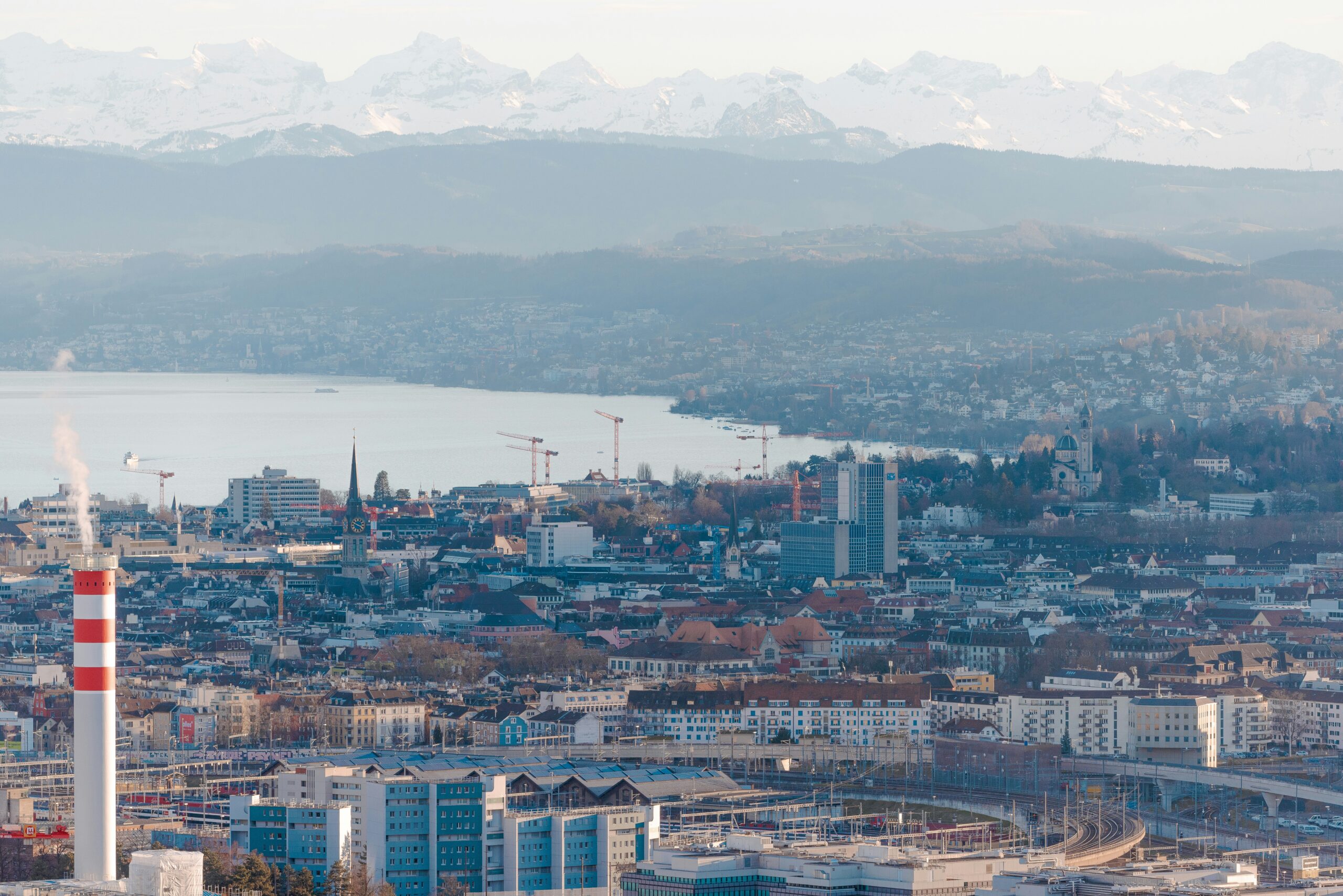
    Timber as a key building material for the development of urban areas

    Efficient use of energy and climate protection in buildings
    In view of the high energy consumption of buildings and their contribution to CO2 emissions, it is crucial to reduce energy requirements both during the construction phase and during the use of buildings. Thanks to its CO2-storing nature and efficient production methods, timber construction makes a significant contribution to reducing so-called grey energy.

    Modernisation and renovation of the building structure
    Many buildings in Germany are over 25 years old and need to be modernised and renovated in terms of energy efficiency. Timber construction offers innovative solutions here, such as adding storeys for efficient space utilisation and redensification, combined with an improved energy balance. Increasing urbanisation and rural exodus require intelligent building concepts in cities.

    Urbanisation and the role of timber construction
    Timber construction is proving to be the ideal solution for vertical and horizontal redensification. Thanks to its low weight and high degree of prefabrication, timber construction is particularly suitable for use in densely built-up metropolises.

    Timber construction is more than just a traditional construction method – it is an answer to the pressing questions of our time regarding climate protection and sustainability. Similar to concrete and steel at the beginning of the 20th century, timber construction has the potential to solve future construction tasks efficiently and sustainably and thus contribute to a more sustainable design of our urban landscapes.

  • Green cities as trailblazers for global climate impact

    Green cities as trailblazers for global climate impact

    The MCC study, published in the journal Nature Cities, highlights four key methods of CO2 removal in urban environments that could sequester one gigatonne of CO2 annually by the middle of the century. The methods analysed include adding biochar to cement, increasing the use of wood in construction, enriching urban soils with biochar and installing CO2 filters in commercial buildings. Together, these approaches could make a significant contribution to achieving net-zero urban emissions.

    Urban strategies for the climate and more
    Quirina Rodriguez Mendez, PhD student at the MCC and lead author of the study, emphasises that these techniques are of great benefit not only in terms of climate protection, but also for environmental quality and well-being in cities. For example, the use of special colour pigments and surface materials to improve the reflectivity of urban surfaces could significantly lower the temperature in cities and reduce the energy required for air conditioning systems.

    Local actions with a global impact
    The study emphasises the role of cities as “test laboratories” for climate protection, where local measures can be implemented quickly and potentially scaled up globally. Felix Creutzig, head of the MCC working group and co-author of the study, emphasises that local climate solutions, although often underestimated, can have an impressive impact and improve quality of life. The research findings offer important insights and recommendations for policymakers shaping urban infrastructure and policies.

  • ETH researches natural thermal insulators

    ETH researches natural thermal insulators

    Researchers at the Swiss Federal Institute of Technology in Zurich(ETH) have tested natural insulating materials in a project. According to an article, the group led by Guillaume Habert, Professor of Sustainable Construction, and Bruno Sudret, Professor of Risk, Safety and Quantification of Uncertainties, have found new approaches to this. They analysed six buildings in need of renovation that were built between 1911 and 1988. In addition to the core issue of replacing fossil-fuelled heating systems with sustainable ones such as heat pumps or solar-powered ones, the main focus of the investigations was on thermal insulation. Various traditional insulation materials such as EPS, glass wool, rock wool and cellulose fibres were compared with natural materials such as straw and hemp.

    “The CO2 emissions from the production of conventional insulation materials are sometimes very high, and their use in building renovations partially cancels out the positive effect achieved by reducing energy consumption,” Guillaume Habert is quoted as saying in the article. “Building materials made from renewable raw materials cause significantly fewer greenhouse gases. They also have the advantage that they bind CO2 from the atmosphere as they grow and this is then stored in the building in the long term.”

    Both heating conversions and appropriate thermal insulation with natural materials can reduce greenhouse gas emissions by 87 per cent, according to the study.

    The study was conducted in collaboration with the University of Applied Sciences Western Switzerland(HES-SO) in Yverdon-les-Bains VD and the Chalmers University of Technology in Gothenburg.

  • Neustark supplies CO2 removal solution to Microsoft

    Neustark supplies CO2 removal solution to Microsoft

    The Bern-based ClimateTech company Neustark has signed a multi-year purchase agreement with Microsoft. According to a press release, the American technology company will purchase 27,600 tonnes of carbon removal credits over a period of six years in order to play a pioneering role in CO2 removal.

    The focus is on the process developed by Neustark for the permanent removal of CO2. According to the press release, it is based on the process of mineralisation, which binds CO2. Mineral waste and recycling materials such as demolition concrete serve as permanent storage for the CO2 removed from the atmosphere. “Biogenic CO2 is separated from the biogas plants of partners, liquefied and transported to the nearby storage facilities. There, CO2 is injected into the demolition concrete granulate as an additive to the existing recycling process.”

    In this way, Microsoft wants to continue working towards the goal of a negative CO2 balance by 2030. “Neustark has developed a solution for the provision of high-quality, permanent CO2 removal. It is both scalable and measurable – helping companies move towards a sustainable future,” said Brian Marrs, Senior Director of Energy & Carbon Removal at Microsoft.

    Neustark currently has 14 capture and storage facilities in operation in Switzerland and Germany, resulting in an annual cumulative storage capacity of over 5000 tonnes of CO2. “Working with CO2 removal pioneers such as Microsoft is a major contributor to multiplying our impact and that of the carbon removal industry,” says Lisa Braune, Head of Carbon Removal at Neustark.

  • Aarau Climate Prize goes to AEW Energie AG

    Aarau Climate Prize goes to AEW Energie AG

    AEW Energie AG has won the Aarau Climate Prize 2023. The prize is awarded annually by the city council of Aarau for particularly innovative achievements, exceptional commitment or extensive projects that contribute to sustainability, explained AEW Energie in a press release. The Aargau-based energy service provider was honoured for its measures for progressive and sustainable mobility management within its own company.

    AEW Energie has set itself the goal of becoming CO2-neutral by 2040 at the latest. To achieve this, the energy service provider is focussing on CO2-neutral electricity production from hydropower, photovoltaics and wind power. However, a considerable proportion of emissions are currently generated by the mobility of the company’s employees.

    AEW Energie has also developed and implemented a series of measures in this area as part of the move from the high-rise building in Obere Vorstadt to the Aeschbach neighbourhood. On the one hand, working from home was made more flexible. On the other hand, sustainable mobility for employees was supported, for example through the provision of shared bicycles, bicycle parking spaces and electric pool cars. The various initiatives were largely driven by Nicola Ruch, Head of Business Development at AEW and Mobility Management Project Manager.

    “We are delighted to receive the climate prize from the city of Aarau,” said AEW CEO Marc Ritter in the press release. “Although we have not yet implemented everything planned with mobility management, the award recognises what we have achieved so far and we see the climate prize we have received as a great motivation to continue to consistently pursue our CO2 targets.”

  • Holcim cooperates with the largest climate incubator in North America

    Holcim cooperates with the largest climate incubator in North America

    Holcim is now working with Greentown Labs to accelerate the development of new climate technologies for sustainable construction. The premium partnership with Greentown Labs, called Terawatt, gives Holcim preferential access to promising start-ups focussing on innovative and sustainable building solutions, according to a press release. The aim is for Holcim to become an early adopter of cutting-edge technologies for the decarbonisation of the construction industry.

    Greentown Labs is the largest incubator for climate technology start-ups in North America. The business incubator, with locations in Somerville, Massachusetts, and Houston, Texas, is home to more than 200 start-ups. Since its foundation in 2011, it has supported over 525 start-ups with laboratory space, shared offices, machine and tool workshops, electronics, software and business resources and a large network of experts. Holcim is also joining the Greentown Industry Leadership Council, which provides strategic advice to Greentown on issues such as shortening the time from technology development to market.

    “The combination of Holcim MAQER Ventures, our venture capital programme, with Greentown’s outstanding selection of successful climate tech start-ups will serve as a catalyst to reinvent how the world builds for a regenerative future,” Holcim’s Head of Sustainability Nollaig Forrest is quoted as saying. Through MAQER Ventures, Holcim says it is working with hundreds of start-ups in its open innovation ecosystem and is conducting research in 15 areas, from ultra high-strength concrete to 3D printing.

  • Neustark removes CO2 from the air for ZKB

    Neustark removes CO2 from the air for ZKB

    The climate tech company Neustark will permanently remove 4,200 tonnes of CO2 from the air for Zürcher Kantonalbank. This is provided for in the six-year contract that the company, which was founded in 2019 as a spin-off of the Swiss Federal Institute of Technology in Zurich, has concluded with one of Switzerland’s largest banks.

    According to a press release, these are residual emissions that are unavoidable for ZKB and cannot be reduced in the future. According to Neustark, this agreement is “a strong signal to the market” that “more and more international and national companies are taking CO2 removal measures to achieve net zero”.

    “We are teaming up with neustark to have a large part of our residual emissions removed by their innovative and high-quality mineralisation technology,” Marit Kruthoff, CSR Manager at ZKB, is quoted as saying. “We are delighted to be working with a regionally based start-up like neustark to help scale up an innovative technology for the net zero target.”

    A total of 14 Neustark capture and storage plants are currently in operation. They remove around 5000 tonnes of CO2 from the air every year. More than 20 further plants are under construction in Switzerland, Germany and Austria. Neustark is therefore well on the way to achieving its goal of permanently removing 1 million tonnes of CO2 by 2030. Its customers include Microsoft, UBS and Verdane.

  • ETH and Climate Foundation cooperate on innovations in construction

    ETH and Climate Foundation cooperate on innovations in construction

    The Chair of Building Technology and Construction(BUK ETHZ) at ETH Zurich and the Swiss Climate Foundation will be working together in future on climate-friendly building materials and methods. According to a joint press release, the cooperation includes the assessment of funding applications received by the Swiss Climate Foundation as well as publicising the funding opportunities and the innovations being supported.

    New climate-friendly materials and construction methods are necessary for the climate adaptation of the property sector. Innovative solutions need to be tested and demonstrated in pilot projects in order to make them marketable and publicised. The BUK ETHZ will assess the practicability of innovations in addition to the Swiss Climate Foundation and thus help to minimise the residual risk. The Climate Foundation could compensate for financial weaknesses.

    “Initial applications in the construction sector are always a difficult and risky phase for new products and methods,” the two lecturers Daniel Studer and Daniel Mettler from BUK ETHZ are quoted as saying. “With this collaboration, we can make an important contribution to the transformation of the construction industry. This is demonstrated by spin-offs such as FenX or Oxara from the ETH environment, which were supported by the Climate Foundation.”

    FenX transforms mineral waste into high-performance and sustainable insulating materials for the construction industry. Oxara develops cement-free admixtures and binder technology that enables the upcycling of construction waste and excavated materials in a variety of concrete and block applications.

  • Berner Kantonalbank cooperates with Neustark

    Berner Kantonalbank cooperates with Neustark

    Berner Kantonalbank(BEKB) is promoting CO2 storage facilities in the Bern-Solothurn region. To this end, it has agreed a cooperation with the Bernese start-up Neustark, according to a press release. The aim is to support its innovative technology for the permanent storage of CO2 in demolition concrete. The aim is to remove around 1,000 tonnes of CO2 from the atmosphere in the BEKB economic area over the next ten years.

    Neustark, a spin-off from the Swiss Federal Institute of Technology in Zurich founded in 2019, is the first company in the world to put carbon removal through mineralisation in demolition concrete into commercial practice and set up a network of storage facilities, according to the press release. In the summer of 2023, the largest plant to date in the BEKB economic area was put into operation in Biberist, Solothurn. Further facilities in the region are being planned. “Through our cooperation, we are not only promoting innovative technologies to achieve climate targets, we are also contributing to the circular economy in the region and making it possible to permanently remove CO2 emissions in our own economic area,” BEKB CEO Armin Brun is quoted as saying.

    In 2022, BEKB’s operational CO2 emissions amounted to 1153 tonnes. These are to be further reduced through various measures. Through this cooperation with Neustark, the bank will permanently remove 100 tonnes of CO2 from its operational emissions in its own economic area every year from 2024. According to the information provided, these are the estimated residual emissions that are unavoidable for BEKB and cannot be reduced in the future.

  • Innovativer Akkuspeicher

    Innovativer Akkuspeicher

    Die Firma ist ein Spezialist für mobile Batteriespeicher, hat bekannt gegeben, dass sie in das Bürgschaftsprogramm des Schweizer Technologiefonds aufgenommen wurde. Dieser Fonds, der dem Bundesamt für Umwelt (BAFU), Abteilung Klima, angegliedert ist, unterstützt innovative Unternehmen, die wegweisende Technologien zur Reduzierung von CO2-Emissionen entwickeln und zur Förderung der Schweizer Wirtschaft beitragen.

    Die mobilen Batteriespeicher finden insbesondere in Branchen wie Bauwesen, Veranstaltungen und Filmproduktion Anwendung. Benedikt Domke, CEO mit Sitz in Dietikon, äusserte sich zur Aufnahme in das Bürgschaftsprogramm: “Diese Anerkennung zeigt, dass unser Engagement für wirtschaftlich und ökologisch sinnvolle Alternativen zu Dieselgeneratoren anerkannt und geschätzt wird. Mit der Unterstützung des Technologiefonds können wir unsere Skalierung, Forschung und Entwicklung beschleunigen und unser europaweites Vertriebsnetzwerk für mobile Energiespeicher in den Bereichen Bauwesen, Veranstaltungen und Filmproduktion erweitern.”

    Simone Riedel Riley, Leiterin der Geschäftsstelle des Technologiefonds, betont: “Die Produkte tragen durch den direkten Ersatz von Dieselgeneratoren zur erheblichen Reduzierung von CO2-Emissionen bei.” Das Unternehmen ist aus Axpo hervorgegangen. Ein Team von Axpo entwickelte über mehrere Jahre hinweg einen batteriebetriebenen Generator für Baustellen. Im November 2022 wurde die Technologie an ein Konsortium aus Management und Unternehmern verkauft, die das Unternehmen gründete.

  • Mobiliar invests in heat reduction in Bern neighbourhood

    Mobiliar invests in heat reduction in Bern neighbourhood

    Mobiliar is contributing CHF 450,000 to a climate adaptation and upgrading project in the Breitenrain district of Bern. According to climate measurements by the University of Bern, this neighbourhood is hotter than average. According to a statement by the insurance company, the municipal council has approved a loan of 1.3 million francs for a corresponding redesign of Optingenstrasse. “With Mobiliar’s financial contribution, we can do more on Optingenstrasse than if the city had to finance the project alone,” municipal councillor Marieke Kruit is quoted as saying.

    The plan is to plant 20 trees to combat heat accumulation and to unseal street and parking areas so that rainwater can seep away and cool the air through evaporation. To further enhance the neighbourhood, green or marl areas are to be created with bicycle stands or seating. The city is carrying out these climate adaptations as part of the renovation work of the energy supplier Energie Wasser Bern, which is planned for 2024 anyway.

    “Our approach to natural hazards is not limited to paying for damage – we are also increasingly involved in prevention,” Thomas Trachsler of Mobiliar is quoted as saying. Belinda Walther Weger, Head of Public Affairs & Sustainability at the insurance company, emphasises that sponge city projects go beyond mere hazard prevention: “They help to ensure that the quality of life in densely populated areas remains high.” For this reason, Mobiliar from the cooperative will participate in further sponge city projects in Swiss cities as part of its support for climate protection projects. “With our commitment, we want to make an important contribution to a sustainable and positive future.”

  • Heat pump market calms down

    Heat pump market calms down

    Sales of heat pumps have stabilised at a high level. This is shown by a look at the market figures recorded by GebäudeKlima Schweiz. In 2021 and 2022, the Swiss association of manufacturers and suppliers of heating, ventilation and air-conditioning technology regularly recorded over 20 percent growth in sales of heat pumps. In the second quarter of 2023, it was still up ten per cent compared to the same period last year. “This has brought some calm to the market and allows us to gradually reduce the pent-up heat pump order intake from last year,” says Luigi Di Cola, managing director of Hoval Switzerland and board member of GebäudeKlima Schweiz. In fact, delivery times of up to twelve months have been experienced in some cases over the past two years. The heat pump market has grown by more than 50 per cent since 2020 against the backdrop of higher prices for fossil fuels and the targeted energy turnaround, explains Luigi Di Cola. At the same time, the numbers for fossil heat generators dropped sharply, especially in the small output range. “However, there is still demand for larger oil and gas heaters, among other things in connection with bivalent heating systems.”

    Increase in district heating
    In response to the explosion in demand, Hoval, for example, has expanded its production of heat pumps by 300 per cent, which is now having an effect. In addition, the supply chains have also stabilised somewhat, although not yet completely. “Unfortunately, not all suppliers kept up with the expansion of capacities. The result is that sometimes specific elements, such as plate heat exchangers, are suddenly missing and we can no longer produce individual heat pump models. Or there is a lack of water storage tanks, so that the entire system cannot be installed.” According to Luigi Di Cola, however, the supply chains should continue to normalise in the coming months. The managing director of Hoval Switzerland also does not expect the growth figures for heat pumps to be as high as in recent years in the foreseeable future. On the one hand, because many system owners with lower financial and/or planning hurdles have already switched. “On the other hand, we are now seeing a strong increase in sales of district heating stations in urban areas, which of course has an influence on other heating technologies.”

    Continue to plan early
    As a homeowner, you should still think about the future of your own heating early on. The situation has calmed down on the part of manufacturers and suppliers. “But now the ordered systems are being implemented, and the workload of the installation companies is correspondingly high,” observes Luigi Di Cola. Manufacturers and suppliers are therefore doing everything they can to simplify the work of planners and installers as much as possible with good documentation and other assistance. At the same time, the Managing Director of Hoval Switzerland appeals to end customers for understanding for any installation bottlenecks that may arise and continues to advise that planning be tackled in good time with all those involved and that under no circumstances should the gas or oil heating system be removed too early.

    Source www.gebaeudetechnik-news.ch

  • Landis and swr+ merge

    Landis and swr+ merge

    The long-standing partner companies swr+ and Landis will in future operate under the joint umbrella of Landis AG. According to a media release, the newly established planning and engineering company with its 50 employees is based at Landis’ previous main location in Geroldswil. All employees from both companies will be integrated into the newly created competence network. Nothing will change for customers: the contact persons will remain the same.

    As part of a management buyout at swr+, Managing Directors Thomas Brocker, Serge Bütler, Roger Hersche, Samuel Lienhart and André Wenzinger took over the shares from sole owner Peter Rauch on July 1. In a second step, all employees will be enabled to participate in the company and its development.

    In addition to its headquarters in Landis, Landis previously had branch offices in Brüttisellen in the Glattal and in St.Gallen. The planning and engineering firm specializes in infrastructure construction, real estate and spatial development, and building law. Founded in 1948, swr+ had its headquarters in Dietikon and a branch office in Aarau. It saw itself as an interdisciplinary construction office for real estate and spatial development, infrastructure, mobility, water as well as environment and climate. In the future, this range of services and the corresponding competencies will be available from a single source.

  • 4000 scenarios for the climate change

    4000 scenarios for the climate change

    Mankind currently emits 42 billion tonnes of carbon dioxide per year. According to calculations by the Intergovernmental Panel on Climate Change (IPCC), only around 300 to 600 billion tonnes may be added since 2020, otherwise the goal of limiting global warming to 1.5 degrees Celsius will hardly be achievable. Evangelos Panos from the PSI’s Laboratory for Energy System Analysis agrees with this conclusion: “It could be close, because in 70 per cent of our scenarios the world will exceed the 1.5 degree Celsius mark in the next five years.”

    Which climate measures have the greatest success?
    Against the backdrop of climate change, numerous political, economic and social decisions have to be made. However, these are subject to numerous uncertainties. It is understandable that those responsible are looking for reliable bases for one of the central questions, for example: Which measures have the greatest effect and are also economically advantageous in order to achieve the net zero emissions target, as Switzerland has set itself, for example? Answers are now provided by a large computer simulation that was developed on this topic. It couples climate models with economic models and 1200 technologies for the provision and use of energy and for the reduction of greenhouse gas emissions. As part of the study, a supercomputer calculated 4000 scenarios for 15 regions of the Earth, taking into account possible developments in ten-year steps up to the year 2100 in each case. “This requires sophisticated data analysis and visualisation techniques,” adds co-author James Glynn, head of the analysis platform for modelling energy systems at Columbia University in the USA. The final file is 700 gigabytes. The research article on it has now been published in the trade medium Energy Policy.

    What makes the work of Evangelos Panos and the co-authors so special: For the first time, their integrated assessment models take into account many of the uncertainties inherent in the models. Previous scenarios usually assume that all parameters for the future are known, such as when which technologies will be available and what they will cost, or how large the expansion potential for renewable energies is. Moreover, IPCC calculations focus solely on technology options, i.e. on the question of what effects the choice of certain technologies will have on the climate. The uncertainties in climate models and how the climate reacts to economic growth are left out of the equation, as are many other uncertainties, for example regarding population development or political measures. “The most important contribution of our research is that it enables policy makers to make concrete decisions about climate action with full knowledge of the existing uncertainties,” emphasises co-author Brian Ó Gallachóir from University College Cork.

    18 uncertainty factors and 72 000 variables
    When researchers want to calculate scenarios that contain many variables and uncertainties, they often resort to the so-called Monte Carlo method. The Monte Carlo method does not predict the future. “Rather, it lays out a kind of data map with what-if decision paths,” says Evangelos Panos. This was also the case in the current study: the team varied 72 000 variables for each scenario. “We considered 18 uncertainty factors, including population and economic growth, climate sensitivity, resource potential, the impact of changes in agriculture and forestry, the cost of energy technologies and the decoupling of energy demand and economic development,” explains James Glynn of Columbia University.

    Sound basis for national paths to energy transition
    In order to break down individual scenarios focusing on political and economic issues to the different national paths to energy transition, additional, national-specific parameters must be taken into account. “An energy system that enables the transition to a carbon-free economy is capital intensive and requires the mobilisation of resources from all actors,” Panos sums up. This requires tailor-made analyses at the national level: “Our study provides a sound basis for this.”

  • AMAG also installs solar plant in Cham

    AMAG also installs solar plant in Cham

    AMAG Zug now also has a photovoltaic system (PVA). On 1301 square metres, 667 solar modules are expected to produce 263,040 kilowatt hours of electricity per year. According to a media release, this will be used on site for the car dealer’s own needs. Another PVA each is planned on the roof of AMAG Zug’s VW showroom and on the public AMAG car park in Cham, it said.

    In the past two years, PVA has already been installed on roofs of AMAG operations, including in Basel, Wettswil ZH, Lupfig AG, Chur, Baden AG, Etoy VD, Oftringen AG, Buchrain LU, Winterthur and Maienfeld GR. “We are proud that we are now also one of the companies within the AMAG family that have a photovoltaic system and can thus produce a large proportion of the electricity we use ourselves,” CEO Herbert Sommerhalder is quoted as saying.

    By 2025, the AMAG Group will have equipped a total of around 75,000 square metres of its roof area with solar panels as part of its sustainability and climate strategy. This corresponds to an area of around ten football pitches. According to the information provided, this will enable the company to produce more than 20 percent of its current electricity consumption itself.

  • Climate Foundation Switzerland awards 683,000 Swiss francs for innovative projects

    Climate Foundation Switzerland awards 683,000 Swiss francs for innovative projects

    The quality of the applications received by the Swiss Climate Foundation for the first round of funding in 2023 is “as high as ever”, according to a statement by the organisation. It has granted funding totalling 683,000 Swiss francs for six of them. Last year, the Swiss Climate Foundation decided on a change of strategy: since 1 January 2023, it has focused exclusively on climate-relevant innovations. In this way, “our funds develop their maximum leverage effect”, said Thomas Hügli, President of the Foundation Board, at the time. SMEs in Switzerland and Liechtenstein are eligible for support.

    In its latest announcement, the Swiss Climate Foundation cites the Sursee-based company HammerDrum as an example. It is receiving funding for its space-saving drilling technology for extracting geothermal energy. Instead of the area of a football field usually required for a deep geothermal probe, their drilling technology manages with 25 square metres, as is usual for two parking spaces. This gives even large properties in confined urban spaces the opportunity to switch to CO2-neutral geothermal energy.

    Overall, the balance of this first pure innovation year is strong, even if the influx of projects has declined as expected, says the press release, which also presents the 2022 annual report. Four new companies joined as partners last year: Mirabaud as well as the Graubündner, Basler and Basellandschaftliche Kantonalbank. This means that 31 companies in Switzerland and Liechtenstein are now involved in the Swiss Climate Foundation. They finance the Climate Foundation with the refunds they receive from the CO2 tax.

    This year, the Climate Foundation is celebrating its 15th anniversary with two events: on 25 July in Zurich at the Allianz Cinema Night and on 13 September at the Raiffeisen Forum in Bern.

  • Bern is to get the greenest alley in Switzerland

    Bern is to get the greenest alley in Switzerland

    The Institute of Plant Sciences at the University of Bern wants to contribute to coping with climate change and biodiversity loss. To this end, the institute is tackling a project in Bern’s old town together with business partners and residents. Here, the Postgasse, a listed building, is to be transformed into the greenest alley in Switzerland, the University of Bern informs in a statement.

    “We are supporting residents in greening their own windowsills and outdoor areas with suitable plants,” project initiator Matthias Erb is quoted as saying in the statement. Afterwards, the researchers from the University of Bern want to study the effects of greening on the ambient temperature, biodiversity, water balance and quality of life in the Postgasse. “The collected data and experience from this pilot project should help Bern and other cities in the future to increase their sustainability and attractiveness even more quickly and easily,” explains Armin Komposch from the Institute of Plant Sciences.

    The companies Baumschule Gartenpflanzen Daepp, Ricoterand Zollinger Bio are contributing plants, seedlings and soil to the project. Plant containers with automatic irrigation are contributed by Boum AG. The young Bernese company was founded in 2021 as a spin-off of the University of Bern.

    The official start of the project is a planting day on 6 May. Here, interested residents can pick up plants, soil and pots to green the Postgasse as they see fit. The residents themselves are to take over the subsequent maintenance.

  • Ecospeed develops software for CO2 balancing of hospitals

    Ecospeed develops software for CO2 balancing of hospitals

    Ecospeed AG will soon begin the so-called roll-out of its software for CO2 balancing of hospitals. According to a media release, the development work is almost complete. “Our goal is to provide hospitals and their operating companies with a very easy-to-use software for the overall balancing of greenhouse gas emissions,” Ecospeed CEO Christoph Hartmann is quoted as saying. “We are building an industry-specific platform for this task.”

    As Hartmann further explains, each hospital will be able to use the software “to determine its individual ‘Corporate Carbon Footprint’. This will enable hospitals to identify fields of action and plan paths for gradual decarbonisation.” It can also be used to document successes. In addition, the hospitals would comply with the future CSR reporting obligation, with which companies in the EU must disclose from 1 January 2024 how and to what extent they fulfil their responsibility with regard to their impact on society and the environment.

    The first pilot customer is a hospital association with 17 clinics in the German state of North Rhine-Westphalia. Initial results are already available. “In terms of direct emissions, there are big differences that can be attributed to the condition of the building envelope and the age and condition of the heating systems,” says Hartmann. “Scope 3 emissions, however, are significantly higher, caused in particular by purchased materials and transport. The collected and processed data give the clinics clear indications of where there is potential for improvement.”

  • New white paper on ‘Climate-conscious building’

    New white paper on ‘Climate-conscious building’

    Climate change is causing summer temperatures to rise in Switzerland. This is particularly apparent in densely built cities with extensive sealed surfaces. Buildings and their surroundings must be designed to offer a comfortable quality of life in the climate of the future. ewz’s new white paper on ‘Climate-conscious building’ offers an overview of this topic. The publication serves as a knowledge base and inspiration for construction in the context of climate change and is free to download here.

    Focus on cities
    Green spaces with shady trees and cold air corridors intended to bring cooling are often either entirely absent or inadequate, meaning heat islands form in urban areas – where temperatures can be up to ten degrees higher at night than in surrounding areas. A catalogue of measures tailored to each specific location is needed to counteract this heat island effect. Important principles for eco-friendly urban planning and building include building position and sizing, green areas, facades and roofs, and shading.

    Copyright Roland Bernath

    Moderate window proportions
    It’s not just exterior spaces that need to be planned and built in a climate-conscious way, but also the buildings themselves. To keep interiors as cool as possible when external temperatures rise, parameters such as building orientation, window surface areas and the building’s retention capacity are critical, starting at the design stage. Solid ceilings and floors, for example, store heat due to their mass and the room temperature rises more slowly. Windows also need special attention. Large-scale glazing is beneficial in that it lets abundant natural daylight into the interior and keeps solar heat input high in winter. In summer, however, this heat is undesirable. It is therefore recommended to avoid floor-to-ceiling windows as far as possible, and to strike a balance between aesthetics and comfortable temperatures. A window proportion of up to 30 per cent in residential buildings and up to 40 per cent in office buildings is a benchmark.

    Ventilation and cooling
    During long periods of hot weather, even a well-planned building heats up. It is extremely effective to dissipate the accumulated heat at night. This can be achieved by cross-ventilation, for example. Even better is to design a building that develops a chimney effect. Ventilation flaps in the façade – adjacent to the windows, for example – allow cool outside air to enter the interior and then discharge through an opening in the roof by way of the stairwell. Solutions like this entail no or minimal additional costs and work more efficiently than air conditioning units.

    Unlike residential buildings, today’s office buildings are often equipped with cooling systems. This is due to the high internal loads produced by users and IT infrastructure, not to mention the high proportion of glass in the façades. There are office buildings whose requirements for cooling and heating energy are now already identical. By 2100, office buildings could require up to ten times more energy for cooling than for heating, depending on climatic developments. This would presumably increase operating costs significantly and make it more difficult to operate buildings economically.

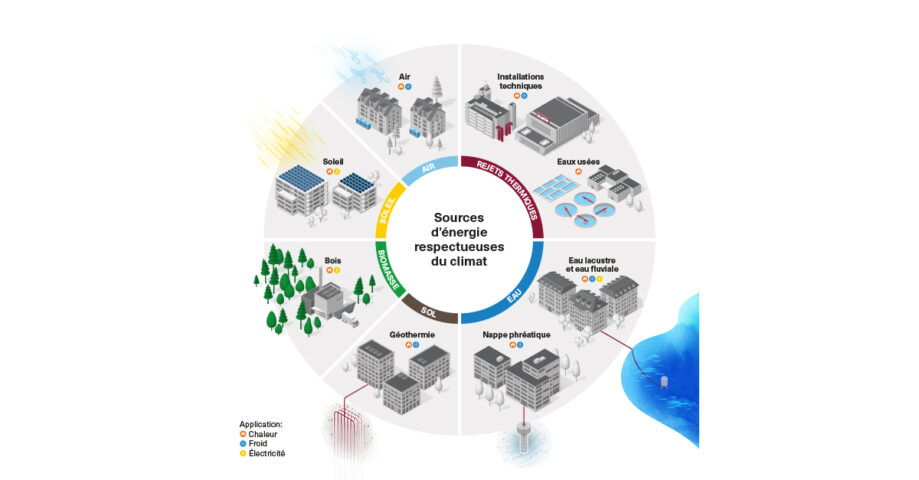
    An array of local energy sources
    Environmentally friendly passive cooling is ideal for meeting the basic cooling requirements of office and residential properties. Known as free cooling, there are various energy sources in Switzerland that are suitable for this.

    Geothermal heat accessed via probes is often used. In winter, thermal energy from the ground is used as a heat source, while in summer it serves also for cooling, because required temperatures are significantly below room temperatures. Lake water is another particularly suitable energy source, as the many Swiss lakes provide a valuable thermal storage mass. Because their shores are often densely populated, the lake water can be efficiently used to supply numerous buildings.

    Whether it comes from geothermal probes, lake water or other sources, it is crucial that cooling uses as little energy as possible. So it’s a good idea for building owners, investors and architectural specialists to discuss this issue with an energy service provider such as ewz as early as possible and see which options are feasible. This enables the construction of buildings that can offer high comfort levels even in the hot summers of the future, without placing an additional burden on the environment.

    Environmentally friendly heating remains important
    It is important to bear in mind that the cooling energy needed for residential buildings is relatively low compared to the heating required. Decarbonisation of heat supply must therefore remain a priority in order to achieve net zero. Sustainable heating is not a problem nowadays, with various technically mature and economically attractive renewable heating systems available.

    The ‘Climate-conscious building’ white paper provides in-depth information, detailed insights and a range of best-practice examples highlighting specific solutions for tackling this issue. The new white paper is free to download for all interested parties.

    https://www.ewz.ch/en/business-customers/real-estate.html

  • Kick-off for the energy film Züri 2022

    Kick-off for the energy film Züri 2022

    After last year's success, more than 40 young people in a total of 20 teams will compete in this year's energy film Züri. For six months, the participants produce professional film spots for the climate. On November 18, 2022, there will be a big showdown in front of the audience at the Abaton cinema: a top-class jury chaired by Zurich City Councilor Michael Baumer will select the best commercials and award the coveted film prizes.

    ideas for climate protection
    This year's edition of the Energy Film Züri started with a first workshop for the participants. Rainer Schöne, member of the management board of Energie 360°, called out to the young people in his brief greeting: “We need you. The climate needs you. Ideas are needed from all of us on how to keep our future worth living in."

    Silvia Banfi Frost, Energy Commissioner for the City of Zurich, stated: «I am delighted that the energy film Züri is such a success and that it is taking place for the second time. It's just great to see the commitment with which the young people are committed to the climate. That gives courage."

    Big award
    The young people taking part are between 13 and 18 years old and mostly come from the canton of Zurich. Alone or in a team, they produce a one-minute spot that focuses on climate protection. All submitted films will be premiered in front of an audience on November 18, 2022 at the big award ceremony in the Abaton cinema. The best films will be awarded. Both the best film and the best idea are awarded. Additional categories are the Audience Award and the Online Award. The winning films will run as commercials in Zurich cinemas for a month in 2023. In addition, the creators get an exclusive appearance at the Zurich Film Festival, which is the official partner of Energiefilm Züri. Christian Jungs, director of the Zurich Film Festival: «The energy film Züri and the Zurich Film Festival go together perfectly. The young people gain experience in making films, and at the same time we are all committed to a really good and important cause. The energy film Züri is great.»

    Professional support
    The young people are supported in the production of the spots by professional coaches. During the entire production and at special workshops, they benefit from the knowledge of internationally established filmmakers. The films will be judged by a jury chaired by City Councilor Michael Baumer. Other members of the jury are the Zurich actress Nadine Michelle Arnet, Christian Jungs, Director of the Zurich Film Festival, Jörg Wild, CEO Energie 360°, Silvia Banfi Frost, Energy Commissioner of the City of Zurich and film director Karin Heberlein.

    Future is sustainable
    Energy 360° is committed to a sustainable energy future. For this reason, the company also wants to make the creativity of young people more heard. CEO Jörg Wild: "The uniqueness of the earth is in the foreground in the Energy Film Züri but also in our daily work. Energie 360° works daily on innovative, sustainable energy solutions for the future. The energy film Züri offers the right stage for the ideas of young people.» The winners of the best idea will also be specially invited to visit the Energy 360° innovation lab, the lab360.

  • Building program paid out record sum

    Building program paid out record sum

    According to a press release from the Swiss Federal Office of Energy ( SFOE ), around 361 million francs in subsidies for energy-efficient building refurbishment were approved by the federal government and the cantons in 2021. This is the highest amount that has been invested in renovation and new construction projects since the program was launched. Compared to 2020, the funding amount has increased by CHF 62 million.

    Thermal insulation projects, which were funded with CHF 126 million, received the largest amount. The highest increase of 70 percent compared to 2020 was achieved by building services projects, which received CHF 106 million in grants. The commitments for energy-related measures that will be implemented over the next five years have reached a new high of CHF 490 million.

    The high demand for subsidies can be attributed to the broad approval of owners for energy-efficient renovation of their properties or new builds. According to calculations, the measures approved in the year under review will lead to a reduction in energy consumption in buildings throughout Switzerland by 6.5 billion kilowatt hours and lower CO2 emissions by around 1.8 million tonnes over their lifetime.

    According to the statement, the building program has proven to be an effective instrument of Swiss energy and climate policy. A total of around CHF 2.7 billion has been paid out under the funding program since its introduction in 2010. The building program also has a positive effect on the economy. In 2021, 2,300 full-time jobs and around CHF 97 million in additional domestic value were created.

  • UBS works with Climeworks and neustark

    UBS works with Climeworks and neustark

    UBS has entered into a long-term collaboration with Climeworks and neustark . According to the UBS press release , the two cleantech companies are to permanently remove a total of 39,500 tons of CO2 from the atmosphere for the bank. The agreement has a term of 13 years. It is intended to give Climeworks and neustark planning security and make a contribution to UBS's net-zero goal by 2025.

    Both Climeworks and neustark are spin-offs from the Swiss Federal Institute of Technology in Zurich . Both are dedicated to permanently removing CO2 from the air, but with different methods.

    Zurich-based Climeworks is now one of the so-called unicorns with a market capitalization of over CHF 1 billion. The company captures CO2 from the air at its Orca facility in Iceland, powered by renewable energy. It is then stored underground in basalt rock for thousands of years using the Carbfix method. Orca is the largest carbon capture and storage facility in the world.

    Neustark from Bern permanently stores the CO2 extracted from the air in recycled concrete. The concrete granulate enriched in this way allows the cement content in fresh concrete to be reduced and improves its climate balance by around 10 percent. This enables neustark to produce what it says is the most climate-friendly concrete in Switzerland.

    "With this commitment, UBS shows its pioneering role in the area of climate protection and hopefully inspires others to follow this example," said Valentin Gutknecht, co-founder and co-CEO of neustark. "Long-term off-take agreements are an important prerequisite for the much-needed expansion of carbon capture technologies."

  • Biochar makes the Swiss more sustainable

    Biochar makes the Swiss more sustainable

    The Swiss Wrestling and Alpine Festival ( ESAF ), which is held every three years, will take place in Pratteln from August 26th to 28th this year. Subsequently, Industrielle Werke Basel ( IWB ) will process the 245 cubic meters of sawdust used for the sawdust rings and the wood chips from other areas of the festival site into around 8 tons of biochar, IWB informed in a statement . Around 20 tons of CO2 are stored long-term in this biochar. The project is part of the federal government's sustainability strategy.

    Sawdust is in itself a climate-friendly material because it is CO2-neutral, explains IWB. However, the conversion into biochar further improves the CO2 balance. Because the biochar obtained in the pyrolysis process in the absence of oxygen and at temperatures of 600 degrees Celsius removes the CO2 from the atmosphere over the long term. As a "welcome by-product", the pyrolysis also produces waste heat, which IWB feeds into the district heating network.

  • Implenia wins complex real estate projects in western Switzerland

    Implenia wins complex real estate projects in western Switzerland

    Alternatives beyond the results of last year's strategy review should be considered, particularly given the changed economic and market environment. The goal of the review is to create a more focused, agile group with a significantly lower absolute cost base that can deliver sustainable returns to all stakeholders and provide superior service to clients.

    Renovation of the headquarters of an international organization in Geneva
    Implenia has had the privilege of completely renovating the historic headquarters in Geneva for an important international organisation. The project will last about two and a half years. The work includes, among other things, the adaptation of the facades and the security installations to the current standards, a complete redesign of the general rooms and the 1,200 workplaces and the modernization of the technical equipment and installations.

    Implenia won the project as general contractor in a competition based on a previous mandate as overall planner and a new building that had already been built for this international organization. The aim of the project is to preserve the historical heritage while maintaining high architectural quality. The refurbished building is designed to meet strict sustainability requirements and was planned using BIM. The execution is done with Lean Construction.

    PULSE – two new buildings for production and research in Cheseaux-sur-Lausanne
    As total contractor, Implenia is constructing two new four-storey buildings for production and research in bio-pharmaceuticals, life sciences and other sectors in Cheseaux-sur-Lausanne for the client, which belongs to the EPIC Suisse AG group. The two buildings are connected by two shared basements. They are being built as a shell and the areas will be partially fitted out according to the wishes of the future tenants. The new buildings will be built to the Minergie standard and BREEAM-good certification is being sought. The project was planned with BIM and executed with Lean Construction. The work, which will start in the summer of 2022, will take around two and a half years. You can find more information about the project at discover.pulse.swiss.

  • Miromico manufactures 26,000 climate sensors for Ecco2

    Miromico manufactures 26,000 climate sensors for Ecco2

    Ecco2 is increasing its production volume from over 11,000 in the past two years to 26,000 climate sensors. As a provider of intelligent solutions for buildings, the company based in Givisiez wants to reduce the consumption of heating energy. These sensors are manufactured by the Zurich high-tech company Miromico , which focuses on development services for integrated circuits, electronic systems and the Internet of Things. As stated in amedia release , Miromico has been Ecco2’s “trustworthy hardware manufacturer” for years.

    With the increased production volume, Ecco2 wants to tackle energy savings of up to 4,000,000 square meters of heated space from 2023, according to its Head of Operations, Alain Wagnières. With this production capacity, Ecco2 can fulfill its vision of saving 50,000,000 kilowatt hours of energy annually by next winter.”

    In Switzerland this year, Ecco2 won the Prix d’Innovation in the digital category at the annual event for real estate professionals, Rent Switzerland . The company was also awarded the Swisscom IoT Climate Award 2022 in silver.

  • AKB Green Mortgage finances climate buildings

    AKB Green Mortgage finances climate buildings

    The Aargauische Kantonalbank ( AKB ) is expanding its mortgage product to include all environmentally friendly properties. According to the press release , since May 2nd it has been financing not only owner-occupied residential properties but also all thermally regulated investment properties as well as business and commercial properties with the certified AKB Green Mortgage. From the perspective of the cantonal bank, this is particularly interesting for small and medium-sized enterprises (SMEs). “With the product expansion to business and commercial properties, we now also offer a sustainable, attractive financing solution for SMEs,” Patrick Küng, Head of Corporate Customers & Institutional Banking at AKB, is quoted as saying.

    With the AKB Green Mortgage, AKB promotes environmentally friendly construction activity and in this way supports the reduction of greenhouse gas emissions from buildings, according to the cantonal bank. With terms of two to ten years, the AKB Green mortgage offers a significant interest rate advantage over the standard interest rates of conventional fixed-rate mortgages. AKB is expected to launch another Green Bond to finance the AKB Green Mortgage over the course of the year.

    The report on the effect of the Green Bond states that in 2020 and 2021 a reduction of around 490 tons of CO2 was achieved with the sustainable mortgage offer for owner-occupied residential property. That corresponds to the annual CO2 emissions of around 393 new, commercially available passenger cars.

  • Climate neutral by 2050

    Climate neutral by 2050

    Many homeowners cannot afford a renovation. Long-term loans are now intended to support builders who want to make their property climate-friendly but do not have sufficient financial resources or prefer to invest their money in their core business. At least that's what the state wants. Whether and how this can be done remains questionable. Because the financial institutions intended for this, such as banks and insurance companies, are hardly interested in loans with terms of more than 30 years. The federal government therefore wants to act as a security guarantor. A pilot project in Berne is now to examine whether this financing idea is realistic.

    The Zuger Energeek Group AG proposes another way. "With Energeek®, the solar panel with rental for you", she gets people to invest in solar energy, whether they own real estate or not. Energeek provides the solar panels and the real estate projects. Anyone who wants to invest can buy one or more panels online and then rent them out to a project company. Upon purchase, the buyer also benefits immediately from the one-time payment (EIV), the federal subsidy for solar systems. The panels acquired will be integrated into a larger panel network that generates electricity sustainably; the buyer of these panels thus becomes a producer of electricity through renewable energy with the right to rental income. A minimum rental price is guaranteed when the contract is signed. However, upward rent adjustments are possible at any time. For example, when the price of electricity rises with inflation. The purchased solar panels can also be resold, inherited or given away at any time together with the rental agreement and the associated rental income.

    Another big advantage: so that solar panels and the projects work very efficiently, solar trackers are used whenever possible and in addition to the permanently installed PV area. With these, the panels are not permanently installed, but rotate according to the sun. This means that, for example, the morning and evening sun is also optimally used. Or discover the smallest gap in the cloud on a cloudy day and use it to generate electricity. This achieves an increase in production of an additional + 63% kWh on average. This in comparison to permanently installed solar panels.

    Energeek Group AG presents the projects for which solar panels can be purchased on its website. The buyer can decide for himself which project the acquired panels should be rented to. For example, a project on a horse farm and hotel in the Freiberge is currently on offer. There, the group, together with its certified partners, will set up photovoltaic systems on a planned area of 1,590 square meters and thus supply the hotel building infrastructure, neighbors, heat pumps and e-charging station(s) with electricity. A panel in this project currently costs a little more than CHF 900, the annual rental income is CHF 82.50. A respectable return.
    More information at www.energeek.biz