Tag: klimaschutz

  • Zurich strengthens energy transition with 60 million program

    Zurich strengthens energy transition with 60 million program

    Buildings are among the biggest energy consumers in the canton of Zurich. Around 40 percent of energy requirements and a third of CO₂ emissions are attributable to this area. However, a lot has changed in recent years. Technical innovations, the CO₂ levy and cantonal regulations are having an impact.

    With the energy subsidy programme, the canton is creating additional incentives to replace fossil fuel heating systems, insulate building shells or modernize heat distribution systems. Demand for subsidies remains high, fueled by the revised Energy Act of 2022.

    Financial framework until 2029
    The cantonal government is now requesting CHF 60 million from the cantonal council to continue the program. These funds are to be supplemented with shares from the CO₂ levy and from the national impulse program. Provided the federal benefits are not reduced, this will result in a total budget of up to CHF 286 million for the years 2026 to 2029.

    The focus is on measures in the building sector. Advice and information services will also be supported, particularly for owners who want to renovate their properties to make them more energy efficient or are looking for alternatives before the statutory ban on electric heating systems from 2030.

    Focus on innovation and biogas
    In addition to traditional building renovations, the canton will increasingly promote innovation in future. One million francs per year is available for pilot projects that test new technologies and processes for efficient energy use or storage. A further CHF 250,000 per year will go towards the promotion of biogas from agricultural facilities. A promising energy source for industrial high-temperature processes.

    In this way, the energy promotion program combines climate protection with regional value creation. It strengthens innovation and at the same time acts as a lever on the way to net zero in Zurich’s building stock.

  • Innovation for building refurbishment sets new standards across Europe

    Innovation for building refurbishment sets new standards across Europe

    HeiQ receives the German Sustainability Award for Products for its Xpectra technology, as detailed in a press release. The coating is sprayed onto buildings and reflects up to 74 per cent of heat radiation. According to the jury, the spray coating makes it easier to retrofit existing buildings in particular: “With this award, the jury is highlighting an innovation that shows how material-efficient technologies can simplify and accelerate the energy-efficient refurbishment of buildings and thus make an effective contribution to climate protection.”

    Xpectra is managed within the Schlieren-based HeiQ Group by HeiQ Xpectra GmbH, which is based in Regensburg, Germany. HeiQ will accept the award on 4 December in Düsseldorf. The company is now planning to scale the technology in Europe, North America and the Asia-Pacific region. “The German Sustainability Award is a successful example of HeiQ as an innovator of deep-tech materials and of our joint commitment to innovation and sustainability,” Oliver Zech is quoted as saying. He is the CEO of HeiQ RAS AG, which is also based in Regensburg. “The award strengthens our position on the market and opens up new opportunities for joint marketing.”

    HeiQ is a spin-off of the Swiss Federal Institute of Technology in Zurich, is based at the IJZ Innovation and Young Entrepreneur Centre and is a member of Start Smart Schlieren.

  • Clay celebrates its comeback

    Clay celebrates its comeback

    Clay has been tried and tested for thousands of years, consists of local clay, silt and sand, can be used without energy-intensive firing processes and is available in almost unlimited quantities. In contrast to concrete, the production of which causes considerable CO₂ emissions by burning limestone, loam scores points with its minimal energy consumption during extraction and processing. According to estimates from various sources, the production of concrete generates an average of 800-900 kg of CO₂ per tonne, whereas clay often only produces a tenth of this and usually none at all, provided it is dried naturally

    The clay pavilion in Horw
    As part of the “Think Earth” programme, ETH Zurich, HSLU and industrial companies are working together to bring clay and wood into innovative applications as a material base. One milestone is the clay pavilion in Horw, where clay and wood elements are combined in hybrid form with recycled Oulesse, a mixed demolition material developed by Oxara. The prototypes are created in close collaboration with the construction industry and students. The aim is to create modular, prefabricated clay building components with reliable strength, versatile and deconstructable, for multi-storey residential construction and flexible architecture

    Advantages, challenges and recycling potential
    Earth is not only energy-saving, but can also store CO₂, especially when organic additives are added – it can even have a climate-positive effect. Earth building materials can be easily separated and reused when buildings are dismantled. The recycling process is not costly and enables a genuine circular economy.

    Clay is already available in abundance regionally as excavated clay or as a by-product (“filter cake”) from gravel and excavation washing. So far, widespread use has failed mainly due to a lack of standardisation and market maturity. The “Think Earth” project partners are now working intensively on this

    Clay construction hybrid solutions are still more cost-intensive than conventional concrete construction, but advances in industrial production, material mixing and quality assurance are increasingly bringing them within reach for the masses

    From niche to standard?
    Researchers at HSLU and ETH Zurich are working on the standardisation of the new hybrid earth building elements, so that market entry in the next ten years is realistic. The industry is showing great interest. Especially because “waste” from excavations is becoming a key raw material. With clay, wood and intelligent hybrid technologies, a building principle is available that conserves natural resources, offers climate benefits and still enables architectural diversity. Clay is experiencing an innovation and image revival. “Think Earth” and the earth pavilion show how research and the construction industry are working together to deliver solutions for the building revolution. A small ecological footprint, circular potential and healthy living are more than just a trend – they mark the path to urban building culture in the 21st century.

  • Basel tests CO2-free operation of construction sites

    Basel tests CO2-free operation of construction sites

    The Department of Construction and Transport of the Canton of Basel-Stadt is analysing possibilities for the electrification of construction sites on the basis of a pilot test. In cooperation with Lucerne University of Applied Sciences and Arts, the planning office EcoForce GmbH from Schötz LU and partners, the department is working on the basis for the future use of electric construction machinery, according to a joint press release.

    As a first step, an above-ground waste collection point for glass, tinplate, aluminium and batteries in Spalenring will be replaced by an underground one in Hegenheimerstrasse from the end of August until the end of October 2025. If collection containers are located below ground level, they are “more user- and disabled-friendly, cause less noise, blend in better with the cityscape and need to be emptied less frequently thanks to their larger capacity”.

    According to the information provided, the construction of a recycling collection centre with electric construction machinery serves as a test environment. “From the excavator to the wheel loader to the dumper”, the machines run purely electrically. The aim is for the Department of Construction and Transport to gain insights into the technical and organisational requirements for the electrification of future civil engineering projects.

    In order to draw a comparison with conventional construction sites, a second underground recycling collection point at St. Johann-Platz is being built with diesel machines. The CO2 emissions, electricity requirements and noise emissions as well as infrastructure requirements are of interest. Step two involves working with regional construction companies to draw up a concept for the necessary adjustments when converting to electric operation. According to the cantonal climate protection strategy, the operation of construction sites in the canton of Basel-Stadt should be CO2-neutral from 2037.

  • Climate fund Stadtwerk Winterthur awards grants

    Climate fund Stadtwerk Winterthur awards grants

    The Stadtwerk Winterthur climate fund is awarding 70,000 Swiss francs for environmentally friendly projects this year, according to a press release. The climate fund has been supporting climate protection, energy efficiency and CO2 reduction projects since 2007.

    Next Gas GmbH, based in Kloten, will receive a sum of 30,000 Swiss francs. It develops biogas reactors for small and medium-sized farms. This utilises the potential of liquid manure to generate decentralised heat and electricity. The funding will be channelled into a pilot project in which Next Gas’s fermentation process will be tested during ongoing operations.

    A pilot project organised by the Soily association will be supported with CHF 20,000. Here, a special compost with an ideal mixture of microorganisms is being tested on farms in the Winterthur region. A test field of 50 square metres will initially be set up for this purpose.

    SimpleTrain GmbH, based in Wallisellen, offers an online platform for international train journeys. The expanded platform will also enable bookings for routes that were previously not connected. With the support of Klimafonds Stadtwerk Winterthur, specific routes such as the one from Winterthur to Barcelona via Lyon will be offered. SimpleTrain is also receiving support totalling CHF 20,000 for the project.

    The fund is financed in part by voluntary contributions from electricity customers amounting to 2 centimes per kilowatt hour consumed. For an average household of four, this amounts to CHF 8 per month, according to the press release.

  • EMPA wins Building Award 2025

    EMPA wins Building Award 2025

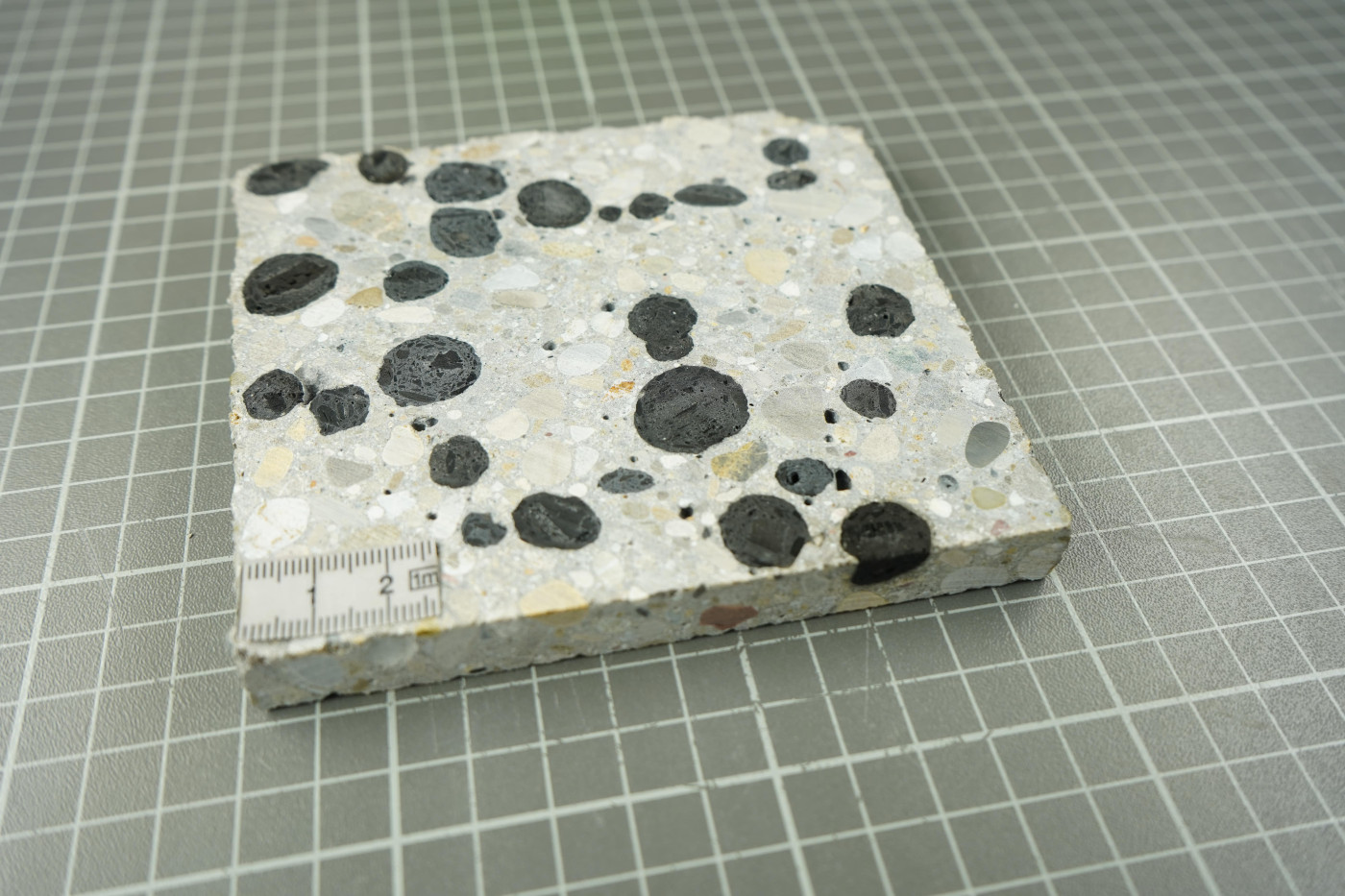
    Cement production accounts for around 8 per cent of global CO₂ emissions, a huge lever for climate protection. This is precisely where Empa comes in. With CO₂-storing concrete, to which specially developed carbon pellets made from biochar are added. These replace part of the conventional aggregate. The trick is that the pellets absorb CO₂ and can act as a permanent carbon sink without negatively affecting the building material properties. This makes the concrete not only climate-neutral, but also potentially CO₂-negative, while remaining suitable for practical use in building and infrastructure construction.

    Outstanding engineering achievement with prospects
    Empa was honoured with the Building Award in the “Research, Development, Start-ups” category for this innovation at the end of June 2025. The most important prize for civil engineering in Switzerland. The award ceremony at the KKL Lucerne honoured outstanding projects that bring science and practice together. Empa impressed the jury with a solution that has the potential to significantly improve the carbon footprint of entire construction projects with a view to industrial feasibility.

    Pilot project already planned
    The Empa team led by Pietro Lura and Mateusz Wyrzykowski is already working with partners to further develop the CO₂-negative pellets for market use. Initial applications are in preparation, including in the NEST unit “Beyond Zero”, a module of the experimental research building of Empa and Eawag. There, CO₂-reduced and CO₂-negative building materials are tested under real conditions, which further emphasises the practical relevance of the research.

    CO₂ as a raw material of the future
    Concrete innovation is part of a broader strategy. With the “Mining the Atmosphere” research initiative, Empa is pursuing a visionary goal of transforming the economy towards a CO₂-based material cycle. The concept is to capture CO₂ directly from the atmosphere and convert it into chemical raw materials such as methane or methanol. These in turn replace fossil raw materials in the production of building materials or energy sources. At the end of their life cycle, the products are to be bound in special storage sites, a long-term storage facility for carbon.

    Foresight for construction, energy and the economy
    The approach extends far beyond the construction industry. In future, synthetic methane could be used to overcome seasonal energy imbalances and replace CO₂-intensive materials. The prerequisite is a close interlinking of materials research, process development and economic scalability. In addition to technological progress, Empa is therefore also calling for regulatory framework conditions that make CO₂ capture economically attractive.

    Innovative strength as a lever for transformation
    Empa’s award marks more than just a scientific success. It symbolises change in the construction industry. CO₂-storing materials are no longer a distant vision, but concrete tools for the construction turnaround. This could transform the industry from a problem creator to part of the solution and help buildings to actively stabilise the climate in the future.

  • Municipality of Thalwil relies on district heating with new heat supply

    Municipality of Thalwil relies on district heating with new heat supply

    Wärme Thalwil AG was founded in February 2025 to provide the population with a climate-friendly district heating supply. According to a press release, the company is the result of a collaboration between the municipality of Thalwil and Elektrizitätswerke des Kantons Zürich(EKZ). Thalwil holds a 49 per cent stake in the new company and EKZ holds 51 per cent. The foundation was preceded by a referendum in September 2024, in which 79.8 per cent of voters voted in favour of the new company.

    “By founding Wärme Thalwil AG, we are sending a clear signal in favour of a resource-conserving and climate-friendly heat supply in our municipality,” said Andy Fellmann, municipal engineer of Thalwil, in the press release. “In addition, the collaboration between the municipality and EKZ allows synergies to be utilised and the existing infrastructure to be developed efficiently.”

    Martin Nicklas, Chairman of the Board of Directors of Wärme Thalwil AG and Head of Energy Solutions and Energy Contracting at EKZ, states that the aim of the new company is to supply 3,000 residents with sustainable heat. The next step is to create an additional heating network, a decision on which is to be made in 2026.

  • New technology permanently stores CO₂ in recycled concrete

    New technology permanently stores CO₂ in recycled concrete

    Neustark and the joint venture RECULAR of the Oettinger Group and peterbeton are joining forces for the permanent storage of CO2 in recycled concrete. RECULAR, based in Baden-Baden, has tested Neustark’s technology for binding CO2 in granulate from demolition concrete in a pilot plant in the Karlsruhe region over the past few months, Neustark announced in a press release. On 26 February, the partners presented the technology and the initial results from the pilot plant at an event.

    The pilot project forms the basis for further collaboration between Neustark, the Oettinger Group and peterbeton. “We can store an average of 10 kilograms of CO2 per tonne of demolition material, making it a CO2 sink,” Thomas Karcher, Managing Director of peterbeton, is quoted as saying in the press release. His company is responsible for processing and distributing the CO2-enriched recycled concrete in the project. The Oettinger Group is responsible for procuring and processing the demolition concrete.

    “We are delighted to be working with our partners Oettinger and peterbeton to open the first CO2 storage facility of its kind in Karlsruhe and the third in Germany,” explains Valentin Gutknecht, co-founder and co-CEO of Neustark. “This project shows how innovative technologies and local collaboration can shape the future.” There are currently 29 systems with Neustark technology in operation in Europe. Neustark is also involved in the planning or construction of a further 30 plants.

  • Digital building solutions company receives top marks for climate protection

    Digital building solutions company receives top marks for climate protection

    KONE has received an A grade from the Carbon Disclosure Project (CDP) for outstanding environmental transparency and climate protection measures. The global manufacturer of lifts, escalators and automatic doors, which is based in Espoo, Finland, and has its Swiss headquarters in Brüttisellen, is one of the few companies out of a total of 25,000 to receive a top grade, KONE announced in a press release. In addition, CDP has awarded the company an A or A- rating for the twelfth time in a row. KONE sees this as confirmation of its consistent sustainability and environmental management.

    “It is an honour for us to receive a place on CDP’s prestigious A-list for climate protection,” Kirsi Simola-Laaksonen, Senior Vice President Sustainability and Environment at KONE, is quoted as saying in the press release. “We are accelerating our efforts to reduce our carbon emissions and help our customers decarbonise.” For example, KONE’s technologies help to reduce the energy consumption of lifts, explains the KONE manager.

    In its own operations, KONE has committed to halving its operational emissions (Scope 1 and 2) by 2030 compared to 2018. Indirect emissions from the value chain (Scope 3) are to be reduced by 40 per cent over the same period. Last year, KONE’s operational emissions were already 29 per cent lower than in the base year 2018. At the same time, Scope 3 emissions were reduced by 12.8 per cent. In addition, KONE was “the first company in the industry” to achieve “carbon-neutral production units worldwide” as early as summer 2023, according to the press release.

  • Basel area funding to continue until 2030

    Basel area funding to continue until 2030

    The Basel-Stadt energy package has proven to be an effective instrument for supporting energy-efficient renovations and the expansion of renewable energies. The current spending authorisation expires at the end of 2025. The cantonal government is therefore applying to the cantonal parliament for an extension of the programme for the years 2026 to 2030 with a funding volume of CHF 51.25 million.

    The future design of the funding measures is based on the 2022 energy planning report and includes new incentives in addition to the continuation of proven programmes. These include energy-related operational optimisation for residential buildings, subsidies for the 1:1 replacement of old heating systems, the regeneration of geothermal probes, bonuses for combined roof and façade renovations with photovoltaics and the promotion of charging infrastructure in multi-party buildings. Municipalities are also to be supported with certification as energy cities.

    Positive impetus for the economy and climate protection
    The energy package has seen high demand in recent years, particularly after the record year of 2022. The support measures provide economic impetus, from which small and medium-sized enterprises in particular benefit.

    An intercantonal comparison shows that the Basel-Stadt energy package has an above-average impact and makes a significant contribution to cantonal energy and climate policy. The cantonal government will report to the cantonal parliament on the utilisation of the funds and the CO₂ impact of the programme halfway through its term.

    With the planned extension, the Basel-Landschaft energy package remains a key instrument for climate protection and sustainable development in the canton of Basel-Landschaft.

  • AI offers companies opportunities in climate protection

    AI offers companies opportunities in climate protection

    Artificial intelligence offers numerous tools that companies can use to improve their climate protection and adapt their business to climate change. This is shown in a white paper that the swisscleantech association has developed with the consulting firm Accenture. The paper offers both a practical methodology for companies to analyse their own measures and a detailed overview of the market.

    Representatives of companies operating in Switzerland show which AI tools they are already using. Swisscom, for example, uses the solution from 42hacks, based in Trogen AR, to optimise the mobility of its employees thanks to the AI-supported analysis of their mobile phone data. The algorithms of viboo from Dübendorf ZH enable the intelligent control of thermostats and heating systems.

    Siemens has turned the Siemens Smart Infrastructure campus in Zug, which will be completed in 2023, into a climate-neutral showcase project for the sustainability of buildings. At the centre of this is the digital building platform Building X, which is part of Siemens Xcelerator.

    Google and SAP also discuss their AI-supported climate protection measures in the white paper.

    The widespread use of AI will increase the energy requirements of data centres. Their share of global electricity consumption could rise from the current 1 to 2 per cent to 10 per cent by 2030. The white paper also shows how their energy efficiency can be increased. “Rising power consumption can already be partially mitigated through the use of AI and other efficiency measures,” swisscleantech Co-Managing Director Michael Mandl is quoted as saying in a press release accompanying the white paper. “However, this will require further regulatory and political efforts.”

    In general, swisscleantech emphasises the opportunities offered by AI. “Our analysis has shown that AI already offers enormous potential to help companies achieve their climate targets,” says Co-President Fabian Etter.

  • Concrete as CO₂ storage

    Concrete as CO₂ storage

    Reducing greenhouse gas emissions alone is not enough to slow down climate change. It is just as important to actively remove CO₂ that has already been emitted from the atmosphere. Empa researchers have calculated that up to ten billion tonnes of carbon could be sequestered annually through targeted CO₂ storage in concrete. In the long term, this process could help to reduce the CO₂ level in the atmosphere to the target value of 350 ppm.

    The concept is based on the conversion of CO₂ into solid carbon compounds that are used as concrete aggregates. In addition to concrete, other building materials such as asphalt or plastics could also contribute to storage. The challenge lies in incorporating large quantities of carbon efficiently and quickly into these materials without impairing their properties.

    Silicon carbide as a key technology
    One promising approach is the production of silicon carbide as a concrete aggregate. This compound can bind carbon almost permanently and at the same time improves the mechanical properties of the concrete. However, the production of silicon carbide is very energy-intensive, which is why the full utilisation of this technology is only realistic after the energy transition.

    Without the use of silicon carbide, it would take more than 200 years to remove the excess CO₂ from the atmosphere. However, a combination of porous carbon and silicon carbide could significantly accelerate this process.

    New paths for a CO₂-binding economy
    The “Mining the Atmosphere” research initiative aims not only to reduce CO₂, but also to utilise it as a valuable raw material. In addition to storage in building materials, carbon can also be used for the production of polymers, carbon fibres or graphene.

    However, technological advances as well as economic and regulatory incentives are required for successful implementation. The researchers emphasise that a combination of CO₂ reduction and active removal is necessary to mitigate climate change in the long term.

    Using concrete as a carbon sink could make a decisive contribution to stabilising the climate. A sustainable solution for the future of the construction industry.

  • Climate Charter Zug : Support for SMEs in the canton of Zug

    Climate Charter Zug : Support for SMEs in the canton of Zug

    Around 50% of CO2 emissions in the canton of Zug come from the economy, which emphasises the urgent need for action in this area. The Zug Chamber of Commerce, the WERZ Institute (OST), the Technology Forum Zug and the Switzerland Innovation Park Central have founded the Climate Charter Zug together with the Canton of Zug to support SMEs in particular in implementing climate-friendly and economical measures.

    Consultancy, CO2 footprint and measures
    The advisory services offered by the Climate Charter provide support and tools for recognising and reducing CO2 emissions in your own company. The canton of Zug covers 50% of the consultancy costs and has pledged CHF 1.6 million for this, around 60 per cent of the budget. The remaining funds come from the private sector. The initiative’s office, based at the Zug Environmental Institute WERZ, offers expertise and advice, from energy savings and emission reductions to practical solutions for specific challenges in companies.

    Climate protection as a locational advantage
    Climate protection has long been more than just a trend – it is becoming an important advantage for companies and locations. The Climate Charter Zug supports SMEs in reducing emissions and setting sustainable standards. At the same time, a growing charter community is emerging in which committed Zug companies can exchange experiences and learn from each other. The willingness to invest in climate-friendly innovations strengthens the competitiveness of the company and the canton in the long term.

    Concrete support for SMEs
    Alex Beck, co-leader of the initiative, emphasises: “As a business community, we have a duty,
    to create an intact environment for future generations.” The Climate Charter provides companies that want to reduce their CO2 emissions with customised and practical solutions – from sustainable heating systems to the provision of solar power for e-charging stations.

    Sustainable investments for a climate-friendly future
    As part of the Klima Charta Zug, companies fulfil the increasing requirements in climate protection and position themselves as responsible players. Alex Beck emphasises that the exemplary effect of individual companies creates a “momentum of its own” that has an impact beyond the company itself. The pioneering role in climate protection promotes a culture of commitment that enables sustainable development for the canton of Zug.

  • Sette aziende creano un’agenzia comune per la fornitura di calore sostenibile nella Svizzera orientale

    Sette aziende creano un’agenzia comune per la fornitura di calore sostenibile nella Svizzera orientale

    Sette fornitori di servizi energetici della Svizzera orientale hanno fondato Wärme Netz Ostschweiz AG (WNO), secondo un comunicato stampa. I partecipanti sono EKT Holding AG, il Comune di Uzwil, il Comune di Wil, St.Gallisch-Appenzellische Kraftwerke AG, Schmid AG energy solutions, Technische Betriebe Flawil e Technische Betriebe Wil.

    L’obiettivo della nuova società è quello di sviluppare e gestire soluzioni di riscaldamento integrate innovative e rispettose del clima nei cantoni della Svizzera orientale di Thurgau, San Gallo, Appenzello Interno e Appenzello Esterno, nonché nelle regioni limitrofe. In qualità di fornitore di servizi energetici sovraregionali, WNO sostiene i Comuni e i clienti privati e aziendali nel passaggio a una fornitura di calore sostenibile, secondo il comunicato stampa. Le rispettive comunità locali e le aziende regionali sono coinvolte nello sviluppo e nel funzionamento delle reti di riscaldamento.

    “La fondazione di WNO è un passo decisivo verso una fornitura di calore rispettosa del clima nella Svizzera orientale. Insieme, stiamo portando avanti la transizione energetica, rafforzando la nostra regione e utilizzando tecnologie innovative”, ha dichiarato Marco Huwiler, membro del Consiglio di Amministrazione di WNO e Amministratore Delegato di Technische Betriebe Wil.

    Secondo il comunicato stampa, l’attenzione fino alla metà del 2025 si concentrerà sulla costituzione dell’azienda, ossia sulla creazione del personale, sullo sviluppo delle basi aziendali e delle soluzioni di finanziamento, nonché sui colloqui con i comuni e i potenziali azionisti. Lo sviluppo del primo progetto in un comune dovrebbe iniziare a metà del prossimo anno.

    Il settore del riscaldamento rappresenta circa il 50% del consumo energetico in Svizzera e causa oltre il 35% delle emissioni di gas serra, prosegue il comunicato stampa. WNO vuole sostituire i combustibili fossili con soluzioni di riscaldamento rinnovabili.

  • How wood can be better utilised

    How wood can be better utilised

    Switzerland is aiming for net zero by 2050. Wood plays a key role in this endeavour. It binds CO₂ from the atmosphere, is versatile and offers sustainable alternatives to fossil fuels. But how much wood is actually available for construction, industry or energy generation? Researchers from Empa and WSL have provided the answers by analysing the material flows of wood in Switzerland in detail for the first time as part of the SCENE project.

    For their analysis, the researchers used data from 21 different sources for the year 2020, from wood harvesting to disposal. “In contrast to other studies, which often only use modelled values, we were able to draw on real data,” explains Nadia Malinverno from Empa. The effort paid off, as the study provides a precise picture of the entire wood flow in Switzerland.

    Recycling potential and the correct use of wood
    Only eight per cent of wood is currently recycled, compared to around 70 per cent for paper. In addition, 40 per cent of the wood harvested each year is used directly as fuel. “This is not ideal from an ecological point of view,” emphasises Claudia Som, co-author of the study. In order for wood to fulfil its role as a CO₂ store, it should be used as a material for as long as possible.

    The researchers’ vision is cascade utilisation
    Here, wood is first processed into durable products such as beams and boards that remain in the construction industry for as long as possible. Only after repeated use is the wood further processed into wood chips or fibres before it is finally burned. “Wood should only be used as an energy source when it is no longer usable as a material,” explains Som.

    The path to sustainable wood flows
    As part of the SCENE project, the researchers want to investigate more closely in future which uses of wood make the most ecological and economic sense. They are focussing on specific material flows. In what form is the wood available? How is it processed? Where is there potential for optimisation?

    “The sustainable use of wood is a key component of the energy transition,” says Malinverno. “Our work shows that Switzerland still has many untapped opportunities here, both in terms of climate protection and resource efficiency.”

  • Partnership for climate protection and innovation

    Partnership for climate protection and innovation

    The Bern-based ClimateTech company Neustark has been awarded a long-term contract by AXA Switzerland to reduce CO2 emissions. From 2026 and until 2030, the company is to reduce 1800 tons of the greenhouse gas with its technologies for capturing and mineralizing carbon dioxide, according to a press release. The project is part of AXA’s strategy, which aims to reduce operational carbon dioxide emissions by 43 percent between 2019 and 2030. AXA is also working with the German-Brazilian start-up InPlanet, which aims to remove a total of 1950 tons of CO2 by 2028 and store it for the long term.

    “By supporting these projects, we are making a contribution to net zero and at the same time promoting future-oriented technologies and Switzerland as a location for innovation,” said Daniela Fischer, Chief Sustainability Officer at AXA Switzerland, in the press release.

    Neustark has developed a technology that captures CO2 from biogas plants and stores it in demolition concrete. “Partnering with pioneering companies like AXA Switzerland that are investing in permanent CO2 removal helps us to scale the carbon removal industry,” explains Lisa Braune, Head of Carbon Removal at Neustark.

  • DroneHub in NEST

    DroneHub in NEST

    The “DroneHub” at Empa’s NEST provides a platform for the development of pioneering technologies that revolutionise the interaction of drones and robots with the natural and built environment. The focus is on drones that can perform autonomous tasks such as inspections, repairs and data collection. The aim is to reduce environmental pollution and promote climate protection.

    Research at the cutting edge
    The “DroneHub” has three central test environments that simulate real-life conditions. Additive manufacturing from the air enables drones to carry out infrastructure repairs in a vertical area with 3D printing from the air, defying wind and weather. In the biosphere, researchers are testing robots that move around in nature, collect data and use biodegradable materials that decompose after use. In building façades, a modular façade serves as a testing ground to explore how drones can be integrated into buildings to ensure maintenance and safety.

    Autonomous systems as an environmental immune system
    “Our vision is to establish drones as a kind of immune system for the environment,” explains Mirko Kovac, head of the project. These robots are designed to perform precise tasks, such as repairing buildings or monitoring ecosystems, while minimising both costs and risks.

    Collaboration for sustainable solutions
    The development of the “DroneHub” was initiated by Empa in collaboration with Imperial College London. This collaboration enables the exchange of knowledge and technologies to effectively tackle global environmental challenges.

    Sustainable technologies for global goals
    The “DroneHub” plays a key role in the development of autonomous, sustainable technologies that can contribute to global climate goals. Practical tests and interdisciplinary approaches create an interface between technology, the environment and everyday life.

  • New plant for the mineralisation of CO2 in Germany

    New plant for the mineralisation of CO2 in Germany

    Together with its partner Heinrich Feess GmbH & Co. KG,Neustark has commissioned a plant for the permanent storage of CO2 in demolition concrete in Kirchheim unter Teck. The plant at the construction waste recycler in Baden-Württemberg is already the second plant realised by neustark in Germany, ClimateTech from Bern announced in a press release. Around 1000 tonnes of CO2 can be bound in demolition concrete here every year.

    Neustark’s technology works with CO2 generated during local biomethane production. It is captured directly and liquefied for transport. At the plant near Stuttgart, the CO2 is fed into the demolition concrete in an airtight silo. In a short time, it combines there in the form of limestone in the aggregate, writes neustark. The technology shortens the mineralisation process, which takes several decades in nature, to just a few hours.

    “We decided in favour of this innovative technology because it integrates perfectly into our concrete recycling and production process on site,” Walter Feess, Senior Director of the construction waste recycler, is quoted as saying in the press release. For Valentin Gutknecht, co-founder and co-CEO of neustark, the new plant is a further step towards ClimateTech’s goal of being able to permanently bind around 1 million tonnes of CO2 per year by 2030. “What we urgently need now is demand from the public sector for carbonated construction materials in building and road construction and corresponding legal regulations to support efforts towards greater sustainability,” says Gutknecht.

  • Investments in the circular economy and decarbonisation strengthen CO2 strategy

    Investments in the circular economy and decarbonisation strengthen CO2 strategy

    Holcim receives a grant from the EU Innovation Fund for another major cleantech project. This brings the number of Holcim’s EU-funded CCUS projects to seven. According to a press release from the building materials manufacturer, this new carbon capture and storage (CCUS) project at its site in Martres-Tolosane in south-west France is a highly scalable plant based on mature technologies and close partnerships.

    Holcim had already announced an investment of 100 million euros in the sustainability of this cement plant in 2017. Between 2021 and 2023, Holcim invested a further 200 million euros in the decarbonisation of its French industrial facilities and made a further 60 million euros available for its continuation in May of this year.

    According to Holcim, these investments will have a leverage effect on the development of new sectors and jobs in the field of the circular economy on the one hand, and in the medium term in the field of carbon capture, storage and utilisation on the other. To this end, a new pilot platform, a real industrial test centre for open innovation, will be built at the Martres-Tolosane factory. It will be dedicated to improving new CO2 capture technologies.

    “Holcim is well on its way to making net-zero cement and concrete a reality on a large scale in this decade,” CEO Miljan Gutovic is quoted as saying in the press release. “This support from the EU Innovation Fund is a testament to the strength of our engineering teams, the maturity of our technologies and progressive partnerships across the value chain.”

  • Boost My Startup Challenge 2024

    Boost My Startup Challenge 2024

    The Bern-based ClimateTech company Neustark has won this year’s Boost My Startup Challenge. According to a press release, Neustark came out on top against five other competitors in the competition organized by the consultancy firm WSP from Lucerne and the major Zurich bank UBS. The Bern-based company, a spin-off of the Swiss Federal Institute of Technology in Zurich(ETH), was recognized by the judges for its CO2 mineralization technology. According to the company, the process converts carbon dioxide into limestone, which is bound to the pores and surface of concrete granulate. The granulate carbonated in this way can then be used in road construction or for the production of recycled concrete. As Neustark forecasts, the company wants to store a total of 1 million tons of carbon dioxide from the air by 2030.

    The challenge now won gives the Bern-based company access to WSP’s teams, offices and customer network as well as support from UBS Growth Advisory. In addition, the company can benefit from funding, either from UBS Growth Advisory or from WSP.

  • Progress and outlook for the cantonal climate strategy

    Progress and outlook for the cantonal climate strategy

    Successes include the introduction of a procurement guideline for CO2-free vehicles in the cantonal administration and the creation of a legal basis for financial support for flood protection measures. Two measures that have been finalised, while a further 47 are currently being implemented. New administration vehicles must now have a CO2-free drive system, which represents an important step towards a more climate-friendly administration. In addition, the Water Management Act has created the basis for promoting flood protection projects, which are essential for adapting to climate change.

    Public relations work as the key to raising awareness
    Another key aspect of the climate strategy is raising public awareness. Every year, a “climate walk” is organised on a climate-related topic to present projects to citizens. This year’s focus was on the energy-efficient refurbishment of an apartment block, which was upgraded from efficiency class G to class B. This shows how effective refurbishment measures can help to reduce energy consumption and CO2 emissions.

    Challenges in the area of fossil fuels and renewable energies
    The latest climate figures show that the proportion of oil heating systems in residential and service buildings has fallen by 5 per cent, while the proportion of heat pumps has risen by the same amount over the same period. Nevertheless, the proportion of natural gas heating systems remains unchanged, which contradicts the climate policy goals. In order to achieve the goal of a climate-friendly energy supply, the transition from fossil fuels to renewable energies must be accelerated.
    On a positive note, electricity production from photovoltaic systems in the canton has more than doubled since 2015. This shows that the use of renewable energies is progressing, even if considerable efforts are still required to achieve the climate targets that have been set.

    Potential for improvement in the cantonal administration
    The cantonal administration has set itself the goal of acting as a role model in climate protection. Despite initial progress, it is clear that energy consumption for heating and hot water in cantonal buildings has only been reduced by 2 per cent. More than half of the heating energy is still obtained from fossil fuels. CO2 emissions from the combustion of these fuels have remained virtually unchanged since 2016, indicating a need for additional action.

    Adjustments to energy requirements and future steps
    The Government Council has submitted measures that can be implemented quickly for consultation in order to increase the use of renewable energies. Among other things, these relate to the replacement of heating systems and the generation of self-generated electricity in new buildings. One example is the requirement that a renewable energy system should always be used in future when replacing heating systems in canton-owned buildings.
    Overall, it is clear that the canton of Schaffhausen is on the right track, but that targeted measures are still required to accelerate the transition to a climate-neutral future.

  • Energy City strengthens climate policy with new certification standards

    Energy City strengthens climate policy with new certification standards

    The Energiestadt association wants to support its 644 member municipalities and cities on the path to climate neutrality in future. In 30 years of commitment, much of what was initially considered progressive has become the standard, writes Energiestadt in a corresponding press release. In order to continue to act as a pacesetter, certification and support for members should be consistently focussed on the net-zero target.

    The Energiestadt label recognises cities and municipalities for their sustainable energy and climate policy. In future, the certification process will place particular emphasis on net-zero relevant strategies and measures. The press release cites the phasing out of natural gas for heating and the promotion of electromobility as examples. To receive the highest accolade of Gold City, in future it will be necessary to prove that strategies and measures are being consistently pursued and are compatible with the net-zero target. At the same time, Energiestadt wants to simplify the certification process for smaller municipalities.

    “With the new instruments, Energiestadt is strengthening its role as a leading competence centre for local energy and climate policy in Switzerland,” said Maren Kornmann, Co-Managing Director of Energiestadt, in the press release. “Energiestadt is the only organisation to offer a comprehensive package for the planning, implementation and monitoring of net-zero measures at local level.”

  • Innovation in CO2 removal

    Innovation in CO2 removal

    The new offer makes CO2 removal tangible for companies and individuals. CO2 is removed from the atmosphere using innovative technologies and stored permanently in Switzerland. These so-called negative emissions play a decisive role in achieving Switzerland’s ambitious climate targets, as set out in the Climate and Innovation Act. This solution offers effective compensation, particularly for companies on the path to net zero whose emissions cannot be completely avoided.

    Sustainable storage of CO2 through biochar
    The company relies on an environmentally friendly process for CO2 removal that uses waste wood in the pyrolysis plant of its subsidiary Bioenergie Frauenfeld. The conversion of the wood produces biochar, which serves as a natural reservoir for CO2. A single tonne of biochar stores around three tons of CO2, which leads to a significant reduction in atmospheric CO2 concentrations. Companies such as Zürcher Kantonalbank are already using this technology to permanently bind part of their CO2 emissions.

    Partners for innovation and scalability
    In addition to biochar, Energie 360° is relying on promising partnerships and start-ups to drive forward the scalability of CO2 removal. With Ucaneo Biotech and Planeteers, they are working on pioneering technologies such as direct CO2 removal and carbon capture. These innovations are expected to deliver cost-effective and large-scale CO2 reduction by 2026, which is essential for achieving climate targets.

    Negative emissions technologies are an essential part of climate policy
    Negative emissions technologies are recognized by scientific and political actors as the key to limiting global warming. The permanent removal of CO2 from the atmosphere is essential in order to limit the global temperature rise to a controllable level. In Switzerland, these technologies play a central role in the Energy Perspectives 2050 and in the Climate and Innovation Act. They are seen as essential instruments for achieving a climate-neutral future by 2050.

  • Bank aims for net zero by 2030 in its own operations

    Bank aims for net zero by 2030 in its own operations

    ZKB wants to reduce its operational emissions to net zero by 2030. Since 2010, the Cantonal Bank has already reduced its greenhouse gas emissions by around 70 per cent, explains Marit Kruthoff from ZKB’s Performance Mandate department in an interview on the Cantonal Bank’s blog. The overall goal is to continuously reduceCO2-equivalentemissions(CO2e) and increase operational ecological performance. ZKB aims to limit its operational emissions to a maximum of 1,800 tonnes ofCO2eper year by 2030.

    ZKB aims to eliminate these unavoidable residual emissions through its removal portfolio. This involves removing CO2 from the atmosphere and storing it permanently in plants, soil, oceans or cement, for example. ZKB is relying “on the combination of the three providers neustark, climeworks and Bioenergie Frauenfeld”, explains Kruthoff.

    Climeworks, a Zurich-based spin-off of the Swiss Federal Institute of Technology in Zurich, operates plants that remove CO2 directly from the atmosphere and permanently store the CO2 captured from the air. Bioenergie Frauenfeld, based in the capital of Thurgau, uses pyrolysis to produce biochar and gas from wood. The resulting waste heat is utilised as district heating. Neustark from Bern has developed a technology for storing CO2 in demolition concrete. All three companies achieve negative emissions with their technologies. The resulting waste heat is utilised as district heating. Neustark from Bern has developed a technology for storing CO2 in demolition concrete. All three companies achieve negative emissions with their technologies.

  • Energie Wasser Bern plans to expand the heating networks in Köniz

    Energie Wasser Bern plans to expand the heating networks in Köniz

    Energie Wasser Bern is planning to expand its existing network of heating networks in the municipality of Köniz. The two new thermal networks in the Köniz districts of Niederwangen and Wabern near Bern will also supply parts of the city of Bern with climate-friendly heat. The conditions for realisation are currently being examined. A final decision on realisation is expected to be made next year, ewb announced in a press release.

    The new Niederwangen heating network will be supplied by the existing ewb Forsthaus and Rehhag energy centres in Bern. Independent heat generation using energy from surplus water is planned for the Bern-Wabern heating network. The expansion of the climate-friendly heat supply supports the plans of the city of Bern and the municipality of Köniz to reduce their own greenhouse gas emissions to net zero by 2045 at the latest.

    The Bernese energy supplier is assuming operational and financial responsibility for the project. The municipality of Köniz is supporting the project by creating the best possible conditions. In particular, the municipal administration is responsible for coordinating construction and spatial planning activities and informing the residents of Köniz. A corresponding cooperation agreement is to be signed at the end of this year.

  • KVA Linth receives special prize for CO2 capture project

    KVA Linth receives special prize for CO2 capture project

    The Linth waste incineration plant(KVA Linth) has been honoured with a special award from InfraWatt. The association for the utilisation of energy from wastewater, waste, waste heat and drinking water, which is based in the canton of Vaud, recognised the Linth waste incineration plant’s project to build a large-scale plant for the capture and storage of carbon dioxide by 2029, according to a press release.

    Such CCS (carbon capture and storage) plants are suitable for filtering carbon dioxide from the combustion air and channeling it into specially constructed storage facilities. The CO2 captured in the Linth waste incineration plant is compressed and liquefied at low temperatures and transported away in tank wagons. An output of 90 percent is forecast for the capture plant at KVA Linth, which would correspond to around 15.5 tonnes of captured CO2 per hour. When the plant is completed in 2029, 120,000 tonnes of carbon dioxide can thus be captured and stored annually with 8,000 operating hours.

    The project is being developed together with KVA Linth and the Centre for Sustainable Waste and Resource Utilisation. All development steps will be made transparently available to all MSWI plants in Switzerland, which will then be able to implement the corresponding technologies.

  • Sustainable CO2 storage in the concrete plant

    Sustainable CO2 storage in the concrete plant

    The gravel and concrete plant of Ch. Gerster AG is the first company in Liechtenstein to offer the Neustark process for storing CO2. The CO2 is mineralised on site in Gerster’s concrete granulate called granulite, which in turn is obtained from demolition concrete. This granulate is also a component of Gerster’s Rainulit recycled concrete. “We are thus presenting a solution for reducing CO2 emissions in the construction industry,” says a statement from Gerster.

    In the plant developed by the Bern-based ClimateTech company Neustark, gaseous CO2 of biological origin reacts with lime produced during cement production. This mineralisation process produces limestone again. As the CO2 would only be released again at a temperature of over 700 degrees, it remains permanently bound in the limestone and is therefore permanently removed from the air. According to Neustark’s own press release, the Ch. Gerster AG plant can permanently store 100 tonnes of CO2 per year.

    Neustark now has 19 separation and storage plants, transforming the world’s largest waste stream – demolition concrete – and other mineral waste materials into carbon sinks. According to its own figures, the spin-off from the Swiss Federal Institute of Technology in Zurich(ETH) has so far permanently removed 1719 tonnes of CO2 from the air. Its goal is to reach 1 million tonnes by 2030.

  • Swiss Climate Foundation supports ten projects

    Swiss Climate Foundation supports ten projects

    In its first funding round in 2024, the Swiss Climate Foundation has selected ten innovative climate-relevant projects for funding from a large number of submissions. They will be supported with a total of over 1.3 million Swiss francs, the foundation announced in a press release. “We are registering an increased number of high-quality enquiries with real potential for climate protection,” said Managing Director Vincent Eckert.

    In the press release, the Climate Foundation provides a brief profile of five of the projects. For example, the Grabowski project from Borobotics GmbH in Winterthur is being supported. It has developed a drilling robot for geothermal drilling in confined spaces.

    VentoStream AG from Liestal is being supported in the development of its mini wind turbine. “Our technology is three times more effective and economical than conventional wind turbines,” says VentoStream CEO Manuel Bernsau. The innovative design also prevents shadow, bird and ice impact.

    HILLBOT GmbH from Risch ZG has developed a lightweight mower. The project initiator Amadeo Knüsel is quoted in the press release as saying that “an average farm could save 4 tonnes of CO2 per year”.

    SolidWatts from Pully VD is being supported in the development of microwave generators that produce microwaves on an industrial scale. They can efficiently produce heat in materials used in industrial processes.

    Terrabloc SA develops innovative clay blocks for ceiling production. The Geneva-based company has already received support from the Climate Foundation in 2019 and 2020.

  • A new home for families and creativity in Leutschenbach

    A new home for families and creativity in Leutschenbach

    The centrepiece of the housing estate consists of two U-shaped building complexes that are open to the green space and are complemented by pavilion buildings in the inner courtyard. This arrangement creates a lively, communal courtyard that houses kindergartens and communal spaces, making it a social meeting point.

    The housing estate offers a variety of 2- to 6½-room flats as well as special studio and communal flats to fulfil a wide range of living requirements. Particular attention is paid to spacious family flats and creative spaces that enable flexible and innovative living.

    Sustainability and energy efficiency are the focus of the housing estate. By building to Minergie-P-ECO and Minergie-ECO standards and utilising renewable energy sources for heat and electricity, it makes an important contribution to climate protection. The large-scale installation of photovoltaic modules ensures an environmentally friendly power supply.

    The design of the outdoor facilities promotes biodiversity and improves the microclimate in the neighbourhood. The upgrading of the green spaces along the Riedgraben and the “Inner Garden Leutschenbach” connecting the neighbourhood create natural recreational areas that offer residents a high quality of life.

    The Leutschenbach housing estate is an example of the successful combination of urban living, social mixing and ecological responsibility. It plays a key role in the development of Leutschenbach into an attractive and lively neighbourhood that meets the requirements of a modern, sustainable lifestyle.

  • Green cities as trailblazers for global climate impact

    Green cities as trailblazers for global climate impact

    The MCC study, published in the journal Nature Cities, highlights four key methods of CO2 removal in urban environments that could sequester one gigatonne of CO2 annually by the middle of the century. The methods analysed include adding biochar to cement, increasing the use of wood in construction, enriching urban soils with biochar and installing CO2 filters in commercial buildings. Together, these approaches could make a significant contribution to achieving net-zero urban emissions.

    Urban strategies for the climate and more
    Quirina Rodriguez Mendez, PhD student at the MCC and lead author of the study, emphasises that these techniques are of great benefit not only in terms of climate protection, but also for environmental quality and well-being in cities. For example, the use of special colour pigments and surface materials to improve the reflectivity of urban surfaces could significantly lower the temperature in cities and reduce the energy required for air conditioning systems.

    Local actions with a global impact
    The study emphasises the role of cities as “test laboratories” for climate protection, where local measures can be implemented quickly and potentially scaled up globally. Felix Creutzig, head of the MCC working group and co-author of the study, emphasises that local climate solutions, although often underestimated, can have an impressive impact and improve quality of life. The research findings offer important insights and recommendations for policymakers shaping urban infrastructure and policies.