Tag: künstliche Intelligenz

  • Research project promotes circular economy in the construction industry

    Research project promotes circular economy in the construction industry

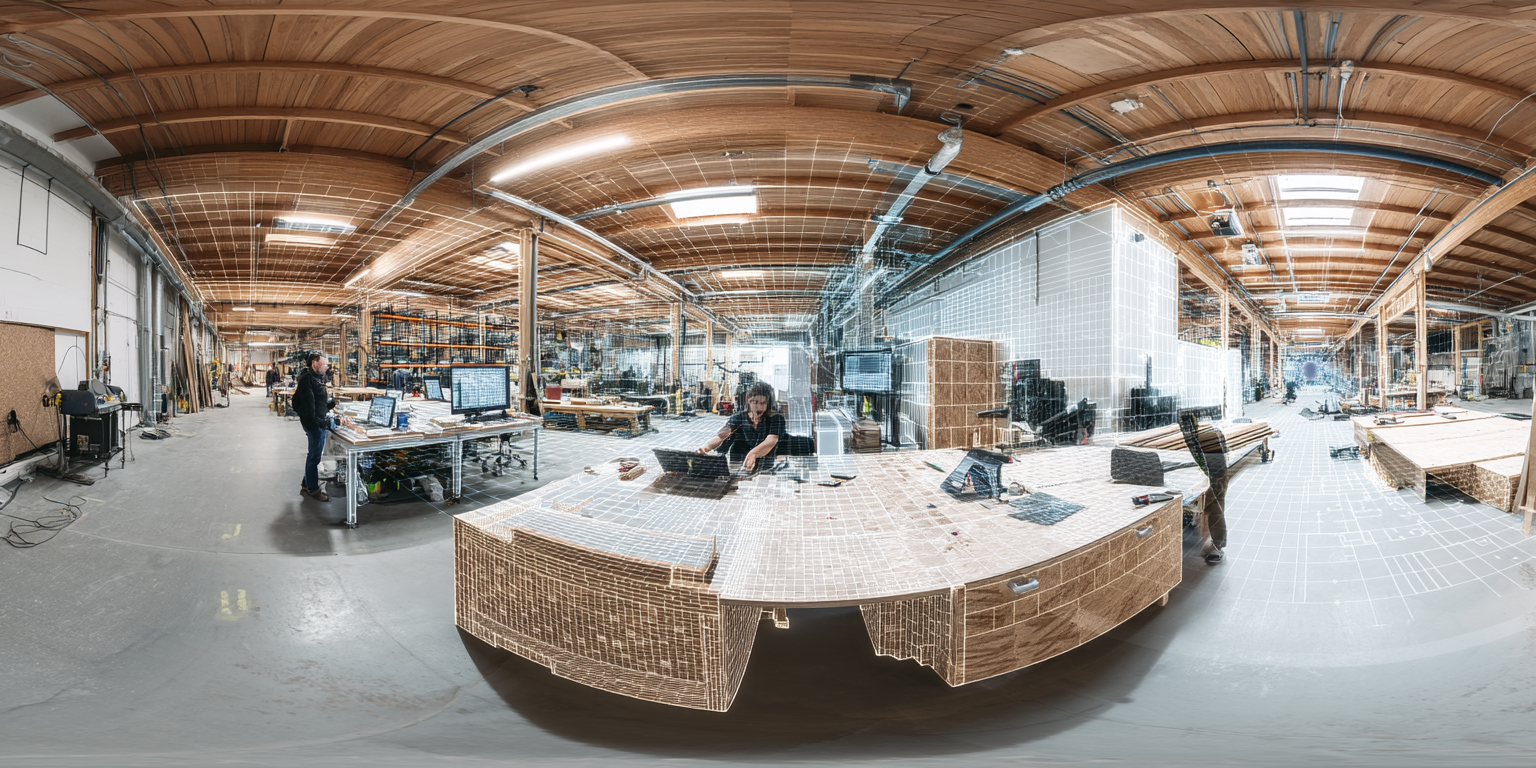
    Researchers at the Swiss Federal Institute of Technology in Zurich(ETH) are working on the reuse of old building materials, according to a press release. In a project-based interdisciplinary course developed by Prof Dr Catherine De Wolf, prospective engineering students from fields such as architecture and computer science are looking for ways to recycle materials in the construction industry in order to save resources and use materials for longer.

    They apply their knowledge during construction site visits, workshops or in the workshop. The ETH researchers spend around 70 per cent of their time in the field. “They learn how to carefully remove materials from existing buildings, document them digitally, integrate them into new designs and finally realise them,” they say. The experience of dismantling a building and reusing this demolition material, which would otherwise end up in landfill, for new construction processes demonstrates “how sustainable construction methods can be implemented in practice”. In the Digital Creativity for Circular Construction course, teams work on realisable projects for external clients and users. Laser scanning, artificial intelligence and augmented reality are used to record the building fabric.

    The students’ work has been exhibited at the Kunsthalle Zürich, the Art Genève art fair and the Architecture Biennale in Venice and has been used by external clients and users.

  • Digital intelligence in construction

    Digital intelligence in construction

    “Planning is already highly digitalized, construction less so and operations more so,” explained Alex Walzer from the FHNW. A lot of information still gets lost between the project phases. This is a problem, particularly with regard to the circular economy. Walzer sees great potential in the consistent use of data. Learning from projects, designing buildings based on data, standardizing processes. But without a clean data basis and precise questions, even artificial intelligence remains ineffective.

    Consistent data with Lakeup
    Michal Rzinski from Bond BIM presented the Lakeup platform, a system for life cycle data management. It is designed to enable building owners and real estate organizations to use data in a structured way over the entire life cycle of a building. From the definition of requirements to ordering and evaluation, Lakeup creates data consistency and transparency.

    According to Rzinski, the focus is on people. “We want to pick up specialist planners, engineers and decision-makers in equal measure.” One example is provided by the University Hospital Basel, where AI agents automatically classified 25,000 data records, the basis for later applications. The platform has a modular structure, from specialist planning tools to corporate solutions.

    Virtual bathrooms and real decisions
    Things got practical with Patrick Marti from Hegias Vision. His platform combines 3D visualization with real-time data in bathroom renovation. Using an iPhone, rooms can be scanned, objects automatically recognized and designed in a digital environment. Customers can immediately see what their bathroom could look like, including materials, lighting moods and real product data.

    Together with BMS, Hegias is enabling a new, interactive consultation process. “People used to leave the showroom with a block full of product names, now they leave with a link to their dream bathroom,” says Ilona Lupart from BMS. The room scanner makes it easier to get started, speeds up decisions and increases satisfaction.

    People at the heart of digitalization
    In the final round, everyone agreed that automation cannot replace people. “AI should relieve the burden on advisors, not replace them,” emphasized Marti. Walzer emphasized that AI is particularly strong where large amounts of data are analysed or supply chains are optimized. Nevertheless, specialist knowledge, reflection and further training are still required.

    Rzinski added that Lakeup was deliberately designed to cover different levels of expertise, from data specialists to management. Lupart added that training, involvement and communication are key to reducing skepticism. Openness is more important than age: even 90-year-olds have used VR glasses enthusiastically.

    New skills and outlook
    Walzer sees a change at the FHNW. “Students today are working more collaboratively and critically with technology.” In addition to technical skills, soft skills, communication, understanding of interfaces and teamwork are increasingly in demand.

    Marti and Rzinski announced that they will continue to expand their platforms in the future. More automation, better user guidance and deeper integration of AI into existing processes. Walzer dares to look ahead “In ten years, AI will work as naturally in the background as electricity from the socket. The goal will have been achieved when building is fun again thanks to technology.”
  • On the way to the AI revolution

    On the way to the AI revolution

    The debate about the power consumption of AI systems is not just a political issue. Data centres and highly scaled hardware consume enormous amounts of energy and the constant increase in the size of models is further exacerbating this trend. “We can’t scale indefinitely,” explains Klimovic, “so research into more sustainable solutions is essential.”

    Economical model architectures
    One approach is the introduction of sparsity (density reduction) in neural networks. Models only activate relevant parts of their system, whereas classic approaches always utilise the entire network. “Mixture-of-experts models follow this logic. They distribute queries specifically to specialised modules. This saves energy without sacrificing quality.

    GPUs are valuable, but often unused
    Klimovic sees a central problem in the low utilisation of GPUs, even though they consume an enormous amount of power. Bottlenecks occur in particular during data pre-processing and communication between several GPUs. Computing utilisation is often below 50 percent. New software solutions are needed to prevent valuable resources from lying idle.

    Efficiency through intelligent frameworks
    Your research group develops systems that focus on automation and optimisation.

    Sailor is a platform that automatically parallelises training jobs via GPUs, thereby increasing GPU efficiency.

    Modyn and Mixtera are systems for smarter data selection that train models faster and with less data.

    DeltaZip is a platform that efficiently manages fine-tuned model variants. It compresses differences between models (“deltas”), which reduces loading times and makes inference faster and more resource-efficient.

    Sustainability in training and inference
    Efficiency gains play a key role not only in training, but also in the application, known as inference. In view of the billions of daily interactions with chatbots, the conservation of energy and hardware resources is becoming a globally urgent task.

    Academic freedom and open science
    Klimovic emphasises the importance of academic research. Less driven by economic constraints, it can pursue long-term innovations. She emphasises the role of the Swiss AI initiative, which was launched in 2023 and is based on the CSCS’s almost climate-neutral Alps supercomputer. With over 10 million GPU hours and CHF 20 million in funding, it is the world’s largest open science and open source initiative for basic AI models.

    The AI revolution will only be sustainable if efficiency becomes the guiding principle. In algorithms, hardware and system architectures. Projects such as Sailor, Modyn and DeltaZip show concrete ways in which enormous energy savings can be combined with technical excellence. For Klimovic, one thing is certain: “In the future, high-quality AI will not only mean intelligence, but also resource conservation.”

  • HSLU optimizes metal recycling with AI

    HSLU optimizes metal recycling with AI

    Almost two million tons of scrap metal are generated in Switzerland every year, of which up to 95% is recycled. However, the high return rate conceals a central problem. Impurities, such as copper in scrap steel or tin from coatings, make a large proportion of recycled steel unsuitable for high-quality applications. Instead of being used in vehicle construction or mechanical engineering, this steel is mostly used in civil engineering, where lower purity requirements apply.

    Downcycling is economically and strategically risky
    The so-called downcycling effect means that valuable raw materials are not used optimally. As a country with few raw materials, Switzerland is dependent on imports for high-quality metals. Every tonne that is recycled to a high standard strengthens the autonomy and resilience of the Swiss economy, especially in politically uncertain times.

    AI sensor technology for efficiency and quality
    In the ReRe research project and the Innosuisse project Reinvent, HSLU and partners are demonstrating how intelligent sensors, combined with self-learning AI, enable precise analysis of scrap metal at collection points. Critical components such as batteries or pressure vessels are detected at an early stage, which significantly improves the sorting processes. If only 15% of the returned scrap is recycled to a high quality, up to 36,000 tons of CO₂ and around 30 million Swiss francs can be saved annually.

    Systemic approaches for a modern circular economy
    The Reinvent study, funded by Innosuisse, analyzed the entire metal recycling system, from material flows and players to business models. In addition to technological innovations, standards, transparency and reliable traceability data are essential, as are economic incentives for all stakeholders along the value chain.

    Ensuring future viability
    Among other things, the HSLU scientists recommend integrating sensor technologies across the board, creating standardized data systems for traceability and strengthening cooperation across all stakeholder groups. The targeted promotion of reuse practices should also be anchored in technology and regulation so that high-quality recycling becomes the industry standard.

    Metal recycling as the key to Swiss raw material sovereignty
    With AI and systemic innovations, scrap metal becomes a valuable material. Switzerland can close the raw materials cycle and build a sustainable, resilient industry.

  • Apply now for the Digital Journey Challenge 2025

    Apply now for the Digital Journey Challenge 2025

    The digital transformation is unstoppable and offers enormous opportunities for small and medium-sized enterprises in particular. The Digital Journey Challenge 2025, launched by the Centre Suisse d’Électronique et de Microtechnique (CSEM), is aimed at companies and start-ups that want to take their innovative strength to a new level with digital technology.

    The focus is on promoting pioneering projects in areas such as artificial intelligence, the Internet of Things (IoT), automation and other key technologies. Applicants receive professional guidance, technological expertise and up to CHF 100,000 in financial support.

    Three strong arguments in favour of your participation
    Technology Boost
    Access to CSEM expertise in eight key technologies

    Financial support
    Up to CHF 100,000 for development time, consulting and technology transfer

    Strengthen market position
    Greater visibility, more media presence, access to expert networks

    Simple application process, big impact
    Participation is straightforward. Interested parties download the factsheet, describe their idea and submit the form. All information and conditions are available on the CSEM website. The application deadline is 15 September 2025.

    Success story
    The 2024 winning project shows just how effective the challenge can be. Varioprint AG impressed with its AI-supported 3D inspection solution for printed circuit boards. Their project “AI in Every Pixel” addresses a global growth market and accelerates quality control in the electronics industry in the long term.

    Apply now and play an active role in shaping your digital transformation.

  • Digital modelling reduces CO2 in cement production

    Digital modelling reduces CO2 in cement production

    A PSI research team is looking for formulations that reduce the proportion of CO2-intensive clinker in the cement mix. Alternatives to clinker are already in use, but can only cover a fraction of the cement requirement. The researchers are looking for material combinations that are available in large quantities and allow high-quality cement production. They are using an AI-supported modelling method to do this. They want to improve the CO2 balance of the formulations while maintaining the same material quality, according to a press release. “Instead of testing thousands of variants in the laboratory, our model generates concrete recipe suggestions within seconds – like a digital cookbook for climate-friendly cement,” said lead author and mathematician Romana Boiger in the press release.

    The researchers use artificial neural networks to replace computationally intensive physical modelling. The AI models are trained with known data and learn by adjusting the weighting of their links to predict similar relationships.

    The researchers trained their AI model with the open source software GEMS for thermodynamic modelling. They used it to calculate mineral formation and geochemical processes in various cement formulations and combined this with experimental data and mechanical models. This made it possible to estimate the material quality of different cement formulations. The researchers also determined the CO2 emissions of the formulations. The AI model learnt from this data. “Basically, we are looking for a maximum and a minimum – from this we can directly deduce the desired recipe,” says Boiger. To do this, they use genetic algorithms, another AI method, to identify recipes that combine both target values.

    The researchers have already discovered promising cement formulations that are still being tested in the laboratory to finalise the development cycle.
    The study was conducted as part of the interdisciplinary SCENE project (Swiss Centre of Excellence on Net Zero Emissions).

  • AI-supported platform for dynamic electricity tariffs

    AI-supported platform for dynamic electricity tariffs

    Exnaton and the energy group TotalEnergies Power & Gas Belgium have entered into a partnership. The two companies made this public at the VivaTech trade fair in Paris as part of a joint presentation. As the spin-off of the Swiss Federal Institute of Technology in Zurich, which was founded in 2020, explains in a press release, this cooperation demonstrates how agile energy start-ups can support established utilities in the development of new products and services for the energy transition. Exnaton was part of the start-up accelerator TotalEnergies On last year.

    Exnaton’s billing platform enables energy suppliers to offer dynamic tariffs for renewable electricity. The electricity prices for consumers are based on the current demand for electricity. To do this, Exnaton processes 35,000 data points per customer per year with its artificial intelligence-based software solution and provides current and forecast electricity prices every hour.

    In addition, price signals can be transmitted to intelligent devices such as charging stations for electric vehicles or energy management systems in the household so that energy consumption can be automatically shifted to more favourable time windows. According to Exnaton, the technology helps to “reduce grid bottlenecks as a result of increasing electrification, enables consumers to make tangible savings on their electricity costs and gives energy suppliers the opportunity to further develop their offering in line with the energy transition.”

  • KOF between crises, AI and a clear stance

    KOF between crises, AI and a clear stance

    2024 was a year of significant upheaval. The KOF Swiss Economic Institute at ETH Zurich responded with new formats, expanded methods and a clear positioning that is evidence-based, independent and relevant. The weakening German economy and geopolitical uncertainties, such as the election of Donald Trump, also influenced the forecasts for Switzerland. The KOF favoured scenarios over rigid forecasts and adapted its forecasting model to current requirements.

    Third-party funding, data and dynamism
    In the intensified competition for third-party funding, KOF is focussing on practical, data-oriented research. Projects are becoming larger and international co-operation is increasing. At the same time, the claim remains clear: KOF remains an independent voice with scientific depth. With the expansion of the KOF Lab, the institution is creating space for cross-sector analyses on monetary policy, health and social inequality and is specifically promoting young talent.

    Utilising potential with a sense of proportion
    Both Sturm and Gersbach see great opportunities in AI, but not an overnight revolution. Rather, it is about continuous productivity gains, flanked by smart regulation. The KOF itself uses modern methods, but remains cautious about hypes. Research that has an impact is the goal, not technology for technology’s sake.

    Open questions for 2025
    Looking ahead to the new year, the directors see key challenges in analysing tariffs, non-tariff trade barriers and geopolitical tensions. The lessons from the collapse of Credit Suisse have not yet been fully learnt and the future of banking regulation also remains an issue. The KOF observes, analyses and remains clear in its stance, fact-based, forward-looking and independent.

  • OST thinks AI ahead

    OST thinks AI ahead

    Artificial intelligence is more than just a trend at the OST. It is an integral part of teaching and research. Rector Daniel Seelhofer emphasised that the OST specifically builds bridges between scientific excellence and practical application. More than 20 OST research institutes are now working with AI, often in collaboration with companies, administrations or the healthcare sector. The topic has been part of all degree programmes since 2021.

    The importance of this focus was emphasised by Bettina Surber, member of the St. Gallen cantonal government. She praised the OST as a driving force for Eastern Switzerland and pledged the canton’s political support for the university.

    From concrete to care to children’s language
    Various short presentations and films demonstrated the wide range of applications for AI at OST.

    Sustainable construction
    AI helps to optimise concrete mixes with reduced cement content for specific requirements.

    Focus on ethics
    How can AI be used fairly?

    Self-determined handling of data
    A digital “data account” is intended to give citizens more control over their information.

    Sport and intelligence
    Exergames train the intelligence of professional ice hockey players under physical stress.

    Healthy eating with digital support
    A smart app creates personalised meal plans – taking allergies, preferences and health goals into account.

    Agriculture with robots
    Agricultural robots carry out maintenance work such as irrigation or pest control independently.

    Care advice via chatbot
    A digital assistance system for caring relatives was developed in collaboration with the city of St.Gallen.

    Understanding children’s language
    An AI supports professionals in interpreting children’s expressions.

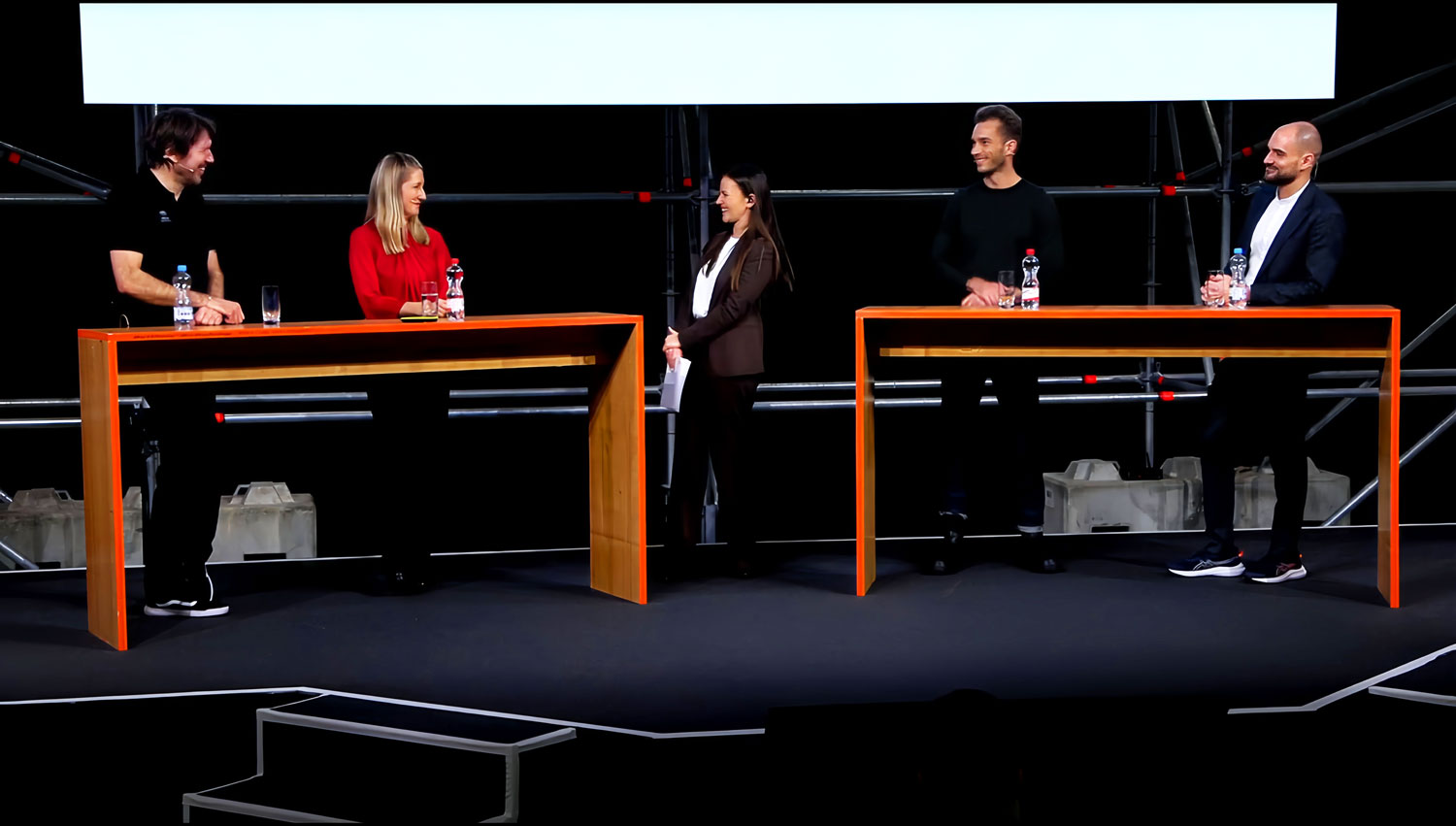
    Two panel discussions focussed on the social dimensions of AI. SRF presenter Florian Inhauser led the discussions. Questions about data protection, responsibility and inclusion were addressed. The discussion showed that technological development alone is not enough. Clear ethical guidelines and social dialogue are needed.

    AI as a tool, not an end in itself
    The second OST University Day made it impressively clear that artificial intelligence is already present in many areas of life – and is making real improvements possible. The decisive factor is how responsibly it is used. The OST is positioning itself as a key player in combining innovation with social benefits.

  • Humans at the centre of the future of AI

    Humans at the centre of the future of AI

    Artificial intelligence has arrived in everyday life, from language models such as ChatGPT to personalised recommendations. But AI is not intelligent in the human sense. Manuel Kaufmann from the ETH AI Centre demonstrated this vividly. Computers process images as numbers, while humans interpret content contextually. The difference? “Humans think, computers calculate,” says Fabian Unteregger.

    From the moon mission to a million users in 5 days
    AI systems have made a technological leap forward with enormous computing power. Stephan Sigrist from the think tank W.I.R.E sees AI as an evolutionary development with disruptive potential. His vision is a personal AI assistant that negotiates, plans and communicates with each other on our behalf. This will not only fundamentally change the internet, but also our everyday lives.

    Innovation needs social benefits
    An AI-related productivity gain of 20 per cent is expected for Switzerland. But technology alone is not enough. “Innovation is what creates benefits,” says Sigrist. This is precisely why clear framework conditions are needed. Stephanie Gygax from Algorithm Watch calls for broad social participation in the design, particularly in view of ecological and ethical issues.

    Switzerland as an AI nation with untapped potential
    Pascal Kaufmann, founder of AlpineAI, sees Switzerland as the origin and future location for AI. With SwissGPT, he wants to create a local response to global developments that is trustworthy, scientifically sound and technologically leading. For him, it is clear that AI can serve people if they actively shape it.

    Dialogue with society
    The series of events entitled “The robot, our new friend and helper?” shows how important social dialogue on AI is. Because only if the fears, questions and expectations of the population are taken seriously will a technology emerge that serves people – and not the other way round.

  • AI-based weather forecasts for energy and agriculture

    AI-based weather forecasts for energy and agriculture

    The Zurich-based start-up Jua.ai has closed a Series A financing round totalling over 9 million Swiss francs, according to an article on startupticker.ch. The financing round was led by Ananda Impact Ventures and Future Energy Ventures and supported by existing investors such as 468 Capital and Promus Ventures. Jua plans to use the funding to accelerate the market launch of its Earth Intelligence Platform. This will enable more accurate weather forecasting to help energy traders make faster and more profitable decisions.

    The platform is powered by Jua’s artificial intelligence (AI) model EPT-2.0 and is designed to significantly outperform the weather forecasting performance of conventional numerical weather models and AI models from large technology companies. Precise weather forecasts are particularly important for sectors such as energy, agriculture, aviation and shipping. The AI-based earth simulation is intended to provide a consistent and physically simulating platform to enable reliable decisions in various sectors in the face of increasing weather extremes and weather changes.

    Jua 2024 has already secured around 13 million Swiss francs in its seed financing round. As part of this year’s capital increase, Marvin Gabler, co-founder and architect of EPT-2.0, has now been appointed as the new CEO. He succeeds Andreas Brenner, who has led Jua since its foundation in 2022. With Gabler at the helm, the company intends to focus on scaling its platform in the energy sector and expanding into new markets. “With our Earth Intelligence Platform, we have transformed the world’s most advanced Earth simulation into a real-world decision engine,” Gabler is quoted as saying in the article. “This is a fundamental step towards shaping our planetary future.”

  • Location opportunities for Switzerland in the face of global change

    Location opportunities for Switzerland in the face of global change

    The global economy is at the beginning of a profound transformation. Artificial intelligence has the potential to stimulate growth on a historic scale by 2035. Globally, up to 15 per cent additional GDP growth could be achieved, in Western Europe up to 13.8 %. However, for this boost to become a reality, transparent, ethically supported framework conditions are needed to create trust in the technology. Companies and countries are called upon to actively help shape the social and regulatory framework.

    The pressure to transform is increasing
    Switzerland is well positioned to play a key role internationally. 84% of CEOs in Switzerland introduced AI technologies in their companies last year, a sharp increase on the previous year. At the same time, the study shows that USD 7.1 trillion in value creation will be redistributed worldwide in 2025 alone. For companies in Switzerland, now is the time to rethink business models, utilise potential and strategically develop innovation-friendly locations.

    Growth areas along basic human needs
    Growth in the future will no longer take place along traditional industry boundaries. Instead, new ecosystems will emerge, for example in the areas of mobility, housing, food, energy and communication. In these networks, technology providers, utilities and industrial companies are working together on integrated solutions. Investing in this cross-sector cooperation at an early stage can open up new value chains and secure locational advantages.

    Climate change as a counterforce
    The positive potential of AI is offset by the burden of climate change. By 2035, there is a threat of a global decline in GDP of up to 7 %. At the same time, energy requirements will increase due to data-intensive AI applications. Targeted increases in efficiency, for example in buildings or production processes, can reduce CO₂ emissions and conserve resources. The challenge lies in taking a systemic approach to climate protection and digitalisation.

    Linking technological innovation and sustainable development will determine the attractiveness of tomorrow’s business locations. Those who invest in trustworthy AI applications, form cross-sector alliances and at the same time assume ecological responsibility will position themselves in the competition for future markets. Switzerland has the potential to become a globally relevant centre of innovation if politics, business and society actively and jointly shape change.

  • New AI agents to increase efficiency in real estate consulting

    New AI agents to increase efficiency in real estate consulting

    PriceHubble AG wants to set new standards for the finance and real estate industry. To this end, the Zurich-based company specializing in digital solutions for the finance and real estate industry has launched three specialized AI agents. “They combine high-quality real estate data with automation and generative AI”, PriceHubble explains in a press release.

    The AI agent PriceHubble Companion provides advice and personalized insights into real estate. The PriceHubble Copilot supports work processes from valuing a property to answering complex customer inquiries. The PriceHubble Analyst is trained to recognize and interpret trends and developments. Each of the three agents can be customized and integrated into existing internal processes.

    With the three new agents, PriceHubble aims to support banks, asset managers, property managers, portfolio managers and real estate agents in overcoming specific challenges. “AI agents are the logical next step – for us and for the market,” said Stefan Heitmann, CEO and founder of PriceHubble, in the press release. “Accurate, transparent data combined with sophisticated, customizable solutions are the key to excellent customer experiences, more efficient advice and real ROI in finance and real estate.”

  • More precise AI answers

    More precise AI answers

    Large language models fascinate with their knowledge and at the same time irritate with inaccurate or contradictory answers. The reason for this often lies in the uncertainty of the models, which has been difficult to control until now. Researchers at ETH Zurich have now developed the SIFT algorithm (“Selecting Informative data for Fine-Tuning”), a method that addresses precisely this issue. It selects additional data precisely according to whether it reduces uncertainty and improves the quality of the answer.

    Information selection through vector analysis
    Instead of simply using the closest information, SIFT analyzes the relationship structure of the language information in the multidimensional space of the large models. The decisive factor is the angle between the vectors. Information with complementary content is specifically selected to enable complete and relevant answers. Redundancies and overlaps, as they occur in classic approaches, are systematically avoided.

    Big impact even with small models
    The targeted enrichment with relevant data makes it possible to drastically reduce the computational effort of large language models. In tests, SIFT-tuning even outperformed powerful AI models with models up to 40 times smaller. At the same time, the system adapts dynamically. During use, the enriched model becomes more and more precise as it continues to train itself during operation.

    Evaluating relevance for other areas of application
    SIFT also offers a valuable additional benefit. By analysing which data is recognized as particularly relevant, important correlations in specialist areas such as medicine, research or industry can be identified. For example, particularly meaningful diagnostic data can be efficiently filtered out.

  • PropTech start-up develops AI solution for property

    PropTech start-up develops AI solution for property

    The start-up Nestermind, which specialises in AI-supported automation solutions in the real estate sector, has successfully completed a substantially oversubscribed pre-seed financing round, according to a press release.

    The fresh capital will be used to further develop the technology and boost the company’s national and international market presence. The Agentic AI software developed by Nestermind enables easier management of property listings, better customer communication and faster sales processes.

    “We are proud to have such experienced and strategically valuable partners at our side who share our vision of taking property marketing to a new level,” said co-founder and CEO Lucas Pelloni.

    The platform opens up new ways for players in the property industry to network in a data-driven ecosystem. “We are thus creating enormous efficiency potential and paving the way for a new way of working in the property industry,” co-founder and CTO Severin Wullschleger is quoted as saying.

    According to the company, the software is particularly tailored to the needs of smaller SMEs in the property sector. By automating tasks such as lead generation and CRM management, they can increase efficiency and save time without having to invest in complex systems.

    According to the press release, the financing was concluded with the participation of a round of investors comprising “well-known personalities from the property sector, renowned family offices and leading property companies”. The amount was not disclosed.

  • Tourism forum sheds light on changes in hospitality

    Tourism forum sheds light on changes in hospitality

    This year’s Bernese Oberland Tourism Forum was held under the motto “Hospitality in transition”, the Bernese Oberland economy announced in a press release. It organized the industry event on 2 April at the Thun Culture and Convention Centre together with the Bernese Oberland Hoteliers Association and Made in Bern AG. Around 150 participants, mainly from the tourism and hotel industry, discussed theoretical and practical issues relating to hospitality.

    In the theoretical part, Adrian Müller from the Tourism Research Center at the University of Bern presented the project Monitoring and Strengthening the Quality of Interaction in Swiss Tourism. Here, artificial intelligence is used to analyze the quality of interactions between guests and hosts. Specifically, content, moods and topics in posts on review portals are to be recognized and evaluated using natural language recognition.

    In the more practical part, David Romanto from Hauenstein Hotels presented the hotel group’s approach to the topic. For the General Manager of the hotels, hospitality is a competence that needs to be trained. Alice Leu from the Thun College of Tourism explained the extent to which this also includes the teaching of cultural skills.

    The panel discussion at the forum dealt with the involvement of the population. It was shown “that a differentiated approach to this topic is necessary and that the concerns and fears of the local population with regard to tourism development must be taken seriously”, according to the press release.

  • Microsoft promotes Swiss AI innovation

    Microsoft promotes Swiss AI innovation

    Inait’s technology is based on two decades of neuroscientific research and represents a radical break with conventional AI approaches. The centrepiece is a cognitive platform called Digital Brain, which understands cause-and-effect relationships, learns from experience and adapts flexibly to new situations. This brings us closer to the goal of general, human-like intelligence. Beyond the narrow limits of today’s systems.

    Strategic alliance with global reach
    With Microsoft on board, inait now wants to scale its technology globally. The partnership focusses on joint product developments, market launch strategies and co-selling initiatives. The Azure cloud serves as the technological basis, while Microsoft’s international network paves the way into new markets. The first step will focus on the financial and robotics sectors.

    Revolution in fintech and robotics
    In the financial sector, inait’s AI is set to set new standards, for example through intelligent trading algorithms, more precise risk assessments and personalised advisory solutions. In industry, AI is creating new opportunities for adaptive robots that can operate in dynamic environments. The aim is for machines to master complex tasks autonomously and continue to develop.

    Switzerland as a business location and source of innovation
    The collaboration emphasises Switzerland’s role as a hotspot for pioneering AI development. For Microsoft Switzerland, the partnership is a strategic step. “inait’s neuroscience-inspired technology is groundbreaking,” says Catrin Hinkel, CEO of Microsoft Switzerland. “We see immediate opportunities for transformation, especially in fintech and robotics.”

    A milestone for cognitive AI
    The partnership not only marks a significant step for inait, but also an innovative impulse for the global AI market. The Digital Brain is a new approach that closes the gap between man and machine a little further and has the potential to change entire industries.

  • Digitalisation and AI as the answer to skills shortages and climate targets

    Digitalisation and AI as the answer to skills shortages and climate targets

    The construction industry needs both digitalisation and AI in response to increasing complexity and data density. According to a HSLU press release on the seminar organised by its Institute of Building Technology and Energy(IGE), both are also needed to increase efficiency in times of a shortage of skilled workers, declining productivity and an urgently needed reduction in greenhouse gases from buildings.

    This annual IGE event is aimed at specialists in energy, building and construction technology and architecture. This year’s event attracted 110 participants.

    Several speakers shed light on the latest developments in AI for the construction industry. For example, Bruno Michel from IBM Research spoke about “artificial stupidity” when generative AI generates incorrect information with poor training data from the internet. Jörn Plönnings from the University of Rostock also emphasised that a lack of training data is a major problem for the construction industry. However, AI is neither a curse nor a blessing, but simply a necessity in view of the increasing complexity and flood of data.

    Marcel Imfeld from Schindler Aufzüge and Roman Steffen from Trafiko spoke about intelligent mobility, which enables denser construction or fewer parking spaces in neighbourhoods, for example. The automated monitoring of buildings was also covered in various presentations.

    The HSLU presented its Lightscore project, which aims to launch an evidence-based integrative lighting assessment. It is also working on a new SIA standard for the energy efficiency of data centres. And finally, Roger Buser from HSLU reported on his journey through India with the emission-free solar vehicle Solar Butterfly made of ocean PET, where he encountered numerous innovative solutions to combat climate change.

  • AI decodes brain activity

    AI decodes brain activity

    Scientists at EPFL have developed a groundbreaking AI technique based on geometric principles that visualises neuronal activity patterns. The system, called MARBLE (Manifold Representation Basis Learning), breaks down electrical signals from the brain into dynamic patterns that can be decoded by a neural network. This makes it possible to recognise universal strategies of brain activity across different individuals and experimental conditions.

    Visualising hidden patterns in the brain
    Neuroscience is facing a fundamental challenge. Brain activity is usually recorded by analysing a few neurons, which means that a complete picture of neuronal processes is lacking. Pierre Vandergheynst, head of the LTS2 signal processing laboratory at EPFL, compares this problem to the story of blind people feeling different parts of an elephant and drawing contradictory conclusions. The situation is similar with the recording of neuronal signals; a limited data section makes overall understanding more difficult.

    The system has now been able to show that different animals that used the same mental strategies to solve problems exhibited matching neuronal patterns. The technique thus enables a more precise interpretation of brain activity and could set a new standard for analysing dynamic neuronal processes.

    A breakthrough for neuroscience and robotics
    The innovative approach of geometric deep learning makes it possible to analyse neuronal data not only statistically, but also in its natural mathematical context. This shows that brain activity can be visualised as complex geometric structures. For example, in the form of a torus, similar to a donut.

    The EPFL researchers tested MARBLE with recordings from the macaque premotor cortex during grasping movements and in the hippocampus of rats during spatial orientation tasks. The results were impressive. The system decoded the neuronal activity far more precisely than conventional methods and enabled a more intuitive interpretation of the neuronal processes.

    Broad application potential beyond neuroscience
    In addition to its use in brain research, MARBLE could also be of great value to other scientific disciplines. The technology offers the possibility of converting neuronal activity patterns into decodable signals. This can be used to control robotic assistance systems that react to brain activity.

    Pierre Vandergheynst emphasises the potential beyond neuroscience: “Our method is based on the mathematical theory of high-dimensional structures and can also be used in other scientific disciplines to analyse dynamic processes and identify universal patterns.”

    MARBLE could represent a fundamental step forward in the study of complex biological and physical systems, not only revolutionising our understanding of the brain, but also providing new impetus for artificial intelligence and robotics.

  • Digitalisation strengthens customer focus

    Digitalisation strengthens customer focus

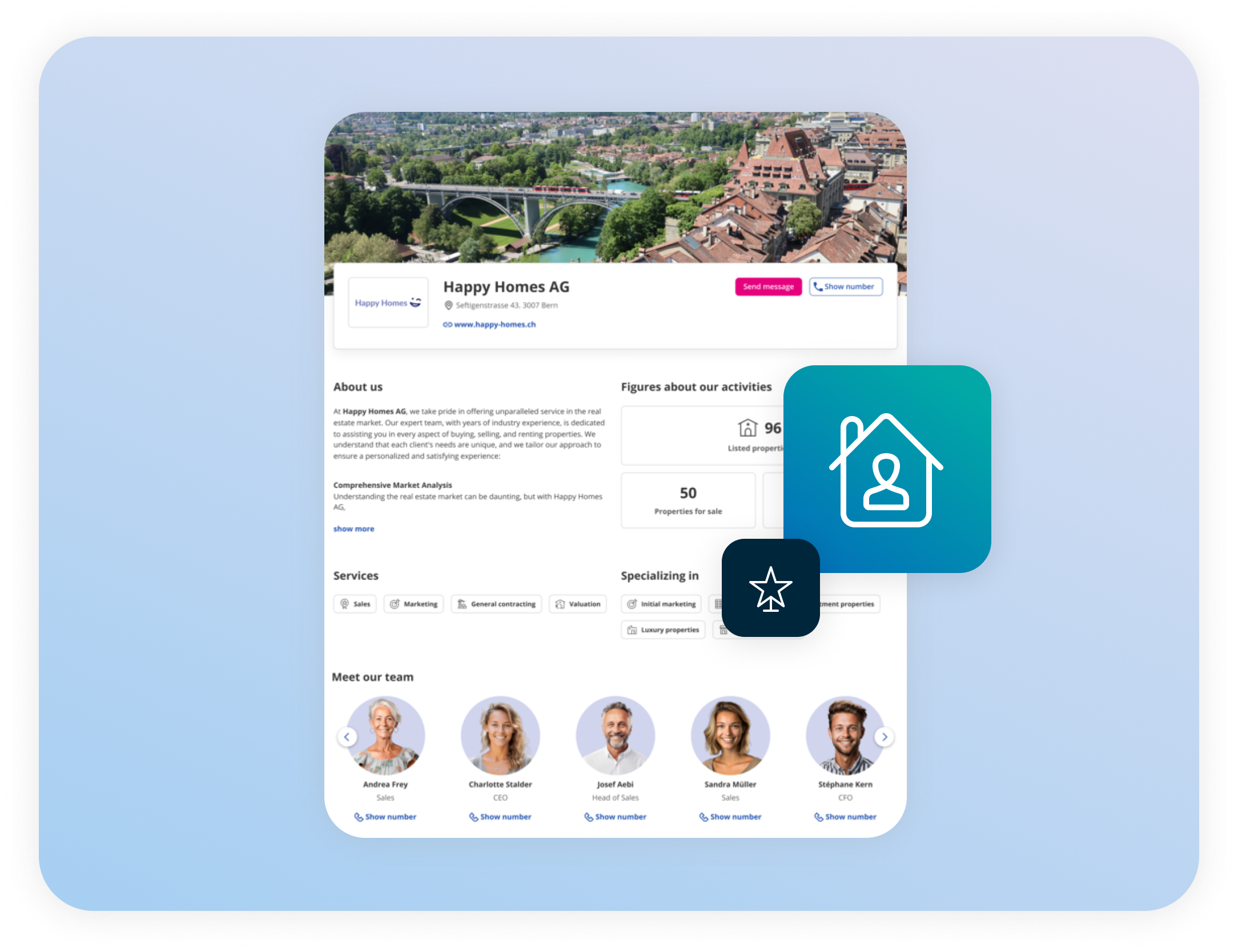
    At the turn of the year, SMG Real Estate integrated numerous new digital tools into the digital Business Manager for its customers, which provide specific support for letting and marketing. These include, for example, the digital showcase page, which professionally presents the portfolio and special services of property companies to interested parties. A personal introduction of the team with contact information and contact person portraits promotes a pleasant first impression and builds trust.

    Another new feature is the use of artificial intelligence (AI) and the automated creation of listings on SMG Real Estate’s property platforms. The entire process is made considerably easier. Once the address and a few specific details of a property have been entered, the advert is filled in automatically – supported by reliable data from IAZI. The property description can also be created automatically. The new AI solution is integrated into the Business Manager user interface and analyses property data and neighbourhood information to create professional descriptions that highlight the best features of each property.

    SMG Real Estate has also further optimised its marketing packages: 50% more ads in the search results list not only ensure more visibility, but also improve performance and thus the company’s own marketing success. A key factor in optimising the likelihood of closing deals quickly is, on the one hand, information relevant to decision-making and, on the other, the accuracy of the approach to potential interested parties. SMG Real Estate now provides the “Potential Map for Properties” tool for this purpose. Based on property valuations, estate agents can identify regions with potential sales potential and can therefore focus their marketing activities on particularly promising districts and regions.

    SMG Real Estate has also simplified day-to-day collaboration within the team. Customers can access the entire real estate ecosystem with just one login. This makes it even easier for them to benefit from daily updates in the Business Manager and gives them quick and convenient access to numerous third-party partner services.

    The product portfolio of third-party partners has also been expanded once again. The IAZI capitalised earnings value model not only makes it possible to quickly calculate property yields on the basis of current market data. The tool now also incorporates “natural hazards” on the basis of IAZI data and provides important decision-making aids for most cantons with regard to various natural hazards (including risks such as avalanches, landslides, rockfall, floods, storms, earthquakes, hail and surface runoff) and their hazard categories.

    Another example of additional services: If you place the HEDOlight widget on your own company website, it lays the automated foundation for new contacts and mandates. This is because potential home sellers can use the HEDOlight widget to obtain a free estimate of the value of their property based on IAZI’s hedonic method.

    And thirdly, SMG Real Estate’s exclusive partnership with the Residenture auction platform opens up new opportunities for estate agents to significantly increase the number of potential buyers for their properties. The leading Swiss platform for AI-supported property auctions provides estate agents with a legally compliant and transparent digital auction process. Bidding processes for properties advertised via SMG Real Estate can be started seamlessly with verified interested parties in a fast, traceable process.

    Letting and selling properties is becoming increasingly efficient with the use of digital tools. This not only creates additional convenience and higher performance for business customers, but also frees up time for important customer contact.

    If you want to get an overview of all the new digital products, take a look here.

  • AI accelerates perovskite solar cells for the mass market

    AI accelerates perovskite solar cells for the mass market

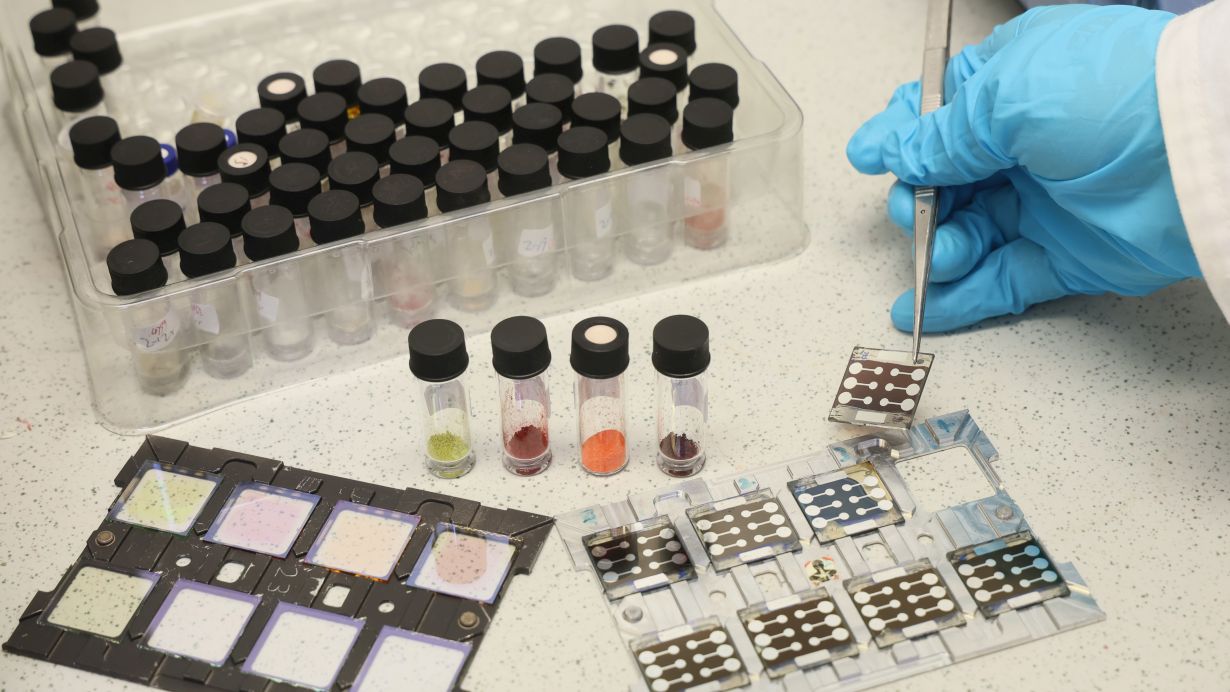
    Perovskite solar cells already achieve efficiencies of over 26% and are light, flexible and inexpensive to produce. They are considered a promising alternative to conventional silicon modules. However, challenges such as long-term stability and scalability still stand in the way of industrial utilisation.

    AI as the key to optimising production
    The Karlsruhe Institute of Technology (KIT) is researching how machine learning can improve the manufacturing process for perovskite cells. Deep learning models analyse material properties in real time and optimise the parameters for maximum efficiency.

    Detecting errors before they occur
    AI uses in-situ imaging techniques to monitor thin-film formation and detect errors at an early stage. This allows process deviations to be corrected immediately and expensive rejects to be avoided.

    Simulations for maximum efficiency
    AI-supported simulations allow production conditions to be precisely adapted. The control of the vacuum quenching time in particular plays a decisive role. AI optimises this process to ensure the best possible material structure.

    The path to market maturity
    The KIT study shows that AI is a key driver for the further development of perovskite photovoltaics. The technology could revolutionise the solar energy market and become industrially usable faster than ever with AI.

  • AI solution optimises solar systems

    AI solution optimises solar systems

    SmartHelio has developed a predictive diagnostics solution for photovoltaic systems based on artificial intelligence (AI) and launched it on the market in early 2024. It bears the name Autopilot. Since then, this platform for controlling, operating and maintaining solar power plants has optimised the efficiency of 218 such systems with more than 2 gigawatt peak, according to the manufacturer. Their output has been increased by an average of 8 per cent.

    According to the information provided, the plug-in system with more than 50 proprietary algorithms delivers 95 per cent accuracy from day one in detecting faults before they affect performance. According to SmartHelio, the one-time diagnostics process identifies remediable energy losses of up to 7 per cent on average. Data quality is improved by over 98 per cent.

    The service life is increased by eight years, solar energy production by 10 per cent and the return on investment by up to 600 per cent. Above all, Autopilot significantly reduces diagnosis times, says CEO and founder Govinda Upadhyay: “From 358 hours to just 3 hours – the technology is helping us to redefine diagnosis and save solar plant operators time.” The company plans to expand the areas of application to battery storage and energy trading, thereby driving forward the energy transition worldwide.

    SmartHelio is a spin-off of the Swiss Federal Institute of Technology Lausanne based in the canton of Vaud and operates a branch office in Uttar Pradesh, India. The company, which was founded in 2019, will be presenting its technology at the World Future Energy Summitfrom 14 to 16 January 2025. It will be one of eight exhibitors in the SWISS Pavilion as part of Abu Dhabi Sustainability Week.

  • Energy savings through AI

    Energy savings through AI

    Romande Energie is strengthening its position in the property sector. According to a press release, the Vaud-based energy supplier has acquired a stake in yord GmbH. The Fribourg-based company has developed an application that can be used to optimise heat consumption in buildings.

    Sensors throughout the building measure the temperature, humidity, brightness and air quality. The data is analysed using artificial intelligence and used to adapt the heat supply to the actual needs of the users. The solution can dock onto all existing heating systems. The optimisation of heat consumption enables energy savings of up to 40 percent.

    Yord expects Romande Energie’s involvement to accelerate its technical and commercial development. “As a committed player in the cleantech sector, Romande Energie is a strategic partner for our growth,” said Sébastien Bron, CEO and one of the four co-founders of the company founded in 2021, in the press release.

    Romande Energie wants to achieve added value for its customers with yord’s solution. “yord’s approach of optimising energy consumption while maintaining or even increasing comfort is in line with our vision of a positive energy transition that focuses on the users,” said Thibaud Weick, Head of RE Ventures, the investment arm of Romande Energie.

  • Vision for sustainable technology centre takes shape

    Vision for sustainable technology centre takes shape

    FlexBase intends to realise its new technology centre in line with the plans already presented. According to a press release, the technology company has secured the ERNE Group, also based in Laufenburg, as general contractor. Construction is scheduled to begin in 2025. An updated planning application has been submitted to the relevant authorities.

    The technology centre is to be built on the former Swissgrid site. The centrepiece will be a new building opposite the existing building. In addition to many research facilities, a data centre with capacities for the use of artificial intelligence is to be built there. FlexBase also plans to build a 20,000 square metre battery storage facility with a capacity of more than 500 megawatts on the site. According to the press release, the non-flammable and non-explosive storage facility is the “world’s largest and most modern battery storage facility of its kind”. The construction of the new technology centre will create several hundred jobs for skilled workers and apprenticeships.

    According to the press release, Marcel Aumer, CEO of the FlexBase Group, does not anticipate a delay in construction despite the relaunch of the project. He justifies this view with the close collaboration with ERNE: “In this project, I have not only experienced ERNE’s expertise right from the start, but also the full attention of the top management.” The CEO of ERNE, Giuseppe Santagada, is also optimistic: “My personal commitment goes far beyond the realisation of this project; it also includes the promotion of new technological skills and increasing the attractiveness of Laufenburg as a location for the vision of a prosperous region”.

  • No complex thinking skills with ChatGPT & Co.

    No complex thinking skills with ChatGPT & Co.

    The research, which will be presented at the annual meeting of the Association for Computational Linguistics in Bangkok, concludes that large language models such as ChatGPT show no evidence of the development of sophisticated or planned thinking. Instead, these models only demonstrate the ability to respond to simple instructions. This disproves the widespread assumption that AI models could exhibit increasingly intelligent behaviour through scaling.

    Background to the study
    The study, led by Prof Dr Iryna Gurevych from TU Darmstadt and Dr Harish Tayyar Madabushi from the University of Bath, investigated so-called “emergent capabilities” of AI models. These capabilities, which were observed with increasing model size and data volume, raised both hopes and fears regarding the future development of artificial intelligence. However, current research shows that these abilities are due to simple learning effects rather than complex, independent thinking.

    Implications for the future of AI use
    The results of the study have significant implications for the use of AI systems. Prof Gurevych warns against relying on the models to solve complex tasks without human support. She emphasises that users should provide explicit instructions and examples in order to use the systems effectively. In addition, the tendency of models to produce plausible-sounding but incorrect results remains a challenge.

    Focus on future risks
    Although the study shows that LLMs do not develop complex thinking skills, this does not mean that AI does not pose a threat. Prof Gurevych calls for research to focus on the real risks of AI models, particularly their potential to generate fake news. The findings of the study provide a valuable basis for better understanding the actual capabilities of AI models and making their use safer in practice.

  • SMG introduces AI label for visual content

    SMG introduces AI label for visual content

    The Group has introduced an AI label that will characterise all AI-generated visual representations in advertising. The aim of this label is to make the use of artificial intelligence in marketing transparent and at the same time increase the efficiency and creativity of campaigns. The label is now available licence-free on the SMG website and can be downloaded so that other companies can also use it for their AI-generated media.

    Internal guidelines for use
    Internal guidelines have been developed to ensure the correct use of the new AI label. These guidelines include the labelling of photorealistic AI-generated content and the use of platform-specific functions for labelling, such as native functions on Instagram. If such a function is not available, the company’s own label is used. A reduced icon is also available for smaller formats.

    Responsibility and efficiency
    The company presents this initiative as a valuable contribution to its role as a pioneer in the Swiss digital industry. The company uses AI to increase efficiency while acting responsibly and transparently. The AI label will be used for all SMG brands with immediate effect.

    Successful start with Homegate
    The first campaign that has already successfully integrated the new AI label is currently running for Homegate. This campaign shows how the label is used in practice and supports transparency towards customers.

    With this launch, SMG is setting an example for transparency and innovation in the use of artificial intelligence in advertising.

  • Researchers use AI to develop new solar cells

    Researchers use AI to develop new solar cells

    As part of a research project at the Swiss Federal Institute of Technology in Lausanne(EPFL), a method has been developed to search large databases for potential materials for the utilisation of new solar cells. According to a press release, several promising halide perovskites were identified through the use of machine learning (ML). ML is a branch of artificial intelligence in which computers learn from data sets or databases made available to them.

    Perovskites represent a promising new group of materials for future photovoltaic applications due to their simple manufacturing processes combined with low costs. It is important that the new materials have a suitable band gap so that they can utilise solar energy optimally. The band gap has the property of absorbing photons with a certain energy and then converting them into electricity.

    The EPFL team led by Haiyuan Wang and Alfredo Pasquarello developed a machine learning model that was able to identify 14 completely new perovskites from 15,000 materials. These are excellent candidates for future high-efficiency solar cells. The researchers were thus able to show that the use of ML can significantly accelerate the discovery and validation of new photovoltaic materials.

  • Pilot project to reduce energy consumption in building technology

    Pilot project to reduce energy consumption in building technology

    Artificial intelligence could help to reduce energy consumption in building technology. Hälg AG, which is based in the St.GallenBodenseeArea and is active in building technology, has launched a pilot project for the AI-based software technology R8 Digital Operator from the manufacturer R8 Technologies, according to a press release.

    The tests are intended to determine the energy-saving potential of the building control system at the company’s own facilities at its headquarters in St.Gallen. The software uses algorithms developed using AI, “which monitor and automatically optimise the needs of the different rooms in the building”.

    The manufacturer, headquartered in Estonia, promises efficient and sustainable controls for building technology systems. Compared to conventional building automation systems, according to the announcement, the adaptations “run simultaneously through intelligent, proactive and predictive control and ensure automatic optimisation of the building technology systems”.

    The test phase will extend over one to one and a half years and take into account data from all four seasons. This is how long it will take R8 to adjust. As soon as the results are available, Hälg will decide whether to continue working with R8 as the exclusive sales partner for the solution in Switzerland.

  • Council of Europe and Switzerland set standards for AI

    Council of Europe and Switzerland set standards for AI

    The new Convention on Artificial Intelligence was officially adopted at the 133rd session of the Committee of Ministers of the Council of Europe, which took place in Biel/Bienne. Swiss Federal Councillor Ignazio Cassis, Head of the Federal Department of Foreign Affairs, was present at this historic moment. Switzerland, known for its precise and prudent approach in international negotiations, played a decisive role in the one and a half years of intensive discussions and development work.

    The agreement not only emphasises the importance of AI in our future society, but also establishes a solid, legally binding framework to ensure that AI systems are developed according to the highest ethical standards. The core principles include transparency, robustness, non-discrimination and the protection of privacy. These measures are crucial to strengthening public trust in the new technology while safeguarding the rights of every individual.

    Promoting international cooperation
    The timing of the adoption coincides with the 75th anniversary of the Council of Europe, which further emphasises the importance of this convention. From September 2024, the document will be submitted to all member states for signature. Once ratified by Switzerland, which requires its transposition into national law, it will serve as a key component of international AI governance.

    In practice, the Convention will serve as a guide that promotes a harmonised approach to the responsible development and use of AI systems not only in Europe, but also worldwide. By creating this framework, the Council of Europe is making a significant contribution to ensuring that AI is used as a force for good, strengthening and advancing the foundations of our democratic societies.

  • Zurich economic region records 89 new companies

    Zurich economic region records 89 new companies

    The Greater Zurich Area AG and its partners attracted a total of 89 companies to the Zurich economic region last year. Compared to the previous year, the number of companies relocating to the region was 20 lower, Greater Zurich Area AG reported in a press release. “Last year was dominated by geopolitical uncertainties, inflation and a general mood of crisis, which had a direct impact on investment activity,” said Sonja Wollkopf Walt, Managing Director of the location marketing organization. “Despite a decline in the number of companies moving here, we are cautiously optimistic about the future.”

    The jobs created by the new companies in the first year also fell short of the previous year’s figure due to the lower number of new companies settling here. However, 1463 new jobs are to be created over the next five years, an increase of 13% compared to the plans of the companies settling in 2022. In addition, 62 percent of the companies relocating in 2023 are active in the focus industries defined by Greater Zurich Area AG. Almost three in ten of the new companies planning to relocate to the Greater Zurich Area.

    The location marketing organization highlights the establishment of the Boston Dynamics AI Institute in Zurich as one of the highlights of 2023. According to the press release, this flagship project is primarily due to the activities of the Swiss Federal Institute of Technology in Zurich in the field of artificial intelligence. It describes the reporting year as a “year of breakthroughs in the field of artificial intelligence technology”.