Tag: Kultur

  • Digital guest platform strengthens Glarus as a business location

    Digital guest platform strengthens Glarus as a business location

    The GlarnerlandPass combines the registration system, guest card and travel guide in an integrated system and links tourism, culture and trade on a common platform. It is being implemented as part of the realignment of tourism, which began with the merger of all organisations in 2024. Under the new umbrella brand “Glarnerland”, an overall Alpine experience with a strong regional identity is being created just outside Zurich, which will be digitally visible, combinable and bookable.

    Guest centricity and digital proximity
    The application accompanies the guest along the entire customer journey and enables interactive communication in real time. Not only overnight guests are taken into account, but also day guests, second home owners and locals. For guests staying overnight, public transport throughout the canton is included in the pass. A strong signal for sustainable mobility.

    Added value through local networking
    Tourism companies, businesses and cultural institutions are actively involved. A common understanding of digital processes is created in workshops and focus groups, new products are developed and additional sales channels are opened up. This close collaboration strengthens the regional economy and creates real added value in the Glarus region.

    Sustainable management and modern technology
    The platform allows flexible management of visitor flows and provides valuable impetus for sustainable destination development through the data collected. Technologically, the system is based on proven, modular solutions from leading destinations and utilises the connection to discover.swiss.

    Visibility through ESAF 2025
    The Swiss Wrestling and Alpine Festival 2025 offers an ideal opportunity to present the pass to a wide audience. The combination of Alpine authenticity, digital innovation and an integrative location strategy makes the project a showcase for the future of tourism.
  • MFO-West becomes an urban neighbourhood

    MFO-West becomes an urban neighbourhood

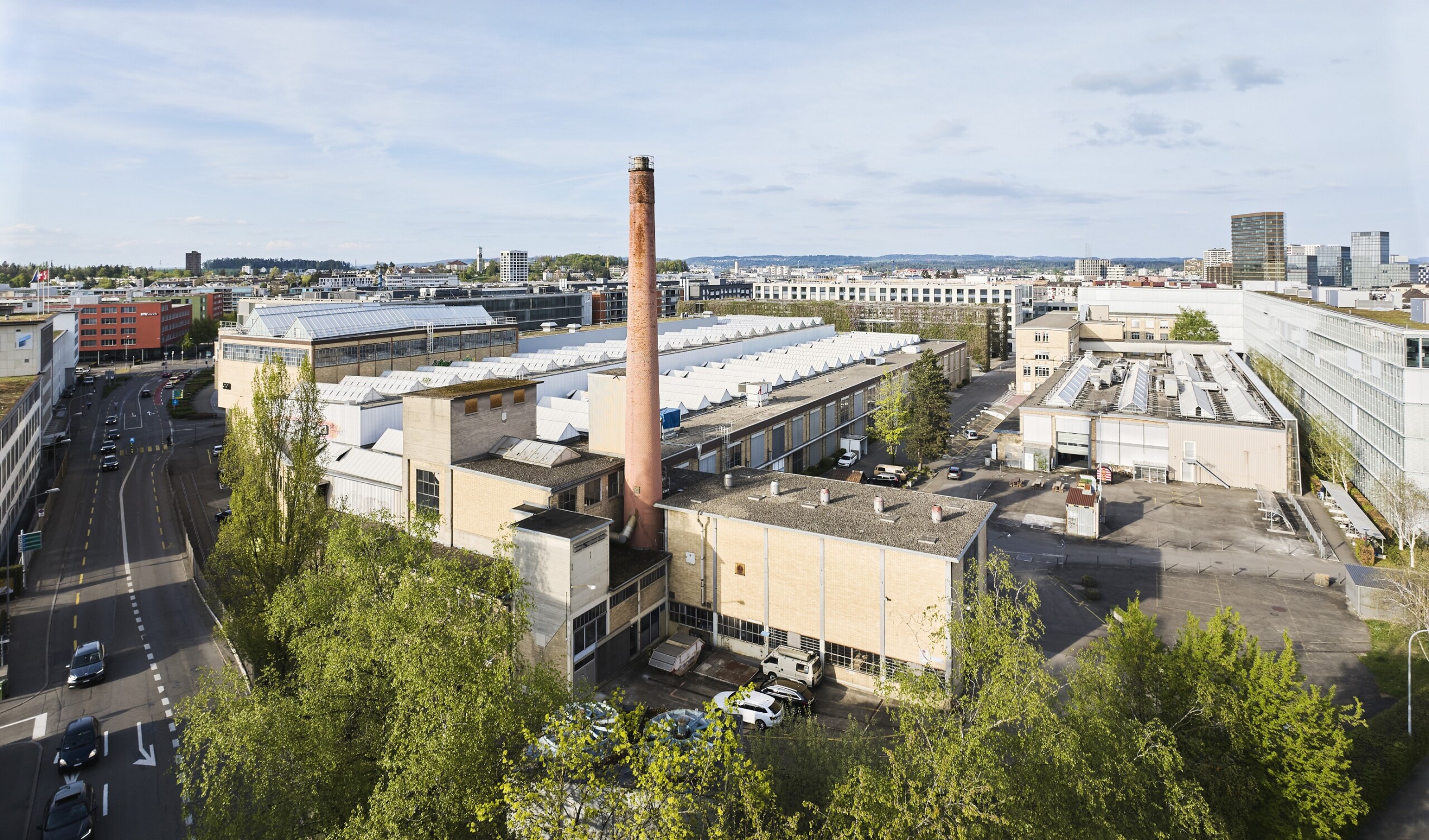
    The purchase of the 25,500 m² ABB site by the City of Zurich for a net CHF 106 million is more than just a land purchase. It is a strategic decision with a long-term impact. Thanks to the urban development contract concluded in 2021 and the special building regulations that come into force in 2025, Zurich can shape the future on a centrally located piece of the city. With high density, mixed uses and consistent citizen participation.

    Transformation through participation
    A key success factor is the early and transparent involvement of residents, associations and neighbourhood organisations. The needs of the neighbourhood were directly incorporated into the participatory strategy process. This turned an industrial site into an urban development concept with a high level of social acceptance. Urban planning thus not only gains space, but also trust.

    Mix of uses as a driver of innovation
    The utilisation concept envisages three new construction zones and three existing areas. A mix of non-profit housing, neighbourhood supply, creative commercial use and publicly accessible open spaces is planned. The House for Culture and Circular Economy is a flagship project for innovative urban utilisation. The combination of culture, sustainability and economic activity makes the site a catalyst for new value creation models in urban areas.

    Temporary use as an impetus for location quality
    Before construction work begins, halls and open spaces are used temporarily in a targeted manner. A strategy that brings life to the neighbourhood, promotes social contacts and creates identity even before construction begins. Interim uses are increasingly recognised as a success factor for the attractiveness of locations and resilience in transformation areas.

    Public-private partnership with a role model function
    ABB remains anchored in Oerlikon with 500 jobs and supports the development. The project shows how forward-looking urban development can work constructively with private owners. A model that can be transferred to other urban conversion sites. The combination of urban management and entrepreneurial willingness to co-operate points the way forward.

    MFO-West is not an isolated case, but an exemplary model for the urban transformation of former industrial sites. Those who invest in such development areas can help shape new urban qualities. From social integration and innovative utilisation concepts to sustainable value creation. In times of housing shortages, climate targets and new forms of mobility, sites like MFO-West are the key to the city of tomorrow.

  • Historic site becomes new cultural and educational centre

    Historic site becomes new cultural and educational centre

    The city of Schaffhausen is pursuing an ambitious goal with the redevelopment of the Kammgarn site: to transform the historic area into an attractive location for culture, education and socialising. The Schaffhausen electorate approved this project back in August 2020.
    The comprehensive redesign not only creates a better connection to the urban fabric, but also new utilisation options. In addition to the existing entrances from Baumgartenstrasse, Rheinuferstrasse and Rheinstrasse, a new passageway will be created along Klosterstrasse. This strengthens the connection with the old town and increases the attractiveness of the neighbourhood. The Kammgarn area will become part of a “string of pearls” of meeting places along the banks of the Rhine, which will enhance the area in the long term.

    More quality of stay through new open spaces
    The redesign of the Kammgarnhof will transform the inner courtyard, which was previously used as a car park, into a car-free zone. Green spaces, seating and a water feature will increase the quality of stay and turn the courtyard into a central meeting place. The redesign will enable a variety of uses for events, culture and recreation.

    Another core element of the development is the construction of a single-storey underground car park with around 90 parking spaces under the courtyard. This will make the entire area above ground car-free and open up new possibilities for use. A pergola will be erected in front of the west wing, while a spacious terrace will be created in front of the north wing.

    Modern infrastructure for culture and education
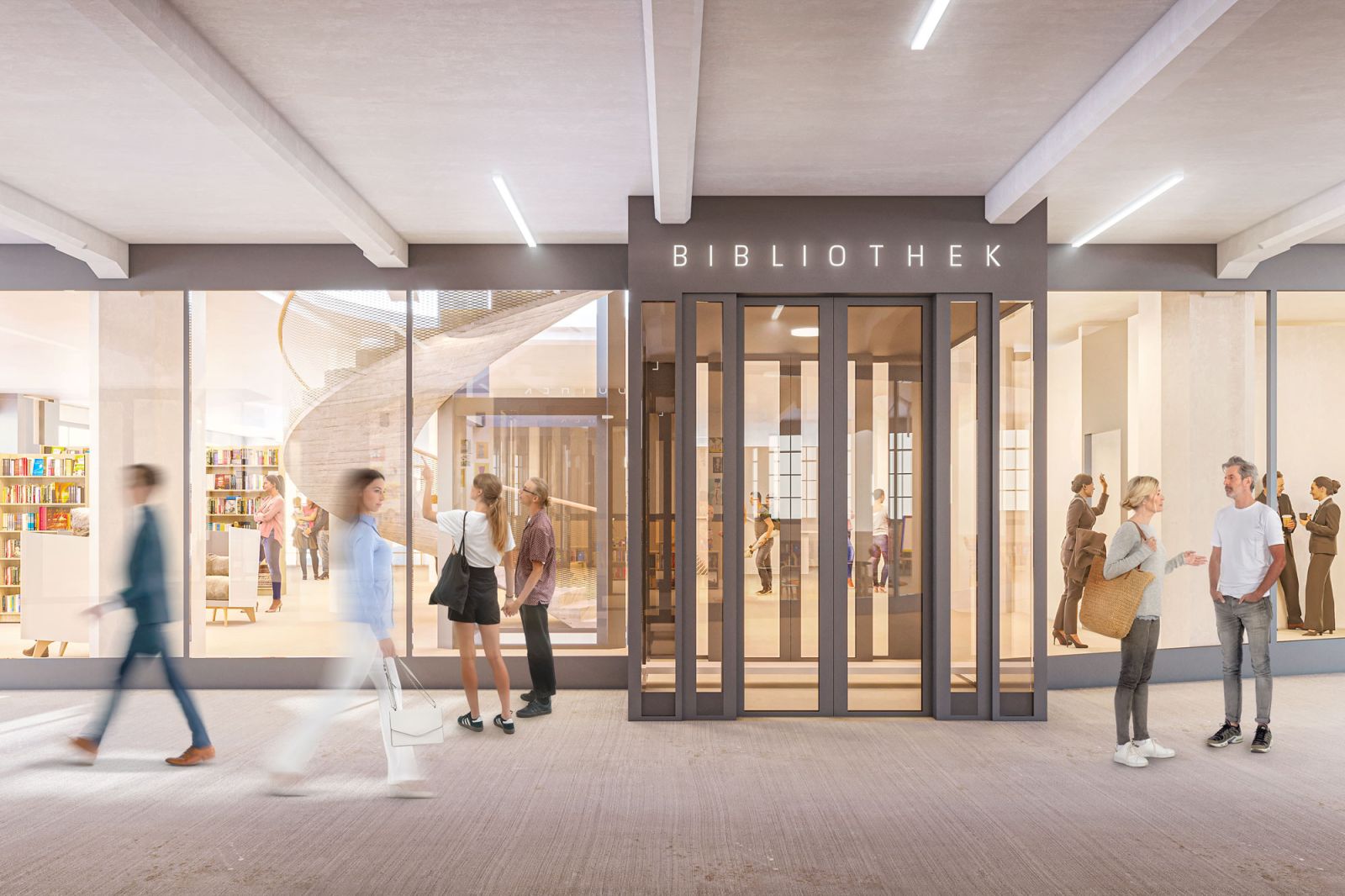
    The west wing of the Kammgarn site is being prepared for new uses as part of the refurbishment. The library and toy library will move into the ground floor and first floor. Glazed façades offer passers-by a glimpse into the world of books and games.
    The Schaffhausen University of Teacher Education will move into the second and third floors, while the fourth floor will be available for other tenants. The diverse use of the site reinforces its importance as an educational and cultural centre.

    Construction progress and archaeological work
    Construction officially began in September 2024 with the symbolic ground-breaking ceremony. Prior to this, archaeological rescue excavations were carried out, during which significant finds from the last 1000 years were discovered.

    Work is currently underway on the underground car park and the redesign of the courtyard. At the same time, the renovation of the west wing is progressing. In addition to structural measures, the façades and roof are being renovated and preparations are being made for the interior work.

    The first floor slab for the new courtyard was concreted in January 2025. To protect the valuable trees, a retaining wall (Rühlwand) is being erected around the large chestnut tree in the courtyard.

    A new meeting place for Schaffhausen
    After the remodelling, the Kammgarnhof will be an attractive place for locals and visitors to the city. Reading, meeting friends or enjoying concerts – all this will be possible in the redesigned surroundings.

    The construction of the underground car park is being financed jointly with IWC Schaffhausen, the direct neighbour of the site. This close collaboration will result in a sustainable solution that improves both the flow of traffic and the quality of life.

    A lively neighbourhood with a future
    The comprehensive renovation and redesign will transform the Kammgarn site into a modern cultural, educational and meeting centre. The connection to the old town and the Rhine will be strengthened, while new uses will enrich Schaffhausen’s cityscape. The project is scheduled for completion at the end of 2026 – a significant step for the long-term development of the city.

  • Listed building celebrates its opening on 8 March

    Listed building celebrates its opening on 8 March

    The town of Dietikon invites you to the inauguration of the Haus der Bevölkerung on Saturday, 8 March. The Haus der Bevölkerung has been set up in the historic tithe barn. The listed building, which dates back to around 1600, will shine in new splendour following extensive renovation and will be available as a versatile event venue in future, according to a press release from the town of Dietikon. With a new digital booking system, reservations for cultural events, exhibitions and private functions will be possible from 1 June.

    On the open day, visitors will be able to view the new premises from 11 a.m. and see for themselves the wide range of possible uses for the building, according to the press release. Sibylle Baumann will be reciting various stories in dialect. At 3 p.m. she will talk about “The golden bird – funny animal stories” and at 4 p.m. she will present “About eating and being eaten – adventurous stories”.

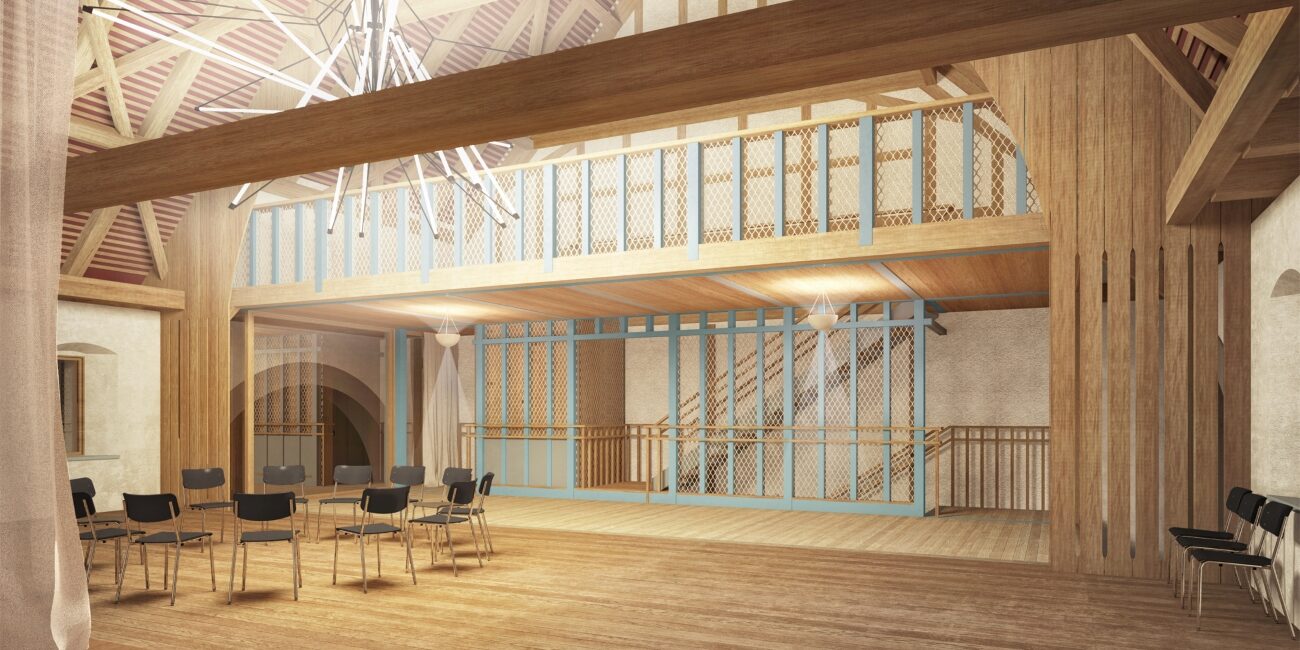
    The Zehntenscheune is one of Dietikon’s oldest buildings. With a capacity of around 120 seats, a new grandstand and modern facilities, the large hall is suitable for events. A passenger lift also provides accessibility.

    The foyer on the ground floor has been redesigned. The massive plank wall, a relic from its original use as a stable or storage room, has been retained. A long bar is intended to turn the foyer into an attractive meeting place. An old archway leading into the garden area of the house was also uncovered.

  • Farewell party planned for the Raben-Bad in Baden

    Farewell party planned for the Raben-Bad in Baden

    Bagni Popolari heralds the end of the interim use of the Bad zum Raben. On 25 January, the thermal baths on Kurplatz in Baden will celebrate the end of the “Acts of Attention” exhibition, the association announced in a press release. At the same time, a temporary outdoor pool with natural thermal water on the Limmat promenade will invite visitors to take a dip.

    Bagni Popolari has been revitalising the previously closed Raben-Bad since 2017 with exhibitions, performances, music, readings, lectures and animated films, attracting thousands of visitors, according to the press release. However, the thermal baths now need to be thoroughly renovated in order to continue operating. Among other things, it needs solid pool technology, ventilation, new electrical installations and wheelchair-accessible toilets.

    The Raben cooperative, which emerged from Bagni Popolari, is responsible for the renovation. It was founded in 2022 to acquire the bathing floor in the former Badegasthof zum Raben. The Raben cooperative estimates that the necessary renovations will cost around CHF 4.5 million.

    1.5 million of this is to be raised through the sale of new cooperative shares and donations. The Raben-Genossenschaft intends to raise the remaining 3 million Swiss francs through donations from the public sector, foundations and sponsors as well as loans. “If everything goes well, Bagni Popolari will be able to celebrate the first vernissage in the renovated Bad zum Raben in 2027,” hopes the association.

  • Stable economic development in Vaud

    Stable economic development in Vaud

    In 2023, the Vaud Economic Development Agency provided financial support for 733 business projects. Support for internationalisation increased by almost 20%, while support for the cleantech sector rose by 23.7%, reflecting the growing importance of innovation in the energy and climate sector. The number of branches of foreign companies remained stable at 28 new branches.

    Network and partnerships
    Isabelle Moret, Head of the Department of Economy, Innovation, Employment and Heritage (DEIEP), emphasises the importance of a strong network: “In 2023, more than a thousand companies and project promoters benefited from the Vaud government’s support measures, particularly in the areas of innovation and sustainability.” These measures supported 3722 jobs.

    Strong growth in the medtech sector
    Vaud start-ups raised CHF 444 million, with 29 of them among the top 100 best start-ups in Switzerland. The medtech sector is particularly noteworthy: 52% of investments in medical technology across Switzerland were channelled into Vaud start-ups.

    Attracting foreign companies
    Innovaud, the agency for the promotion of innovation and foreign investment, supported the establishment of 28 new companies in the canton of Vaud. The life sciences sector had a particularly strong presence, accounting for more than a third of the new companies.

    Promotion of research and development
    The innovation parks in the canton of Vaud were home to a total of 661 companies and 8326 jobs at the end of 2023. The new unlimitrust campus and the expansion of the EPFL Innovation Park with the Ecotope project are examples of growth and support for research and development.

    Support from the Innovation Promotion Fund
    The Innovation Promotion Fund was endowed with an additional CHF 50 million in 2023. This fund supports the Foundation for Technological Innovation (FIT) and various programmes such as Tech4Trust, Trust Valley’s leading acceleration programme for start-ups, and FIT Impact for young projects in the field of impact entrepreneurship.

    Sustainability as a central task
    Sustainability plays a central role in the 2022-2027 legislative planning. The “4-season tourism” framework credit of CHF 50 million aims to improve the quality and sustainability of tourism infrastructure. in 2023, 84 projects totalling almost CHF 4 million were supported to help companies make the transition to sustainability.

    A strong economic ecosystem
    The PESI also supported organisations such as Innovaud, which accompanied 328 companies and contributed to the creation of 31 new companies. Genilem, specialised in project diagnostics and entrepreneurship consulting, supported 24 companies. The Foundation for Technological Innovation (FIT) awarded over CHF 4 million in grants and loans to start-ups.

    Regional economic promotion and territorial advertising
    The regional economic promotion offices supported 712 companies and provided over 1,000 services. Vaud Promotion encouraged 165 local producers to label their products with the VAUD CERTIFIES D’ICI label. The attractiveness for tourists increased by 8.6%, with most visitors coming from Switzerland, France and the USA.

    These comprehensive measures and partnerships emphasise the successful strategy of the Vaud Economic Development Agency, which focuses on sustainability, innovation and strong networks.

  • New Lucerne Theatre: Forward-looking operating concept confirmed

    New Lucerne Theatre: Forward-looking operating concept confirmed

    The evaluation of the operating concept for the new Lucerne theatre, which was drawn up in 2020 and later adapted to the winning project “überall” by Zurich architects Ilg Santer, was led by the renowned management consultancy METRUM. This review included discussions with experts and a review of documents and studies on various operational aspects such as personnel, space costs and catering.

    Confirmation and strategic direction
    The evaluation was divided into the areas of “cultural policy issues”, “output issues” such as visitor numbers and performance figures and “input issues”, which include personnel planning and building maintenance. The results confirmed the operating concept and emphasised the need for detailed planning for the future. Cultural Director Dr Armin Hartmann and Lucerne City President Beat Züsli presented the encouraging results, which confirm the theatre as a multi-genre theatre with its own ensemble and emphasise its importance for cultural provision and economic value creation.

    Confidence-building and political acceptance
    The pre-evaluation serves as an important confidence-building measure for the project, which is facing political and financial challenges. The results provide a solid basis for the upcoming decisions and further project development, including a possible referendum in winter 2025. This step is crucial to convince the city council of the necessity and feasibility of the project.

    With the upcoming media conference and the detailed presentation of the “everywhere” project, the City of Lucerne will present a comprehensive report and proposal that sets out the financial and operational framework for the new theatre. This progress promises to have a lasting impact on Lucerne’s cultural landscape and further strengthen the city as a cultural hub in Switzerland.

  • The 24th report of the Zurich Heritage Society

    The 24th report of the Zurich Heritage Society

    With its 24th report, the Zurich Cantonal Monument Preservation Office has published a detailed documentation of its work in recent years, providing important insights into the restoration of architectural monuments throughout the canton. This volume contains 34 detailed texts on individual buildings and ensembles spanning a period of more than 700 years of building culture. The selected projects illustrate the typological diversity and regional distribution of monuments in Zurich.

    Particularly noteworthy in this report is the increase in projects from the 20th century, including striking buildings such as the Tibet Institute in Zell, the landscaping of the Wintower in Winterthur and the Pavillon Le Corbusier in Zurich. The report also presents a number of educational and catering buildings as well as agricultural structures that are characteristic of regional architecture.

    Outstanding examples include the castle ruins of Alt-Wülflingen near Winterthur, the guild house “Zur Meisen” and the “Schildner zum Schneggen” society house in Zurich as well as the historicist Wart Castle in Neftenbach. Two villas with extensive parks in Horgen and Männedorf are also included in the report.

    The documentation of each property in the report includes a timeline of the construction history, detailed descriptions of the measures carried out and extensive illustrations. The report is supplemented by two introductory articles dealing with liturgical buildings in Dielsdorf and innovations in timber construction in the early 20th century in the canton of Zurich. These articles shed light on the influence of civil engineering on architecture and the importance of building with wood during a period of major technical and cultural change.

    Finally, the report contains around 90 short reports on renovations accompanied by monument conservationists, which illustrate the breadth and depth of monument conservation activities in the Canton of Zurich. The 24th Report on the Preservation of Historical Monuments in Zurich thus offers a valuable resource for specialists in monument preservation, architecture and urban planning as well as for anyone interested in the preservation of cultural heritage.

  • Maaglive a green heart for Zurich West

    Maaglive a green heart for Zurich West

    In the heart of Maaglive, on the former Maag site, a multifaceted centre is expected to be created by the end of 2028. Consisting of the historic K building, a modern residential tower, a cultural pavilion and lively open green outdoor spaces, a new neighbourhood life will be created here.

    Maaglive focuses on neighbourhood revitalisation and new standards in urban development. The existing K building is and will remain a meeting point with catering and cultural facilities and co-working areas, while the cultural pavilion offers space for art and encounters. The residential tower complements the offer with living, working and catering space.

    The infrastructure on the neighbourhood square is tailored to the needs of residents, visitors and children and ensures a lively atmosphere. Events that attract residents and visitors alike will also take place here. The neighbourhood square is therefore a lively meeting place for the community. This green and traffic-free public area invites people to sit down, meet and play, surrounded by native trees. It connects the neighbourhood with the surrounding network of footpaths and cycle paths and serves as a natural extension of the urban living space, helping to reduce heat in the surrounding area.

    Maaglive combines sustainability with urban living. Thanks to flexible construction methods and the use of renewable energy sources, the new buildings fulfil the highest energy standards. The use of hybrid timber construction methods in the residential building emphasises the commitment to environmentally friendly design and positions Maaglive as a pioneer in sustainable urban development.

  • ETH Zurich starts construction of the digitally printed “White Tower” in Mulegns

    ETH Zurich starts construction of the digitally printed “White Tower” in Mulegns

    ETH Zurich has completed the construction of the first columns for the 30 metre high “White Tower” in Mulegns, a project that pays tribute to the historic emigration of the Graubünden confectioners. The tower will not only be an architectural masterpiece, but also an important cultural venue.

    The use of revolutionary robotic manufacturing technology will halve the amount of concrete used and offer an unprecedented variety of shapes. This modular construction method allows the tower to be erected and dismantled several times.

    The tower, which will redefine the silhouette of the village of Mulegns, is a symbol of hope for the small village on the old Julier Pass route. Mulegns, which currently has only 14 inhabitants and belongs to Savognin, is to be revitalised and protected from extinction through this project.

    The column components will be manufactured at the ETH in Zurich before being assembled in Savognin. The ground-breaking ceremony is planned for April, and the official opening by Federal Councillor Guy Parmelin and ETH President Joël Mesot is scheduled for 25 June.

    The project, which will cost CHF 4.1 million, is being financed by public funds, foundations and private sponsors. Once completed, the “White Tower” will not only be an impressive example of progressive architecture, but also a driving force for culture and tourism in the region.

  • Halter plans high-rise in St.Gallen

    Halter plans high-rise in St.Gallen

    The Schlieremer construction company Halter AG is developing plans for the redevelopment of a quarter on the edge of St.Gallen’s city centre. According to a media release, a new high-rise building with high-quality architecture is planned on the Bogenstrasse site next to Kreuzbleiche. The investment costs amount to around 60 million Swiss francs.

    The planned building is to be sustainable. According to Halter, there will be below-average land consumption per capita and a minimum number of parking spaces. The building will be supplied with district heating and will also produce energy via photovoltaic systems. The new high-rise building will mainly be used for condominium and rental living. Gastronomy will be located on the ground floor. Team offices with divided areas, such as meeting rooms and co-working zones, are also planned in the new high-rise.

    “The broad utilisation concept will create a versatile place for working, living, gastronomy and culture for a mixed public,” project initiator Rolf Geiger of Halter AG is quoted as saying. The added value for the neighbourhood and the city includes the newly created public square, which will be landscaped as much as possible.

    The special use plan procedure is to be carried out in 2024 and provides for public participation. Another year is planned for the building permit procedure, followed by realisation.

    “Building inner development offers a great opportunity to make our city fit for the future. All those involved in the project want to take advantage of this opportunity with a high-quality development that combines the tried and tested with the new,” councillor Markus Buschor of the Planning and Construction Directorate is quoted as saying.

  • Two new buildings turn the arsenal area in Uster into a cultural center

    Two new buildings turn the arsenal area in Uster into a cultural center

    The city of Uster wants to create a culture and meeting center on the arsenal area. An architecture competition was announced for this in autumn 2018. The jury awarded the “KUZU” project by EM2N Architects, Zurich, with first place and recommended the project to the city council for further processing.

    The “KUZU” project complements the existing armory with two simple buildings that differ in size and structure: the “Culture Shelf” and the “Culture Hall”. The old building will remain, the historical substance will only be minimally rebuilt and renovated.

    The eastern new building, the culture shelf, forms the new face of the city. It is planned as an open structure with redensification potential. A cladding made of corrugated polycarbonate sheets and wood should make the building appear light and permeable. A small hall with a stage and 120 seats, a restaurant, two small cinema halls with a bar and an exhibition room are planned for the culture shelf. The small hall and the cinema halls are to replace the Ustermer Kulturhaus Central, which will be demolished in the next few years.

    A large event hall with 700 seats is to be built in the new western building, the Kultursaal. A parking garage is planned underneath. The culture hall is to serve as a replacement for the outdated city courtyard hall. The structure of the culture hall is filled with prefabricated concrete elements and thus appears more massive and closed than the culture shelf.

    The buildings should be in an open courtyard figure, the “culture courtyard”, to each other. This should help with orientation and create a common center, where synergies of the different uses should also arise.

    In the next two years or so, the project is to be concretized to such an extent that the population of Uster can definitely decide on the redesign and the building loan. The opening of the new culture and meeting center is planned for 2028.

  • Better late than never

    Better late than never

    Actually, Brown-Boveri-Platz should have been rebuilt now and opened in summer 2022. But private construction work on the multi-storey car park led to delays: “The reasons are the later start of construction of the multi-storey car park and extensive relocation of the works”, René Zolliker from Baden's construction planning department told Immo! Nvest. Construction is now scheduled to start in summer 2023. About a year later, in autumn 2024, Brown-Boveri-Platz is to be opened. The redesigned square fulfills two basic functions: Firstly, the square is a place of passage and residence for passers-by, employees, customers and residents for around 300 days a year. Second, public events take place on the square for around 50 days. «The present project meets both requirements. The two-row wreath of trees creates the atmosphere that should characterize the new town square, and the inner open space of 40 x 50 m creates the necessary space for events with up to 2000 people, ”says Zolliker. Basically, the place is free from motorized traffic. Exceptions are the deliveries of goods for the ABB shipping company and the transformer center as well as the journeys of emergency vehicles by the rescue services.

    Use with benchmarks
    But how do you skillfully revitalize a space above a garage these days? The basic paper on the use of space with several benchmarks was already drawn up for the competition in a broad-based process: During the day, access to industry, trade, education, culture and leisure activities should be guaranteed. In the afternoon, the square will serve as a forecourt to the transformer halls, cinemas and the hotel, as well as an outdoor space for the congress center. In the project team led by the planning and construction department, in addition to the commissioned planner, the municipal departments civil engineering, works yard, urban ecology, location marketing, development planning, culture and the city police were represented. ABB Immobilien AG, Regionalwerke AG Baden and the planning team Hochhaus Ost / Parkhaus Brown-Boveri-Platz were also involved in the planning process. The biggest hurdle was the building credit approval by the residents' council. But now it should finally start.

  • Dietikon bietet Lichtkunst in der dunklen Jahreszeit

    Dietikon bietet Lichtkunst in der dunklen Jahreszeit

    Mit Lichtkunst der Kulturabstinenz trotzen lautet das Motto der abendlichen Dauerpräsentation „DietikON – Lichtkunst erleben“ vom 15. Januar bis 28. Februar im Stadtzentrum von Dietikon. Die Lichtkunst wird jeweils von 17 bis 22 Uhr das Zentrum erhellen. Das Spektrum der Arbeiten von zwölf Künstlerinnen und Künstlern aus der ganzen Schweiz reicht laut einer Ankündigung von poetischen Arbeiten bis hin zu kräftigen, plakativen Werken.

    „Das Projekt ‚DietikON – Lichtkunst erleben‘ soll Licht in die Stadt bringen und den vielen Menschen Trost und Zuversicht spenden, die sich in dieser dunklen Jahreszeit einsam oder in ihrer Freiheit eingeengt fühlen“, wird Stadtpräsident Roger Bachmann in einer Mitteilung zitiert. Schliesslich habe die Dietiker Bevölkerung im Dezember auf den Chlauseinzug und den Weihnachtsmarkt verzichten müssen. Auch sei die Weihnachtsbeleuchtung im Dietiker Stadtzentrum bescheidener ausgefallen als in den Vorjahren, weil infolge der Bauarbeiten viele Kandelaber fehlten. Deshalb habe ein Projektteam rund um die Standortförderung mit „DietikON“ eine Ausstellung organisiert, die Kunstschaffenden die Möglichkeit bietet, ihre Werke im öffentlichen Raum vorzustellen und so Licht und Trost in die dunkle Jahreszeit zu bringen.

    Der Grossteil der Objekte werde im Aussenraum stehen, heisst es auf der Kulturseite der Stadt Dietikon. Dort sind auch die Standorte auf einem Stadtplan eingezeichnet. Vereinzelt werden auch Schaufenster und Innenräume bespielt. Die wenigen im Innenraum aufgestellten Kunstwerke können, ganz corona-konform, durch Schaufenster betrachtet werden, die Räumlichkeiten müssen dafür nicht betreten werden, heist es dort.

    Gezeigt würden sowohl neu erarbeitete Werke, die einzig für die Stadt Dietikon geschaffen wurden und auch mit den örtlichen Gegebenheiten spielen, als auch bereits bestehende Werke, die durch den neuen Kontext der urbanen Stadtlandschaft eine andere Bedeutung erhalten, wird Cinzia Marti von der Standortförderung Dietikon zitiert.

  • The old swimming pool has Roman origins

    The old swimming pool has Roman origins

    The thermal water pipes are being renewed on the Kurplatz in Baden. The work is accompanied by the canton archeology. At the end of October, the archaeologists uncovered part of the former outdoor pool at the east end of the square, as the canton writes in a message . This public bathing pool was used from the end of the Middle Ages until the 19th century.

    The archaeologists were now able to expose the outer walls of a basin made of Roman cast concrete. They also found the remains of a Roman fountain or water play area. They also uncovered a small Roman single bath. They also found an early modern floor covering made of rectangular clay tiles, which is depicted in historical sources.

    The work of the archaeologists makes it possible to lay the new lines in such a way that the historical building fabric is not damaged any further. Where interventions are nevertheless necessary, the remains should be excavated and documented.

    The archaeologists already partially exposed the Verenabad on the Kurplatz in spring.