Tag: Lebenszykluskosten

  • BIM and digital twins the digital partners of buildings

    BIM and digital twins the digital partners of buildings

    BIM, Building Information Modelling, replaces static 2D plans with a shared, digital building model in which architecture, technology and costs interact in real time. All components are recorded as BIM objects with dimensions, services, prices, warranty and maintenance information, from the brickwork to the door, from the sensor to the pump.

    Instead of sending plans back and forth, everyone involved works in the same 3D model, recognises collisions early on and experiences the building virtually before the first excavator rolls in. This reduces the risk of errors, makes deadlines easier to plan and lays the foundation for clear budgets instead of later addenda.

    From the BIM model to the building twin
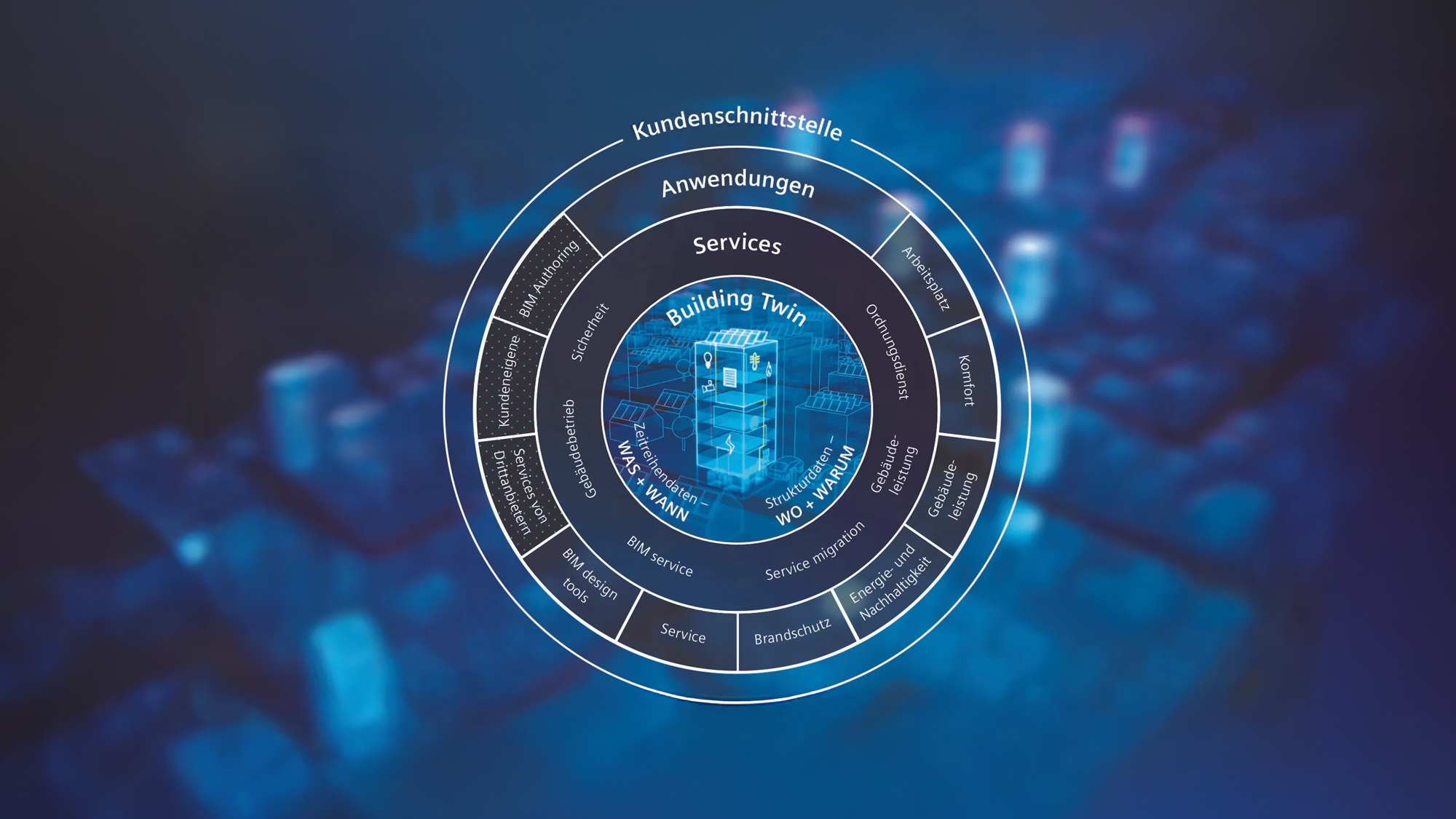
    The digital twin is created from the BIM model during operation. The building twin, which takes over up to 95 per cent of the planning information and links it with live data from the building. It forms the “single source of truth” for areas, technology and sensors and visualises performance, occupancy and comfort levels in real time.

    Cloud-based building twin platforms enable buildings to be monitored virtually, scenarios to be simulated and new applications to be scaled quickly, from energy monitoring to user-centred service suites with AI analytics. This transforms the rigid plan into a learning system that evolves with the requirements of operators, tenants and cities.

    Added value in operation instead of just on the construction site
    Around 80 per cent of a building’s life cycle costs are incurred during operation. This is precisely where BIM, in combination with digital twins, has the greatest leverage. Facility managers access maintenance cycles, operating instructions, manufacturer and warranty data in the 3D model, plan conversions precisely and reduce downtimes and journeys.

    Structured product and live data allow predictive maintenance, bundled procurement or automated reactions such as closing blinds in the event of severe weather warnings. At the same time, the transparent database supports ESG goals, decarbonisation and the circular economy, from energy and water tracking to the valuable reuse of materials in dismantling.

    Digital ecosystems as a model for the future
    Digital twins connect buildings, campuses and neighbourhoods to form intelligent ecosystems in which energy, use and mobility are coordinated. They provide insights into comfort, health, utilisation and emissions and help to manage net-zero strategies, new working environments and mixed-use urban building blocks based on data.

    For owners and operators, BIM and digital twins are thus becoming market differentiators. Those who understand their own portfolio digitally can better prioritise investments, manage risks and prove the return on investment of refurbishments, conversions and services. In an industry caught between decarbonisation pressure and user expectations, they are becoming the key to transforming properties from static objects into adaptive, future-proof infrastructures.
  • Timber construction as an investment

    Timber construction as an investment

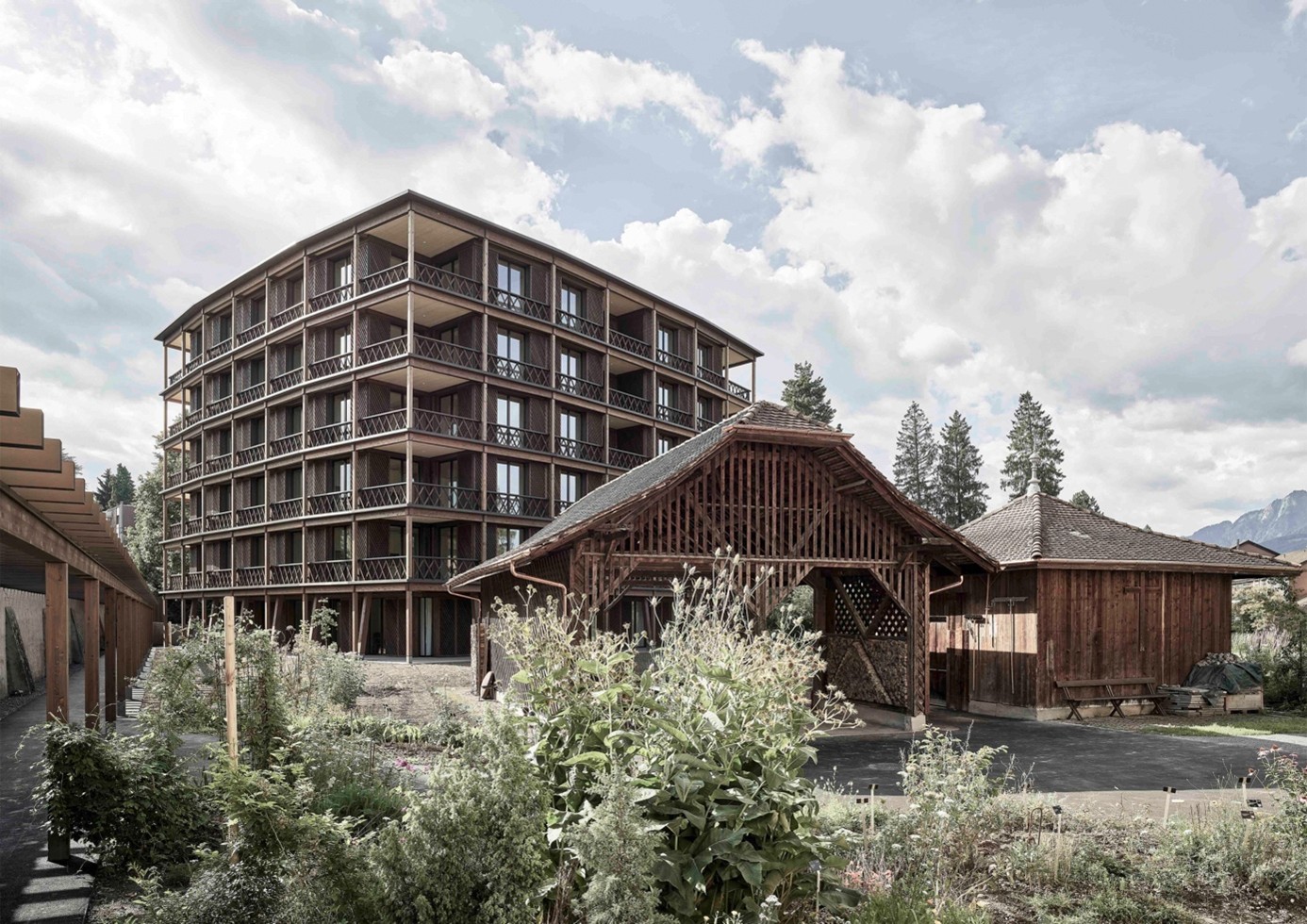
    Timber and hybrid buildings have established themselves as a serious alternative to energy-efficient solid construction. Studies conducted by Wüest Partner and Durable on behalf of Lignum and FOEN show that timber buildings can compete with solid construction in terms of construction costs and performance, although they are slightly more expensive on average. For investors, timber construction thus becomes a building block for achieving sustainability goals without sacrificing economic solidity.

    Costs, life cycle and risk profile
    In a cost comparison, the median construction costs of timber buildings are around 10 per cent higher than those of solid construction. In the lower price segment, however, the values are very similar. Energy standards such as Minergie-P have a greater influence on costs than the choice of load-bearing structure. In the short to medium term, timber buildings benefit from high cost security, lower operating and maintenance costs and a better deconstruction and reuse profile. Over very long periods of 80 years, the greater durability of mineral construction methods has a positive impact on costs, meaning that their life cycle costs are lower.

    Ecological advantage and Green Premium
    Ecological evaluations show that timber constructions reduce grey greenhouse gas emissions by an average of around 20 percent compared to a mineral twin, and significantly more for individual components. The effect is particularly large in the case of extensions, where timber construction enables significant CO₂ savings compared to replacement new builds and creates additional space at the same time. International meta-studies on certified green buildings also point to price and rental premiums as well as lower capitalisation rates, an indication that the market rewards sustainability as a risk buffer.

    Time as a yield driver
    The green premium in timber construction is primarily created by process advantages. A high degree of prefabrication, modular systems and digital planning significantly shorten the construction time. For investors, this means earlier returns and a reduction in construction and project costs due to the time factor. Model calculations estimate savings of around CHF 200 per square metre for a six-month time saving. At the same time, scheduling, coordination and weather risks are reduced, resulting in more stable budgets and more predictable cash flows.

    Strategic role in the portfolio
    Institutional investors such as specialised sustainability funds see the main added value of timber and hybrid construction less in rents than in ecological benefits, the reduction of stranded asset risks and robust ESG positioning. In existing buildings, timber construction scores particularly well in the case of extensions and redensification, where its lightness and prefabrication lead to superior overall economics. For yield-oriented investors, timber construction is therefore particularly worthwhile where process advantages, ESG strategy and location quality interact.

  • Winterthur introduces new guidelines for sustainable procurement

    Winterthur introduces new guidelines for sustainable procurement

    New guidelines for the procurement of goods and services will apply in Winterthur from 1 July 2026. As the city states in a press release, in addition to legal requirements and existing social and economic principles, ecological and social criteria will be given significant weight in future purchases of CHF 50,000 or more in all municipal departments. These criteria are to be “reviewed as concretely and comprehensively as possible” on the basis of 13 categories.

    In concrete terms, this means that decisions on which procurements are awarded will be made based on their impact on the climate, energy efficiency, resource conservation, pollutant avoidance and the circular economy. The reason for this is the energy and climate concept of the 2022 legislative period.

    The procurement of goods and services in particular has a significant impact on the carbon footprint. This means that negative effects on the climate and environment can be reduced particularly significantly in this sector.

    The city expects the anticipated positive effects on climate and resource protection to also increase its economic efficiency in the long term. With a volume of CHF 400 million in 2024, Winterthur is “one of the most important regional clients for the private sector” in terms of procurement.

    The shift from suitability and award criteria to life cycle costs, quality and durability creates greater commitment and transparency. “In this way, we are making an important contribution to achieving climate targets and promoting a sustainable economy,” says Katrin Cometta, city councillor and head of the Department of Security and Environment.

  • Whitepaper: Energetic renovations as an opportunity

    Whitepaper: Energetic renovations as an opportunity

    Knowing that the building sector is responsible for around a quarter of emissions, there is an urgent need to renovate the building stock. Because the few climate-friendly and energy-efficient new buildings will not have a major effect on the entire sector. At the moment we are in a renovation backlog. The current renovation rate of one percent must be doubled in order to achieve the climate targets.

    Practical experience shows that during renewal processes, too little attention is paid to energy-related refurbishment compared to replacement new buildings. The landowners often lack basic information that shows them the economic, ecological and social potential of energy-related renovations. The whitepaper is intended to make a contribution to precisely this. There is a basic overview of the urgency, legal framework, benefits, opportunities and possible strategies of energy-related renovations.

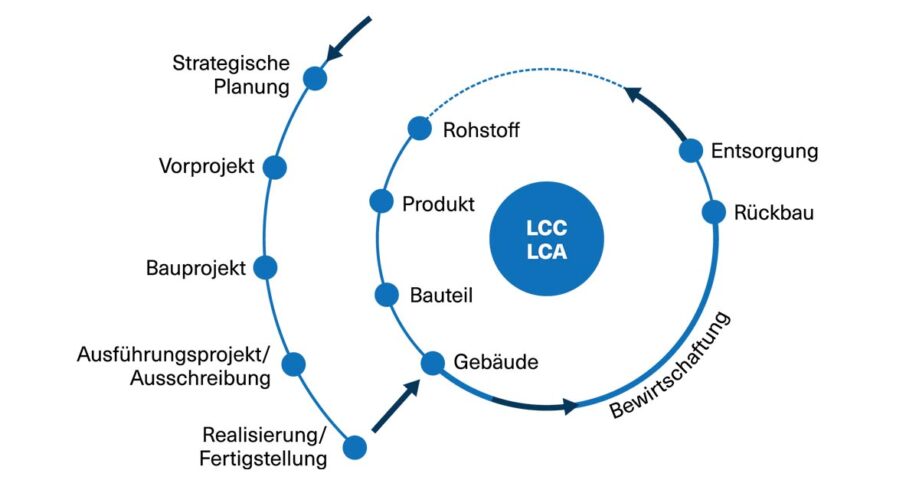
    The results of an ecological balance sheet (life cycle analysis, LCA) and an analysis of the life cycle costs (LCC), for example, form an excellent basis for decision-making. These quantitative assessment methods take into account the entire building life cycle.

    To the white paper

    Comprehensive redevelopment of the Webermühle housing estate
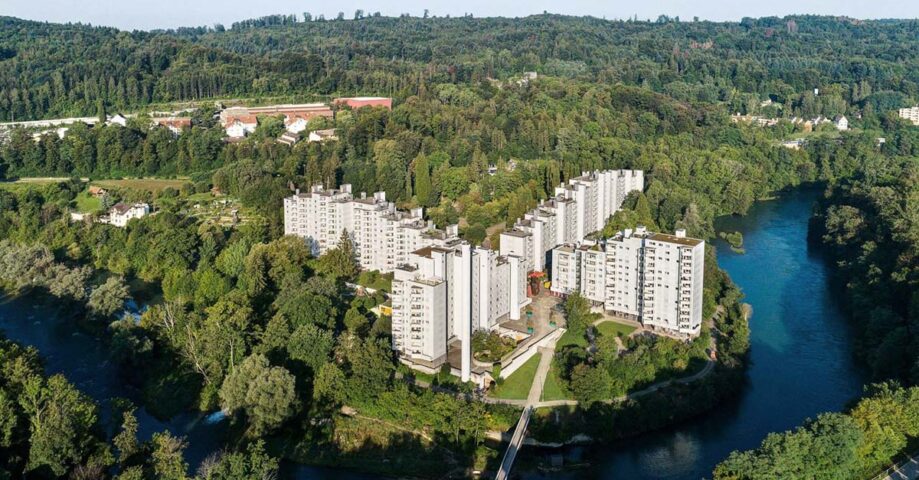
    One example of a successful renovation is the large Webermühle development in Neuenhof. The former Göhner settlement, which was occupied in 1984 and has been owned by a real estate fund from Credit Suisse Asset Management since 2008, houses 368 rental apartments with around 1,500 residents.

    The core of the energetic renovation of the Webermühle is the reorientation of the heat supply. To this end, the client defined a clear goal right from the start: in the future, the heat supply should be at least 70% CO₂-free. Due to the size of the facility, Credit Suisse Asset Management wanted to have the heating system replaced by a contractor instead of producing heat itself. The sustainability of the solution proposed by ewz with a river water heat pump convinced the client.

    Find out more