Tag: Mobilitätswende

  • Councillors demand right to charging stations in residential buildings

    Councillors demand right to charging stations in residential buildings

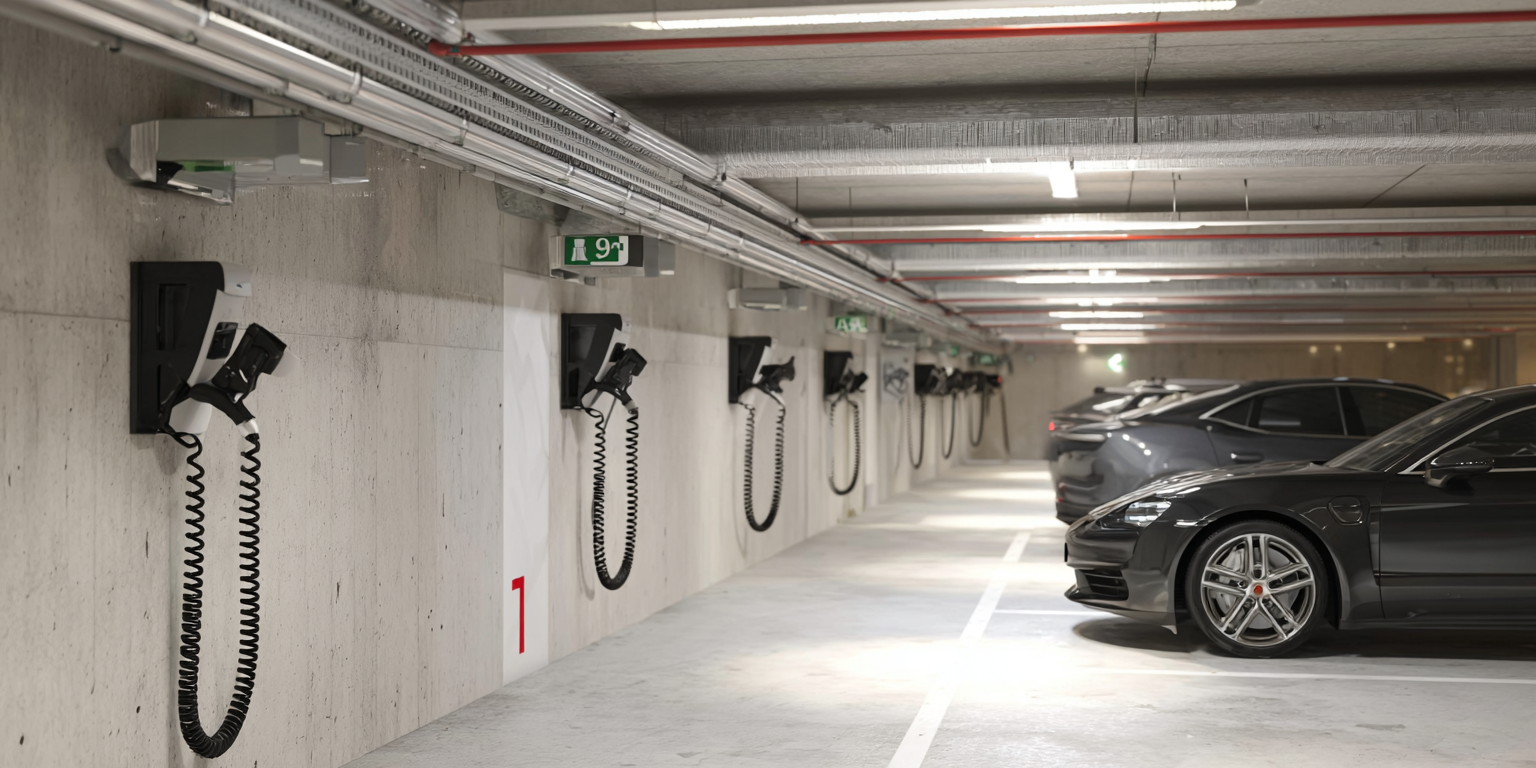
    On Wednesday, the Council of States adopted a motion by National Councillor Jürg Grossen by 24 votes to 18. The Federal Council should create binding regulations to ensure access to private charging stations in rented and owner-occupied apartments. The proponents argued that slow charging stations are a key lever for the mobility and energy transition.

    Decarbonization needs infrastructure
    Flavia Wasserfallen emphasized that a lack of charging infrastructure is one of the main reasons for stagnating sales figures for electric vehicles. “Cars need to be charged where they are,” she said. Thierry Burkart also pleaded for a state framework, “combustion engines would never have caught on without charging stations.”

    Property rights versus climate target
    The majority of the Council of States Committee for the Environment, Spatial Planning and Energy opposed a legal obligation. They warned against too much interference in the guarantee of property rights and private autonomy. Daniel Fässler argued that the market should determine where charging infrastructure is created.

    Federal Council’s duty
    The Federal Council had also spoken out against the motion. According to the government, the situation is unclear in the current tenancy and condominium law. Nevertheless, it must now draw up proposals to implement the request.

    Past funding approaches failed
    As part of the last revision of the CO₂ Act, the Federal Council wanted to provide up to CHF 30 million annually for charging infrastructure in apartment buildings and public parking lots. However, this measure failed at the time due to opposition from parliament.
  • Voters stop Locarno railroad station project

    Voters stop Locarno railroad station project

    The proposal to redesign the Locarno-Muralto train station was narrowly rejected with a voter turnout of 31%. 33,723 no votes were cast against 33,621 yes votes. The project was thus stopped by a wafer-thin margin of 102 votes. A result that shows how controversial urban planning interventions can be, even for regionally important infrastructure projects.

    Planned investments for greater clarity and mobility
    The project would have involved a comprehensive upgrade of the transport hub with a total volume of CHF 16 million. The canton of Ticino would have borne around CHF 7 million of this. The plan was to focus more strongly on pedestrian and bicycle traffic and to organize the bus bays more efficiently. The aim was to improve multimodal connections to the station and make public transport clearer and more accessible.

    Opposition from the business community
    The project faced particular opposition from businesses and restaurants around Viale Cattori. They feared that the increased bus frequency – more than 250 buses per day – would impair the quality of life on the lakeside promenade. The loss of direct access routes for motorized private transport to stores and restaurants was also seen as a significant disadvantage. Opponents argued that this could jeopardize the economic attractiveness of the zone.

    Infrastructure project with conflicting local objectives
    The rejection of the station redesign in Locarno is a good example of the tensions between the mobility turnaround, urban development and local economic interests. Despite clear advantages in terms of traffic and design, the project was not able to prevail. This was mainly due to the feared disadvantages for the existing business location. For future infrastructure projects with an impact on urban development, this will serve as a reminder to involve affected interest groups in the dialog early and comprehensively.