Tag: nachhaltiges Bauen

  • Research project promotes circular economy in the construction industry

    Research project promotes circular economy in the construction industry

    Researchers at the Swiss Federal Institute of Technology in Zurich(ETH) are working on the reuse of old building materials, according to a press release. In a project-based interdisciplinary course developed by Prof Dr Catherine De Wolf, prospective engineering students from fields such as architecture and computer science are looking for ways to recycle materials in the construction industry in order to save resources and use materials for longer.

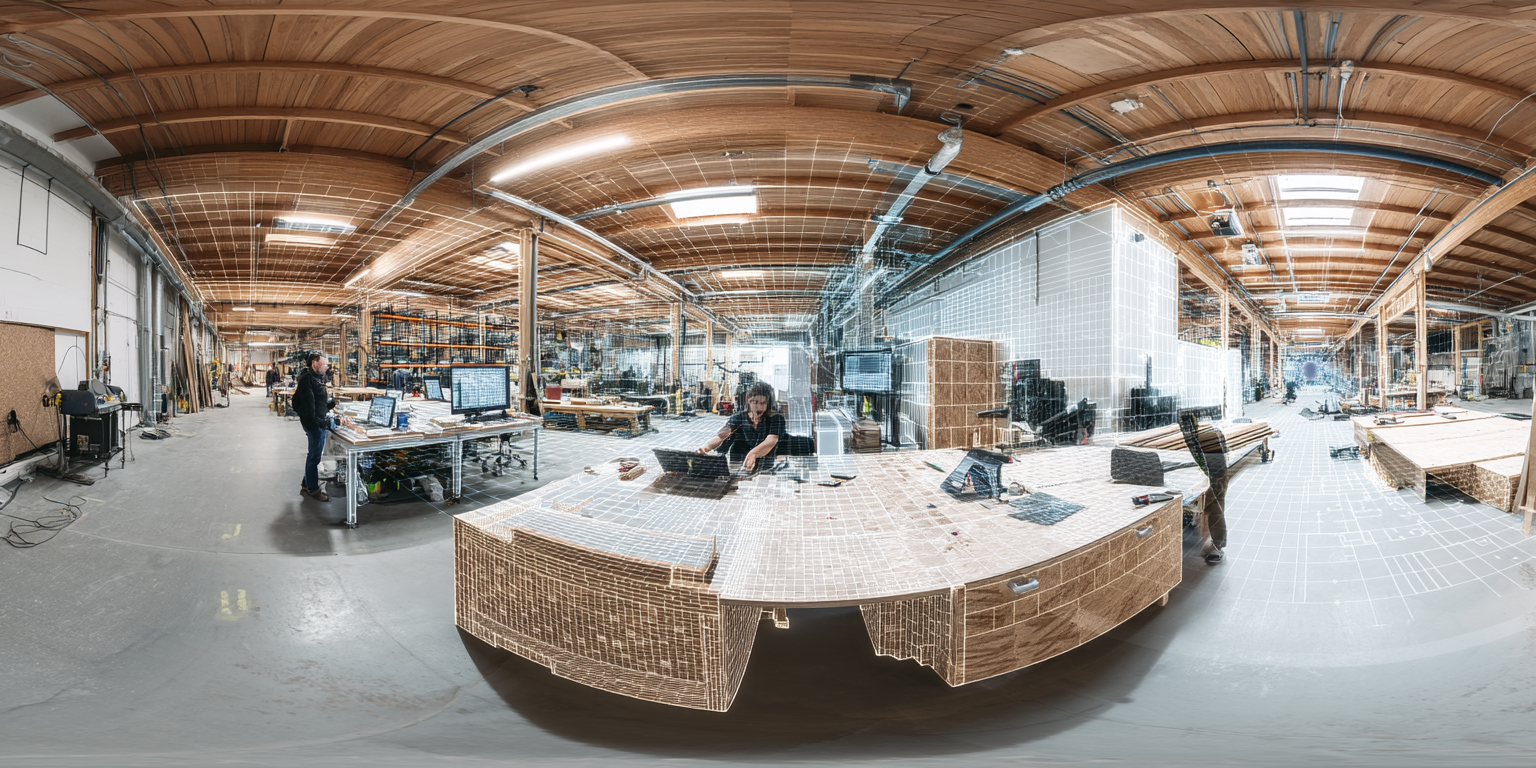
    They apply their knowledge during construction site visits, workshops or in the workshop. The ETH researchers spend around 70 per cent of their time in the field. “They learn how to carefully remove materials from existing buildings, document them digitally, integrate them into new designs and finally realise them,” they say. The experience of dismantling a building and reusing this demolition material, which would otherwise end up in landfill, for new construction processes demonstrates “how sustainable construction methods can be implemented in practice”. In the Digital Creativity for Circular Construction course, teams work on realisable projects for external clients and users. Laser scanning, artificial intelligence and augmented reality are used to record the building fabric.

    The students’ work has been exhibited at the Kunsthalle Zürich, the Art Genève art fair and the Architecture Biennale in Venice and has been used by external clients and users.

  • Research project promotes the reuse of concrete in construction

    Research project promotes the reuse of concrete in construction

    The Materials and Structures Group of the Institut du patrimoine construit, d’architecture, de la construction et du territoire(inPACT) at the Haute école du paysage, d’ingénierie et d’architecture de Genève(HEPIA) is leading the Concrete Upcycling Techniques(CUT) research project. The project, led by Professor Maléna Bastien Masse, aims to integrate the reuse of concrete slabs into construction practice, as detailed in a press release. The aim is to reduce the industry’s CO2 footprint. The project is supported by the Swiss National Science Foundation(SNSF) and is being carried out in collaboration with Professor Corentin Fivet’s Structural Xploration Lab at the Swiss Federal Institute of Technology Lausanne(EPFL).

    The project aims to preserve concrete slabs during the demolition of buildings. The slabs are sawn up on site and then analysed by HEPIA researchers. The aim is to find out whether these slabs can be reused. The panels approved for reuse are then used in new buildings. The project is also investigating how they can be joined together during reuse. Advanced techniques and materials such as high-performance fibre-reinforced cementitious composite (CFUP) will be used.

    “The construction industry loves concrete. It is an indispensable, versatile, adaptable and cost-effective material, but it is also extremely harmful to the environment. One solution is obvious: reuse,” reads the press release. “By recovering and reusing components from existing buildings for new construction projects, concrete consumption is reduced, resulting in a lower CO2 footprint.”

    HEPIA is a Geneva-based university that specialises in education and research in the fields of engineering, architecture and the environment, particularly in the areas of materials and sustainable construction. The university is part of the University of Applied Sciences Western Switzerland(HES-SO).

  • New strategy pays off – more profit and green share of sales increases

    New strategy pays off – more profit and green share of sales increases

    Holcim achieved half-year sales of 7.87 billion Swiss francs, an increase of 1.8 per cent in local currency. In a press release, the company reported a disproportionately high increase in its recurring EBIT (recurring operating profit) of 10.8 per cent in local currency and 3 per cent in Swiss francs to CHF 1.44 billion. The recurring EBIT margin thus improved by 90 basis points to 18.3 per cent. Earnings per share also rose by 7.4 per cent year-on-year to CHF 1.57 before impairments and disposals.

    The building materials company also reported increased demand for sustainable solutions. ECOPact low-CO2 concrete accounted for 31 per cent of total sales of ready-mix concrete in the first half of the year, compared to 25 per cent in the previous year. Sustainable ECOPlanet cement accounted for 35 per cent of cement sales, compared to 32 per cent a year ago.

    “I would like to thank all of our 48,000 employees around the world for their contribution to our excellent half-year results. Holcim is the leading partner for sustainable construction and we are unlocking significant business opportunities through our new strategy ‘NextGen Growth 2030’ – which lays the foundation for a new era of growth and value creation,” CEO Miljan Gutovic is quoted as saying.

    For the full year, Holcim is forecasting 3 to 5 percent sales growth in local currency, 6 to 10 percent growth in recurring EBIT in local currency, a recurring EBIT margin of more than 18 percent, free cash flow before leases of around CHF 2 billion and over 20 percent growth in recycled construction and demolition materials.

  • Innovation project to serve as a starting point for the new construction industry

    Innovation project to serve as a starting point for the new construction industry

    The BioHaus am Waldsee in the US state of Minnesota has turned 20. The building, located on the Waldsee campus of Concordia Language Villages, is the first building in America ever to be certified as a Passive House by the German Passive House Institute. The project was originally realised by Stephan Tanner and his team from Integrale Planung GmbH (Intep) in Zurich. It also served as the starting point for TANNER Building Products and its related ventures, according to a press release.

    The BioHaus is characterised by materials and technologies such as Passive House-certified windows and doors, high-performance ventilation systems, external shading elements and vacuum insulation panels, which were imported from Europe to the US for the project at the time. It was built at a time when the Passive House standard was still largely unknown in North America and the necessary materials, technologies and construction expertise were lacking locally.

    The project was supported by the German Federal Environmental Foundation and was intended to demonstrate that advanced environmental technologies can also be successful abroad. “BioHaus has not only proven that Passive Houses can work in America. It has also helped others to follow this example,” the statement reads.

    The project also gave rise to Stephan Tanner’s company, TANNER Building Products. Based in Watertown, Minnesota, the company started in 2006 as Peak Building Products and supplied the advanced materials for the BioHaus. “What began as a necessity – importing components that no one else had – sparked an entire industry,” the company explains in the press release.

  • Ground-breaking ceremony marks the start of a new residential development in Baden

    Ground-breaking ceremony marks the start of a new residential development in Baden

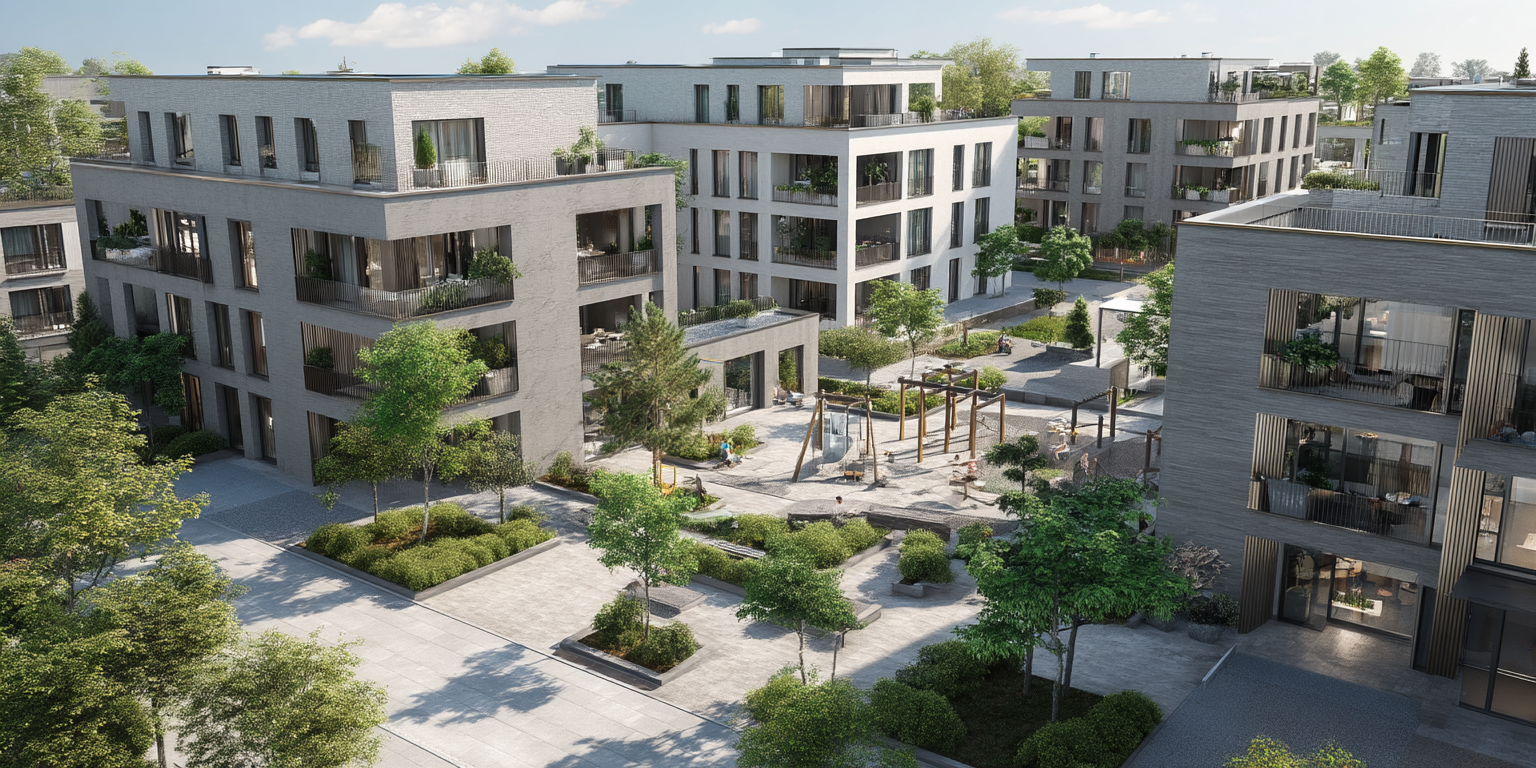
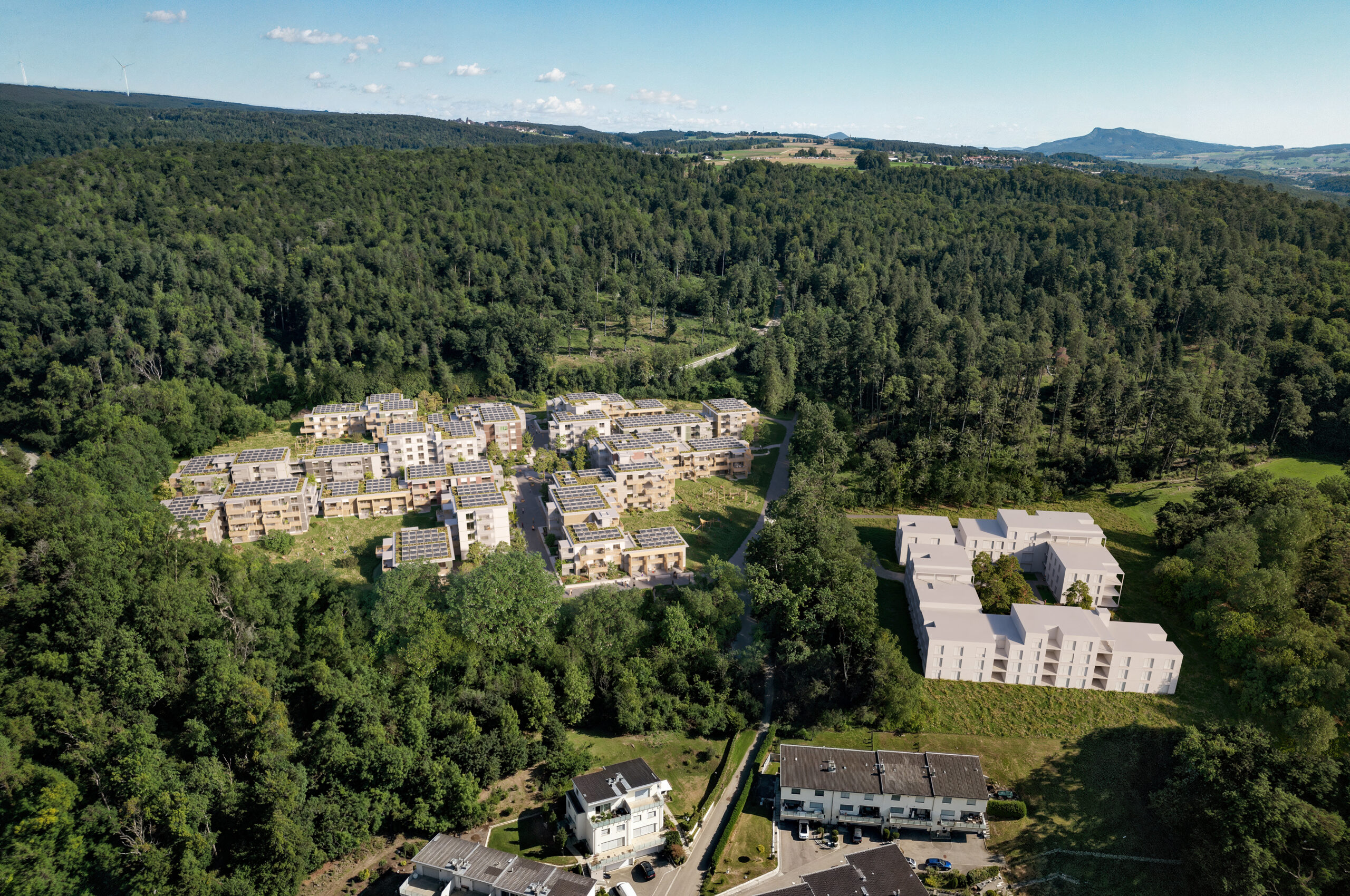
    The first five foundation stones were laid on the Brisgi site, marking the official start of the approximately three-year construction phase. According to a statement from the City of Baden, the site will see the creation of around 220 units of sustainable and affordable housing. The symbolic laying of the foundation stones was carried out by Baden’s Mayor Markus Schneider, representatives of the non-profit developers – the Baden Housing Foundation, Logis Suisse AG and the Graphis Building and Housing Cooperative – as well as members of the local community.

    “These five stones come from the excavation and represent the core values of the future Brisgi site: together we are shaping the future with sustainable and affordable housing,” explains the City of Baden in the statement.

    By 2028, affordable flats and flexible housing options for single people, couples and families are to be built on the site. In addition, community life will be enhanced by studios, green spaces, a neighbourhood square and a playground.

    The project will be built in accordance with the Swiss Sustainable Building Standard (SNBS). “The site focuses on hybrid construction, renewable energy, biodiversity and minimal soil sealing,” the press release states. “In this way, the project demonstrates that high-quality construction, sustainability and affordable housing go hand in hand.”

  • Basel becomes the building site of the future

    Basel becomes the building site of the future

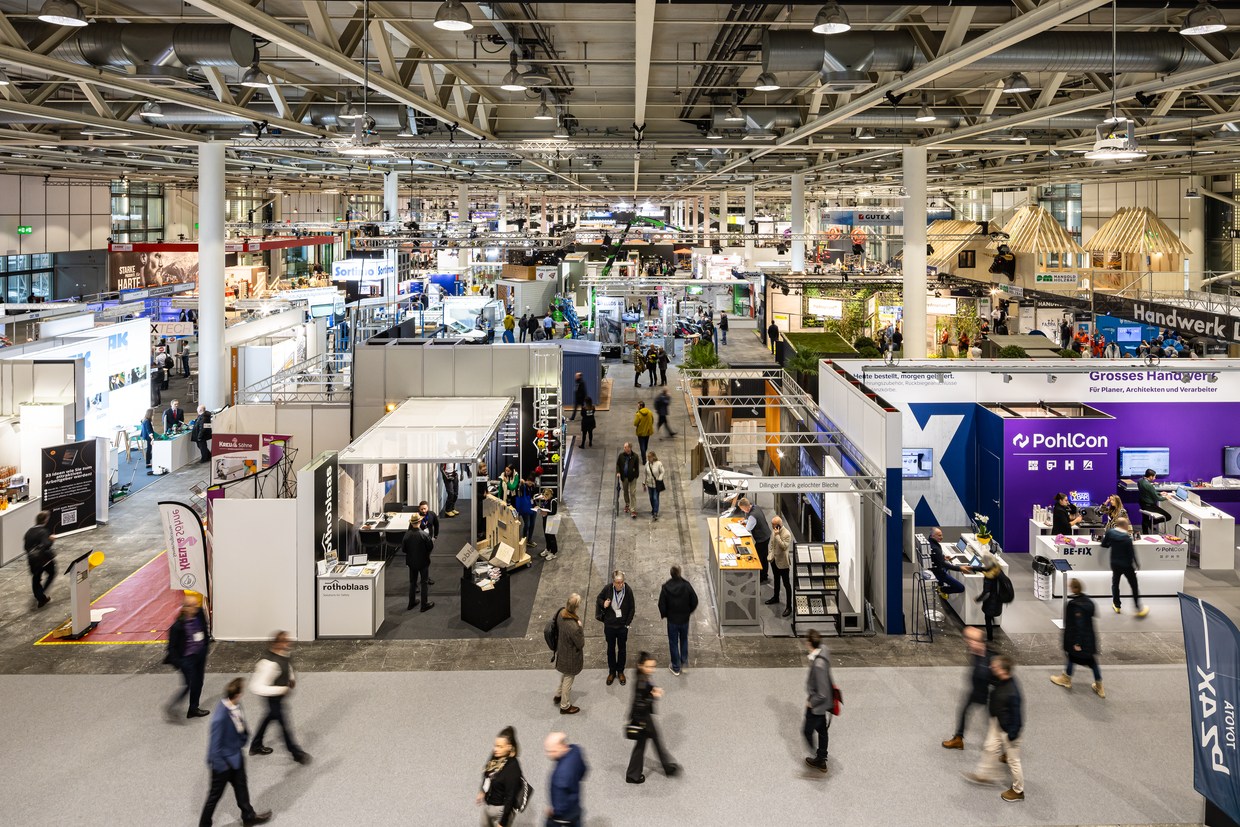
    When the doors to Swissbau 2026 open tomorrow, Messe Basel will be transformed into a vibrant center of the construction and real estate industry. 592 exhibitors and partners will showcase products, systems and ideas for sustainable building and modern living.

    Hans Wicki, member of the Council of States and President of the umbrella organization Bauenschweiz, opens the trade fair with the Globus Basel lighthouse project as an example of sustainable renovation. Accompanied by representatives from politics and business, the industry demonstrates how professional expertise, climate targets and building practice can be combined.

    Experience craftsmanship live
    In Hall 1.0, the focus is on a real construction project. A two-storey house is being built in front of visitors’ eyes. Over 15 craft businesses will be demonstrating their skills, from woodworkers to solar installers, from tile layers to plasterers. The project makes tangible what building culture means in everyday life.

    Right next door, a cooperation with the Swiss Painting and Plastering Contractors’ Association SMGV brings color into play. Decorative plaster textures, live training sessions by two Swiss master craftswomen and the “Swiss Prize for Plaster and Paint” exhibition – a marketplace full of ideas and dynamism.

    Sharing knowledge, shaping change
    The Swissbau Focus and Swissbau Lab platforms create space for dialog. Here, experts discuss the circular economy, climate adaptation and digital change in the construction process. High-caliber speakers and practical examples provide food for thought and show how the future can be implemented in concrete terms.

    Whether in specialist forums or in direct discussions, knowledge transfer remains at the heart of the trade fair. All events are included in the admission price. A clear plus for trade visitors.

    Rooms for inspiration
    Design lovers and interior professionals will find new inspiration in the Trend World Interior Design (Hall 1.2). Bathroom innovations, surfaces, light and materials combine to create an atmospheric world of experience. Like Swissbau Focus, the hall will also remain open on Saturday, providing space for encounters outside the working week.

    Looking to the future
    Swissbau 2026 is more than just a trade fair. It is a showcase for progress, a laboratory for solutions and a place where the industry and society work together on the construction of tomorrow.

  • Fresh capital for data-based planning in the construction industry

    Fresh capital for data-based planning in the construction industry

    The Zurich-based start-up vyzn has successfully completed its seed financing round. According to a press release, this was led by the venture capital companies Spicehaus Partners from Zug and Kiilto Ventures, part of the Kiilto chemicals group based in Finland. Other strategic investors from the construction and real estate sectors were also involved. The amount of the newly raised capital is not disclosed. The capital is now intended to pave the way for expanding the portfolio and driving growth.

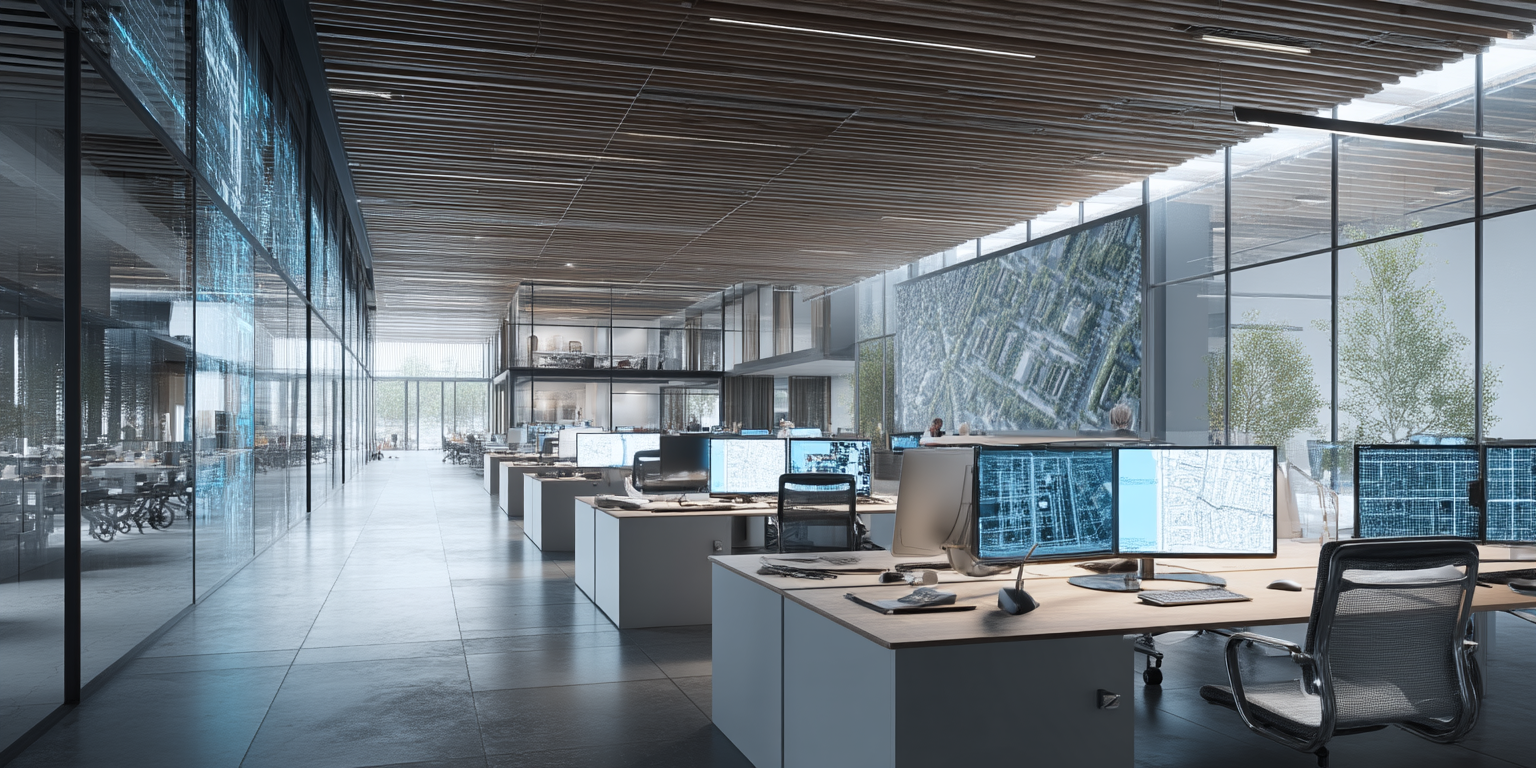
    The spin-off from the Swiss Federal Institute of Technology in Zurich(ETH) is led by the founding team, which includes CEO Adrian Henke, CTO Romana Rust, COO Martino Tschudi and CCO Michael Sinniger. The aim is to transform the planning of new construction and renovation projects with the help of data-based analyses. And soon, it is said, the vyzn software will cover more than just life cycle assessment and energy efficiency and enable early, precise and cost-effective planning iterations. The integration of data on recyclability, cost estimation and thermal comfort has also been announced. The basis for this is a recent technological breakthrough: vyzn can now automatically convert architectural models into fully simulatable 3D models.

    Growing demand from European markets is emphasized. Expansion into Germany is imminent; the vyzn software is set to be used by the first customers there as early as the beginning of 2026. The start-up is also looking to expand its team with a view to further expansion. Customers already include over 50 companies such as Zurich Airport, Implenia, Halter, Pensimo and Amstein-Walthert.

    “With vyzn, we are breaking down the data silos in planning,” says vyzn CEO Adrian Henke. “Our customers use our platform to resolve the contradiction between economical and sustainable construction.”

  • Sustainable office property strengthens real estate portfolio

    Sustainable office property strengthens real estate portfolio

    Swiss Prime Site has acquired a new office property on Pfingstweidstrasse in Zurich-West, as detailed in a press release. The property, which has a rental area of 19,000 square meters and a net yield of 3.8 percent, is already fully let to the stock exchange operator SIX Group Services AG.

    The acquisition marks the last major investment of the CHF 300 million capital increase for growth investments from last February. In April and August, Swiss Prime Site had already used the funds to acquire office properties in Geneva and Lausanne. All new acquisitions generate yields that are significantly higher than the portfolio yield and increase the net asset value (NAV) per share as well as the funds from operations (FFO) per share.

    Swiss Prime Site and the private seller have agreed not to disclose the purchase price of the property. Due to the recent year of construction, the sustainable construction method and the office building’s district heating connection, Swiss Prime Site expects a BREEAM sustainability rating of “very good”.

    “The transaction underscores our focus on first-class, centrally located office properties and shows how agile we are in deploying fresh capital for sustainable growth. It is particularly pleasing that we were able to acquire this prestigious property – used by the Swiss stock exchange as our country’s central infrastructure – as part of an exclusive purchase review and thanks to the trusting cooperation with the seller”, René Zahnd, CEO of Swiss Prime Site, is quoted in the press release.

    With the three acquisitions made and a reduction in the planned property sales as part of capital recycling, Swiss Prime Site expects an increase in rental income of CHF 20 million from 2026. The transaction was completed on December 1, 2025.

  • Norman Gobbi points to sustainability in Ticino

    Norman Gobbi points to sustainability in Ticino

    Mr. Gobbi, you have recently been in charge of construction in Canton Ticino. What are your first priorities in this area?
    “In my new role as head of the Construction Division, which I have held since September 1, the priority is to initiate contacts with all the main players in the construction sector in Ticino, in order to understand their view of the current situation and prospects-short, medium and long term.”

    How do you intend to make spatial planning in Ticino more sustainable, particularly in the delicate balance between densification and landscape protection?
    “The canton of Ticino has a very different geographic conformation than the highland cantons. Everything is concentrated in the few square meters of the valley floors, which were already heavily anthropized during the 20th century: this makes it very difficult to reconcile all the functions that the territory has to perform, while ensuring the highest possible degree of sustainability and quality of life. The key lies in forward-looking planning, as well as the patience to remedy, step by step, the mistakes inherited from the past.”

    What role does climate change play in your building policy? Are there concrete plans for climate-resilient building in the canton?
    “Ticino stretches from 200 to over 3,000 meters above sea level and is therefore particularly exposed to the effects of climate change. The State Council is aware of this and has included mitigation of these phenomena among the goals of its long-term program.”

    What is your position on promoting the use of wood and modular construction in public building?
    “More than 50 percent of our canton’s land area is covered by forests. So our interest in promoting the use of this abundant and high-quality resource is obvious. The state is there and will play its part in this area: I also expect creative impulses from our Academy of Architecture and, of course, increasing sensitivity from the private sector.”

    Housing space in Ticino is becoming increasingly scarce and expensive. What strategies will you adopt to create affordable housing?
    “Our constitution entrusts the management of these issues, first and foremost, to the municipalities: I consider this a wise choice, since local authorities have an in-depth knowledge of what is happening on the territory and can therefore react promptly to changes in the housing context. That said, the canton is following the issue very closely and is ready to take regulatory action where it is appropriate to do so.”

    How will it work with municipalities to ensure consistent and uniform spatial planning?
    “The new Federal Law has completely changed the paradigm, and Ticino has incorporated it into its Master Plan: it is clear that-for the reasons related to the conformation of the territory I mentioned-the issue of densification is particularly delicate for our canton. The implementation of this strategy will require a broad debate both among institutions and within society as a whole.”

    In German and French-speaking Switzerland, economic promotions are very active. How much energy does the canton and individual districts, respectively, economic regions invest in positioning, and what are they doing concretely?
    “Ticino is constantly working to position itself as a dynamic region that is open to innovation. We are just under two hours from the economic hubs of Zurich and Milan, and in the future we can aspire to accommodate realities that want to remain connected to the dynamism of these metropolises without necessarily having to suffer the disadvantages in terms of quality of life.”

    What lessons do you draw from your time as safety director for your new role in the construction industry?
    “Attention to safety is a ‘mindset,’ and it helps in all situations in life-especially in professions where people risk serious or even fatal injuries. So it will be a priority for me to strengthen awareness on these issues and try to strive for a construction industry where people can work without ever having to fear for their safety.”

    How do you manage the transition from a heavily safety-focused area to a more technical one?
    “Our militia system encourages us to be ‘enlightened amateurs,’ avoiding overspecialization and maintaining an awareness that the work of the state is not made up of watertight compartments, but of interconnected organs that must work in constant dialogue.”

    Do you see your new role as a long-term task or rather as a temporary solution until the end of the legislature in 2027?
    “As I have said many times, land management is my great passion after institutions.”
  • Strong wood presence at the ‘Swiss Arc Award’ 2025

    Strong wood presence at the ‘Swiss Arc Award’ 2025

    On October 30, the jury honored the best buildings of the year from over 400 submissions. The award, presented at Trafo Baden in front of over 500 guests from architecture and the construction industry, underlines the creative diversity and technical maturity of Swiss planning culture. The Lifetime Achievement Award was presented to Kaschka Knapkiewicz and Axel Fickert, whose work has had a decisive influence on local architecture for decades.

    Sustainability and functionality
    The Hortus office building in Allschwil by Herzog & de Meuron won in the “Work, Production & Infrastructure” category thanks to its systematic climate protection and material intelligence. The new University Children’s Hospital Zurich, the winning project in the “Education & Health” category, was also designed by Herzog & de Meuron. Its horizontal structure creates bright, open pathways and a new typology of hospital building that combines functionality with humanity.

    Wood as a design leitmotif
    The Guggach residential and commercial development in Zurich by Donet Schäfer Reimer Architekten won in the “Residential” category. Climate-optimized concrete and timber construction elements demonstrate how sustainable building materials can interact constructively and aesthetically. Andreas Fuhrimann and Gabrielle Hächler were awarded the first prize for interior design for their sensitive conversion of a terraced house in Gockhausen. Wood permeates surfaces, furniture and construction as a connecting element and emotional carrier of spatial quality.

    Audience award for multi-purpose building in Lavaux
    The multi-purpose building in Forel by Samir Alaoui Architectes won the audience award. The stacking of industrial and residential use creates an architectural unit with a high degree of spatial intelligence. Here too, the timber construction underlines the fact that sustainable construction and architectural expressiveness are not mutually exclusive.

    The Swiss Arc Award 2025 confirms that wood is not just a building material, but an expression of a new culture of responsibility in the Swiss construction industry.

  • Strategic move in the European construction sector

    Strategic move in the European construction sector

    With the integration, Holcim is expanding its product portfolio to include energy-efficient and circular transformation solutions in a European market with a volume of over 12 billion euros. The move contributes to the strategic initiative “NextGen Growth 2030”, which is focussed on high-margin business areas beyond the traditional cement business.

    In particular, the range of mineral lightweight and aerated concrete products as well as digital platforms such as blue.sprint and Building Companion are intended to strengthen system sales and the interaction between building materials, precast elements and digital planning tools. This will create an integrated value creation model that focuses on efficiency, sustainability and planning reliability.

    Financial perspective of the transaction
    The purchase price is EUR 1.85 billion. This corresponds to a pro forma EBITDA multiple for 2026 of around 8.9 and 6.9, respectively, after planned synergies of 60 million euros in the third year. A positive contribution to earnings per share and free cash flow is already expected in the first year after completion. The return on capital is expected to increase from the third year onwards.

    The acquisition is still subject to regulatory approvals and is expected to be completed in the second half of 2026. Holcim emphasises that the transaction is part of a disciplined capital strategy that combines sustainable growth with financial stability.

    Significance for the structure of the construction industry
    The move puts prefabricated building systems and modular solutions more at the centre of industrial value creation. Holcim is thus responding to the continuing demand for resource-efficient and climate-friendly construction in Europe, as well as to increasing regulatory requirements in building technology and energy efficiency.

    The combination of building materials expertise, advanced production and digital engineering is pushing the boundaries of traditional materials industries. For the European construction sector, this takeover could become a driving force towards more networked, industrialised construction processes.

  • The future of living

    The future of living

    The central symposium on 7 November in Bern will take stock of five decades of housing policy and focus on the challenges of the coming years. Experts from the fields of the environment, energy, spatial planning and property will discuss which management instruments will be needed in the future to reconcile climate targets, housing shortages and social change.

    The focus will be on issues relating to resource-conserving construction, socially mixed neighbourhoods and dealing with limited land areas. A public launch on 21 October entitled “Beautiful living – housing promotion” will address these topics. At the Kornhausforum Bern, experts from the fields of architecture, sociology and urban development will discuss ways to create liveable, dense neighbourhoods and the role of cooperatives and local authorities.

    Mountain areas under pressure
    The second symposium in cooperation with the Federal Office for Spatial Development and the State Secretariat for Economic Affairs will take place in Interlaken on 10 November. It will shed light on the tense housing situation in tourist mountain regions, where rising demand for second homes and a lack of primary residences are increasingly displacing the local population and labour force.

    Workshops and practical examples show how municipalities can develop new instruments for affordable housing, from earmarking strategies to regional housing funds. The aim is to strengthen approaches that ensure long-term utilisation while maintaining the attractiveness of the location.

    Rethinking urban development
    At the same time, the framework programme presents innovative perspectives on housing and urban structure. The symposium “The city of short distances”, organised by EspaceSuisse and the Swiss Association of Cities, will address the interaction between housing, mobility and work.

    Guided tours of sustainable neighbourhoods in Bern show real examples of implementation with a focus on participation and communal living. The cinema evening with the film White Building brings global challenges such as gentrification and displacement back to local issues of urban development. In addition, the travelling exhibition “10 Minute Neighbourhoods” from 3 to 17 November on Waisenhausplatz illustrates how urban distances can be shortened in everyday life and quality of life improved.

    Shared future agenda
    The Swiss Housing Days have long been more than just a specialist congress. They are a platform, discussion forum and laboratory for shaping the housing policy of tomorrow. The BWO uses the anniversary to bring politics, business and society closer together. With the aim of rethinking housing as a social and ecological resource.

  • Paradigm shift in property planning

    Paradigm shift in property planning

    AFC AG, which is active in the fields of fire protection, sustainable construction and building simulation, is presenting its specially developed LessTech concept, which analyses buildings in terms of their functional requirements. According to a press release, the spin-off from the Swiss Federal Institute of Technology in Zurich(ETH), based in Technopark Zurich, aims to achieve a paradigm shift in property development: away from oversized technical solutions and towards robust, economical and sustainable buildings. The aim is to increase controllability in construction, improve planning and investment security and reduce operating costs.

    The LessTech method works with digital tools such as thermal building simulation and CFD air flow analyses to check the impact of construction measures at an early stage. LessTech also brings innovation to the core area of fire protection: with early simulations and interdisciplinary collaboration, AFC creates solutions that are designed for maximum safety, according to the company. “With LessTech, we are creating a paradigm shift in building planning: less technology, less complexity – but more impact, stability and return on investment. Simplicity is the key to the properties of the future,” Daniel Gubler, CO-CEO of AFC AG, is quoted as saying about the benefits of the concept.

    The LessTech precision tool also improves the ESG (environmental, social and governance) compliance of buildings: “The most sustainable building component is the one that doesn’t have to be built in the first place,” explains AFC AG. With the label pre-check, AFC also supports building owners and investors in choosing the right sustainability label (e.g. SNBS, Minergie, LEED or BREEAM).

    Founded in 1995, AFC AG develops future-oriented and holistic solutions for sustainability, energy efficiency and safety concepts for safe, energy-efficient and climate-friendly buildings. Clients include Flughafen Zürich AG and SBB.

  • New sports hall in Sissach is being built underground

    New sports hall in Sissach is being built underground

    ERNE AG Bauunternehmung is well on track with the realisation of a triple sports hall in Sissach. The project is being realised by ERNE plus as total contractor, the Laufenburg-based ERNE Group company announced in a press release. Construction work has been in full swing since the ground-breaking ceremony on 12 April last year.

    As total contractor, ERNE plus is coordinating all the trades involved in the construction work. The close collaboration will ensure that the construction project is completed on time and to a high standard, writes ERNE AG. ERNE is using digital tools for planning and realisation.

    The design of the triple sports hall, developed by architects Penzel Valier AG from Zurich, is based on sustainable construction methods, according to the press release. A large part of the hall will be built underground so that an all-weather pitch can be created on the hall roof. Above ground, the hall will be connected to the existing school building via a pavilion.

  • First Zurich cantonal building to be awarded platinum

    First Zurich cantonal building to be awarded platinum

    The canton of Zurich is making history. The asylum center in Adliswil, which will be completed in 2023, is the first cantonal building to be certified with the highest SNBS Platinum award. This makes it one of only a handful of construction projects in Switzerland to have achieved this level.

    Unlike many conventional sustainability certificates, the SNBS Building Construction not only takes ecological criteria into account, but also evaluates the entire life cycle of a building and its impact on society, the environment and the economy.

    Context-strong architecture and modular efficiency
    The new building impresses with a differentiated architectural approach that incorporates both functional and social aspects. The result is a place that not only offers accommodation, but also facilitates integration. Semi-open meeting zones, planted gardens and a sports field encourage interaction and voluntary commitment.

    The modular timber construction not only guarantees high quality and cost efficiency, but also contributes to ecological goals. The short construction process, ease of dismantling and high degree of prefabrication also make the project economically attractive.

    A step beyond its own standard
    With an overall score of 5.5, the project even exceeds the cantonal targets. Zurich requires at least gold certification for new buildings, but the asylum center achieved platinum. This is confirmation of the commitment of the building construction office and the teams involved in the project.

    Signal effect for public building construction
    For investors, planners and decision-makers, the project is impressive proof that sophisticated sustainability is also feasible for public buildings and pays off in the long term. The Adliswil asylum center is therefore not only a functional building, but also a forward-looking location factor.

  • A visionary urban development project

    A visionary urban development project

    The new urban quarter covers an area of 125,600 square meters and will provide space for around 1,700 residents and the same number of jobs. The development is based on a sustainable urban model that combines both dense construction and natural recreational zones. The project relieves pressure on the city center and at the same time creates modern, well-developed commercial areas that strengthen Solothurn’s attractiveness as a business location.

    Living space for all generations
    The new district is based on well thought-out usage concepts that are tailored to the needs of a growing urban society. A variety of housing options for singles, families and senior citizens, modern workspaces with flexible usage options as well as high-quality green and recreational spaces that contribute to the quality of life are being created. The urban location between the Aare and the old town combines the advantages of city life with the amenities of sport and recreation in the most beautiful natural surroundings. Generous public spaces and traffic-calmed zones promote a high quality of stay and support social interaction.

    Urban development with a strong neighborhood spirit
    Solothurn Weitblick is more than just a construction project, it is a model for future-oriented urban development. The mix of different forms of housing, cooperative and private residential property and a consistent focus on pedestrians promote a strong neighborhood identity. Meeting zones, green promenades and well thought-out spatial structures invite people to linger and create a lively district that encourages active participation.

    Pioneer for sustainable urban planning
    The project focuses on innovative concepts for climate adaptation. The “sponge city” principle is used to store and evaporate rainwater in order to reduce heat islands and increase resistance to heavy rainfall events. Green roofs, water systems and retention basins contribute to a pleasant microclimate and sustainably improve the district’s environmental balance.

    First construction stages successfully completed
    Development of the area has already begun. In April 2023, work began on the Brühlhof Promenade, which has been open to pedestrians and cyclists since fall 2023. Work on Oberhofstrasse and key transport links has been underway since spring 2024. The first infrastructure measures should be completed by the end of the year, creating the basis for further neighborhood development.

    A model district for the future
    The new urban quarter will create a vibrant center for modern living and working. The successful combination of city and nature and a clear vision will create a unique space for future generations. This forward-looking project sets standards for the urban development of the future and offers Solothurn the opportunity to further strengthen its identity as a liveable and innovative city.

  • Sustainable products drive earnings stability in the building materials industry

    Sustainable products drive earnings stability in the building materials industry

    Holcim AG generated global sales totaling 5.54 billion Swiss francs in the first quarter of 2025, the Zug-based building materials group announced in a press release. In the same period of the previous year, sales were at the same level at 5.59 billion Swiss francs. At CHF 515 million, recurring operating profit at EBIT level was 3.1 percent weaker than in the first quarter of 2024. In local currencies, however, EBIT growth of 1.7 percent was achieved.

    “We achieved a disproportionately high increase in recurring EBIT in the first quarter and maintained the margin level,” said Holcim CEO Miljan Gutovic in the press release. “The growing demand from our customers for our sustainable building solutions contributed to ECOPact and ECOPlanet’s share of sales in their respective product lines reaching new highs.” Specifically, the sales share of low-carbon ECOPact concrete increased from 26% to 32% year-on-year. At the same time, the low-carbon ECOPlanet cement improved its share of sales from 26% to 29%.

    Against the backdrop of the stable quarterly result, Holcim is sticking to its targets for the 2025 financial year. It aims to achieve sales growth in the mid-single-digit range in local currency and a disproportionately high increase in recurring EBIT. The spin-off of Holcim’s North American business (Amrize) is proceeding according to plan. On March 25, Amrize held its first investor day in New York, explains Holcim. The spin-off is to be listed on the NYSE and the SIX Swiss Exchange in June.

  • Construction group focuses on growth through sustainable solutions

    Construction group focuses on growth through sustainable solutions

    Holcim sees sustainability as a driver of profitable growth. According to an ad hoc announcement about its new NextGen Growth 2030 strategy, the building materials group aims to increase the share of sales generated by the sustainable construction solutions division to 50 percent. On average, turnover is set to grow by 3 to 5 percent annually and the operating result by between 6 and 10 percent. In 2024, the company generated sales of CHF 16.3 billion and an EBIT margin of 17.4 percent, excluding the North American business.

    According to its CEO Miljan Gutovic, Holcim believes it is “ideally positioned to benefit from the major megatrends shaping the future of construction – from urbanization to energy-efficient refurbishment. The expansion of the high-value-added Building Solutions business is a central component of Holcim’s transformation. With the new strategy, we are tapping into significant growth potential to increase added value for shareholders.”

    In Europe, Australia and North Africa, the construction group aims to benefit from the increasing demand for its sustainable products and solutions. In Europe, the focus will be on the recycling of construction and demolition materials. Holcim aims to reach 20 million tons by 2030. In Latin America, the company aims to benefit from industrialization trends and demand for mega construction projects, while in the Asia, Middle East and Africa region it intends to benefit from the generally strong growth in its markets.

    The North American business, known as Amrize, which generated 11.7 billion dollars last year, is to be listed on the stock exchange in the USA and Switzerland by the middle of the year. Following the spin-off, Holcim intends to make a number of smaller acquisitions from an estimated total capital allocation capacity of 18 to 22 billion Swiss francs by 2030. Surplus capital is to be used for major strategic acquisitions and share buybacks.

  • House of the Future secures further tenants in Winterthur

    House of the Future secures further tenants in Winterthur

    The Green Spin project aims to change the world of work in a sustainable way. To this end, the House of the Future is being built in Winterthur with 100 per cent sustainability and 100 per cent work quality, according to the Green Spin website. The project has now found its second anchor tenant in the form of the Foundation for Speech Therapy Schools in the Canton of Zurich, Green Spin explains in a press release.

    “Green Spin offers the perfect setting for innovative educational approaches,” Peter Felix from Felix Partner Architektur Design, which initiated and developed the project, is quoted as saying. “With the Stiftung Sprachheilschulen im Kanton Zürich, we have gained another tenant that ideally complements our concept of openness, networking and forward-looking development.” The foundation currently operates at four locations in Zurich, Winterthur, Fahrweid in the Limmat Valley and Stäfa.

    Green Spin received its building permit last year and construction is due to start this year. The centre is expected to be ready for occupation in 2027. In addition to the foundation, the leisure sports provider Padelta has already reserved premises in Green Spin.

    Green Spin is intended to offer young and established companies an ideal environment. The building is designed as a modular timber construction and will have a photovoltaic façade and wind power for its own energy supply. In addition to bright working environments, the project envisages meeting places such as a roof garden, a courtyard forest and market alleyways.

  • New technology permanently stores CO₂ in recycled concrete

    New technology permanently stores CO₂ in recycled concrete

    Neustark and the joint venture RECULAR of the Oettinger Group and peterbeton are joining forces for the permanent storage of CO2 in recycled concrete. RECULAR, based in Baden-Baden, has tested Neustark’s technology for binding CO2 in granulate from demolition concrete in a pilot plant in the Karlsruhe region over the past few months, Neustark announced in a press release. On 26 February, the partners presented the technology and the initial results from the pilot plant at an event.

    The pilot project forms the basis for further collaboration between Neustark, the Oettinger Group and peterbeton. “We can store an average of 10 kilograms of CO2 per tonne of demolition material, making it a CO2 sink,” Thomas Karcher, Managing Director of peterbeton, is quoted as saying in the press release. His company is responsible for processing and distributing the CO2-enriched recycled concrete in the project. The Oettinger Group is responsible for procuring and processing the demolition concrete.

    “We are delighted to be working with our partners Oettinger and peterbeton to open the first CO2 storage facility of its kind in Karlsruhe and the third in Germany,” explains Valentin Gutknecht, co-founder and co-CEO of Neustark. “This project shows how innovative technologies and local collaboration can shape the future.” There are currently 29 systems with Neustark technology in operation in Europe. Neustark is also involved in the planning or construction of a further 30 plants.

  • Guide to sustainable building published

    Guide to sustainable building published

    The Rotkreuz-based Charta Kreislauforientiertes Bauen has published guidelines for sustainable and circular economy-orientated construction. According to a press release, the guidelines are intended to provide a practical basis for reducing non-renewable primary raw materials, lowering grey greenhouse gas emissions and improving the circularity of construction projects. The guideline is aimed at all partner organisations of the charter and also at interested building owners and investors. In addition to specific material instructions, the guidelines also take into account national and international environmental targets.

    Clear key indicators such as the Circularity Index Construction (CIC) are used to ensure transparency and comprehensible measurements of success. These enable the origin of materials to be recorded and grey greenhouse gas emissions to be measured.

    “The guidelines are more than just a guide – they are a practical tool that enables the Charter partner organisations to implement circular strategies in construction projects in a targeted and measurable way,” says Philipp Cescato, Charter Manager of the Circular Construction Charter, in the press release. “We create transparency and comparability with clearly defined indicators.”

    The Circular Construction Charter is run by Switzerland Innovation Park Central.

  • New plant for the mineralisation of CO2 in Alsace

    New plant for the mineralisation of CO2 in Alsace

    Neustark and Fehr are joining forces for the permanent storage of CO2 in recycled concrete. The two partners have opened the first commercial CO2 storage facility in Alsace, Neustark writes in a press release. Bern-based ClimateTech has developed a technology with which CO2 captured from biogas plants can be stored in demolition concrete. At Fehr in Bischwiller, the aim is to bind 1200 tonnes of CO2 every year.

    The family-run company Fehr operates ten concrete plants and four production facilities for precast concrete elements. “Fehr is one of the pioneers of sustainable building materials in France,” said Valentin Gutknecht, co-founder and co-CEO of Neustark, in the press release. “Through our strategic partnership, we can implement our innovative and ready-to-use technology and thus offer a local alternative to storing CO2 underground or in the sea.”

    Fehr receives the CO2 from a nearby plant for the production of biomethane. At the production facility in Bischwiller, it is added to the demolition concrete, where it mineralises within hours thanks to Neustark’s technology. Another part of the CO2 is fed into the mixed water produced during concrete production, where it reacts with the mineral substances in the mixed water and forms stable salts (carbonates) thanks to Neustark’s technology. In addition to the permanent storage of CO2, this also reduces the costs for the disposal of the mixed water, writes Neustark.

  • Start of construction of the forest town Im Pantli

    Start of construction of the forest town Im Pantli

    Halter AG has begun construction of the Waldstadt in Pantli. The ground-breaking ceremony for the residential project in the Pantli forest clearing in Schaffhausen took place on 10 January, the Schlieren-based property developer announced in a press release. The 214 condominiums planned in Waldstadt are being realised by Halter in collaboration with DOST Architektur GmbH from Schaffhausen.

    “The Waldstadt project in Pantli is making a valuable contribution to urban development,” says Mayor Peter Neukomm in the press release, quoting from his speech at the ground-breaking ceremony. “The development should serve as a model for future construction projects and strengthen Schaffhausen as a location for sustainable and innovative living.” Waldstadt is designed as living space for different living models.

    Specifically, the residential project aims to appeal to families and couples as well as singles and commuters. A kindergarten and daycare centre are also planned. Open spaces and communal facilities are intended to create “ideal conditions for harmonious coexistence”, according to the press release.

    Planning and realisation are based on the requirements of the Swiss sustainability standard. Around two and a half years have been estimated as the construction period for the first stage. The first of the 2.5- to 5.5-room flats should be ready for occupancy as early as next year.

  • Lucerne promotes circular construction projects

    Lucerne promotes circular construction projects

    The canton of Lucerne is joining forces with the Lucerne University of Applied Sciences and Arts to promote circular construction. The two partners have launched the Eco-Design in Building Construction tender, the cantonal state chancellery announced in a press release. Circular building projects are to be subsidised with a total of 200,000 Swiss francs in the coming year. Particularly innovative projects will also receive a material passport and consultancy services.

    Building owners from the private and public sectors as well as planners can apply for funding digitally from 13 January until 16 May. It does not matter whether the projects have already been realised or are still in the planning or implementation phase. However, the prerequisite for funding is that it is a construction project in the canton of Lucerne.

    We are looking for projects that follow the eco-design approach. According to this approach, buildings are designed to be durable and circular. In order to receive funding, the project should also have the character of a lighthouse, according to the press release. The canton and university want to use this to raise the profile of opportunities for sustainable construction and the circular economy and provide planners with the relevant knowledge.

  • Building materials supplier plans IPO in the USA

    Building materials supplier plans IPO in the USA

    Building materials producer Holcim, headquartered in Zug, will fully spin off its branch in the United States and list on the New York Stock Exchange as Holcim United States, according to a press release. Holcim in the USA is headquartered in Chicago, but also has a presence in 350 locations in 43 states and employs 7,000 people in the USA.

    According to the press release, Holcim is making progress with the planned complete spin-off of its North American business. The North American business is to be listed on the New York Stock Exchange as a “domestic issuer” in accordance with SEC regulations, report under US rules and seek inclusion in relevant US stock indices. An additional listing on the SIX Swiss Exchange is planned in order to meet the needs of European investors.

    The planned spin-off is subject to shareholder approval at Holcim’s Annual General Meeting on 14 May 2025, with a positive resolution expected to be implemented by the end of the first half of 2025, according to Holcim.

    Holcim is a global provider of construction solutions with sales of CHF 27 billion in 2023 and around 63,000 employees. The company says it offers a wide range of advanced solutions, from the sustainable building materials ECOPact and ECOPlanet to the recycling technology ECOCycle and modern roofing and insulation systems from its subsidiary Elevate in Zaventem, Belgium.

  • EPFL Fribourg campus grows

    EPFL Fribourg campus grows

    The Swiss Federal Institute of Technology Lausanne (EPFL) and the Canton of Fribourg are intensifying their collaboration to develop the EPFL Fribourg campus into a leading center for sustainable construction. Six new chairs will gradually be established by 2030, bringing the campus to a total of ten chairs. This growth will strengthen research in the fields of the built environment, energy and climate and create new impetus for the Fribourg economy.

    At the heart of this development is the CWSC, an international center active in Lausanne and Fribourg. The aim of the CWSC is to develop innovative solutions for sustainable construction through research, education and technology transfer. It thus contributes to the global shift towards environmentally friendly and resource-efficient construction methods.

    Innovative Smart Living Lab as a center
    The new chairs will be housed in the SLL’s pioneering experimental building. Construction of the SLL building will begin in the first quarter of 2025 on the Bluefactory site, with commissioning planned for 2027. The building sets new standards. It serves as a pioneering project for energy efficiency and resource consumption over the entire life cycle.

    Thanks to its experimental features and digital twin technology, the SLL will become a multidisciplinary laboratory. Researchers from EPF Lausanne, HTA Fribourg and the University of Fribourg have state-of-the-art facilities at their disposal to test and further develop new technologies under real-life conditions.

    Stimulus for the Fribourg economy
    By strengthening the EPFL campus and the CWSC, the canton of Fribourg is making an important contribution to climate protection and sustainable development. At the same time, Fribourg’s economy, particularly the construction sector, benefits from this technology transfer. Companies gain access to innovative technologies and solutions that increase their competitiveness and open up new business areas.

    A strong network for the future
    The initiative builds on the existing collaboration between the EPF Lausanne, the School of Engineering and Architecture and the University of Fribourg. This partnership strengthens regional innovation and promotes the development of sustainable construction methods that meet both ecological and economic requirements.

    The expansion of the EPFL Fribourg campus and the establishment of the CWSC will provide a strong impetus for research, innovation and the economy. Fribourg is thus becoming a central location for sustainable construction and a pioneering region in the fight against climate change.

  • Launch of the EU research project TIMBERHAUS to promote timber construction

    Launch of the EU research project TIMBERHAUS to promote timber construction

    The European research project TIMBERHAUS was launched in Copenhagen at the beginning of November, Empa announced in a press release. It is one of 19 partners from a total of ten countries taking part in the project, which is funded by the EU and the State Secretariat for Education, Research and Innovation and aims to promote timber construction in Europe. Within four years, innovative timber construction technologies and structures are to be developed with which CO2 emissions in the construction sector can be significantly reduced.

    According to Empa, the construction sector is responsible for 40 per cent of global CO2 emissions. The use of wood could help here. Currently, however, European forest resources, half of which consist of hardwood, are only utilised “very inefficiently” and limited to a few types of softwood for construction, explains project coordinator Anders Kjellow from the Danish Technological Institute. “With TIMBERHAUS, we are trying to overcome this challenge in order to increase the sustainable use of wood in construction.”

    Empa is contributing to the project with innovative prototypes created using digital tools such as machine learning and artificial intelligence. “The prototypes will serve as practical examples of how we can effectively utilise a wider range of wood resources,” Empa researcher Mark Schubert is quoted as saying in the press release. “Our goal is to provide the construction sector with viable and efficient products that meet current building standards while promoting the principles of the circular economy and supporting European climate goals.”

  • Strüby Unternehmungen receives first certificate for realised Minergie site

    Strüby Unternehmungen receives first certificate for realised Minergie site

    Energy efficiency, energy self-sufficiency and heat protection are currently major issues and will become even more important in the future. Since 2023, not just a single house, but an entire site can be certified by Minergie, meaning that the surrounding area can also be increasingly included in the planning of residential construction projects. On 2 September 2024, the “Fischermätteli” in Burgdorf BE received the first definitive site certificate from Minergie in Switzerland and thus reached a new level in sustainable construction.

    Label with high requirements
    The new, comprehensive Minergie site standard is supported by the Minergie Association, the cantons, the business community and the Swiss Federal Office of Energy. The Minergie site is characterised by very low energy consumption, minimised greenhouse gas emissions during construction and operation and maximum self-sufficiency with renewable energies. The buildings have above-average heat insulation and controlled air exchange. The design of the outdoor space increases climate resilience and the quality of stay, for example through suitable planting and shading. The Minergie site also incentivises climate-friendly mobility.

    Over 6600m3 of Swiss wood
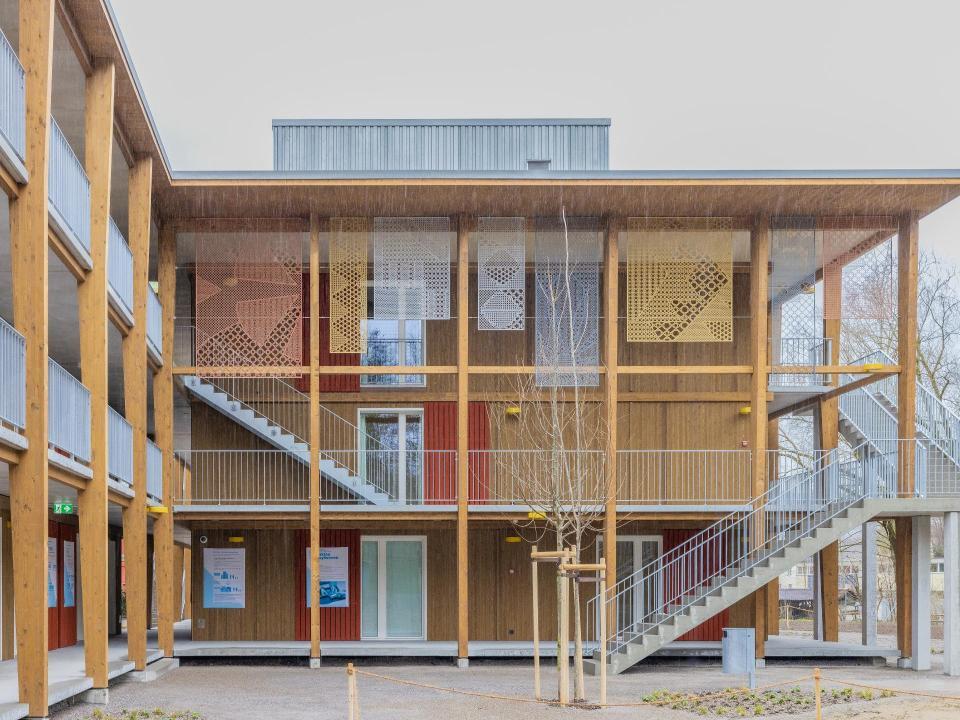
    The Fischermätteli residential construction project was successfully completed by Strüby Unternehmungen in autumn 2023 after a construction period of around three and a half years. The ten apartment blocks with a total of 168 condominiums were built on a former commercial site in Burgdorf BE. Over 6600m3 of Swiss timber was used in the construction, making “Fischermätteli” the largest project in Switzerland to combine the Minergie-A-ECO standard and Swiss timber.

    Climate-friendly environmental design
    One hundred per cent of the energy for the entire site comes from renewable sources: the electricity from the photovoltaic systems on the building roofs, the heat for heating and hot water from a heating centre supplied with Swiss pellets. The finely meshed mobility concept focuses on electromobility, car sharing, bicycles and public transport. A co-working space promotes working from home and thus indirectly relieves traffic congestion. In addition, the climate-friendly environmental design based on the sponge city principle ensures natural and efficient cooling in summer and makes the “Fischermätteli” a hotspot of biodiversity thanks to the countless native plants.

    Success thanks to a climate-friendly overall concept
    Pius Kneubühler, Managing Director Real Estate Development & Construction at Strüby Unternehmungen, can confirm that the climate-friendly overall concept in line with the Minergie site standard pays off not only for the residents, but also for the investor. “The success has already manifested itself in the marketing of the condominiums. Demand was so pleasing that all flats were sold by the time construction was completed.”

  • Holcim and Amazon support start-ups for sustainable construction

    Holcim and Amazon support start-ups for sustainable construction

    The Zug-based building materials company Holcim and the Climate Pledge Fund, which belongs to Amazon, have decided to support start-ups that are committed to sustainable construction, according to a press release. The money donated from the fund for the company 14Trees, which operates in Africa, will be used for high-rise buildings using 3D printing technology. 14Trees uses the technology developed by Holcim and British International Investment(BII) for 3D-printed buildings such as schools, residential buildings and a low-carbon data center. The company intends to use the funding provided for Paebbl to further advance its mineralization technology, which can be used to store CO2 in concrete.

    “By investing in 14Trees and Paebbl with Amazon’s Climate Pledge Fund, we can scale up these breakthrough technologies to push the boundaries of sustainable construction – from 3D printing to turning concrete into a carbon sink,” Nollaig Forrest, Chief Sustainability Officer at Holcim, is quoted as saying in the press release.

    Francois Perrot, Managing Director of 14Trees, was delighted to have found Amazon and Holcim as investors. For Marta Sjögren, co-founder and co-CEO of Paebbl, this funding round “enables us to take even bolder steps in our mission to make the built environment a cornerstone of the decarbonized economy”.

  • Progress for CO2-reduced building with clay

    Progress for CO2-reduced building with clay

    ERNE and Oxara can report initial successes in their proof of concept for CO2-reduced construction. Work on the MANAL pavilion on the campus of Lucerne University of Applied Sciences and Arts in Horw is progressing, the Aargau-based construction company announced in a post on LinkedIn. ERNE is responsible for the masonry in the construction of the pavilion. Oxabrick technology products from Oxara in Dietikon are being used. The two companies entered into a partnership in May to develop sustainable building materials based on clay.

    In the MANAL project, the earth mortar used by ERNE is being used outside the laboratory for the first time. “The material behaves completely differently to conventional mortar when building walls,” ERNE bricklayer Mattia is quoted as saying in the article. “We first had to acquire an adapted processing technique for this.” Mattia cites the permanent water solubility and long workability of the sustainable building material, which is based on Oxara technology, as advantages. Cement-free clay bricks are used for the arches and vaults of the pavilion.