Tag: Netzstabilität

  • Strengthening the Swiss electricity grid with copper and brains

    Strengthening the Swiss electricity grid with copper and brains

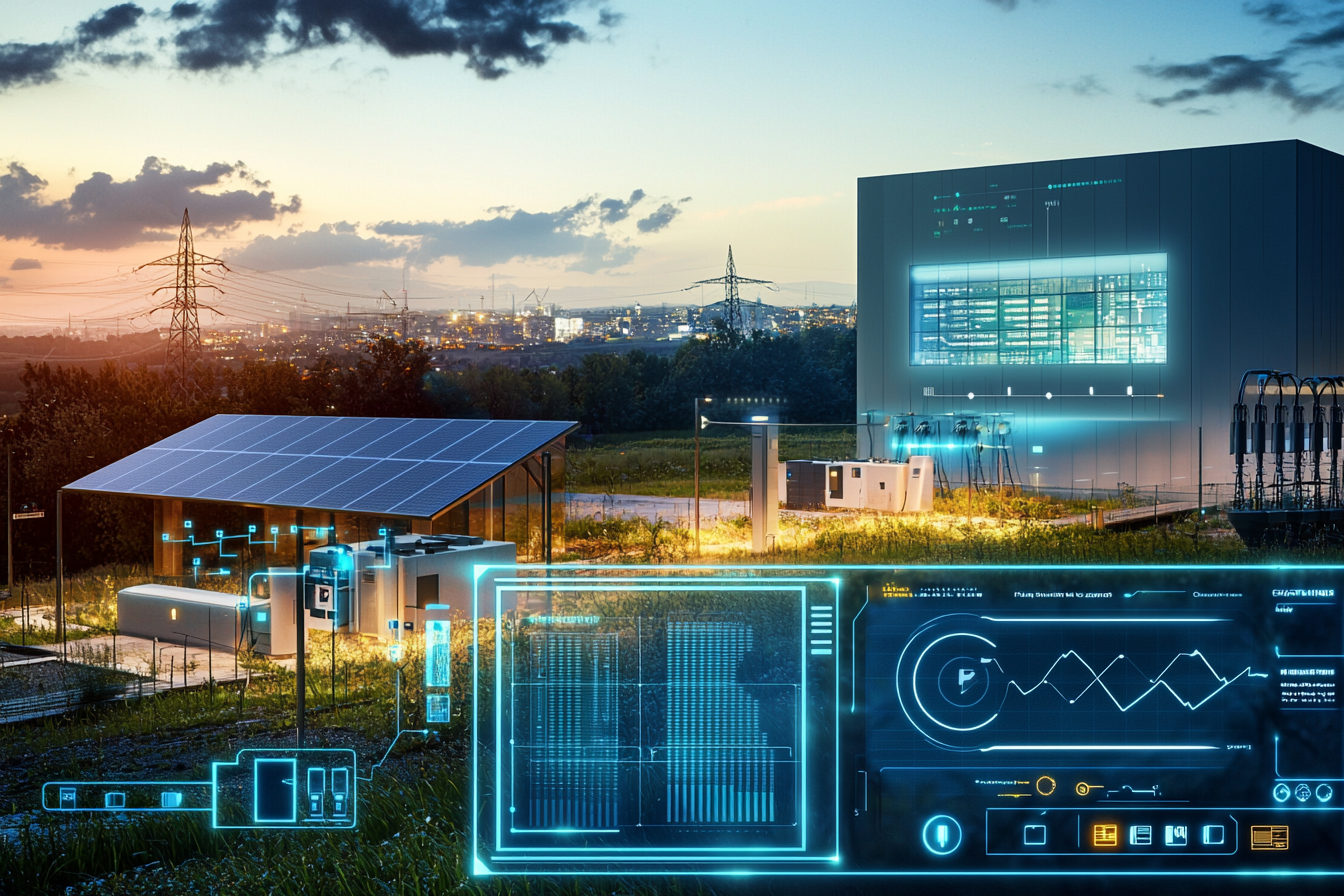
    By enshrining the net-zero target by 2050 in law, Switzerland has set an important course for a climate-neutral energy supply. The expansion of renewable energies such as photovoltaics, hydropower and wind power is progressing. However, the existing grid infrastructure is not optimally designed for this. The integration of fluctuating feed-ins requires a flexible electricity grid that avoids bottlenecks and ensures a stable supply.

    Grid expansion is the biggest challenge
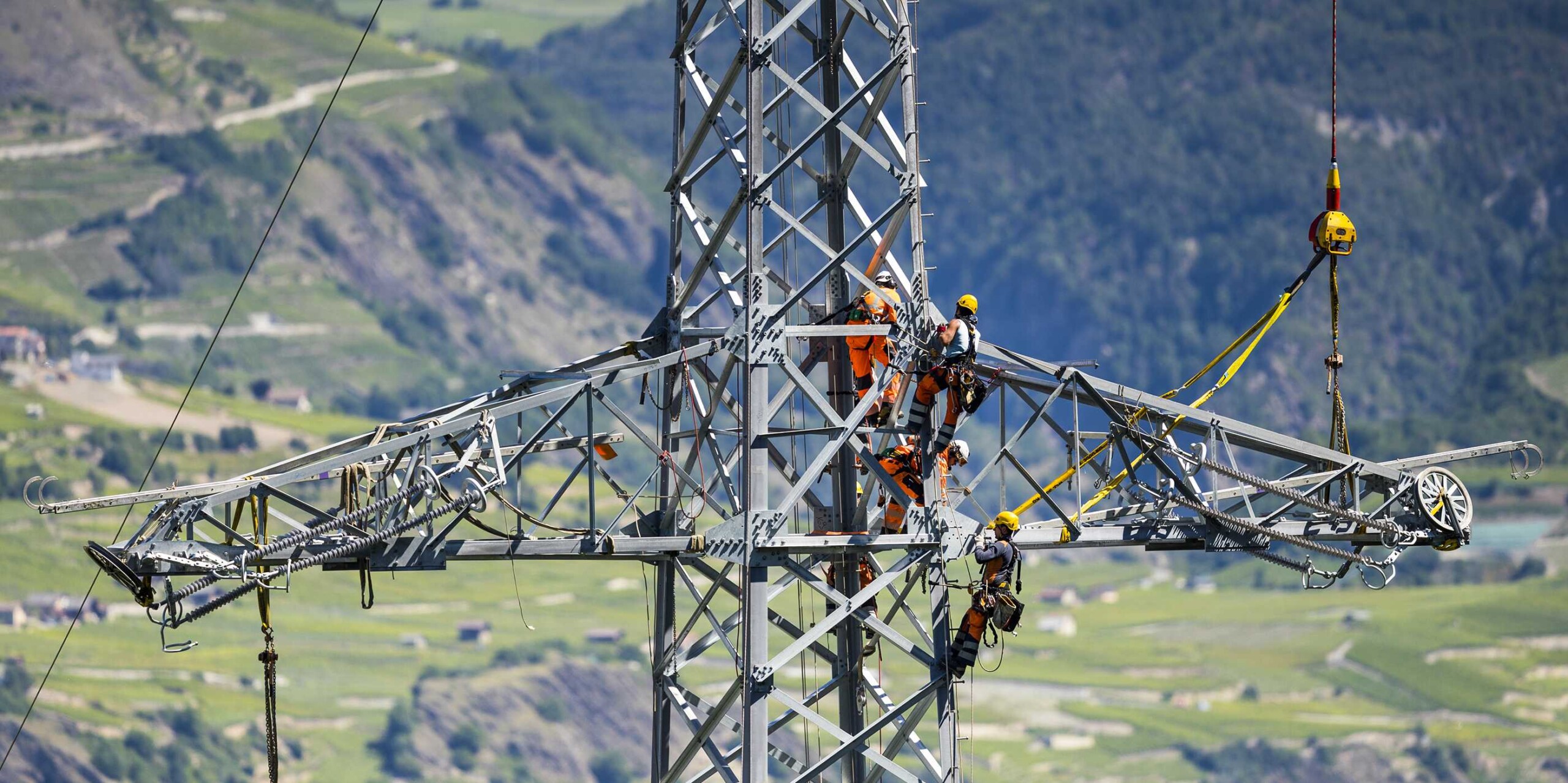
    Switzerland has a strong transmission grid, which is of great importance for international electricity trading. Nevertheless, two thirds of the 6700 kilometers of lines are between 50 and 80 years old and need to be modernized. There is an even greater need for action at the lower grid levels. Local distribution grids are increasingly challenged as decentralized power generators such as rooftop solar systems or electric vehicles put a strain on the low-voltage grid. The capacities of these grids need to be expanded and better controlled.

    Copper and intelligence solution
    Two approaches are crucial for a future-proof grid infrastructure.
    Classic grid expansion:
    The physical expansion of the electricity grid through new lines, reinforced cabling and more powerful transformers. This is expensive, but in many cases unavoidable.
    Intelligent control systems:
    Digitalization and smart technologies can be used to efficiently regulate electricity flows. This includes, for example, flexible feed-in systems for photovoltaics, grid-friendly home batteries and optimized load management for electric cars and heat pumps. Such concepts reduce expensive grid upgrades and make the system more agile.

    Flexibility as a success factor
    A highly flexible grid can cushion power fluctuations and balance demand peaks. This can be achieved through close networking with neighboring countries, the use of storage systems such as pumped storage power plants and intelligent control mechanisms. Researchers at ETH Zurich are also investigating how electromobility can contribute to grid stability, for example through controlled charging at times of high power availability.

    Both are necessary
    Neither traditional grid expansion nor intelligent control systems alone are enough to make the Swiss electricity grid fit for the energy transition. A combination of both is needed – copper for the physical infrastructure and brains for innovative control concepts. Investments in both areas are essential in order to meet the increasing demands of renewable energies efficiently and economically.
  • Virtual power plant from solar systems and electric cars

    Virtual power plant from solar systems and electric cars

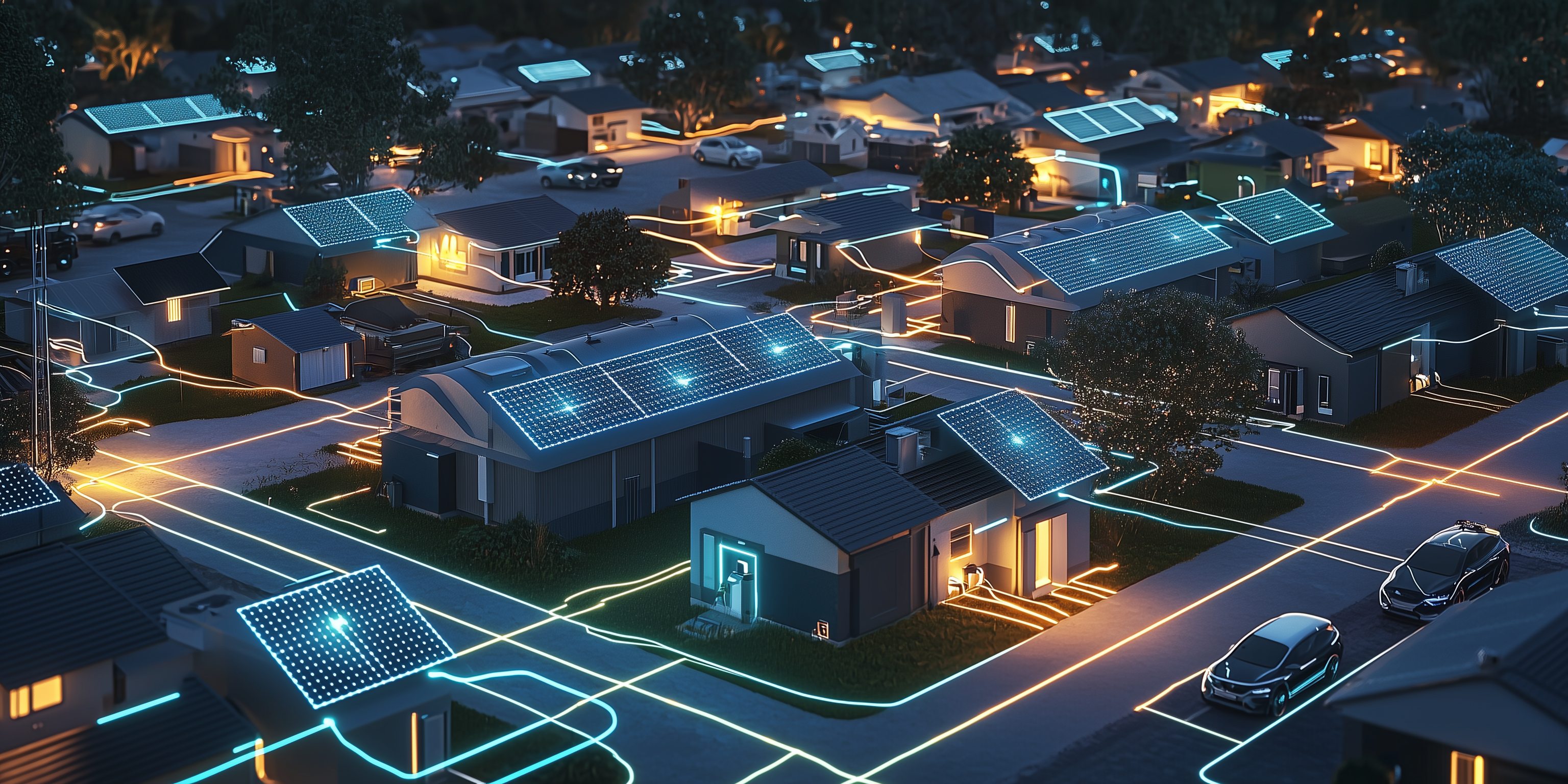
    “Switzerland’s first virtual power plant for private customers is live” is the title of a post by Helion Energy AG on LinkedIn. The energy company, which will be acquired by the AMAG Group in 2022, wants to combine thousands of small privately owned energy sources into an intelligent virtual power plant. The individual solar systems, home batteries and electric cars will be networked by the Helion ONE platform.

    “Just a third of today’s PV systems could replace a pumped storage power plant,” writes Helion Energy. The plan is to use the decentralised large-scale power plant in the balancing energy market to stabilise the electricity grid. The grid is currently being tested for this purpose in collaboration with Swissgrid AG.

    Private households that participate in the virtual power plant can benefit from earnings of between 200 and 300 francs per year. For SMEs, the amount is currently over CHF 1,000 and rising, according to the article. Helion wants to enable other interested parties to participate in the decentralised large-scale power plant before the end of this year.

  • ETH Zurich provides the key to the energy transition in the power grid

    ETH Zurich provides the key to the energy transition in the power grid

    Europe’s electricity grid is based on alternating current and a precise rhythm that was previously dictated by large power plants with heavy turbines. With the phasing out of coal and nuclear power, these clock generators are increasingly disappearing. What sounds like a technical side note is actually a key challenge of the energy transition. Without a stable frequency, there is a risk of power outages and system instability.

    Because wind and solar systems supply direct current, inverters are needed to convert this into alternating current that is compatible with the grid. Until now, these have passively followed the existing cycle. However, with the elimination of traditional power plants, a paradigm shift is needed. In the future, inverters will have to be grid-forming themselves, a challenge that ETH Zurich has successfully met.

    Algorithm instead of shutdown
    Under the leadership of Prof Florian Dörfler, a research team at ETH Zurich has developed a revolutionary control system for inverters. This prevents systems from switching off automatically in the event of grid faults such as voltage dips. Instead, they remain connected to the grid, actively stabilise the frequency and independently limit their power output. A protective mechanism that avoids overloads and supports the grid at the same time.

    The solution is purely software-based and therefore directly suitable for industrial use. Initial practical tests in the laboratory have been successful. A patent application has been filed for the new algorithms and they could soon be integrated into industrial control systems.

    Roadmap for the energy transition
    ETH’s innovative approach has the potential to become the backbone of the future power supply. Decentralised, flexible, stable, an electricity grid that is no longer supported by a few large central power plants, but by thousands of intelligently controlled solar and wind power plants.

    Industrial partners are invited to work together with ETH students on the realisation, for example through Master’s theses in companies. This creates a direct transfer of knowledge from research to industry and ultimately to Europe’s electricity grids.

    The contribution to the energy transition is considerable. The solution increases grid security, reduces the risk of blackouts and makes the transition to renewable energies technically feasible. A key building block for a resilient, sustainable energy future.

  • Intelligent energy management optimizes power consumption in buildings

    Intelligent energy management optimizes power consumption in buildings

    A predictive control algorithm developed by Empa optimizes energy management in buildings in such a way that security of supply is guaranteed throughout the entire energy system. Automated building systems communicate directly with energy providers and the power grid.

    According to a report by Empa, automated systems can optimize electricity consumption in such a way that both grid stability and consumer flexibility are guaranteed at all times. At the same time, energy surpluses are not necessarily stored locally, but fed into the power grid wherever possible so that demand can be met at all times.

    During the practical test by Empa’s Urban Energy Systems Lab in its NEST test building in Dübendorf, the focus was on reducing CO2 emissions, the flexibility of energy demand and the comfort of the residents. Using the predictive control algorithm, the team succeeded in optimizing energy management within the building with the following setup: a photovoltaic system for electricity production, a battery storage system, a heat pump and a bidirectional charging station for electric vehicles.

    The system reportedly reduced the building’s CO2 emissions by more than 10 percent. The building was able to communicate the consumption and feed-in of electricity in advance. “The experiment has therefore shown that the flexible availability of renewable energies is not a problem a priori,” says Empa.

    However, in order to implement these results on a large scale, buildings will have to be consistently digitalized in the future. The technology developed by scientist Federica Bellizio is to be brought to market by the start-up Kuafu. She was recently awarded the Empa Entrepreneur Fellowship for her work.

  • New battery storage system for Gossau ensures grid stability

    New battery storage system for Gossau ensures grid stability

    Axpo has installed and commissioned a battery storage facility with a capacity of 2.5 megawatts on the site of the Gossau municipal utility. The municipal utility now has the largest battery storage facility in the region, explained the Aargau-based energy company in a press release. According to the press release, the storage facility is tailored to the specific needs of the municipality of Gossau and the region’s grid topography. The press release does not provide any information on the financial scope of the project.

    Stadtwerke Gossau intends to use the battery storage system to compensate for fluctuations in demand and power peaks. It will also process reactive power and contribute to maintaining the grid voltage in the region. It will also help to stabilise the grid in the region by providing system services for the national grid company Swissgrid.

    The new battery storage system is capable of stand-alone operation and black start. This means that in the event of a power outage, it can autonomously restore the power supply for units connected to island operation. Relevant companies for maintaining the supply to Gossau can take advantage of this. “What was initiated in 2019 with a parliamentary initiative can be demonstrated five years later,” says Claudia Martin, City Councillor and Head of the Supply Security Department of the City of Gossau, in the press release. “An energy storage facility that guarantees Gossau’s security of supply.”