Tag: News

  • New recycling centre to become a pioneering project in the circular economy

    New recycling centre to become a pioneering project in the circular economy

    The city of Zurich wants to build a new recycling centre on the Juch site in Zurich-Altstetten. The estimated investment for the project is CHF 29.95 million. An additional CHF 3.15 million will be required to transfer the Juch site from the city’s financial assets to its administrative assets. Due to the high sum, there will be a referendum on the realisation of the project, the city administration announced in a press release.

    The replacement for the Hagenholz recycling centre, which will close in 2024, is designed as a pioneering project for the circular economy. The underlying design by Graber Pulver Architekten AG envisages the use of steel girders, concrete slabs and trapezoidal sheet metal from dismantled buildings, including the Hagenholz recycling centre. Wherever possible, the construction systems and materials used should be demountable and separable.

    The operating concept also emphasises sustainability. The passing on, repair and reprocessing of consignments are therefore the main focus. The reprocessing of materials comes second. Only what is not suitable for this is sent for incineration in the waste recycling plant. Delivery should be possible on foot, by bicycle, car and larger transport vehicles.

    Subject to approval by the electorate, construction is scheduled to begin in the second quarter of 2026. The centre could be operational from the fourth quarter. Until then, the temporary Looächer recycling centre in Zurich-Affoltern will remain in operation.

  • Change of management at property company from Schlieren

    Change of management at property company from Schlieren

    Geistlich Immobilia AG has announced a change at the top: As of the beginning of July, Ladina Esslinger has taken over the management of the property developer from the Geistlich Group, Geistlich Immobilia informs in a press release. The former Head of Project Development will take over the operational management from Martin Geistlich. The previous Managing Director will remain active in the company as Chairman of the Board of Directors.

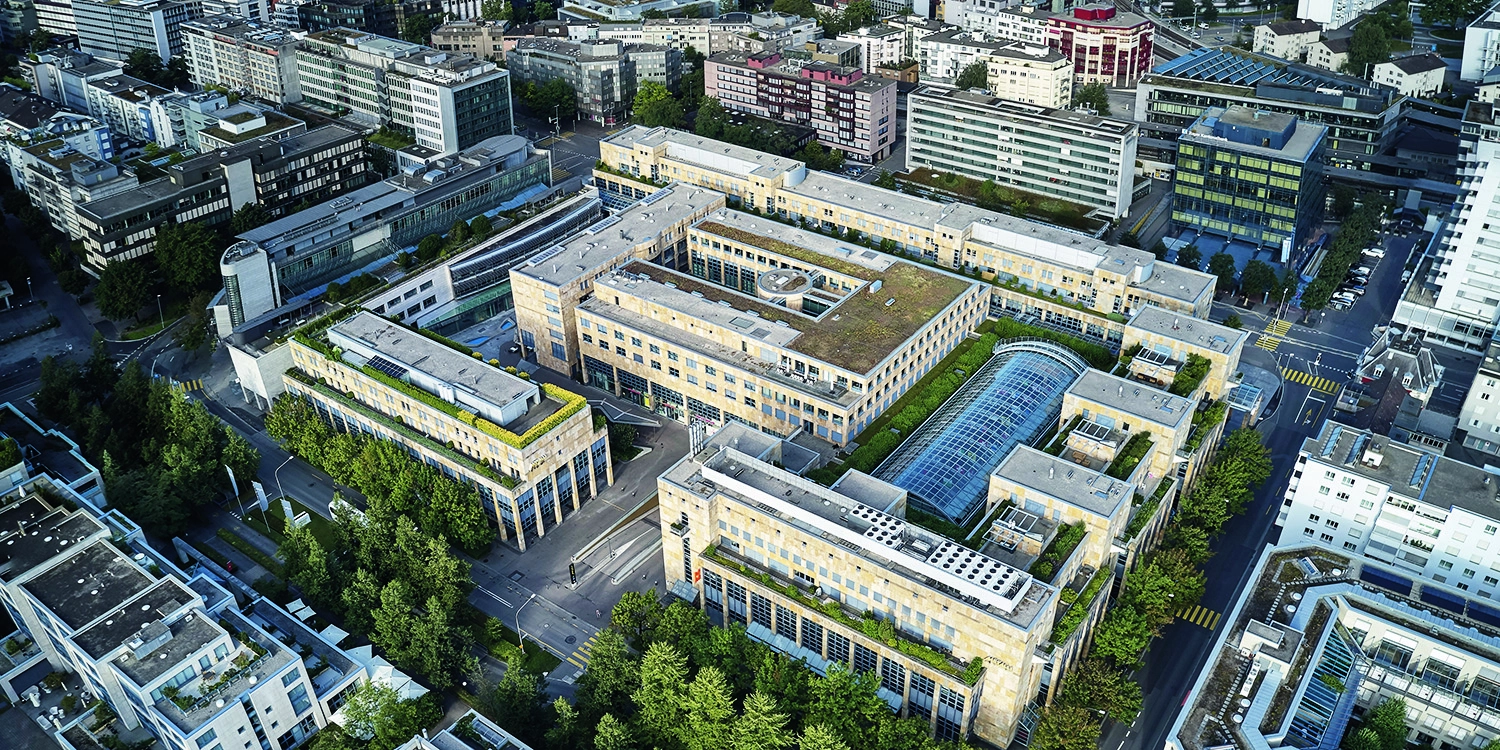
    Geistlich Immobilia AG is responsible for the reorganisation of the former company site in Schlieren within the Geistlich Group. The district amRietpark is being built here on an area of over 125,000 square metres. Around 650 flats as well as commercial and office space are being created around a 600 metre long park. Geistlich Immobilia is currently working on the realisation of the Lymhof project.

    “Our aim is to realise projects that will strengthen Schlieren as a residential and business location in the long term, with real added value for the people who live here as well as for local and new companies,” Esslinger is quoted as saying in the press release. The new head of Geistlich Immobilia AG studied architecture at the Swiss Federal Institute of Technology in Zurich and holds an Executive Master of Business Administration from the University of St.Gallen.

  • Terminating a tenancy: Between arbitration, extension and eviction

    Terminating a tenancy: Between arbitration, extension and eviction

    Arbitration hearing Termination of rental apartment
    If the landlord terminates the rental apartment, the tenant can contest the termination with the conciliation authority within 30 days of receipt and request an extension. If the parties cannot agree on a settlement, the conciliation authority can submit a proposal for a decision or issue the tenant with authorization to file a complaint with the tenancy court.

    Extension of the tenancy
    If the termination is valid, the conciliation authority usually proposes an extension of the tenancy for a maximum of four years for residential premises. Art. 272a of the Swiss Code of Obligations stipulates when an extension is excluded. In addition, the Federal Supreme Court has repeatedly confirmed that the tenant must provide evidence of concrete efforts to find a replacement property before the arbitration hearing. Without concrete search efforts, there is no entitlement to extension.

    In the case of a final extension, the tenancy ends definitively and no further extension is possible. On the other hand, the tenant can request a second extension up to 60 days before the first one expires. If the landlord wants a final extension, this must be explicitly stated in the agreement, otherwise a first extension applies.

    Expulsion order
    If the parties agree on a definitive move-out date, the landlord should insist on an expulsion order in the settlement. This allows the landlord to request expulsion directly from the municipal authorities if the tenant does not move out on the agreed date.

    Recommendations for landlords
    If an extension is ruled out, it may still make sense for the landlord to grant a short final extension. This can avoid lengthy court proceedings with a corresponding “cold extension”. In an agreement, the landlord should ensure that a last extension is clearly formulated and insist on an expulsion order.

  • Think circularly, build together

    Think circularly, build together

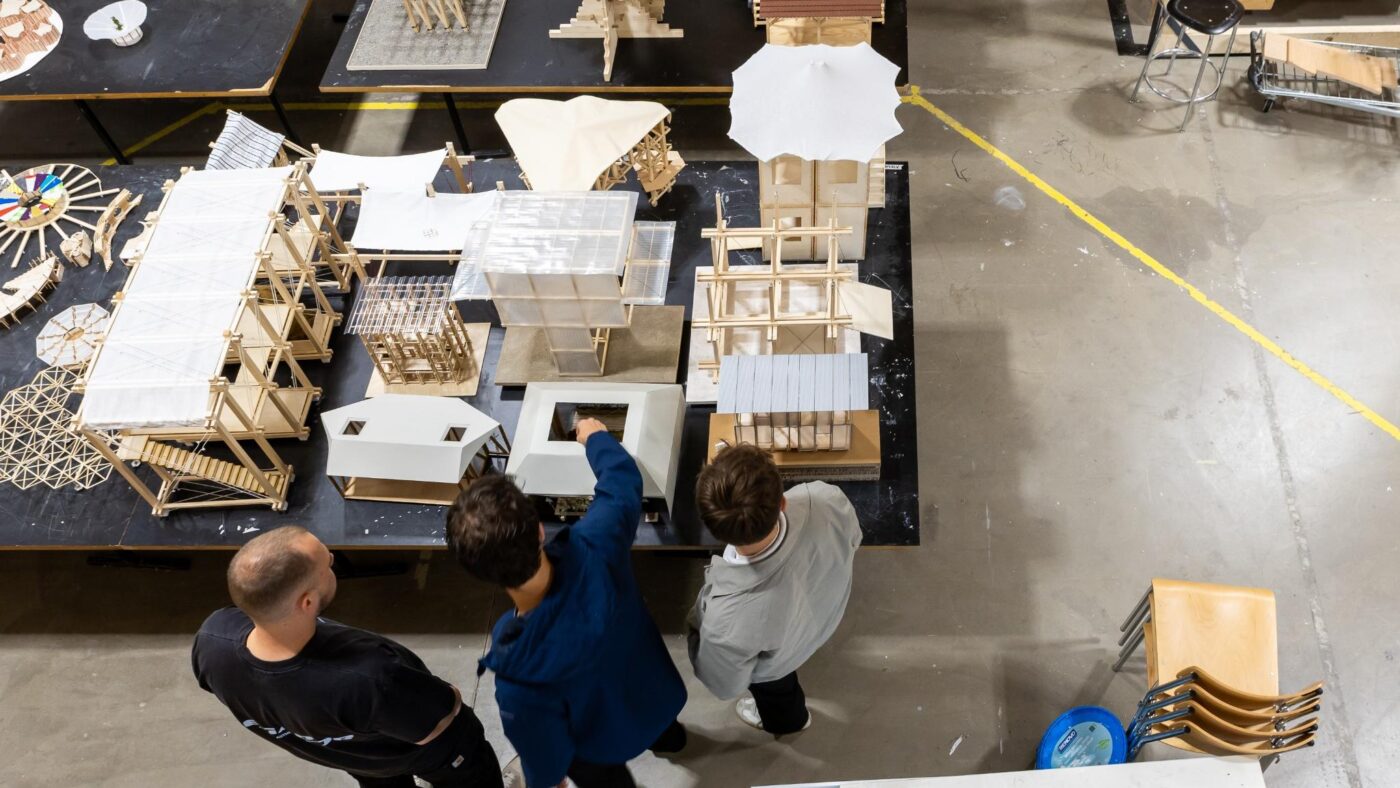
    The Circular Time Lab at Lucerne University of Applied Sciences and Arts brings together theory and practice, design and craftsmanship, teaching and urban development. It is an interdisciplinary project of the Competence Centre Typology & Planning in Architecture and the architecture degree programme at HSLU. Together with students from timber construction companies in the region, the students develop structures that are not only architecturally appealing but also fully reusable.

    The focus is on learning and designing together. The students gain an insight into manual processes and technical possibilities, while the trainees participate in design processes. The result is a deep understanding of resource-conserving construction that closes cycles and preserves material value.

    Experience architecture – in the centre of Lucerne
    Since June 2025, the results of this collaboration can be experienced at two central locations in the canton of Lucerne, on the Inseli near the railway station and at the Viscosi site in Emmenbrücke. There, airy wooden structures with colourful fabrics invite you to linger, observe and pause. They offer protection from the sun and rain and at the same time inspire reflection.

    The structures are more than just aesthetic interventions in the urban space. They are built statements in favour of a building culture that takes responsibility. Their open design invites people to engage in dialogue and makes sustainability visible and tangible. The “Lucerne Summer” thus becomes a field of experimentation for an architecture that aims for impact rather than permanence.

    Circularity instead of deconstruction
    Reuse is at the centre of the Circular Time Lab. The wooden pavilions are not designed as one-off buildings, but as temporary structures with a future. Existing timber components were used for the initial construction. All connections are detachable and all dimensions are retained. The pavilion will be dismantled in autumn 2025 and a new pavilion with a new function will be built from the same elements in 2026.

    This iterative approach not only conserves resources, but also trains planning thinking. After all, circular construction requires creativity and precision. How does an old beam fit into a new design? How do you create beauty without waste? These questions accompany the participants of the Circular Time Lab throughout the entire process and strengthen their skills for the sustainable construction of tomorrow.

    Part of an international network
    The Lucerne project is embedded in the European research programme BAUHALPS, Building Circular in the Alps. in this programme, 13 partner institutions from six countries are jointly developing new strategies for circular construction in the Alpine region. The Circular Time Lab serves as a living real-world laboratory. A place for experimentation, exchange and applied research.

    The cooperation not only opens up new perspectives for students and trainees, but also international networks. In this way, a local timber construction project becomes a building block for transnational change, an impulse that radiates far beyond Lucerne.

    The future begins on a small scale
    The timber structures of the Lucerne Summer may seem small at first glance. But they harbour big ideas: collaboration, circular economy, education and responsibility. The Circular Time Lab shows how sustainable construction can be anchored in education and made visible in public spaces. Because if you want to reuse materials, you first have to rethink ideas.

  • Fribourg.swiss brand strengthens international position

    Fribourg.swiss brand strengthens international position

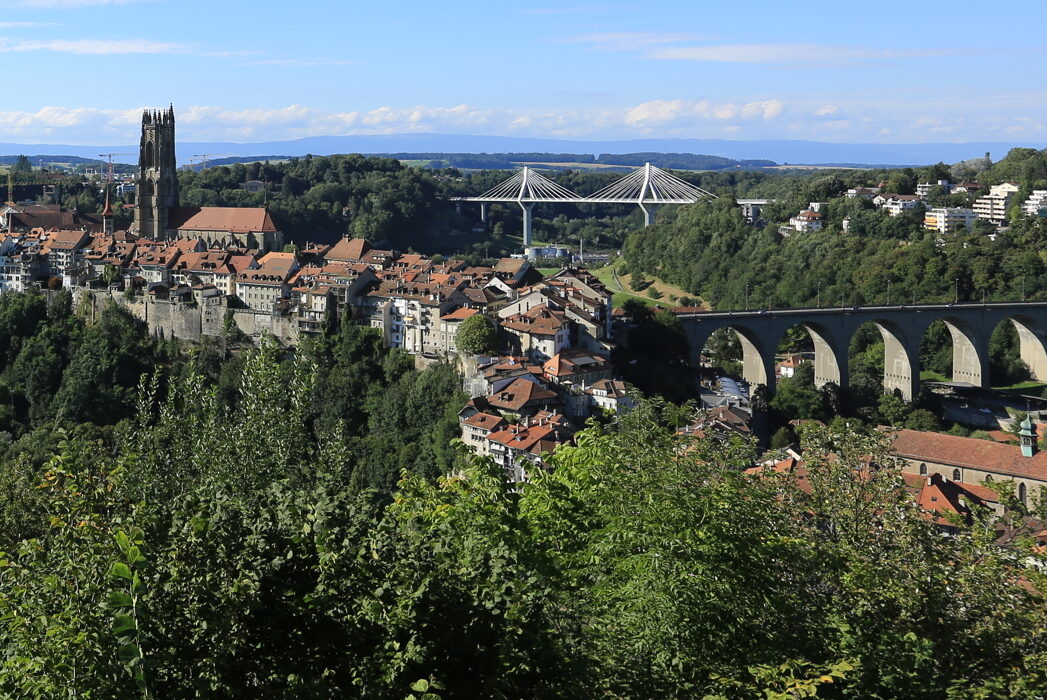
    The canton of Fribourg is sharpening its profile in global competition. With fribourg.swiss, the economic development agency is focusing on a clearer and internationally recognisable brand. The new platform is aimed specifically at companies, investors and innovation players in Switzerland and abroad. Thanks to the official domain extension “.swiss”, the affiliation to Swiss quality standards is emphasised in a compact, accessible and strong brand.

    Making excellence visible
    “fribourg.swiss is our strategic showcase to the outside world,” says WIF Director Jerry Krattiger. The focus is on companies, educational and research institutions as well as centres of excellence that shape the economy of the canton of Fribourg. Topics such as the bioeconomy, Industry 4.0, life sciences and technology transfer demonstrate the diversity and future viability of the location.

    Multi-channel communication for maximum reach
    The new brand is already active on all external channels, from the website to newsletters and international LinkedIn activities. The content is distributed worldwide via embassies, consulates and specialist networks. At the same time, the new brand identity also strengthens the internal perception of the economic strengths and creates a shared awareness within the canton.

    Visibility and identification
    With fribourg.swiss, the canton of Fribourg is opening a new chapter in location marketing. One that focuses on digital clarity, international reach and regional anchoring. The canton’s economic dynamism is thus becoming more visible and more widely recognised, both within and outside Switzerland.

  • Alpine solar plant for Central Switzerland being built in Spiringen

    Alpine solar plant for Central Switzerland being built in Spiringen

    APV Sidenplangg AG, a partner plant of the Uri-based energy service provider energieUri AG from Altdorf and the green electricity producer aventron AG from Münchenstein BL, are building the first alpine solar plant in Central Switzerland, as detailed in a press release. The plant is located in the Sidenplangg area above the village of Spiringen in the Schächental valley in Uri.

    The alpine photovoltaic plant covers an area of 10.7 hectares at an altitude of 1800 to 2000 metres above sea level. The energy is fed into the grid via an existing transformer station. The plant will have an output of 8 megawatts and will generate 12.5 gigawatt hours of renewable solar power per year from 2029. The investment costs amount to CHF 40 million, of which CHF 31 million will remain in the form of contracts for regional companies in the canton of Uri, according to the press release.

    According to the press release, projects under the national Solar Express Initiative are essential for the security and independence of Switzerland’s electricity supply. Switzerland is particularly dependent on the expansion of its winter electricity production. The altitude and production profile make alpine solar plants such as the one in Spiringen particularly suitable for winter electricity production, as they generate three times as much electricity in the winter months as their counterparts in the lowlands.

    “We are delighted to be realising the first alpine solar plant in Central Switzerland together with our partner energieUri. This project underlines the successful cooperation between the Central Plateau and the mountain cantons as well as the joint commitment to renewable Swiss energy production,” said Dominik Baier, Chairman of the Board of Directors of aventron AG.

  • Apply now for the Digital Journey Challenge 2025

    Apply now for the Digital Journey Challenge 2025

    The digital transformation is unstoppable and offers enormous opportunities for small and medium-sized enterprises in particular. The Digital Journey Challenge 2025, launched by the Centre Suisse d’Électronique et de Microtechnique (CSEM), is aimed at companies and start-ups that want to take their innovative strength to a new level with digital technology.

    The focus is on promoting pioneering projects in areas such as artificial intelligence, the Internet of Things (IoT), automation and other key technologies. Applicants receive professional guidance, technological expertise and up to CHF 100,000 in financial support.

    Three strong arguments in favour of your participation
    Technology Boost
    Access to CSEM expertise in eight key technologies

    Financial support
    Up to CHF 100,000 for development time, consulting and technology transfer

    Strengthen market position
    Greater visibility, more media presence, access to expert networks

    Simple application process, big impact
    Participation is straightforward. Interested parties download the factsheet, describe their idea and submit the form. All information and conditions are available on the CSEM website. The application deadline is 15 September 2025.

    Success story
    The 2024 winning project shows just how effective the challenge can be. Varioprint AG impressed with its AI-supported 3D inspection solution for printed circuit boards. Their project “AI in Every Pixel” addresses a global growth market and accelerates quality control in the electronics industry in the long term.

    Apply now and play an active role in shaping your digital transformation.

  • Barrier-free modernisation of the education centre in Limmattal begins

    Barrier-free modernisation of the education centre in Limmattal begins

    In a press release, the Canton of Zurich has announced the start of construction work on the renovation of the Limmattal Education Centre(BZLT) in Dietikon. The listed building is to be renovated over two years from the start of the summer holidays and will offer a modern learning environment that is adapted to the needs of the students.

    Built in 1969, the vocational school building is largely in its original condition and is used by the BZLT as a competence centre for logistics, road transport and recycling professions. With an investment of CHF 42 million, the building is now being renovated to provide an improved and barrier-free learning environment once the work is completed in 2027. Zurich-based Ernst Niklaus Fausch Partner AG is responsible for the architectural design.

    An open, interdisciplinary learning landscape is to be created on the top floor, offering various opportunities for self-directed and collaborative learning. Meanwhile, the basement areas are to be converted into modern sports rooms.

    With the conversion, the education centre will be certified according to Minergie-ECO standards and the Swiss Sustainable Building Standard(SNBS). The building will be connected to the regional district heating network and a technology centre with a photovoltaic system will be built on the roof. Green roof and terrace areas will also contribute to cooling and promote biodiversity. After the refurbishment, the building will also be barrier-free.

    The building designed by architect Georges Künzler is a listed building. The modernisation and renovation measures were therefore developed in collaboration with the cantonal monument preservation authorities. Among other things, the external appearance of the façade is to be preserved. The work is due to be completed in 2027. Until then, the school will temporarily operate in the school building at Lagerstrasse 55 in Zurich.

  • Zug city parliament supports Metalli development plan

    Zug city parliament supports Metalli development plan

    The Metalli development plan has entered the political approval process, the Zug Estates Group announced in a press release. The property company, which focuses on Zug as a business and living space, is planning to develop the existing shopping avenue into a lively district. The aim is to create additional living space and new green public outdoor areas.

    The city council of Zug had already approved the Metalli development plan on 8 April. On 17 June, the development plan was also approved in the first instance by the Zug City Council. The plans will now go out for public consultation before returning to the Grand Municipal Council for a second reading in spring 2026. Zug Estates can then initiate the actual planning process with an architectural competition.

    The Metalli development plan envisages the creation of 160 new flats, 130 of which will be in addition to the existing housing supply. To this end, extensions to existing buildings and a new tower block are planned. A new square with a connection to the railway station site will serve as the entrance to Metalli. Zug Estates also wants to create a public and park-like roof terrace.

    “With the Metalli Living Space project, we are picking up on proven qualities and preserving the characteristic architecture of the Metalli with its glass roofs, arcades and typical materialisation,” Peter Wicki, Head of Project Development at Zug Estates, is quoted as saying in the press release. “Thanks to the targeted upgrading and modernisation of the infrastructure and the increased attractiveness of the shopping avenue, the Metalli living space is also an opportunity for the preservation and further development of retail and gastronomy.”

  • Merger strengthens building technology in Thurgau

    Merger strengthens building technology in Thurgau

    NEGXT AG, a planning company for grid and building technology based in Kreuzlingen, is taking over Edelmann Ingenieurbüro AG from Thalheim with retroactive effect from 1 January 2025. According to a press release, Edelmann Ingenieurbüro is to be integrated into the existing structures of NEGXT in organisational and operational terms. Both companies belong to the energie thurgau(EKT) Group from Arbon.

    With the merger, NEGXT aims to strengthen its regional presence in the Zurich and Thurgau area. At the same time, the company will be able to expand its expertise in the areas of electrical planning, construction management and specialist coordination for electrical building infrastructures. According to the press release, further advantages include a stronger service base, the combined expertise of two established teams, expanded capacities for larger and more complex projects and a stronger regional presence.

    The existing contact persons will remain unchanged. Roman Edelmann, former Managing Director of Edelmann Ingenieurbüro AG, will take over the position of Head of Buildings at the Thalheim site within NEGXT AG. He will also become a member of the NEGXT management team.

  • Densification changes cities

    Densification changes cities

    The study “Construction activity and displacement”, carried out by ETH Zurich on behalf of the Federal Office for Housing, shows that over the last two decades, settlement development in Switzerland has clearly been inward-looking. New housing is being built in urban areas, primarily through replacement construction and the conversion of industrial and commercial zones, rather than on greenfield sites. In cities such as Basel, a quarter of new flats were built on former industrial sites.

    More flats despite fewer new builds
    Although the number of newly built residential buildings is falling slightly, the net number of flats continues to increase. This is due to the efficiency of densification. In Basel, Geneva and Lausanne, up to twice as many new units are being built per demolished flat than in Bern or Zurich. Densification is thus becoming the central lever for creating living space in densely populated areas.

    Who is being displaced?
    The downside of densification can be seen in the social composition of the neighbourhoods affected. In Zurich in particular, long-term tenants often lose their homes due to demolition or total refurbishment. Those who have to move out often have a significantly lower income, up to 40 per cent less than the average. In contrast, households with above-average incomes move into new builds.

    Migration and income as a risk factor
    The study also reveals structural disadvantages. Asylum seekers, refugees and people of African descent are disproportionately affected by displacement. This means that structural densification particularly affects those who are most dependent on affordable housing and who often can no longer find it in the same municipality. Nevertheless, a considerable proportion of those affected, up to 64 per cent, manage to stay within their municipality.

    Cities in transition – socially balanced?
    From a spatial planning perspective, densification is sensible and necessary. However, it not only changes the cityscape, but also the social structure of neighbourhoods. The challenge in the coming years will be to shape change in such a way that it does not lead to social division, but to mixed, resilient cities with living space for everyone.

  • Craftsmanship meets digitalisation in the construction industry

    Craftsmanship meets digitalisation in the construction industry

    The Institute of Constructive Design at the Department of Architecture, Design and Civil Engineering at Zurich University of Applied Sciences(ZHAW), based in Winterthur, is the Swiss lead partner of the European Interreg programme Walz 4.0, which was launched in April 2025. According to a press release, the project around Lake Constance aims to synergistically exploit and further develop the potential of traditional craftsmanship and university teaching in combination with digitalisation.

    Partners in the project include the Institute of Constructive Design at the ZHAW, the ArchitekturWerkstatt of the OST – Ostschweizer Fachhochschule and the Denkmalstiftung Thurgau. The University of Liechtenstein is also involved in the project. The OTH Ostbayerische Technische Hochschule Regensburg and the FH Vorarlberg are also involved in the project. The HTWG Konstanz University of Applied Sciences is responsible for overall coordination.

    The aim of Walz 4.0 is to combine the expertise of universities with the experience of local tradespeople in a practical way. The aim is to find answers to the demands for sustainability in the construction industry as well as to the increasing shortage of skilled labour in the sector. This programme, which is based on the craft migration movement, is also intended to promote international cooperation and the exchange of experience between the craft trades and universities in the four countries of Switzerland, Germany, Liechtenstein and Austria. In addition to practical work on construction and renovation projects, new learning centres will also be created in which sustainable construction methods are developed and digital tools are created.

    “In view of the climate crisis, circular construction in the sense of building within existing structures and reusing building components is more important than ever. This is precisely where craftsmanship knowledge and skills, supplemented by the broad application of digital tools, are in demand,” Andri Gerber from the ZHAW is quoted as saying in the press release. “Walz 4.0 brings together craftsmanship, academia and new technologies, thus creating the conditions for a sustainable construction industry.”

    The project as part of the Interreg VI Alpenrhein-Bodensee-Hochrhein programme will run from 2025 to 2028 and is being funded to the tune of around 5 million euros. Funding is being provided by the European Regional Development Fund(ERDF), Switzerland and the Principality of Liechtenstein.

  • Densification displaces fewer tenants in Geneva than in Zurich

    Densification displaces fewer tenants in Geneva than in Zurich

    Researchers at the Swiss Federal Institute of Technology in Zurich(ETH) have analysed the impact of building densification on the composition of the population on behalf of the Federal Office for Housing(FHO), according to a press release. The study “Building activity and displacement” shows that the effects differ significantly in the five largest agglomerations.

    Geneva, Lausanne and Bern have a higher level of residential construction activity than Zurich, but are densifying more effectively. Between 2020 and 2023, 1.6 to twice as many flats were built there for every flat demolished than in Zurich. In the Zurich conurbation, 5.4 times as many replacement new-builds were also constructed than buildings were added to, while in Geneva, Basel and Bern, twice as many buildings were added to as replacement new-builds were constructed.

    The average room size of replacement new builds in German-speaking Switzerland is also 25 per cent larger than in demolished flats. In French-speaking Switzerland, flats were only 6 to 8 per cent larger. Building densification thus leads to a higher increase in utilisation density in French-speaking Switzerland than in German-speaking Switzerland.

    Despite the higher density in French-speaking Switzerland, a total of 1.02 per cent of the total population (14,373 people) in the Zurich agglomeration were affected by displacement due to house demolitions or total renovation between 2015 and 2020. Relative to the total population, this is twelve times more than the 467 people affected in the Geneva agglomeration (0.08 per cent).

    The study also shows that displaced households had a median income that was 30.5 to 39.6 per cent lower than the population as a whole. According to the BWO press release, this means that it is precisely those who have difficulty finding a new affordable home who are affected by displacement.

  • Climate fund Stadtwerk Winterthur awards grants

    Climate fund Stadtwerk Winterthur awards grants

    The Stadtwerk Winterthur climate fund is awarding 70,000 Swiss francs for environmentally friendly projects this year, according to a press release. The climate fund has been supporting climate protection, energy efficiency and CO2 reduction projects since 2007.

    Next Gas GmbH, based in Kloten, will receive a sum of 30,000 Swiss francs. It develops biogas reactors for small and medium-sized farms. This utilises the potential of liquid manure to generate decentralised heat and electricity. The funding will be channelled into a pilot project in which Next Gas’s fermentation process will be tested during ongoing operations.

    A pilot project organised by the Soily association will be supported with CHF 20,000. Here, a special compost with an ideal mixture of microorganisms is being tested on farms in the Winterthur region. A test field of 50 square metres will initially be set up for this purpose.

    SimpleTrain GmbH, based in Wallisellen, offers an online platform for international train journeys. The expanded platform will also enable bookings for routes that were previously not connected. With the support of Klimafonds Stadtwerk Winterthur, specific routes such as the one from Winterthur to Barcelona via Lyon will be offered. SimpleTrain is also receiving support totalling CHF 20,000 for the project.

    The fund is financed in part by voluntary contributions from electricity customers amounting to 2 centimes per kilowatt hour consumed. For an average household of four, this amounts to CHF 8 per month, according to the press release.

  • Blue-green algae material stores CO2 on building facades

    Blue-green algae material stores CO2 on building facades

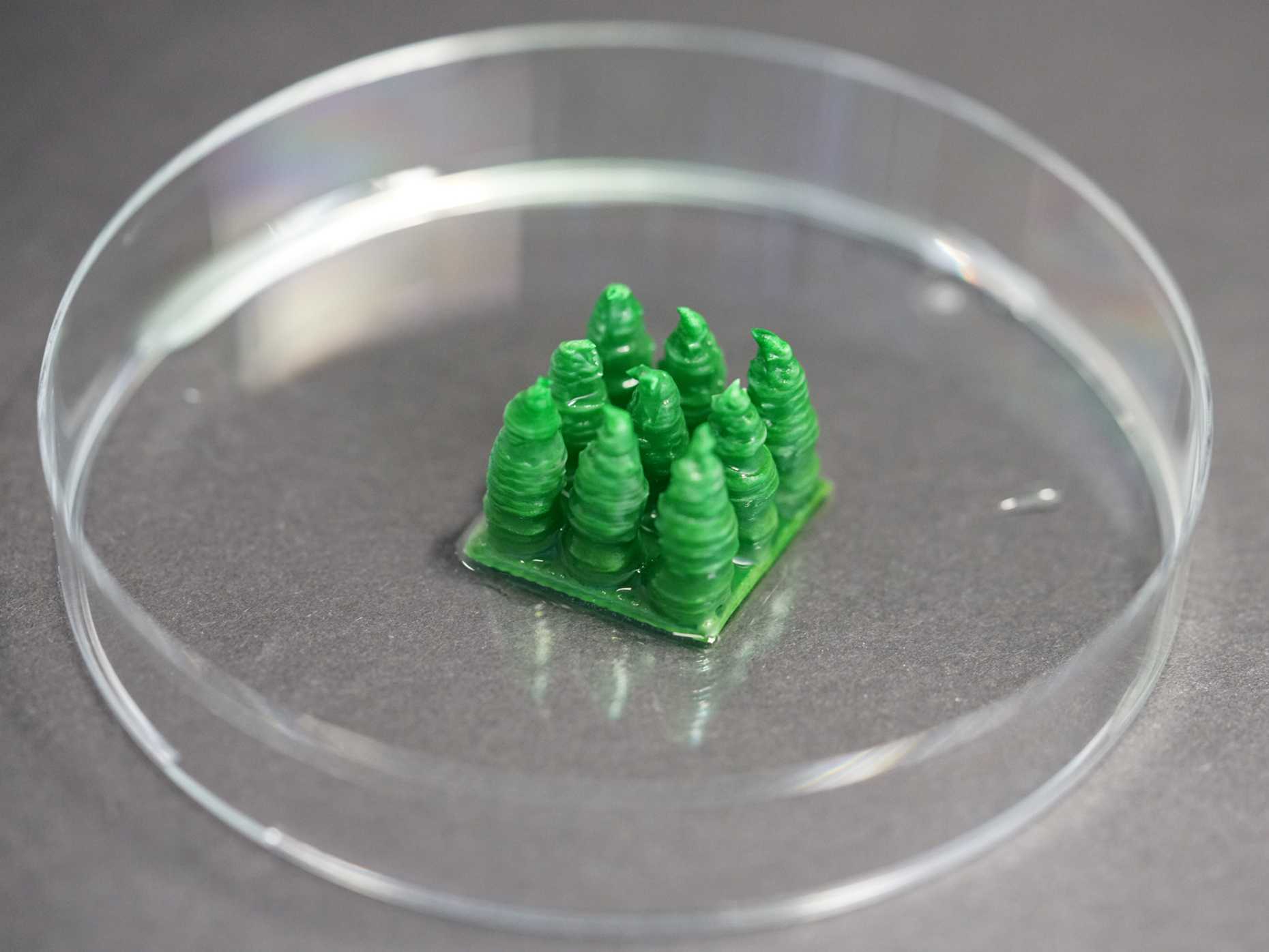
    Researchers at the Swiss Federal Institute of Technology in Zurich(ETH) are creating an organic material that removes carbon dioxide from the atmosphere. According to a press release, this 3D-printable building material should help to reduce the carbon footprint of buildings and infrastructure in the future. Photosynthetic blue-green algae, known as cyanobacteria, grow inside the material, forming biomass and solid carbonaceous minerals and thus binding carbon dioxide twice.

    An interdisciplinary research team led by Mark Tibbitt, Professor of Macromolecular Engineering at ETH Zurich, was able to stably incorporate the photosynthetic bacteria into a printable gel. This new material can be moulded at will using 3D printing and, in addition to CO2, only requires sunlight and artificial seawater with readily available nutrients to grow, according to the press release.

    “As a building material, it could help to store CO2 directly in buildings in the future,” Tibbitt is quoted as saying in the press release. The new material absorbs much more CO2 than it binds through its growth. “This is because the material can store carbon not only in biomass, but also in the form of minerals – a special property of blue-green algae,” says Tibbitt.

    The researchers’ aim is to use the material as a coating for façades in the future in order to bind carbon dioxide throughout the entire life cycle of a building. The team gained initial experience at the Venice Biennale and the Triennale in Milan. This marked the first successful realisation of the project from a laboratory scale to an architectural format. The results were recently published in the specialist journal “Nature Communications”.

  • SVIT Switzerland with new management

    SVIT Switzerland with new management

    With the handover of the chairmanship from Andreas Ingold to Michel Molinari, SVIT Switzerland has completed a significant generational change. Molinari, previously Vice President and CEO of BLKB Fund Management AG, is thus assuming responsibility for an association with over 2,600 members. At the same time, Cécile Berger-Meyer and David Zumsteg were elected to the presidency. Their predecessors, Andreas Ingold and Jean-Jacques Morard, were made honorary members for their many years of commitment.

    An association on the move
    2024 was an intensive year, with targeted political positioning, strategic projects such as the DACH cooperation and the tenancy law commentary. The successful new edition of “SVITPedia” and a high demand for training have made SVIT Switzerland a dynamic and adaptable organisation. The “eduQua” certification was renewed and training courses and examinations were successfully organised in all parts of the country.

    Strategic clarity and strong operational
    The positive development of the association over the past eight years is due to clear strategic decisions and the professionalisation of structures. The separation of strategy and operations, the introduction of a CEO model and the reorganisation of the Forum, Campus and Summit platforms have created a stable foundation. A strategic action plan for positioning has been developed and is currently being implemented. The aim is to further increase the visibility and effectiveness of the association.

    Political relevance strengthened
    The 2025 Delegates’ Meeting once again demonstrated the growing political relevance of SVIT Switzerland. The delegates approved a motion to no longer conclude sponsorship agreements with Swiss Marketplace Group AG in future. Current contracts will also be cancelled until they expire. The association is thus sending out a signal in favour of independence and clear representation of the industry’s interests.

    Visible, present, consistent
    With its new leadership and strengthened position, SVIT Switzerland aims to further expand its role as a leading professional and industry association. The three strategic pillars of training, politics and networking form the stable foundation for a future-orientated commitment. The Assembly of Delegates as part of the Swiss Real Estate Forum also provided the right stage for this in 2025, with inspiring impulses from personalities from politics, sport and business.

  • Rethinking linen

    Rethinking linen

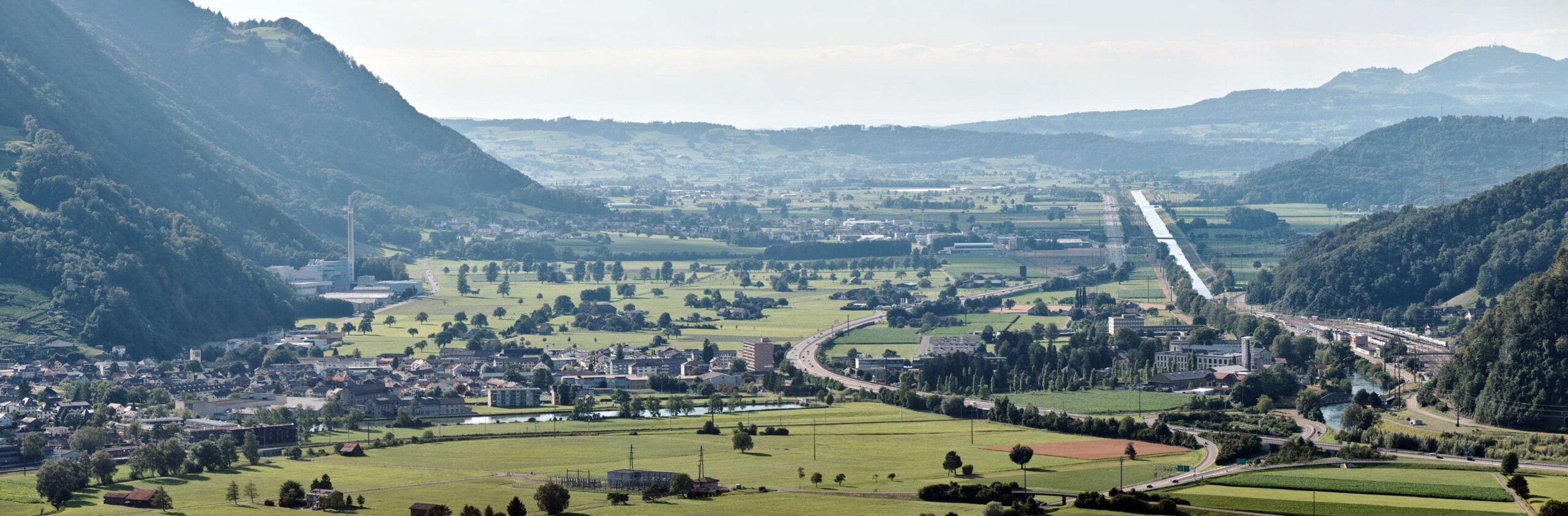
    The Biäsche work area combines location qualities that are rare in this form. The motorway junction, a goods station and natural recreational areas are right on the doorstep. Between municipal boundaries, transport axes and the natural environment lies an area that is to be economically considered, intelligently planned and sustainably utilised. The plots are in public, private and cantonal ownership. A constellation that requires integrative development.

    From area to function
    There is currently a lack of maturity in terms of planning and building law. Without development and development planning, the potential remains unutilised. For this reason, a test planning procedure examined various utilisation scenarios and development strategies. The aim was to create a clearly positioned, marketable economic area that is ready for low-emission, high value-added businesses. Staging this development is key. The site can only be developed sustainably in the long term with flexible, compatible concepts.

    One location, many interests
    The municipality of Glarus Nord holds 3.8 hectares of undeveloped employment zone land in the Unterflechsen sub-area. The canton of Glarus owns a further 2.7 ha in the neighbouring Mittelflechsen area. There are specific interests for this area. A salmon farm and a new penal centre are under discussion. The area is supplemented by private land and existing uses. This diversity makes spatial coordination a key planning task.

    Infrastructure as a driver of development
    Biäsche is ideally positioned in terms of transport links. The area is served by national transport routes operated by SBB and FEDRO. However, future-proof development requires that motorised traffic, public transport, pedestrian and bicycle traffic as well as supply and disposal infrastructures are coordinated and planned with foresight. This is the only way to create a location that is economically attractive and ecologically responsible.

    Indicative project as the key to progress
    After the test planning for the Biäsche site development was completed in June 2023, the concepts of Ernst Niklaus Fausch Partner AG and Studio Vulkan Landschaftsarchitektur AG will be further developed into an indicative project by August 2025 as part of a synthesis phase. As a synthesis, the indicative project summarises the parameters of the site development that the signatories consider to be correct and shows the main features of how the site should develop in the short, medium and long term. This serves as the basis for the subsequent development plan and perimeter procedure.

  • EMPA wins Building Award 2025

    EMPA wins Building Award 2025

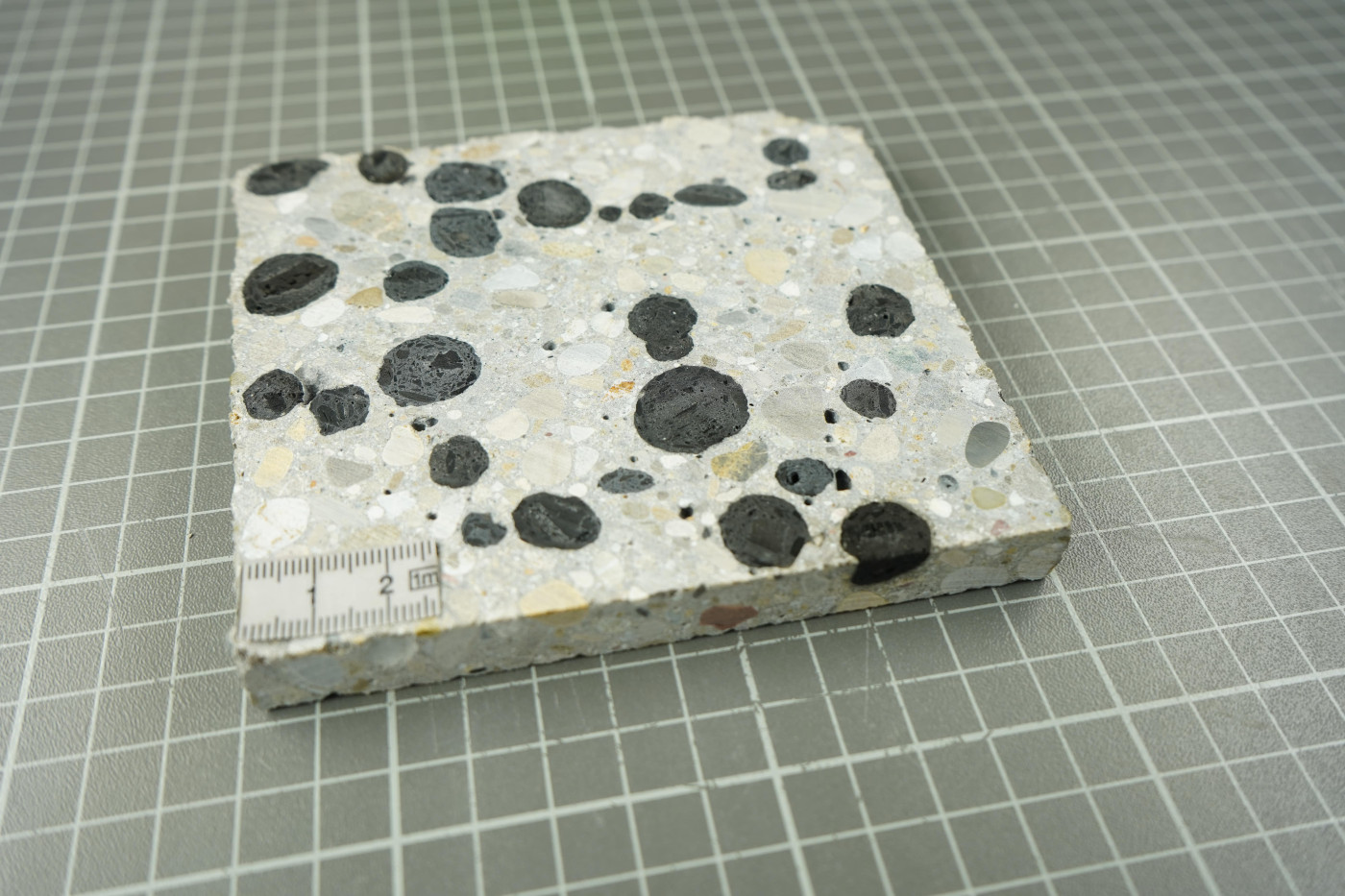
    Cement production accounts for around 8 per cent of global CO₂ emissions, a huge lever for climate protection. This is precisely where Empa comes in. With CO₂-storing concrete, to which specially developed carbon pellets made from biochar are added. These replace part of the conventional aggregate. The trick is that the pellets absorb CO₂ and can act as a permanent carbon sink without negatively affecting the building material properties. This makes the concrete not only climate-neutral, but also potentially CO₂-negative, while remaining suitable for practical use in building and infrastructure construction.

    Outstanding engineering achievement with prospects
    Empa was honoured with the Building Award in the “Research, Development, Start-ups” category for this innovation at the end of June 2025. The most important prize for civil engineering in Switzerland. The award ceremony at the KKL Lucerne honoured outstanding projects that bring science and practice together. Empa impressed the jury with a solution that has the potential to significantly improve the carbon footprint of entire construction projects with a view to industrial feasibility.

    Pilot project already planned
    The Empa team led by Pietro Lura and Mateusz Wyrzykowski is already working with partners to further develop the CO₂-negative pellets for market use. Initial applications are in preparation, including in the NEST unit “Beyond Zero”, a module of the experimental research building of Empa and Eawag. There, CO₂-reduced and CO₂-negative building materials are tested under real conditions, which further emphasises the practical relevance of the research.

    CO₂ as a raw material of the future
    Concrete innovation is part of a broader strategy. With the “Mining the Atmosphere” research initiative, Empa is pursuing a visionary goal of transforming the economy towards a CO₂-based material cycle. The concept is to capture CO₂ directly from the atmosphere and convert it into chemical raw materials such as methane or methanol. These in turn replace fossil raw materials in the production of building materials or energy sources. At the end of their life cycle, the products are to be bound in special storage sites, a long-term storage facility for carbon.

    Foresight for construction, energy and the economy
    The approach extends far beyond the construction industry. In future, synthetic methane could be used to overcome seasonal energy imbalances and replace CO₂-intensive materials. The prerequisite is a close interlinking of materials research, process development and economic scalability. In addition to technological progress, Empa is therefore also calling for regulatory framework conditions that make CO₂ capture economically attractive.

    Innovative strength as a lever for transformation
    Empa’s award marks more than just a scientific success. It symbolises change in the construction industry. CO₂-storing materials are no longer a distant vision, but concrete tools for the construction turnaround. This could transform the industry from a problem creator to part of the solution and help buildings to actively stabilise the climate in the future.

  • 6G Europe network shapes digital transformation

    6G Europe network shapes digital transformation

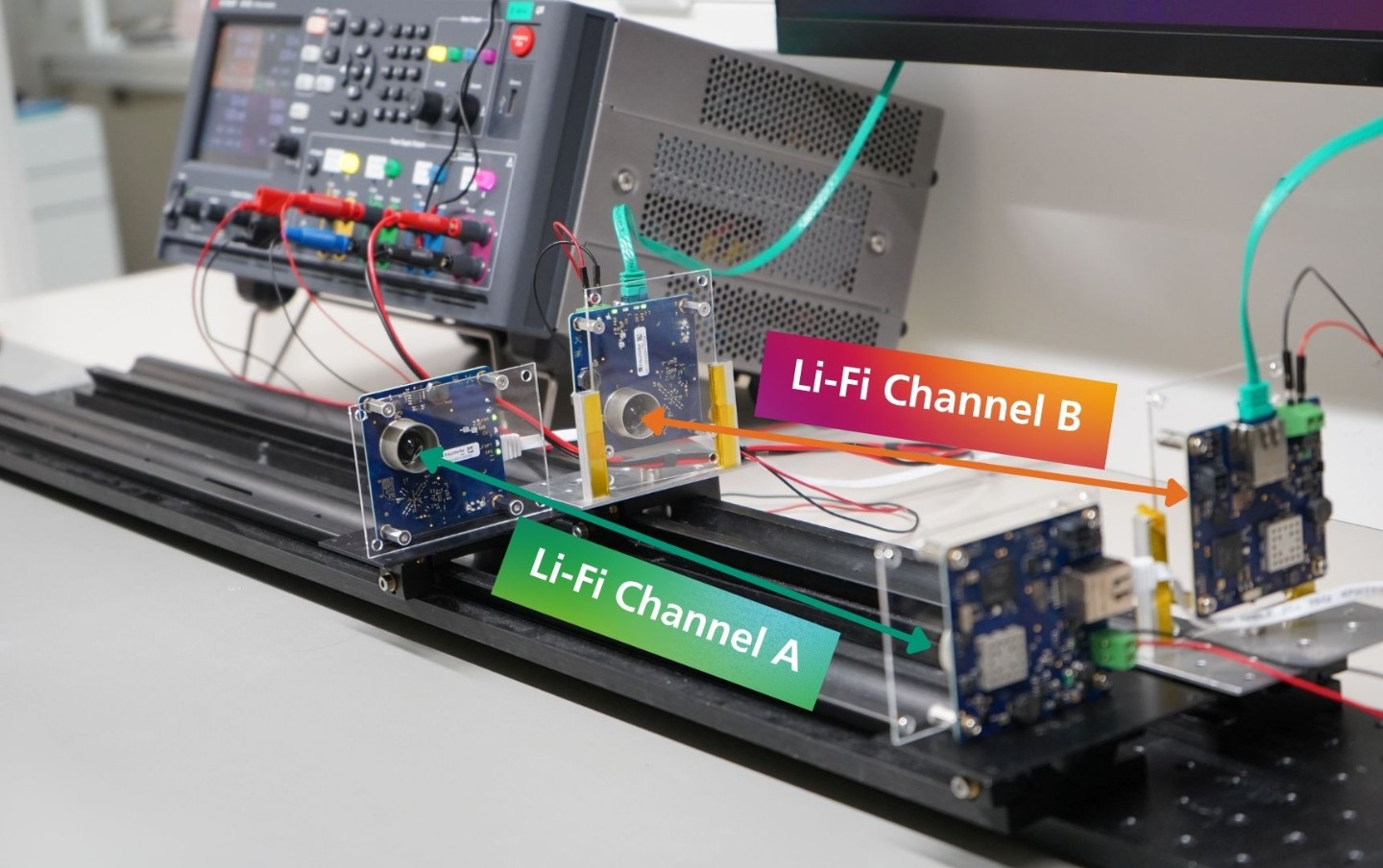
    The wireless transmission of time-critical data was previously considered a technical hurdle, especially in industrial applications with high safety requirements. The Fraunhofer Institute for Photonic Microsystems has now developed a solution that sets new standards. A modular testbed for time-sensitive networking that combines real-time analysis with energy-efficient operation and enables wireless data transmission via Li-Fi for the first time.

    Li-Fi utilises light for data transmission and offers high speed, low latency and high reliability. Ideal conditions for the mobile use of autonomous robots or machines on factory floors. In combination with TSN, this creates an infrastructure that is not only more flexible, but also more robust and cost-efficient. Elaborate cabling becomes superfluous, without compromising on data security.

    Energy efficiency as a key factor
    Energy consumption was a key development issue. Especially in mobile applications, energy efficiency is crucial for the operating time. With the new testbed, Fraunhofer IPMS is offering a realistic basis for comparing TSN networks and their energy consumption for the first time.

    The aim is to extend the operating time of devices through targeted optimisation and at the same time reduce the load on infrastructures. This is supported by TSN standards such as IEEE 802.1AS, which ensure high-precision time synchronisation and redundant data paths – essential for safety-critical scenarios.

    Research for 6G
    The Ostbayerische Technische Hochschule Regensburg is also working on the future of digital communication. At the renowned European Conference on Antennas and Propagation (EuCAP) 2025, Professor Dr Susanne Hipp and her team presented their latest research on wave propagation in the 6G frequency range beyond 100 GHz.

    Verena Marterer is researching the dielectric properties of textiles for smart sensors in the healthcare sector. Franziska Rasp is working on antenna concepts for vehicle communication, a core element for autonomous driving. Both projects impressively demonstrate how broad and practical the potential applications of future mobile communications technologies will be.

    6G as a platform for the digital transformation
    The introduction of 6G from 2030 will bring enormous changes. Transmission rates of up to 1,000 gigabits per second, extremely low latency times, massive device density and new services such as immersive environments in the metaverse or remote medical care in real time.

    Europe is actively positioning itself. Fraunhofer, Telekom, Vodafone and other players are driving basic research forward. Germany is funding development with over 700 million euros. The first pilot projects are planned from 2028. New devices, chips and frequency technologies will form the technical basis, with AI, cloud-edge computing and sustainability as guiding principles.

    Europe is reinventing the digital infrastructure
    What was previously considered a dream of the future is becoming reality. Wireless real-time communication, energy-saving networks and ultra-precise high-frequency technology are merging to create a new generation of infrastructure. The impetus from research institutions such as the Fraunhofer IPMS or the OTH Regensburg proves that Europe is ready to take a leading role in the 6G era – sustainable, intelligent and connected.

  • Walz 4.0 brings construction into the digital future

    Walz 4.0 brings construction into the digital future

    The Institute of Constructive Design at the ZHAW Department of Architecture, Design and Civil Engineering in Winterthur is taking over the Swiss lead in the Interreg project Walz 4.0. Together with universities and foundations from Germany, Austria and Liechtenstein, the aim is to create an educational and practical network by 2028 that merges traditional craftsmanship with innovative university research and digital tools.

    Walz 4.0 is more than just a symbolic name. It deliberately draws on the journeymen’s travelling trade, a centuries-old form of experiential learning, and transfers it to the reality of modern higher education. Concrete construction projects, sustainable materials and digital applications are used to bring the transformation of construction to life.

    Building sustainably means rethinking
    Circular construction as the foundation for a new building culture. “In view of the climate crisis, circular construction in the sense of building on existing buildings and reusing components is more important than ever,” explains project manager Andri Gerber from the ZHAW. This is precisely where Walz 4.0 comes in: historical building fabric is preserved, materials are reused and new constructions are created in the spirit of resource conservation.

    Special attention is paid to practical teaching. Craftsmen and students work together in teams on renovation and construction projects. Digital tools are used as well as centuries-old techniques. This turns theory into lived experience, a key success factor in the fight against the shortage of skilled labour and for a resilient construction industry.

    A European network for innovation
    Four countries, seven institutions, one common goal. Walz 4.0 brings together partners from four countries.

    Switzerland: ZHAW Winterthur (lead partner), OST – Ostschweizer Fachhochschule, Denkmalstiftung Thurgau

    Germany: HTWG Konstanz (overall coordination), OTH Regensburg

    Austria: FH Vorarlberg

    Liechtenstein: University of Liechtenstein

    New learning centres, exchange formats and digital tools are being developed together. The aim is to create a cross-border dialogue that increases both the quality of construction and the attractiveness of skilled trades. The funding totalling around 5 million euros comes from the European Regional Development Fund, Switzerland and the Principality of Liechtenstein.

    Building bridges for the next generation
    The great strength of Walz 4.0 lies in its interdisciplinary nature. Architects, heritage conservationists, civil engineers and craftsmen think and build together. The results should not only have an impact in specialist circles, but also provide impetus for politics, education and property development.

    At the same time, the project creates space for experimentation. New construction methods are being tested, digital planning processes optimised and craftsmanship re-evaluated. The aim is a resilient, locally anchored and ecologically responsible construction industry, supported by people who have mastered their craft and are willing to learn new things.


  • Building envelope as a living CO₂ filter

    Building envelope as a living CO₂ filter

    The construction sector is considered one of the biggest sources of CO₂ emissions worldwide. Researchers at ETH Zurich are now pursuing a radically different approach. They have developed a living, organic building material that actively binds carbon dioxide from the atmosphere during its lifetime. Inside this material live cyanobacteria, also known as blue-green algae, which produce biomass via photosynthesis and also form carbon-containing minerals.

    The innovation combines biology, material science and 3D printing to create a promising concept for climate-neutral construction. The material is not only functional, but also structurally customisable. It can be moulded into freely selectable shapes, is lightweight and only requires sunlight, CO₂ and artificial seawater to grow.

    3D printing with photosynthesis in the system
    The project is led by Mark Tibbitt, Professor of Macromolecular Engineering at ETH. Together with his interdisciplinary team, he has succeeded in developing a hydrogel that stably coats the sensitive cyanobacteria and makes them printable at the same time. The result is a biologically active system that is architecturally mouldable and at the same time continuously binds CO₂.

    The double binding effect is remarkable. The material stores carbon both in the growing biomass of the bacteria and in the form of stable minerals. This creates a permanent carbon store that can potentially significantly reduce the carbon footprint of buildings.

    From the laboratory to the built environment
    The researchers see the primary area of application in the future in the building sector, for example as a façade coating. In contrast to conventional building materials, which cause emissions, this material could absorb CO₂ throughout its entire life cycle.

    Its implementation in architectural formats has already been tested at renowned platforms such as the Venice Biennale and the Triennale in Milan. The experience gained there shows that the concept can prove itself not only in the laboratory, but also in an architectural context.

    Potential for urban cycles
    The material is more than just an ecological experiment. It could become part of future urban material cycles. By not only housing users, but also serving as biological CO₂ sinks, buildings open up a new chapter in climate-conscious architecture.

    The ETH researchers’ findings have been published in the journal Nature Communications. An indication of the scientific relevance and level of innovation of the development. Now it is time to take the next steps towards scalability and long-term stability.

  • Networked teams as the key to success

    Networked teams as the key to success

    The eleventh ImmoSummit organised by the FRZ Zurich Airport Region(FRZ) attracted a record attendance of almost 700 construction and real estate industry professionals, the FRZ announced in a press release. The event on 18 June at THE HALL in Dübendorf was held under the motto “From silo to team sport”. The tenor was that climate change, regulation and economic uncertainties cannot be tackled single-handedly, but only with networked, agile and interdisciplinary teams.

    A whole series of speakers shed light on individual aspects of this core message. FRZ Managing Director Rahel Kindermann Leuthard outlined the willingness to cooperate, the ability to make quick decisions and digital expertise as essential skills for the industry in the future. President of the cantonal government Martin Neukom explained that “climate protection, a circular economy and a secure energy supply” can only be achieved “if the canton, municipalities and the private sector consistently act as a learning system”.

    Fredy Hasenmaile announced the end of lone wolves in the property market. “Without systematic, strategic partnerships between investors, authorities and operators, the sector will not be able to solve its structural bottlenecks,” said the chief economist of Raiffeisen Switzerland. Thomas Sevcik put forward the thesis that the airport region is “condemned to excellence”. “Airport regions are the railway corridors of metropolitan regions worldwide,” said the co-founder of the think tank Arthesia. Andrea Claudio Thöny, Managing Director of IPZ Operation AG, explained the economic power of the emerging Zurich Innovation Park.

  • Basel-Stadt tests CO2-neutral concrete in pedestrian zones

    Basel-Stadt tests CO2-neutral concrete in pedestrian zones

    The Department of Construction and Transport of the Canton of Basel-Stadt is currently trialling new furniture for Basel’s pedestrian zones in Birkenstrasse and Göschenenstrasse. According to a press release, CO2-neutral and cement-reduced concrete is being tested for their production. The new benches are also equipped with small tables and mounting options for awnings, while the plant troughs for large shrubs will provide shade in future. During the one-year test phase, residents will be able to provide ongoing feedback.

    As the furniture in the meeting zones needs to be both robust and durable, it has so far mainly been made of concrete. However, the cement binder usually contained in concrete causes high CO2 emissions during production. The new materials currently being developed are intended to solve this problem. On the one hand, a CO2-neutral concrete mixed with biochar is being used. This stores CO2 and thus permanently removes it from the atmosphere. On the other hand, a mixture of conventional and cement-free concrete is being tested. A mineral binder made from crushed concrete and clinker rubble is intended to reduce the proportion of cement and thus also CO2 emissions.

    There is also enough space in the new plant troughs for shrubs up to five metres high or larger climbing plants. For example, an ironwood tree and a wisteria, both of which are considered climate-resistant, are now being planted. The rest of the troughs can be planted by the residents themselves.

    Since 2002, over 90 meeting zones have been set up in Basel’s residential neighbourhoods. The background to the new furniture is the residents’ desire for more opportunities for greenery and shade as well as a better quality of life in the zones.

  • Award for sustainable new hospital building

    Award for sustainable new hospital building

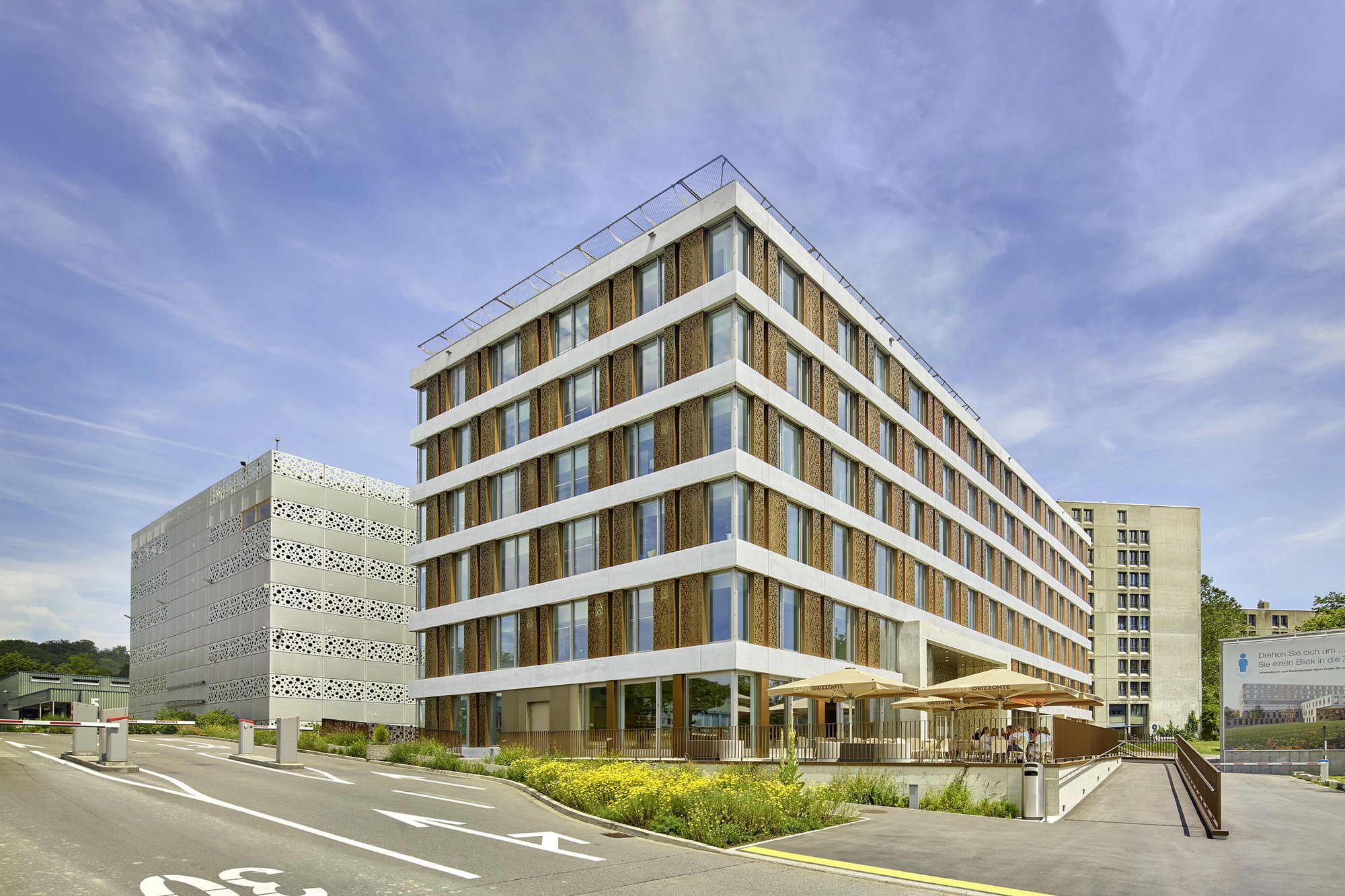
    Baden Cantonal Hospital has won the prize for facilities over 25,000 square metres at the European Healthcare Design Awards 2025. It was presented at the 11th European Healthcare Design Congress in London. This annual award recognises outstanding buildings in the healthcare sector.

    According to KSB, “following a highly competitive selection process”, the jury particularly praised the integrative approach of the design: “a hospital that focusses equally on functional efficiency, quality of stay, architectural identity and the well-being of patients and staff”. The jury, organised by Salus Naturarzneimittel and Architects for Health, was made up of representatives from Australia, the UK and the USA. In their announcement of the winners, the organisers emphasise that the Swiss project “raises sustainability and healing architecture to a new level”.

    The new building, also known as the Agnes Hospital, was commissioned by Baden Cantonal Hospital and planned by Nickl & Partner Architekten, Ghisleni Partner and Amstein Walthert Zurich. Its name goes back to Queen Agnes of Hungary from the House of Habsburg, who donated a hospital to the town of Baden in 1349, which has been adapted to medical developments ever since.

    “We are proud to have created an infrastructure on our healthcare campus that also inspires internationally,” says the KSB. “A reason to celebrate for the entire KSB – and for the canton of Aargau!”

  • Digital modelling reduces CO2 in cement production

    Digital modelling reduces CO2 in cement production

    A PSI research team is looking for formulations that reduce the proportion of CO2-intensive clinker in the cement mix. Alternatives to clinker are already in use, but can only cover a fraction of the cement requirement. The researchers are looking for material combinations that are available in large quantities and allow high-quality cement production. They are using an AI-supported modelling method to do this. They want to improve the CO2 balance of the formulations while maintaining the same material quality, according to a press release. “Instead of testing thousands of variants in the laboratory, our model generates concrete recipe suggestions within seconds – like a digital cookbook for climate-friendly cement,” said lead author and mathematician Romana Boiger in the press release.

    The researchers use artificial neural networks to replace computationally intensive physical modelling. The AI models are trained with known data and learn by adjusting the weighting of their links to predict similar relationships.

    The researchers trained their AI model with the open source software GEMS for thermodynamic modelling. They used it to calculate mineral formation and geochemical processes in various cement formulations and combined this with experimental data and mechanical models. This made it possible to estimate the material quality of different cement formulations. The researchers also determined the CO2 emissions of the formulations. The AI model learnt from this data. “Basically, we are looking for a maximum and a minimum – from this we can directly deduce the desired recipe,” says Boiger. To do this, they use genetic algorithms, another AI method, to identify recipes that combine both target values.

    The researchers have already discovered promising cement formulations that are still being tested in the laboratory to finalise the development cycle.
    The study was conducted as part of the interdisciplinary SCENE project (Swiss Centre of Excellence on Net Zero Emissions).

  • AI-supported platform for dynamic electricity tariffs

    AI-supported platform for dynamic electricity tariffs

    Exnaton and the energy group TotalEnergies Power & Gas Belgium have entered into a partnership. The two companies made this public at the VivaTech trade fair in Paris as part of a joint presentation. As the spin-off of the Swiss Federal Institute of Technology in Zurich, which was founded in 2020, explains in a press release, this cooperation demonstrates how agile energy start-ups can support established utilities in the development of new products and services for the energy transition. Exnaton was part of the start-up accelerator TotalEnergies On last year.

    Exnaton’s billing platform enables energy suppliers to offer dynamic tariffs for renewable electricity. The electricity prices for consumers are based on the current demand for electricity. To do this, Exnaton processes 35,000 data points per customer per year with its artificial intelligence-based software solution and provides current and forecast electricity prices every hour.

    In addition, price signals can be transmitted to intelligent devices such as charging stations for electric vehicles or energy management systems in the household so that energy consumption can be automatically shifted to more favourable time windows. According to Exnaton, the technology helps to “reduce grid bottlenecks as a result of increasing electrification, enables consumers to make tangible savings on their electricity costs and gives energy suppliers the opportunity to further develop their offering in line with the energy transition.”

  • New residential neighbourhood planned in Weggis with 44 condominiums

    New residential neighbourhood planned in Weggis with 44 condominiums

    Halter AG has inaugurated work on the Chalet Weggis residential development with a ground-breaking ceremony, the Schlieren-based property developer announced in a post on LinkedIn. The ceremony is described there as “a significant milestone for this unique project on the Wyermatt site”. The residential development near Lake Lucerne comprises four buildings with a total of 44 condominiums.

    All four residential buildings stand on a common plinth level and are also connected by two contiguous basement levels, explains Halter in the project description. The basement levels house 62 garage spaces, bicycle storage rooms, private cellar compartments and technical and security rooms. Anyone buying a flat can design the interior fittings themselves using the Trend AG configurator.

  • HORTUS sets a new benchmark for sustainable construction

    HORTUS sets a new benchmark for sustainable construction

    With HORTUS, a building has been created on the Main Campus of the Switzerland Innovation Park Basel Area that is set to set new standards in sustainable construction. The project was developed by SENN, Herzog & de Meuron and ZPF Ingenieure. HORTUS is not only conceptually designed for climate compatibility, according to those involved, it will offset its gray energy within a generation and then be operated as an energy-positive building.

    The core of the concept is a consistent reduction in the use of energy in construction and operation. Materials such as clay, wood and waste paper were processed with minimal use of resources. A basement was deliberately omitted. At the same time, a photovoltaic area of around 5,000 m² on the façade and roof ensures maximum energy generation.

    Circular economy at component level
    Particular attention is paid to reusability. Every element used was planned with a second use in mind. HORTUS thus follows the principles of the circular economy down to the last detail. Prefabricated clay-wood elements, manufactured directly on site in a field factory, enable efficient dismantling or reuse.

    Natural materials ensure a balanced indoor climate, supported by a green inner courtyard designed by renowned landscape architect Piet Oudolf.

    Infrastructure for innovation
    The building offers around 10,000 m² of usable space, primarily for companies from the ICT and life sciences sectors. The office space was already fully let when it opened. The only space still available is in the coworking area. This is aimed at start-ups, project teams or individual users who want to benefit from the proximity to one of the largest life sciences ecosystems in Europe.

    The coworking space and the office areas have shared kitchens, a garden and IT infrastructure. On the first floor, catering facilities and a fitness area complement the infrastructure. The aim is to combine innovation and everyday life in one place.

    Part of a larger development site
    It is not the first building on the campus. The Main Campus HQ is already in operation. Other buildings, ALL, HOPE and SCALE, are under construction or in the planning stage. By 2029, Allschwil will be home to Switzerland’s largest innovation park, with a focus on life sciences, digital health and industrial transformation.

    With currently around 1,200 employees in 92 companies and 12 research groups, the site is already an important center for applied research and development in Switzerland.

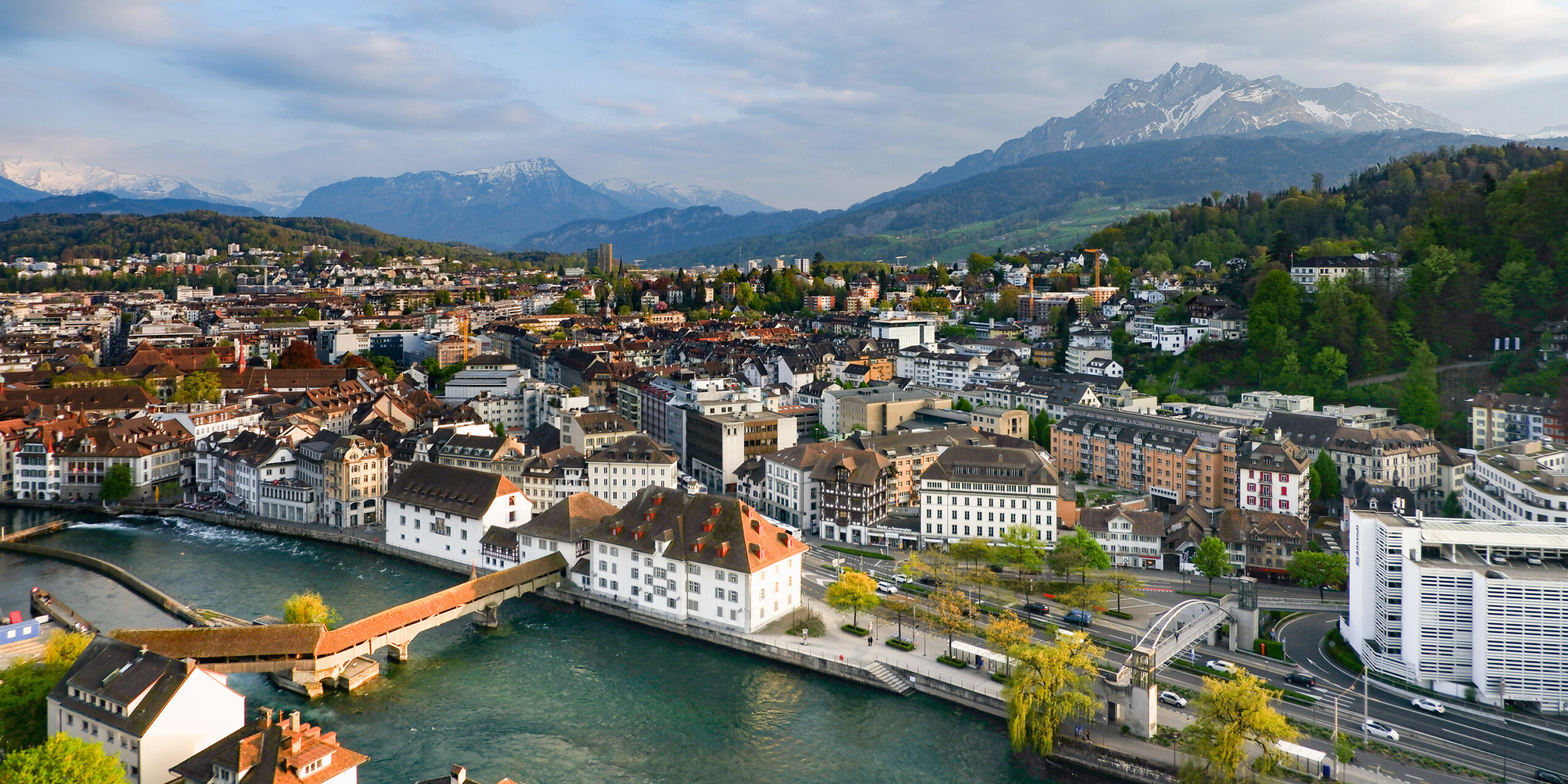
  • Robust market in Lucerne

    Robust market in Lucerne

    The commercial property market in the canton of Lucerne is proving resilient, even in the international context of economic uncertainty. Switzerland’s gross domestic product grew by 1.3 per cent in 2024 and is expected to rise to 1.5 per cent in 2025. The canton of Lucerne benefits from its broadly diversified economic structure with strong sectors such as construction, finance and services.

    Bottleneck meets demand
    Demand for office space remains high, fuelled by continued employment growth in the service sector. At the same time, the construction volume of around CHF 50 million is well below the long-term average. This reluctance to construct new buildings is further reducing supply, causing rents to rise moderately but continuously – by an average of 10 per cent since 2015.

    Structural change weighs on
    Despite stable consumption indicators, the market for retail space remains under pressure. Online retail, changing consumer behaviour and geopolitical uncertainties are putting pressure on even highly frequented locations. Falling asking rents point to a prolonged period of weakness – there is currently no recovery in sight.

    Solid basis, new risks
    At less than one per cent, the vacancy rate for industrial space is well below the national average. Demand is stable and projects such as new business parks in Lucerne and the surrounding area are signalling momentum. However, trade tensions, particularly with the USA, could slow down this trend and cause a slowdown in the medium term.

    Plenty of potential, but growing pressure
    The new study by Luzerner Kantonalbank and Wüest Partner paints a differentiated picture. Office and industrial space is benefiting from Lucerne’s attractiveness as a location and the strong domestic economy. Retail space, on the other hand, remains the problem child. Future developments will be largely determined by international conditions.

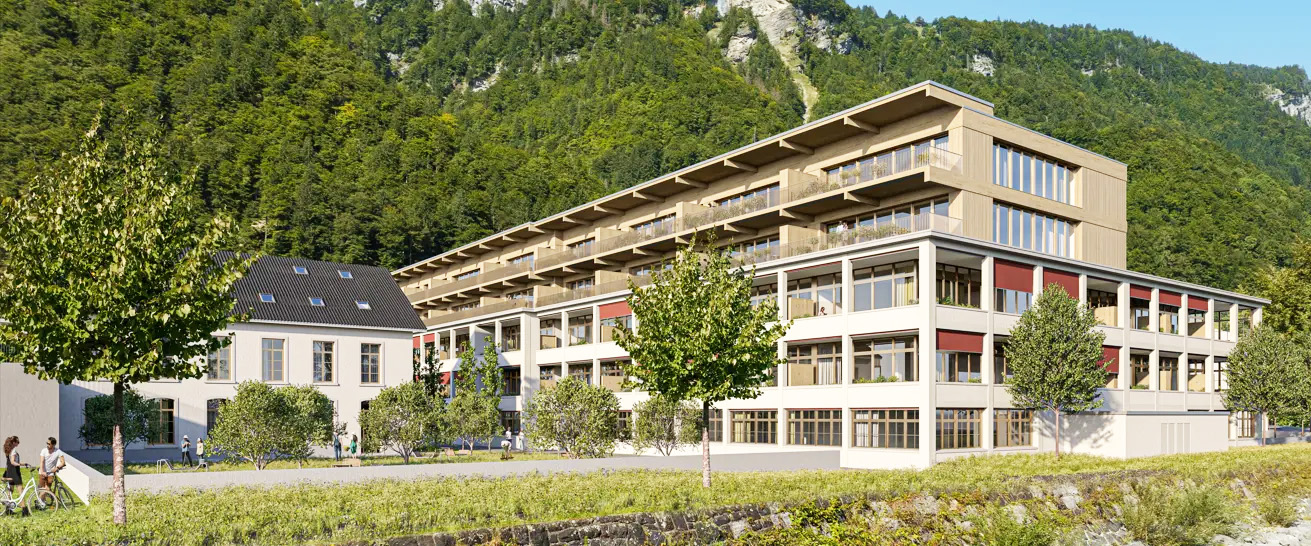
  • The Glarus South residential park sets new standards

    The Glarus South residential park sets new standards

    In the centre of Glarnerland, nestled in the alpine landscape and with a direct S-Bahn connection to Zurich, a pioneering project is taking shape. The Glarus Süd residential park is ready for realisation. The building permit has been granted, the concept has been finalised and the surrounding area is ideally developed. The site is already home to an established health and prevention centre, a café, a hairdressing and beauty salon and versatile event spaces. Schools, shopping facilities, Spitex services and the railway to Braunwald are all within walking distance. The location combines living close to nature with urban connections.

    A pioneering project for new ways of living
    The project focuses on multi-generational living, supplemented by co-living and co-working facilities. The 51 flats are part of a holistic concept that is geared towards social mixing, encounters and shared use. The residential park is operated CO2-neutrally. The energy comes from its own production. The concept addresses key challenges such as demographic change, climate protection and the increasing need for flexible ways of living and working, while at the same time offering attractive prospects for investors who focus on valuable, socially relevant projects.

    Experience meets vision
    Hacontex AG from Zollikon is behind the project. The company, which has its roots in the textile industry, has consistently transformed itself over the last few decades. Today, Hacontex is active in sustainable energy production and property development. Managing Director Hans-Peter Keller and his team rely on entrepreneurial courage, regional roots and economic foresight. With projects in the Zurich agglomeration, in the canton of Schwyz and in Glarnerland, the company addresses future-oriented topics, always in the area of conflict between nature, technology and society.

    A project with a signalling effect
    The Glarus Süd residential park is more than just a property project. It is a stimulus for the region and a model for the sustainable transformation of rural areas. A place for all generations, for work, health, community and innovation is being created in the middle of the mountains. The combination of modern infrastructure, local roots and ecological responsibility makes the project an investment target with long-term added value.

    Now that construction is ready, the go-ahead is imminent. An investor is now being sought who shares the vision and has the courage to back a project that not only promises the future, but also builds it.