Tag: Planung

  • Working hours as the key to building in the mountains

    Working hours as the key to building in the mountains

    Experienced practitioners from various cantons emphasize that work in the mountains is subject to tight time constraints. Construction machinery and materials often have to be laboriously transported, while electricity and water supplies as well as access are limited and susceptible to weather conditions. Strong temperature fluctuations, long access routes and periodic freedom from construction work in winter require flexible, project-related time models – rigid working time specifications are practically impossible to implement here

    Planning, pride and AVOR
    For companies, this means careful work preparation and ongoing flexibility. Construction companies often organize special working time calendars for mountain projects, which are adjusted seasonally, by the week or even by the day. With the approval of the local Joint Professional Commission, the main construction industry can deviate from the normal weekly working hours in order to take geographical and climatic factors into account

    The construction workers’ wages follow the national regulations in accordance with the collective labor agreement for the construction industry. Forward-looking resource planning is becoming increasingly important. Sometimes the model of a four-day week or longer shifts over the summer helps to compensate for bottlenecks and offer skilled workers attractive prospects in a seasonal context

    Special features and motivation in mining
    Increased physical strain due to the thinner mountain air, challenging terrain and logistics that require autonomy demand experience and a pioneering spirit and, according to industry representatives, increase employee motivation. The changing backdrop of the mountains, team spirit and pride in what has been achieved contribute to the special identity of “building in the Champions League”. Flexible working time models, from forward-looking planning and locally coordinated time accounts to temporary staff contracts, are essential in order to give mining a professional, economically and socially balanced face

    If you want to build in the Swiss mountains, you have to calculate flexibly, adapt to the weather and geography and establish tailor-made time models together with planners, authorities and the workforce. The demand for flexibility is therefore not a fad, but a necessity for building culture and competitiveness in Switzerland.

  • Compact location brings advice to the city centre

    Compact location brings advice to the city centre

    IKEA has opened a new Plan and Order Point in Bern, as detailed in a press release. The Plan and Order Point format is primarily used for planning and inspiration for new projects, particularly in the kitchen sector. According to Spreitenbach-based IKEA Schweiz AG, every second order now involves services such as delivery, assembly or planning. The Plan and Order Point format has been developed for the corresponding realisation. The compact locations are located in the city centre, as is now also the case in Bern.

    “I am delighted that we are able to offer our Plan and Order Points in another region with Bern,” said Janie Bisset, CEO and CSO of IKEA Switzerland, in the press release. “The advantage is obvious: short distances and personal advice make our range accessible to even more people.”

    IKEA Switzerland has already opened Plan and Order Points in Zurich, Chur and Winterthur since 2022. Three employees are now available for customers in Bern. They can also order items there directly and have them delivered to their home or collect them from a store. “With the new location, we are bringing this service closer to the people in the capital and giving even more households the opportunity to enjoy beautiful and affordable living,” says Florence Stauffer, Head of the Planning Studio.

  • Digitised road network for the district of Horgen

    Digitised road network for the district of Horgen

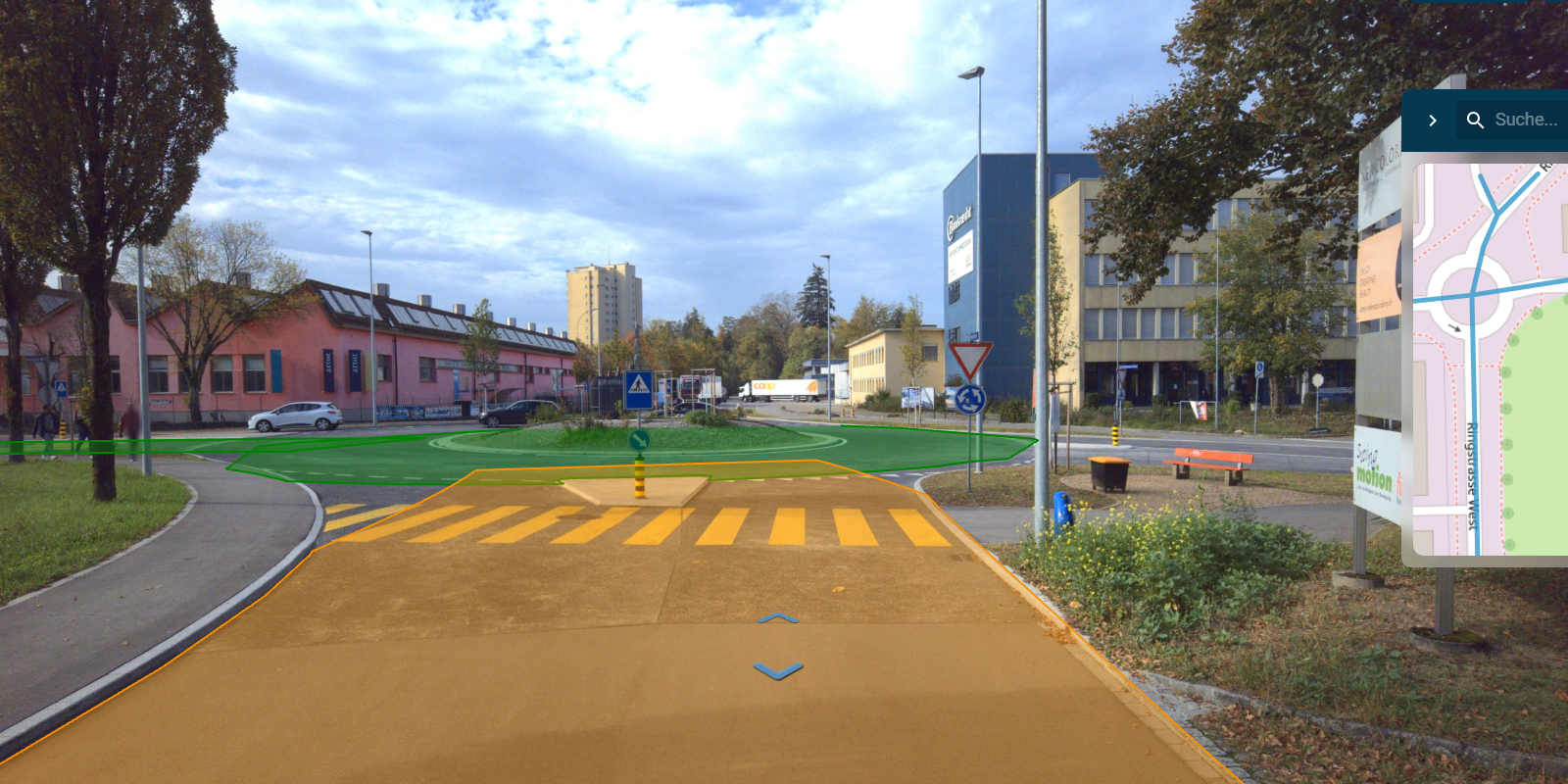
    From mid-July 2025, iNovitas from Baden will be mapping the streets in the district of Horgen. The company is creating a three-dimensional digital image of the public road network, according to a press release. The data obtained from the model is intended to form a basis for the areas of administration, utilities management and planning. The digital image reduces the time and effort required for inspection trips and inspections and should therefore provide an efficient organisation for maintenance and planning directly from the office.

    The municipal and cantonal roads of Adliswil, Kilchberg, Langnau am Albis, Rüschlikon, Thalwil and Oberrieden will be digitised. The municipality of Horgen had already commissioned iNovitas to carry out this work at an earlier stage. The data is recorded exclusively on public roads. According to the press release, people and number plates are anonymised, thereby protecting personal rights. The captured image and geodata is provided via the web-based infra3D platform and is only available to authorised specialists or administrative bodies with the appropriate authorisation.

  • House of wood in Sursee shows the future

    House of wood in Sursee shows the future

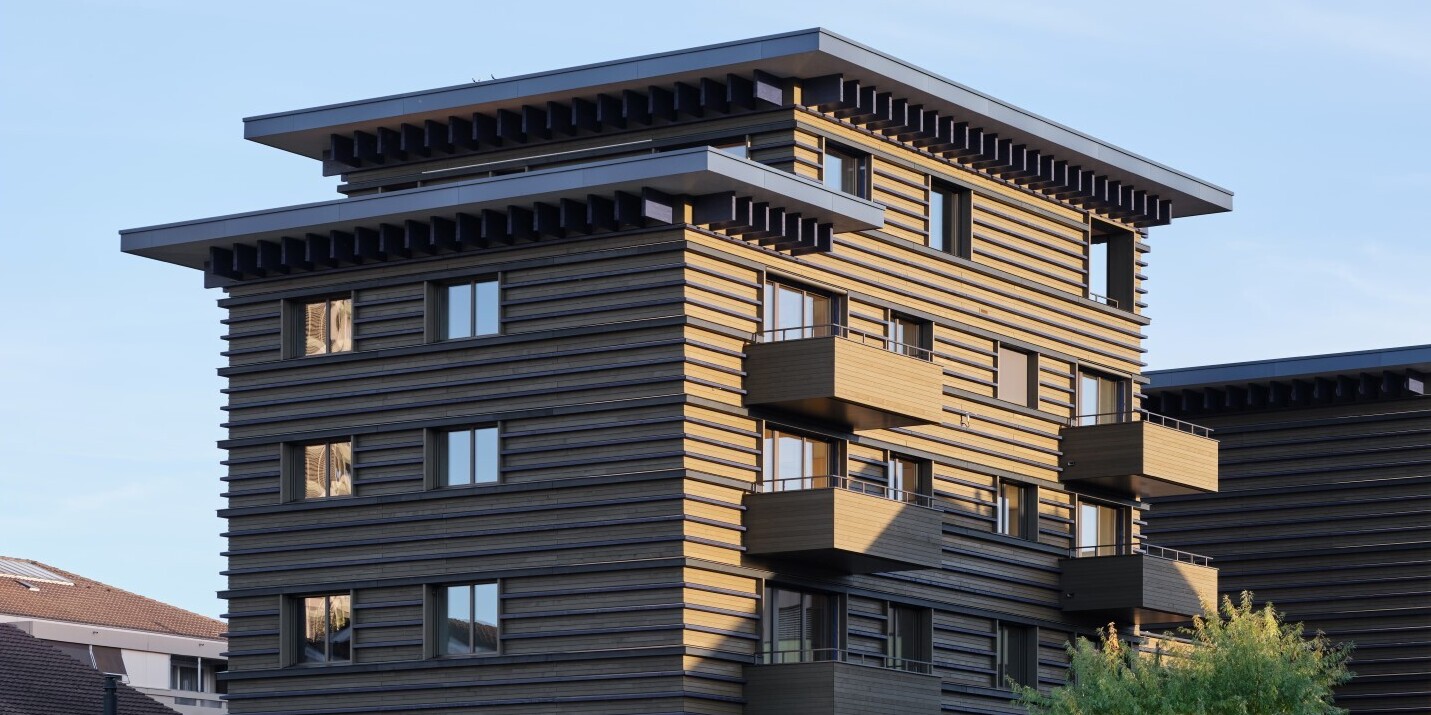
    With six storeys made of wood, complemented by a variety of uses including offices, flats and communal areas, the Haus des Holzes impressively demonstrates the potential of modern timber construction. The entire construction, apart from the basement, is made of Swiss timber, 94 per cent of which comes from local forests. The building material grows back within just 80 minutes, a strong testament to the ecological sustainability of regional resources.

    Circular thinking consistently implemented
    The building is designed in such a way that future generations can dismantle it and reuse the building elements used. This recyclability is a key innovation driver for companies in the timber and construction industry, making sustainability tangible in practice and increasingly asserting itself as a sales argument to a climate-conscious clientele.

    Digital methods as a driver for efficiency
    A special feature of the project is the consistent use of digital planning methods. The entire building was modelled, planned and implemented using building information modelling. Tradesmen worked directly with digital models on mobile devices, an approach that raises the use of materials, construction coordination and efficiency to a new level.

    Regulatory freedom as an innovation advantage
    Switzerland offers an ideal environment for progress in timber construction with practical training, material-independent fire protection standards and flexible SIA guidelines. These framework conditions enable engineers to develop creative solutions that would be held back by rigid standards elsewhere.

    Global pioneering role in view
    The project sees itself as a driving force for the international future of timber construction. With expertise, innovative spirit and the intelligent use of digital tools, Switzerland is positioning itself as a global trendsetter. This is also evident in the largest ongoing project, the planned Dock A at Zurich Airport, where Pirmin Jung Switzerland is playing a key role in the timber-based planning.

  • St.Gallen freight station site underestimated development area

    St.Gallen freight station site underestimated development area

    Urban areas are under increasing pressure. Rising population figures and limited space call for innovative solutions. Areas behind railway stations in particular often remain unused, although they offer valuable potential for urban development. One example of a successful conversion is Europaallee in Zurich. However, while new urban neighbourhoods are already being created in many places, the future of the St.Gallen freight station site is still open.

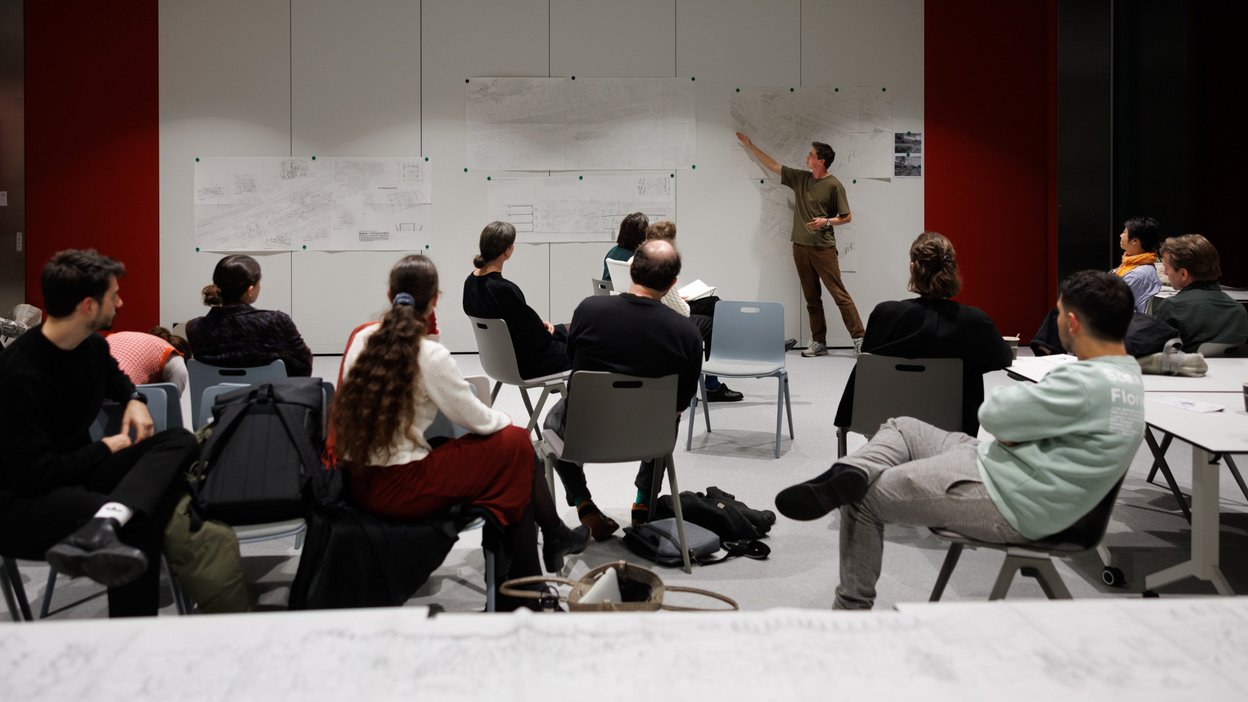
    Its development has been discussed for years, but different interests and perspectives have so far prevented a concrete realisation. This was the starting point for the course “Building the future – the importance of sectors for urban development”, which brought together architecture students from ETH Zurich with economics and sociology students from the University of St.Gallen.

    Interdisciplinary collaboration as the key to success
    The course combined architecture, urban sociology and economics to create a new approach to urban planning. “Architects of the 21st century learn from the building methods of the 20th century in order to develop sustainable models for the future,” explains Prof Momoyo Kaijima from ETH Zurich.

    The collaboration with sociologists and economists resulted in practice-oriented research that took into account not only urban planning concepts, but also social and economic aspects.

    Experiencing urban planning from new perspectives
    The students began their investigation with guided walks through the freight depot area, inspired by the sociologist Lucius Burckhardt’s “Spaziergangswissenschaften”. This method enabled them to experience the space not just as a planning object, but as a lived social place.

    “The study made it clear that even inconspicuous or derelict areas can play a decisive role in urban dynamics,” reports HSG student Livius Schönle.

    From observation to concept
    Based on interviews, observations and data analyses, the participants developed so-called “actor network drawings”, which they used to visualise complex relationships between the use of space, social groups and economic interests. Art painter Walter Dick also played a role in this, introducing the students to the basics of hand-drawing in order to visually represent their analyses.

    “The concrete experiences from the interdisciplinary collaboration show how important it is to be aware of the different ways of thinking,” emphasises Dr Niklaus Reichle from the University of St.Gallen. “Only if we think outside the disciplinary box can social challenges in dealing with space be tackled in a meaningful way.”

    Visions for sustainable urban development
    The students’ concepts ranged from multifunctional residential and working neighbourhoods to sustainable green spaces that integrate new recreational areas into the city. Some teams developed ideas for mixed-use buildings that combine social housing with commercial space, while others developed strategies for careful densification through innovative construction methods.

    A central theme was social integration: how can the freight depot area serve as a connecting element between existing neighbourhoods? How can open spaces be created that are both ecologically and socially valuable?

    Urban development as a joint task
    The research results emphasise that successful urban development requires more than just structural measures. Economic, social and ecological aspects must be considered together. The collaboration between ETH and HSG shows how different disciplines can learn from each other in order to make urban spaces sustainable and fit for the future.

    The city of St.Gallen could benefit from these findings: The freight yard site offers enormous potential for innovative neighbourhood development if the right course is set.

  • New wind turbine planned for Flumserberg

    New wind turbine planned for Flumserberg

    Axpo, headquartered in Baden, is starting initial investigations into a possible wind farm on the Flumserberg in the canton of St. Gallen. It could comprise up to six wind turbines. According to a press release, the energy company will install a wind measuring mast this week. This will be used to collect wind and bat data over the course of a year.

    The data collected will serve as the basis for the next project steps and detailed planning. The local community of Flums-Dorf and the Alpkorporation Mols have given their consent for the erection of the wind measuring mast. The 120 metre high mast will be erected on the Grappenchöpf site, a location that Axpo believes offers promising wind potential.

    The electricity produced from the wind farm would be equivalent to the consumption of over 10,000 households. According to the information provided, it could fill the winter gap, as two thirds of electricity production takes place in winter. As Axpo goes on to explain, a wind farm on the Flumserberg would not only help to reduce CO2 emissions and utilise a sustainable, renewable energy source, but would also provide an economic boost for the region.

  • First stage Attisholz with UBS investment

    First stage Attisholz with UBS investment

    The Attisholz site in Riedholz is being given a new lease of life thanks to an investment by the UBS pension fund. The “Kocherei”, once a central location for cellulose production, is being extensively remodelled. The winning project by Burckhardt Architektur from Basel envisages around 150 rental flats and 4,000 m² of commercial space, which will breathe new life into the historic building.

    Collaboration between UBS and Halter AG
    The UBS pension fund, which acquired the 73,000 m² core site back in 2022, has now also confirmed its investment in the “Kocherei”. A work contract was signed between the UBS pension fund and Halter AG on 28 June 2024. While the UBS pension fund will act as investor and owner, Halter AG will be responsible for the planning and realisation of the project as overall provider.

    First stage of the site development
    The development of the Attisholz site, which is to be transformed into a sustainable living space over the next 25 years, begins with the first stage. In addition to the “Kocherei”, this also includes the “Lagerhaus” and publicly accessible open spaces. The design plan for this first stage is currently being drawn up in collaboration with the municipality of Riedholz and the canton of Solothurn and will soon be submitted for public consultation and approval.

    Sustainable and vibrant future
    The transformation of the Attisholz site into a vibrant and sustainable neighbourhood is an important project for the region. The revitalisation of the “Kocherei” and the creation of residential and commercial space are central components of this vision. The realisation of the projects is planned for the period 2025 to 2028 and will contribute significantly to the upgrading of the entire area.

    With the UBS pension fund as a strong partner and Halter AG as an experienced developer, the transformation of the Attisholz site will be driven forward swiftly and professionally in order to create a new, sustainable living space for the municipality of Riedholz.

  • Award for innovative circular economy in the construction industry

    Award for innovative circular economy in the construction industry

    Researchers from Lucerne University of Applied Sciences and Arts(HSLU) have won the Sustainability Challenge organised by the German Sustainable Building Council(DGNB) together with the Technical University of Munich(TUM). According to a press release, the circularWOOD project was awarded first place in the research category. Sonja Geier, Deputy Head of the Competence Center Typology & Planning in Architecture(CCTP) at HSLU, and Sandra Schuster from TUM accepted the award in Stuttgart on 18 June 2024 as part of the DGNB’s Sustainability Day.

    The CO2-neutral and ecologically high-quality raw material wood is becoming increasingly popular in the construction industry The circularWOOD research project aims to introduce this important raw material into a circular economy. “Today, wood does not remain part of the material cycle long enough,” Sonja Geier is quoted as saying in the press release. According to the press release, circular construction with the CO2-neutral building material wood will make an important contribution to achieving climate protection goals.

  • A new vision for the Zurich metropolitan area

    A new vision for the Zurich metropolitan area

    The Metro-ROK 2050 initiative emphasises the need to use settlement areas sensibly and sustainably in order to improve the quality of life and maintain the ecological balance. By focussing on four central areas of action – urban landscape, transitional landscape, cultural landscape and natural landscape – the concept aims to promote balanced development. The protection of green spaces and high-quality internal development play a particularly important role. Environmentally friendly urban planning is to be realised by strictly limiting the expansion of settlements until 2040 and promoting transformation projects in existing buildings that take the circular economy principle into account.

    Innovative technologies and energy efficiency
    Another important aspect of the Metro-ROK 2050 is the integration of advanced technologies and ecological construction methods in order to improve the carbon footprint of the metropolitan area. The concept emphasises the importance of renewable energies and increasing energy efficiency in buildings in order to counteract the challenges of climate change. The avoidance of further soil sealing and the use of green spaces to combat heat in urban centres are also priority measures.

    Sustainable mobility as a key component
    The spatial planning concept also places a strong focus on promoting public transport and sustainable mobility solutions. The goal of increasing the share of public transport by 2050 and promoting environmentally friendly means of transport is crucial for reducing environmental pollution and increasing the quality of life in the region. Short journeys and low-emission means of transport should help to minimise the ecological footprint.

    Cooperation and future-oriented planning
    The Metro-ROK 2050 initiative reflects the commitment of the participating cantons and sets new standards in regional spatial planning. The updated concept, which was unanimously adopted by the Metropolitan Council on 3 November, serves as a trend-setting framework for the sustainable and future-proof development of the entire Zurich metropolitan area. By taking an integrated view of ecological, economic and social factors, the concept endeavours to shape the metropolitan area as a liveable and sustainable place.

  • Potential for transformation despite development delay in Basel

    Potential for transformation despite development delay in Basel

    The study conducted by Sotomo shows that Basel has experienced subdued growth momentum over the last ten years, particularly in comparison with cities such as Zurich, Geneva and Bern. With only six per cent growth in the housing stock since 2012, Basel brings up the rear among the eight largest Swiss cities. Only a small proportion of flats were built after 1990, which suggests a delayed development dynamic.

    Demographic challenges and opportunities
    The study also emphasises that Basel is the only city in the study that does not have a birth surplus, which indicates a weak population dynamic. The comparatively low proportion of young adults and families and the high proportion of older households reflect a demographic challenge that also influences the development of the labour market.

    Despite these challenges, the study emphasises that new-build flats do not necessarily lead to higher rents in existing flats. On the contrary, they could even revitalise the market for affordable flats in older buildings. This points to untapped opportunities in urban planning and development.

    The potential of “Klybeck Plus
    One particularly striking example of untapped potential is the planned “Klybeck Plus” urban quarter. This area is to be built on a former industrial site and offers space for flats for 8,500 people and 7,500 jobs. similar to Basel’s Gundeli or Geneva’s Le Pâquis neighbourhood, “Klybeck Plus” could offer a lively mix of living and working and at the same time be as green as Basel’s Gellert district.

    The study emphasises that, despite current challenges, Basel has considerable potential that can be exploited through strategic planning and innovative development concepts. The results are a wake-up call for urban planners, developers and political decision-makers to mobilise the available resources and reposition Basel as a dynamic and future-oriented city.

  • Wipkingen church becomes an educational space

    Wipkingen church becomes an educational space

    The Wipkingen church is a remarkable example of adaptive space utilisation. No longer used for church services since 2019, it is now intended to meet the space requirements of the neighbouring Waidhalde school complex. A concept developed by Vécsey Schmidt Architekten BSA SIA in collaboration with Anderegg Partner AG won the architectural competition and promises a cautious yet future-oriented transformation. A newly installed ceiling allows for the creation of a multi-purpose room, a library and catering facilities at ground floor level, while the upper floor offers flexible usage options under the historic church vault.

    André Odermatt, Head of Building Construction, emphasises the importance of this initiative: “The intelligent conversion of existing buildings is essential in order to meet current challenges in urban areas.” The project not only provides solutions to the urgent need for school space, but also strengthens cooperation between the city and the church.
    Thanks to this conversion, the necessary rooms for six to eight additional classes will be created by the 2031/32 school year. Filippo Leutenegger, Head of School, sees this as an example of the effective utilisation of creative solutions.

    The cooperation with the Reformed parish of Zurich has already borne fruit and plans to open up further church buildings for charitable purposes. The project in Wipkingen is just the beginning of a series of initiatives that prioritise community benefit.

    The estimated construction costs amount to CHF 7.5 million, with completion planned for 2026, in time for the start of school in 2026/27. This project marks an important step in Zurich’s evolutionary urban development by showing how historical substance can be meaningfully brought into the future.

  • New pipeline cadastre portal creates transparency and added value in the construction industry

    New pipeline cadastre portal creates transparency and added value in the construction industry

    Zurich has introduced a new, advanced system for visualising infrastructure networks. The canton of Zurich’s pipeline register provides a complete visualisation of all above-ground and underground pipelines responsible for water, wastewater, electricity, district heating, gas and communications. Centralising this data in a single information system makes it much easier to access relevant information for planning, construction and maintenance work.

    Simplified access to information
    Previously, interested parties had to obtain information on pipelines individually from the respective owners or operators – a time-consuming process. With the new pipeline cadastre portal, the canton of Zurich now offers a central point of contact that enables users to access this important data quickly and easily. Over 500 works operating in the canton regularly update their data in this system, ensuring the accuracy and reliability of the information.

    Wide range of applications
    The portal serves a wide range of users, including public administrations, construction companies, rescue and security services and private individuals. The precise information on the type and location of pipelines improves planning reliability for construction projects and facilitates the maintenance and expansion of existing infrastructure. Although the portal is not intended to be used for the direct planning of excavation work, it helps to significantly reduce the risk of damage by providing clear documentation of pipe routes.

    Simple operation and access to data
    The pipe cadastre portal is designed to be user-friendly. Users can search by municipality, parcel or street and select the medium of interest. The corresponding pipes are then displayed on the digital map. The data is easily accessible and available in standard formats. Additional information such as ownership and contact details of the relevant works are also provided.

    The portal can be accessed at: https://leitungskataster.zh.ch. Prior registration is required to use the portal.

  • A visionary spatial planning concept for the future of the Zurich metropolitan area in 2050

    A visionary spatial planning concept for the future of the Zurich metropolitan area in 2050

    With almost 40% of the Swiss population and the majority of jobs, the Zurich metropolitan area is home to a significant proportion of national life and economic activity. The updated spatial planning concept Metro-ROK 2050, an update of the first Metro-ROK from 2015, defines ambitious planning objectives for this important economic and living space. It aims to promote sustainable development that fulfils both the needs of the population and the protection of the environment.

    The concept divides the area into four action areas: urban landscapes with urban centres, transitional landscapes with regional centres, cultural landscapes and natural landscapes. This categorisation makes it possible to develop targeted measures that guarantee a high quality of life and at the same time make the area ecologically sustainable.

    A core concern of the Metro-ROK 2050 is the protection of green spaces and the promotion of high-quality inner-city development. No expansion of the settlement area is planned until 2040 in order to stop urban sprawl and make better use of existing areas. The building culture should be based on the circular economy principle, take grey energy into account and protect biodiversity.

    The concept also places a strong focus on the sustainable use of resources and the promotion of energy efficiency. Innovative technologies and ecological construction projects should help to improve the carbon footprint and make the metropolitan area more resilient to climate change. Renewable energies and the reduction of soil sealing are just as much a focus as the promotion of public transport and sustainable mobility solutions. The aim is to significantly increase the proportion of environmentally friendly means of transport by 2050.

    The Zurich Metropolitan Area 2050 spatial planning concept represents a decisive step towards sustainable and future-proof development. With the positive acceptance of the recommendations for action by the Metropolitan Council on 3 November, a further milestone has been reached. The concept reflects the commitment of the participating cantons to work together to ensure a liveable and ecologically sustainable Zurich metropolitan area.

  • Milestone at Basel railway station

    Milestone at Basel railway station

    Basel SBB railway station is facing a problem. It is reaching the limits of its capacity. The increasing number of trains and travellers, especially at peak times, requires urgent measures to avoid bottlenecks.

    From December 2025, it is planned that the S-Bahn trains between Basel and Liestal will run every quarter of an hour. This ambitious goal requires considerable investment in the railway facilities between Basel and Liestal, which the federal government is financing to the tune of around CHF 1 billion. SBB is responsible for realising these projects on behalf of the federal government, while the federal government and the cantons are jointly ordering and financing the additional S-Bahn connections.

    Most of the investments are included in the 2025 expansion phase, which is part of the “Financing and expansion of the railway infrastructure” (FABI) bill that was approved by the Swiss electorate in February 2014. These expansions not only enable the quarter-hourly S-Bahn service between Basel and Liestal, but also lay the foundation for further improvements in passenger and freight transport.

    Two main measures are required to create the capacity for the planned quarter-hourly service and the extended timetable.

    Additional stops for trains: The planned quarter-hourly frequency will increase the number of trains at Basel SBB station. Additional stopping points and platform edges are therefore required to ensure smooth operations. This is the main objective of the “Basel SBB performance enhancement” project.

    Additional crossing options for travellers: The increasing number of trains leads to more travellers and thus to higher utilisation of the Passerelle at Basel SBB station. In order to cope with this increase, the creation of additional crossing facilities is urgently required. The “Provisional Passerelle” project aims to realise this increase in capacity quickly until further crossings, such as the Margarethen platform access, can be built.

    The temporary pedestrian crossing is a temporary solution until long-term measures can be implemented. The planning and construction of further crossings are planned for the 2035 expansion phase and will also be financed by the federal government.

  • Guidelines to strengthen the circularity of construction projects

    Guidelines to strengthen the circularity of construction projects

    The Madaster Switzerland association and partners from politics, business and science have developed a guideline that can be used to measure the circularity of construction projects in terms of their material mass, Circular Hub reports in a press release. The knowledge and network platform for circular construction in Switzerland acts as the coordination centre for the project Making circularity measurable. The guide “Making circularity measurable: a Swiss circularity indicator” is primarily aimed at planners of construction projects.

    “This guide marks a historic moment for the construction and property industry in Switzerland,” said Patrick Eberhard, President of the Madaster Switzerland association, in the press release. “For the first time, it offers the possibility of making the circularity of buildings measurable and thus supports the vision of transforming the Swiss building stock into a circular material store.” The guidelines can be used for the planning of new buildings as well as for building renovations. In addition to European standards, the specific conditions of the Swiss construction industry are also taken into account.

    The guidelines provide clients, architects and planning offices with assistance in integrating quantified specifications into the tendering process. At a political level, the guidelines should make it possible to quantify specifications for the circular economy in the construction sector.

    A complete list of the companies and organisations involved in the project can be found in the press release. The guidelines have already undergone initial practical testing in pilot projects. The Madaster platform is being used to calculate circularity and analyse specific property data.

  • Indoor pool renovation in Geroldswil must be rescheduled

    Indoor pool renovation in Geroldswil must be rescheduled

    The construction work at the indoor swimming pool in Geroldswil cannot be realised as planned because the renovation concept could not be implemented on schedule. In order to ensure the safety of pool visitors, the municipal council is now working on a new renovation plan, according to a press release.

    The refurbishment concerns the supporting structure of the indoor pool roof. The original plan was to replace the old support heads with new ones. In the course of this construction measure, the cavity beams were opened up. Corrosion was found to be so severe in some of them that the existing renovation plan could not be realised. The renovation measures are now being re-planned.

    It is currently not clear whether a completely new roof will have to be built. Further clarifications and investigations are needed first. “The municipal council is giving itself the necessary time to consider all eventualities, which could take until the end of March 2024,” it says. Swimming operations in the indoor pool have been suspended since 19 June 2023 due to renovation work.

  • Three cantons unite rehabilitation planning

    Three cantons unite rehabilitation planning

    Die Initiative der drei Kantone, eine kollaborative Spitalplanung für den Rehabilitationssektor zu etablieren, spiegelt das Engagement wider, die Gesundheitsversorgung in der Region zu optimieren. Diese Planung basiert auf einer detaillierten gemeinsamen Bedarfsanalyse und wird in ein konsolidiertes Bewerbungs- und Auswahlverfahren münden, um die Spitallisten effektiv zu gestalten. Rund zwei Drittel der stationären Rehabilitationsaufenthalte der Einwohner aus der Planungsregion finden bereits in den acht bestehenden Kliniken innerhalb der Kantone statt, was die Notwendigkeit einer koordinierten Vorgehensweise unterstreicht.

    Die gemeinsame Bewertung der Bewerbungen soll zu harmonisierten Leistungsaufträgen führen, die eine gleichwertige Behandlungsqualität über die kantonalen Grenzen hinweg gewährleisten. Obwohl die endgültige Entscheidung und der Erlass der Spitallisten individuell von den jeweiligen kantonalen Behörden getroffen werden, zeigt dieser Prozess das Bestreben, die Gesundheitsdienstleistungen zu verbessern und eine kohärente regionale Gesundheitspolitik zu fördern. Die Implementierung der neuen Spitallisten für Rehabilitation ist für den 1. Januar 2025 geplant, was den Weg für eine zukunftsfähige und patientenzentrierte Rehabilitationsversorgung ebnet.

  • Verkehrs- und Siedlungskonzept für 2025 Seeland Biel

    Verkehrs- und Siedlungskonzept für 2025 Seeland Biel

    Die Region seeland.biel/bienne arbeitet derzeit an der Aktualisierung des Regionalen Gesamtverkehrs- und Siedlungskonzepts 2025 (RGSK 2025) sowie des Agglomerationsprogramms der 5. Generation (AP5). Diese beiden Planungsinstrumente zielen darauf ab, die Siedlungs-, Landschafts- und Verkehrsplanung in der Region harmonisch aufeinander abzustimmen und stehen bis zum 11. März 2024 zur öffentlichen Mitwirkung offen.

    Die Koordination dieser Planungen über Gemeindegrenzen hinweg ist für die Region seeland.biel/bienne eine zentrale Aufgabe. Das RGSK und das AP verfolgen das gemeinsame Ziel, eine nachhaltige Entwicklung zu fördern, die sowohl den Bedürfnissen der Bevölkerung und der Wirtschaft entspricht als auch sorgsam mit dem knappen Boden umgeht und dabei die Umwelt schützt. Dies geschieht vor dem Hintergrund eines wachsenden Bevölkerungszuwachses und steigender Mobilitätsbedürfnisse.

    Das RGSK legt als regionaler Richtplan verbindliche Vorgaben für die Ortsplanungen der Gemeinden fest und fokussiert auf die räumliche und verkehrliche Entwicklung. Das AP schafft die Grundlage für die Mitfinanzierung von Verkehrsprojekten durch den Bund, wobei bereits frühere Generationen des Programms Bundesbeiträge in Millionenhöhe auslösten.

    Das RGSK 2025 wird in zwei Etappen überarbeitet, wobei die erste Etappe bis 2025 die Entwicklung eines neuen Zukunftsbildes für verschiedene Teilräume, die Überprüfung von Vorranggebieten für Siedlungserweiterungen und die Aktualisierung von Maßnahmen umfasst.

    Das AP5 setzt seinen Schwerpunkt auf die Entwicklung von öffentlichen Verkehrsmitteln, Freiräumen und Klimaschutz. Es integriert langfristige Ziele und Strategien, einschließlich des Klimawandels, und stärkt die Siedlungsentwicklung von innen.

    Bis zum 11. März 2024 haben Gemeinden, Verbände, Organisationen und alle Interessierten die Möglichkeit, sich zu beiden Programmen zu äußern. Nach einer Vorprüfung durch den Kanton im Mai 2024 werden RGSK und AP im Frühjahr 2025 der Mitgliederversammlung von seeland.biel/bienne zur Verabschiedung vorgelegt.

  • Participatory planning as the basis for sustainable development

    Participatory planning as the basis for sustainable development

    The key area for urban development, the Thun railway station district, is at an important turning point. The vision of a dynamic mobility hub and a lively urban neighbourhood is making progress with the findings now available from the participatory charrette process. Mayor Raphael Lanz emphasises the importance of the open-ended and participatory process, which creates a solid basis for future planning steps.

    The charrette process, in which visions and viable solutions were developed by three interdisciplinary teams, demonstrates the importance of involving various interest groups in the planning process. The broad participation enabled a comprehensive dialogue and the development of shared visions for the Thun railway station district.


    One of the key findings is the need to make spatial and operational optimisations in order to create a future-oriented mobility hub that is suitable for the disabled. This also includes relieving Seestrasse and the Maulbeer roundabout of motorised individual traffic and incorporating the south side of the station for a new bus solution. In order to develop the area in a timely and sustainable manner, major upfront investments and interdependencies should be avoided as far as possible.

    In addition, the development should take into account the existing identities and structures and build on optimised access and open spaces. The promotion of a location-appropriate and balanced mixed-use urban neighbourhood with a high degree of flexibility and the strengthening of public spaces are further key objectives. For example, Bahnhofplatz, the Schifflände and the riverside promenade are to be upgraded and further developed as important public spaces. Improved pedestrian and cycle connections, including new links such as a “panoramic bridge” crossing the Aare and a railway overpass, are also under discussion. Seestrasse is to become an attractive backbone for the neighbouring development area. This extends between the railway tracks and shipping canal as well as the River Aare. Over the next few years, the entire neighbourhood is to develop into a well-located, well-balanced area with a variety of focal points and space for innovative residential and working uses.

    In parallel with the further planning, the city is tackling initial measures to make the area more attractive. One example of this is the temporary greening of Aarefeldplatz with “climate trees”, which has already been completed and not only helped to improve the quality of life over the summer months, but also emphasised the importance of green spaces in urban areas. With this “LeiStbild” and the final report from the charrette process, the city of Thun has a clear idea of how the area should be developed in the coming years. The synthesis of these findings is currently being incorporated into a masterplan and is expected to be finalised by the end of 2023. The masterplan will serve as a further guideline for the implementation of the project. Thanks to these coordinated efforts, the city of Thun is well on the way to realising its vision of a liveable and mobility-friendly urban district at Thun railway station.

  • ZKB modernises network of locations

    ZKB modernises network of locations

    ZKB plans to invest a three-digit million amount in the modernisation of its network of locations over the next few years. “The physical presence on site and the proximity to our clientele is part of our DNA,” Steve Zurschmitten, Project Manager Sales and Market Area Manager Winterthur in Private Banking at ZKB, is quoted as saying in a statement from the bank. “That’s why we are also relying on the densest location network in the canton in the long term and are redesigning all of our 51 branches along a newly developed location concept.”

    At the centre of the new concept is personal advice for private individuals and companies on important events. For everyday business, the branches offer digital self-service support. At some locations, the establishment of a so-called event zone is planned for events on topics such as owning a home or starting a business. Seminars on how to use the Twint payment solution, eBanking or mobile banking are intended to make it easier to get started with the digital implementation of banking transactions. Starting next year, all branches are to be converted by 2030.

    The ZKB informs that the findings from the two pilot branches in Stettbach and Winterthur have been incorporated into the development of the location concept. Here, the cantonal bank evaluated which services will continue to be in demand in branches in the future and which will be shifted to the digital world. “By creating a new, contemporary offering with inviting meeting and advisory opportunities on site, we want to remain locally anchored and close to our customers and the population,” explains Zurschmitten.

  • Guideline to create planning security for solar façades

    Guideline to create planning security for solar façades

    Swissolar wants to create planning security for photovoltaic (PV) installations on façades for planning offices and building owners. Media reports in May had created a distorted picture regarding the corresponding approval practice, writes the association of the Swiss solar energy industry in a statement. In joint discussions, Swissolar, fire protection authorities, planning offices and building owners have straightened out this picture and worked out a joint procedure, it continues.

    In consultation with the Association of Cantonal Fire Insurers, Swissolar will then publish a guideline for the planning of solar installations on façades. It is intended to serve as an interim solution until a state of the art paper (STP) is available, according to the statement. Swissolar intends to develop such a STP by autumn 2024 together with experts in photovoltaics and fire protection.

    “According to fire protection legislation, a verification procedure will still be necessary for the approval of PV façades,” Swissolar explains. The guideline here indicates the cases in which fire tests on the façades can be dispensed with. For the development of the final STP, fire tests are to be made in accredited laboratories abroad. “This procedure, which has been coordinated throughout Switzerland, ensures planning security for affected planners and building owners, while at the same time ensuring safety in buildings and personal protection,” writes Swissolar.

  • Circular economy in construction gains ground

    Circular economy in construction gains ground

    About 120 experts from the construction industry, planning and building owners met in June at the second specialist conference on the circular economy in construction organised by Kästli Bau AG. Kästli Bau AG writes in a corresponding press release that the conference showed a great willingness on the part of companies, planners and building owners to approach each other. “The transformation is underway,” Ronald Flühmann, project manager for technology at Kästli Bau AG, is quoted as saying in his contribution to a panel discussion at the conference. “What is needed now is an end to silo thinking so that we can move forward together.”

    Many examples of the end of this silo thinking could be found at the symposium. “If all sides insist on their point of view, there is no moving forward,” speaker and panel guest Urs Neuenschwander, Head of Marketing and Sales at Energie Thun AG, is quoted from his contribution. Panelist Michael Beyeler, vice-president of the suisse.ing regional group in Berne and co-owner of BSB+Partner Ingenieure und Planer AG, was convinced that the common optimum can be achieved through good communication and early input of specialist knowledge.

    During the discussion, Sarah Weber, representing the Swiss Federal Railways (SBB), one of the largest clients in the Swiss construction industry, signalled her willingness to engage in dialogue, writes Kästli Bau AG. The practice-oriented expertise of the planning and construction experts “is valuable for us,” the deputy head of environment/sustainability at SBB Infrastructure is quoted as saying. “We want to walk the path to more sustainable projects together with our suppliers.”

  • HRS strengthens regional development competence

    HRS strengthens regional development competence

    In line with the new organisational structure, the HRS Executive Board will be expanded. Four Executive Board members are now responsible for the area of site and real estate development in the top operational management body: Michael Breitenmoser for Eastern Switzerland and Ticino; Yves Diacon for Central Eastern and Northwestern Switzerland; Herbert Zaugg, who has just joined HRS, for Central Western Switzerland; and Thierry Müller, as before, for Western Switzerland.

    The rest of the Executive Board remains unchanged. As before, the strategic management of the company is carried out by CEO/owner Martin Kull and COO/owner Rebecca Kull. Peter Keller will continue to be responsible for the finances as CFO.

    Separate Managing Director for IPZ Property AG
    The Generation Project Innovation Park Zurich on the site of the former military airfield in Dübendorf, which is being driven forward by IPZ Property AG and in which HRS is a shareholder, will now be managed as a separate unit by Andrea C. Thöny as Managing Director. He was already responsible for the project as development manager for HRS.

    “We are convinced that this strategically conscious harmonisation will enable us to significantly strengthen our already extensive development competencies in all regions of Switzerland. This offers great advantages for the building owners. It generates synergies in development and construction projects at an early stage and creates more security and speed in the increasingly complex planning and approval processes,” CEO and owner Martin Kull is convinced.

    Michael Breitenmoser, born in 1980, is an architect FH and holds a Master’s degree in Real Estate Management. After working in two architecture firms, he joined HRS in 2011 as project manager for real estate development and, from 2015, head of the real estate development department. In addition to competition management, he is responsible for the development of the Saurer WerkZwei site in Arbon, the “Chez Fritz” high-rise in Buchs, Wankdorfcity 3 in Bern, Bundesplatz in Lucerne, the Stadler Rail Competence Centre in St. Margrethen and centre development on the Gschwend site in Steffisburg.

    Yves Diacon, born in 1986, is a construction economist FH and holds a Master’s degree in Real Estate Management. After three years with another real estate development company, he joined HRS in 2011 as a project manager for real estate development and became head of department for real estate development in 2015, where he was responsible for all investor and overall performance competitions in the Central-East region. His portfolio includes the Ensemble project on the Hardturm site in Zurich, the Rosentalturm in Basel, the Nova Brunnen site development in Ingenbohl, Aere in Aesch and Reinach, the C+D building sites in Regensdorf and Am Schänzli in Muttenz.

    Andrea Claudio Thöny, born 1985, is an architect ETH. After working as an architect and in real estate consulting, he joined HRS in 2018 and has been Head of Real Estate Development since 2020. His focus is on the development of special projects in the field of research and development, commercial and special uses, as well as business development, M&A and restructuring. Since 2019, he has been responsible for the Zurich Innovation Park as overall project manager. Other important projects at HRS were the New Festival Hall at BERNEXPO and the Baden East high-rise.

    Herbert Zaugg, born in 1972, is an HF architecture technician and has completed further training in real estate trusteeship and business administration. He has many years of experience in project development, realisation, refurbishment and the acquisition of development projects up to total service contracts. In his last function of many years, he developed visions and strategies and was responsible with his team on a conceptual and structural level for many acquisitions, real estate and business developments in the Bern Mittelland region. He has been heavily involved in the area of non-profit housing, but also in site development, and is particularly interested in forward-looking forms of living and working.

    Source: www.hrs.ch

  • AEW installs district heating at Mutschellen

    AEW installs district heating at Mutschellen

    The Aargau energy supplier AEW Energie has plans to build a heating centre for the Mutschellen area on the Sika factory site in Widen, according to a media release. Private and municipal consumers in the heating network around the Mutschellen Pass are to be supplied with sustainable energy via a district heating network. The communities of Widen, Berikon AG and Rudolfstetten-Friedlisberg AG are connected.

    The local heating concept envisages predominantly regionally grown wood to generate the heat. The installation of modern, low-emission plant technology is intended to prevent the formation of a steam plume.

    Letters of intent have been signed with Sika Schweiz AG, the Turidomus investment foundation and other owners. The interest of the population in a district heating solution is being ascertained by means of a survey.

  • New white paper on ‘Climate-conscious building’

    New white paper on ‘Climate-conscious building’

    Climate change is causing summer temperatures to rise in Switzerland. This is particularly apparent in densely built cities with extensive sealed surfaces. Buildings and their surroundings must be designed to offer a comfortable quality of life in the climate of the future. ewz’s new white paper on ‘Climate-conscious building’ offers an overview of this topic. The publication serves as a knowledge base and inspiration for construction in the context of climate change and is free to download here.

    Focus on cities
    Green spaces with shady trees and cold air corridors intended to bring cooling are often either entirely absent or inadequate, meaning heat islands form in urban areas – where temperatures can be up to ten degrees higher at night than in surrounding areas. A catalogue of measures tailored to each specific location is needed to counteract this heat island effect. Important principles for eco-friendly urban planning and building include building position and sizing, green areas, facades and roofs, and shading.

    Copyright Roland Bernath

    Moderate window proportions
    It’s not just exterior spaces that need to be planned and built in a climate-conscious way, but also the buildings themselves. To keep interiors as cool as possible when external temperatures rise, parameters such as building orientation, window surface areas and the building’s retention capacity are critical, starting at the design stage. Solid ceilings and floors, for example, store heat due to their mass and the room temperature rises more slowly. Windows also need special attention. Large-scale glazing is beneficial in that it lets abundant natural daylight into the interior and keeps solar heat input high in winter. In summer, however, this heat is undesirable. It is therefore recommended to avoid floor-to-ceiling windows as far as possible, and to strike a balance between aesthetics and comfortable temperatures. A window proportion of up to 30 per cent in residential buildings and up to 40 per cent in office buildings is a benchmark.

    Ventilation and cooling
    During long periods of hot weather, even a well-planned building heats up. It is extremely effective to dissipate the accumulated heat at night. This can be achieved by cross-ventilation, for example. Even better is to design a building that develops a chimney effect. Ventilation flaps in the façade – adjacent to the windows, for example – allow cool outside air to enter the interior and then discharge through an opening in the roof by way of the stairwell. Solutions like this entail no or minimal additional costs and work more efficiently than air conditioning units.

    Unlike residential buildings, today’s office buildings are often equipped with cooling systems. This is due to the high internal loads produced by users and IT infrastructure, not to mention the high proportion of glass in the façades. There are office buildings whose requirements for cooling and heating energy are now already identical. By 2100, office buildings could require up to ten times more energy for cooling than for heating, depending on climatic developments. This would presumably increase operating costs significantly and make it more difficult to operate buildings economically.

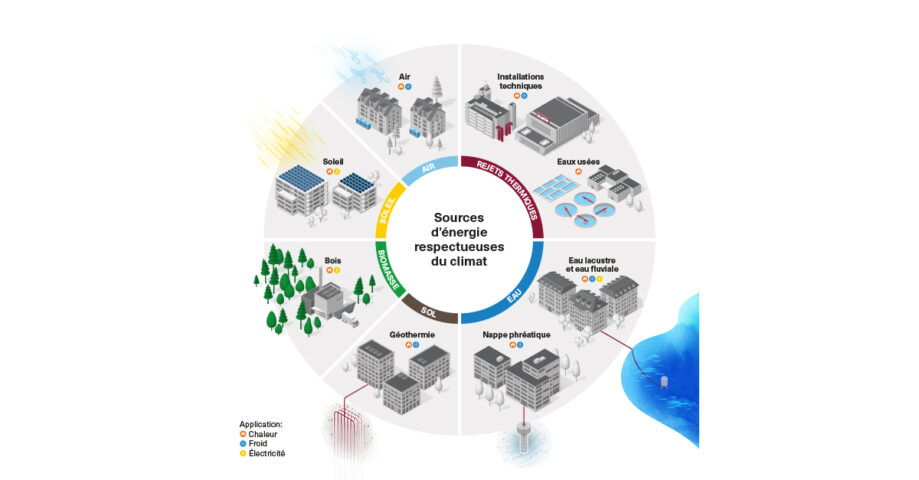
    An array of local energy sources
    Environmentally friendly passive cooling is ideal for meeting the basic cooling requirements of office and residential properties. Known as free cooling, there are various energy sources in Switzerland that are suitable for this.

    Geothermal heat accessed via probes is often used. In winter, thermal energy from the ground is used as a heat source, while in summer it serves also for cooling, because required temperatures are significantly below room temperatures. Lake water is another particularly suitable energy source, as the many Swiss lakes provide a valuable thermal storage mass. Because their shores are often densely populated, the lake water can be efficiently used to supply numerous buildings.

    Whether it comes from geothermal probes, lake water or other sources, it is crucial that cooling uses as little energy as possible. So it’s a good idea for building owners, investors and architectural specialists to discuss this issue with an energy service provider such as ewz as early as possible and see which options are feasible. This enables the construction of buildings that can offer high comfort levels even in the hot summers of the future, without placing an additional burden on the environment.

    Environmentally friendly heating remains important
    It is important to bear in mind that the cooling energy needed for residential buildings is relatively low compared to the heating required. Decarbonisation of heat supply must therefore remain a priority in order to achieve net zero. Sustainable heating is not a problem nowadays, with various technically mature and economically attractive renewable heating systems available.

    The ‘Climate-conscious building’ white paper provides in-depth information, detailed insights and a range of best-practice examples highlighting specific solutions for tackling this issue. The new white paper is free to download for all interested parties.

    https://www.ewz.ch/en/business-customers/real-estate.html

  • Freight metro begins work in the field

    Freight metro begins work in the field

    The first section of the freight metro from Härkingen to Zurich is scheduled to go into operation in 2031. At the end of January, initial work will begin on the site, Cargo sous Terrain AG(CST) informs in a statement. Specifically, test drillings and geophysical measurements are planned to provide information about the nature of the subsurface. The findings are to be used to concretize the planning of the first section and to advance the corresponding approval procedure.

    For approval by the various federal and cantonal authorities, CST must provide a number of supporting documents. In the communication, the company lists in-depth clarifications for geology, traffic, recycling of excavated material, environmental compatibility and the impact of the planned tunnel on groundwater. However, a detailed routing cannot be read from the initial work, CST explains.

    The planned test wells are to reach depths of 100 meters and more. For the implementation, CST has hired specialized companies that work “with modern, environmentally friendly methods,” according to the statement. Incentivists would only have to expect low noise emissions and short-term traffic closures at some measurement points.

  • HSLU develops recommendations for sustainable high-rise buildings

    HSLU develops recommendations for sustainable high-rise buildings

    Researchers from various departments of the HSLU have dealt with the question of how a high-rise building can be designed in a socially sustainable manner, the HSLU informs in a press release . Architectural, social and economic aspects were examined for this purpose. The researchers have derived planning and action recommendations from their findings. The interdisciplinary university project was funded by the Swiss Agency for Innovation Promotion, Innosuisse .

    A sustainable high-rise offers “both a high individual and collective quality of life and has an eye on community life today and for future generations,” project initiator Alex Willener is quoted as saying in the statement. In order to meet these requirements, the building must be of use to both its occupants and those around it, promote social cohesion and also be economically viable, writes the HSLU.

    In a skyscraper, people with different lifestyles and expectations live under one roof. The researchers recommend that these differences be taken into account as early as the planning stage and promoted in the completed building. In order for a high-rise to be accepted in the area, it should offer something for the entire district. Doctors’ surgeries, crèches or a neighborhood meeting point are given as examples in the communication. In order to be able to adapt the high-rise to changing needs, the researchers recommend making sure during construction that rooms can be combined or re-divided with little effort. hs

  • Foundation stone laid on the JED campus

    Foundation stone laid on the JED campus

    Since 2018, the former location of a large industrial printing plant has been transformed into a modern place of work and living space with diverse and flexible types of use

    transformed. Urs Baumann, CIO Swiss Prime Site Immobilien: “The revitalization and the change of use initiated with the conversion of the existing buildings have turned the area into a think and work tank for business, industry and trade. The gratifyingly high level of first-time lettings proves that large spaces that interact with one another are very much in demand. The new building perfectly complements the existing ensemble with laboratory and office space.» Stefano Kunz, City Councilor of Schlieren adds: "Swiss Prime Site has successfully managed to give the former self-contained NZZ area new life and flair through new paths and the open and spacious architecture." The new building, which is being built on a land reserve of the site, with five floors, a rentable area of over 14,000 m2 and its unique external appearance, is particularly aimed at tenants who need large, connected and adaptable areas. According to the project plan, the first tenants will move into the building from mid-2024 .

    "Space as a Service" in the attractive Life Science Hub Schlieren
    The JED campus forms a center for know-how transfer, innovation and entrepreneurship and brings together companies from a wide range of industries and sizes. In addition to the already established anchor tenants Zühlke and Halter in the existing buildings, two more will be added in the new building with Superlab Suisse and FlexOffice and will ensure an additional strengthening of the ecosystem. According to their business models, they will offer space as a service to various start-ups and companies as "Space as a Service". Superlab Suisse focuses on young companies in the life sciences sector and offers them fully equipped laboratories with flexibly scalable services. After Lausanne and Basel in 2023, the third location operated by Superlab Suisse will be opened in Schlieren from 2024. FlexOffice already successfully offers fully equipped office space for SMEs in several Swiss cities and is now planning another location on the JED campus. «With Superlab Suisse and FlexOffice, we already had two successful anchor tenants at the time the foundation stone was laid, which fit perfectly into the existing structure of the area and the adjacent cluster. Together with the neighboring Wagi area, we will continue to strengthen the economic cluster and the infrastructure for companies in the life sciences sector and beyond,” concludes Urs Baumann.

  • Creating livable buildings of the future with foresighted planning

    Creating livable buildings of the future with foresighted planning

    Was ist eigentlich ein „lebenswertes Gebäude“? Früher waren Häuser einfache Gebäude, in denen Menschen vor allem geschlafen und gegessen haben. Heute muss ein Gebäude mehr können: „Wir wollen uns darin wohlfühlen, zur Ruhe kommen, ohne Barrieren fortbewegen und am besten nachhaltig leben. Es schafft nicht nur einen Raum, sondern muss zu den Nutzern und deren Bedürfnissen passen – und zwar heute und in Zukunft. Erst dann sprechen wir von einem lebenswerten Gebäude“, erläutert Sören Eilers.

    Gebäude werden in der Gegenwart für die Zukunft errichtet
    Dabei haben sich die Anforderungen allein in den vergangenen 15 Jahren stark gewandelt: Die Denkweise der Menschen hat sich verändert, zudem herrschen regionale Unterschiede, wenn es um die Frage geht, was ein zeitgemäßes Gebäude ausmacht. Werden mancherorts nur noch Passivhäuser errichtet, so liegt der Fokus andernorts beispielsweise auf freien Lernkonzepten und offenen Räumen. Für Planer und Architekten bedeutet das, dass sie weit vorausdenken müssen. „Gebäude werden in der Gegenwart für die Zukunft gebaut, für die nächsten 30 bis 50 Jahre Nutzungszeit“, erklärt Marco Sperling. „Wir müssen in unserer heutigen Planung also bereits die Nutzungsmöglichkeiten für in ein paar Jahrzehnten bedenken. Dabei ist jedoch fast immer das Budget der limitierende Faktor.“

    Damit nicht genug. Neben den vom Auftraggeber gesteckten Rahmenbedingungen gibt es diverse gesetzliche Anforderungen, Normen und Verordnungen, die einzuhalten sind. Dabei sind sich die unterschiedlichen Regelwerke längst nicht immer einig. „Es gibt in Deutschland fast nichts, das nicht geregelt ist. Die Rahmenbedingungen der Auftraggeber sind oft verhandelbar, bei gesetzlichen Vorgaben ist das weitaus schwieriger“, weiß Sperling aus Erfahrung. Damit am Ende alle Wünsche, Bedürfnisse, Anforderungen und Vorschriften unter einen Hut gebracht werden können, ist eine intensive Abstimmung mit allen Beteiligten unerlässlich: „Der Abstimmungsbedarf wächst ständig und ist sogar in Zertifizierungsprozessen verankert. Das ist auch durchaus sinnvoll, damit es am Ende ein gutes Gebäude wird. Es gilt in jedem Fall: Je besser die Abstimmung von Beginn an, desto besser das Ergebnis!“ So werden im Idealfall alle fachbeteiligten Planer für Haustechnik, Statik, Tragwerk etc., die Verarbeiter, aber auch Nutzer und Auftraggeber sowie deren Interessensvertreter eingebunden.

  • Zurich defines new rules for high-rise buildings

    Zurich defines new rules for high-rise buildings

    The Office for Urban Development of the City of Zurich is updating the high-rise guidelines from 2001, according to a press release . They regulate provisions for districts in which high-rise buildings are built up to 40 meters, 60 meters and 80 meters in height. The examination is carried out taking into account other planning instruments such as the municipal structure plan for settlement, landscape, public facilities and buildings accepted by the population.

    The media release mentions the addition of a 60-meter area as an innovation. An extension is planned for the existing 40-meter area. A design plan must still be available for high-rise buildings over 80 meters.

    In addition, applicable rules relating to urban development, programmatic, typological and design requirements must be observed, which are also part of the revision of the high-rise guidelines. "The taller a skyscraper is built, the more it has to do," they say. Mandatory requirements that a high-rise must meet should be partially anchored in the building code. The city of Zurich is also planning an adjustment to the planning and approval process.

    When building high-rise buildings over 60 meters high, for example, the district must be informed at public events. Competitive procedures are also mandatory.