Tag: recycling

  • Research project promotes circular economy in the construction industry

    Research project promotes circular economy in the construction industry

    Researchers at the Swiss Federal Institute of Technology in Zurich(ETH) are working on the reuse of old building materials, according to a press release. In a project-based interdisciplinary course developed by Prof Dr Catherine De Wolf, prospective engineering students from fields such as architecture and computer science are looking for ways to recycle materials in the construction industry in order to save resources and use materials for longer.

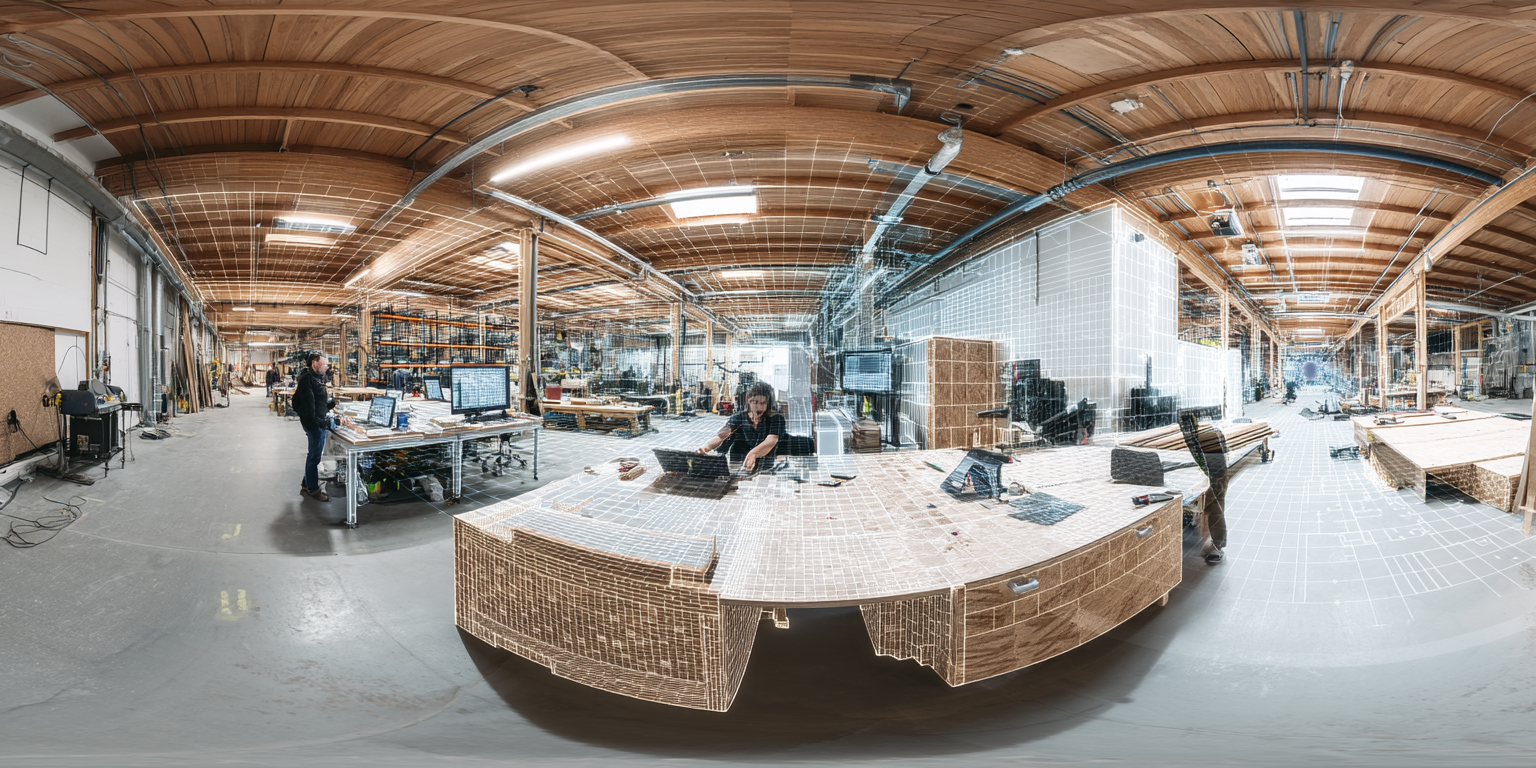
    They apply their knowledge during construction site visits, workshops or in the workshop. The ETH researchers spend around 70 per cent of their time in the field. “They learn how to carefully remove materials from existing buildings, document them digitally, integrate them into new designs and finally realise them,” they say. The experience of dismantling a building and reusing this demolition material, which would otherwise end up in landfill, for new construction processes demonstrates “how sustainable construction methods can be implemented in practice”. In the Digital Creativity for Circular Construction course, teams work on realisable projects for external clients and users. Laser scanning, artificial intelligence and augmented reality are used to record the building fabric.

    The students’ work has been exhibited at the Kunsthalle Zürich, the Art Genève art fair and the Architecture Biennale in Venice and has been used by external clients and users.

  • Recyclable linoleum flooring with a high cork content

    Recyclable linoleum flooring with a high cork content

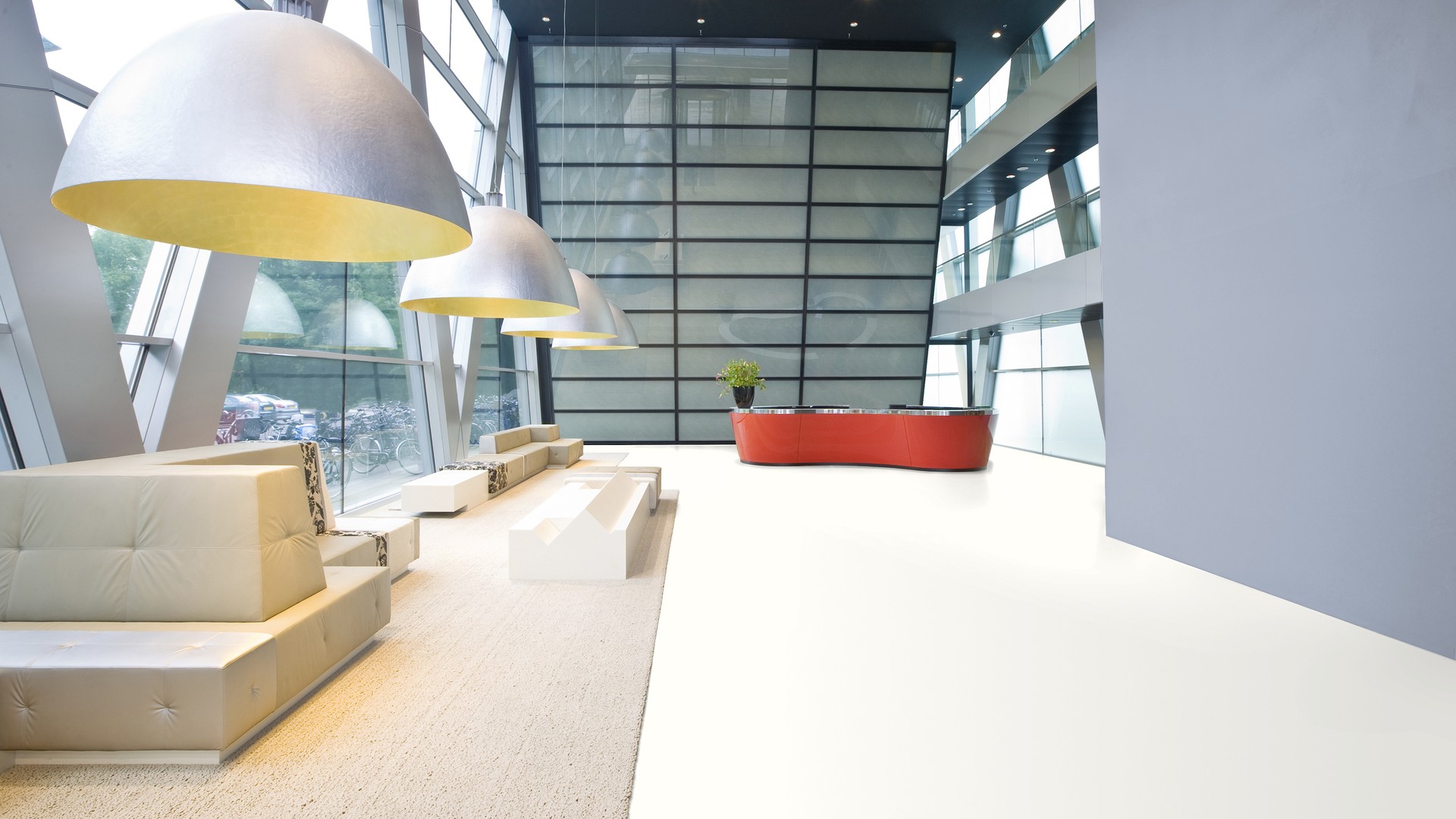
    Dietlikon-based flooring supplier Tarkett Schweiz AG has launched its own recyclable Lino Materiale collection. It consists of cork granulate, linseed oil, pine resin and wood flour and is available in ten earthy colours, the company writes in a press release.

    Thanks to its high cork content, Lino Materiale is more flexible and can reduce sound better than other linoleum floors. The material’s good abrasion and chemical resistance throughout its service life makes the flooring solutions resistant to dirt and daily wear and tear. This makes them a good choice for high-traffic areas such as schools, offices, clinics and administrative buildings.

    The floors, which were developed on the basis of the original recipe from 1898, have an exclusive surface finish, according to the supplier. This reduces cleaning and maintenance costs and therefore energy requirements. The floors require neither initial maintenance nor additional care or coating measures, which also contributes to the manufacturer’s sustainability concept.

    However, part of this concept is also that the flooring can be recycled. “Because at Tarkett, real sustainability doesn’t end with installation,” says Daniel Mai, Product Manager D/A/CH for Homogeneous Vinyl, Heterogeneous Vinyl, Linoleum, Sports Indoor, in the press release. The ReStart take-back programme returns the linoleum and installation residues to the cycle. The flooring is fully processed and reused as recyclate.

  • Associations launch national pipe recycling project

    Associations launch national pipe recycling project

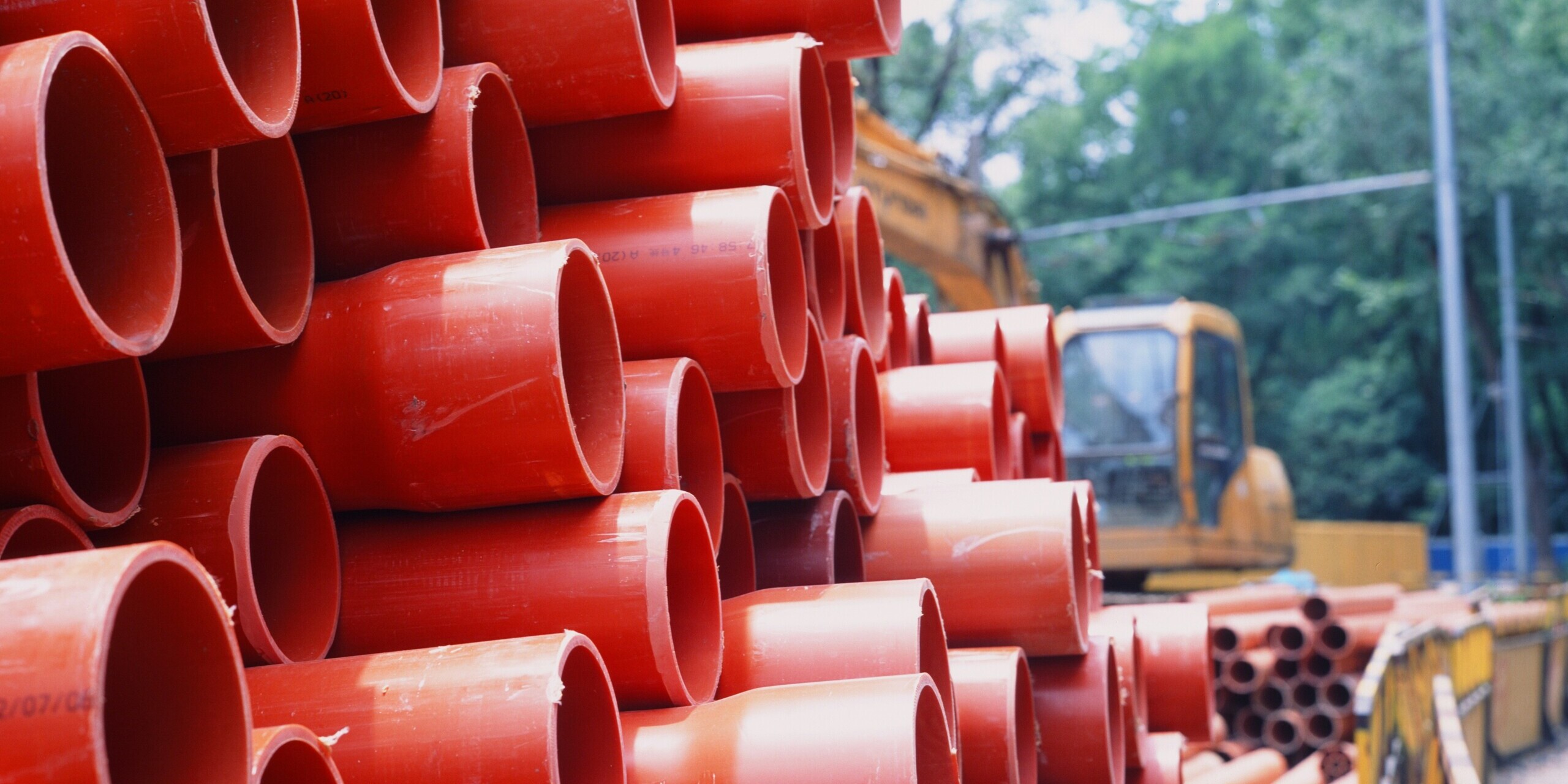
    The Association of Swiss Plastic Recyclers(VSPR), based in Batzenheid, and the Association of Plastic Pipes and Pipe Components(VKR), based in Aarau, have launched the Swiss Plastic Pipe Recycling(SPPR) project. The aim is to recycle plastic pipes across the board for the first time and return them to the material cycle. Stakeholders in the pipe value chain are supporting the project.

    According to a press release, the establishment of a nationwide network of collection centres is central to the project. There are currently already over 40 collection points. According to the initiators, the centralised collection of pipes improves the quality of the materials and enables efficient and transparent traceability along the recycling chain.

    Around 85,000 tonnes of plastic pipes are used in Switzerland every year. today, 30 per cent of these pipes are already made from recycled plastics, which mainly come from recycled plastic packaging. In future, however, these will be fed back into the production of new packaging, making new sources of raw materials necessary.

    Although plastic pipes are suitable for high-quality recycling, a nationwide take-back system has long been lacking. Swiss Plastic Pipe Recycling aims to tap into new material potential and urgently needed new raw material sources for high-quality recyclates through centralised pipe collection.

    Participating in the project are the Burkhalter Group in Zurich, Debrunner Acifer in St.Gallen, Eberhard in Kloten ZH, HakaGerodur in Gossau SG, InnoRecycling in Eschlikon TG, MCAM Symalit in Lenzburg, Meier Tobler in Schwerzenbach ZH, Geberit in Rapperswil-Jona and Georg Fischer in Schaffhausen. The VSPR also wants to support Swiss circular economy goals with the Swiss Plastic Pipe Recycling project. Recycling the plastic conserves primary resources and reduces CO2 emissions.

  • Netherlands tests recycling train for sustainable road construction

    Netherlands tests recycling train for sustainable road construction

    Crushed stone, sand, gravel and petroleum-based bitumen in asphalt roads are the same materials that make up new roads. The only difference is that the asphalt has already been heated and laid.

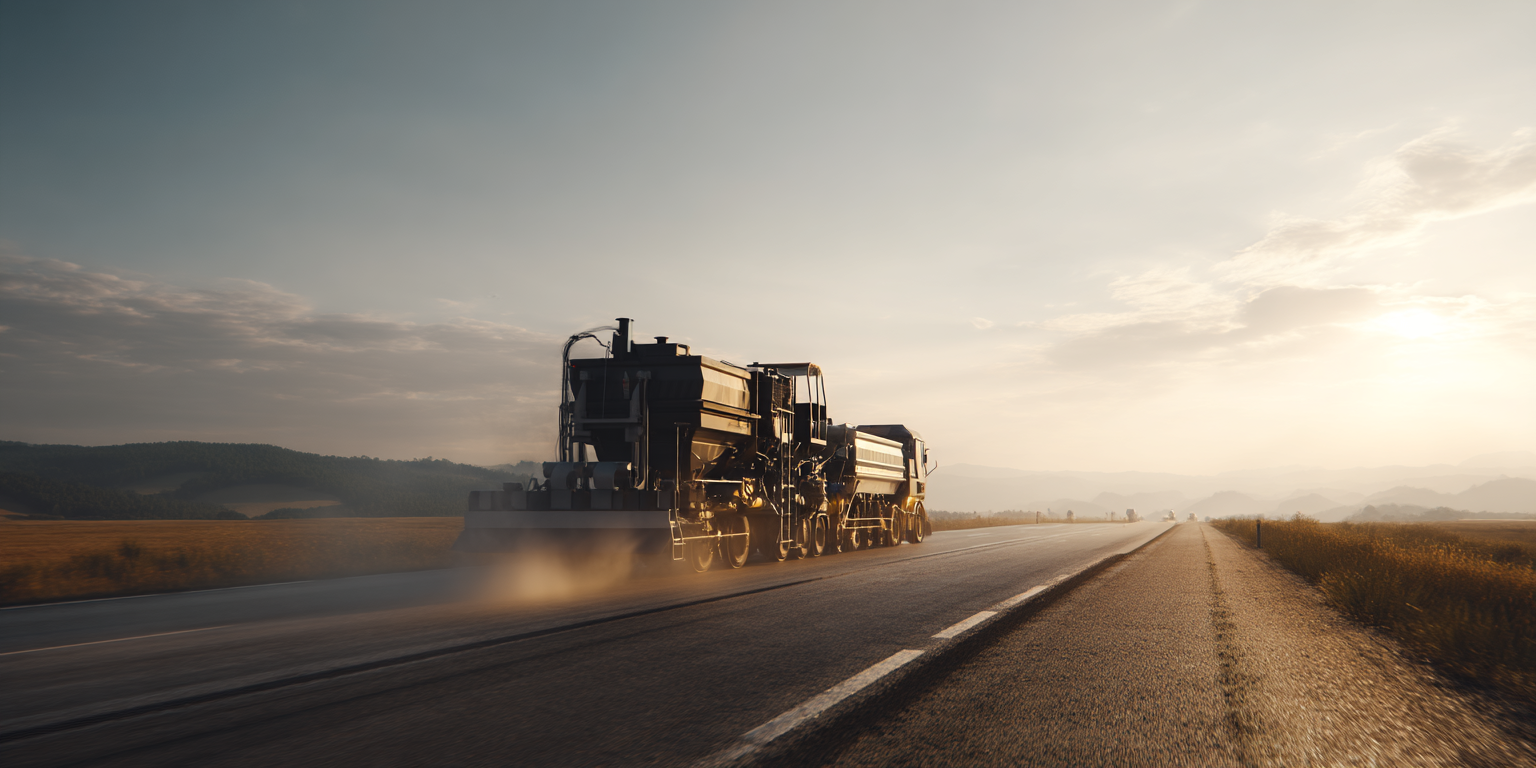
    For this reason, Dutch officials from the Rijkswaterstaat infrastructure agency in Utrecht, part of the Ministry of Infrastructure and Water Management, have invested in the Asphalt Recycling Train (ART or Asphalt Recycling Train). This is a vehicle-like machine that reuses old roads on site instead of tearing them up and disposing of them and then using new materials and thus emitting more carbon. This allows new asphalt to be laid in the same place.

    “With the ART, we can renew roads in a far more sustainable way,” Fredy Sierra-Fernandez, who is developing the ART at the ministry, is quoted as saying in a press release. “At the moment, we are testing a single machine to see how it performs in practice.”

    ART loosens the worn surface layer of roads, heats the old asphalt, picks up the melted material, stirs and mixes it and then applies the renewed asphalt back onto the road. The machine also compacts the road to create a smooth surface.

    Fernandez is now investigating how the roads behave after this process. Since June and from October last year, a provincial road in Gelderland in the east of the Netherlands and a section of the A2 highway have been monitored after the ART was used there.

    The road in Gelderland is in good condition. The section of the A2 highway is somewhat more worn, but still adequate. “We will continue until we are 100 percent satisfied,” says Fernandez. Tests in other regions are planned for April and May 2025.

    The Dutch government hopes to have three or four ARTs in operation across the country by 2030 to create a circular economy for asphalt.

    The ART was awarded the InfraTech Innovatieprijs 2025.

  • Researchers analyse wood use in Switzerland

    Researchers analyse wood use in Switzerland

    Researchers from the Swiss Federal Laboratories for Materials Science and Technology(Empa) and the Birmensdorf-based Swiss Federal Institute for Forest, Snow and Landscape Research(WSL) have analysed the use of wood as one of the most important raw materials on the path to a climate-neutral future. According to a press release, the analysis concludes that there is still considerable potential in Switzerland when it comes to the sustainable use of wood. For example, the recycling rate for wood is just under 8 per cent, compared to around 70 per cent for paper.

    “Of the five to seven million cubic metres of wood that we harvest in Switzerland every year, around 40 percent is used directly for energy – in other words, it is burned,” says the lead author of the study, Nadia Malinverno from Empa’s Technology and Society Laboratory. This is by no means ideal, as wood is used in a variety of ways, as raw wood, sawn timber, wood chips, wood fibres for the paper industry and much more.

    Switzerland has set itself the goal of net zero by 2050. Wood is one of the most important raw materials on the road to a climate-neutral future. It binds CO2 from the atmosphere as it grows and offers alternatives to fossil raw materials both as a material and as an energy source, according to the press release published by Empa and WSL. Many branches of industry want to increasingly rely on wood in the future, be it in construction, in the production of textiles and even in sectors such as electronics or pharmaceuticals and chemicals, it continues.

    The work was carried out as part of SCENE(Swiss Centre of Excellence on Net-Zero Emissions), an initiative of the Swiss Federal Institute of Technology in Zurich(ETH).

  • New plant for the mineralisation of CO2 in Germany

    New plant for the mineralisation of CO2 in Germany

    Together with its partner Heinrich Feess GmbH & Co. KG,Neustark has commissioned a plant for the permanent storage of CO2 in demolition concrete in Kirchheim unter Teck. The plant at the construction waste recycler in Baden-Württemberg is already the second plant realised by neustark in Germany, ClimateTech from Bern announced in a press release. Around 1000 tonnes of CO2 can be bound in demolition concrete here every year.

    Neustark’s technology works with CO2 generated during local biomethane production. It is captured directly and liquefied for transport. At the plant near Stuttgart, the CO2 is fed into the demolition concrete in an airtight silo. In a short time, it combines there in the form of limestone in the aggregate, writes neustark. The technology shortens the mineralisation process, which takes several decades in nature, to just a few hours.

    “We decided in favour of this innovative technology because it integrates perfectly into our concrete recycling and production process on site,” Walter Feess, Senior Director of the construction waste recycler, is quoted as saying in the press release. For Valentin Gutknecht, co-founder and co-CEO of neustark, the new plant is a further step towards ClimateTech’s goal of being able to permanently bind around 1 million tonnes of CO2 per year by 2030. “What we urgently need now is demand from the public sector for carbonated construction materials in building and road construction and corresponding legal regulations to support efforts towards greater sustainability,” says Gutknecht.

  • Over 200 projects selected for more sustainability

    Over 200 projects selected for more sustainability

    In its second funding round, the Swiss Climate Foundation has selected a further six climate-innovative projects and technologies for funding. This means that more than 200 grants have already been awarded since the foundation was established in 2008, the foundation announced in a press release. “It’s great to see the sophisticated projects with which the individual SMEs together generate an enormously positive impact on climate protection,” said Foundation President Thomas Hügli.

    The projects recognised in the second funding round cover a wide range of topics. Laborex from Mendrisio TI, for example, is being funded for its mini biogas power plant, which generates energy from livestock biomass. Digit Soil from Adliswil ZH is also active in the field of agriculture. The spin-off from the Swiss Federal Institute of Technology in Zurich is working on a digital individual fertiliser planner.

    Two other subsidised projects are in the field of recycling. WasteFlow from Lausanne uses intelligent sensors to optimise recycling rates. Grensol from Thalwil ZH, on the other hand, is working on a method for recovering recyclable raw materials from plastic waste from cars and household appliances.

    Mycrobez is being promoted for its alternative to petroleum-based foams. The Basel-based company produces natural foam from mushroom roots and locally sourced biological side streams. Lumatics aims to reduce CO2 emissions in the construction industry by optimising cement production. The four-step programme of the young company from Brugg AG saves on fuels and raw materials.

  • Legislative changes strengthen the circular economy in Switzerland

    Legislative changes strengthen the circular economy in Switzerland

    The amendments to the Environmental Protection Act, the Energy Act and the Federal Act on Public Procurement enshrine important principles of the circular economy in law.

    Waste hierarchy:
    Recycling is prioritised over incineration in order to close material cycles.

    Grey energy:
    Cantons to define limits for new buildings and renovations to promote sustainable construction methods.

    Role model function:
    The federal government favours resource-saving solutions in construction projects and procurements.

    These measures not only help to conserve resources, but also incentivise innovative business areas in the field of sustainable products and construction methods.

    Closer cooperation between the federal government, cantons and the private sector
    The amendments to the law call for greater cooperation between the federal government, cantons and the private sector. In the area of packaging and products in particular, the Federal Council will be authorised to define requirements that are based on EU developments. The aim is to avoid trade barriers and strengthen the competitiveness of the Swiss economy.

    Further amendments planned
    Some regulations, such as the national litter bus and exemptions from the municipal waste monopoly, require additional implementing provisions. The consultation on these is planned for 2025 and 2026. Until then, the focus will remain on implementing the key points in order to sustainably strengthen the circular economy in Switzerland.

    Strengthening sustainability
    The new regulations mark an important step towards a resource-conserving and competitive economy. Switzerland is thus positioning itself as a pioneer in the circular economy and creating a solid basis for the challenges of the future.

  • The fireproof future of energy storage

    The fireproof future of energy storage

    The salt battery, an integral part of early electromobility, is a safe and durable storage medium that is convincing in various applications. In contrast to lithium-ion batteries, the salt battery uses a solid, ceramic electrolyte that is neither flammable nor explosive. In Switzerland, Empa researchers are working with industrial partners to further improve the performance and efficiency of this technology.

    Advantages over conventional batteries
    The solid-state architecture and high operating temperature of around 300°C make the salt battery particularly suitable for extreme applications such as tunnelling or offshore installations, where safety is a top priority. Due to its temperature resistance and low-maintenance design, it is also used for the emergency power supply of mobile phone antennas, which have to work reliably for decades even under harsh conditions.

    Economic efficiency and challenges
    One disadvantage of the salt battery is its high operating temperature, which requires a basic consumption of energy. Empa researchers such as Meike Heinz and Enea Svaluto-Ferro are therefore working on cell structures that enable the battery to heat itself during use and thus work more efficiently. Despite the additional energy requirement, the salt battery is considered more economical and stable than many alternatives in certain applications.

    Resource-saving raw materials and recycling systems
    Another advantage is the availability of the required raw materials: Sodium and aluminium are inexpensive and plentiful, making battery production cost-effective and sustainable. Empa’s current research focus is on reducing the nickel content in the cells in order to further reduce the ecological footprint. In future projects, zinc could even replace nickel – an option that could further improve access to sustainable energy storage systems.

    Future prospects
    As research progresses, the salt battery could find its way from specialised fields of application to broad, stationary applications. Its use as a long-lasting and safe storage system for residential areas or neighbourhoods is being seriously considered. It thus offers an innovative alternative to lithium-ion batteries and shows how research at Empa can set the course for the future of energy storage.

  • Sustainable circular economy in the construction industry

    Sustainable circular economy in the construction industry

    One of the key challenges facing the construction industry is the reduction of CO2 emissions. By decarbonising processes and procedures in the gravel, concrete and recycling industry, companies can make an important contribution to sustainability. The autumn event offers an industry roadmap to help companies identify and implement sensible measures to reduce emissions.

    Optimising concrete as a building material for sustainable construction projects
    Concrete is still one of the most widely used building materials in the world. However, sustainability also plays a decisive role here. The autumn event will show how the sustainability properties of concrete can be optimised and used in a targeted manner. At the end of a building project, the question arises as to how materials can be reused. Options such as renovation, refurbishment or recycling offer sustainable solutions, which will be discussed at the event.

    Pollutant control and separation as the basis of the circular economy
    A successful circular economy requires the targeted separation and control of pollutants. This begins with the planning of a construction project and continues with material treatment and disposal. At the autumn event, the key aspects of pollutant separation will be explained, which are essential for achieving sustainable results in dismantling projects.

    Dealing with persistent substances such as PFAS
    Per- and polyfluorinated alkyl compounds (PFAS) are a group of persistent substances that are increasingly becoming the focus of environmental research. These substances are ubiquitous and pose a particular challenge in the circular economy. The autumn event will provide insights into the possibilities and limitations of dealing with PFAS and highlight solutions that can be implemented in practice.

    Innovative decarbonisation projects in practice
    A highlight of the autumn event is the presentation of the world’s largest electric melting furnace for rock wool. This innovative project shows how decarbonisation is implemented in practice and what potential lies in the production of stone wool. Experts will gain practical insights into the technical developments and their contribution to a sustainable circular economy.

  • Resource-conserving use of demolition materials in road construction

    Resource-conserving use of demolition materials in road construction

    Strabag has been using crushing technology from the manufacturer Gipo to process mineral demolition materials since July. The mobile stone crushing plant Gipo-P100 GIGA produces high-quality aggregates from mineral demolition materials for road construction and concrete production at the Bürglen gravel plant, the construction company writes in a press release.

    The Bürglen gravel plant has a mixed gravel deposit consisting of processed gravel as well as primary and secondary gravel material. Storage and landfill require space. Recycling, on the other hand, means that excavation materials can be reused for future construction projects while conserving resources.

    An excavator fills the hopper of the 74-tonne crushing plant with unsorted demolition material. The material passes through several crushing stages on a conveyor belt, is screened and separated from construction waste until the end product has the required grain size. This is then supplied to the concrete plants, which use the recovered concrete for road construction.

    The technical manager of the Bürglen gravel plant, Franco Martinelli, quoted in the press release, describes the performance of the new crusher using the example of a construction site in Flawil SG. There was an urgent and short-term need for 3000 cubic metres of crushed, unbound 0/45 mixture. “With the crusher, we processed the required material within three days and transported it directly to the construction site. Without our Gipo-P100 GIGA, we would have had no chance of supplying our operatives,” they say.

    Strabag is also planning to use the crusher directly on construction sites for major demolition and dismantling work in the long term.

  • New trade association “Building Material Circulation Switzerland” founded

    New trade association “Building Material Circulation Switzerland” founded

    The merger of arv Baustoffrecycling Schweiz and FSKB Fachverband der Schweizerischen Kies- und Betonindustrie has been formalised. Around 400 members have created the new “Baustoff Kreislauf Schweiz” association, which pools the strengths of the two industries. The aim is to expand expertise, anticipate future challenges and actively shape the future of the Swiss construction industry.

    Unified representation of interests for the circular economy
    “Baustoff Kreislauf Schweiz” is the only industry organisation in the construction industry that represents the interests of all those involved in the circular economy. The association represents more than 1,000 Swiss gravel quarries, concrete plants and recycling centres. In cooperation with planning authorities, it will create framework conditions to ensure the sustainable supply of mineral raw and building materials to the construction industry and secure around 100,000 jobs in the construction industry.

    Focus on a sustainable circular economy
    The association is committed to the environmentally friendly utilisation of mineral raw materials, particularly in view of the increasing scarcity of resources. The aim is to keep building materials in circulation and to promote innovative technologies and methods for the extraction and processing of recycled building materials. Cooperation with universities and research institutes is being intensified in order to create a centre of excellence for the sustainable construction industry.

    Securing resources and ecological integration
    A central concern of “Building Material Cycle Switzerland” is the security of supply of mineral raw materials and the professional disposal of deconstruction materials. In view of increasingly scarce land and stricter protection regulations, the association will work to ensure that construction sites continue to be supplied with high-quality building materials. In addition, the ecological integration of gravel pits as a habitat for flora and fauna will be promoted by ensuring high-quality recultivation and renaturalisation of the areas once extraction is complete.

    Broad-based board and expertise
    Lionel Lathion, President of the Lathion Group SA, becomes the first President of “Baustoff Kreislauf Schweiz”. He will be supported by Vice-Presidents Christoph Duijts, CEO of KIBAG, and Stefan Eberhard, owner of stefan eberhard ag. The 14-member board covers a broad spectrum of expertise and regions and will intensify cooperation with the cantonal associations. The new office brings together the expertise and experience of 19 employees from various fields to serve as a competent point of contact for politicians and authorities.

  • Acquisition expands offering in construction and recycling

    Acquisition expands offering in construction and recycling

    Holcim acquires Cand-Landi Holding in western Switzerland. The company, which has been family-owned for 128 years, has consolidated net sales of CHF 70 million and is active in various areas: from recycling and waste management to aggregates and ready-mix concrete.

    According to a Holcim press release, the acquisition will open up new sources of alternative raw materials and fuels for Holcim and thus accelerate decarbonisation at the Holcim plant in Eclépens VD. In addition, the acquisition will enable Holcim to increase the transformation of construction waste into new construction solutions by 100,000 tonnes per year.

    Following a long-standing partnership between the two companies, Holcim intends to offer its customers an even more comprehensive range of construction, logistics and recycling services through this acquisition. The “high value-added” services in rail logistics and the Cand-Landi Group’s network will contribute to the diversification of Holcim’s business.

    “The acquisition of the Cand-Landi Group will drive decarbonisation and the circular economy in Switzerland, a beacon market for innovation at Holcim,” summarises Holcim CEO Miljan Gutovic. “I look forward to welcoming all 250 employees of the Cand-Landi Group and investing together in our next chapter of growth.”

  • Cycle and protection of wood as a natural building material

    Cycle and protection of wood as a natural building material

    Wood, people and nature in the cycle
    The natural cycle knows no waste. Dead trees are decomposed by fungi, microorganisms and insects. Heat and a wood moisture content of over 20% accelerate this process. If these factors are missing, decomposition can take centuries. Egyptian burial objects made of wood have survived for 3500 years, as have many wooden houses in Switzerland that are hundreds of years old. One example of an old wooden building in Europe is the 800-year-old Nideröst House from Schwyz, the core of which dates back to 1176.
    Preventive wood preservation
    To protect wood from pests and fungi, it is crucial to keep the wood moisture content below 20% and keep it dry. Constructive wood preservation allows wood to be used in humid environments by allowing it to dry quickly after it has become wet. Protection starts at the planning stage by taking measures against the effects of moisture. Canopies and well-executed plinth areas effectively protect against moisture, and precise details on windows and balconies are essential for long-term durability.

    Natural resistance vs. chemical protection
    In the event of increased stress, you can opt for a type of wood with natural resistance. The heartwood, which is preserved with natural substances, is more durable than the sapwood, which is enriched with sugar and nutrients. There are transparent to opaque protective coatings, which are particularly necessary for exterior components such as windows. In protected areas and interiors with a wood moisture content of less than 20%, chemical wood protection is not necessary. However, if the moisture load exceeds the natural resistance and no constructive solutions are available, the use of chemical wood preservatives remains as a last resort. Nowadays, coloured pressure impregnations without chromium are an environmentally friendly solution for chemical wood protection.

    Changing the molecular structure
    The aim of processing wood is to change the molecular structure of the material in such a way that it becomes more difficult for microorganisms and insects to break down the wood. Water absorption is also reduced. Thermowood is produced by intensive heating at temperatures between 170°C and 250°C over a period of 24 to 48 hours. Acetylated wood is produced by pressure impregnation with acetic anhydride, while furfurylated wood is produced by furfuryl alcohol. Thermowood has a smoky odour after production, whereas acetylated wood smells of acetic acid. Modified wood has altered static, optical and hygroscopic properties.

    Façades as a protective shield
    The outer shell of a building, also known as a façade, is not only used for decoration, but above all for protection. Depending on the location and orientation of the building, the façade is exposed to various weather influences. A professionally installed façade protects the building structure from damage caused by mechanical influences and moisture, drains water and thus ensures that the wooden parts dry quickly. Ventilated façades also promote the drying of the façade cladding and the load-bearing structure.

    Pre-greying process
    UV radiation and free radicals decompose lignin and cellulose in the wood, resulting in lignin being washed out and light-coloured cellulose remaining visible. A microscopic film of grey fungi forms on weathered façades, leading to uneven grey colouring. For this reason, façades are often pre-greyed to ensure a uniform grey colour.

    Treatments for wooden façades
    Pre-greying treatments have proven to be an effective method of matching directly weathered façades to the aged colour from the outset. This bridges the large colour differences during the ageing process of untreated surfaces. There are different variants of pre-greying treatments with different properties. In particularly protected and highly exposed areas, pre-greying treatments tend to turn brown again over time.

    Natural wood façade ageing
    In natural pre-greying, the façade parts are placed horizontally in the sun and exposed to rain. Specialised manufacturers accelerate this process with the help of additional enzymes. This process takes around six months.

    From glazes to Swedish colours
    The use of glazes is one of the semi-transparent wood treatments. If they do not form a closed layer, they are considered non-film-forming. Paints belong to the opaque treatments. Varnishes are particularly closed to diffusion, while Swedish colours are considered to be particularly open to diffusion. To ensure a good bond between the surface treatment and the wood surface, the application should be carried out mechanically in the factory. Façade formwork with a rough-sawn or textured surface is therefore particularly suitable. Pressure impregnation with added colour is also a semi-transparent treatment and does not form a film. Colourless technical treatments such as additional hydrophobisation as a finish, impregnation or UV protection treatment can further extend the maintenance periods and serviceability.

    Long-term protection
    It is important to maintain painted wooden façades regularly to ensure their longevity. Maintenance instructions from a specialist are extremely helpful. The intervals for maintenance depend on various factors such as the product used, the wood protection, the location and the environment.

    Variety of timber house façades
    Not every timber house reveals from the outside whether it is actually made of wood or not. All architectural design forms are conceivable in the field of timber construction. In addition to wood, the façades of timber buildings can also be clad with glass, metal, plastered cement panels or plastered thermal insulation composite systems. Combinations of materials can have a particularly aesthetic effect in timber construction.
  • Zurich’s dynamic step into the circular economy

    Zurich’s dynamic step into the circular economy

    The implementation of “Circular Zurich” began in early February with the presentation of a detailed agenda that is specifically tailored to the needs of the city administration. However, the strategy also offers small and medium-sized enterprises (SMEs) numerous starting points. By adapting individual measures, SMEs can not only act in a more environmentally friendly way, but also benefit financially in the long term.

    Steps for implementation in SMEs
    One fundamental aspect of the circular economy is the efficient recycling and separation of recyclable materials. Sara Graf, project manager at Entsorgung + Recycling Zürich (ERZ), emphasises the importance and simplicity of this measure for companies: recyclable materials such as paper, cardboard, PET bottles, glass and aluminium cans can often be recycled free of charge, which leads directly to savings in disposal costs. But recycling is just the beginning.

    Minimising material consumption and optimising processes
    Sonja Gehrig, who heads up the city-wide coordination of “Circular Zurich”, points out that it is important to think beyond the boundaries of the company. Analysing one’s own material consumption and optimising production processes are crucial steps. Ecologically sustainable product design that promotes the reparability and durability of products can not only save companies money, but also lead to new business models such as product hire.

    Extending consumption and use phases
    The final step involves maximising product lifetimes through strategies of sharing, reusing, repairing and remanufacturing. This not only allows products to be used for longer, but also helps to conserve resources. Second-hand platforms and company initiatives that internalise the circular economy are playing an increasingly important role in the circular economy.

    The city as an innovation laboratory
    Zurich sees itself as a testing ground for new, circular ideas and products. City experts are ready to support companies that are striving for innovative solutions. This proactive approach not only strengthens the city’s infrastructure, but also promotes the widespread adoption of circular economy principles.

    With “Circular Zurich”, the city of Zurich is positioning itself as a pioneer in the circular economy, demonstrating how a sustainable transformation can be realised in urban areas through concrete measures and cooperative approaches.

  • Leading by example: circular building in the city of Zurich

    Leading by example: circular building in the city of Zurich

    The circular economy is an important lever for achieving the political net-zero targets. Like many other cities around the world, Zurich is also committed to the circular economy: in 2022, a strategy for the circular economy was adopted with “Circular Zurich”. in 2023, Zurich became the first Swiss city to sign the “Circular Cities Declaration”.

    The intelligent use of resources is particularly important in construction. With the “Charter for Circular Construction”, politicians and businesses set an example in 2023 and made a joint commitment to conserving primary resources and landfill space and reducing CO2 emissions from their own construction activities.

    Initial findings from two pilot projects
    But how do the political commitments affect specific construction projects? What challenges does circular construction pose? And how are the planning and construction processes changing? The City of Zurich’s Office for Buildings is gaining answers to these questions through two pilot projects.

    The city gained initial experience with the procurement, storage and processing of reused building components during the renovation of the Mööslistrasse 2023 kindergarten (Bischof Föhn Architekten, Zurich). Washbasins and toilets were dismantled, cleaned and refurbished on site. Plant troughs from the balconies were reused as outdoor space boundaries. Where possible, the built-in furniture was sourced from the city’s own stock. Thanks to component screening, steel beams, wooden pergolas, fire doors and kitchen elements from other buildings were identified, dismantled and reinstalled. So-called “component hunters” were deployed for everything that was not found in the city’s used parts warehouse.

    The second pilot project, the new “Juch-Areal” recycling centre, is much more comprehensive. The Office for Buildings launched an architectural competition with re-use requirements for the project in 2022. The competition participants were able to use a digital catalogue of components or use other available components from non-urban sources for their designs. The buildings also had to be designed in such a way that they could later be used as a component mine themselves (design for disassembly).

    The projects submitted show that it is possible: Yes, it is possible. The jury was particularly impressed by the high quality of the competition entries, which were created despite – or perhaps thanks to – the new specifications. The building material of the winning project by Graber Pulver Architekten AG (Zurich) dismantles the hall of the previous recycling centre and rebuilds it at the new location with only minor adjustments. Disposed books, magazines and clothes are used as insulation material. Sheets of recycled glass and aluminium, old kitchen covers, doors and table tops protect the façade from the weather. Discarded scaffolding is turned into storage shelves.

    It is in the nature of things that pilot projects precede a standardised introduction on a broad scale. This is also the case with circular construction. The realisation of the two projects in Zurich shows that many questions still need to be clarified: How can components be catalogued? How can availability be checked? Where will they be stored? Who assumes legal liability?

    The planning and construction processes will change as a result of cycle-orientated construction, because the component mines must be known as early as possible, preferably at the beginning of the planning phase. Building Information Modelling (BIM) facilitates the reuse of components, the planning of their dismantlability and the development of future component mines.

    Significant savings in indirect greenhouse gas emissions in the pilot projects
    The pilot projects show that this approach is worthwhile. According to a subsequent calculation, the consistent reuse of building components saved a good 30% of greenhouse gas emissions during the renovation of the Mööslistrasse kindergarten. Current calculations even predict a 40% saving in greenhouse gas emissions for the Juch-Areal recycling centre compared to a conventional new building.

  • “Baustoff Kreislauf Schweiz” – A new trade association for the construction and recycling industry

    “Baustoff Kreislauf Schweiz” – A new trade association for the construction and recycling industry

    With the founding of “Baustoff Kreislauf Schweiz”, the merger of arv Baustoffrecycling Schweiz and FSKB Fachverband der Schweizerischen Kies- und Betonindustrie has created an important new trade association. The aim of this merger is to make a significant contribution to the future of the construction and recycling industry in Switzerland. The focus is on securing the supply of mineral raw materials and promoting a value-preserving recycling economy.

    Unity and strength through member merger
    Over 400 members have formally approved the merger after the decision was taken at the respective general meetings. The new trade association aims to expand its expertise, recognise upcoming challenges and play an active role in shaping the Swiss construction industry. The high level of organisation and broad representation at the time of foundation demonstrate the strong foundation of “Baustoff Kreislauf Schweiz”.

    Focus on a sustainable circular economy
    The trade association is particularly committed to the sustainable use of mineral raw materials in order to respond to the increasing scarcity of resources. The focus is on maintaining building materials in the economic cycle, developing environmentally friendly technologies and methods and working closely with universities, research institutions and companies. A new competence centre will help to reduce the ecological impact of the industry and restore the quality of habitats after gravel extraction.

    Strategically securing the supply of raw materials
    Another focus is the security of supply and disposal of mineral building materials, which is becoming increasingly challenging due to growing scarcity and strict protective regulations. The association strives to ensure the supply of construction sites and optimise the reuse of building materials.

    Innovative leadership and extensive networking
    Under the leadership of Lionel Lathion, supplemented by a versatile vice-presidency and a broad-based board, the association not only aims to pool expertise, but also to intensify cooperation at cantonal and regional level. In this way, “Baustoff Kreislauf Schweiz” is positioning itself as a central point of contact for politicians and authorities with a high level of expertise and problem-solving skills.

  • Ecocycle technology from Holcim receives award

    Ecocycle technology from Holcim receives award

    Holcim’s Ecocycle technology has been named a “beacon of the circular economy in the built environment”, according to a press release. This was announced as part of a joint initiative by the consulting firm McKinsey & Company and the World Economic Forum at its annual meeting in Davos. The award recognises pioneering solutions that demonstrate a novel, unique approach to the circular economy, proven and substantial impact of high value, and significant scale and maturity.

    Holcim already operates over 100 of its Ecocycle recycling centres. According to their own figures, they recycled almost 7 million tonnes of construction waste into new building solutions in 2022. This corresponds to over 1,000 lorry loads per day. This network is to be expanded to 150 locations by 2030. In Europe alone, the Group plans to recycle over 20 million tonnes of construction waste. Ecocycle makes it possible for concrete, cement and aggregates to contain between 10 and 100 per cent recycled demolition materials without compromising on performance.

    “With our advanced recycling of demolition materials, we can already reduce the carbon footprint of cement by up to 40 per cent,” Holcim’s Head of Sustainability Nollaig Forrest is quoted as saying. “This is just the beginning. With our innovations and partnerships along the entire value chain to further develop building standards, we want to accelerate the transition to circular construction in all the urban centres in which we operate.”

  • Efficient asphalt recycling in Switzerland

    Efficient asphalt recycling in Switzerland

    In Switzerland, the growing amount of old asphalt in landfills is a problem that is now being addressed through innovative research. The “HighRAP” project, led by Martins Zaumanis and in collaboration with authorities and industry partners, aims to maximise the use of recycled asphalt in road construction.
    Challenges and solutions
    Waste asphalt is a challenging resource. Its binder, bitumen, ages and stiffens over time, making it difficult to use. In addition, old asphalt is often a mixture of different road layers and time periods, which affects its homogeneity. Zaumanis’ research project offers solutions here. Specialised testing methods and a newly developed computational model make it easier to reuse old asphalt.

    Practical tests and applications
    The project has already proven its practicality in two pilot projects. In Uster, it was possible to incorporate up to 50% recycled asphalt into the road surface without sacrificing performance. Even on the climatically challenging Lukmanier Pass, asphalt with high recycled content was successfully used. These results encourage the expanded use of recycled materials.

    Forward-looking research
    The project not only offers practical solutions for road construction, but also sheds new light on the possibilities of using recycled material efficiently and sustainably. Martins Zaumanis is confident that his research will help to significantly reduce the amount of used asphalt in landfills.

    With the “HighRAP” project, sustainable road construction in Switzerland is taking off. New methods, political will and successful practical tests make a future with less waste and more recycling in road construction seem realistic.

  • Neustark inaugurates its largest CO2 storage facility

    Neustark inaugurates its largest CO2 storage facility

    Neustark, a pioneer in the permanent removal of carbon from the atmosphere, is launching its largest ever facility for storing CO2 in demolition concrete. It has been built in Biberist on the demolition site of a paper mill and was planned together with the two demolition recycling and concrete production companies Alluvia AG and Vigier Beton, according to a media release. The two companies operate the facility.

    The Bern-based company, which was spun out of the Swiss Federal Institute of Technology Zurich in 2019, is tackling the world’s largest waste stream with its technology: Neustark has developed a technology and a value chain that transforms demolition concrete into a carbon sink.

    To do this, the company works with biogas plants to capture CO2 there. It is then transported to nearby storage facilities where the CO2 is injected into the granules of demolition concrete. This triggers a mineralisation process. In the process, the CO2 is converted into limestone and thus permanently bound to the granulate. Recyclers can reuse the granulate enriched in this way according to the usual process.

    “Neustark was the first company to demonstrate in practice that permanent CO2 storage through mineralisation in concrete demolition makes economic and ecological sense,” founder and co-CEO Johannes Tiefenthaler is quoted as saying. In its first months of operation, Neustark says it has already permanently removed more than 300 tonnes of CO2. The goal is to reach at least 1 million by 2030. Further plants are currently being built in Germany, Austria and France. Clients include UBS, Microsoft and Verdane.

  • Solar module return rate is close to 100 per cent

    Solar module return rate is close to 100 per cent

    Photovoltaic modules installed in Switzerland are almost all recycled at the end of their service life, informs SENS eRecycling in a press release. The foundation, which is organised in the private sector, relieves its partners at manufacturers and importers of the associated work. According to SENS eRecycling, this system benefits manufacturers, importers, homeowners and the environment.

    The price of a solar system already includes an advance recycling fee. This is currently 40 francs per tonne, explains SENS eRecycling. However, the foundation itself currently spends around 440 francs per tonne on collection, transport and recycling. “The financing of the system only works because the current quantities of installed photovoltaic systems still significantly exceed the quantity of discarded material and thus the fund continues to accumulate from year to year,” the statement says. For 2035, SENS eRecycling expects to have to dispose of 70,000 tonnes of photovoltaic modules.

    According to the foundation, the current quantities are too small to make recycling worthwhile for disposal companies in Switzerland. SENS eRecycling is therefore currently working with KWB Plan Real GmbH. The German company has the modules dismantled at a recycling plant near the Swiss border. Metals can be completely recycled, and the glass is used together with the silicon to produce glass wool. In this way, around three quarters of the raw materials can currently be returned to the cycle, according to SENS eRecycling.

  • Umwelt Arena shows new exhibition on insulating materials

    Umwelt Arena shows new exhibition on insulating materials

    The Swiss Environmental Arena is opening a new special exhibition. According to a message on Facebook, it is about the recycling of old insulating materials in the construction industry. Instead of old insulating materials ending up in the dumpster and then in the landfill during renovations and demolitions, they are taken back and processed again, according to Facebook on the subject. The Flumroc company based in Flums is showing how this is done in the new exhibition in the so-called Recycling City in the Umwelt Arena. Flumroc is a “pioneer in the field of insulation recycling”, according to the press release.

    On its website , Flumroc advocates the sustainable use of insulating materials. “Rockwool becomes rockwool”. it says there. Flumroc stone wool is 100 percent recyclable. This “closed cycle” should be maintained as far as possible. The company therefore appeals not to simply throw away construction site cuttings and construction site waste made from Flumroc stone wool during demolition, renovation or conversion work. “We’re happy to take them back in the bags or containers provided and recycle them,” says the company.

    The new exhibition provides information about the procedure for reprocessing.

  • Holcim wants to reduce marine litter

    Holcim wants to reduce marine litter

    Holcim , the subsidiary Geocycle and the German Society for International Cooperation ( GIZ ) want to jointly advance the circular economy in order to reduce pollution of the oceans. For this purpose they have entered into a partnership.

    According to a press release from Holcim, this strategic alliance focuses on reducing plastic and marine litter in India, Mexico, Morocco and the Philippines. Waste management is to be improved in the coastal communities there. It is also planned to set up equipment for material recovery. In addition, the partners want to start awareness campaigns and involve the tourism and hotel industries.

    The participating municipalities are to be involved in the collection of large quantities of plastics for recycling or co-recycling for energy generation. This should give employees access to the legal labor market, better wages and social protection benefits.

    Holcim already worked with GIZ and the Northwestern Switzerland University of Applied Sciences last year. At that time, the organizations jointly revised the guidelines for recycling waste in cement production. In the waste and cement industry, they are considered a reference document for safe and environmentally sound waste management.

  • Recycling of building materials needs more acceptance

    Recycling of building materials needs more acceptance

    This year, the focus of the Blickpunkt conference organized by the arv Baustoffrecycling association was the quality assurance of the recycling and processing of building materials, even in smaller companies, as well as the requirements for the building products created with them. According to a press release , Blickpunkt 2021 took place digitally on Wednesday.

    National Councilor Isabelle Chevalley spoke at the French-speaking digital Blickpunkt, the “Point de Mire”, in a lecture on strengthening the circular economy with regard to building materials. The importance of recycling building materials to conserve natural resources and scarce landfill volumes has meanwhile also been recognized politically and included in the deliberations of parliament. The Commission for the Environment, Spatial Planning and Energy (UREK) is working on measures to promote the recycling of building materials, she is quoted as saying. Still, more efforts are needed, according to Chevalley. Companies should offer building owners such products in a targeted manner. Measures are also necessary in procurement.

    Quality assurance is central here. The lecturing experts provided information about the implementation of in-house production controls as well as the reuse of reclaimed asphalt. The standards for this are currently being revised. Here, the association arv Baustoffrecycling Switzerland is committed to promoting recycling and for greater acceptance by all stakeholders, according to the media release.

  • K118: A building made from construction waste

    K118: A building made from construction waste

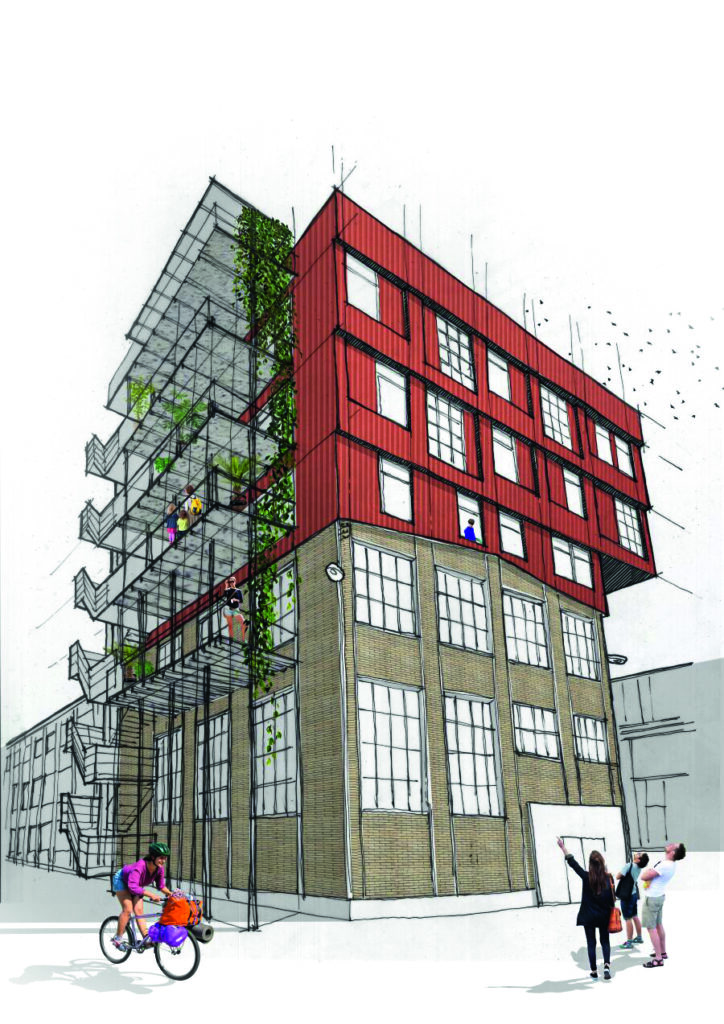
    A project that could hardly be more sustainable: the extension of hall 118 on the storage area in Winterthur ZH was increased by five floors. And wherever possible with reusable building materials. The presence of such materials from demolitions in the region was decisive for the current appearance. The building is not yet completely finished: “The construction should be completed in early 2021,” says Benjamin Poignon, architect and civil engineer at “baubüro in situ”.

    The Abendrot Foundation, based in Basel, bought the Lagerplatz area from Sulzer Immobilien AG in 2010. The direction of focus was quickly clear to the pension fund, which is committed to sustainability: the already existing mixed use should be further developed in cooperation with the tenants. Several new studios of up to 60 square meters for start-ups and small businesses are planned for each of the upper floors.

    Although the buildings and their footprints were to be retained, they were to be further developed in terms of energy and in accordance with legal standards. The “construction office in situ” is responsible for the project. The project managers Marc Angst and Pascal Hentschel sum up the concept: «Repairing what can still be used. Remove what disturbs or is no longer suitable – and add what is new. "

    Finding building materials is half the time
    The supporting framework consists of an used steel structure. Prefabricated facade elements made of wood, which are filled with straw insulation, are attached to this. Such simple ecological building materials as straw, excavated earth and wood accumulate in large quantities and can be processed and used with a minimal use of gray energy. They also ensure a pleasant room climate.

    The slightly overhanging south facade in bright brick red-orange comes from the sheet metal facade of the former Ziegler print shop in Winterthur Grüze. The windows in the new recycling building are inconsistent, but overall they are consistent. In order for the insulation to meet today's standards, the glazing was doubled in nine windows, the others had sufficient insulation. The staircase on the east facade is over 30 years old and previously adorned the facade of the Orion office building in Zurich-West. 80 windows and facade panels made of granite, which are recycled for the balcony floors, also come from this building, which was erected in 1989. The respective components are not reprocessed – this differentiates the project from so-called downcycling, in which building materials are initially reworked in a energy-intensive manner.

    The architects have already learned a lot from this unique pilot project: “It is the first time that we have reused a supporting structure. But we also noticed that there are components that are cheaper to buy than to reuse. For example, we have tried to reuse limestone sandstone. But the cleaning and preparation work was so high that we decided to buy a new one here, ”explains architect Poignon. The project also created a new job: component hunter. The “baubüro In situ” hired interns specifically for this purpose, who looked for suitable demolition objects and any reusable materials that might arise. But the architects, too, are always on the move with open eyes. Usable materials are dismantled and picked up by the architectural office with roots in Basel. The architects spend half of the time evaluating and procuring possible components. "In situ" did not have any problems finding the right material: of the approximately 7.5 million tons of construction waste that is generated in Switzerland every year, only 0.1 percent is directly reused, according to the Federal Office for the Environment (FOEN) has. «In situ» assumes that ten times more can be reused.

    Book publication planned
    If you think about the costs at this point: 4.8 million Swiss francs have been budgeted for the project so far. One of the stated goals was to build in such a way that it does not cost more than a completely new building. “It is difficult to make direct comparisons,” says Benjamin Poignon.

    In general, “in situ” always relies on the reuse of materials during construction – even if rarely on this large scale. With its uniqueness, K118 has definitely attracted interested parties: A research and teaching project at the ZHAW University of Applied Sciences in Winterthur and a case study in environmental systems science at ETH Zurich accompanied the planning. Among other things, the environmentally relevant (waste, resources, lifespan, etc.) and legal as well as those relating to the construction process are examined. A joint publication is planned in cooperation with the Federal Office for the Environment: The book is intended to comprehensively shed light on the reuse of components in building construction and to make the knowledge and experience gained publicly available. ■

    This is what building K118 should look like after construction work is complete.
  • Eberhard wins the business environment award

    Eberhard wins the business environment award

    The business environment prize is awarded annually and is intended to honor companies for success and sustainable action. The winner of the 2020 award is Eberhard Bau AG, based in Kloten. The company has found a solution to reuse and recycle the large amounts of construction waste that are constantly generated. Under the heading of “ urban mining ” – the city as a source of raw materials – the family company has been one of the pioneers in the reuse of building materials that have already been used for a decade and a half. Today, according to a press release , up to 450,000 tons of mineral rubble are processed annually in its recycling center, which is available for new buildings.

    In the opinion of Patrick Eberhard, Head of Sales Building Materials, there is often a lack of awareness in the construction industry that construction waste is the largest waste stream in Switzerland. The Eberhard company recycles demolished houses to create completely new buildings from these raw materials. For example, 99 percent of the new Europaallee in Zurich was built with second-hand quality building materials.

    "Switzerland needs the environmental award for business, because changes begin with lighthouses that can be used for orientation," the press release quotes the jury president and former Federal Councilor Doris Leuthard.

  • Porta Samedan is built with recycled building material

    Porta Samedan is built with recycled building material

    The new Porta Samedan shopping center is being realized by Migros Ostschweiz and Pfister Immobilien AG . During these days, the concreting of the floors of the new building is taking place, according to a media release . When it comes to building materials, the partners rely on the circular economy. Recycled products are used for both concrete and cement.

    The one main component in concrete is cement. This comes by train from the Holcim plant in Untervaz GR to the Upper Engadin, where Montebello produces the recycled concrete on site. The Holcim product Susteno is used. According to the information, this is the only resource-saving cement in Europe in which the fine proportion of mixed granulate from demolished buildings is used as an additive, which cannot be used in concrete production. Holcim can completely close the building material cycle with Susteno, as this material would otherwise have to be dumped.

    The other main component in concrete are the aggregates. "Here we rely on recycling: instead of natural gravel, we use demolition material from the region," explains Flurin Wieser from the Engadin construction company Montebello.

    "The Porta Samedan development shows that the building materials industry, with innovative products and solutions, is playing an increasingly important role in the transition to the circular economy and is making a significant contribution to a sustainably built future," said Philippe Rey, Head of Cement Sales German-speaking Switzerland at Holcim Switzerland.

    Porta Samedan is scheduled for completion in 2021. Among other things, it will house the first Migros supermarket in the Engadine.