Tag: Regulierung

  • Check early, fail low

    Check early, fail low

    SSbD is a holistic innovation framework of the European Union. New chemicals, materials, products and technologies should be developed from the outset in such a way that they are safe for people and the environment – throughout their entire life cycle. There is a clear principle behind this: identify risks at an early stage and correct them cheaply, instead of reacting late and expensively. The EU aptly calls it “fail early and fail cheap”.

    64 percent compliance with EU law
    As part of the EU IRISS project, Empa examined 15 key EU regulations that are relevant to European industry along the entire value chain. These include the Chemicals, Batteries and Packaging Regulation and the Waste Framework Directive. 64 percent of these regulatory requirements are already covered by the SSbD framework. “In many cases, SSbD requires precisely the data and assessments that companies will later need for regulatory compliance anyway,” explains study author Akshat Sudheshwar from Empa.

    PFAS as a cautionary example
    The risks of the so-called perpetual chemicals PFAS were recognized by the majority when they were introduced, but ignored for decades. Today, they accumulate in organisms, are not degradable in the environment and cause enormous costs. With an SSbD approach, these risks could have been addressed early on. This example shows what is at stake when companies only plan for safety and sustainability retrospectively.

    Additional effort that pays off
    SSbD increases the effort in the early development phase, as Sudheshwar also admits. Investing early avoids later costs due to product bans, remediation obligations or market adjustments. The key success criterion for companies is the ability to think about safety and sustainability together at an early stage and to build up the necessary expertise in both areas.

    Limitations and need for political action
    Reliable data, toxicological information and robust methods are still lacking. The SSbD framework explicitly recognizes this gap and is adaptable. At a political level, the study recommends incentives for companies and regulatory relief as well as patent extensions or economic benefits could make it easier to get started. In the long term, SSbD should be included more frequently in EU regulations, not necessarily as an obligation, but as a strategic orientation.

  • Group of 15: Joint plea for a united real estate industry

    Group of 15: Joint plea for a united real estate industry

    The Swiss real estate sector is viewed with suspicion in some places – especially when it comes to the housing market. Is there enough living space in central locations? Why are rents in metropolitan regions rising sharply and constantly? What influence do municipalities, cantons and the federal government have on the activities of the institutional real estate industry? And what voice does the sector speak with throughout the country?

    The professional, institutional and commercial real estate industry is undoubtedly under observation. It is undoubtedly caught between growing regulation, social change and, in many places, calls for innovation, renewal and fairness. The minds and planners of the 25th symposium of the Group of 15, the think tank of the Swiss real estate industry founded in 2001, posed the questions to be answered in the run-up to the event: What does sustainability mean in a market that is becoming increasingly controversial? How can economic incentives be combined with social responsibility and sustainable urban development? And: How much state intervention is necessary – or too much?

    “Curbing regulatory madness”
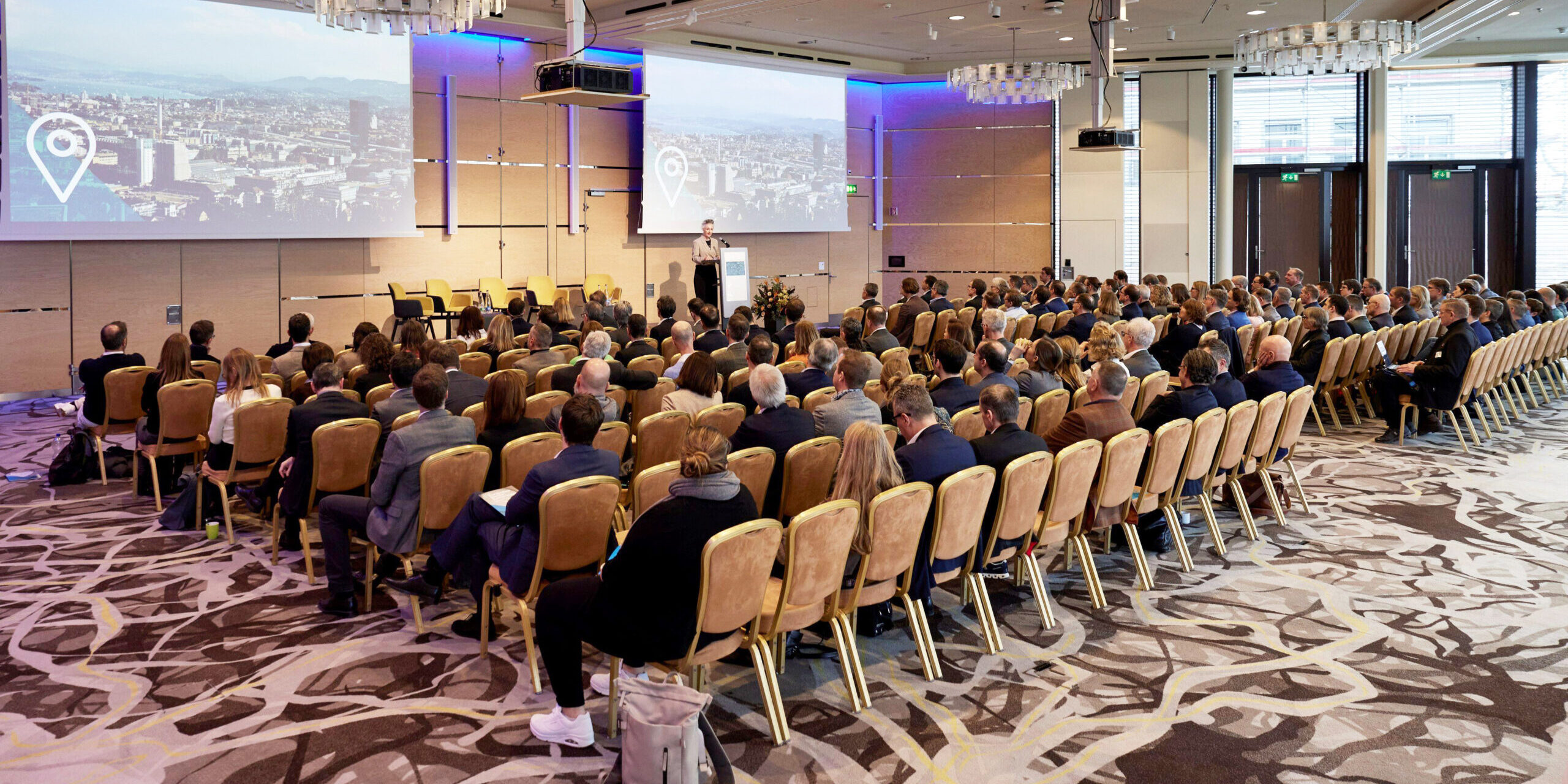
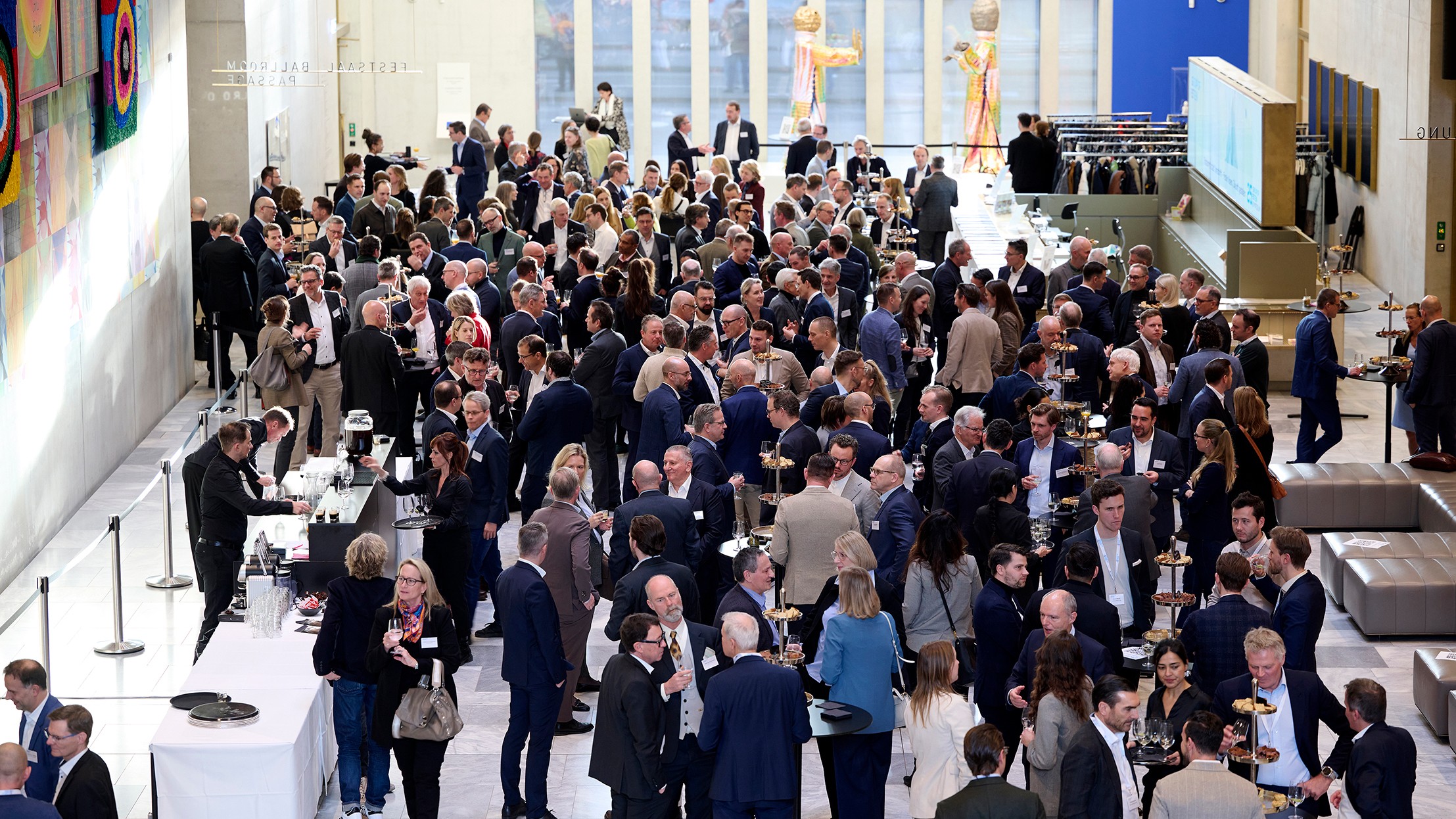
    For Basel-born Prof. Dr. Christoph A. Schaltegger, one thing is clear: the state’s influence on the construction and real estate industry is enormous – and needs to be curbed. The professor of political economy, director and founder of the Institute for Swiss Economic Policy (IWP) at the University of Lucerne and former member of the executive board of economiesuisse criticized Bern and its authorities. He said that subsidyitis and patronage politics were rampant there in their purest form. “The federal government is twice as big as the state quota implies,” he told the 300 or so guests at the symposium in Zurich’s Kunsthaus.

    The Swiss state is growing more than twice as fast as the productivity of the economy and is now accumulating “implicit debts of over 300 percent of economic output”, Schaltegger continued. His call: the “Sturzenegger approach”, a thorough cleaning of public finances à la Argentina. At the same time, he argued for a significant reduction in federal regulation. He referred to the sharp increase in the number of ordinances and decrees since the 1970s. Of course, many of these federal decisions also affect the local construction and real estate sector.

    Artificial intelligence as a remedy?
    Prof. Dr. Christian Kraft, Head of the Real Estate Competence Centre at Lucerne University of Applied Sciences and Arts, then turned his attention to the topic of structural (dis)order and the question of whether artificial intelligence could possibly promote investment security in the “chaos of Swiss-German building laws”. His answer: a clear yes and no. The current uncertainty, which is partly location-specific, is primarily due to longer approval periods for real estate projects at BZO level. Between 2011 and 2024, for example, the average approval period increased from less than 100 days to almost 200 days on average. In addition, there has recently (since 2020) been a sharp increase of 20 to 30 percent in the planning and construction costs of apartment buildings, according to Kraft.

    Successful neighborhood mix and fatal objections
    Dr. Sibylle Wälty, lecturer at ETH Zurich and founder of Resilientsy, then showed what added value the concept of “10-minute neighborhoods” can create in land use planning. Her research and consulting focus is on a balanced mix of residential and working populations as well as other important factors for liveable urban districts. Dr. Wolfgang Müller, Partner & Head Real Estate at MLL Legal Ltd, then shed light on the “room for contradiction”. He explained where current case law offers opponents and “project obstructors” a hand and what conclusions politicians and the real estate industry could and should draw from this.

    Decency and consideration in residential construction
    After the coffee break, Paolo Di Stefano’s symposium presentation entitled “More freedom and personal responsibility” dealt impressively with how real estate investors can move “from problems to prospects” and make residential real estate “fit for the future”. The experienced Head of Real Estate Switzerland at Swiss Life Asset Managers (with around 37,000 residential units in its portfolio throughout Switzerland) showed, among other things, a successful example of portfolio renovation without vacancy notices at the Schmiede in Zurich-Wiedikon. He also presented the Au-Park in Wädenswil, an almost completed major new construction project in which, in addition to around 200 rental apartments, many condominium units are being built by Swiss Life Asset Managers.

    At the symposium, he made a plea and at the same time urgently appealed to the representatives of the real estate industry to speak with one voice to both politicians and the general public. He also pointed out self-critically that the current representation of the farming community in the Swiss National Council and Council of States, for example, is far more important and influential than that of the construction and real estate industry. Di Stefano warned that speculative building investors and long-term institutional investors were sometimes lumped together in the “political power play”. It is important to work together to counter this with arguments and show that “decent building also means consideration”.

    “Simply make good and convincing projects”
    The major Group of 15 event at the Zurich Kunsthaus concluded with a slightly peppery future talk by conference host Rainer Maria Salzgeber with National Councillor Beat Walti (FDP) and Green Liberal Councillor Esther Keller (Canton of Basel-Stadt). They agreed that regulations in the construction sector should not continue to grow wildly and that, above all, discretionary leeway should be made possible for real estate projects. Both warned against an “unholy political alliance between left and right”, which could have counterproductive consequences for the real estate industry.

    Beat Walti, who has been President of the VIS Swiss Real Estate Association since 2023, which represents the interests of institutional investors such as pension funds, insurers and private real estate companies in federal Berne, called on the real estate industry, which he warned at the beginning with a “yellow card”: “Show what you are building and doing in order to create trust – among politicians and the general public”. Esther Keller, Head of Basel’s Department of Construction and Transport, agreed and summed up her demand succinctly in her closing statement: “Just do good and convincing projects”.

  • G15 Symposium: Progress instead of regulations – breaking free from constraints, shaping the future

    G15 Symposium: Progress instead of regulations – breaking free from constraints, shaping the future

    Despite its supposed resilience, Switzerland is no longer an island where global industry impulses have no effect. Issues such as digitalization, housing shortages and climate pressure are increasing the pressure on market players to act. At the same time, regulation remains a key area of tension. How much state intervention is appropriate so that innovation does not come to a standstill, but undesirable developments are corrected? It is precisely this interplay that the Group of Fifteen symposium is dedicated to with positions and multi-perspective contributions

    Positions from reputation to regulation
    This year’s panel brings together experts from a wide range of disciplines. Prof. Dr. Christian A. Schaltegger will focus on the balancing act between image, influence and innovation. For him, an environment of trust is essential if the industry is to develop sustainable and forward-looking investment models.

    Prof. Dr. Christian Kraft uses empirical examples to shed light on the extent to which the use of AI can help to safeguard investment decisions despite regulatory uncertainties. His experience shows that data-based decision-making aids are becoming increasingly important. However, this creates both new opportunities and risks.

    Use concepts and participation as levers
    Dr. Sibylle Wälty from ETH Zurich introduces a new urban planning perspective with the 10-minute neighborhood model. She shows how dense, heterogeneous neighborhoods strengthen urban qualities and achieve sustainable added value. The focus is on the aspect of social acceptance and the early involvement of local stakeholders.

    Legal expert Dr. Wolfgang Müller describes the often underestimated influence of rights of objection and their effect on project sponsorship and time horizons, between democratic participation and a brake on innovation.

    Transformative approaches and industry dialog
    It is important to look ahead. Paolo Di Stefano presents practical strategies to ensure that real estate portfolios remain resilient even under changing conditions. In the “Future Talk”, National Councillor Beat Walti and Government Councillor Esther Keller will discuss what the sector could look like in ten years’ time. In particular, how legislation, sustainability and social change should intertwine to enable progress instead of stagnation.

    Platform for dialog and transformation
    The Group of Fifteen is more than just an industry network. It offers an independent platform for dialog that regularly brings together experts from the fields of real estate, law, politics and science to develop new approaches. They constructively support the industry’s transformation process, provide guidance and raise awareness and that, ultimately, collaboration, openness and commitment form the basis for genuine innovation.

    Further information can be found at:
    https://group-of-fifteen.ch/

  • Focus on Switzerland’s economic resilience

    Focus on Switzerland’s economic resilience

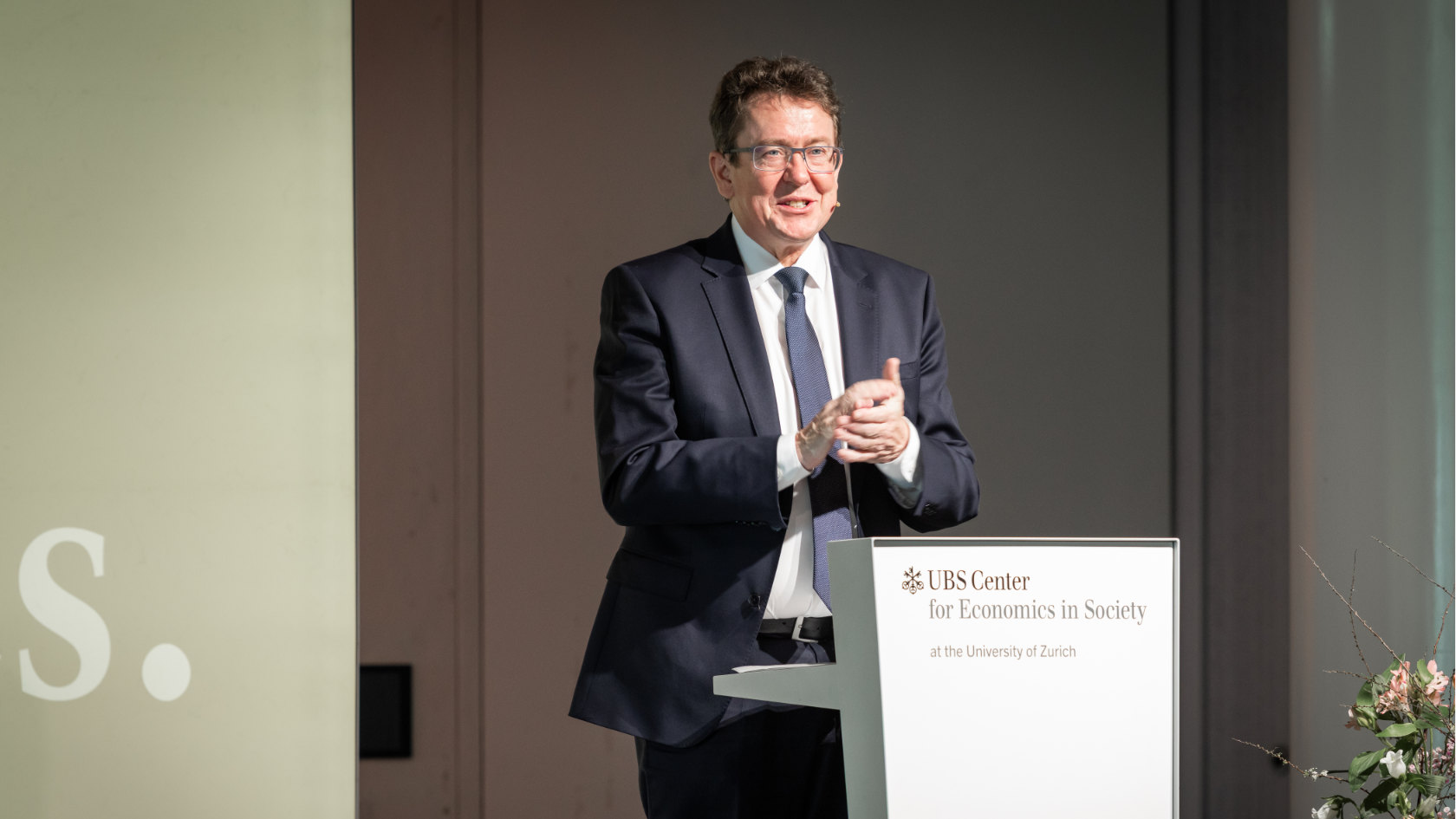
    Switzerland is facing new challenges, but its economic strength is based on clear success factors such as personal responsibility, decentralization, innovative strength and international networking. In his keynote speech, Minister of Economic Affairs Albert Rösti impressively emphasized these key points. Referring to historical roots and current risks, he made it clear that prosperity is not a sure-fire success. Instead of relying on statism, regulatory clarity and a return to proven principles of economic freedom are needed.

    Tariff shocks and negotiating skills
    State Secretary Helene Budliger Artieda provided insights into global economic negotiations and emphasized: “The latest US tariffs came as a surprise. But Switzerland remains capable of acting because it diversifies its trade relations broadly and actively maintains them.” Openness towards partners such as the EU, the USA and China is not arbitrary, but a strategic necessity. The resilience of the Swiss economy is based on this broad foundation and a clear view of geopolitical realities.

    Robust foundations, prudent restraint
    Several panels made it clear that Switzerland has a strong institutional framework, but must remain vigilant. Economist Gunther Schnabl and former CFO Serge Gaillard warned against softening the debt brake and urged fiscal discipline. At the same time, they praised the level of political debate in direct democracy, which enables broad participation in fundamental economic issues.

    Economic model between global players and SMEs
    Switzerland’s strength lies not only in multinational corporations, but also in regionally rooted SMEs. According to historian Tobias Straumann, this combination ensures innovative strength and stability. Representatives such as Suzanne Thoma (Sulzer) and Urs Furrer (SGV) called for practical solutions for securing skilled workers and fewer regulatory hurdles. The new basis for negotiations with the EU offers opportunities, but must be implemented wisely.

    Vigilance is not a contradiction to strength
    Switzerland has a strong foundation, but this requires care. Institutional stability, a high capacity for innovation, foreign trade openness and political sovereignty make the location fit for the future. The economic panel sends a clear signal: self-confidence yes, complacency no. If you want to strengthen Switzerland, you have to use the room for maneuver wisely instead of relying on supposed certainties.

  • Findings from the Canton of Zurich’s “Fokus Standort” programme

    Findings from the Canton of Zurich’s “Fokus Standort” programme

    In order to position the canton of Zurich as an attractive business location in the long term, the Department of Economic Affairs is focusing on dialogue and collaboration. Current trends and challenges, including digitalisation, skills shortages and regulatory developments, were analysed at the “Fokus Standort” event.

    The discussion was based on the “Canton of Zurich location trend analysis”, which identified four key influencing factors: artificial intelligence and automation, demographic change, increasing regulatory density and economic uncertainty in relation to the EU.

    Workshops on key location topics
    Challenges and solutions were discussed in depth in four topic-specific workshops.

    Skilled workers: How can the labour market situation be stabilised through a better work-life balance, technological innovations and longer working lives?

    Technology: What role does artificial intelligence play in companies and educational institutions, and how can digital skills be promoted in a targeted manner?

    Regulation: How can companies be relieved in order to ensure competitiveness despite increasing administrative requirements?

    Mobility: What concepts can reduce travelling distances and promote sustainable transport solutions?

    The measures developed are now to be further developed in working groups and translated into concrete recommendations for action.

    Demographic change and labour shortage
    Government Councillor Carmen Walker Späh opened the discussion on demographic change. She emphasised that the rising number of retirees and the low number of new recruits represent a major challenge for the labour market. In addition to a better work-life balance, technological efficiency improvements and longer working lives are key solutions.

    In the concluding panel discussion with leading business and industry representatives, further strategies to combat the labour shortage were discussed. The Canton of Zurich is thus focussing on a constructive exchange in order to make the business location fit for the future.

  • Stefan Walter new Director of FINMA

    Stefan Walter new Director of FINMA

    Following his election by FINMA’s Board of Directors, Stefan Walter’s appointment as Director of the authority has now been approved by the Federal Council. Mr Walter’s impressive career includes significant experience in financial market regulation, including leading the development of supervision for global systemically important banks at the European Central Bank. In his previous role as Secretary General of the Basel Committee, he played a key role in coordinating global regulatory reform negotiations following the global financial crisis.

    A German national with a Master’s degree in International Banking and Finance from Columbia University, Stefan Walter, 59, brings a deep understanding and extensive knowledge of financial market supervision. He succeeds Urban Angehrn, who stepped down in September 2023 for health reasons. Birgit Rutishauser will continue in the role of FINMA Director on an interim basis until Walter takes office on 1 April.

    Walter’s appointment is seen as an important step for FINMA to strengthen its position as the leading regulator in the financial sector. His extensive experience will help to further develop Swiss financial market regulation and establish it at an international level.

  • BKW launches digital platform for energy suppliers

    BKW launches digital platform for energy suppliers

    With its new digital platform Energy Business , the Bern-based energy and infrastructure company BKW wants to give Swiss energy providers support in four areas, according to a press release : cyber security, law and regulation, innovative products for end customers and customer service. For this purpose, it launched the e4u platform at the beginning of November.

    The energy suppliers are facing a demanding future, it is said there. “That is why we want to team up with one clear goal: Economic success through scaling, synergies and the use of tried and tested solutions. We believe that we can only achieve this if we work together. ”With this, BKW is committed to a long-term partner strategy with other energy suppliers in Switzerland, she writes in her press release.

    In a first phase, BKW is offering service packages on the platform that give other energy suppliers access to their tried and tested skills. In parallel, she is planning various educational activities. In addition, it also offers "individualized advisory services for complex needs".

    Both energy suppliers and large end consumers could use the platform to procure their energy in a single system. The platform itself was developed in close cooperation with BKW customers.