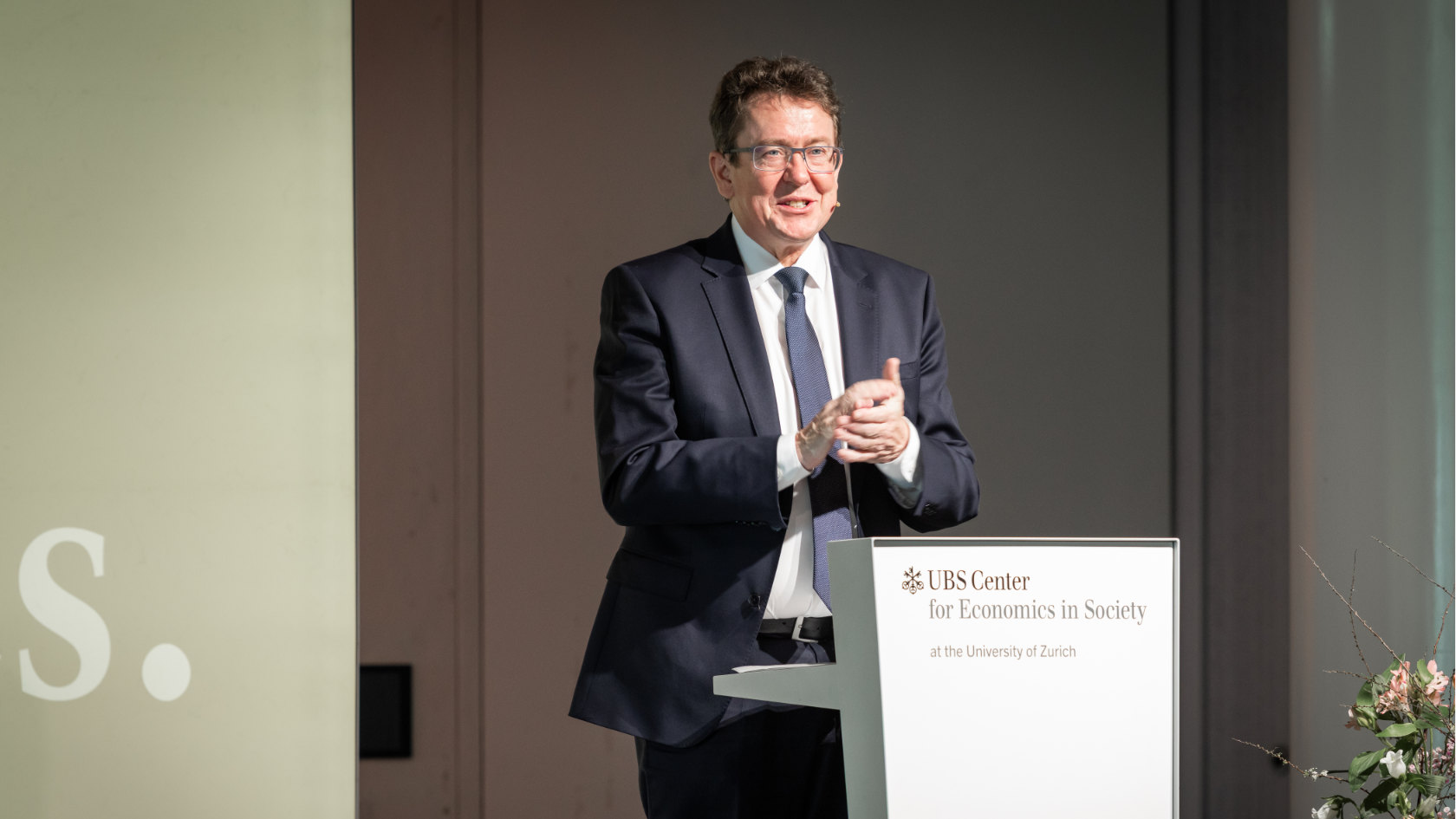
Switzerland is facing new challenges, but its economic strength is based on clear success factors such as personal responsibility, decentralization, innovative strength and international networking. In his keynote speech, Minister of Economic Affairs Albert Rösti impressively emphasized these key points. Referring to historical roots and current risks, he made it clear that prosperity is not a sure-fire success. Instead of relying on statism, regulatory clarity and a return to proven principles of economic freedom are needed.
Tariff shocks and negotiating skills
State Secretary Helene Budliger Artieda provided insights into global economic negotiations and emphasized: “The latest US tariffs came as a surprise. But Switzerland remains capable of acting because it diversifies its trade relations broadly and actively maintains them.” Openness towards partners such as the EU, the USA and China is not arbitrary, but a strategic necessity. The resilience of the Swiss economy is based on this broad foundation and a clear view of geopolitical realities.
Robust foundations, prudent restraint
Several panels made it clear that Switzerland has a strong institutional framework, but must remain vigilant. Economist Gunther Schnabl and former CFO Serge Gaillard warned against softening the debt brake and urged fiscal discipline. At the same time, they praised the level of political debate in direct democracy, which enables broad participation in fundamental economic issues.
Economic model between global players and SMEs
Switzerland’s strength lies not only in multinational corporations, but also in regionally rooted SMEs. According to historian Tobias Straumann, this combination ensures innovative strength and stability. Representatives such as Suzanne Thoma (Sulzer) and Urs Furrer (SGV) called for practical solutions for securing skilled workers and fewer regulatory hurdles. The new basis for negotiations with the EU offers opportunities, but must be implemented wisely.
Vigilance is not a contradiction to strength
Switzerland has a strong foundation, but this requires care. Institutional stability, a high capacity for innovation, foreign trade openness and political sovereignty make the location fit for the future. The economic panel sends a clear signal: self-confidence yes, complacency no. If you want to strengthen Switzerland, you have to use the room for maneuver wisely instead of relying on supposed certainties.
