Tag: Ressourceneffizienz

  • Circular economy strategic upturn

    Circular economy strategic upturn

    The circular economy is becoming an integral part of corporate strategies in Switzerland. The proportion of companies that have anchored it in their corporate strategy has risen from 11 to 27 per cent within four years. Large companies in particular are showing great dynamism. More than half of companies with over 250 employees have already anchored it in their corporate strategy. Medium-sized companies follow with 39 per cent, while smaller companies lag far behind with 23 per cent.

    Implementation remains fragmented
    Despite clear progress in strategic awareness, operational implementation remains subdued. Only 15 per cent of companies generate more than ten per cent of their turnover with circular products, after only a marginal increase since 2020. Companies are similarly reluctant to invest. Only seven per cent invest more than ten per cent of their funds in circular economy measures. The breadth of activities is also limited, with only a few measures on average.

    Focus on energy instead of value chains
    Companies implement measures relating to energy consumption or the switch to renewable energies particularly frequently. Activities along the supply chains or in the use of raw materials are much rarer, even though these would be key levers for resource efficiency. According to study author Tobias Stucki, this means that a lot of potential is being wasted, especially as current geopolitical risks are once again putting dependence on raw materials centre stage.

    Sector and regional comparison
    There are striking differences between the sectors. Companies from the telecommunications, electronics and medical technology sectors are particularly active. Construction, real estate and personal services remain in the early stages of transformation. The regional picture is also mixed. Central and Eastern Switzerland lead the way in terms of strategic anchoring, while Ticino remains at the bottom. It is worth noting, however, that Ticino companies perform well above average in terms of their share of turnover with circular products.

    Political and legal framework
    Politicians have significantly expanded the framework conditions for the circular economy in recent years. It has been explicitly enshrined in the Environmental Protection Act since 1 January 2025. This has shifted the focus of resource conservation beyond waste management. Cantons such as Zurich and Bern have set the course with referendums and strategies. Zurich adopted a comprehensive circular economy strategy, while Bern anchored the objective in government guidelines and a new sectoral waste plan. Other cantons such as Basel-Stadt, Geneva and Vaud are also pushing ahead with their own initiatives.

    Circular economy as an issue for the future
    The study clearly shows that the strategic relevance of the circular economy is increasing in Switzerland. Nevertheless, consistent implementation remains largely limited to initial steps. The transition to a circular economy requires massive investment, far-reaching changes in supply chains and new forms of cooperation. This is the only way to ensure that the circular economy does not remain just lip service, but becomes a central pillar for the climate, resources and competitiveness.
  • Resource-efficient building with wood

    Resource-efficient building with wood

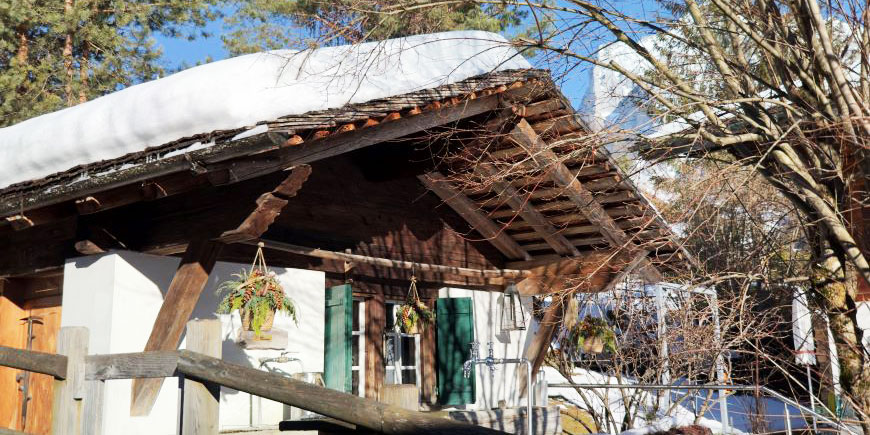
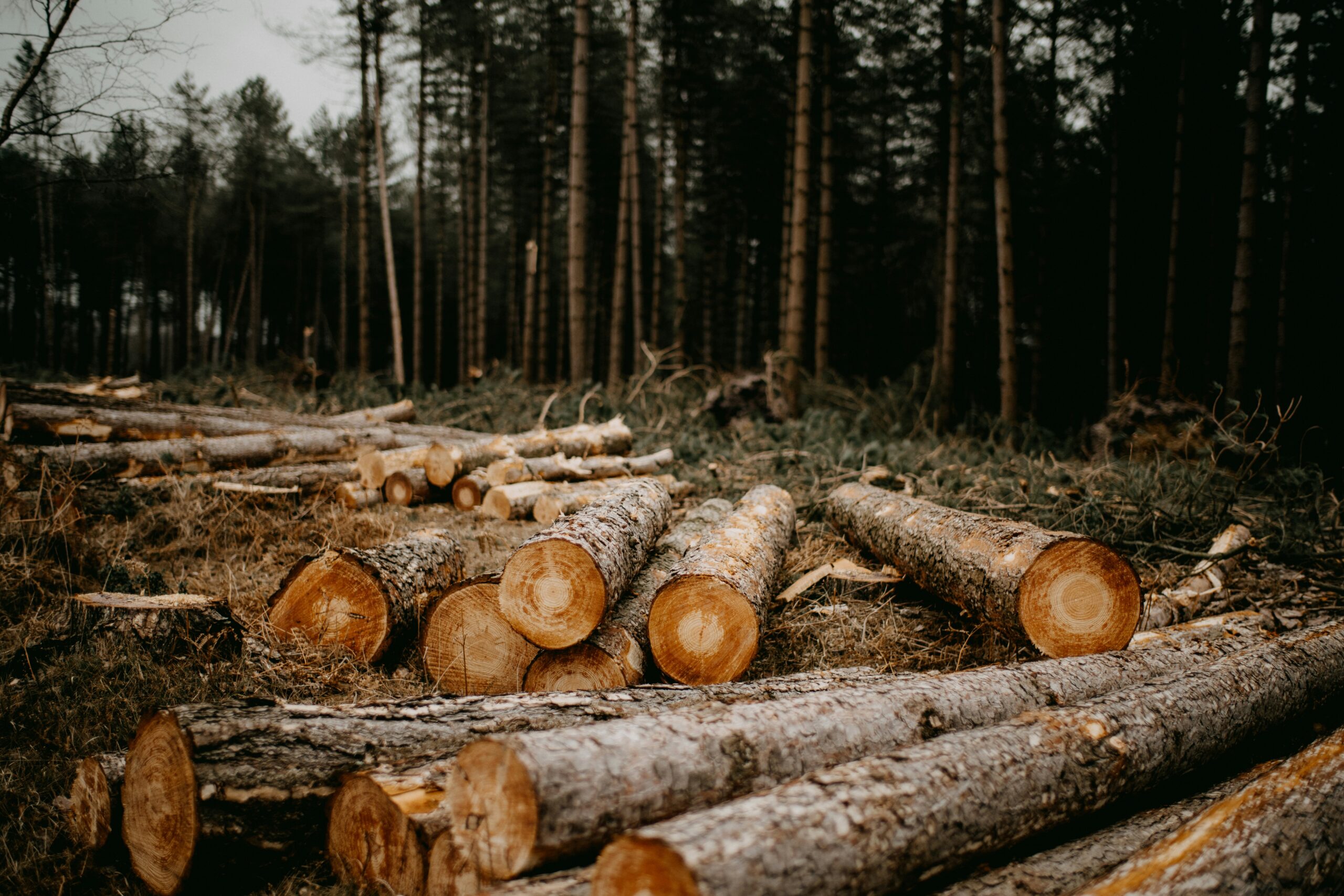
    The manual production of wooden shingles in the Alpine region has inspired researchers at Empa and ETH Zurich to develop a new approach. They developed a process in which wooden sticks made from split wood are processed into material panels. In contrast to conventional processing, low-quality hardwood can also be used. The aim is to produce panels with mechanical properties that come close to those of solid wood.

    Energy and material efficiency through chipless processing
    In traditional shingle production, logs are split along the fibre. A process with minimal energy consumption and virtually no waste. This principle is now being transferred to industrial applications. Thanks to a two-stage splitting process and a newly developed device with a multi-bladed splitting head, several wooden sticks can be produced simultaneously, even from hardwood species that were previously mainly burnt.

    Artificial intelligence for wood sorting
    A central element of the new process is the use of artificial intelligence to evaluate the wood sticks. A line camera captures high-resolution images of each stick, which are analysed by a neural network. This allows important properties such as stiffness to be determined independently of the type of wood, shape or size. In future, this data-based selection should enable a targeted arrangement of the rods in order to further optimise the mechanical properties of the panels.

    Boards for load-bearing components with potential
    Even without sorting, the first demonstrators show high resource efficiency and good mechanical properties. The researchers see great potential in the process for load-bearing components in the construction industry. Challenges still exist in terms of bonding, scaling and the predictability of material properties. Nevertheless, the process offers promising prospects for the use of wood in a changing construction industry.

    Research is strategically bundled
    The project is part of the “Mainstreaming Wood Construction” initiative, which promotes the increased use of wood in construction. A new research centre is planned as part of this initiative. The “Center for Wood Materials and Structures” is intended to combine the expertise of Empa and ETH Zurich and provide new impetus for wood processing along the entire value chain.

  • How wood can be better utilised

    How wood can be better utilised

    Switzerland is aiming for net zero by 2050. Wood plays a key role in this endeavour. It binds CO₂ from the atmosphere, is versatile and offers sustainable alternatives to fossil fuels. But how much wood is actually available for construction, industry or energy generation? Researchers from Empa and WSL have provided the answers by analysing the material flows of wood in Switzerland in detail for the first time as part of the SCENE project.

    For their analysis, the researchers used data from 21 different sources for the year 2020, from wood harvesting to disposal. “In contrast to other studies, which often only use modelled values, we were able to draw on real data,” explains Nadia Malinverno from Empa. The effort paid off, as the study provides a precise picture of the entire wood flow in Switzerland.

    Recycling potential and the correct use of wood
    Only eight per cent of wood is currently recycled, compared to around 70 per cent for paper. In addition, 40 per cent of the wood harvested each year is used directly as fuel. “This is not ideal from an ecological point of view,” emphasises Claudia Som, co-author of the study. In order for wood to fulfil its role as a CO₂ store, it should be used as a material for as long as possible.

    The researchers’ vision is cascade utilisation
    Here, wood is first processed into durable products such as beams and boards that remain in the construction industry for as long as possible. Only after repeated use is the wood further processed into wood chips or fibres before it is finally burned. “Wood should only be used as an energy source when it is no longer usable as a material,” explains Som.

    The path to sustainable wood flows
    As part of the SCENE project, the researchers want to investigate more closely in future which uses of wood make the most ecological and economic sense. They are focussing on specific material flows. In what form is the wood available? How is it processed? Where is there potential for optimisation?

    “The sustainable use of wood is a key component of the energy transition,” says Malinverno. “Our work shows that Switzerland still has many untapped opportunities here, both in terms of climate protection and resource efficiency.”

  • Smart City Winterthur 2030

    Smart City Winterthur 2030

    Since the first smart city strategy in 2018, Winterthur has established itself as one of the most progressive cities in Switzerland. At that time, the focus was on quality of life and resource efficiency, supplemented by topics such as energy, mobility, education and health. With the revision of the strategy towards Smart City Winterthur 2030, the City Council is now focussing on new cross-cutting topics such as innovation, needs orientation and co-creation. These topics are crucial to meeting the requirements of a changing society.

    Two programmes are driving implementation
    The new strategy is being implemented through two programmes, the Innovation Programme and WinLab. The innovation programme supports employees of the city administration in the development and implementation of innovative projects. The aim is to strengthen the culture of innovation within the administration.

    The WinLab, on the other hand, acts as an urban real-world laboratory in which representatives from business, science, civil society and municipal institutions work together. In this creative space, forward-looking solutions for the city are developed and tested. Both programmes create scope for experimentation and promote sustainable innovations that meet the needs of citizens.

    A strategy for the future
    The Smart City Winterthur 2030 strategy comes into force on 1 January 2025 and is part of the long-term goal of shaping Winterthur as a sustainable and adaptable city. The strategy will be reviewed after five years at the latest to ensure that it continues to meet the needs of the city and its population.

  • Research into resource-efficient construction driven forward at NEST

    Research into resource-efficient construction driven forward at NEST

    The STEP2 module in the NEST research and innovation building at Empa celebrated its inauguration on August 29, Empa announced in a press release. New technologies for resource-saving construction are being tested in the new module. The approaches installed in STEP2 were developed by Empa in collaboration with research and industry partners. BASF and the architecture firm ROK were the main partners.

    STEP2 features, among other things, a noise-insulating ribbed filigree concrete ceiling and a 3D-printed concrete staircase. The façade with integrated shading and controlled natural ventilation is designed as a test platform. A window element with a 3D-printed structure will be the first to be tested here. All innovations serve to reduce material and energy consumption in construction and promote the circular economy.

    “At the same time, it is very important to us that we develop solutions that are marketable and actually have a future in the construction industry,” said Enrico Marchesi, Innovation Manager at NEST, in the press release. Main partner BASF wants to use STEP2 to “incorporate BASF’s broad chemical know-how into concrete, new and sustainable solutions for the construction sector in collaboration with the other partners”, explains Olivier Enger, Senior Innovation Manager at BASF. “In practice, a construction project of this kind requires close cooperation between all parties involved, from conception to implementation,” says architect Silvan Oesterle from ROK.

  • Zum umweltfreundlichen Spital mit «Best Practices»

    Zum umweltfreundlichen Spital mit «Best Practices»

    Im Gesundheitssektor wurde der Umweltaspekt bisher oft vernachlässigt. Das Forschungsprojekt „Green Hospital – Ressourceneffizienz bei Schweizer Spitälern“ hat dazu beigetragen, das Bewusstsein für umweltrelevante Prozesse in Schweizer Spitälern zu schärfen. Im Rahmen des Nationalen Forschungsprogramms „Nachhaltige Wirtschaft: ressourcenschonend, zukunftsfähig, innovativ“ (NFP 73) wurde eine Liste von praxisorientierten Maßnahmen veröffentlicht, um Spitäler in ihrer Nachhaltigkeitsstrategie zu unterstützen.

    Die Studie, geleitet von Matthias Stucki am ZHAW-Institut für Umwelt und Natürliche Ressourcen, hat ergeben, dass insbesondere die Bereiche Wärme, Catering, Gebäudeinfrastruktur und Medikamente für den Großteil der Umweltbelastung durch Spitäler verantwortlich sind. Aber auch andere Faktoren wie Stromverbrauch, Abfallmanagement und die Verwendung von medizinischen Produkten spielen eine Rolle.

    Die aus der Studie abgeleiteten „Best Practices“ wurden aus einer Vielzahl von Literaturquellen und Praxisbeispielen zusammengestellt. Diese Massnahmen zielen darauf ab, die Umweltauswirkungen bei gleichbleibender Qualität der Gesundheitsdienstleistungen zu minimieren. Dabei wurde besonderer Wert auf die Auswahl von Maßnahmen mit hoher Klimarelevanz und großer Umsetzbarkeit gelegt.

    Insgesamt zeigt die Studie, dass die größten Chancen für eine Verbesserung der Umweltbilanz in der Konstruktion von langlebigen und ressourceneffizienten Gebäuden, der Nutzung erneuerbarer Energien und der Einführung von pflanzenbasierten Gerichten im Verpflegungsangebot liegen.

    Dieses Forschungsprojekt stellt einen wichtigen Schritt dar, um die schweizerische Krankenhauslandschaft nachhaltiger zu gestalten und setzt einen Meilenstein für zukünftige Initiativen in diesem Bereich.

  • The Circle receives certification for sustainability

    The Circle receives certification for sustainability

    The Circle is expected to receive LEED Platinum certification in the spring of next year, HRS informs in an interview on the portal of the real estate company from Frauenfeld. HRS realized the area at Zurich Airport as a general contractor in collaboration with Amstein + Walthert , the main building technology planner responsible. For the highest standard of the green building classification developed by the US Green Building Council , a project must achieve 80 or more points.

    The LEED classification tries to “map all aspects of sustainable building”, explains Christian Appert from Amstein + Walthert in an interview. According to the CEO of the engineering service provider based in Zurich, The Circle was able to score points in a number of categories. As examples, Appert cites, among other things, drinking water savings through rainwater tanks, a combination of photovoltaics and greenery on the roofs as well as generous infrastructure for bicycles. The Circle has shown that “even large projects can be very sustainable,” says Appert.

    With the certification, The Circle will be “the largest LEED Platinum project in Europe and one of the ten to twenty largest in the world,” explains Rebecca Kull in an interview. According to the COO of HRS, this is “a superlative with great charisma” for Switzerland. Talking about sustainability is easy, says Kull. The decisive factor, however, is “lived sustainability”.