Tag: Robotik

  • Old technology rethought

    Old technology rethought

    When you think of modern construction today, you see glass, concrete and steel. But a building material that has existed for thousands of years is making a powerful comeback: rammed earth. Entire cities, castles and temples were built from it in the past and many of these structures are still standing today.

    Rammed earth combines regional raw materials, circular use and a healthy indoor climate. It stores heat, balances out moisture and requires hardly any energy to produce. The building material thus responds to key requirements of the building revolution, resource conservation, climate protection and healthy living.

    Joschua Gosslar from the Institute for Structural Design at TU Braunschweig speaks of a “renaissance of clay” that combines traditional craftsmanship with technical precision.

    How rammed earth works
    Rammed earth is made from clay, sand, gravel and water. This mixture is placed in layers in a formwork and compacted. This used to be done by hand, but is now often done by machine. The result is solid, layered walls with a high heat storage capacity.

    Thanks to its diffusion-open behavior, the building material contributes to a balanced indoor climate. Without structural weather protection, however, clay loses its strength. Large roof overhangs, water-repellent plaster or structural separations are therefore essential.

    Research projects such as HyRaEarth are working on permanent solutions to combat susceptibility to moisture, for example through environmentally friendly hydrophobic coatings.

    Robotics on the construction site
    The processing of rammed earth is complex with many work steps, high manual labor intensity and long construction times. Researchers at TU Braunschweig are therefore developing a robotic production unit that applies rammed earth walls additively. Layer by layer, precisely and without conventional formwork.

    The system combines a moving formwork with a compaction unit that automatically moves upwards. The aim is a mobile production unit that works on site with excavated material. “Clay is completely reversible,” explains Gosslar. “It can be reused after a hundred years as a building material for a new house.”

    The research thus transfers the principles of 3D printing to clay and earth construction, creating the basis for industrial yet handcrafted construction methods.

    International pioneering projects
    Architectural firms around the world are demonstrating what can be created from earth. Casa Franca in Paris was compacted with 550 tons of excavated earth to create load-bearing walls that make air conditioning systems superfluous. The Bayalpata Hospital in Nepal used local clay, reducing construction costs by 40 percent and strengthening the regional building culture. The Ricola Herbal Center in Laufen by Herzog & de Meuron used prefabricated rammed earth panels, combined with photovoltaics and modern building technology. A residential building in Desert Wash Home, USA, is topographically integrated into the natural watercourse.
    These projects prove that earth is no longer a niche material, but has arrived in contemporary building construction worldwide.

    Technical values and standards
    The material performance of rammed earth is now well documented. Its bulk density is between 1,700 and 2,400 kg/m³ and its compressive strength is between 1.5 and 2.5 N/mm² – individual tests reach up to 10 N/mm². These values make it structurally stable, but require new calculation methods, as the modulus of elasticity is significantly lower than that of concrete.

    Earthen buildings are legally regulated by the DIN 18940 to 18948 series of standards and the earth building rules of the Dachverband Lehm. They ensure product quality, but also restrict application.
  • Series production of intelligent safety robots

    Series production of intelligent safety robots

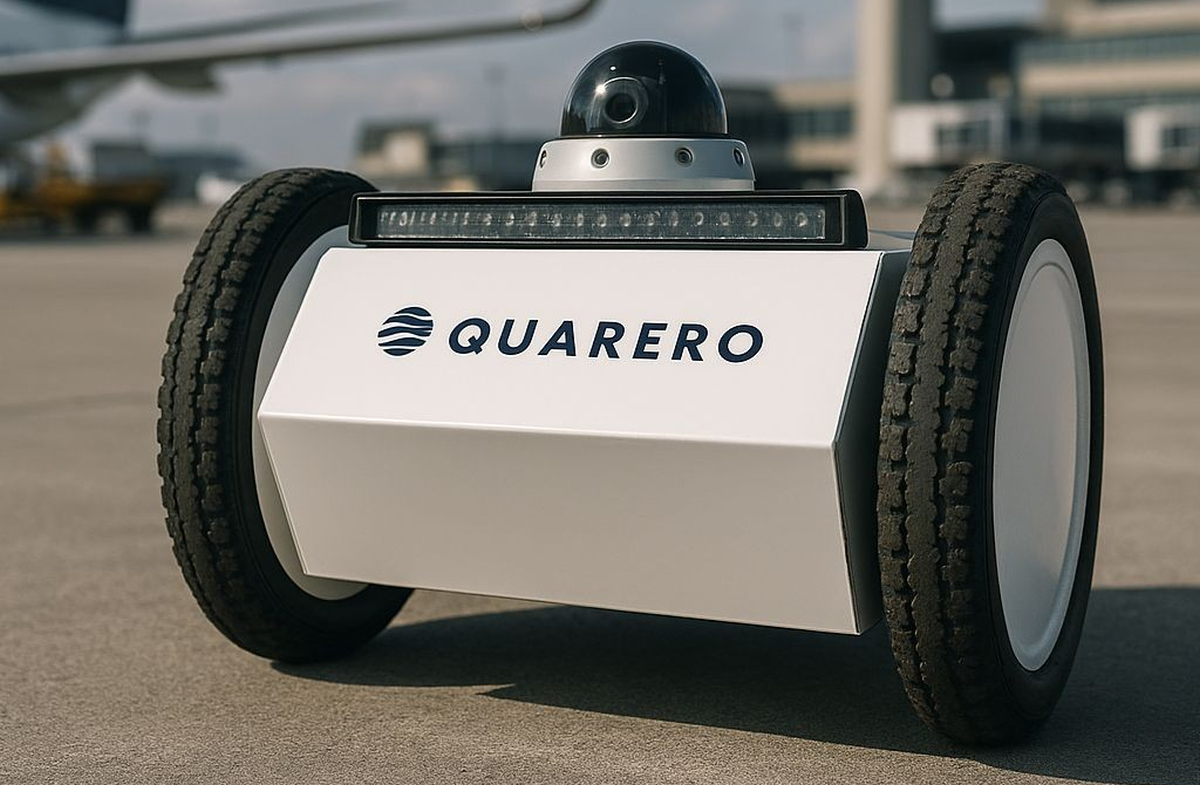
    Founded in 2021, the startup begins series production of its highly developed security robots. Developed in Switzerland and produced in Germany, this combination of innovative strength and manufacturing excellence is set to change the European security market. The first 50 systems are scheduled to go into operation in 2025.

    CEO Marcus Köhnlein sees the project as an infrastructure measure for a smarter future. “This is more than just robotics, we are delivering scalable systems that rethink security autonomously and reliably.” The robots are designed for complex environments such as airports, logistics centers or smart cities and work autonomously, supported by real-time analysis and predictive diagnostics.

    Automated security
    With rising urban risks and increasing staff shortages in the security industry, the demand for automated solutions is growing. The robots provide an answer – scalable, flexible and low-maintenance. Their modular design allows them to be adapted to different locations, from industrial sites to university campuses.

    The business model is based on “Robot-as-a-Service” and offers customers high-performance safety solutions with a low barrier to entry. Real-time data, continuous learning and high uptime are integral components of the system.

    Growth strategy and financing round launched
    A new investment round has been launched for the next phase: scaling, market expansion and international launch. The aim is to expand production to 300 systems by 2027. The company is currently focusing on Europe, but has long-term plans for global expansion.

    The start-up is managed by an experienced team. CEO Marcus Köhnlein brings management experience from digitalization and innovation projects. CTO Christoph Uhrhan is a professor of robotics at Furtwangen University, where he heads the robotics laboratory. The Chairman of the Board of Directors is Andreas R. Sarasin, former partner at a renowned Swiss private bank and member of the Board of Directors at uniqueFeed.

  • Shanghai relocates Shikumen complex with robots

    Shanghai relocates Shikumen complex with robots

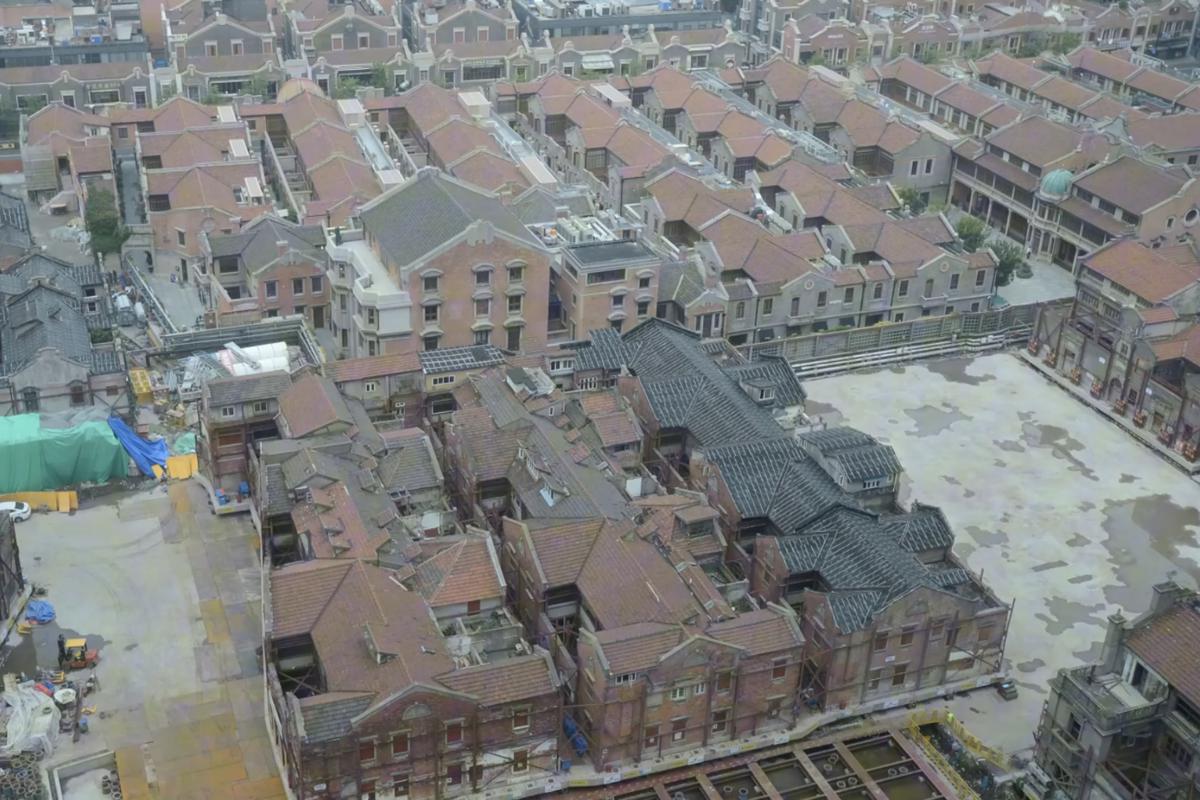
    With this project, the city of Shanghai is demonstrating its ability to combine heritage conservation and urban development. The Huayanli complex, built between 1920 and 1930, is part of the Zhangyuan district, which looks back on over 140 years of history. With a total area of 4,030 square meters and three brick and timber buildings, it is not only architecturally significant, but also an important testimony to urban identity.

    The temporary relocation is necessary in order to construct a three-storey underground facility of over 53,000 square meters. This will create cultural and commercial spaces, more than 100 parking spaces and connections to three subway lines. An ambitious project in a densely built-up historical environment.

    Robot-assisted precision work in the historic core
    Given the narrow alleyways and limited space, the construction team relied on a combination of advanced technologies and customized robotics. A total of 432 self-propelled robots move the ensemble at a speed of around 10 meters per day. A logistical masterpiece that enables minimal disruption with maximum precision.

    In addition, miniaturized robots were used for foundation work, which move through narrow doors and corridors thanks to remote control. Supported by BIM and point cloud scans, precise 3D models of the existing building were created to identify potential collisions and structural challenges at an early stage.

    Smart earthmoving and minimally invasive interventions
    Another technical innovation is the specially developed earthmoving robots with foldable gripper arms. These can move in spaces less than 1.2 meters wide and use deep learning algorithms to distinguish between clay and obstacles. As a result, the construction project is progressing with high efficiency and minimal risk to the historic building, despite the cramped conditions.

    Zhang Yi, General Manager of the Shanghai Construction No 2 subsidiary responsible for urban renewal, explains the approach: “We designed several curved transportation routes for the excavated earth and implemented a conveyor belt system like in a factory. This allows us to reduce disruption and achieve high working speeds at the same time.”

    Linking old and new
    The project is more than just a technical masterpiece. It exemplifies an urban vision that sees historical heritage not as an obstacle, but as a resource. Once the work is complete, the Huayanli complex will return to its original location. However, above a modern infrastructure that connects it to the surrounding high-rise buildings, shopping centers and residential districts. The integration of above-ground conservation measures with modern underground facilities offers a model for the sustainable revitalization of historic districts in growing metropolises. For Shanghai and for international urban planners and engineers, this project is a milestone. It shows how cultural identity and urban modernization can be combined to form a harmonious whole.

  • High-tech timber construction meets craftsmanship

    High-tech timber construction meets craftsmanship

    For centuries, wood was regarded as a traditional craft material. Today, however, it is driving an ecological and technological revolution in the construction sector. Automation, artificial intelligence and digital planning are transforming the timber construction industry. The mix of proven carpentry skills and modern technology makes it possible to implement projects faster, more economically and more sustainably.

    Hybrid systems
    Hybrid timber construction makes targeted use of the respective advantages of timber and concrete. Load-bearing structures made of glulam are combined with reinforced concrete layers. Such composite ceilings enable large spans, reduce the weight and improve the physical properties of the building. Prefabrication increases efficiency on the construction site. Examples such as the Timber Peak in Mainz demonstrate the economic and urban development potential of this technology.

    The potential of transparent wood
    Researchers are working on a material that replaces glass: transparent wood. By removing the lignin and filling the cell structure with polymer resin, a material is created that lets light through, is robust and offers excellent thermal insulation. Applications range from windows and light-flooded façades to building-integrated solar panels. Ideal for energy-efficient architecture with high design quality.

    3D printing with wood
    Wood filaments enable the additive production of smaller objects with the feel and look of real wood. Although this technology is not yet suitable for structural timber construction, new areas of business are opening up in the fields of interior design, model making and individual components. Large-format printing with wood composites in combination with robotics and generative design is already under development.

    Wood foam the next generation of insulation
    Wood foam is a completely bio-based insulating material made from waste wood. Manufactured without synthetic binders, it offers good insulation values, is dimensionally stable and can be recycled. The first industrial applications are about to enter the market. Wood foam is a promising alternative to traditional foams, especially for projects with a focus on sustainability.

    Augmented reality on the construction site
    AR technologies bring digital construction plans directly to the construction site. Using tablets or AR glasses, fitters can view component positions and pipe systems with millimetre precision. This speeds up assembly processes, avoids errors and improves communication between the planning office and the execution team. Initial pilot projects show clear time and cost benefits.

    Artificial intelligence as a planning assistant
    From automated floor plan development to quality assurance on timber surfaces. AI is increasingly being used throughout the entire construction process. Particularly exciting are systems for material optimization that minimize waste and maximize the use of residual materials. Ageing simulations and adaptive machine control systems are also becoming a reality.

    Robotics is revolutionizing manufacturing
    Robotic arms that mill, screw and assemble are no longer a dream of the future. Today, collaborative robots work side by side with skilled workers. They take on heavy or monotonous tasks and increase precision. Research projects in Zurich, Biberach and Austria show that robots can be used economically in timber construction. The combination of AI, sensor technology and robotics will enable virtually autonomous production in the future.

    Timber construction is becoming an investment in the future
    The timber construction of tomorrow stands for efficiency, sustainability and design diversity. For investors and project developers, it offers opportunities to realize properties economically and future-proof. Especially where ESG criteria, construction time and location quality are decisive for market success. Intelligent timber construction is more than just a trend, it is a strategic advantage for Switzerland as a business location.

  • Flying robots as construction machines of the future

    Flying robots as construction machines of the future

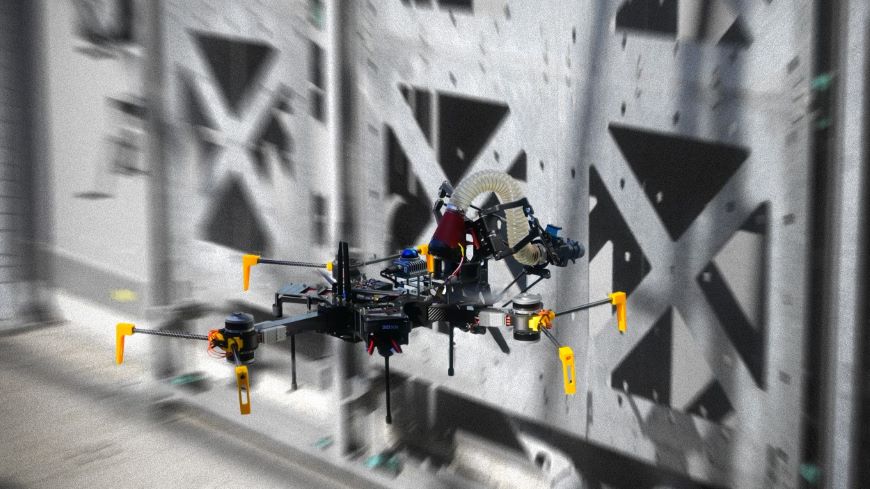
    While heavy, ground-based robotic systems have long since found their way onto construction sites, they quickly reach their limits in rough terrain or at great heights. An international research team led by Empa and EPFL is now investigating how flying robots can close these gaps. Their vision is of mobile, flexible and autonomous construction drones that transport materials, erect structures and supplement conventional machines in a targeted manner. For example, for repairs to high-rise facades or in the aftermath of natural disasters.

    Flexibility and precision from the air
    Current research is focusing on the development of so-called “aerial additive manufacturing” technologies. Three concepts are being pursued: construction with modular components, the tensioning of tensile structures and the layer-by-layer application of building materials. Initial tests at Empa’s “DroneHub” show how swarms of drones could take on construction tasks together. There are a number of advantages, such as no fixed construction site, shorter transportation routes, reduced material losses and increased safety on the construction site.

    Interplay between robotics, materials and design
    Several disciplines need to work together for the use of construction drones to become a reality. Robust and lightweight construction materials are just as crucial as intelligent construction designs that are adapted to the limited precision of drones. At the same time, the technology requires advances in flight autonomy. The spectrum of future capabilities ranges from programmed route flight to autonomous analysis and adaptation during the construction process.

    Supplementing rather than replacing
    Despite all the advances, drones remain a supplement to existing robotic systems. Their limited flight time and payload currently still restrict their use. The researchers therefore see hybrid concepts as the key. Conventional systems erect the lower areas of a structure, while drones take over from certain heights. This could allow structures to be built flexibly and efficiently in the future. Even in places where conventional construction is not possible today.

  • Microsoft promotes Swiss AI innovation

    Microsoft promotes Swiss AI innovation

    Inait’s technology is based on two decades of neuroscientific research and represents a radical break with conventional AI approaches. The centrepiece is a cognitive platform called Digital Brain, which understands cause-and-effect relationships, learns from experience and adapts flexibly to new situations. This brings us closer to the goal of general, human-like intelligence. Beyond the narrow limits of today’s systems.

    Strategic alliance with global reach
    With Microsoft on board, inait now wants to scale its technology globally. The partnership focusses on joint product developments, market launch strategies and co-selling initiatives. The Azure cloud serves as the technological basis, while Microsoft’s international network paves the way into new markets. The first step will focus on the financial and robotics sectors.

    Revolution in fintech and robotics
    In the financial sector, inait’s AI is set to set new standards, for example through intelligent trading algorithms, more precise risk assessments and personalised advisory solutions. In industry, AI is creating new opportunities for adaptive robots that can operate in dynamic environments. The aim is for machines to master complex tasks autonomously and continue to develop.

    Switzerland as a business location and source of innovation
    The collaboration emphasises Switzerland’s role as a hotspot for pioneering AI development. For Microsoft Switzerland, the partnership is a strategic step. “inait’s neuroscience-inspired technology is groundbreaking,” says Catrin Hinkel, CEO of Microsoft Switzerland. “We see immediate opportunities for transformation, especially in fintech and robotics.”

    A milestone for cognitive AI
    The partnership not only marks a significant step for inait, but also an innovative impulse for the global AI market. The Digital Brain is a new approach that closes the gap between man and machine a little further and has the potential to change entire industries.

  • AI decodes brain activity

    AI decodes brain activity

    Scientists at EPFL have developed a groundbreaking AI technique based on geometric principles that visualises neuronal activity patterns. The system, called MARBLE (Manifold Representation Basis Learning), breaks down electrical signals from the brain into dynamic patterns that can be decoded by a neural network. This makes it possible to recognise universal strategies of brain activity across different individuals and experimental conditions.

    Visualising hidden patterns in the brain
    Neuroscience is facing a fundamental challenge. Brain activity is usually recorded by analysing a few neurons, which means that a complete picture of neuronal processes is lacking. Pierre Vandergheynst, head of the LTS2 signal processing laboratory at EPFL, compares this problem to the story of blind people feeling different parts of an elephant and drawing contradictory conclusions. The situation is similar with the recording of neuronal signals; a limited data section makes overall understanding more difficult.

    The system has now been able to show that different animals that used the same mental strategies to solve problems exhibited matching neuronal patterns. The technique thus enables a more precise interpretation of brain activity and could set a new standard for analysing dynamic neuronal processes.

    A breakthrough for neuroscience and robotics
    The innovative approach of geometric deep learning makes it possible to analyse neuronal data not only statistically, but also in its natural mathematical context. This shows that brain activity can be visualised as complex geometric structures. For example, in the form of a torus, similar to a donut.

    The EPFL researchers tested MARBLE with recordings from the macaque premotor cortex during grasping movements and in the hippocampus of rats during spatial orientation tasks. The results were impressive. The system decoded the neuronal activity far more precisely than conventional methods and enabled a more intuitive interpretation of the neuronal processes.

    Broad application potential beyond neuroscience
    In addition to its use in brain research, MARBLE could also be of great value to other scientific disciplines. The technology offers the possibility of converting neuronal activity patterns into decodable signals. This can be used to control robotic assistance systems that react to brain activity.

    Pierre Vandergheynst emphasises the potential beyond neuroscience: “Our method is based on the mathematical theory of high-dimensional structures and can also be used in other scientific disciplines to analyse dynamic processes and identify universal patterns.”

    MARBLE could represent a fundamental step forward in the study of complex biological and physical systems, not only revolutionising our understanding of the brain, but also providing new impetus for artificial intelligence and robotics.

  • Switzerland and Japan open architectural project

    Switzerland and Japan open architectural project

    The Gramazio Kohler research group at the Swiss Federal Institute of Technology in Zurich ( ETH ) and the Obuchi Lab – T_ADS at the University of Tokyo are exhibiting an installation as part of the Collaborative Constructions architectural project. The project in the municipal pottery of the Japanese city of Tokoname goes back to an initiative of the two universities and the Swiss embassy in Japan.

    It is the first project of Vitality.Swiss, the Swiss public diplomacy program on the way to Expo 2025 in Osaka . The exhibition will be held in several cities of Aichi Prefecture as part of the Aichi Triennial Art Festival. According to an embassy announcement, it was officially opened on the occasion of the national holiday on August 1st and can be visited until October 10th.

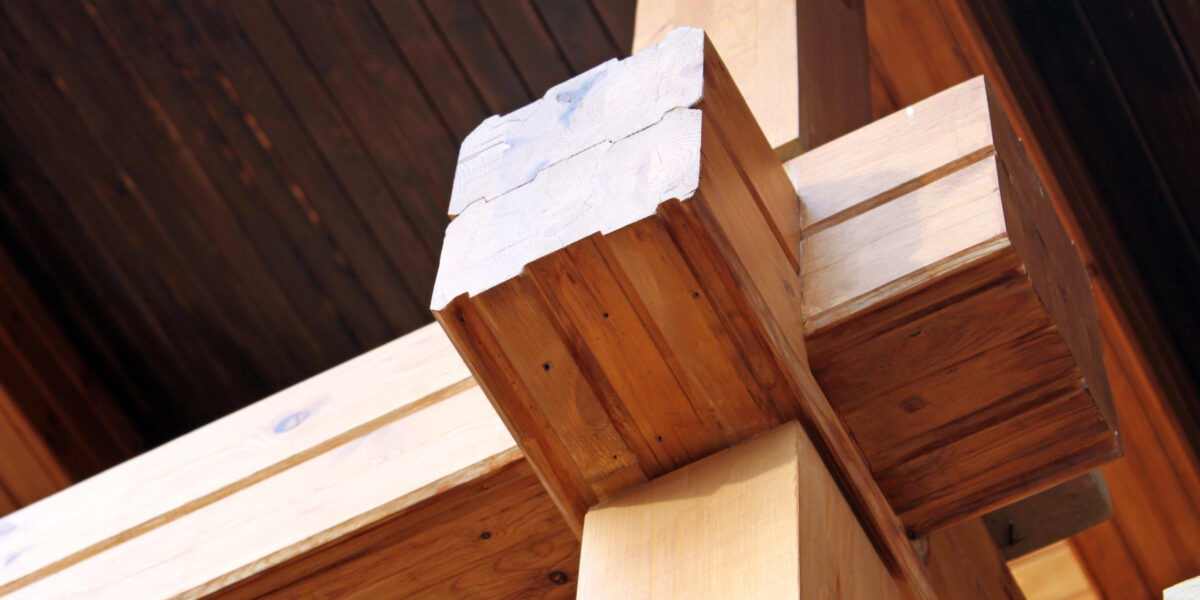
    Gramazio Kohler Research, led by Matthias Kohler and Fabio Gramazio, presents a three-story timber frame structure that revitalizes the long history of skilled timber construction in Japan through Swiss design and technology. It reinterprets carpentry in the age of robotics, without metal parts, nails, screws or fasteners. Her work has been exhibited at the Center Pompidou, the Venice Biennale and the Guggenheim Museum in Bilbao, among others.

    The Obuchi Lab – T_ADS around Yusuke Obuchi exhibits a gate-like structure with numerous pottery chains through which pottery is actually steamed, which also cools the air. They were created through human-machine interactions. Obuchi projects explore innovative, inclusive and collaborative construction methods. They are known worldwide for their creative use of technology.

  • Far superior to drones

    Far superior to drones

    New construction projects can be digitally modeled using drone recordings. With the help of software, the planned object is, so to speak, “inserted” into the property and surroundings images received by the drone. This Building Information Modeling (BIM) creates realistic visualizations of a new building project in two or three-dimensional views. Object-strategic statements can thus be made reliably, quickly and cheaply.

    Drones are also used for construction-related work themselves. One of the most recent applications is the computer-controlled use of drones for painting facades. The flying robotic helpers can be controlled very precisely and can fly very close to a wall. So it is possible to paint facades without work preparation and erection of scaffolding. In addition to saving time, this is also a step forward in terms of safety on the construction site.

    Another area of application is that for inspections and damage tests of buildings and structures – for example the use of drones for roof inspections. Due to the high altitudes and good stabilization in flight, drones can also be used in historic buildings, such as churches. But drones can also be used comfortably and safely to check building cracks, glass damage or hard-to-reach areas. Thanks to the high resolution of the images, even the finest damage can be detected and these images can be saved for later documentation purposes.

    You can find impulses around innovations in the real estate and construction industry here: https://hubs.li/H0RQl480

  • Sevensense co-founder praises Switzerland as a location for robotics

    Sevensense co-founder praises Switzerland as a location for robotics

    Roland Siegwart is Professor of Autonomous Systems at the Swiss Federal Institute of Technology in Zurich ( ETH ). He is also co-director of the Wyss Zurich funding program. In 2018 Siegwart co-founded the ETH spin-off Sevensense Robotics. The company, based in Zurich, develops technologies for robots that help them, for example, with independent orientation. Sevensense also works with Deutsche Bahn to develop technologies for the future of train travel.

    In an interview published on the Sevensense blog page, Siegwart praised Switzerland as a location for robotics. All important specialist knowledge for robotics is available in the country. On the one hand, precision mechanics, which have a "long tradition in Switzerland", are particularly important. On the other hand, sensor technology plays an important role in the industry. This is less known worldwide, but Switzerland is already very advanced in this regard.

    Siegwart also praises the ETH Zurich and the ETH Lausanne (EPFL). The two universities would provide the necessary control and intelligence to be able to make good use of the existing specialist knowledge, he emphasizes. They would also spawn a multitude of successful spin-offs – especially in the robotics area. Switzerland has also been able to attract a large pool of foreign talent who further strengthen the robotics scene.

    Switzerland still has some catching up to do when it comes to major investments. Investors in Europe are generally more risk averse compared to those in the USA. However, this also helps European start-ups develop a sustainable, customer-oriented approach. Accordingly, the survival rate of start-ups – for example in Switzerland – is much higher than that of those in the USA. The long-term survival rate of the ETH spin-offs is 80 to 90 percent.