Tag: Schwerverkehr

  • Hydrogen can do a lot, but not everything

    Hydrogen can do a lot, but not everything

    The Fraunhofer ISI analyzed 774 individual statements as part of a meta-fact check and condensed them into 77 core statements. The result was not a new opinion paper, but a synthesis of the current state of knowledge. The result is nuanced, but the key points are unambiguous. Lead author Nils Bittner puts it in a nutshell: hydrogen can have an enormous impact where there are no equivalent alternatives. Where such alternatives do exist, its use costs valuable resources and time.

    The efficiency bottleneck
    The basic problem lies in physics. Green hydrogen is produced by electrolysis. Depending on the process, this requires around 50 to 60 kWh of electricity per kilogram. Compression, transportation and reconversion swallow up further energy. In the end, often only a fraction of the kilowatt hours originally used remain. Heat pumps and battery-powered vehicles therefore use the same electricity many times more efficiently.

    Where H₂ remains indispensable
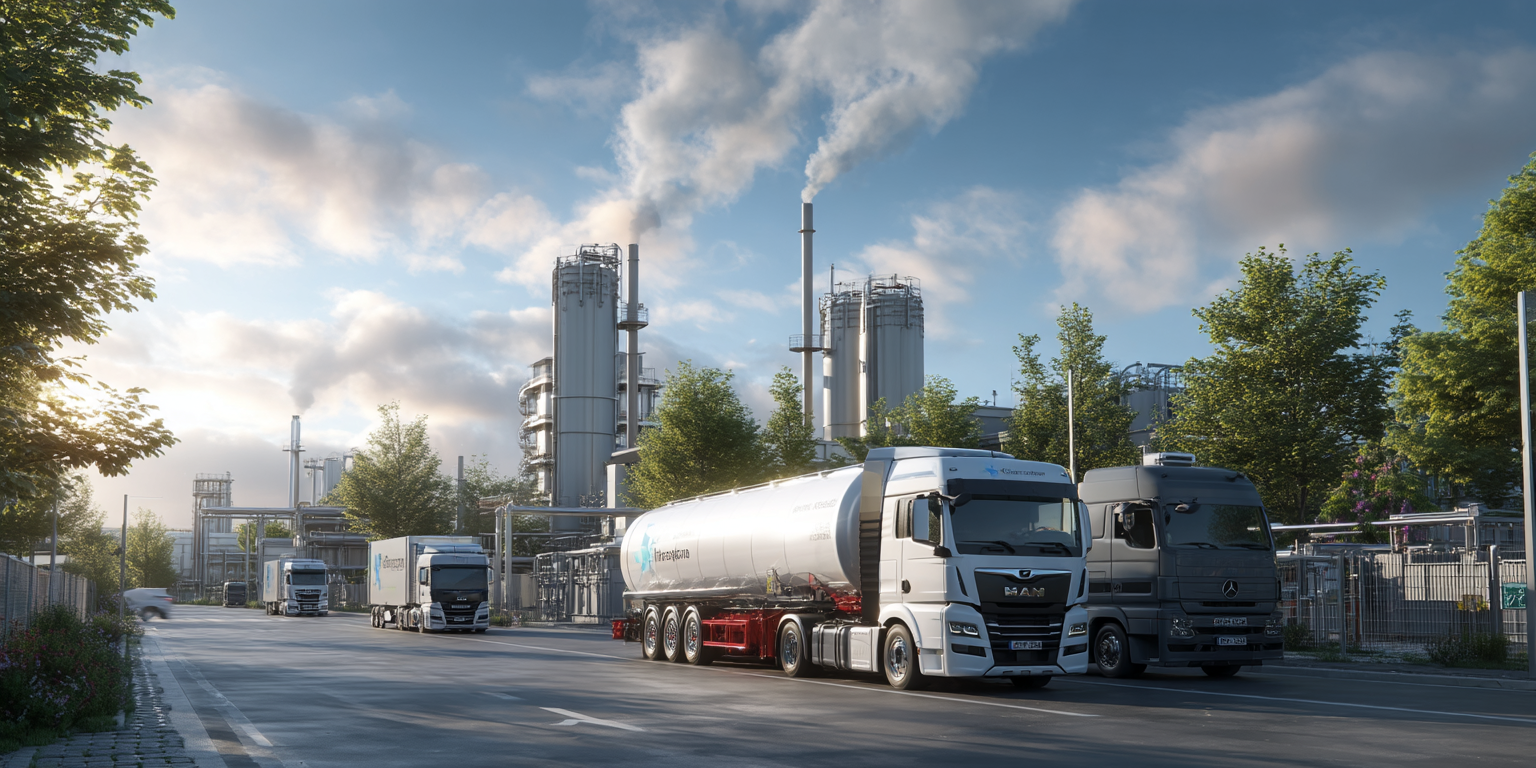
    Nevertheless, there are areas in which hydrogen has no viable alternative. The steel industry needs it to reduce iron ore, the chemical industry as a raw material for ammonia and methanol. Aviation, shipping and heavy goods transport can hardly be directly electrified. Hydrogen is the fuel of choice here. There is also currently no comparable alternative for the seasonal long-term storage of energy over weeks and months. In Switzerland, this assessment is in line with the federal government’s hydrogen strategy, which envisages H₂ primarily for high-temperature process heat and transport sectors that are difficult to decarbonize.

    The chicken-and-egg problem is slowing down the ramp-up
    A functioning hydrogen economy requires infrastructure such as pipelines, cavern storage facilities and electrolysis plants. However, companies only invest when the supply is secured and network operators only build when there is sufficient demand. This chicken-and-egg problem is slowing down the market ramp-up considerably. The Fraunhofer ISI therefore recommends concentrating on industrial clusters instead of a nationwide network extending into residential areas.

    Imports only solve half the problem
    Germany will have to import up to 80 percent of its hydrogen requirements. Transportation over long distances usually requires conversion into ammonia or liquid hydrogen, with further energy losses. This creates new global supply chains instead of fossil dependencies. Switzerland will not become self-sufficient in hydrogen either. The cantons of Basel-Stadt and Basel-Landschaft adopted a joint hydrogen strategy for the first time in February 2026 and calculate a demand of 0.4 to 3.4 percent of total energy requirements for 2050, concentrated on industry and heavy goods vehicles.

  • The sustainable supply of goods for tomorrow

    The sustainable supply of goods for tomorrow

    Online trade has been booming since Corona at the latest. More and more huge goods transshipment halls are springing up all over the country. Until now, the ordered goods and merchandise have been transported to their end users via roads and railways. The Federal Roads Office (FEDRO) and the Federal Office for Spatial Development (ARE) estimate that the volume of goods traffic in Switzerland will increase by around 31 percent by 2050. However, the above-mentioned common freight transport routes cannot be expanded without limits.

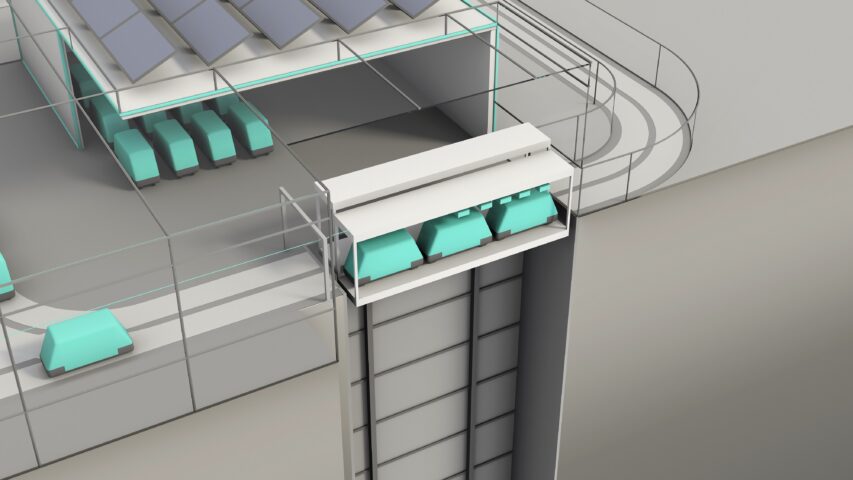
    New transport solutions were sought – and found with Cargo Sous Terrain (CST): By 2045, a 500-kilometre network of three-lane tunnels, each 6 metres in diameter and 20 to 100 metres deep, will be built between Lake Constance and Lake Geneva, with spurs to Basel, Lucerne and Thun. These will be connected to above-ground loading and unloading stations called hubs. In the hubs, the autonomously driving, unmanned vehicles are loaded and unloaded fully automatically via vertical lifts.

    The futuristic-looking cars travel at a constant 30 kilometres per hour on induction tracks around the clock. They hold goods the size of pallets. Fresh and refrigerated goods can also be transported. The system sorts and bundles the goods already in the tunnel so that the subsequent delivery to sales outlets and end customers takes place in a coordinated manner.

    At the hubs, the delivered goods are continuously picked up and delivered by manned vehicles powered exclusively by renewable energy. “It is possible that we provide our own fleet of energy-powered vehicles or also work with appropriate logistics partners,” says Patrik Aellig, Communications Officer CST. The disposal of waste and recyclables is also an integral part of the concept. Aellig explains: “Goods movements primarily take place from the logistics centres to the cities. But the system naturally runs in both directions and is predestined to pick up waste and recycling materials or even construction waste and transport it out of the cities.” One vehicle can pick up to two pallets or boxes and containers of this dimension.

    CST reduces noise emissions by 50 per cent and enables the transport of small quantities
    The advantages of such an underground network are obvious: national roads are relieved of heavy traffic by up to 40 per cent, cities by about 30 per cent. At the same time, noise emissions will be reduced – by about 50 percent in the cities. CO2 emissions can also be significantly reduced: The eco-balance is up to 80 percent better compared to today’s transport systems, as CST is powered 100 percent by electricity from renewable sources.

    The first stage is scheduled to be operational in 2031 and includes the 70-kilometre route from Härkingen-Niederbipp to Zurich Airport with 10 hubs. The hubs will be located in existing logistics centres and ensure connections to all transport systems (rail, road, water, air freight). The overall transport network is scheduled for completion in 2045. The sophisticated system includes innovative software that enables intelligent control. The IT behind CST and the automatic loading and transport of goods form the core of this system. As of today, the software has not yet been developed. But: “The IT team is in place – the first step involves developing the very extensive IT platform,” explains Aellig. With its customised technology, CST is aimed at the smart cities of the future and also takes care of the fine distribution of goods. In addition, CST enables the economy to transport small quantities in individual pallets or containers for the first time. This eliminates the intermediate storage of small-volume goods.

    The total costs amount to more than 30 billion Swiss francs. CST is privately owned and has its headquarters in Olten. Its 83 shareholders, investors and project partners include well-known Swiss names such as the insurance company Vaudoise, SAP, Siemens, Swiss Post, Coop, Migros, Mobiliar or the Zurich Cantonal Bank, Credit Suisse and Swisscom. These include numerous logistics, energy and construction companies, engineering firms and bicycle courier services or even the high-tech start-up Hyperloop One from California (USA). The infrastructure that is being created is available to all market participants. CST is being developed in close cooperation with the authorities, the federal government and the cantons. The federal government is not contributing to the costs.

    The planned, largely underground freight transport facility across cantonal borders is possible thanks to the Federal Underground Freight Transport Act (UGüTG) passed by the National Council and Council of States in December 2021. CST is being advanced in several parallel sub-projects. The cantons will include the exact locations and routes of the hubs and tunnels in their structure plans as planning progresses. The structure plan procedures will begin in the course of 2023 in the cantons of Aargau, Solothurn and Zurich. The preliminary project should be ready in the course of the coming year. “After that, the tenders for the construction contract for the underground network will be prepared,” says Aellig. Construction is scheduled to start in 2026.

    The 3D simulator shows the logistics connection of a hub.