By 11 votes to 0 with 2 abstentions, the Energy Committee of the Council of States adopted the amendment to the law to speed up the expansion and conversion of the electricity grids. The committee has thus made it clear that the expansion of the grid infrastructure should no longer be treated as a political sideshow.
This is more than just a technical step. The Commission expressly emphasises the outstanding importance of a domestic, renewable energy supply and demands that the legal framework conditions finally reflect this importance. The electricity grid is thus being transformed from a companion into the strategic backbone of energy policy.
Overhead lines before underground cables
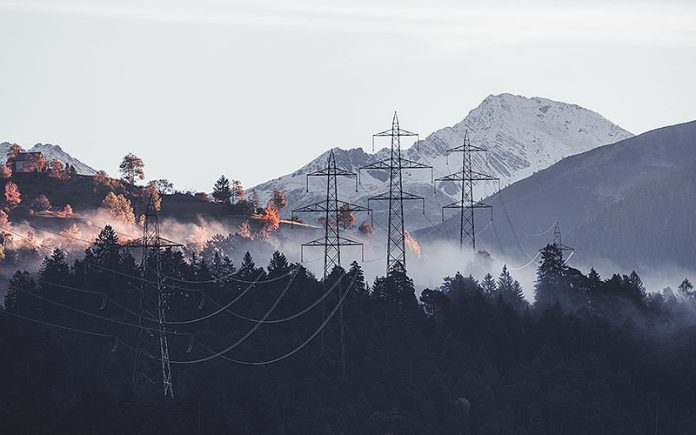
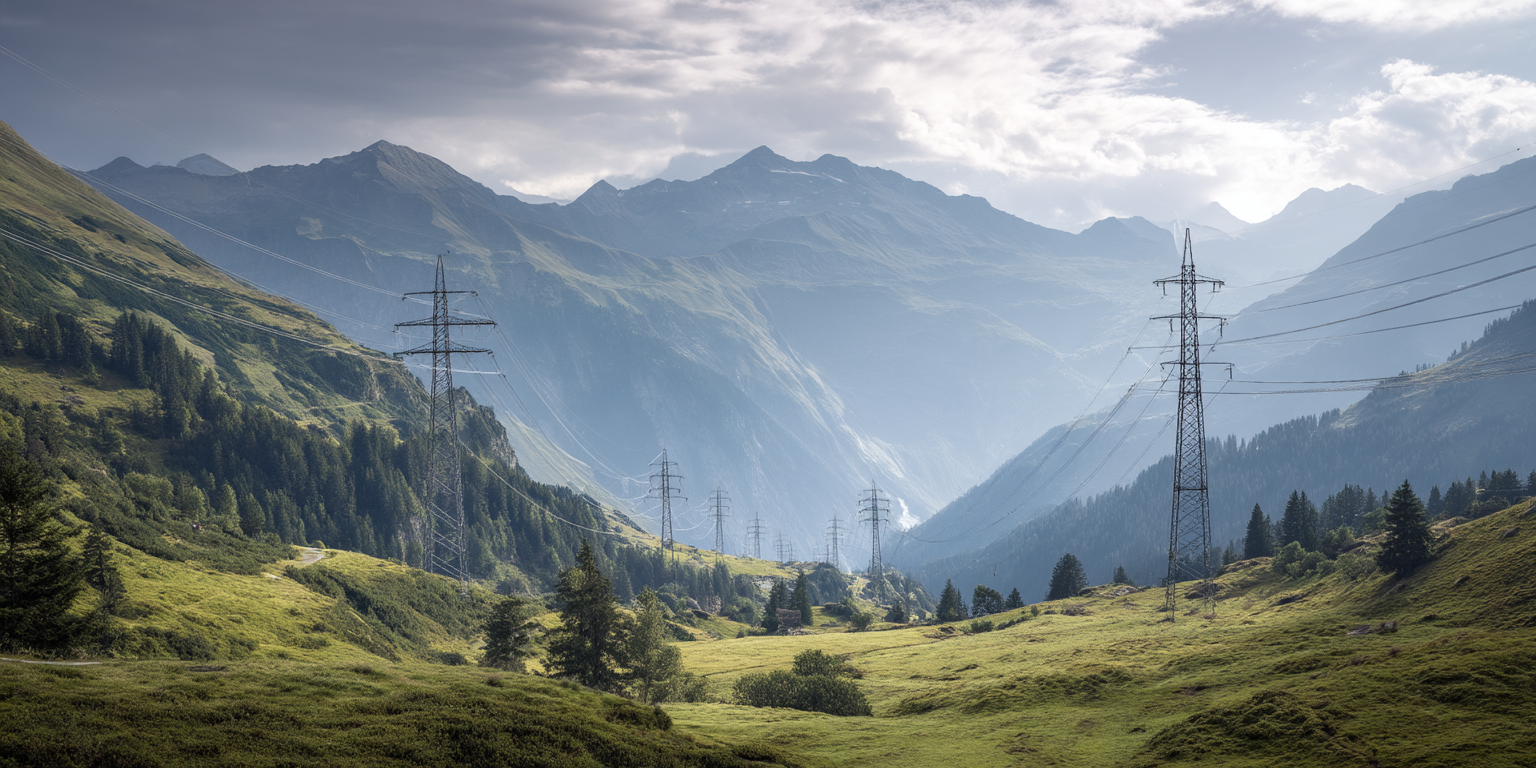
The Commission emphasises one key point. Transmission grid lines should primarily be realised as overhead lines. Underground cables remain the exception and should only be considered in special cases. However, this principle should not apply in construction zones.
The political priority is thus visibly shifting towards speed and feasibility. The more complex the balancing of interests, the longer procedures take. This is precisely where the bill wants to start and streamline planning processes.
More room for manoeuvre when replacing
The focus on existing buildings is particularly relevant. In the coming years, a large part of the grid infrastructure will reach the end of its service life. According to Swissgrid, structural bottlenecks are already noticeable today and two thirds of the 6,700 kilometre-long transmission grid is over 40 years old.
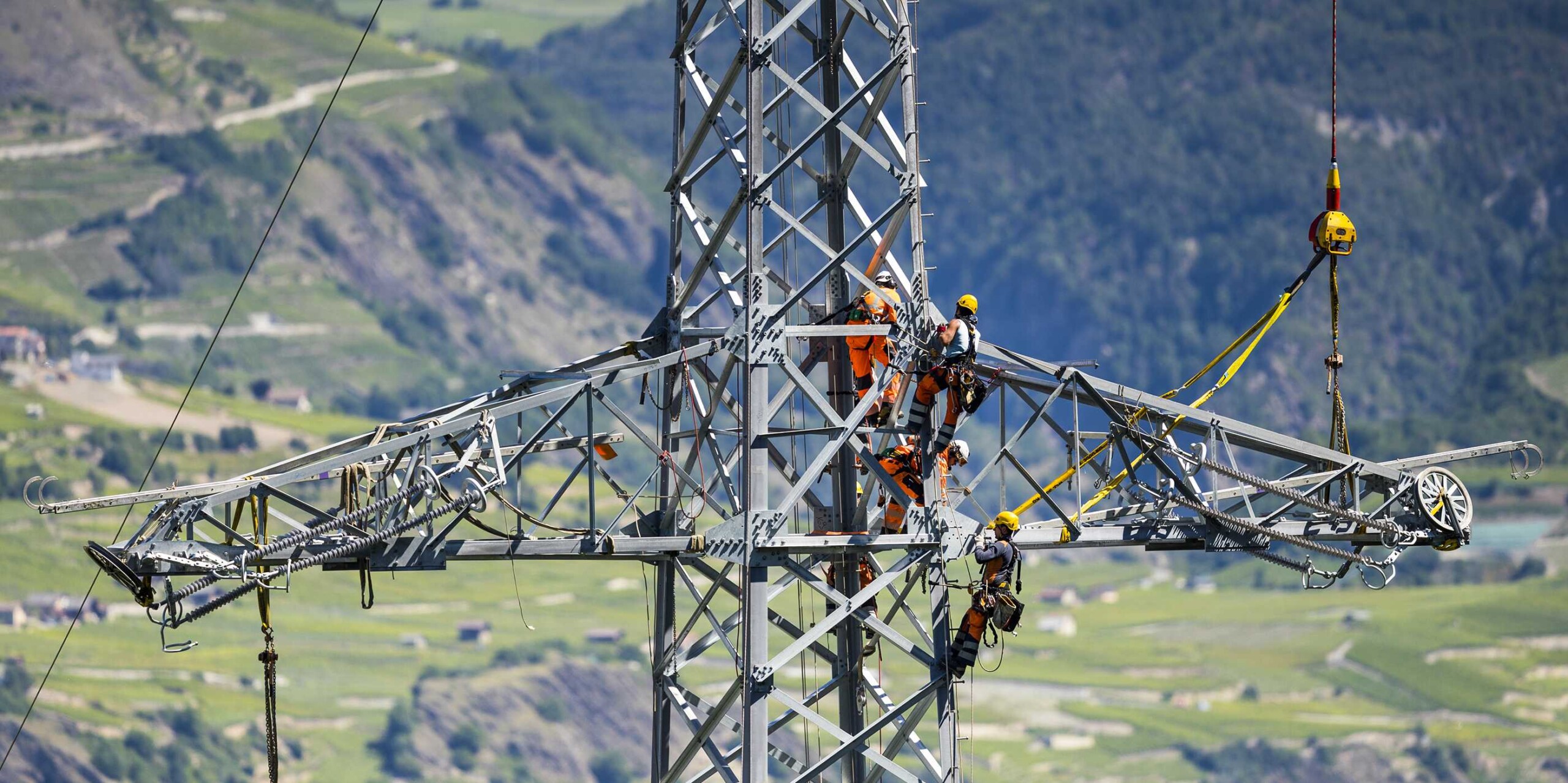
The Commission therefore wants to facilitate the replacement of existing high-voltage and extra-high-voltage lines, including on existing or directly neighbouring routes. This principle should now also apply to parts of the distribution grid above 36 kV. This is a signal with an impact. Not every grid expansion begins on a greenfield site. Much is decided by replacing the existing grid more quickly.
The silent hurdle of the energy transition
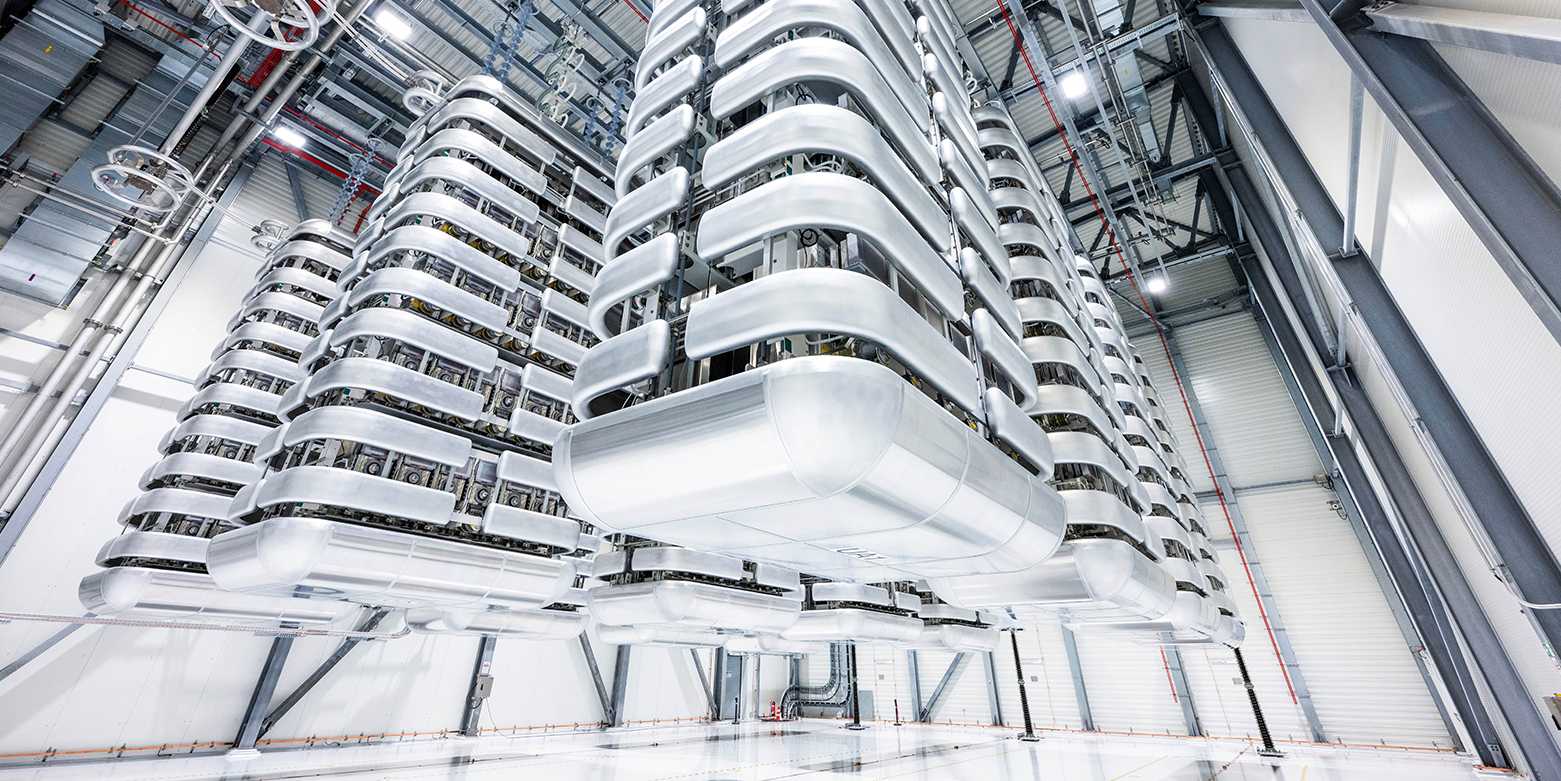
There is also a detail with a major impact. In future, transformer stations will also be possible outside the building zone under certain conditions if no suitable location can be found within the building zone. This also shows where the energy transition gets stuck in everyday life. Often not because of the strategy, but because of the land.
The proposal therefore hits a sore spot. Switzerland has accelerated the production of renewable energy, but the grid is threatening to become a bottleneck. If procedures continue to take years, it is not a lack of ideas that will slow down the turnaround, but a lack of lines.