Tag: Technologietransfer

  • Zurich sharpens its innovation profile

    Zurich sharpens its innovation profile

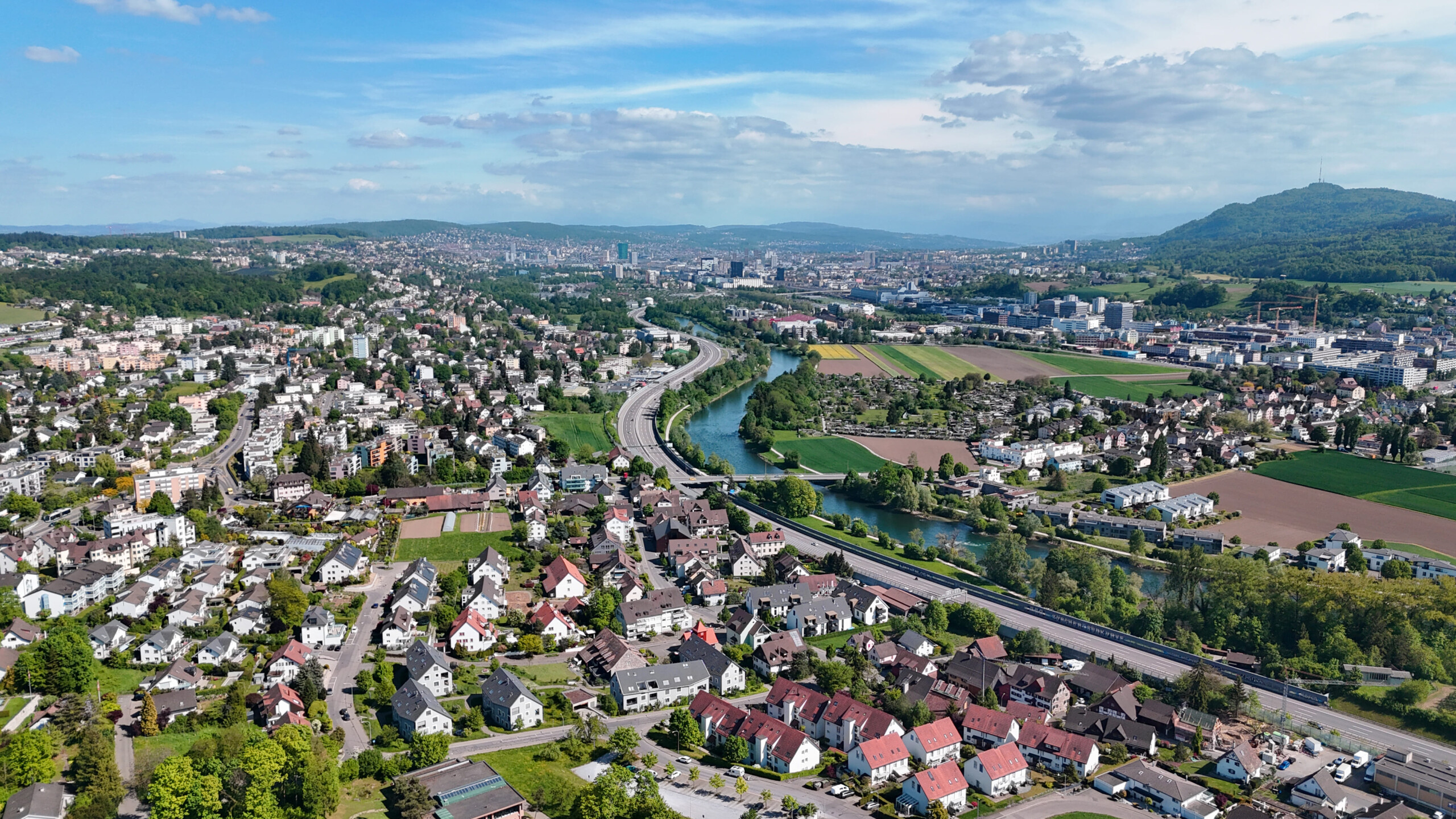
    The canton of Zurich is one of the strongest economic regions in Europe. However, even a top location comes under pressure when there is a shortage of skilled labour, development costs rise and global competition becomes tougher.

    This is precisely where the cantonal government comes in. It does not want to boost the innovation centre with individual actions, but rather strengthen it with reliable framework conditions. This Zurich approach is intended to bring research, entrepreneurship and application closer together.

    Five fields with a leverage effect
    The cantonal government has defined five key areas for the years 2027 to 2030. Semiconductors, space, environmental technologies, health and venture capital. The selection is no coincidence. All five areas combine technological dynamism with real growth opportunities.

    At the same time, they show where Zurich is heading. Not in short-term trends, but in fields in which industrial strength, research expertise and new markets overlap. This makes the strategy relevant in terms of economic policy.

    From the laboratory to the market
    The focus on implementation is particularly interesting. Innovation should be applied more quickly. This is precisely where many strong research centres are losing pace.

    For semiconductors, it is about access to chip design, clean rooms and technology transfer. In aerospace, Zurich wants to facilitate the development and scaling of new applications. In the healthcare sector, digital solutions are to be tested, validated and transferred to facilities more quickly. The ambition is clear. Not only invent, but also apply.

    Sustainability is becoming a location factor
    The focus on environmental technologies is also exciting. Sustainable mobility and recyclable construction are not only seen as an ecological task, but also as an economic opportunity.

    That is an important signal. Thinking about security of supply, climate targets and location quality together shifts sustainability from a niche to the centre of location policy. For Zurich in particular, this can create a new profile with international appeal.

    Capital is crucial
    Innovative companies need more than just good ideas. In the growth phase, they need capital that enables scaling. This is why the strategy also focuses on venture capital.

    For the first stage, the Government Council is applying for a framework credit of CHF 23 million. This is not a huge amount. But it marks a political decision of direction. Zurich not only wants to manage its innovative strength, but also translate it into added value and jobs.

  • EPFL Fribourg campus grows

    EPFL Fribourg campus grows

    The Swiss Federal Institute of Technology Lausanne (EPFL) and the Canton of Fribourg are intensifying their collaboration to develop the EPFL Fribourg campus into a leading center for sustainable construction. Six new chairs will gradually be established by 2030, bringing the campus to a total of ten chairs. This growth will strengthen research in the fields of the built environment, energy and climate and create new impetus for the Fribourg economy.

    At the heart of this development is the CWSC, an international center active in Lausanne and Fribourg. The aim of the CWSC is to develop innovative solutions for sustainable construction through research, education and technology transfer. It thus contributes to the global shift towards environmentally friendly and resource-efficient construction methods.

    Innovative Smart Living Lab as a center
    The new chairs will be housed in the SLL’s pioneering experimental building. Construction of the SLL building will begin in the first quarter of 2025 on the Bluefactory site, with commissioning planned for 2027. The building sets new standards. It serves as a pioneering project for energy efficiency and resource consumption over the entire life cycle.

    Thanks to its experimental features and digital twin technology, the SLL will become a multidisciplinary laboratory. Researchers from EPF Lausanne, HTA Fribourg and the University of Fribourg have state-of-the-art facilities at their disposal to test and further develop new technologies under real-life conditions.

    Stimulus for the Fribourg economy
    By strengthening the EPFL campus and the CWSC, the canton of Fribourg is making an important contribution to climate protection and sustainable development. At the same time, Fribourg’s economy, particularly the construction sector, benefits from this technology transfer. Companies gain access to innovative technologies and solutions that increase their competitiveness and open up new business areas.

    A strong network for the future
    The initiative builds on the existing collaboration between the EPF Lausanne, the School of Engineering and Architecture and the University of Fribourg. This partnership strengthens regional innovation and promotes the development of sustainable construction methods that meet both ecological and economic requirements.

    The expansion of the EPFL Fribourg campus and the establishment of the CWSC will provide a strong impetus for research, innovation and the economy. Fribourg is thus becoming a central location for sustainable construction and a pioneering region in the fight against climate change.