Tag: Umzonung

  • Three exceptions to planning security for Bremgarten

    Three exceptions to planning security for Bremgarten

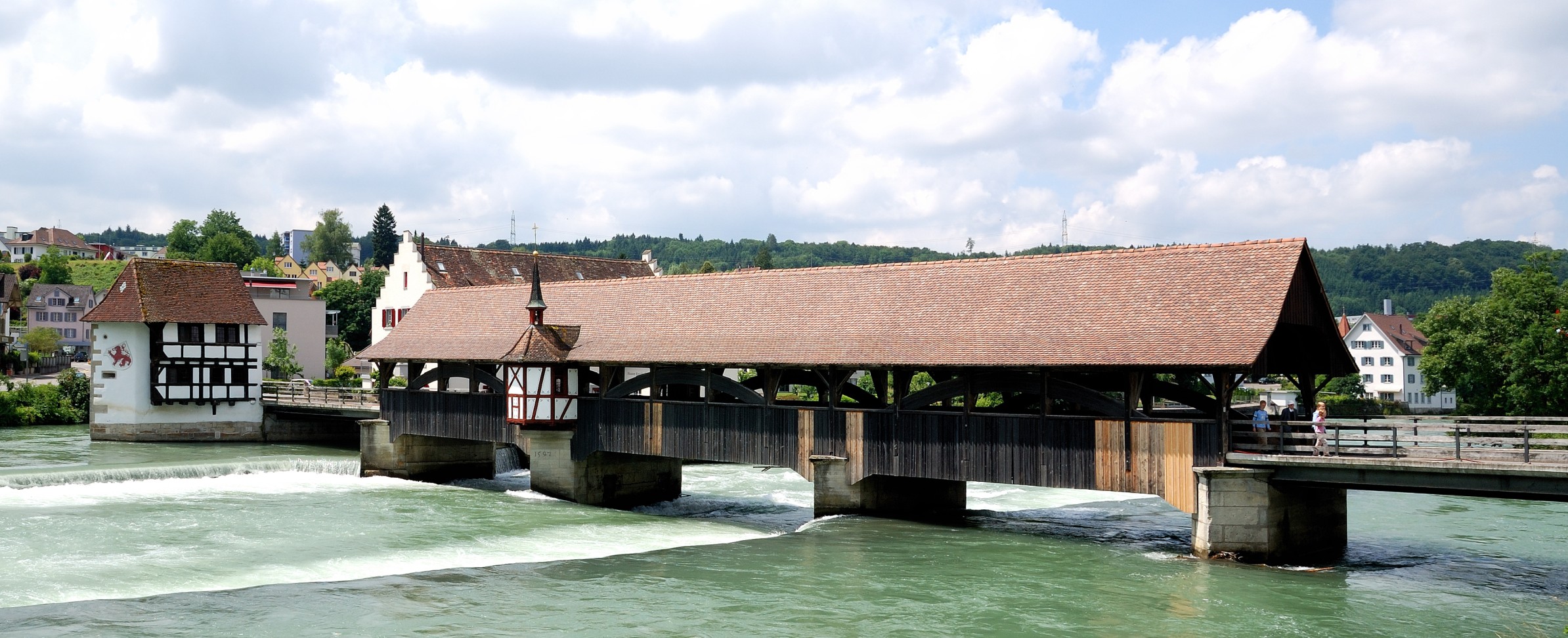
    Bremgarten began the overall revision of its land use planning over seven years ago. Regulations and documents were revised in several stages, always with the involvement of the population. In October 2024, the municipal assembly approved the revision, followed by approval from the cantonal government in December 2025. Two appeals lodged against this were both rejected.

    Rezoning as the centerpiece
    The most important measure in the settlement area is the rezoning of the Oberebene area from a pure work zone to a new residential and work zone. At the same time, a core zone for the development of the station area will be established and the Oberebene work zone will be strengthened as an economic focus of regional importance. This creates scope for investment and urban development.

    New regulations for cultural land and the old town
    The cultural land plan establishes binding overarching open spaces and water areas. This includes the water and migratory bird reserve of national importance. The regulations for building in the old town were also reviewed and clarified. An important signal for property owners and investors who need planning security.

    Three points still open
    The government council sent back three amendments. The non-protection of two properties at Birrenbergstrasse 10 and Glärnischweg 5/7 and the proposed deletion without replacement of a paragraph on roof breakthroughs in the building and usage regulations. In November 2025, the city council had already secured a loan of 200,000 francs for the reprocessing.

    Municipality to decide in June
    The municipal assembly will meet again on June 11, 2026. This is when the three rejected items are to be finally resolved. Bremgarten is nearing the end of a long planning process and the start of a new phase of urban development.

  • Relocation creates development opportunity with lake view

    Relocation creates development opportunity with lake view

    Because it no longer meets the current requirements for a modern health centre, Lucerne Cantonal Hospital will be relocated to Schenkon together with the Seeblick nursing home. According to a statement, the canton, as the owner, and the city of Sursee want to plan an attractive future for the 47,000 square metre site.

    Initial assessments indicate that the site is suitable for mixed-use development with residential and commercial premises. This would allow for the creation of residential facilities for families, couples, singles and senior citizens, with services and restaurants completing the site. The site, located above Lake Sempach, is in close proximity to the old town of Sursee and already has good access to various modes of transport.

    “The move opens up a unique opportunity to repurpose the previous location in Sursee,” said Reto Wyss, member of the cantonal government, in the announcement. “This attractive site with lake views in a good location is to be rezoned for this purpose. The next planning steps will show what is feasible and where.” The planning phase for the new neighbourhood is set to begin in spring 2026, when the hospital starts to move. Various meetings with the local population and interest groups are planned. The site is expected to be vacant from 2034 and could be redeveloped. The possibility of incorporating the existing building fabric is also being considered.

  • Master plan for the Jenny site

    Master plan for the Jenny site

    The approximately 30-hectare Jenny site of Fritz Caspar Jenny AG is deeply rooted in the industrial history of the Glarus region. Where textile production has taken place since 1834, a multi-layered site with new prospects is being created today. The proximity to Ziegelbrücke railroad station, the size of the site and the existing infrastructure make the area a key location for economic and urban development in the canton.

    Planning with vision and participation
    A strategic master plan was developed as part of a multi-stage process, based on comprehensive test planning with four interdisciplinary teams. The resulting findings form the basis for a long-term development that is aligned with regional spatial planning, economic potential and social diversity. The winning design by Blättler Dafflon Architekten with Tony Fretton Architects and Studio Vulkan impressed with its strong combination of nature, building culture and open spaces.

    Diverse use as a location strategy
    The site already combines a variety of uses. From the Carlsberg Supply Company to creative work and residential forms such as Loft Z25 and the Glarus cantonal vocational school. The master plan builds on this diversity and expands it to include new educational, service and residential facilities. A hotel project is also being examined. The aim is to permanently establish and sustainably revitalize the Jenny site as a business, residential and educational location.

    Building culture as an identity-forming element
    Respectful treatment of the architectural heritage is central to the development. The site is part of the inventory of sites worthy of protection in Switzerland. Existing buildings of architectural and historical significance are to be preserved and integrated in a targeted manner. The listed riding stable, for example, is intended to enrich the new site concept as a defining element and contribute to the identity of the location.

    Focus on the legal framework
    The implementation of the master plan requires adapted land use planning. The project is currently awaiting the legal validity of land use planning II of the municipality of Glarus Nord. The first steps towards rezoning have been taken, but key legal requirements are still outstanding. Once this process has been completed, the development potential of the Jenny site can be fully exploited. A decisive step for the future of the site.