Tag: Urban

  • Densification changes cities

    Densification changes cities

    The study “Construction activity and displacement”, carried out by ETH Zurich on behalf of the Federal Office for Housing, shows that over the last two decades, settlement development in Switzerland has clearly been inward-looking. New housing is being built in urban areas, primarily through replacement construction and the conversion of industrial and commercial zones, rather than on greenfield sites. In cities such as Basel, a quarter of new flats were built on former industrial sites.

    More flats despite fewer new builds
    Although the number of newly built residential buildings is falling slightly, the net number of flats continues to increase. This is due to the efficiency of densification. In Basel, Geneva and Lausanne, up to twice as many new units are being built per demolished flat than in Bern or Zurich. Densification is thus becoming the central lever for creating living space in densely populated areas.

    Who is being displaced?
    The downside of densification can be seen in the social composition of the neighbourhoods affected. In Zurich in particular, long-term tenants often lose their homes due to demolition or total refurbishment. Those who have to move out often have a significantly lower income, up to 40 per cent less than the average. In contrast, households with above-average incomes move into new builds.

    Migration and income as a risk factor
    The study also reveals structural disadvantages. Asylum seekers, refugees and people of African descent are disproportionately affected by displacement. This means that structural densification particularly affects those who are most dependent on affordable housing and who often can no longer find it in the same municipality. Nevertheless, a considerable proportion of those affected, up to 64 per cent, manage to stay within their municipality.

    Cities in transition – socially balanced?
    From a spatial planning perspective, densification is sensible and necessary. However, it not only changes the cityscape, but also the social structure of neighbourhoods. The challenge in the coming years will be to shape change in such a way that it does not lead to social division, but to mixed, resilient cities with living space for everyone.

  • Building the future means taking responsibility

    Building the future means taking responsibility

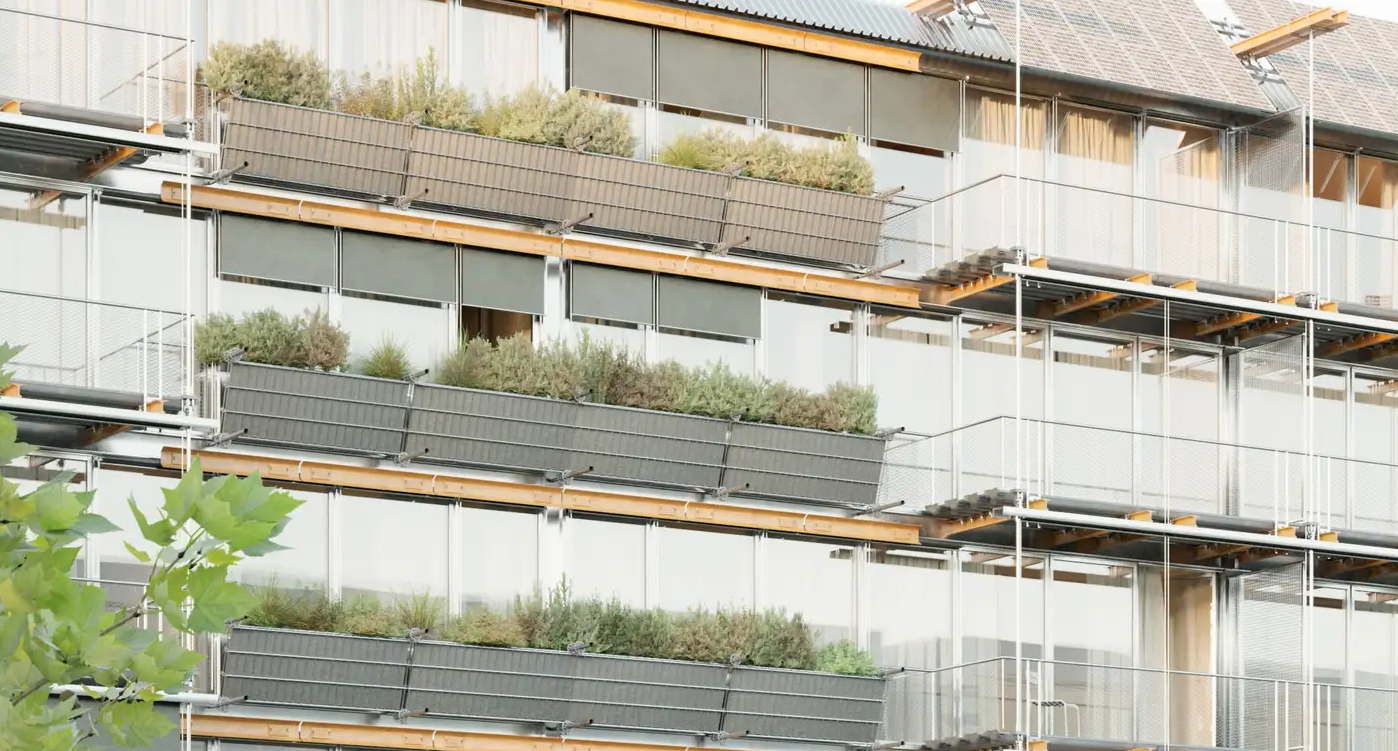
    Mr Binkert, you have been working in property development for decades. What drives you personally and what is your vision for the future of architecture and property development?property development is also spatial development. With every building, we change our environment, the space around us. This change should be an improvement, not a deterioration. I am concerned with the question of the rules that we must observe to ensure that our built environment remains sustainable, liveable and fit for the future. I see the future of property development in creative, holistic planning that combines social needs with technological possibilities and puts people and the environment at the centre.

    Which project has had a particular impact on you?
    Every project broadens the horizon of experience – but Greencity Zurich was a turning point for me. It was the first time we developed concrete rules for Losinger Marazzi on how a neighbourhood has to be planned, built and operated in order to be considered truly sustainable. This project showed me how profound an impact sustainability can have when it is systematically thought through and implemented. The fact that Losinger Marazzi emerged as Switzerland’s first “green general contractor” was a strong sign that sustainability can also be a model for economic success.

    As President of the 2000-Watt Smart Cities Association, you are committed to sustainable and energy-efficient cities. How do you specifically integrate sustainability aspects into your projects?
    In Greencity Zurich, we developed comprehensive rules for the planning, construction and operation of a sustainable urban district for the first time. This resulted in the “2000-Watt-Areal” label, which has certified over 50 urban neighbourhoods throughout Switzerland. Today, we are developing it further under the authorisation of the Swiss Federal Office of Energy – with a view to the smart city. We were recently able to certify the first project in India.

    The biggest challenge remains the balance between ecological, social and economic sustainability – especially internationally. In China, social demands are difficult to realise, in Brazil there is often a lack of environmental understanding, in the Emirates economic efficiency is not an issue. In Switzerland, too, it takes empathy, understanding and perseverance to implement viable, sustainable solutions.

    You have international experience, including in the USA and India. What differences and similarities do you see in urban development between Switzerland and these countries?
    The main difference lies in the pace of growth: emerging countries with rapidly growing populations need a lot of new space quickly and cheaply – often at the expense of quality. There, sustainability is a promise for the future that is often met with scepticism. Sustainability costs a lot in the short term, but only yields returns in the long term, but then, according to our assumptions, it covers the costs many times over.

    In the western world – where growth is stagnating or declining – other values take centre stage: social justice, the circular economy, biodiversity. Here, sustainable development is increasingly seen as a prerequisite for quality of life. However, the demand that the West must also pay for sustainable development in emerging countries is also pushing wealthy countries like Switzerland to their limits.

    What trends do you see in future urban and area development and how do you envisage the forms of housing of the future, particularly with regard to demographic change, increasing urbanisation and densification?
    We are at a turning point. The construction industry urgently needs to catch up in areas such as digitalisation, automation and artificial intelligence. We are still building “brick and mortar” – as in Roman times. While basic human needs have hardly changed, the technical possibilities certainly have. The megatrends – demographic change, health, the future of work, the climate crisis – require new answers to the question of how we live. We must have the courage to question the status quo, break new ground and try out solutions that did not exist in the past.

    The “housingisation of Switzerland” cannot continue. What used to work in a Switzerland with 6 million inhabitants and limited mobility is now leading to collapse. We need to see ourselves more as part of the universe again, in which we are just one of many species – not as dominators. Every day we see the consequences of our short-sighted use of finite resources, diminishing biodiversity and the waste of energy.

    In future, we will move closer together, make space for others, live more efficiently and with greater sufficiency. To ensure that this does not diminish our quality of life, we need to make better use of the technological opportunities that are already available to us today and those that we will develop in the future. We will live more urbanised lives than we do today, we will meet our daily needs within walking distance and we will be better connected.

    We have now reached 9 million inhabitants in Switzerland. The property industry has been talking about a Switzerland of 10 million for some time now. In your opinion, are we sufficiently prepared for this and where do you still see a need to catch up?
    The idea of a Switzerland of 10 million is already outdated. If we want to enable our ageing society to live comfortably, we need an additional young and well-educated workforce – we need a 12-million-strong Switzerland! We must offer sustainable solutions to the expected migration flows of climate refugees and war refugees without jeopardising our culture and history. The faster and better we prepare for this, the more we will be able to benefit from it.

    We are ill-prepared for the exogenous paradigm shifts. Although we are aware of the pull of the big cities, we do not offer any alternatives. We still work with zoning plans, even though these are no longer able to reflect our production and our way of life. We stare spellbound at the successful crowd-pullers of Zurich, Basel and Geneva instead of recognising and exploiting the dormant qualities of small towns such as Lenzburg, Brugg, Wetzikon or Glarus. There is an urgent need to catch up here.

    Our vision of Smart City Switzerland is not a megacity with a sprawling agglomeration – quite the opposite: we are proposing to become more compartmentalised again. It is not the large Swiss cities that should grow, but the medium-sized and well-connected smaller cities that should become denser and more urbanised – with plenty of green space in between. Urbanisation includes the improvement of amenities, cultural enhancement and, in particular, the creation of new jobs. And where research on settlement development identifies gaps in the urban network, we must also have the courage to build new cities.

    What roles and long-term vision do you see for the Glarus economic region and which key projects will characterise the coming years?
    Glarus North is the economic backbone of the canton – with its location, infrastructure and proximity to the Zurich economic area, it offers enormous potential for production and services. Glarus South, on the other hand, scores highly in terms of nature, recreational value and quality of life. These two areas should be considered much more in terms of a functional symbiosis. The Glarus 2030 vision shows clear prospects for this, but it needs to be supported more broadly. Key projects in Näfels-Mollis and Niederurnen-Oberurnen would be ideal catalysts, but have so far been underutilised – not even in the recently adopted municipal structure planning. Narrow cantonal and federal regulations on building zone dimensions are slowing down development – there needs to be room for manoeuvre for future-oriented solutions.

    One of your students’ Master’s theses analyses Glarus North as a potential sub-centre in the Zurich economic region. How do you assess the development potential of this region, particularly with regard to infrastructure, industries, jobs
    and housing?

    The potential of Glarus North is impressive. Our studies on Smart City Switzerland show that there is space for a medium-sized city on both sides of Lake Walen – but whether this is created in Glarus North, Ausserschwyz or Sarganserland ultimately depends on the political will of the residents.
    The aforementioned HSLU master’s thesis examines the relationship between the large city of Zurich and the surrounding sub-centres (nodes of second centrality). The current situation of the brain drain and the salary mercenaries who commute back and forth between rural Glarus and urban Zurich is contrasted with the vision of the 15-minute town of Glarus Nord. The master’s thesis confirms the interdependence of spatial planning and economic development, of densification and diversity of use, of jobs and living space.

    What needs to happen from a planning and political perspective so that Glarus not only grows, but also helps to shape the future?
    From the perspective of Smart City Switzerland, the Federal Office for Spatial Development ARE must revise spatial planning throughout Switzerland and create new open spaces for densified settlement development. On this basis, existing cities can be densified or even new regional cities (nodes of second centrality) and small towns (nodes of third centrality) can be developed.

    For Glarus, this specifically means active lobbying in Bern to position Glarus North as a business location. This is the only way for the canton to free itself from the role of passive follower in financial equalisation. A clear decision needs to be made between a wait-and-see approach and active participation. If you want to help shape the future, you have to invest – in planning and development, infrastructure, location marketing and political persuasion.

    What role does the cantonal structure plan play in this and what influence can be exerted at communal level?
    The cantonal structure plan reflects the current situation and takes a linear approach. It does not reflect the paradigm shifts that we will be facing in the coming years. The structure plan also offers insufficient flexibility to be able to react to the new exogenous and endogenous challenges.

    The scope for influencing the overarching structure plan is limited. The municipality is dependent on the canton, and the canton in turn is dependent on the federal government. In addition, the requirement for planning consistency makes any innovation difficult. The reaction times are too long. Nevertheless, there are levers: pilot projects and development centres (ESP) make it possible to test innovative ideas and try out new urban models.

    Today’s 105th immoTable in Glarus makes an important contribution to the urgently needed discussion on whether Glarus wants to become a location for the future.

  • MFO-West becomes an urban neighbourhood

    MFO-West becomes an urban neighbourhood

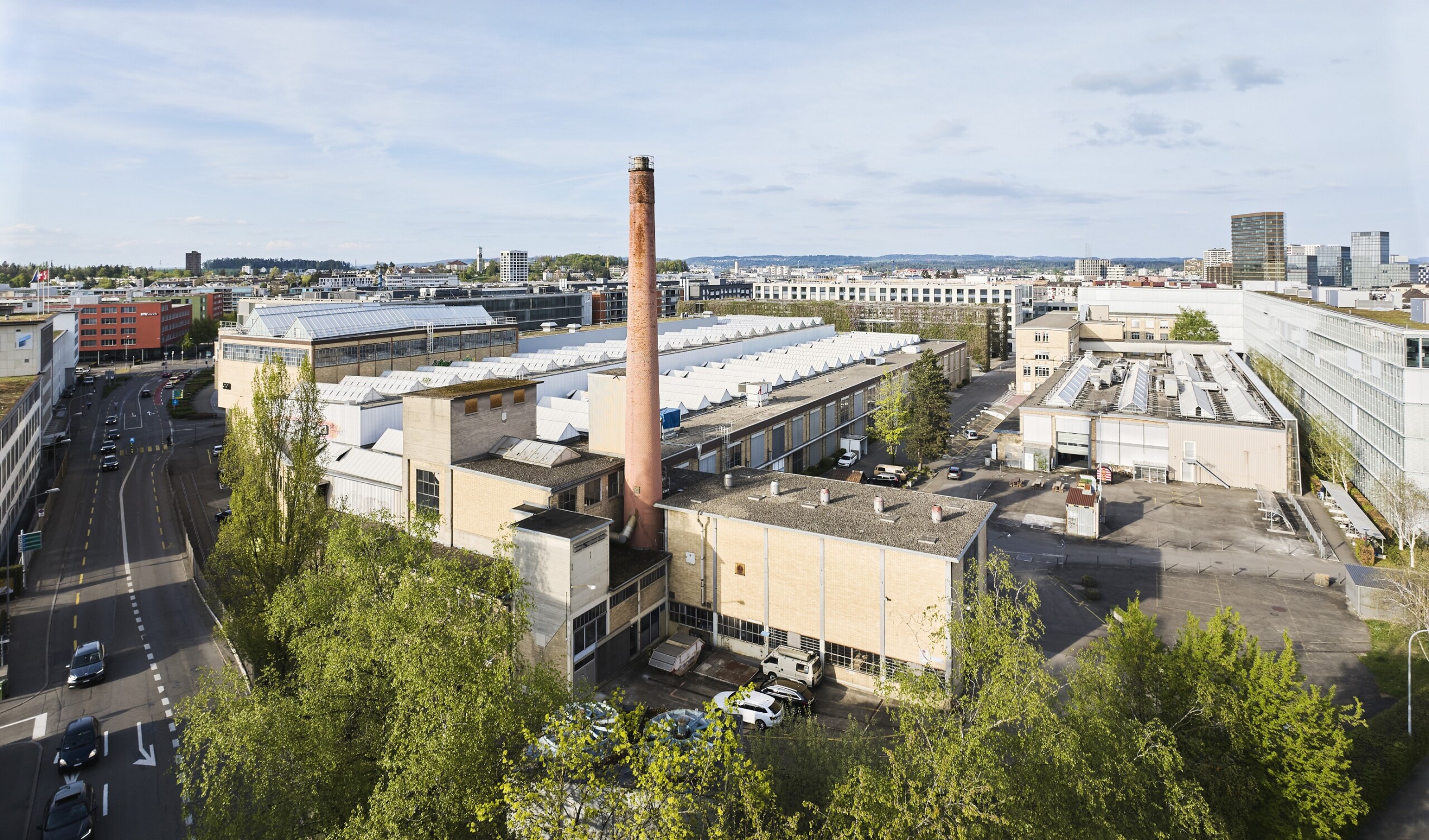
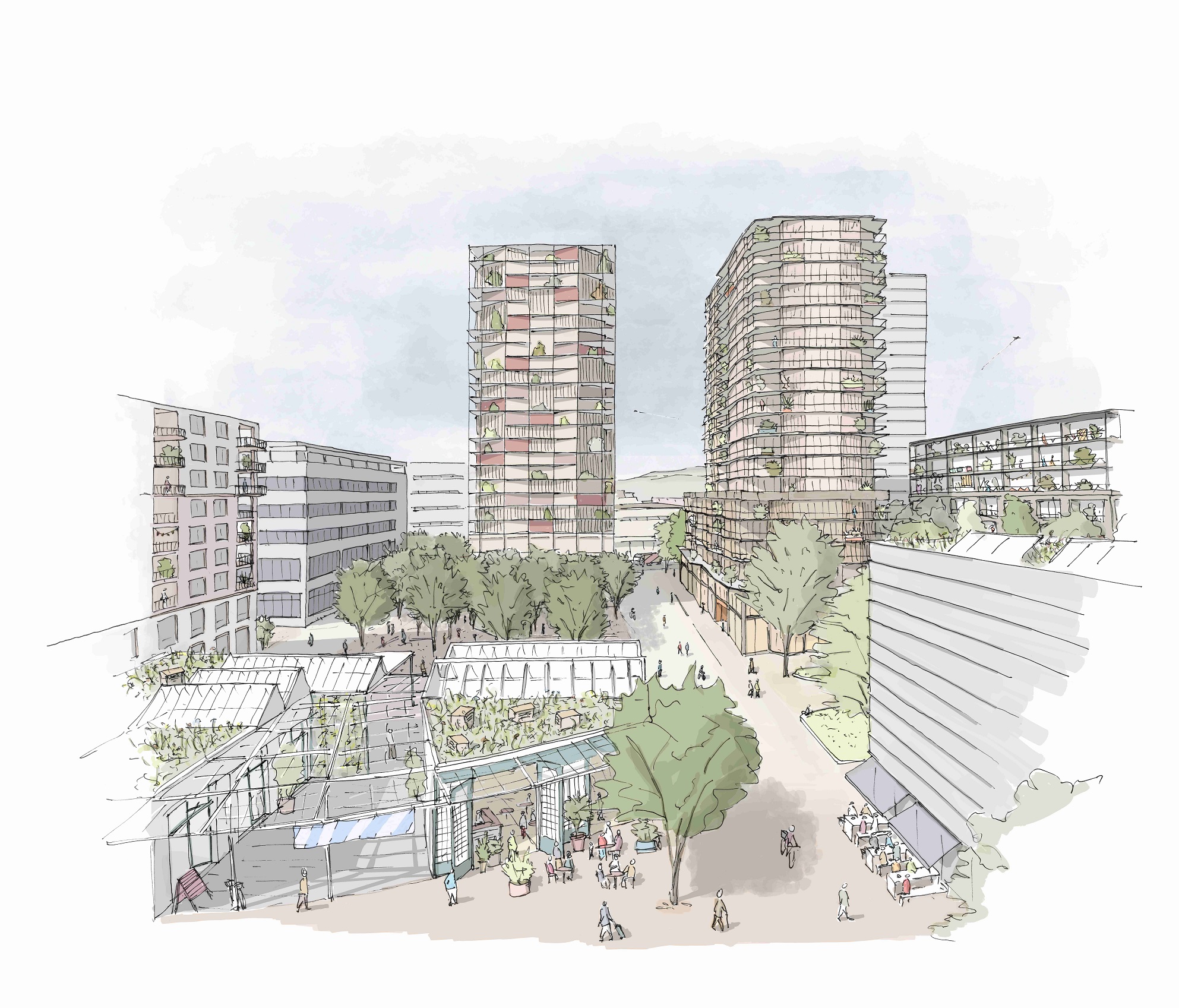
    The purchase of the 25,500 m² ABB site by the City of Zurich for a net CHF 106 million is more than just a land purchase. It is a strategic decision with a long-term impact. Thanks to the urban development contract concluded in 2021 and the special building regulations that come into force in 2025, Zurich can shape the future on a centrally located piece of the city. With high density, mixed uses and consistent citizen participation.

    Transformation through participation
    A key success factor is the early and transparent involvement of residents, associations and neighbourhood organisations. The needs of the neighbourhood were directly incorporated into the participatory strategy process. This turned an industrial site into an urban development concept with a high level of social acceptance. Urban planning thus not only gains space, but also trust.

    Mix of uses as a driver of innovation
    The utilisation concept envisages three new construction zones and three existing areas. A mix of non-profit housing, neighbourhood supply, creative commercial use and publicly accessible open spaces is planned. The House for Culture and Circular Economy is a flagship project for innovative urban utilisation. The combination of culture, sustainability and economic activity makes the site a catalyst for new value creation models in urban areas.

    Temporary use as an impetus for location quality
    Before construction work begins, halls and open spaces are used temporarily in a targeted manner. A strategy that brings life to the neighbourhood, promotes social contacts and creates identity even before construction begins. Interim uses are increasingly recognised as a success factor for the attractiveness of locations and resilience in transformation areas.

    Public-private partnership with a role model function
    ABB remains anchored in Oerlikon with 500 jobs and supports the development. The project shows how forward-looking urban development can work constructively with private owners. A model that can be transferred to other urban conversion sites. The combination of urban management and entrepreneurial willingness to co-operate points the way forward.

    MFO-West is not an isolated case, but an exemplary model for the urban transformation of former industrial sites. Those who invest in such development areas can help shape new urban qualities. From social integration and innovative utilisation concepts to sustainable value creation. In times of housing shortages, climate targets and new forms of mobility, sites like MFO-West are the key to the city of tomorrow.

  • LG site becomes an urban neighbourhood

    LG site becomes an urban neighbourhood

    The transformation of the LG site aims to create a lively, open district characterised by architectural quality and urban flair. The project is based on a development plan that ensures that urban development and architectural standards as well as social and ecological aspects are incorporated into the planning. In a study process, the team Salewski Nater Kretz, pool Architekten, Studio Vulkan Landschaftsarchitektur and mrs partner were selected as the winners, whose concept forms the basis for the neighbourhood development.

    Purchase of land by the city of Zug
    In order to influence the urban use and price development on the LG site in the long term, the city of Zug is planning to purchase a central plot of land on Theilerplatz. The cost of the plot amounts to CHF 65 million. This transaction will soon be dealt with by the Grand Municipal Council. This acquisition will enable the city of Zug to influence the design of the neighbourhood and ensure that affordable living space is created in the heart of Zug in the near future, as demanded by the people of Zug in June 2023 when they approved the 2000-apartment initiative.

    Remodelling work on the LG site
    While the long-term development plans for the upgrading of the LG site are in the political planning process, two existing buildings on the UBS Fund Management (Switzerland) AG site are currently being renovated. These are Gartenstadt 2a and the brick building at Zählerweg 3-9, both of which are adjacent to the Shedhalle with the “Freiruum”. This renovation is being carried out by property developer and total contractor Losinger Marazzi AG outside of the ordinary development plan procedure on the LGAreal and is being implemented in stages.

    Occupation by 2027
    The building at Gartenstadt 2a should be completed by mid-2026 and provide space for new commercial tenants. The 60 or so flats at Zählerweg 3-9, on the other hand, are expected to be ready for occupation in early 2027. If everything goes according to plan, the “Freiruum” will move into the ground floor of the 200-metre-long building at this time. Once the LG-Areal development plan comes into force, the Shedhalle can be renovated in a further stage in order to offer the “Freiruum” its long-term premises from 2029.
    New urban neighbourhood
    By 2032, the once “forbidden city” will become an open and mixed neighbourhood with an industrial character and urban flair. Around 1,200 flats and 2,300 jobs will one day be on offer. Theilerplatz, the heart of the new urban quarter, will be transformed into a central meeting place for neighbourhood residents and the city’s population with inviting places to spend time and green open spaces.

  • SBB continues to develop Basel

    SBB continues to develop Basel

    With the “Wolf Basel” project, SBB is transforming a 160,000 square metre site in the east of the city into a lively, sustainable urban quarter. The transformation is exemplary for the intelligent densification of urban spaces. Living, working, leisure and logistics are to coexist here in a new form that conserves resources, is sustainable and integrated into the existing urban structure.

    Construction work on the western part of the site will start in 2027. SBB has sought and found top architectural and functional solutions in two competitions. The jury, consisting of independent experts and representatives of the client and the Canton of Basel-Stadt, has now recommended the projects “Janus” by ARGE Experience from Paris with M-AP Architects from Lausanne and “Binaria” by ARGE Parabase GmbH and Confirm AG from Basel for realisation. The two new ten-storey buildings will offer around 300 flats and set standards in terms of sustainability, quality of living and architectural integration.

    Sustainability meets urban innovation
    The planned residential buildings reflect the changes in urban development. The flats are designed for different lifestyles, and communal areas in the ground floor zones promote social interaction. The roofs not only serve as a source of energy through photovoltaics, but also as water reservoirs and in some cases as accessible recreational areas. Photovoltaic elements on the façades, greenery, renewable heating systems and sophisticated systems for cooling in summer are all part of a comprehensive energy concept.

    The project also sets new standards in terms of construction. Screw connections replace adhesive joints, modular structures allow for later conversion or dismantling, making design for disassembly a reality. Wolf Basel thus presents itself not only as an urban development model, but also as a technical model for the future.

    Identity is created through dialogue
    Even before construction begins, the site will be opened up for interim uses, experiments and participation. A historic railway hall has recently been used as a temporary pickleball court, bringing movement to the centre of the development area. In addition, various spaces are available for longer-term uses in the areas of culture, leisure and catering. SBB is calling on people to submit creative ideas and play an active role in shaping the future neighbourhood.

    The opening is more than just a gesture, it is part of a strategy in which urban development is understood as a participatory process. This creates an emotional bond with the neighbourhood and its future identity at an early stage.

    Staged construction with vision
    Construction of Wolf Basel is scheduled to start in 2027. In the first phase, the residential buildings will be built in the western part of the site, including a third in the affordable segment by non-profit property developers. At the same time, the Urban Hub, a public space offering catering, sport, culture and services, will be developed in the middle section. In a second phase, expected from 2031, commercial and service buildings with around 1,000 workplaces will follow in the eastern section.

    The entire project is based on the legally binding development plan dated 2 May 2023 and is an example of the high-quality development of inner-city potential areas in Switzerland.

  • More transparency, more clarity in tenancy law

    More transparency, more clarity in tenancy law

    With the amendment to the ordinance, which comes into force on 1 October 2025, the Federal Council is responding to ongoing criticism of the lack of transparency in the determination of the initial rent. The most recent values of the reference interest rate and the national consumer price index must now be shown on the form for new lettings in cantons where forms are mandatory.

    The aim is to make it easier for tenants to recognise whether a rent is justified or contestable. This not only increases confidence in the rental housing market, but also makes it easier for investors and institutional landlords to plan ahead.

    Urban centres are particularly affected
    The change affects cantons with mandatory forms such as Zurich, Geneva, Basel, Lucerne and Zug. These are regions in which the majority of new tenancies are concluded. There, the official and private forms must be adapted and approved by 1 October 2025 at the latest. Failure to do so could result in the tenancy agreement being classed as invalid with regard to the initial rent. This is a legal risk that professional property owners should not ignore.

    At the same time, the Federal Council is easing the administrative burden for graduated rents. A simple written notification of the rent increase is now sufficient; an official form is no longer required.

    Foundation for a future-proof rent model
    The existing calculation model for rent adjustments, which dates back to the 1980s, is to be fundamentally revised. This is a political response to studies that judge the current model to be outdated. In future, the focus will be on realistic cost assumptions for capital, maintenance and administration, another development that is particularly important for institutional investors and project developers.

  • Answers to the challenges of the urban future

    Answers to the challenges of the urban future

    Around 56% of the world’s population currently lives in cities, a figure that is set to rise to 70% by 2050. This urbanisation brings with it numerous challenges, including increasing demands on space and land use as well as conflicting objectives between different sectors. Forward-looking planning is essential in order to make cities, rural areas and the areas in between fit for the future. BAU 2025 will show what answers already exist and where new approaches need to be developed.

    Blurring boundaries between urban and rural areas
    Traditionally, urban and rural areas were defined by clear geographical and functional boundaries: cities as centres of population, industry and services and the countryside as an agricultural area. However, these boundaries are becoming increasingly blurred and the challenges facing urban and rural areas and the space in between are becoming more and more similar. Issues such as demographic change, necessary infrastructure, mobility and sustainable spatial planning and settlement development affect all regions equally.

    Spatial planning and spatial development
    The tasks of spatial planning and spatial development are central to the sustainable design of our living spaces. These range from sustainable land use and the avoidance of land sealing to the promotion of social integration and quality of life. The “New Leipzig Charter” serves as a policy document of the National Urban Development Policy and offers guidelines for innovative and sustainable solutions in urban planning and neighbourhood development. The digital transformation and changing demands on consumption and mobility require a new mix of production, work and living in favour of vibrant neighbourhoods.

    Transformation of existing buildings
    The adaptation and upgrading of existing buildings is a key future task for the construction industry. Intelligent concepts for the flexible conversion and continued use of existing buildings help to preserve cultural identity and minimise emissions. Examples of this include the conversion of former industrial sites into vibrant urban districts and inner development in rural areas, which revitalises and uses existing buildings. Innovative projects combine public infrastructure and social services, promote the sustainable use of resources and revitalise town centres.

    Ecological transformation as an investment in the future
    The ecological transformation of our cities and rural areas is a genuine investment in the future. It leads to climate-friendly living conditions and offers economic added value for everyone involved. Architects, interior and landscape architects and urban planners combine ecological, social, economic, functional and design aspects and support the harmonisation of individual interests with the common good. Prof. Lydia Haack, President of the Bavarian Chamber of Architects, emphasises the importance of “ClimateCultureCompetence” and the responsibility of members to drive forward the ecological transformation in planning and construction.

    Affordable housing
    Affordable housing is crucial for stabilising local communities and the economy. The creation of 400,000 homes per year, as agreed in the coalition agreement, contrasts with the decline in residential building permits. New strategies for repurposing existing buildings, such as office buildings or hospitals, as well as innovative forms of housing that focus on community and openness, are approaches to creating affordable housing and promoting social interaction.

    New formats and processes
    Sustainable development in urban, spatial and regional planning requires new processes, methods and tools in order to be able to react quickly to current challenges. The rapid digitalisation and technological progress of the last 20 years require dynamic processes that need to be continuously adapted. Scenario development and innovative participation formats promote new ways of co-design and acceptance. Best practices and scalable impulses will be presented at BAU 2025, as will the necessary product and system innovations.

  • A world centre for internationality and innovation

    A world centre for internationality and innovation

    Geneva plays a central role on the international stage, not only as the home of the United Nations and nearly 400 NGOs, but also as the headquarters of numerous multinationals, particularly in the fields of research and development. This position underlines Geneva’s importance as a global centre for international cooperation, supported by an academic landscape that is among the best in the world.

    Excellence in infrastructure
    As one of the most business-friendly cities in Europe, Geneva has an excellent infrastructure that attracts international conferences and business travellers. Geneva International Airport, just a few minutes from the city centre, offers direct flights to some 150 destinations worldwide. The well-developed international rail network, including the TGV, which reaches Paris in just three hours, and the Léman Express, Europe’s largest regional rail network, considerably enhances Geneva’s accessibility.

    Promoting multilateral discussions
    Geneva hosts major international discussions, from the United Nations to world economic forums and the International Committee of the Red Cross. These discussions are part of Geneva’s heritage and reflect the city as a crossroads for international negotiations and arbitration. Here, the World Intellectual Property Organisation documents the many innovations that have emerged from local research and development centres.

    Sustainable urban development
    In addition to its role as an international centre, Geneva is setting new standards in sustainable urban development. A subsidy programme with a budget of CHF 500 million is aimed at accelerating the energy renovation of buildings and meeting climate targets. This commitment shows that Geneva is striving to achieve climate neutrality by 2050, and supports private and public property owners in modernising their real estate.
    Geneva is an impressive demonstration of how a city can be both a centre of international politics and economics and a centre for promoting sustainable development. Thanks to this dual role, Geneva is strengthening its position as a place where global challenges are tackled innovatively and effectively.

  • New Master’s programme for urban change

    New Master’s programme for urban change

    From the start of the 2025 autumn semester, the School of Architecture, Civil and Environmental Engineering(ENAC) at the Swiss Federal Institute of Technology Lausanne(EPFL) will be offering a Master’s degree in the challenges of urban change. A Master’s degree in Urban Systems will enable ENAC students to become specialists in adapting cities and surrounding areas to climate change, according to a press release from EPFL.

    In view of climate change, Switzerland needs to equip itself with experts in urban management in the broadest sense, according to the EPFL. The new Master’s degree programme has been developed in collaboration with practitioners. It offers graduates of the ENAC Bachelor’s degree programmes in Civil Engineering and Environmental Engineering the opportunity to specialise in the sustainable transformation of cities and surrounding areas. The Master’s programme is also open to other related disciplines, including architecture, provided they submit an application.

    The programme has three specialisations: Mobility and Transport in a Changing Climate, Sustainable Transitions in Urban Systems and Health and Wellbeing in the Urban Environment.

    At the end of the programme, students receive an EPFL Master of Science MSc in Urban Systems. This diploma entitles them to use the title EPF qualified engineer.

  • Timber as a key building material for the development of urban areas

    Timber as a key building material for the development of urban areas

    Efficient use of energy and climate protection in buildings
    In view of the high energy consumption of buildings and their contribution to CO2 emissions, it is crucial to reduce energy requirements both during the construction phase and during the use of buildings. Thanks to its CO2-storing nature and efficient production methods, timber construction makes a significant contribution to reducing so-called grey energy.

    Modernisation and renovation of the building structure
    Many buildings in Germany are over 25 years old and need to be modernised and renovated in terms of energy efficiency. Timber construction offers innovative solutions here, such as adding storeys for efficient space utilisation and redensification, combined with an improved energy balance. Increasing urbanisation and rural exodus require intelligent building concepts in cities.

    Urbanisation and the role of timber construction
    Timber construction is proving to be the ideal solution for vertical and horizontal redensification. Thanks to its low weight and high degree of prefabrication, timber construction is particularly suitable for use in densely built-up metropolises.

    Timber construction is more than just a traditional construction method – it is an answer to the pressing questions of our time regarding climate protection and sustainability. Similar to concrete and steel at the beginning of the 20th century, timber construction has the potential to solve future construction tasks efficiently and sustainably and thus contribute to a more sustainable design of our urban landscapes.

  • Greencity Vergé sets new standards in sustainability

    Greencity Vergé sets new standards in sustainability

    Vergé is more than just a residential project, it is a response to the pressing issues of urban coexistence and ecological responsibility. Located in the south of Zurich on a former industrial site, Vergé stands for the transition to a new understanding of housing that both takes into account the needs of its older residents and actively contributes to the quality of urban life.

    Vergé’s design combines modern architecture with ecological sustainability. By using renewable and lightweight materials, the project not only sets design accents, but also makes an important contribution to reducing the ecological footprint. The design of the inner courtyard as a social meeting place and the careful selection of planting promote biodiversity and offer residents a place of retreat in harmony with nature.

    An often underestimated lever lies in the choice of materials for the interior walls. According to Lennart Rogenhofer, Chief Climate Officer at Losinger Marazzi AG, using non-load-bearing interior walls made of lightweight construction instead of concrete can lead to a reduction in CO2 emissions of around 50%. Similar savings can be achieved if a wooden façade is used instead of a concrete and plaster façade. This is in line with the aim of using sustainable and minimally processed raw materials. Losinger Marazzi has also decided to use CO2-reduced concrete in its projects as far as possible. The reduction in grey emissions with a slimmer supporting structure, which minimises the amount of concrete by optimising the slab thicknesses and column grids, is difficult to quantify. Rogenhofer explains: “This is because no ‘non-optimised’ project exists as a comparison.”. Greencity, with the last building site Vergé, impressively demonstrates that the property sector plays a key role in achieving the climate targets. Through the use of heat recovery technologies and integration into the local heating network, the aim is to achieve a largely autonomous energy supply, with certification in accordance with the SNBS Gold Standard.

    By focussing on sustainable and energy-efficient construction, not only can the quality of life of the residents be improved, but a decisive step towards a more sustainable future can also be taken.

    The project is being built by Losinger Marazzi, which has positioned itself as a pioneer in sustainability in the property and construction industry for almost 20 years and is consistently implementing its climate strategy, which follows the strategy of its parent company Bouygues Construction. The company has been SBTi certified since the end of 2023 and remains a leader in sustainability. This certification confirms that the company’s own CO2 reduction targets for direct and indirect corporate emissions (incl. Scope 3) have been calculated in accordance with international standards (GHG Protocol) and are in line with the Paris climate targets. An external, independent auditing company also verifies that the certified companies achieve their targets not through CO2 offsetting, but through actual CO2 reduction. For this reason, a CO2 reduction pathway was already drawn up in 2021 to guide strategic decisions.

  • CFO change at SF Urban Properties AG

    CFO change at SF Urban Properties AG

    In his role as CFO of the fund management company, Reto Schnabel will in future concentrate fully on the financial management of Swiss Finance & Property Funds AG and its products and mandates.

    Alexander Vögele, Chairman of the Board of Directors of SF Urban Properties AG: “I would like to thank Reto for his valued and conscientious cooperation. With the help of his financial leadership, we were able to further expand a profitable portfolio. With Sascha Küng, we can fill the position ideally and with foresight.”

    Sascha Küng (38) joined Swiss Finance & Property Funds AG as Finance Manager in March 2021. He is a qualified auditor, holds an MSc in business informatics and a CAS in real estate valuation

  • Urbane Dörfer lädt zur Eröffnung nach Melchenbühl ein  

    Urbane Dörfer lädt zur Eröffnung nach Melchenbühl ein  

    Die Genossenschaft Urbane Dörfer mit Sitz in Bern lädt am Samstag, 26. August, ab 17 Uhr zur Eröffnungsfeier des Projekts Melchenbühl nach Muri-Gümligen ein. Dort, direkt bei der Tramhaltestelle Melchenbühl in Gümligen, eröffnet die Genossenschaft einen vielfältigen Begegnungsort. Es ist das zweite Pilotprojekt von Urbane Dörfer neben dem Urbanen Dorf Webergut in Zollikofen BE. Laut einem zu diesem Anlass herausgegebenen Flyer mit Einladung wird am 26. August zunächst ein Kreativort mit Kaffee und Bar, Coworking und Atelier eröffnet. Langfristig sollen 60 Wohneinheiten entstehen.

    Am 1. März 2023 hat Urbane Dörfer das Areal übernommen. Die ungenutzte Wiesenfläche, ein zweistöckiges Werkstatt- und Bürogebäude mit Innenhof und ein Zeithorizont von zwei bis drei Jahren schaffen Raum für Ideen aus der Bevölkerung, das Testen von zukünftigen Nutzungen des Urbanen Dorfes und für einen Begegnungsort, heisst es auf der Internetseite zum Projekt.

    Am neuen Kreativort wird es Benela’s Kaffee und Bar im Erdgeschoss geben. Im Obergeschoss sollen Atelier und Coworking Space einen schöpferischen Nährboden für Kreativschaffende und Selbstständige schaffen. Die Kreativwerkstatt diene als Workshop-Raum für kreative Projekte.

    Zur Zukunft des Pilotprojekts heisst es, langfristig entstehe auf dem Areal ein vielfältiger Wohn-, Arbeits- und Kreativort und eine Basis für gelebte Nachbarschaft. Geplant sind 60 Wohneinheiten, gemeinschaftlich genutzte Flächen und öffentliche Gewerbeflächen. Das partizipative Wohnprojekt sei „eine Keimzelle für ein nachhaltiges urbanes Leben“.

    Dann folgt noch der Hinweis, dass der Anlass bei jedem Wetter stattfinde und eine Anmeldung nicht erforderlich sei.

  • Urban Manufacturing!

    Urban Manufacturing!

    More than ten years ago, we prepared an internal study on user-centred location development for an economic region. The core focus was on high-tech companies whose needs were to be taken into account in settlement processes. By high-tech companies we did not just mean the “Googles” and “Facebooks” of today’s economy, but companies in general that operate with the most modern means, i.e. also manufacturing industry. Larger companies looking for a new location were interested in having a university close to them geographically. This was in order to ensure an exchange with science and teaching and to be able to attract graduates with attractive offers in relative proximity. Google leads the way: in 2004, the American company started in Zurich with two employees. Today, the high-tech company offers around 5,000 jobs in Zurich. This is not only because Zurich is a beautiful city, but above all because the renowned “Eidgenössische Technische Hochschule” (ETH) is at home in Zurich. The study also showed that employees of such companies look for a wide range of local leisure and cultural activities, i.e. short distances. Even if land prices are higher in the city than in the countryside: many companies attach importance to “exciting” buildings for their corporate base (see exemplary article picture). The city often offers interesting brownfield sites where industrial companies used to be located. As a PR effect and from the perspective of good employer branding, this should not be underestimated.

    So why should urban locations consider creating more offers for manufacturing industry again in the future? The answer: underused areas are functionally mixed and thus upgraded. The municipality contributes to shorter distances, relieves the sometimes overburdened local transport system, the commuter volume is reduced, which leads to an increased sustainability of a location. By creating jobs in the municipality, purchasing power is increased, which in turn increases business tax revenues. Urban manufacturing is a megatrend that distinguishes between “urban industry”, “urban manufactures” (handicrafts) and “urban agriculture” (urban farming). A future topic that is very interesting for every city and urban region and should be kept in mind as a topic in location development. Why not create a picture of the future that shows what a sustainable location could look like in the future with a healthy mix of manufacturing, leisure and housing?


    Swiss Association for Location Management SVSM – the umbrella organisation for location and business development
    The SVSM is a practice-oriented and independent contact point for questions on the topic of location management and business development. As an umbrella association, it has around 80 members from the fields of location management, regional marketing, business development and real estate. The association promotes the interdisciplinary exchange of experience and networking and is committed to professionalism in location management. With the event series “SVSM Dialog”, the SVSM organises a semi-annual hybrid specialist conference with a changing focus on location management or economic development. Since 2007, the organisation has presented the SVSM Awards for innovative projects in location and business development and elected a deserving personality as location manager of the year.

    www.svsm-standortmanagement.ch
    info@svsm-standortmanagement.ch

  • Super core residential real estate for return and sustainability

    Super core residential real estate for return and sustainability

    In order to limit global warming to 1.5 degrees, the world must become climate-neutral by 2050 according to the Paris climate agreement. Real estate investors play an important role in reducing CO 2 emissions. According to the World Green Building Council, buildings cause around 40 percent of global CO 2 emissions during operation and construction.

    The 2050 climate goal represents a major challenge because it requires far-reaching measures in the building sector. At the same time, however, it also offers opportunities, especially when it comes to sustainable living space in popular cities. Based on particularly low-risk real estate in a prime location (core assets), in combination with the sustainability factor, one can speak of an up-and-coming “super core” asset class.

    Investment decisions are increasingly being made not only on the basis of expected returns, but also on the basis of environmental, social and corporate governance aspects (ESG criteria). Therefore, fund managers go to great lengths to meet sustainability criteria and to communicate transparently. A lot of money goes into optimizing the ESG profiles of potential investments, for example in the form of green building certifications or the climate neutralization of entire funds.

    But it is also clear that the industry as a whole needs clear rules if it is to fully exploit its potential to deal with the climate crisis. A corresponding legal framework offers a solid basis to support professional investors on their way to more sustainable decision-making processes.

    Financial and social returns

    This development also creates new investment opportunities, not least with the new asset class Super-Core. Residential properties in established urban regions with a strong ESG profile are sustainable per se – ecologically, socially and economically. They are also inherently low-risk, as sought-after residential areas in attractive cities have historically proven to be extremely crisis-proof.

    Super-Core also offers the opportunity to generate a social return. Large investors are able to manage large housing stocks efficiently and professionally with digital support. This increases the residents' quality of life. They like to live in the neighborhood and move less often. This is all the more true when social infrastructure such as day-care centers, green spaces and local amenities are already firmly integrated during the construction phase. Investors, in turn, benefit from lower tenant fluctuation, a higher occupancy rate and a more sustainable environment overall.

    Super-Core also means constructing buildings according to modern sustainability criteria. New near-natural materials and increasingly popular methods such as modular construction can massively reduce both CO 2 emissions and construction time and costs. The components are manufactured in factories and then assembled on site.

    It's not just about ESG

    It would, however, be wrong to restrict the view to new buildings. Most of the houses that we will live in in the next 50 years have already been built. The sustainable renovation of existing buildings is therefore becoming increasingly important. While every building is different, there are many ways to achieve significant results at relatively low cost. The simple measures include changing the lighting, ventilation and insulation, modern heat and water supply and photovoltaic systems. Greenwashing and redevelopment just for the sake of rent increases must be avoided at all costs. Investors and tenants would rightly rebel.

    As important as sustainability is, the appeal of super-core residential real estate lies just as much in its financial security. Aside from logistics, no other real estate market segment has proven as resilient in terms of cash flow and valuations as residential real estate over the past several years. The new Super-Core asset class is a real asset for real estate investors.

  • Switzerland and UAE discuss city of the future

    Switzerland and UAE discuss city of the future

    On March 21 at the Expo in Dubai , the Swiss pavilion brought together experts from universities in Switzerland and the United Arab Emirates, private companies and public actors under the motto “Smart Connected Cities”. It is about intelligent solutions for the management of water, mobility and other challenges in cities that are becoming increasingly dense. Some of these projects have already been implemented in Switzerland and could be imitated in the Middle East/North Africa (MENA) region.

    The event was organized by the University of Applied Sciences in Western Switzerland ( HES-SO ). It is the Leading House MENA officially commissioned by the Swiss State Secretariat for Education, Research and Innovation . Its goal is to promote scientific cooperation between Switzerland and the countries of the MENA region.

    During implementation, the HES-SO worked together with Swissnex , the Swiss Embassy in the UAE and the Swiss Business Hub Middle East . “International cross-technology cooperation that offers networked solutions for the exponentially growing demand of a growing population and the associated densification of living spaces are the only way to master the challenges,” says Dante Larini, project manager of Swissnex in the Swiss pavilion, in a press release quoted. “The event showed us how much and how seamlessly technology can transform the way cities are managed and the daily lives of their residents.”

    Josef Spillner from the Zurich University of Applied Sciences ( ZHAW ) gave a keynote speech on the opportunities and risks of cyber-physical spaces. The cooperation between the ZHAW and the private university of the Emirate of Sharjah ( Sharjah University ) was also presented at the event.

  • Made in Zurich breaks the lance for urban production

    Made in Zurich breaks the lance for urban production

    Made in Zurich wants to unite “urban productivists” of all kinds, explains the initiative founded in 2018 in its self-portrayal . Even when it was founded, the Made in Zurich initiative set out to investigate questions about production in the city, writes the initiative in a recent press release . For this purpose, Made in Zurich created the study “ Locations for urban production and retail – SUPR ”.

    The study examines historical developments and current trends and uses them to develop proposals for urban production. In addition, the analysts sound out the framework conditions for urban production in Zurich. Among other things, they investigate the question of what urban producers need and which urban areas are suitable for urban production.

    The guidelines are intended to provide “instructions for action and food for thought”, writes the Made in Zurich initiative in the communication. The addressees named there are “the public sector, developers and, last but not least, the producers themselves”.

    In the fifth chapter of the study, the authors deal with particularly important aspects of urban production. The entire final chapter of the study is devoted to recommendations for action for the implementation of locations for urban production and retail.

  • Swiss Prime Site Solutions is developing a new quarter

    Swiss Prime Site Solutions is developing a new quarter

    Swiss Prime Site Solutions is developing a new “living space” for the Swiss Prime Investment Foundation, as stated in a press release by Swiss Prime Site Solutions . The foundation stone for the Riverside project was laid on July 10, 2020. The development is under the motto "Urban living – surrounded by nature". Construction work will begin in the northwest, where the area is located directly on the Aare and closest to the city of Solothurn. From there, the new quarter will develop in further construction stages to the south and east.

    "Anyone who lives and works in the Riverside has, in addition to a chic apartment or a modern workplace with modern infrastructure, a multi-faceted quarter including local recreation on the Aare that meets the highest demands," explains Anastasius Tschopp, CEO of Swiss Prime Site Solutions. He speaks of a "lighthouse project for our client Swiss Prime Investment Foundation (SPA) and at the same time important for the entire Solothurn region".

    Initially, 140 rental apartments are to be built directly on the banks of the Aare. The first tenants should be able to move in in winter 2021. More than 280 Swiss pension funds are both financiers and investors in the SPA. "We are currently carrying out the sixth emission for the SPA," said Tschopp. The subscription period lasts until July 22, 2020. The development program of the customer SPA currently amounts to around CHF 600 million and includes projects and real estate across Switzerland.