The Schänzli site marks the beginning of a new era in landscape planning along the River Birs. The winning project, “Aqua fera” by Berchtold.Lenzin Landscape Architects, Versaplan and Holinger, frees the river from its rigid form and gives it freedom of movement. Shallow water zones, low-water channels and near-natural banks create habitats for fish, birds and amphibians, strengthen groundwater protection and make the floodplain landscape accessible again.
Visitor guidance via wooden walkways, piles of branches and defined paths protects sensitive areas, while a refreshment bar and small event areas at the northern entrance provide space for people to meet. Towards the south, the terrain becomes quieter, merging into the Vogelhölzli nature reserve and opening up new perspectives on a revitalised Birs. Noise barriers along the motorway shield the area and at the same time form a new connection to the Käppeli district.
City on the river
The new Am Schänzli quarter borders directly on the nature reserve. Three high-rise buildings with around 400 flats, offices, restaurants and leisure facilities, together with spacious open areas and commercial space, form a lively urban fragment at the gateway to Basel. The development meets the SNBS Gold Standard, focusing on photovoltaics, heat recovery, green roofs and a compact design with biodiversity zones between the buildings.
The mobility strategy prioritises slow traffic. Cycle, foot and tram connections link the neighbourhood with Basel-Stadt, the Birspark recreational area and the Hagnau sites. The principle of “open space through density” demonstrates its power here: a better quality of life through compact, intelligently organised construction.
Cooperation and implementation
The site development is financed by value-added levies on landowners in Hagnau and through public-private cooperation with the municipality of Muttenz. The neighbourhood planning process, which was approved after intensive public participation, forms the basis for the coordinated overall development of Hagnau East, Hagnau West and the Schänzli site.
Construction of the high-rise buildings began in spring 2025 and will be completed in stages by 2029. While Am Schänzli is growing, the southern river area remains undeveloped and is becoming the backbone of a coherent green network between the city and the countryside.
A model for the future of cities and nature
The Schänzli project is symbolic of the new generation of Swiss urban development: ecologically regenerative, architecturally precise, socially integrated. It proves that economic density and ecological diversity are not mutually exclusive, but can reinforce each other.
With “Aqua fera”, the Birs is not only being renaturalised, it is being reintroduced into everyday urban life. Muttenz is thus demonstrating how forward-looking planning can harmonise open space, climate resilience and urban quality of life. The Schänzli is becoming a living transition between city and nature and a powerful symbol for the return of wild waters.
Tag: Verdichtung
-
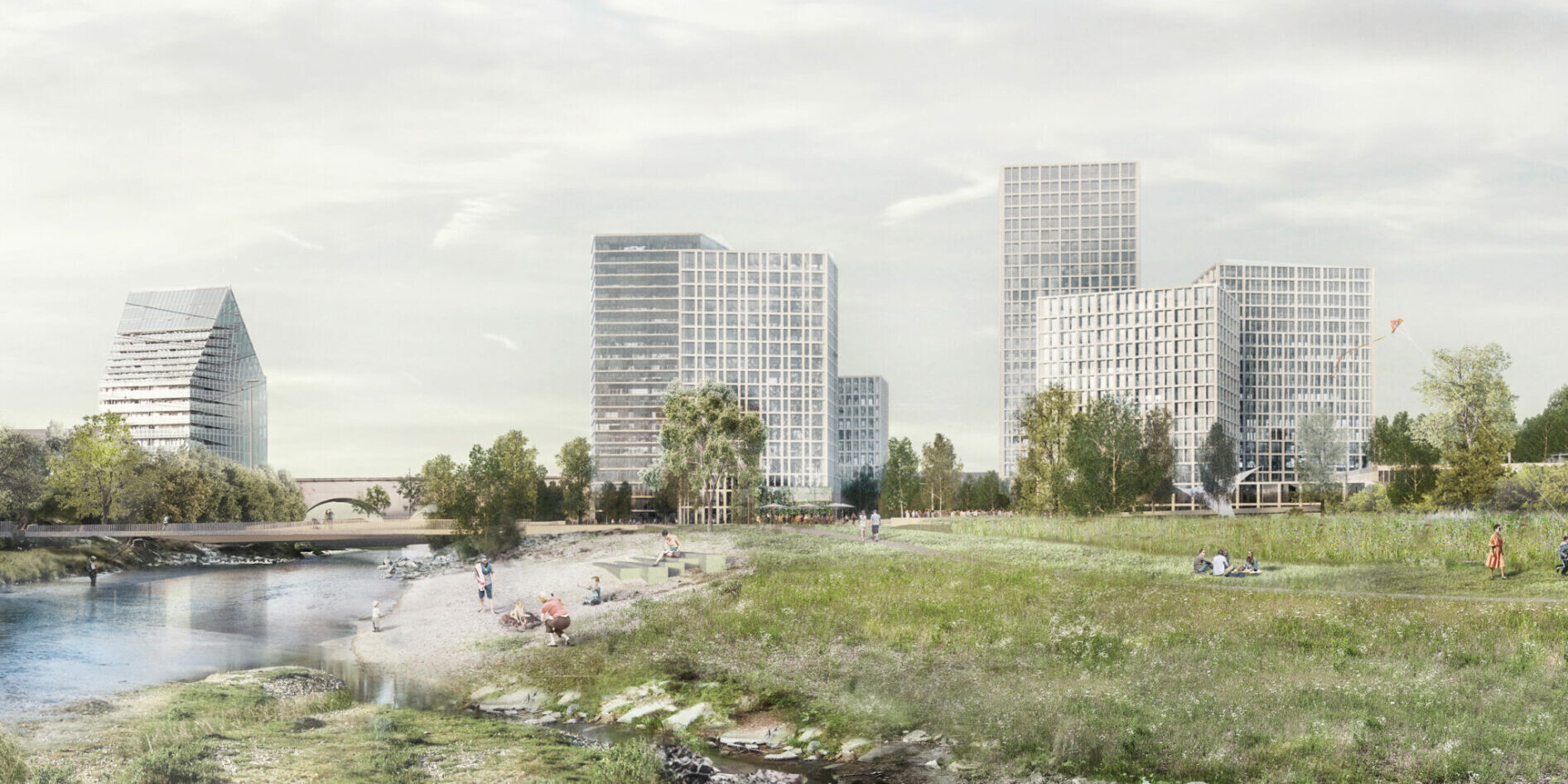
Return of the wild waters at Schänzli
-
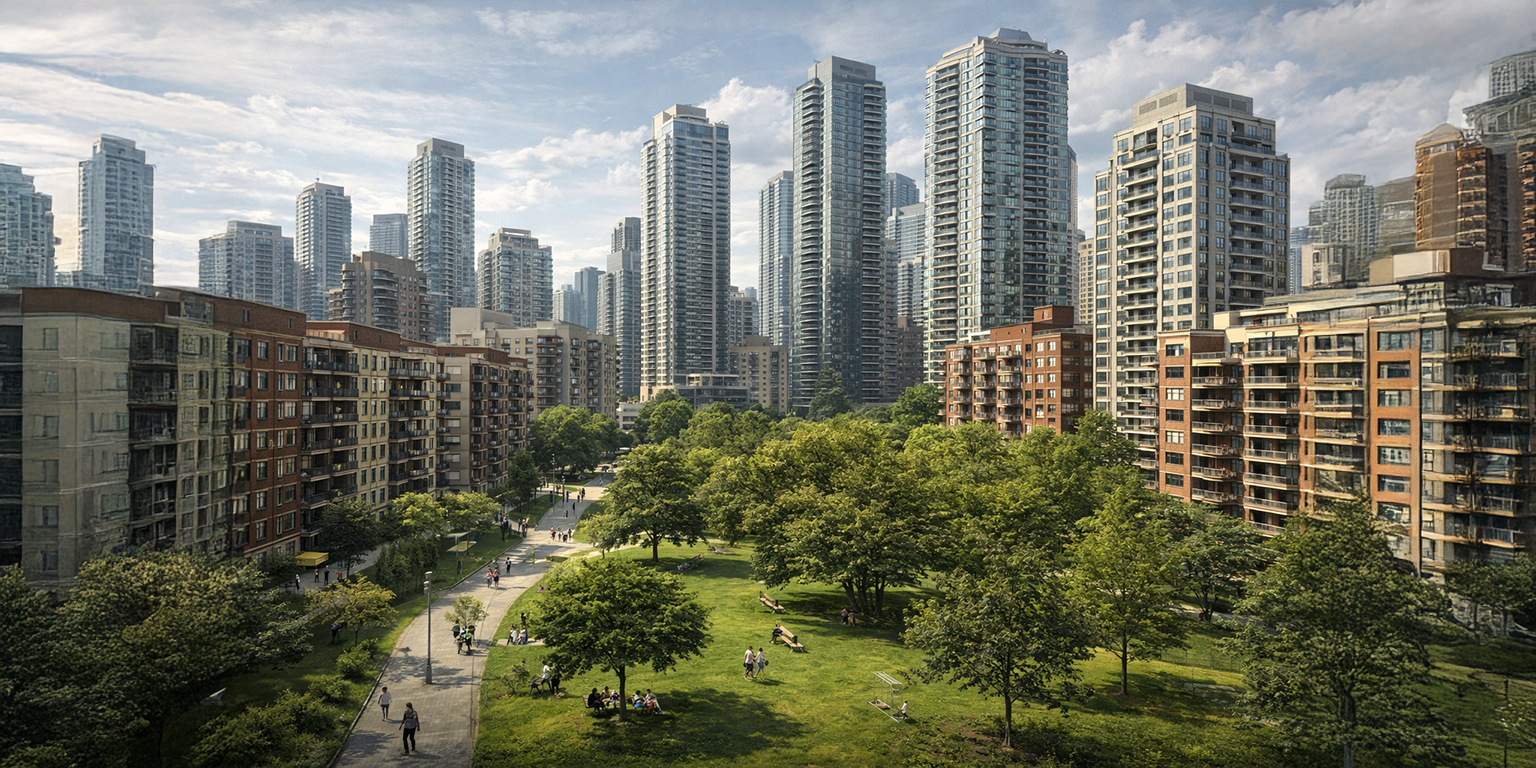
Densification of housing stock is unpopular with the population
Taller buildings in cities could alleviate the housing shortage, but they are unpopular with the general public. This is according to a survey conducted by the comparison portal Comparis. According to the survey, 50 per cent of those questioned by Comparis were against the construction of taller buildings with more than six storeys. In contrast, 45 per cent of the 1,039 adults surveyed across Switzerland in November 2025 were in favour.
According to real estate expert Harry Büsser from Comparis, taller buildings in urban areas could be “a political path to more living space”. “Let’s get people in cities to take the lift instead of driving,” he is quoted as saying in a statement accompanying the study. It highlights a dilemma: rising rents affect everyone, but most people reject possible countermeasures. For example, 68 per cent of those surveyed are against densification with fewer green spaces and smaller distances between buildings. 66 per cent reject new building zones at the expense of agricultural or green spaces. Only the restriction of objections found a relative majority: 47 per cent are in favour, 43 per cent against.
The study also shows that measures to create additional living space are assessed differently depending on gender and age. While 54 per cent of men are in favour of taller buildings, the proportion of women is 36 per cent. Denser development was approved by 33 per cent of men compared to 22 per cent of women. Thirty-nine per cent of the men surveyed said yes to new building zones, compared to 21 per cent of women. Büsser suspects that the reason for this lies in different roles and activities. Women often bear the brunt of family and neighbourhood responsibilities. Changes in the living environment would therefore “probably be perceived more strongly as a loss of quality of life”.
The worsening housing shortage is particularly felt by 18- to 35-year-olds (65 per cent) and city dwellers (66 per cent). According to Comparis, this explains why the approach of building upwards met with the most approval among this group: 52 per cent of respondents in the young population group would agree to buildings exceeding six storeys. The survey also found that taller buildings are only accepted in the city centre (54 per cent). In the suburbs, only 39 per cent are in favour.
-

La Rasude Lausanne
La Rasude is one of Lausanne’s six urban transformation poles and is located directly next to the train station and one of the most important public transport hubs in French-speaking Switzerland. From the city’s point of view, this is the ideal location for densification that combines short distances, high density of use and a better quality of life. The plan d’affectation defines the permitted uses, building volumes and requirements for the environment, mobility and monument protection
Building on existing buildings instead of tabula rasa
Around 70 percent of the existing buildings will be preserved, including the striking building on Avenue de la Gare designed by Alphonse Laverrière, whose protection was explicitly secured in a revised project following criticism from the federal government and experts. Individual buildings such as “Gare 45” and “Horizon” may be raised by two storeys, and two new structures will be added. One along the tracks and one in the district center, the heights of which are defined in such a way that the existing skyline and visual references are respected and the Edipresse tower is not towered overLiving, working and social mix
Around 30 percent of the floor space is earmarked for housing, at least 20 percent of which will be logements d’utilité publique, i.e. non-profit apartments. In total, almost 500 people will be able to live in a district that is currently uninhabited. At the same time, a diverse mix of uses will be created, including offices, a hotel, stores, early childhood care, cultural and leisure spaces and neighborhood services. Around 500 square meters will be reserved for cultural professionals and public uses at controlled, affordable rentsPublic space, greenery and mobility
The currently closed, heavily sealed complex will be transformed into an open, pedestrian-oriented quarter. Around half of the site will be available as public space in future, much of it with trees and green areas, supplemented by green roofs, photovoltaic systems and a connection to renewable heat sources to significantly improve the carbon footprint. Access on the surface is primarily on foot and by bicycle, while an underground garage with around 275 car parking spaces and around 1,200 bicycle parking spaces bundles the necessary mobility options undergroundPolitical process and outlook
The plan is available for public inspection until December 18. Objections and objections will be incorporated into the further revision before the decision is taken by the municipal council to the canton. In parallel, competitions for architecture and public spaces with participatory formats are planned to ensure the quality of implementation. Construction is currently scheduled to begin around 2029, with the new district coming into operation in stages between 2031 and 2033, provided that any political referendums do not change the timetable. -

New urban quarter at Winterthur railroad station
The Stellwerk 2 project is being built on a site of just 2,000 square meters right next to the train station, combining living, working and mobility in a small space. The new building comprises 66 city apartments and around 2,000 square meters of space for offices, education and healthcare. On the first floor, a spacious retail zone of 700 square meters will provide for public-oriented uses. The aim is to make optimum use of existing railroad land without additional sealing.
Compact units with one to three and a half rooms will be created on the upper floors. Guest rooms and communal areas promote flexible forms of living and social interaction. An approach that responds to changing urban lifestyles. The project was developed by Zurich-based Esch Sintzel Architekten, which won the 2021 SBB competition in close cooperation with the city.
Hub for two-wheelers and everyday life
Stellwerk 2 is being built not only to live and work in, but also to facilitate movement. In the basement, 360 new bicycle parking spaces are being created with charging facilities for e-bikes, cargo bike zones and lockers. Together with 150 recently created spaces in the existing building, the capacity of the neighboring bike station will increase to around 510 units. The new building will be connected to the existing facility under Signal Box 1 via a new passageway.For city councillor Christa Meier, the project is emblematic of the transformation to a mobility city: the signal box will become Winterthur’s actual bicycle hub and strengthen the station’s role as a multimodal center.
Realization in stages
With Stellwerk 2, SBB Immobilien and the city of Winterthur are demonstrating how urban densification and the traffic turnaround can go hand in hand. A place where living, working and sustainable mobility merge into a new urban entity. -

St. Gallen modern urban development with double railway station
The development model was developed jointly by urban planning, landowners and the neighbourhood association in a broad, cooperative process. Four workshops between June 2024 and May 2025 ensured broad participation and made it possible to identify specific opportunities for the nine sub-areas.
Potential and spatial focus
The structure plan identifies nine sub-areas, from Straubenzellstrasse to Debrunner Ost, which are to be developed individually and with a mix of uses. The area offers additional floor space potential of around 80,000 m², which can be used specifically for housing and workplaces. Better links between the neighbourhoods, more green and open spaces and new public squares are planned.Railway station as a driver of urban development
The future relocation of Bruggen railway station to the east and its merger with Haggen railway station are one of the reasons for the project. They eliminate existing barriers and make large-scale accessibility possible. The planned passerelle creates new path connections and improves the integration of neighbouring districts such as Lerchenfeld. The railway station project influences the ongoing local planning revision and serves as a lever for sustainable, urban densification.Future prospects and planning security
The development model provides the city and landowners with binding guidance for upcoming implementation projects in individual areas for the first time. The next steps concern the project planning for the railway station, including the Passerelle, and the transfer of the findings to the overall revision of local planning.Thanks to forward-looking planning and an integrative project structure, the Bruggen-Haggen area is on the verge of becoming an urban, mixed-use district with a high quality of life, better accessibility and targeted growth in area.
-

The future of the Ticino real estate market at the heart of immoTable Ticino
Under the moderation of Natascia Valenta, Michele Bertini (La Mobiliare), Nicolas Daldini (SVIT Ticino), Gian-Luca Lardi (Swiss Association of Building Contractors) and Sandro Montorfani (Private Construction Department, City of Lugano) spoke.
The debate touched on key issues such as the replanning and densification of the territory, the simplification of procedures for building permits and the need to streamline legislation in order to speed up decision-making processes.
It was also emphasized that investments in Ticino are positive today, thanks to the decrease in vacancies, which are mainly concentrated in obsolete properties.
Future challenges also included the issue of PPPs (public-private partnerships) and shrinking funds for renovation in the context of an ageing population and the building stock in need of renewal. This is an issue that will be of crucial importance in the coming years.
The strategic role of Italy as an economic partner and source of skilled labor was also mentioned, as well as the effects of the recent votes on the imputed rental value, which will have a significant impact on the finances of the canton and the municipalities.
Despite the challenges, the Sonnenstube remains a dynamic and attractive region for real estate investment, ready to take advantage of the opportunities offered by a changing market.
-

Adding storeys and extensions made easy
The further development of existing buildings offers clear advantages. It saves resources, reduces CO2 emissions and reduces the volume of construction waste. In contrast to demolition, the appearance of the neighborhood is preserved and new rentals are often lower, which ensures affordable living space. The local building culture also benefits, as established structures and identity-forming elements are preserved, which strengthens the sense of community.
High hurdles hamper conversions
Outdated regulations, complex procedures and a lack of legal certainty are currently hampering numerous extension projects. Older buildings in particular do not comply with the latest regulations, so many owners shy away from the effort involved and prefer to build new ones.Revision of the law brings simplifications
The new proposal from the Building Department provides for targeted simplifications. At its heart is the simplification provision, Section 220a E-PBG: it allows owners to deviate from certain regulations, for example with regard to boundary distances, façade height and the number of full storeys. The aim is to better integrate the further developed building into the existing building regulations, create more scope for conversion and at the same time offer legal certainty.Densification and better utilization
It will be easier to create additional residential units, particularly in residential buildings. The regulation encourages properties to exploit their full potential in accordance with the municipal zoning regulations without losing the existing building stock. This is an important step towards more densification and smart land use in urban and rural areas.Further simplifications and updates
The revision also addresses the demands of the Cantonal Council. For example, procedures for solar installations and stair lifts have been simplified. Outdated regulations on fire protection and minimum heights are to be removed. This will make it easier to convert office buildings into apartments and provide impetus for innovative construction projects.Opportunity for Zurich
The planned simplifications for the conversion and extension of existing buildings will enable sustainable urban development, ecologically, socially and culturally. The revision of the law creates clarity and motivates owners to use the potential of existing buildings instead of building new ones. -

Architecture prize honours outstanding building projects in the canton of Zurich
The Foundation for the Honouring of Good Buildings in the Canton of Zurich has awarded the Canton of Zurich Architecture Prize, which is presented every three years, for the eighth time. The jury honoured four projects in each of the categories of distinction and recognition for their design quality and innovative approach to current challenges, as detailed in a press release. The foundation is supported by the Canton of Zurich’s Building Department, the Zurich section of the Association of Swiss Architects, the Swiss Werkbund and Zürcher Kantonalbank.
The Leutschenbach high-rise ensemble in Zurich and the complete refurbishment of the Im Birkenhof housing estate were recognised in the award category, as were the temporary sports buildings in the canton of Zurich and the Wallrüti school building in Winterthur.
The ensemble of three residential buildings in Kleinandelfingen, the new extension to the Limmattal cantonal school in Urdorf, the communal living project in Roter Kamm in Zurich and the Hobelwerk, House D in Winterthur were recognised. The Swiss Life Arena in Zurich received the Audience Award. This was awarded in an online vote that ran from mid-April to the end of May.
The foundation also honoured the Hobelwerk, Haus D in Winterthur with the sustainability award Der Grüne Leu. This honours architects who have dedicated themselves to ecological sustainability and developed their own aesthetic and architectural language.
“Good architecture ensures well-being, efficiency and value retention. It takes sustainability into account in many dimensions. For example, in achieving the social objective of inward densification of our residential areas while at the same time creating valuable recreational spaces,” Heinz Stecher, Key Account Manager Construction/Real Estate at Zürcher Kantonalbank and member of the Foundation Board, is quoted as saying in the press release.
-

Densification and residential construction over railway tracks
Centrally located railroad station areas in particular have enormous untapped potential. The redevelopment of railway yards is an urban development strategy that is already being used successfully around the world, for example in major cities such as London, New York and Vienna. In Swiss cities, too, this option is increasingly becoming the focus of debates on sustainable densification and innovative urban development.
Political initiatives and reactions
Josef Dittli, a member of the Council of States, has submitted a motion calling on the Federal Council to examine concepts and processes for the use of space above railway tracks. The focus here is particularly on technical and legal feasibility as well as sustainable integration into the existing urban structure. The Federal Council responded positively and sees great potential for residential construction in central locations in the track areas. The business is now being discussed in the Council of States and promises new impetus for urban development projects.Similar initiatives are also being promoted at cantonal level, for example by the FDP in Zurich, with the aim of making better use of the space available in urban areas and improving the quality of life.
Opportunities and challenges
The realization of such construction projects requires innovative processes and interdisciplinary cooperation between authorities, rail transport companies, construction companies and urban planners.Central to this are
- Ensuring the functionality and safety of rail traffic
- Sustainable and energy-efficient construction methods
- Integration with existing infrastructure and the cityscape
- Legally clear and transparent processes for planning and planning permission
The use of space above railway tracks offers a promising answer to the challenges of urban densification and the creation of living space. With political initiatives at various levels and the positive attitude of the Federal Council, this potential could be tapped in a meaningful way in the future and future-oriented urban development projects could be realized.
-

Densification changes cities
The study “Construction activity and displacement”, carried out by ETH Zurich on behalf of the Federal Office for Housing, shows that over the last two decades, settlement development in Switzerland has clearly been inward-looking. New housing is being built in urban areas, primarily through replacement construction and the conversion of industrial and commercial zones, rather than on greenfield sites. In cities such as Basel, a quarter of new flats were built on former industrial sites.
More flats despite fewer new builds
Although the number of newly built residential buildings is falling slightly, the net number of flats continues to increase. This is due to the efficiency of densification. In Basel, Geneva and Lausanne, up to twice as many new units are being built per demolished flat than in Bern or Zurich. Densification is thus becoming the central lever for creating living space in densely populated areas.Who is being displaced?
The downside of densification can be seen in the social composition of the neighbourhoods affected. In Zurich in particular, long-term tenants often lose their homes due to demolition or total refurbishment. Those who have to move out often have a significantly lower income, up to 40 per cent less than the average. In contrast, households with above-average incomes move into new builds.Migration and income as a risk factor
The study also reveals structural disadvantages. Asylum seekers, refugees and people of African descent are disproportionately affected by displacement. This means that structural densification particularly affects those who are most dependent on affordable housing and who often can no longer find it in the same municipality. Nevertheless, a considerable proportion of those affected, up to 64 per cent, manage to stay within their municipality.Cities in transition – socially balanced?
From a spatial planning perspective, densification is sensible and necessary. However, it not only changes the cityscape, but also the social structure of neighbourhoods. The challenge in the coming years will be to shape change in such a way that it does not lead to social division, but to mixed, resilient cities with living space for everyone. -
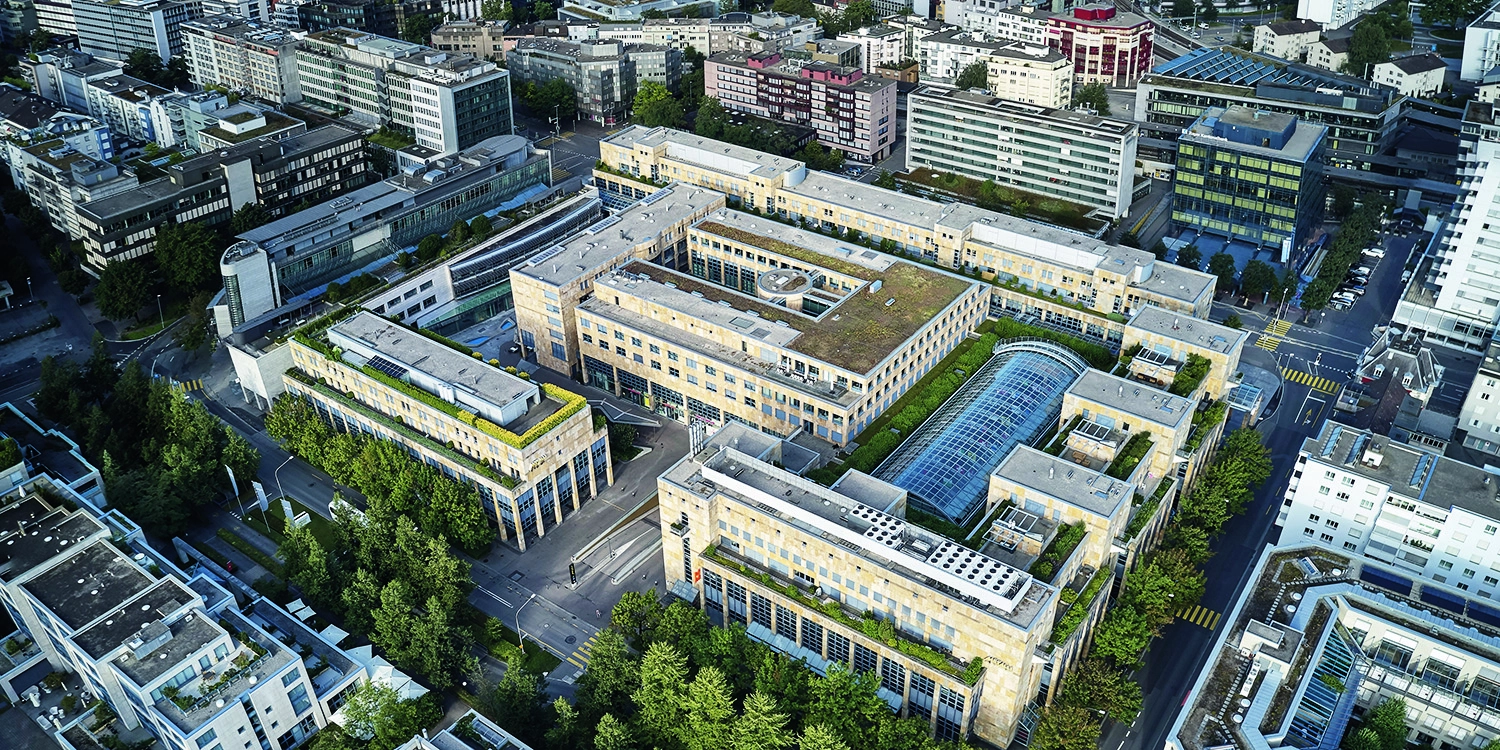
Zug city parliament supports Metalli development plan
The Metalli development plan has entered the political approval process, the Zug Estates Group announced in a press release. The property company, which focuses on Zug as a business and living space, is planning to develop the existing shopping avenue into a lively district. The aim is to create additional living space and new green public outdoor areas.
The city council of Zug had already approved the Metalli development plan on 8 April. On 17 June, the development plan was also approved in the first instance by the Zug City Council. The plans will now go out for public consultation before returning to the Grand Municipal Council for a second reading in spring 2026. Zug Estates can then initiate the actual planning process with an architectural competition.
The Metalli development plan envisages the creation of 160 new flats, 130 of which will be in addition to the existing housing supply. To this end, extensions to existing buildings and a new tower block are planned. A new square with a connection to the railway station site will serve as the entrance to Metalli. Zug Estates also wants to create a public and park-like roof terrace.
“With the Metalli Living Space project, we are picking up on proven qualities and preserving the characteristic architecture of the Metalli with its glass roofs, arcades and typical materialisation,” Peter Wicki, Head of Project Development at Zug Estates, is quoted as saying in the press release. “Thanks to the targeted upgrading and modernisation of the infrastructure and the increased attractiveness of the shopping avenue, the Metalli living space is also an opportunity for the preservation and further development of retail and gastronomy.”
-

Densification changes cities
The study “Construction activity and displacement”, carried out by ETH Zurich on behalf of the Federal Office for Housing, shows that over the last two decades, settlement development in Switzerland has clearly been inward-looking. New housing is being built in urban areas, primarily through replacement construction and the conversion of industrial and commercial zones, rather than on greenfield sites. In cities such as Basel, a quarter of new flats were built on former industrial sites.
More flats despite fewer new builds
Although the number of newly built residential buildings is falling slightly, the net number of flats continues to increase. This is due to the efficiency of densification. In Basel, Geneva and Lausanne, up to twice as many new units are being built per demolished flat than in Bern or Zurich. Densification is thus becoming the central lever for creating living space in densely populated areas.Who is being displaced?
The downside of densification can be seen in the social composition of the neighbourhoods affected. In Zurich in particular, long-term tenants often lose their homes due to demolition or total refurbishment. Those who have to move out often have a significantly lower income, up to 40 per cent less than the average. In contrast, households with above-average incomes move into new builds.Migration and income as a risk factor
The study also reveals structural disadvantages. Asylum seekers, refugees and people of African descent are disproportionately affected by displacement. This means that structural densification particularly affects those who are most dependent on affordable housing and who often can no longer find it in the same municipality. Nevertheless, a considerable proportion of those affected, up to 64 per cent, manage to stay within their municipality.Cities in transition – socially balanced?
From a spatial planning perspective, densification is sensible and necessary. However, it not only changes the cityscape, but also the social structure of neighbourhoods. The challenge in the coming years will be to shape change in such a way that it does not lead to social division, but to mixed, resilient cities with living space for everyone. -

Densification displaces fewer tenants in Geneva than in Zurich
Researchers at the Swiss Federal Institute of Technology in Zurich(ETH) have analysed the impact of building densification on the composition of the population on behalf of the Federal Office for Housing(FHO), according to a press release. The study “Building activity and displacement” shows that the effects differ significantly in the five largest agglomerations.
Geneva, Lausanne and Bern have a higher level of residential construction activity than Zurich, but are densifying more effectively. Between 2020 and 2023, 1.6 to twice as many flats were built there for every flat demolished than in Zurich. In the Zurich conurbation, 5.4 times as many replacement new-builds were also constructed than buildings were added to, while in Geneva, Basel and Bern, twice as many buildings were added to as replacement new-builds were constructed.
The average room size of replacement new builds in German-speaking Switzerland is also 25 per cent larger than in demolished flats. In French-speaking Switzerland, flats were only 6 to 8 per cent larger. Building densification thus leads to a higher increase in utilisation density in French-speaking Switzerland than in German-speaking Switzerland.
Despite the higher density in French-speaking Switzerland, a total of 1.02 per cent of the total population (14,373 people) in the Zurich agglomeration were affected by displacement due to house demolitions or total renovation between 2015 and 2020. Relative to the total population, this is twelve times more than the 467 people affected in the Geneva agglomeration (0.08 per cent).
The study also shows that displaced households had a median income that was 30.5 to 39.6 per cent lower than the population as a whole. According to the BWO press release, this means that it is precisely those who have difficulty finding a new affordable home who are affected by displacement.
-
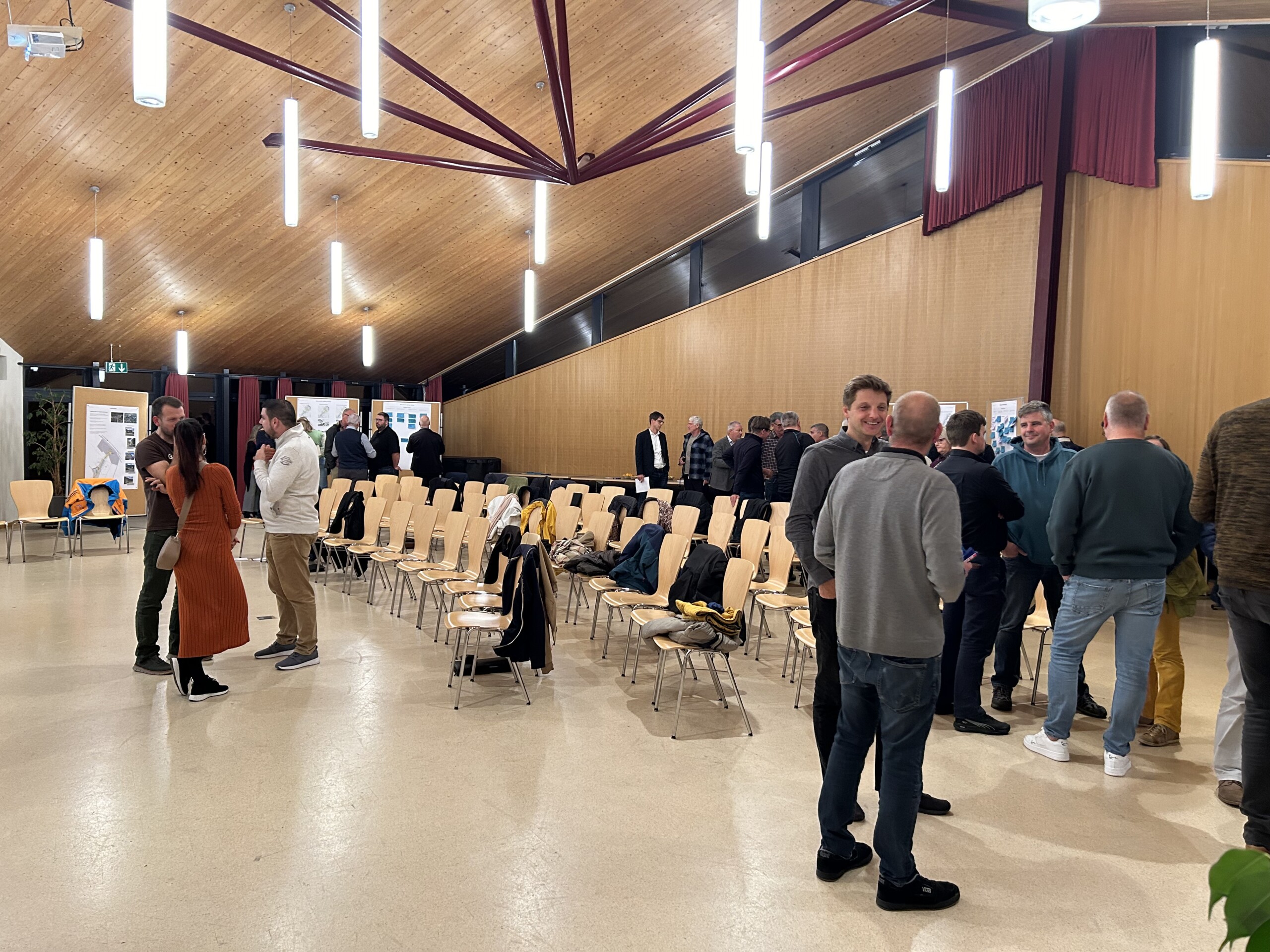
Owner participation “Ziegelbrückstrasse” in Glarus North
The municipality of Glarus Nord would like to motivate developers to carry out participatory processes for more complex construction projects. Its “Participation and communication guidelines for planning processes” outline how the needs of the population and future users can be anticipated at an early stage for various planning situations. To set a good example, the municipality initiated a participatory process for the “Ziegelbrückstrasse” development area between Ziegelbrücke railroad station, the Jennyareal and the village center of Niederurnen: between October 2024 and February 2025, it involved the affected owners in the development of a mission statement, which served as the basis for the development of an outline plan for the area.
Shaping the framework conditions for development
The mission statement was intended to define the structural dimensions and the mix of uses. As the area is one of the densification and upgrading areas that characterize the village, qualitative key points of a development that does justice to the character and history of the area were also up for discussion. The municipality also saw the public sector as having a duty and therefore set out its expectations regarding the design and upgrading of the cantonal road that runs through the area. This provided the municipality with a broad-based basis for discussions with the canton, which is responsible for the renovation of the road.The jointly developed model served the municipality as the basis for a binding framework plan. The framework plan in turn defines the guidelines for how buildings may be constructed along Ziegelbrückstrasse in future under the new owner-binding land-use plan. The owners involved helped to shape how and what they can build on their properties in the future by participating in the master plan.
A streamlined participation process
The owners in the area were invited to take part in two evening events with the municipality. The first evening was for information and participation, the second for the presentation of the results. Over 56 owners of 127 plots took the opportunity to participate in the events themselves or with a representative.In the first workshop, they were given an insight into the planned planning instrument and were consulted on various options for future development possibilities. By prioritizing the options, they were able to influence the decision on the desired model. In the second workshop, the municipality presented the framework plan developed on the basis of the desired variant.
A worthwhile effort for the municipality
Participatory processes are complex and cost time, money and political capital. For the municipality, the time-consuming process was worthwhile because it increases the chances of owners becoming active: By being informed about more construction options at an early stage, they can adjust their investment planning and align any existing intentions with the municipality’s development plans.The discussion about the vision helps to orient owners towards a common vision of the future of the densification and development area and to convey to them that issues such as the addressing of buildings to the street, the granularity of the development, the design of the base storey or the materialization are not just private matters, but also have an effect on the image of the district and thus influence the attractiveness and value of the location for everyone.
The participatory process offered the municipality the opportunity to draw attention to its building advice and increase the likelihood that landowners with investment intentions will discuss and coordinate their plans with the municipality at an early stage, before they have drawn up a preliminary or construction project that can hardly be adapted. In the best-case scenario, the process encourages some owners to think bigger and enter into cooperation with other landowners or jointly tackle issues such as the provision of parking spaces in construction projects.
The municipality was also able to use the events to coordinate upgrades on public land with the needs and ideas of the owners and to test the acceptance of measures such as greened medians on the road or a speed reduction on certain road sections.
More planning security for landowners
Participatory processes also cost the participants time. In the case of Ziegelbrückstrasse, the effort was worthwhile for the property owners simply because they were able to influence decisions on issues that are binding for the property owners by participating in the framework plan that is binding for the authorities: the fundamental question of the design of the density and mix of uses possible with the new land use planning. The framework plan also offers owners more planning security, as it strengthens equal treatment in the approval process.As part of the process, the owners gained a better understanding of what the municipality expects from structural developments and were able to gain inspiration as to what contributions they can make to neighborhood upgrading in addition to structural developments – for example with the design of gardens and street front zones or smaller renovation projects. The opportunity to find out about their neighbors’ plans at the event ultimately gives owners more certainty that they are not alone in their investments.
-
Spatial concept Switzerland without substance
The revision of the Swiss Spatial Concept was intended to provide a strategic compass for spatial development up to 2050. However, the document presented in December 2024 does not adequately address key issues such as densification, infrastructure and conflicts of use. Yet the demand for intelligently utilised space, resilient infrastructure and sustainable solutions for growing cities and regions is more urgent than ever before.
Densification remains unresolved
The depiction of advanced inner-city development is at odds with reality. Replacement new builds, a key means of densified construction, are still fraught with uncertainties and hurdles. There is a lack of a pragmatic implementation concept that creates clear rules, facilitates investment and accelerates site development. This is an omission with consequences for housing construction and the competitiveness of urban areas.Transport is blocked instead of facilitated
A further deficit can be seen in the transport infrastructure. The spatial concept neglects the need for efficient transport routes and promotes a conflict between road and rail. However, sustainable location development requires networked mobility strategies that fulfil both economic and social requirements.Without political backing, everything remains theory
In addition to its substantive weaknesses, the concept lacks clear political legitimisation. Without broad-based governance structures, the paper will remain ineffective. The Swiss Federation of Master Builders has therefore submitted amendments and rejects the draft in its current form.Conclusion for the property industry
If you want to develop locations and help shape Switzerland as an attractive place to live and do business, you need solid framework conditions and a realistic planning policy. The current spatial concept offers neither. It is time for a practice-orientated model that creates planning security, facilitates investment and strengthens the attractiveness of locations in the long term. -

More incentives for compact and ecological construction
At a time when the fight against global warming and the housing shortage is becoming increasingly urgent, everyone working in the construction sector is more challenged than ever. The building stock is responsible for a significant proportion of CO2 emissions and the need for new housing is growing faster than ever before. It is therefore essential to act quickly.
Despite numerous initiatives and political initiatives, progress in solving these problems still seems to be too slow and the fronts are becoming increasingly hardened. Bernhard Lanzendörfer argues in favour of a joint search for quick, innovative, affordable and social solutions instead of getting lost in ideological standpoints.
One example of an ideological standpoint is the petition by the Countdown 2030 association, which vehemently opposes the demolition of buildings. Bernhard Lanzendörfer argues that rigid ideas such as these will not solve the problems and calls for a differentiated view from a structural, ecological and social perspective.
In view of the housing shortage, a substantial densification of living space is often only possible through the construction of replacement buildings. The building-within-existing-buildings approach quickly reaches its limits here, especially when it comes to modernising and adding storeys to existing buildings.
In order to promote ecological and social construction, Lanzendörfer suggests that politicians should create concrete incentives. This could be done, for example, through rewards for the ecological upgrading of buildings or a higher utilisation rate for ecological flagship projects.
In view of rising population figures and increasing urban sprawl, it is essential to build upwards. Although this may meet with resistance, according to Lanzendörfer it is the simplest solution for making better use of every square metre.
It is important not to hinder innovative concepts with ideological barriers. The construction industry has already made great progress in the development of climate-friendly products, and politicians are also supporting the use of environmentally friendly building materials through new regulations in environmental protection legislation.
-

Energie Ausserschwyz expands district heating
Energie Ausserschwyz, an energy company based in the canton of Schwyz, has presented expansion plans for the development of district heating networks. According to a press release, the company is expanding the network primarily in the districts of March and Höfe. Energie Ausserschwyz has invested CHF 15 million in the densification and expansion of the local district heating network. The district heating is generated using renewable energies such as biomass and woodchips. The expanded areas include the district heating connections in Galgenen, Lachen, Altendorf and Pfäffikon. In 2024, main lines will be built from Altendorf to the Pfäffikon cantonal school and to the centre of Lachen. In addition, fine distribution will be expanded in the four towns mentioned.
Due to the intensive fine expansion, there will be delays in the expansion of the district heating network compared to the original plans, according to the press release. The villages of Schübelbach, Buttikon and Reichenburg in the March district will then be connected from 2029. Expansions in the Höfe district are not planned until 2040.
-

Densification despite noise pollution in the airport communities
The Zurich Cantonal Council decided on Monday to allow the airport communities of Oberglatt, Niederglatt and Niederhasli to build additional apartments despite existing noise pollution. This reclassification in the structure plan allows densification in municipalities that have already grown together. Local authorities supported the decision for additional living space, which could provide room for around 5,000 people.
This decision was opposed by the Greens, the AL and parts of the SP, who expressed concerns about the increasing number of people affected by noise. According to the critics, the planned densification was a clear contradiction to the noise problem.
Barbara Franzen from the FDP recognized a conflict of interest with airport policy, but emphasized that the settlement area already had the character of an “urban residential landscape”. Stefan Schmid from the SVP supported densification and argued that population growth made this measure necessary.
Building Director Martin Neukom from the Green Party also supported the reclassification and emphasized that the affected municipalities wanted this development. Although he recognized a conflict of interest, he pointed out that there was potential for inner densification and that the areas were well developed.
-

New approaches in Swiss environmental and building legislation
At a recent meeting, the UREK-N adopted a decisive draft bill by a majority of 14 votes to 8 with one abstention. The draft, which was developed as part of parliamentary initiative 19.409, provides for the right of appeal by associations in the NCHA to be modified so that smaller and medium-sized construction projects, in particular residential buildings with a floor area of less than 400 square metres, are no longer covered by this right. These projects must be located within the building zones in order to be exempt from the regulation. The Commission emphasises that this amendment is in line with the right of appeal enshrined in the Environmental Protection Act (EPA), which only applies to larger projects with environmental impact assessments.
Despite the approval of the amendment, there was also opposition within the Commission. A minority emphasised the importance of the right of appeal for the protection of historical and natural heritage and spoke out against the changes. Other minorities suggested reducing the reference area to 250 square metres or exempting certain flats from the new regulations.
In addition to this important legislative amendment, the committee also dealt with the Federal Act on Supervision and Transparency in the Wholesale Energy Markets. The Commission entered into the deliberations without a countermotion, as it recognises the importance of appropriate supervision of these markets, particularly in view of the economic relevance of a secure electricity supply. The need to ensure that Swiss regulations do not deviate unnecessarily from EU requirements was emphasised.
Furthermore, differences regarding the proposal on the Swiss circular economy, particularly with regard to the relaxation of the municipal waste monopoly, were largely resolved. However, there was still disagreement on the unpackaging of unsold biogenic products.
In other business, the committee rejected a motion on densification and non-profit housing construction and unanimously submitted a postulate on optimising the use of energy wood. Finally, various umbrella business associations, environmental organisations and industry representatives were consulted on the implementation of the parliamentary initiative “Laying the foundations for a CO2 border adjustment system”.
The committee meetings took place in Bern under the chairmanship of National Councillor Christian Imark and partly in the presence of Federal Councillor Albert Rösti, and important steps were taken to adapt Swiss environmental and building legislation.
-

Cantonal properties in Riehen win sustainability award
The properties of the Canton of Basel-Stadt at Hirtenweg 16 to 28 in Riehen have won this year’s international prize for sustainable architecture, the cantonal finance department informs in a statement. Every year, the Faculty of Architecture of the University of Ferrara and the building materials company Fassa Bortolo award the prize to projects “that are geared to the needs of people and serve as role models in the careful use of natural resources”, it continues. In this year’s competition, the cantonal properties prevailed over numerous other projects from all over the world.
The international jury was particularly impressed by two aspects of the properties in Riehen. One was the socially acceptable densification of living space. Of the five buildings already on the plot, the canton renovated three. The remaining two were demolished and replaced by three new buildings. This almost doubled the number of flats from 32 to 63.
On the other hand, the resource-saving solid wood construction method was the decisive factor in the project realised by the project team Harry Gugger Studio AG, Erne AG Holzbau and Fontana Landschaftsarchitektur. The wooden modules were prefabricated in a production hall and then assembled on site within a very short time. During the entire construction work, the residents of the properties were able to stay on site. Residents of the deconstructed buildings moved into an already completed new building before their old house was demolished.
-

Urbanistica calls for a return to urban planning
Urban planning has been forgotten with the emergence of individual mobility, Urbanistica writes in a statement. The new association for good urban planning wants to revive the discipline of urban planning. According to Urbanistica, this is the only way to sustainably fulfil the mandate of densification of inner settlement development defined in the Spatial Planning Act and to create sufficient affordable living space.
The association has launched a manifesto to initiate a discourse on urban planning and urban development. In it, urban sprawl and housing shortage are primarily described as a consequence of failed spatial planning. They are to be countered by urban planning and urban development, especially in the agglomerations. “Good urban planning leads to less traffic, more efficient land use, attractive public spaces, an improved urban climate and social mixing,” states Thesis 3 of the Manifesto.
Urban planning is defined as “a central task of the public sector”. Proven planning teams” should generate solutions and impulses for urban development in competitive procedures. According to Urbanistica, this could be financed through existing taxes, levies and subsidy programmes.