Tag: Wertschöpfung

  • Study shows high regional value creation by energy companies

    Study shows high regional value creation by energy companies

    Repower commissioned Hanser Consulting to analyse how much added value the Graubünden-based energy supplier generates compared to energy companies outside the canton. In its study, the consulting firm puts the additional added value of the Repower Group for the canton at around CHF 144 million for the year 2024. According to its press release, Repower presented the results to the Graubünden cantonal parliament at an information event on 23 April 2026.

    Hanser Consulting summarises the main findings as follows: Firstly, due to the Repower Group’s headquarters in Graubünden, more than twice the added value per kilowatt hour of electricity produced from Graubünden hydropower remains in Graubünden compared to companies outside the canton. Secondly, this would result in “many other advantages” for the Graubünden economy, particularly with regard to the diversity of the labour market, tax revenues for the canton and municipalities and the inclusion of local suppliers for headquarters activities.

    “Against the backdrop of the Graubünden hydropower strategy and the pending home cases in the coming years, the question of how the use of hydropower is organised in the long term and where the associated added value is generated is becoming increasingly important,” writes Repower. “The study aims to provide a factual basis for discussion.” As Repower emphasises, although the company paid for the study and provided the necessary basis, it had no influence on the methodology or results.

    Repower employs around 500 people in Graubünden and operates along the entire value chain, from production to the grid and supply to trading. The largest shareholders are Elektrizitätswerke des Kantons Zürich (38.49 per cent), the canton of Graubünden (27 per cent) and UBS’s Clean Energy Infrastructure Switzerland fund (23.04 per cent).

  • Air transport between growth and climate costs

    Air transport between growth and climate costs

    Civil aviation generated direct added value of CHF 9.8 billion in Switzerland in 2024. This includes companies at airports and their suppliers. This is shown in a report prepared by INFRAS AG on behalf of the Federal Office of Civil Aviation (FOCA). At 68 per cent, more than two-thirds of the direct value added is attributable to Zurich Airport and the neighbouring building complex The Circle. Geneva follows with 19 per cent and Basel with 12 per cent.

    The total value added, which also includes indirect effects such as tourism in Switzerland, amounts to CHF 24.8 billion.

    Civil aviation is also a driver of employment. It directly provides 49,100 full-time equivalent jobs and a total of 150,200 full-time equivalent jobs.

    Thanks to its airport, the Zurich region is the most accessible region in Europe. North-western Switzerland ranks sixth, also thanks to Basel Airport, and the Lake Geneva region ranks seventh, thanks to Geneva Airport. The other regions of the country are also among the 15 most accessible of the 284 regions surveyed in Europe.

    The report estimates the external costs of civil aviation at CHF 6.1 billion. Of this, CHF 4.6 billion is attributable to the climate and CHF 1.1 billion to upstream and downstream processes.

  • New company strengthens local power supply in Buttisholz and the surrounding area

    New company strengthens local power supply in Buttisholz and the surrounding area

    (CONNECT) Dorfstrom AG, based in Buttisholz, commenced operations on 1 January 2025. According to a press release, the company was entered in the commercial register on 3 December 2024. The new company aims to provide impetus for the local energy supply in Buttisholz and other municipalities, according to the press release.

    A dedicated website, which was launched at the start of business operations, provides information about the project and the planned cooperation between local energy producers and a platform for collaboration. “The website is a central point of contact for informing people in Buttisholz and beyond about our goals and offers,” said Oscar Küng, Chairman of the Board of Directors of Dorfstrom AG.

    With the entry in the commercial register, Dorfstrom AG has reached an important milestone in rethinking the local electricity supply and actively driving forward the energy transition in Buttisholz, according to Dorfstrom AG. The company is focussing on the promotion of virtual mergers for self-consumption (vZEV) and the development of local electricity communities (LEGs). The aim is to utilise locally produced electricity directly in the respective municipality. This strengthens local value creation and reduces dependence on large energy suppliers.

    Dorfstrom AG organises local electricity trading to ensure efficient distribution and brings producers and consumers together. It wants to plan, build and operate renewable energy plants, from solar plants and biogas plants to local wind power projects. The electricity is also to be stored in order to compensate for fluctuations and ensure security of supply. Dorfstrom AG aims to support local energy projects through investments and partnerships.

  • Peter Baumgartner new Chairman of the Board of Directors of Admicasa

    Peter Baumgartner new Chairman of the Board of Directors of Admicasa

    Admicasa Fondsleitung AG announced the appointment of Peter Baumgartner as the new Chairman of the Board of Directors on 17 October 2024. Baumgartner brings many years of experience in international business and has an extensive network in various industries. He was previously CEO of Etihad Airways, where he led key strategic initiatives. Baumgartner’s appointment succeeds Beat Langenbach, who previously held the position.

    Experience and vision for the future
    Peter Baumgartner can look back on an impressive career in aviation, including senior positions at Swissair, Swiss and Etihad Airways. After returning to Switzerland, he founded the management consultancy Bluearbre Ltd. through which he continues to be actively involved in the consulting and investment scene. His international mandates in various sectors, including the property industry, make him the ideal choice for Admicasa Fondsleitung AG.

    Admicasa on course for growth
    Admicasa Fondsleitung AG, founded in autumn 2023, has already successfully launched its first real estate fund, the Admicasa Real Estate Fund. The fund focuses on investments in prime locations in the agglomeration and aims to utilise appreciation potential and generate attractive returns. With Baumgartner as the new Chairman of the Board of Directors, Admicasa Fund Management plans to further expand its innovative strength and implement new strategies to create value in the property sector.

    A visionary management style
    Peter Baumgartner emphasised in his first statement that he was looking forward to working with Admicasa’s experienced Board of Directors. “The Admicasa Group’s innovative approach fits in with my conviction of sustainable economic value creation. I am convinced that together we will open up new perspectives for fund management and ensure long-term success,” said Baumgartner.

  • Baden Cantonal Hospital focusses on local companies and sustainability

    Baden Cantonal Hospital focusses on local companies and sustainability

    Baden Cantonal Hospital (KSB) has carried out around 250 publicly tendered procurements over the course of the six-year construction phase of the new building. According to a press release, these tenders resulted in a total of 1066 contracts for work and services. The most recent tender was for the furniture. According to the KSB, the new hospital building lives up to the Swiss made label. 97 per cent of the 177 companies involved in the new building come from Switzerland. Only 3 per cent of the contracts were awarded to companies in Germany and Italy.

    A total of 25 per cent of the companies involved in the construction are based in the canton of Aargau and 40 per cent in the canton of Zurich. “We are proud that KSB has thus made a significant contribution to local and regional value creation,” KSB CEO Adrian Schmitter is quoted as saying.

    Thanks to the high presence of local companies, KSB has also set an example in terms of sustainability, Schmitter continues. “During the construction phase, it was above all a project of short distances for the trade companies involved. This resulted in various synergy effects,” says the CEO. This also applies to the time after commissioning, when reworking, maintenance or similar may be required.

    With a usable area of 76,215 square metres, the new building will offer around 30 percent more space than the building in which KSB has been housed since 1978. Commissioning is scheduled for the end of February 2025.

    The move should then be completed within five days. A total of 4571 cubic metres of medical technology and other goods will be moved, according to a KSB press release. This corresponds to the load of 76 lorries of 40 tonnes each.

  • The balance between realistic analyses and visionary creations

    The balance between realistic analyses and visionary creations

    On behalf of the client, real estate developers look for suitable sites for a real estate project or ideas for the use of an existing property. At the beginning of a project, they investigate the potential of a site and prepare feasibility studies for various use options. They initiate contact with the municipal spatial planning and building authorities for clarification.

    Real estate developers lead interdisciplinary teams of experts, including architects, authorities, real estate marketers, cost planners, lawyers and client representatives. They work on financing solutions, assess valuations as well as land purchase and work contracts. They plan the construction project, analyse the planning basis and ensure compliance with legal regulations and standards. At the end of a project, they ensure that the property goes smoothly into operation and that the relevant documentation is handed over to the client.

    For professional handling, real estate developers have knowledge of market research and real estate marketing, investment appraisal, planning and construction processes as well as planning and construction law.

    Requirements for training
    A 3-year basic vocational training, school-leaving certificate, degree from a higher technical college, university or equivalent qualification is required for the federal certificate. Analytical skills, good business and construction knowledge as well as customer and service orientation are essential for the training.

    The training lasts 1 1/2 years and can be completed part-time.

    Gérard Lerner, how would you describe your day-to-day work in five sentences or less?
    The day-to-day work of a project developer is many-sided and varied. In the search for new development opportunities, one is constantly in conversation with brokers, private and institutional property owners and project sellers. An essential part of the daily acquisition routine is the clarification of building regulations based on the applicable planning and building laws as well as discussions with the authorities and architects. Furthermore, profitability calculations and general market analyses play a central role in the evaluation of project opportunities.

    What basic training is suitable for later work as a real estate developer?
    In my opinion, you have good prerequisites with interdisciplinary courses of study such as architecture and urban planning.

    There are various training programmes. Which course do you recommend to future professionals?
    You certainly can’t go wrong with an architectural education in combination with construction economics and construction law.

    What talents and qualities are important?
    In this profession you benefit from conceptual, creative and networked thinking. A flair for numbers as well as curiosity, openness and flexibility are also important.

    What do you particularly like about your job?
    I especially like the variety and the interdisciplinary processes – you are in constant exchange with the most diverse actors such as owners, authorities, user groups, investors, banks and sellers. Every day you balance between realistic analyses and visionary creations, which I find very exciting.

    How do you become a good real estate developer?
    To develop real estate, you need, above all, broad and well-founded experience in the fields of architecture, construction economics and building law. Proactive behaviour, networked thinking, decisiveness and sociability are indispensable social skills that you should have.

    What advice would you give to young professionals in order to successfully gain a foothold in the profession?
    You have to have stamina and be far-sighted. A passion for creativity, curiosity and openness also pave the way to success.

    What milestones and highlights have you achieved and experienced in your professional life so far?
    After my studies, I gained various experiences as a design architect in different architecture firms in Germany and abroad. In the process, I was able to gain fundamental knowledge in construction project planning. Afterwards, I had the opportunity to work as a construction trustee on major construction projects such as Europaallee Zurich. During this time, I was able to gain valuable experience in the areas of technical tenders, contracting and construction processes. In recent years, I have been increasingly active as a client representative and construction manager for private companies such as Visionapartments. In the role as Head of Real Estate, I was able to apply my entire knowledge of acquisition, development, planning, contracting and realisation. I reached a milestone in my professional life a year ago when I started working for Schmid Immobilien AG. A company rich in tradition with highly concentrated competence, experience and quality standards.
  • Canton of Zurich – on the pulse of the action

    Canton of Zurich – on the pulse of the action

    The canton of Zurich is an important growth driver in the Swiss economy. Its gross domestic product (GDP) was more than CHF 143 billion in 2017. That corresponds to more than 20 percent of Swiss GDP. This means that the canton of Zurich has the greatest economic output and added value within Switzerland. The added value can be increased by companies, research and educational institutions and specialist organizations cooperating along the value chain in clusters such as financial services, life sciences, creative industries, cleantech, aerospace, information and communication technology. According to the Statistical Office, the canton of Zurich generates more than 20 percent of the Swiss gross domestic product (GDP) with an annual GDP volume of over CHF 120 billion. This is the greatest cantonal economic added value in Switzerland.

    Maintaining international relationships is also an opportunity to directly follow and actively influence international developments in both the economic and political spheres. The business contacts acquired in this way are of direct benefit to the representatives from business, science and administration based in the canton.

    In terms of quality of life and standard of living, Zurich has held top positions in international rankings for many years. The city of Zurich emerged as the winner of the well-known Mercer study on quality of life seven times in a row. It has been in second place since 2009. The study compares 230 cities based on 39 criteria such as health care, entertainment, shopping, schools, housing, environmental issues, and the political and economic situation.

    A new index also measures the economic and social distribution of prosperity for the first time, and the metropolis on the Limmat ranks first among 113 cities, as zh.ch writes: The “Prosperity and Inclusion in Cities Seal and Awards Index” not only measures economic growth, but above all its quality and what proportion the different population groups have in it. Zurich scored particularly well in terms of work, living, leisure, security and education. Vienna follows in second place, ahead of Copenhagen, Luxembourg and Helsinki. In the inner Swiss city ranking, Zurich ranks first and Winterthur third.

    Testimonials

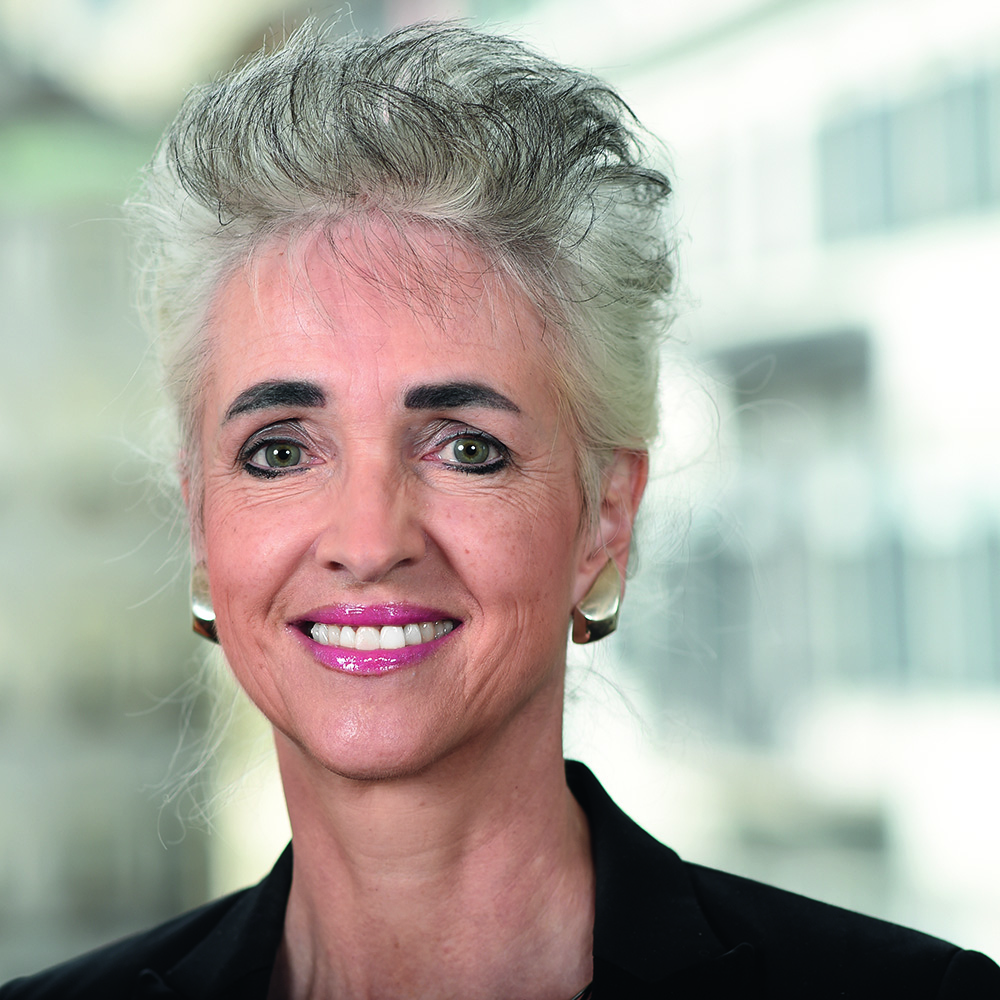
    Carmen Walker Spah
    Government Councilor,
    Director of Economics

    Thanks to the first-class universities, the availability of specialists, the excellent infrastructure and the high innovative strength of our economy, the canton of Zurich is a highly attractive location for companies.

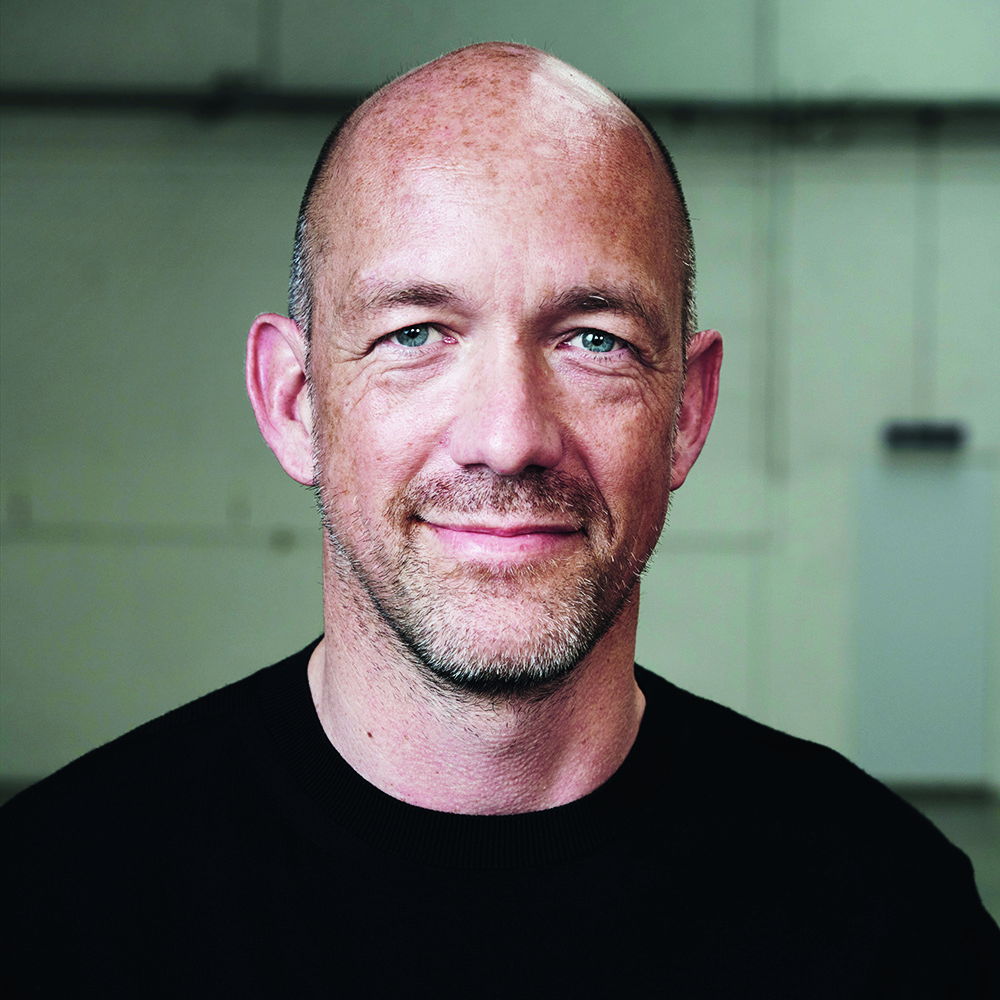
    David Allemann
    Co-founder On

    Zurich is cosmopolitan, cool and rethinks. It is important that many creative minds live and work in Zurich who drive the location forward in terms of creativity and innovation. So Zurich remains unique.

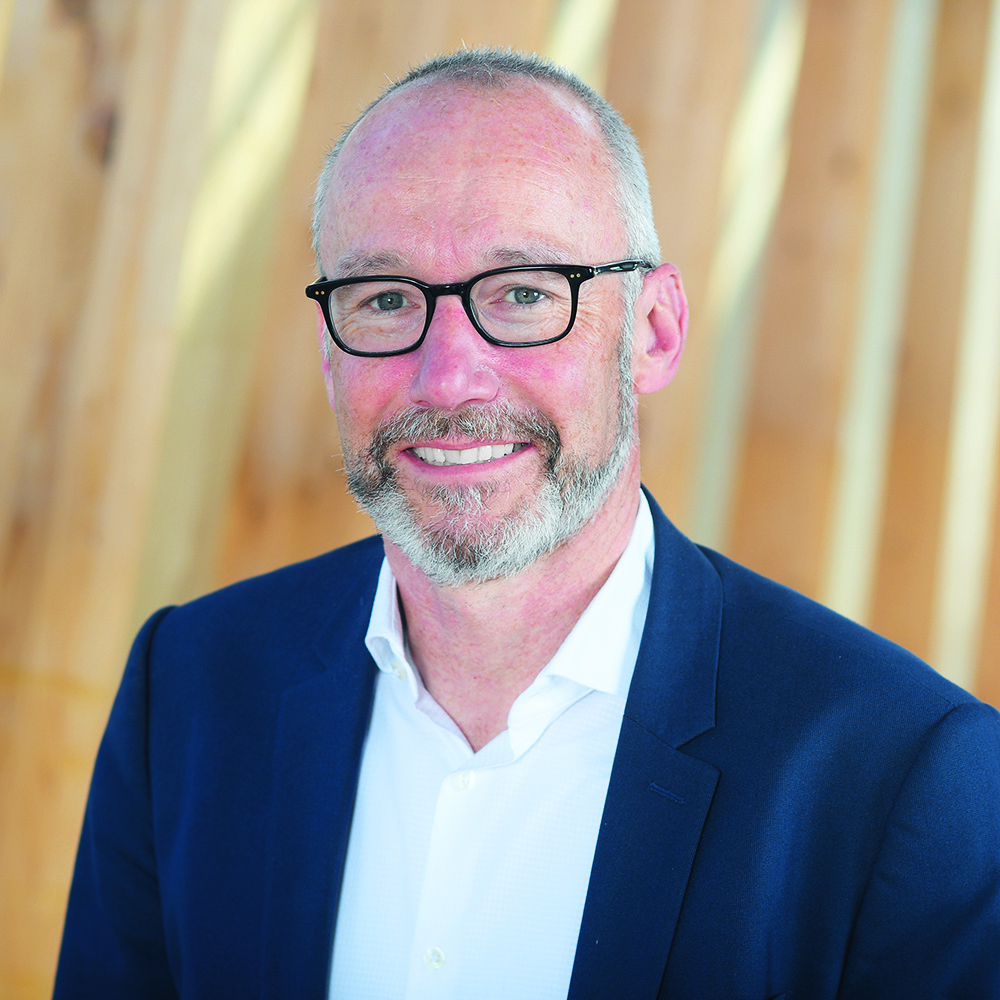
    René Kalt
    Managing Director
    Innovation Park Zurich

    Universities and numerous innovative companies make Zurich a perfect location for networking science and business. The Innovation Park Zurich contributes to this knowledge and technology transfer, making Zurich even more innovative.

    Mario Jenni
    Co-Founder &
    CEO Bio-Technopark Schlieren-Zurich

    Zurich is an excellent life sciences location due to numerous health and technology companies as well as excellent universities. The “Paradeplatz” of the biotech scene is located in Schlieren and is becoming more and more important nationally and internationally.