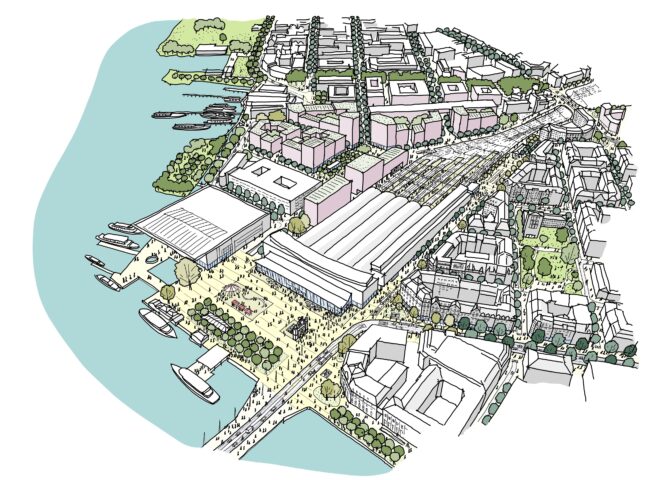
Councillor Daniel Preisig gave an overview of Schaffhausen’s economic development in recent decades. After the industrial crisis and stagnation in the 1990s, Schaffhausen has recovered thanks to targeted economic development. in 2023, the population record of 1969 was reached again for the first time. Preisig emphasised how projects such as the conversion of the old steel foundry and the relocation of roads to create traffic-free promenades along the banks of the Rhine contributed to the city’s attractiveness. Schaffhausen is continuously investing in smart, future-orientated urban development and digital administration.
Dino Tamagni highlighted the impressive economic development of the canton of Schaffhausen. The region’s industrial success story began with the construction of the Moser Dam in the 19th century. The hydroelectric power plant, once the largest of its kind in Switzerland, laid the foundations for the establishment of important industrial pioneers such as Georg Fischer, SIG and IWC, which turned Schaffhausen into a central industrial centre. In the 1990s, globalisation led to plant closures, job losses and emigration, resulting in the loss of 11% of jobs. However, targeted economic measures, such as the creation of an economic development agency, enabled Schaffhausen to overcome the challenges and regain its competitiveness. Today, the canton has one of the strongest economies in Switzerland, with the highest GDP per capita. Thanks to the promotion of innovation projects and the continuous expansion of the infrastructure, Schaffhausen remains an attractive and future-orientated business location.
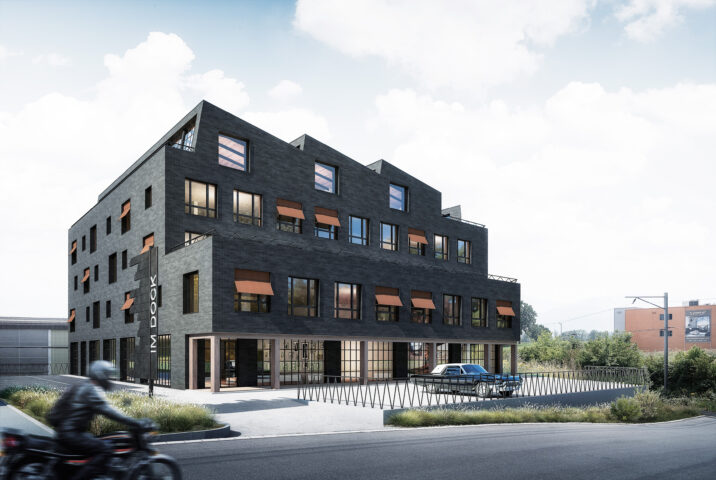
Andreas Campi, Head of Development, Halter AG, presented the “Im Pantli” residential project in the Waldquartier Schaffhausen. A modern residential neighbourhood is being built on the site, which was once used as a workers’ housing estate by Georg Fischer AG. The buildings are arranged around a neighbourhood centre to create urban alleyways and meeting spaces. The car-free development offers spacious, family-friendly flats with private outdoor areas. Childcare facilities and a dedicated bus stop enhance the quality of the location. The project not only promotes modern living, but also a lively community life.
Pascal Stutz, CEO of SVIT Zurich, Joëlle Zimmerli, Managing Director of Zimraum GmbH and Christian Brütsch, Owner and Managing Director of Stratcraft GmbH, presented solutions to the shortage of skilled labour. A key challenge facing the property sector is the shortage of skilled workers and dissatisfaction among experienced professionals. Around 60 % of the senior professionals surveyed feel that their workload is too high, and over 50 % see large portfolios as problematic. The study presented highlighted the need for action and suggested solutions such as the standardisation of processes, intelligent digitalisation and the promotion of leadership skills in order to better overcome the challenges.
Tindaro Milone presented a comparison of energy sources for heat pumps at the immoTable. EKZ operates over 1,200 energy systems across Switzerland and favours sustainable solutions. Air is cost-effective, but less powerful. Geothermal energy offers stable energy, but is expensive and location-dependent. Groundwater is efficient, but requires strict authorisations. Waste water provides a lot of energy, but is irregularly available. Seawater is particularly efficient, but expensive and tied to bodies of water. The choice of energy source depends on the project requirements, with EKZ offering customised solutions. We look forward to welcoming you to the next immoTable in Zug, where the focus will once again be on exciting topics and pioneering developments in the property sector. Join us as experts discuss the future of Zug as a property location and the latest innovations in the sector.
Further information on the event and future dates can be found at www.immotable.ch
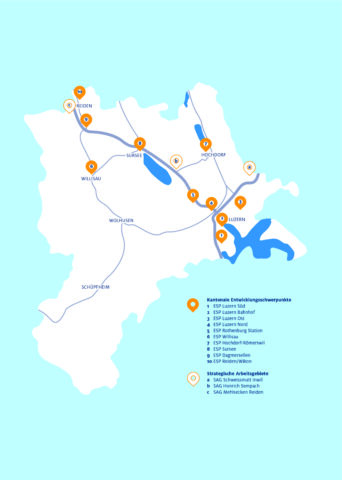
The cantonal development priorities were already defined in the 2009 cantonal structure plan. Even before the Swiss population approved the Spatial Planning Act, the cantonal planners had already focused on an increased spatial concentration of future economic development along the most attractive transport locations. Further planning instruments are available for the more decentralised locations, so that adequate business development is also possible there .
Integral spatial and economic development The coordination of settlement and transport is a central element in the further development of the cantonal development focal points (ESP). Only when infrastructures and growth are in good symbiosis will functioning areas be created in the long term. The optimisation of transport access is often the basis for ESP development. In addition to planning roads and railways, the Canton of Lucerne focuses in particular on promoting sustainable mobility, not least with regard to climate policy goals. The companies, for their part, are called upon to introduce a company mobility management system and to do their part to ensure that traffic can flow optimally.
Instrument for coordinated location promotion Thanks to its central geographical location and constant work on the most important location factors for companies, the Canton of Lucerne is particularly attractive as a business location today. Due to the close cooperation of the canton with the regions and municipalities in location and business promotion, the cantonal ESPs are the most important link to spatial planning. All development focal points should be provided with available, attractive land offers, combined with a promising marketing profile. The basis is laid in the jointly supported area management of the ESPs in cooperation with the landowners and investors.
Strategic working areas as a special offer Strategic working areas (SAG) are coherent larger areas that are defined in the structure plan. There are currently three such areas in the canton of Lucerne. They are between 10 and 30 hectares in size. This is a lot of space to realise big ideas and projects. According to the criteria formulated, their use is reserved for particularly high-value-added companies and real estate developments. The development of the sites is carried out in close coordination with the Canton of Lucerne and the respective local communities. The Lucerne Economic Development Agency acts as the first point of contact for potentially interested parties.
Lucerne city region
ESP Lucerne South Nestled between Lucerne, Horw and Kriens is a diverse settlement area with an urban character and directly adjacent recreational area. The ongoing transformation into an urban, creative and sustainable living and working area is in full swing. Lucerne South has excellent regional and national transport connections. The “Freigleis” bicycle highway is particularly popular as a work and leisure connection. www.luzernsued.ch
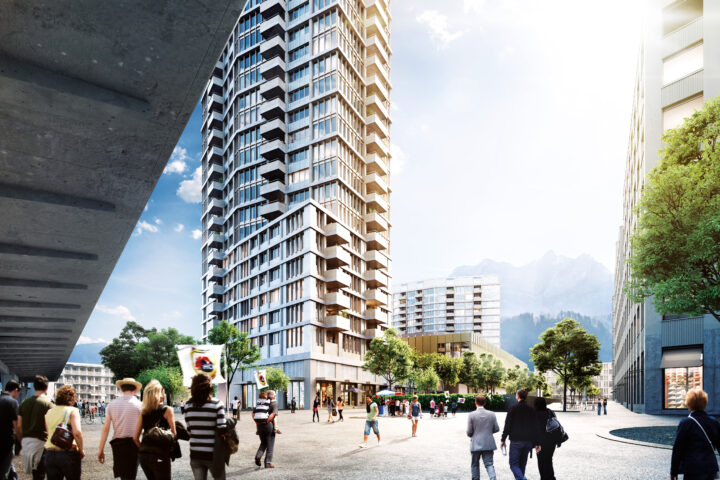
ESP Lucerne North The Smart City Lucerne North is where Emmen and Lucerne, the two most populous municipalities in the canton, meet. The urban heart of the ESP perimeter, which stretches from Littau railway station to Waldibrücke railway station, is currently being built around Seetalplatz, which is ideally accessible and picturesquely situated on the Reuss and Kleine Emme rivers. The largest ESP in terms of area offers a wide range of services for businesses and the population. www.luzernnord.ch
ESP Lucerne East The Lucerne East area comprises six Rontal municipalities. Directly connected to the A14 motorway and accessible by all means of transport, Lucerne East lies directly on the axis of the economic areas of Lucerne, Zug and Zurich. In addition to large industrial firms, internationally oriented companies in particular are located here. At the same time, the green hills of the region and the nearby water space of the Reuss River offer local recreation on the doorstep. www.luzernost.ch
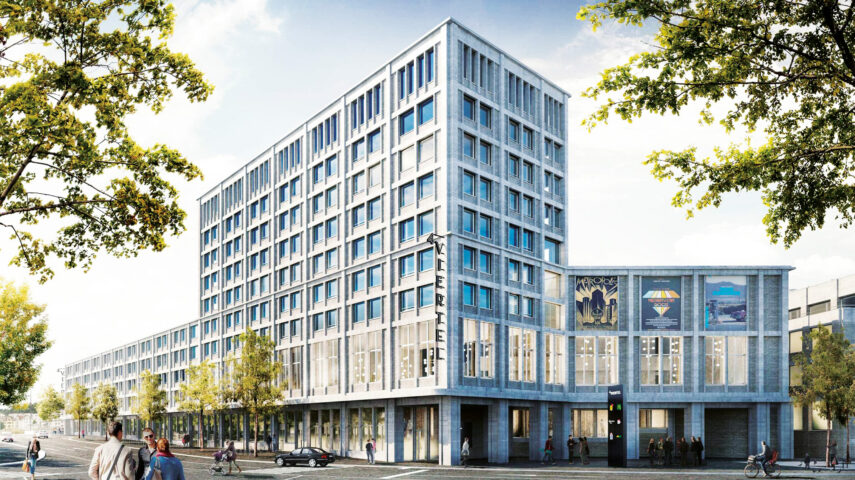
ESP Lucerne railway station The world-famous postcardLucerne is the cultural and economic metropolis of Central Switzerland. The project of the century, the through station, will ensure Lucerne’s national and international accessibility in the long term and enable the expansion towards sustainable mobility in the entire metropolitan region. The city centre on the lake will take on a new character as new, unique urban development opportunities are created in the immediate vicinity of the station.
ESP Rothenburg Station This ESP, located in the north of the city region, is characterised by a high location quality and development dynamics and has great potential for further development. An overall settlement and transport concept is currently being developed in a cooperative process, which will form the basis for the future structural, transport-friendly and economic development of the area.
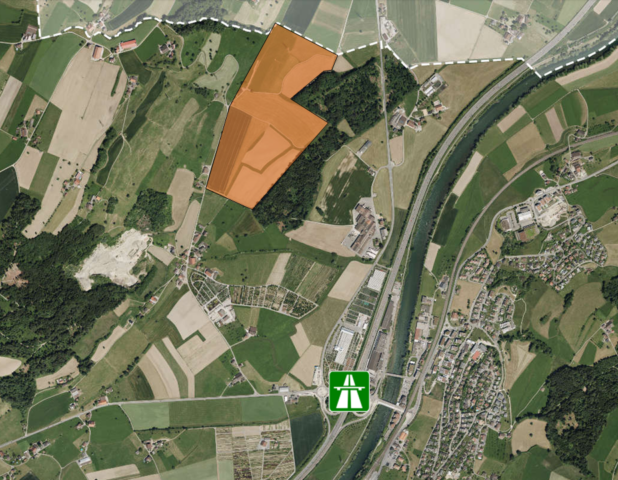
SAG Schweissmatt Inwil The largest of the three strategic working areas in the canton of Lucerne is located in the municipality of Inwil. The almost 30-hectare site is located in the immediate vicinity of the A14 motorway (main transport axis Lucerne-Zug-Zurich) and is in the process of being prepared under planning law for the settlement of a large-scale enterprise with high added value.
Sursee, Seetal, Willisau and Wiggertal regions
ESP Sursee The development of the city and region of Sursee into a modern small-town centre on Lake Sempach has been in the offing for decades. The town is also interesting as a business location. Over the years, numerous companies have settled here, benefiting from the perfect rail and road connections. With its inclusion in the agglomeration programme, the town of Sursee is about to take the next step in its development. From the working area in the north of the town, companies can reach their customers throughout Switzerland within a short time.
ESP Hochdorf-Römerswil Hochdorf is the regional centre of the Lucerne Lake Valley. The high quality of the landscape meets exciting companies here. Industry in particular has settled in the Seetal over the course of time. This has left its mark. Even today, the Seetal is still the region with the highest proportion of second sector companies. The large reserves of building land are a major advantage of the ESP and, in particular, its potential. A utilisation and development concept is currently being drawn up.
ESP Reiden / Wikon The municipalities of Wikon and Reiden are located on the border with Canton Aargau and have excellent transport connections with their own motorway exit to the A2. In addition to the north-south connection, the east-west connection A1 is also in the immediate vicinity. This location and also the industry- and fabric-friendly environment (the ESP borders residential areas at only a few points) make the ESP a highly sought-after location for companies.
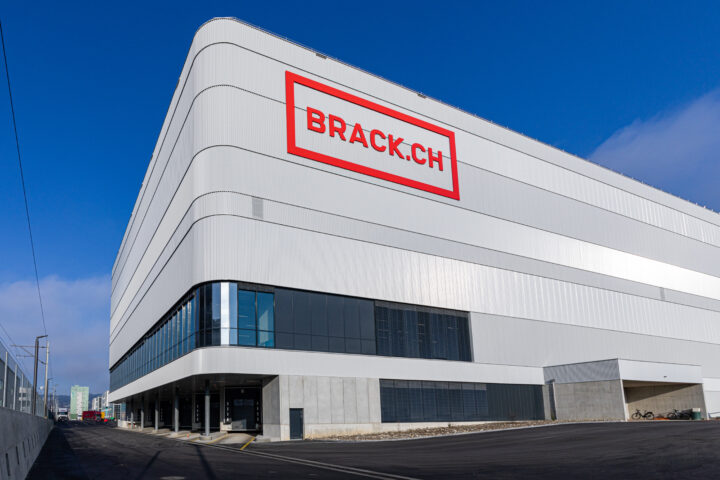
ESP Willisau The pretty little town of Willisau is the regional centre of the Lucerne hinterland. Small and medium-sized commercial and industrial enterprises from various sectors have settled here. Competec Logistik (Brack) is a major newcomer to the area, and the company continues to expand in Willisau. There are still building land reserves, and urban development is underway on the former Wellis site. The spatial and utilisation vision for the Willisau ESP is currently being drawn up for its further development.
ESP Dagmersellen The Dagmersellen development focus has excellent transport connections. It is located in the immediate vicinity of the A2 motorway junction, the railway station is within walking distance, and there is also an industrial railway siding. The ESP is characterised by large industrial companies such as Pan Gas, Misapor, Emmi and Hiestand, and has a large range of warehousing and logistics facilities, especially through Galliker AG. The ESP still has potential for expansion.
SAG Honrich Sempach The strategic working area is located directly on the motorway. Nearby, the old Swiss fought for their independence in the famous Battle of Sempach. The profile is also independent. Where else can companies find 10 hectares of land with a lake view for development today? The Städtli, which was awarded the Wakker Prize, convinces with its high quality. There is one condition: the land is reserved for value-added companies and uses.
SAG Mehlsecken Reiden The location of SAG Reiden could not be more central. Situated between the cities of Basel, Bern, Lucerne and Zurich, it lies at the crossroads of the A2 and A1 motorways that cross the country. The Reiden motorway junction is right next to the site. The approximately 20 hectares of land offer strategic development opportunities for a high-value-added company that would like to take advantage of the favourable location and the high potential for the next big step.
Wir verwenden Cookies zur Unterstützung und Verbesserung unserer Dienste. Mit der Nutzung dieser Website erklären Sie sich mit der Verwendung von Cookies einverstanden. Weitere Informationen finden Sie in unserer Datenschutzerklärung.