Tag: Wirtschaftsstandort

  • Zurich bundles economic development in one law

    Zurich bundles economic development in one law

    The road was long. The Department of Economic Affairs has been developing the legal basis since 2020, the consultation process began in 2022 and the Cantonal Council approved it by 114 votes to 59 in the fall of 2025. On April 30, 2026, the cantonal government put the Location Promotion and Business Relief Act into force on July 1, 2026. What was previously piecemeal now has a clear legal home.

    What the law bundles together
    The law brings together six central areas of responsibility under one roof: location development, strengthening innovative capacity, supporting established companies, attracting new businesses, location promotion and external economic relations. At the same time, the previous law on administrative relief will be repealed and fully integrated. This will put an end to a double-track race between two separate sets of regulations.

    The pressure behind it
    Energy shortages, a lack of skilled workers, the OECD minimum tax and the unresolved relationship with the EU are putting pressure on Zurich as a business location. Legally enshrined location promotion should increase the canton’s ability to react and ensure that measures can be implemented quickly and in a targeted manner. The law also provides a basis for the canton to quickly participate in federal crisis support programs.

    Business relief as the centerpiece
    The previous coordination office will be upgraded to a specialist office for business relief. In future, it will systematically examine all new and amended cantonal laws and ordinances for their impact on companies. The so-called regulatory impact assessment has a clear objective: business-friendly regulations and digitally processed enforcement that saves time and effort.

    Zurich as a role model
    Zurich is thus positioning itself as a canton that does not leave economic competitiveness to chance. Carmen Walker Späh, Director of Economic Affairs, played a key role in shaping the law, which is one of the last major projects of her twelve years in office. It will be launched on July 1, 2026, when Walker Späh is already completing her year as President of the Government.

  • The way is clear for Wil West

    The way is clear for Wil West

    At the second attempt, the voters of St. Gallen say yes to Wil West. The decision is close, but clear enough to create planning security. The vote shows that the region wants to grow. Bundled, plannable and coordinated across cantonal borders.

    With the sale of the land, St. Gallen is handing over a former estate of the Wil psychiatric clinic to the canton of Thurgau. In future, the economic area will be located entirely on Thurgau soil, but will remain within the immediate sphere of influence of the Will region. This creates a clearer starting position for investments, infrastructure and long-term settlement strategies.

    Concentration instead of urban sprawl
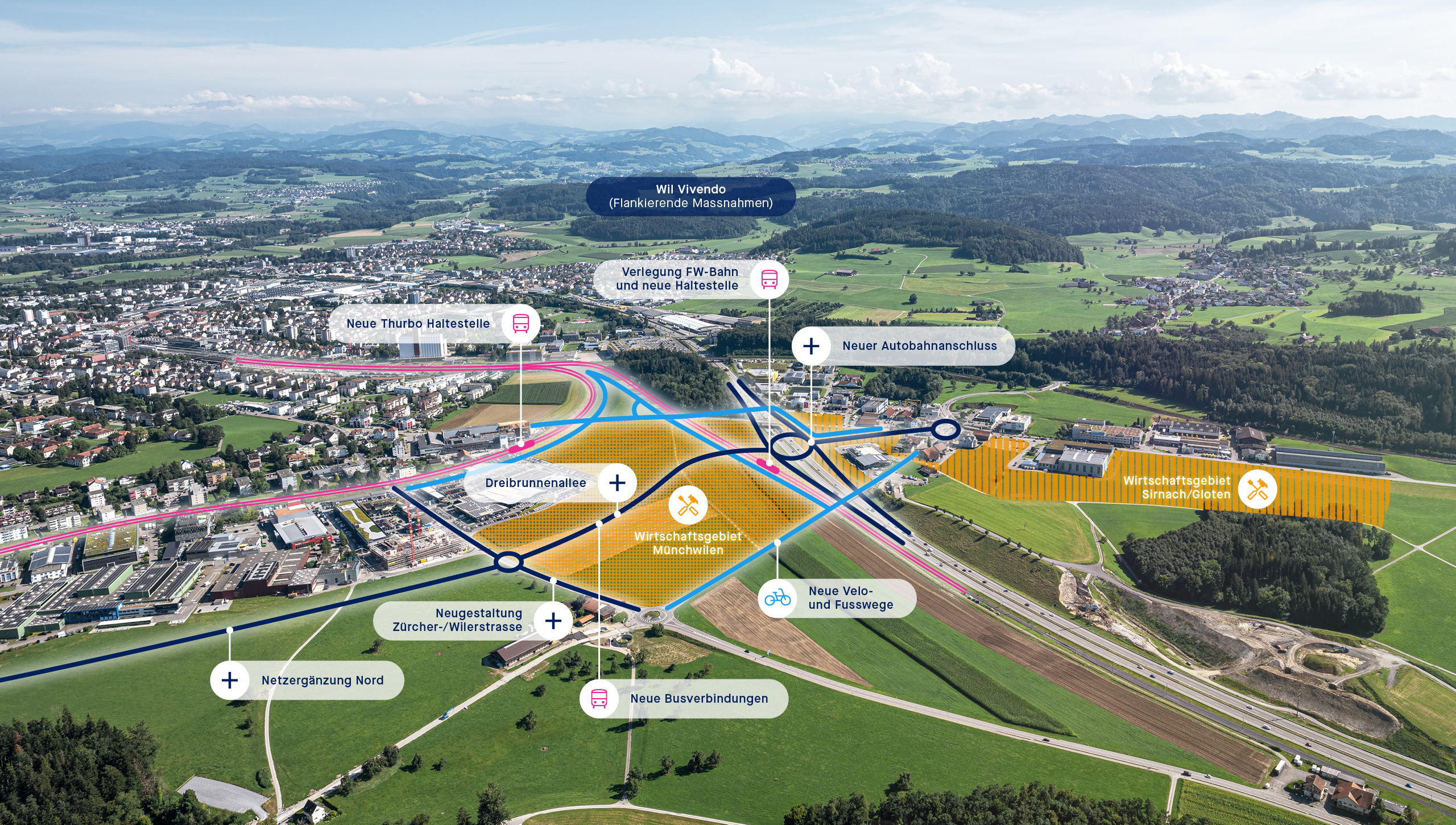
    Wil West stands for a model that keeps many regions busy, enabling economic growth without further urban sprawl. Instead of constantly scattering new commercial zones on the outskirts of towns, the location will in future concentrate companies, services and productive jobs in a location with good transport links.

    The plan is not just any old industrial area, but a modern work location. The aim is to create high-quality businesses that generate added value and skilled jobs without taking up an excessive amount of space. The development potential of the region will thus be utilized. For spatial planning, the project is therefore also an instrument for channeling growth instead of leaving it to chance.

    Infrastructure as a driver of development
    Wil West has a particularly strong impact through its infrastructure. With the project, the federal government, cantons and region are linking the expansion of the highway, public transport and pedestrian and bicycle connections. The planned freeway link to the A1 and better rail and bus connections will make the area attractive for companies and at the same time relieve pressure on the existing town centers.

    Sustainability as a location factor
    The first version of Wil West failed due to concerns such as loss of cultural land, traffic and ecological impact. In the revised version, sustainability plays a much more visible role. More compact construction methods, more careful land use and more green and open spaces are intended to reduce the ecological footprint.
    This is precisely what is becoming a location factor for companies looking to relocate. When choosing a location, more and more companies are looking at energy and land consumption, accessibility without a car and an attractive environment for employees.
    Wil West has the opportunity to set a new standard for work zones if quality assurance, phasing and criteria for settlements are consistently implemented.

    Seize opportunities, manage expectations
    With the yes vote for the proposal, expectations are now also rising. Politics and administration must pick up the pace without falling into a hectic pace. The region needs clear guidelines: which sectors should come? What density is desired? How can development be managed over decades without having to change strategy every time the economy changes?

  • Thun North is developing into a new district

    Thun North is developing into a new district

    The future new district of Thun North is one of the four most important cantonal development priorities and the most important in the Bernese Oberland, according to a statement from the city of Thun. A future-oriented urban quarter and a business location with supra-regional appeal is to be created here on a 60-hectare site. The area will be accessed via a new S-Bahn station.

    Half of the site belongs to Armasuisse Real Estateand half to RUAG Real Estate AG. In 2025, the city of Thun conducted a so-called workshop process with them and BLS for the core area around the planned railway station. Three interdisciplinary teams worked with experts and various stakeholders to develop proposals. From these, an advisory committee derived key parameters for further development.

    The basic framework of the new district is to be formed by open spaces. This will be characterised by the Aare river, the roads, the railway area and the townscape. The existing shed roof hall will form the backbone of the complex. The two landowners want to concentrate their closed industrial sites on the area west of the Alpine Bridge and on the grounds of the textile centre. Mixed uses are planned outside these areas. The Swiss Federal Laboratories for Materials Testing and Research (Empa) will also be one of the key players with its new campus.

    The results of the workshop process will be on display at Thun Town Hall until 6 March.

  • Co-operation to leverage the potential of the Silbern industrial estate

    Co-operation to leverage the potential of the Silbern industrial estate

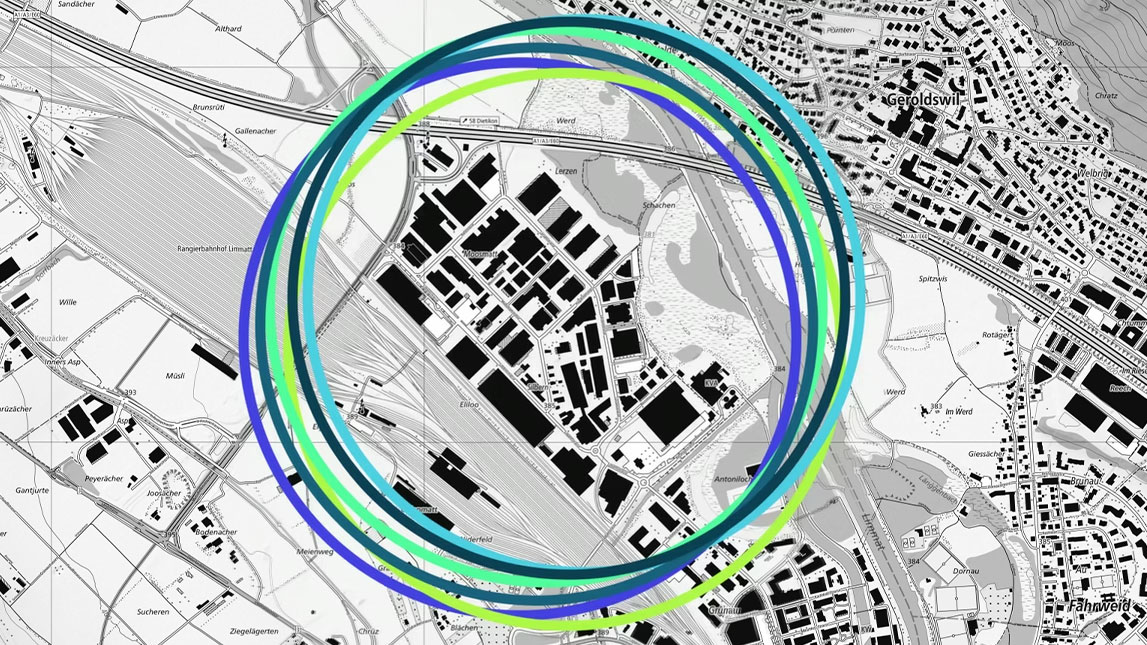
    Today, Silbern is an important location for production, trade and shopping and contributes significantly to the economic strength of the region. At the same time, the area has hardly developed at all over the years in terms of urban development and urban space and lags behind the potential of other business locations in the region. This is precisely where the new alliance comes in. It wants to initiate qualitative further development instead of merely managing the existing utilisation.

    Integrative approach instead of individual interests
    In the Silbern Future Alliance, IG Silbern, Limeco, BirdLife, the city of Dietikon and the canton of Zurich are working together in a long-term, collaborative framework. The approach is clear: the economy, mobility, environment and nature are planned and managed together. The aim is to recognise conflicting objectives at an early stage and to develop solutions in a coordinated and transparent manner based on interests.

    Vision and charter as a binding framework
    The result of a two-year mediation process led by Joris Van Wezemael is a common vision, supplemented by a binding charter. Both create orientation, define guidelines and strengthen reliability in the cooperation. This gives companies and landowners a framework within which they can actively shape development. With more planning security and clear expectations regarding the compatibility of economic, ecological and social concerns.

    Sustainable economic and living space
    The alliance sees itself as a long-term cooperation with a clear ambition. Silbern is to develop into a location that offers attractive framework conditions for companies, improves accessibility and at the same time strengthens natural and living spaces. Infrastructure is seen as key, as part of the solution, for example by converting waste materials into energy and new resources.

    Common will as a success factor
    The next step requires concrete projects and the sustained will of all those involved to share responsibility. Entrepreneurs, property owners, the public sector, infrastructure operators and nature conservation organisations have already developed a better understanding of each other and mutual respect in the dialogue to date. This basis of trust is crucial if the shared vision is to be realised and Silbern is to make the leap from an underestimated working area to a future-oriented economic and living space.

  • The Landolt site in transition

    The Landolt site in transition

    What significance does the development of the Landolt site have for Glarus as a business location? What specific impetus do you expect for the local economy and the creation of new jobs?
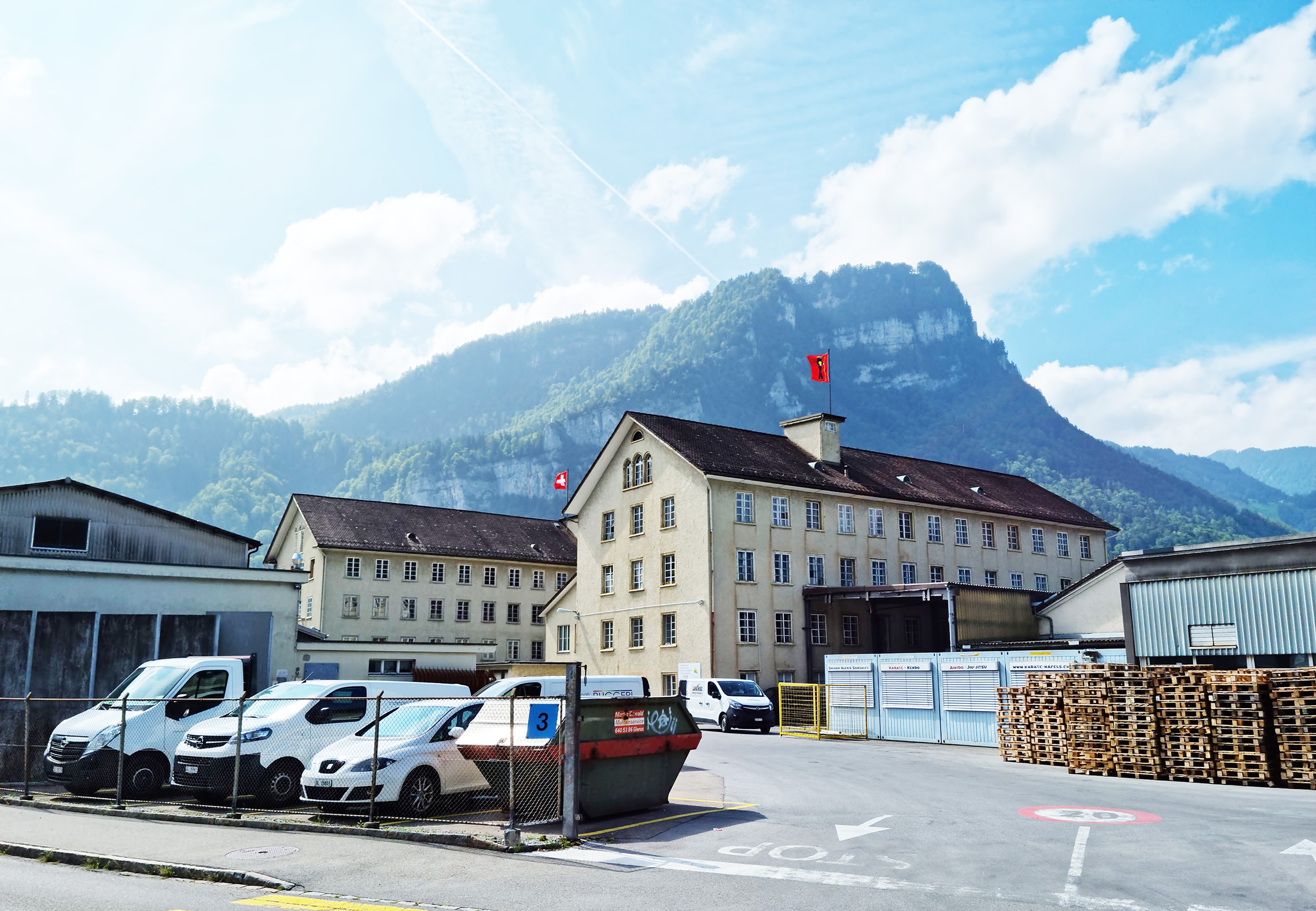
    The site is already well utilised with many different SMEs. When the Landolt company moves out in the medium term, the old stock will be freed up. The Shedhalle, which we have already renovated and equipped the roof with a large PV system, is particularly interesting. We are in the process of attracting new tenants and offer a very attractive location with optimal logistics connections. Attractive new jobs are being created here.

    Temporary uses such as the planned mobility hub are a central element of the concept. What opportunities do you see in these temporary uses to revitalise the site during the development phase?
    This is one of the most important parts of the transformation. We would like to keep all of the existing tenants if possible. We maintain direct contact with them so that they can continue to develop within the site. The buildings with interim uses are let cheaply but not for long, whether as storage, car parks or hubs, but without major investment on our part. There is also room for creativity here.

    How are the canton of Glarus and the location promotion organisation involved in the project? Is there strategic coordination with cantonal development goals?
    We are in regular dialogue with the location promotion agency and are confident that the good location and the size of the space on offer will also attract larger SMEs to the canton of Glarus. Several companies are already interested in setting up here.

    Participatory planning is emphasised. How were local residents and businesses able to get involved and what findings from this process will be incorporated into the next steps?
    With well-supported representation from the authorities and a specialist committee from the worlds of business and urban planning, as well as an international team of planners, the urban design, the relationships with the neighbours and the use and building distribution of the site were reworked. Many of the old spinning mill buildings are to be preserved and given a new lease of life.

    The current purely commercial area will be supplemented with various commercial offerings, and a small proportion of housing will also be possible. The very attractive location between the Chli Linthli and Mühlibach streams also invites walkers and residents to experience this beautiful and idyllic place.

    The planners are currently working with the design commission and the heritage conservation organisation to draw up the basic project. By the summer of 2025, it will be possible to show the future shape of the site, the expanded commercial offer and the variety of flats. We are very pleased with the excellent cooperation and are convinced that the careful handling of the existing buildings and the new buildings will create great added value for the users of the site, as well as for local residents.

    The development will take place in four stages. How will you ensure that the site remains lively, usable and attractive in the intermediate phases and does not become a long-term construction site?
    As already mentioned, part of the existing industrial buildings will be used for new purposes. The very old existing buildings, which will be vacant in the medium term after the Landolt company moves out, are to be rented out again quickly after conversion or modernisation. The various talent zones were defined for this purpose, and these form the stages. The development will be successively finalised with the completion of the respective zones.

    The innovation campus at Chli Linthli is intended to develop independently and in line with demand. Which target groups would you like to address here and which sectors could settle here?
    This site is already fully occupied with a wide range of businesses. The needs of the future will be accommodated here. The idea is to create a diverse range of businesses that require good networking within this area and function like a campus. However, we are also open to other ideas. Only time will tell what these are.

    How do you create long-term identity and loyalty on the site? What role do social, cultural or ecological offerings play for future users?
    The site already has a rich history. You can see this everywhere here. With a new use and the right approach, the culture will be preserved but also redefined. With our goal of sustainability, this process will also conserve resources. The use of natural building materials and simple architecture will create affordable working and living space that is healthy and worth living in. With its watercourses, green spaces, newly created neighbourhood squares, etc., the site offers a lot of spatial quality, but also a very attractive place to work, live and stay.

  • Glarus – truly fabulous

    Glarus – truly fabulous

    The canton of Glarus is also progressive at other levels, for example in terms of digitalization. The MINTGL initiative promotes enthusiasm for the subjects of mathematics, IT, natural sciences and technology among children and young people. Coverage with UHB Internet via mobile communications or fiber optics has increased significantly and is being continuously expanded. And the economy benefits from subsidies for the digital transformation of its products and business models.

    Room for development
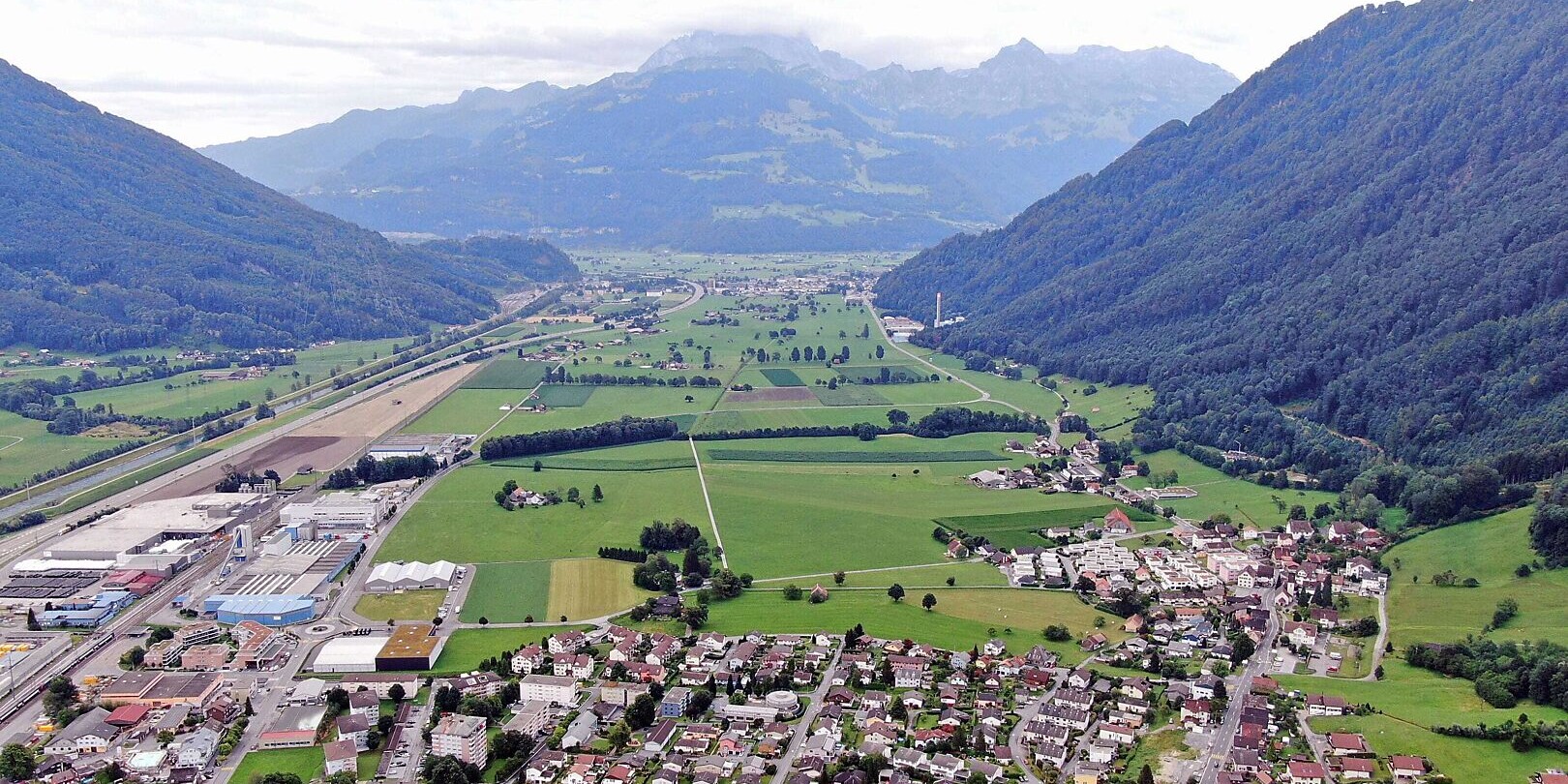
    Glarus has exceptionally large reserves of building land as a result of the municipal structural reform. Thanks to its geographical proximity to Zurich, St. Gallen, Graubünden and Liechtenstein, companies have access to the expertise of universities, dynamic economic areas and skilled workers.

    The implemented land use plans in Glarus and Glarus North enable the targeted development of key areas and an unbureaucratic response to the needs of the population and companies. The areas around the Glarus, Näfels and Ziegelbrücke railroad stations offer enormous development potential – in the immediate vicinity of the town center and with excellent transport links. There are 170,000 square meters of land reserves available in the employment zones. At the same time, over 2,000 new apartments are planned in the canton of Glarus – state-of-the-art living space for around 6,000 people. This corresponds to around 15 percent of the current population.

    The contact point for the economy supports investors in their search for suitable sites and land reserves. This is based on work zone management, which provides information on building maturity, development and possible natural hazards. In the case of strategically important sites, the canton can become active itself – either by investing directly in their development or by acting as a partner.

    Skilled workers for success
    If you want to attract companies, you need space – including space for skilled workers. This is exactly what Glarus offers. Here, people have the opportunity to live where they work: to enjoy lunch with the family, to experience nature after work – and all this with a low cost of living, a relaxed real estate market and in a safe, socially intact environment. Glarnerland thus combines the economic strength of the “Greater Zurich Area” with a quality of life close to nature.

    The canton of Glarus is also committed to education and training. With the Work 4.0 pilot project, it is specifically strengthening the employability of skilled workers by co-financing training and further education. This commitment is complemented by three cantonal vocational schools, two technical colleges in Ziegelbrücke and the proximity to the universities and colleges in Zurich, Rapperswil, St. Gallen and Chur. Together with offers in adult education, vocational and career counseling, people in Glarnerland have access to almost every training and further education path. The smartglarus.com platform offers a compact overview of educational opportunities, support programs and services – a digital showcase for anyone who wants to learn, work or develop in Glarus.

    Innovation for the future
    It is often said that innovation mainly originates at universities and colleges. This is only partly true. Start-ups need more than just good ideas: They are dependent on partners from industry and business who can drive product development forward with their experience and know-how. This is exactly what the Glarus economy offers. When it comes to growth, practical factors count: affordable space, qualified specialists and continued access to universities. The canton of Glarus combines all of this. And is therefore an ideal location for start-ups with ambitions.

    Innovation promotion is broadly based in the canton of Glarus – thanks in part to cooperation with strong partners such as InnoSuisse and the Innovation Network Eastern Switzerland (INOS). Start-ups and companies benefit from coaching, expertise and financial support for the development of their products and services. One example: the fast-growing drone manufacturer ANAVIA made a conscious decision to locate in Näfels – a clear sign of how innovation-friendly the Glarus region is.

    Circular economy in the food and packaging industry

    In Glarnerland, the circular economy is a way of life – from the development of energy-efficient machines and innovative packaging solutions to food production and recycling: the economic area combines industrial strength with ecological responsibility. The result is a regional ecosystem that not only thinks about sustainability, but also puts it into practice.

    It all started with Netstal Maschinen AG, which develops high-performance injection molding machines. These are used at Resilux Schweiz AG in Bilten – together with high-precision molds from Glaroform AG. Resilux uses them to produce preforms, i.e. PET preforms, as well as finished bottles. These in turn are filled at the mineral springs in Elm.

    After use, the cycle starts all over again: the empty bottles end up at the Resilux recycling plant, where they are processed back into high-quality recyclate – ready for the next round of production. This creates a regional ecosystem based on innovation, efficiency and resource conservation. The companies benefit from each other’s expertise and thus drive the circular economy forward.

    Rethinking plastics
    Kunststoff Schwanden AG is also part of this sustainable network: it develops and manufactures sophisticated plastic parts using multi-component injection molding – with a focus on recyclates and energy-efficient processes.

    Where ideas take shape in corrugated cardboard and paper runs in circles
    Müller Kartonagen AG supplies customized solutions. Its corrugated cardboard packaging made from renewable raw materials is manufactured regionally – efficiently, in a resource-saving manner and tailored to customer requirements, such as those of Läderach. The raw material comes from the Netstal paper mill, which produces around 50,000 tons of recycled paper every year – from waste paper, most of which comes from Switzerland, and is processed using closed material and water cycles.

    Packaging is just the beginning. In Glarus, the contents are also produced responsibly: In the food industry, regional ingredients meet modern processing – sustainably and efficiently.

    Traditionally, Glarner Schabziger stands for local food production. Today, the spectrum is broader. Foodstuffs from chocolate to salmon are taking the lead. The entire region benefits from the growing potential of the food industry.

    Chocolate art with global success
    Since the invention of the Truffes hollow ball in 1970, Läderach has expanded steadily – and is now present in Europe, Asia and North America. The new factory in Bilten makes it possible to control the entire value chain – from the cocoa bean to the end product.

    Also from Bilten, GUMA AG distributes the traditional Stalden cream – a Swiss dessert classic in four varieties with over 120 years of history.

    Mexican bite with Glarus roots
    MiAdelita has been producing fresh corn tortillas and potato chips since 1995 – and is now the largest supplier of its kind in Switzerland. Now in its second generation of management, the company consistently focuses on regionality: the corn comes from the Landolt mill in nearby Näfels. Together with the delicatessen supplier IMEX, a new production site with around 40 jobs is being built in Bilten.

    North Atlantic salmon from land-based farming
    Swiss Blue Salmon AG is planning the largest land-based fish farm in Switzerland in Mollis. With a market share of seven percent, it will make an important contribution to climate-friendly food supplies. The recirculation system will be supplied with water from Lake Walen and passively cooled – ideal conditions for sustainable salmon farming. The location in the “Biäsche” industrial area also offers first-class transport links to Zurich and Chur.

    High-flyer – the aviation industry in Glarus

    Flying has a long tradition in the canton of Glarus. in 1939, the first flight day attracted thousands of onlookers to watch the daredevils in their flying boxes. Today, aviation is one of the main areas of development in the canton of Glarus. With the zoning of additional building land, the Mollis airfield offers new space for aviation companies.

    The municipality of Glarus North is drawing up a master plan for the structural development of the site by summer 2025. Also in summer, athletes take to the skies at Mollis airfield – and land unerringly in the sawdust: 150,000 visitors are expected every day at the Swiss Wrestling and Alpine Festival (ESAF).

    Flying high – with a firm footing on Glarus soil
    Everything around the Mollis airfield revolves around precision and high-altitude flights. What the companies based here have in common: They use the synergies of a specialized cluster. First and foremost the Kopter Group. The helicopter manufacturer wants to establish itself internationally with the single-engine AW09. The location offers space for test flights, short assembly routes and a technology-friendly environment.

    Anavia is one of the youngest aviation companies in Glarus. The start-up develops unmanned helicopters – such as the HT-100, which flies for up to six hours, carries 60 kilograms and is ideal for border surveillance, infrastructure inspections or rescue missions. Founder and Co-CEO Jon Andri Jörg says: “Glarus is ideally suited to our needs. We have access to highly qualified specialists. And the proximity to Mollis airfield offers an ideal location for both production and testing.”

    Another start-up has made a conscious decision to locate in Glarus in 2025: Marenco Aviation is working on a new generation of lightweight helicopters with a focus on alternative propulsion systems.
    A proven player is Rega, which has been operating its own base in Mollis since 2010. The strategically favorable location allows for quick missions in the Alps. The expansion into a permanent station shows how central the location has become for air rescue.

    Heli-Linth AG has been operating here since 1972. It flies tourists over glaciers, supplies alpine huts, transports materials – and occasionally rescues cows from rough terrain. Comprehensive aircraft management is provided by the internationally active Linth Air Service AG, which has been anchored at the site for over 20 years. The Ecoflight flight school also takes off from here.

    Only Sauter, Bachmann AG remains on the ground, and with good reason: the Netstal-based specialist for gears and drive systems also supplies the aviation industry and benefits from direct contact with partners at the airfield, the technical expertise in the region and the industrial tradition of the Glarus region.

    Together, these companies focus on quality, proximity and a clear commitment to the Glarus region. They take off and yet remain grounded.

  • Work-life balance as a success factor

    Work-life balance as a success factor

    The Greater Zurich Area is considered one of the most important business locations in Europe. But in addition to its economic appeal, the region offers a decisive advantage: an optimal work-life balance. The balance between professional success and personal well-being is no coincidence here, but the result of targeted economic and social developments.

    Flexible working models as standard
    The companies in the Greater Zurich Area economic region rely on modern working structures. Working from home, part-time models and flexitime are widespread. This flexibility enables skilled workers to achieve an ideal work-life balance. The high level of productivity in Switzerland shows that efficient working and reduced working hours are not a contradiction in terms, but complement each other.

    Quality of life at the highest level
    Switzerland regularly occupies top positions in international rankings for quality of life. The infrastructure, security and first-class healthcare are essential factors that underline the attractiveness of the economic region.

    Added to this is the immediate proximity to nature. If you work in an innovative company in the morning, you can go hiking in the Alps after work, swim in one of the many lakes or enjoy a wide range of cultural activities in the urban centers.

    Efficiency through short distances
    Another feature of the region’s success is its excellent transport infrastructure. Commuting times are short compared to other major cities around the world. The closely timed public transportation system ensures that skilled workers spend less time traveling back and forth, leaving more time for work, family and leisure.

    A magnet for talent and companies
    The Greater Zurich Area is not only attractive for skilled workers, but also for companies that benefit from the unique quality of the location. Numerous international corporations and innovative start-ups have settled here, particularly in the fields of finance, technology, life sciences and mechanical engineering.

    Challenges and opportunities
    Despite all the advantages, there are also challenges. The cost of living is high and competition on the labor market is intense. However, companies are meeting these challenges with attractive additional benefits, such as health programs, childcare and training opportunities.

    The perfect balance between career and leisure
    The Greater Zurich Area economic region offers an incomparable combination of economic excellence and a high quality of life. Those who live and work here benefit from an environment that makes it possible to be successful while enjoying life to the fullest. The work-life balance is not a theoretical concept, but a lived reality.

  • Greater Zurich Area first-class economic area

    Greater Zurich Area first-class economic area

    The economic area around Zurich spans several cantons and is a hotspot for future-oriented industries. In addition to its role as a global financial center with excellent FinTech expertise, the region offers a dynamic ecosystem for technology companies that benefit from stability, trust and an innovation-friendly environment.

    Top scientific location with a global impact
    Research institutions such as ETH Zurich and the University of Zurich are drivers of scientific progress. They shape the region in areas such as life sciences, robotics and artificial intelligence. The close exchange between universities and companies promotes innovation and accelerates the implementation of marketable solutions, a decisive locational advantage in global competition.

    Attractive for companies, convincing for skilled workers
    Clear political conditions, a transparent legal system and attractive tax conditions create an investment-friendly climate. Companies also appreciate the excellent infrastructure, short decision-making processes and access to a highly qualified workforce. The international orientation of the population also strengthens competitiveness.

    Quality of life as a strategic success factor
    The region is not only convincing economically. It also offers an environment with a high quality of life. International rankings regularly place Zurich among the world’s most liveable cities. This environment attracts skilled workers and entrepreneurs and promotes long-term loyalty to the location.

    Future-oriented, sustainable and digital
    The area makes targeted investments in sustainable development, digital infrastructure and technological topics of the future. Commitment in areas such as renewable energies, low-emission mobility and intelligent urban development make the region a pioneer of sustainable transformation, setting an example beyond the country’s borders.

    SMEs as a pillar of economic strength
    In addition to global companies, the region is characterized by a strong SME sector. Highly specialized SMEs strengthen the diversity and innovative power of the economic area and complement the industrial ecosystem with flexibility and niche expertise.

  • Zurich as a business location – fit for the future?

    Zurich as a business location – fit for the future?

    You head the Office of Economic Affairs of the Canton of Zurich. What are your responsibilities in this role and how can you influence economic development?
    The Canton of Zurich is a leading business location with international appeal. As the Office of Economic Affairs, we help to ensure that it remains competitive in the future, promotes innovation and generates sustainable added value.

    Thanks to a strong team with wide-ranging expertise in various areas and in-depth specialist knowledge, we strengthen the business location and support companies in various phases. We use our knowledge and experience in a targeted manner to analyze and develop the economic framework conditions and respond to new challenges. In close cooperation with the business and scientific communities, we analyze location factors and provide impetus to position Zurich as an attractive location for companies. At the same time, we take on central enforcement tasks: We ensure smooth approval procedures and thus create planning security for companies and employees. By ensuring compliance with working conditions and legal requirements, we contribute to an attractive and responsible labor market. Another focus is the promotion of affordable housing – a decisive factor for the attractiveness of a location. We therefore have numerous effective levers at our disposal to actively shape change.

    A pronounced service orientation is particularly important to me. A good understanding of our stakeholder groups and their needs forms the basis of our work. Because only if we know the challenges and concerns of companies can we provide targeted support and strengthen Zurich as a business location in the long term.

    In short: we create attractive framework conditions for an economic environment that benefits companies and the population alike.

    How do you assess the economic situation in the canton of Zurich?
    Overall, the canton of Zurich is in a very solid economic position and is one of the most innovative economic regions in Europe. Moderate economic growth of 1.1% is forecast for the current year. A high level of innovation, first-class universities and close cooperation between business and science make the location particularly attractive. Companies benefit from well-trained specialists, an excellent infrastructure and a strong international network.

    At the same time, we are facing important challenges: In the short and medium term, the latest geopolitical tensions could have an impact on Zurich as a business location. Closely linked to this is the question of how we position ourselves strategically vis-à-vis our European neighbors, particularly with regard to our relationship with the EU.

    In the long term, demographic change will play a key role. The ageing of society, rising retirement figures and the availability of skilled workers will be decisive for how competitive the business location remains. Measures must be taken in good time to secure the pool of skilled workers.

    However, thanks to its economic stability, innovative strength and quality of life, I believe that the canton of Zurich is well positioned to remain successful in the long term.

    In which areas does the canton of Zurich still have untapped economic potential?
    The canton of Zurich has a strong capacity for innovation. Nevertheless, there are areas with untapped potential: in the field of artificial intelligence, the canton of Zurich has taken an important step towards strengthening the dynamic AI ecosystem with the “Innovation Sandbox for Artificial Intelligence”. However, from a macroeconomic perspective, there are still great opportunities to anchor AI even more broadly in various sectors. SMEs in particular could increase their productivity and open up new business areas through the targeted use of AI. Practical support is needed here to provide SMEs with access to and knowledge of AI technology.

    There is further economic potential in the scaling of start-ups. Zurich offers an excellent environment for start-ups. However, many start-ups face the challenge of expanding their business beyond the initial phase. There is a need for additional financing options and targeted support structures to help start-ups grow and accompany them on their way to the international market.

    We are also not yet exploiting the existing potential in the area of digital health. Increasing cost pressure in the healthcare system, an ageing society and the growing shortage of specialists make a transformation more urgent than ever. Zurich as a business location has all the ingredients to be successful here: leading universities, strong players in the healthcare sector and innovative companies. With the “digital health center Bülach”, we have created an innovation hub that makes an important contribution by promoting innovation and building bridges between science and business.

    What economic policy framework conditions are crucial for the success of the Greater Zurich Area as a business location from the perspective of the Canton of Zurich?
    A key success factor is access to highly qualified specialists. The canton of Zurich has excellent universities and research institutes that attract talent from all over the world. To ensure that this remains the case in the future, the universities must also remain attractive to foreign students – both through first-class educational conditions and easier access to the job market after graduation.

    Tax conditions also play a decisive role. A competitive tax environment is essential if the canton of Zurich is to remain attractive. Currently, however, the tax environment is increasingly perceived by companies as a negative location factor. In a cantonal comparison, the canton of Zurich ranks second to last in terms of the tax burden on companies – a risk for long-term competitiveness.

    Our relationship with Europe is another key factor for economic success. Access to the European market is crucial for many companies, especially for export-oriented sectors. At the same time, companies in Zurich as a business location benefit from Switzerland’s lean and pragmatic regulations.

    How attractive is the Greater Zurich Area for investors in an international comparison with other European metropolitan regions?
    The Greater Zurich Area is one of the most attractive business locations in Europe and is asserting itself internationally as a leading location for companies and investors. It offers a unique combination of economic potential, innovative strength and business-friendly conditions. At the same time, the region offers a stable, transparent and reliable economic environment with attractive tax and regulatory conditions.

    Companies benefit from a first-class environment for research and development – characterized by close cooperation between universities, start-ups and globally active companies.

    Another key advantage for investors is the mix of industries in the region. Zurich is no longer just the most important financial center in Switzerland, but also a dynamic and diverse location for innovation. The strong presence of ICT, high-tech, space and robotics, life sciences, food and cleantech ensures a high density of innovation and minimizes the risk of dependencies. For investors, this means not only stability, but also attractive diversification opportunities.

    Switzerland is neither an EU member nor a cost-effective location. Why should an international company still choose the Greater Zurich Area?
    The Greater Zurich Area offers companies a unique overall package that goes far beyond cost factors. It combines a business-friendly and politically stable environment with first-class talent, leading research and a high quality of life – factors that are crucial for sustainable business success.

    Switzerland ranks first in the world when it comes to innovative strength as well as attracting and retaining talent. Thanks to an excellent education system, internationally recognized universities and a high quality of life, the country is able to attract specialists from all over the world. Companies benefit from a highly qualified labor market, which makes a decisive contribution to competitiveness.

    However, there is still untapped potential in one area: the availability of attractive and sustainable space for companies to successfully secure relocations and expansions.

    What strategic advantages does Switzerland offer as a hub for European or global business activities?
    As a business location, Switzerland offers a unique combination of stability, innovative strength and international networking. Thanks to its central location in the heart of Europe, it is an ideal starting point for companies with a global or European focus.

    One decisive advantage is its excellent accessibility: Zurich Airport offers direct connections to major economic centers worldwide and makes the Greater Zurich Area a strategic hub for international business activities.

    The fact that the canton of Zurich is already a sought-after location for globally active companies is demonstrated by the most recent relocations. International tech companies such as “OpenAI”, “Anthropic” and “Boston Dynamics” have opened offices in Zurich – proof of the attractiveness of the location and its potential as a hub for forward-looking industries. The high density of leading companies creates a dynamic ecosystem that also opens up new opportunities for local SMEs.

    How important are modern infrastructure and digital networking for internationally active companies?
    The Greater Zurich Area offers internationally active companies first-class infrastructure and seamless digital networking – key factors for competitiveness and sustainable growth.

    Thanks to Zurich Airport’s international reputation, a state-of-the-art rail and road network and direct connections to Europe’s most important economic centers, companies benefit from maximum mobility and accessibility. Switzerland is ranked first in the current IMD ranking for its infrastructure, which underlines the high quality and reliability of the location conditions.

    The region also impresses with its advanced digital infrastructure. High-performance networks and state-of-the-art technologies create optimal conditions for innovation, data-driven business models and the use of pioneering technologies such as artificial intelligence and cloud computing.

    With this combination of physical and digital excellence, the Greater Zurich Area offers companies the ideal framework conditions to successfully position themselves globally.

  • Smart City Strategy Zug

    Smart City Strategy Zug

    The challenges of urban growth, from the climate crisis to transport logistics and urban densification, call for holistic approaches. Zug is focusing on digitalisation as a key strategy. With its strong technological basis and the active involvement of all urban stakeholders, the Smart City Strategy Zug offers innovative answers to the questions of the future.

    Intelligent administration and citizen-centred services
    The city of Zug is striving for an efficient, citizen-centred administration that facilitates access to services and promotes transparency. Digital technologies, such as open data and smart administrative processes, offer citizens access to municipal services regardless of time and place. This customer-friendly approach strengthens the dialogue between the city and the population and makes Zug a pioneer for modern city administration.

    Strengthening social participation and digital skills
    With its smart city strategy, Zug is creating new platforms for the participation of all social groups. Digital channels expand dialogue and promote the right to have a say, especially for younger generations and less mobile people. Educational programmes are designed to improve the digital skills of both the population and the administration and prepare the people of Zug for the opportunities and challenges of the digital transformation.

    Smart mobility for sustainable mobility and quality of life
    Smart mobility is a central pillar of the strategy. Innovative technologies and alternative forms of transport are intended to reduce commuter traffic, cut emissions and improve the quality of life. Zug is focussing on real-time data, intermodal mobility and the expansion of emission-free modes of transport. The goal: clean, safe and sustainable mobility that enriches city life.

    Innovative business location
    With its dynamic start-up scene and innovative sectors such as fintech and blockchain, Zug creates an attractive environment for high-tech companies and qualified specialists. The Smart City strategy strengthens the location’s profile and connects companies that are committed to a sustainable economy and circular processes. In this way, Zug is not only positioned for the future as a place to live, but also as a business location.

    Sustainability and environmental protection through smart technologies
    Promoting energy efficiency and CO2 reduction is a key objective of the strategy. Digital applications such as “smart metering” enable a transparent presentation of energy consumption and promote the conscious use of resources. The city is focussing on the expansion of renewable energies and the intelligent use of existing infrastructure – a clear commitment to climate protection and sustainable urban development.

  • Findings from the Canton of Zurich’s “Fokus Standort” programme

    Findings from the Canton of Zurich’s “Fokus Standort” programme

    In order to position the canton of Zurich as an attractive business location in the long term, the Department of Economic Affairs is focusing on dialogue and collaboration. Current trends and challenges, including digitalisation, skills shortages and regulatory developments, were analysed at the “Fokus Standort” event.

    The discussion was based on the “Canton of Zurich location trend analysis”, which identified four key influencing factors: artificial intelligence and automation, demographic change, increasing regulatory density and economic uncertainty in relation to the EU.

    Workshops on key location topics
    Challenges and solutions were discussed in depth in four topic-specific workshops.

    Skilled workers: How can the labour market situation be stabilised through a better work-life balance, technological innovations and longer working lives?

    Technology: What role does artificial intelligence play in companies and educational institutions, and how can digital skills be promoted in a targeted manner?

    Regulation: How can companies be relieved in order to ensure competitiveness despite increasing administrative requirements?

    Mobility: What concepts can reduce travelling distances and promote sustainable transport solutions?

    The measures developed are now to be further developed in working groups and translated into concrete recommendations for action.

    Demographic change and labour shortage
    Government Councillor Carmen Walker Späh opened the discussion on demographic change. She emphasised that the rising number of retirees and the low number of new recruits represent a major challenge for the labour market. In addition to a better work-life balance, technological efficiency improvements and longer working lives are key solutions.

    In the concluding panel discussion with leading business and industry representatives, further strategies to combat the labour shortage were discussed. The Canton of Zurich is thus focussing on a constructive exchange in order to make the business location fit for the future.

  • New platform for Aargau as a business location

    New platform for Aargau as a business location

    The Canton of Aargau location promotion organisation is presenting Aargau as a business location on a new platform. At www.aargau.swiss, existing companies and companies interested in setting up a branch can find out about the advantages of the business location, explained the location promotion organisation in a press release. The Aargau cantonal government is pursuing the goal of increasing the economic strength of the location by attracting companies with high added value. The new website contributes to this by making the strengths of Aargau more visible.

    The new website provides information about the business location, programmes to promote innovation as well as advisory and support services offered by the cantonal location promotion agency and its partners. Separate sections are dedicated to company start-ups, relocations and the expansion of existing companies. In addition, news about the business location and its companies is published regularly. The news is produced by the Café Europe news agency based in Winterthur.

  • Construction of the world’s largest building

    Construction of the world’s largest building

    With a height and width of 400 metres each, the Mukaab will surpass the Empire State Building in New York almost twenty times over. Construction work has now begun in the desert state and the megaproject is due to be completed by 2030. The cube will offer a variety of flats, shops and leisure facilities, strengthening Riyadh’s position as an up-and-coming tourist metropolis. Saudi Arabia is investing 50 billion dollars in the north-west of the capital to create a new urban landscape.

    Virtual reality and artificial intelligence
    The outside of the Mukaab is to be equipped with virtual reality technology to transport visitors to fascinating landscapes. Inside, artificial intelligence will create holograms and simulations that project different places and times at breathtaking scale. The building will thus become a kind of digital adventure park that will attract visitors from all over the world.

    Prestigious projects with challenges
    Mukaab is part of Crown Prince Mohammed bin Salman’s “Vision 2030”, which aims to turn Saudi Arabia into a global tourist destination and business centre. The city of Neom and the linear megaproject “The Line” are also part of this ambitious plan. However, the plans for “The Line” have already been scaled back considerably due to logistical and financial hurdles. Instead of 170 kilometres, the structure will only be 2.4 kilometres long by 2030. It is uncertain whether it will ever reach the planned capacity for 9 million people.

    The Jeddah Tower – a long construction history
    Another mega project, the Jeddah Tower, was originally planned to be the tallest building in the world. After years of delays, the height was reduced from 1600 metres to 1007 metres. Construction began in 2013, but after a five-year break, the project is progressing slowly. The Jeddah Tower could be completed in 2029 at the earliest and become the new record holder.

    Criticism and controversy
    The Mukaab has already caused controversy. The design of the giant cube reminds many of the Kaaba in Mecca, the central shrine of Islam. This similarity is causing criticism in the conservative kingdom, as some citizens consider the construction to be disrespectful.

    It remains to be seen whether the Mukaab project will be realised on time or, like other Saudi megaprojects, run into difficulties. However, the size and ambition of these construction projects show the transformation that Saudi Arabia is undergoing. A transformation that is set to turn the country into a global tourism and business centre and will extend far beyond the oil era.

  • Schaffhausen economic area – an area for makers

    Schaffhausen economic area – an area for makers

    Schaffhausen has developed very successfully as a business location in recent years. Thanks to the canton’s reliable and targeted location strategy, numerous companies have set up headquarters and expanded their activities in Schaffhausen over the past 25 years. Today, the many companies with internationally oriented headquarters functions are just as much a part of Schaffhausen’s corporate landscape as the innovative manufacturing companies that continue the canton’s industrial tradition. Schaffhausen companies are particularly successful in the pharmaceutical and chemical industries, in mechanical engineering and in the plastics industry. The life science cluster in Schaffhausen is one of the largest in Switzerland and makes up a significant part of the regional economy. Thanks to the traditionally strong manufacturing industry with its focus on exports and the high density of internationally orientated company headquarters, Schaffhausen today has the fifth highest gross domestic product GDP per capita of all cantons. A success for the canton, which accounts for around one per cent of Switzerland’s population.

    With its industrial expertise, Schaffhausen is also successfully positioning itself as a leading region in the development and application of pioneering technologies at the interface of industry and digitalisation. These include smart mobility, food tech and advanced materials. This is why Schaffhausen is investing in the development of expertise networks – with a pioneering spirit and innovative strength.

    Recipe for success for the location
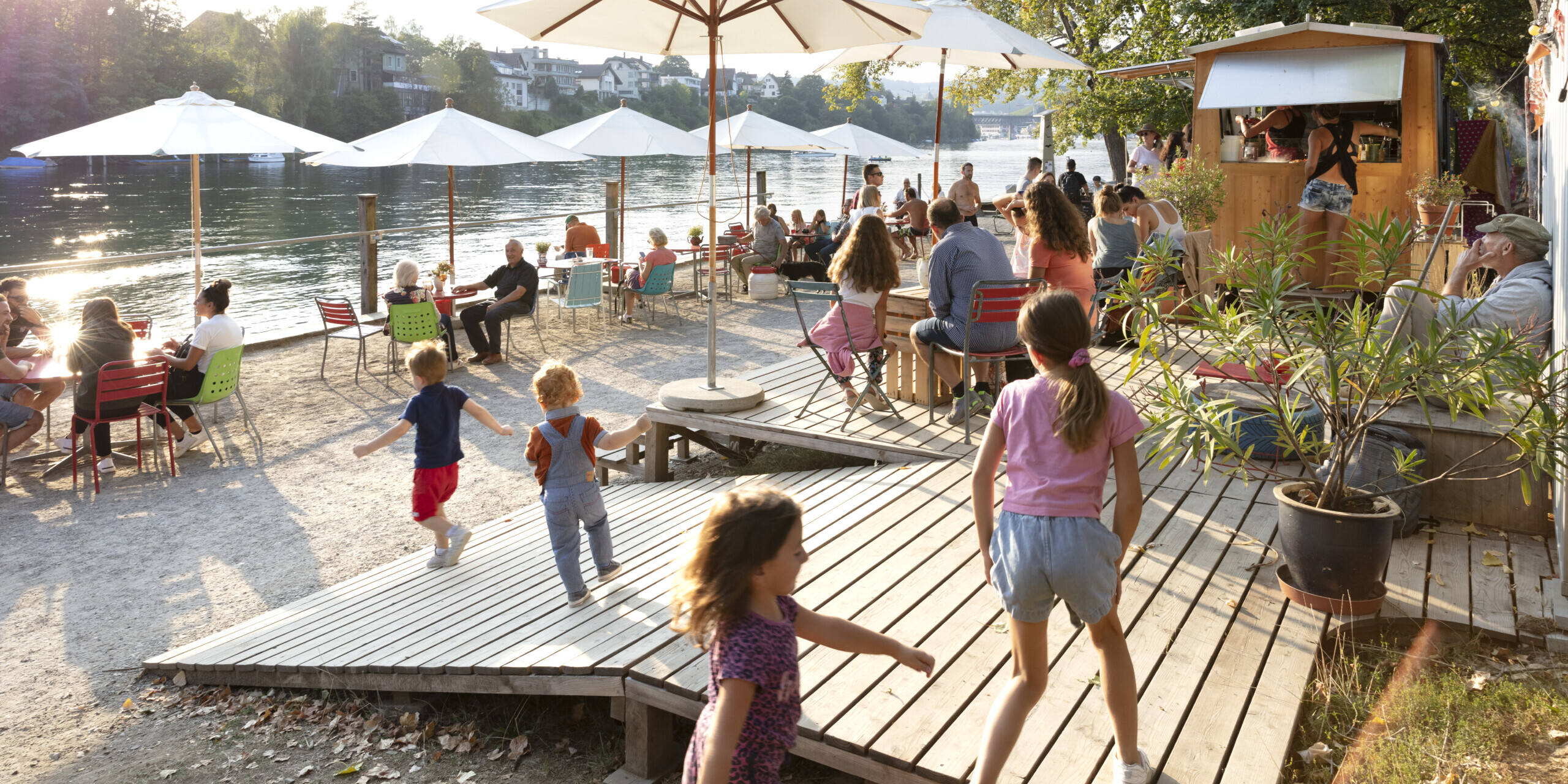
    The targeted investments in the framework conditions are Schaffhausen’s recipe for success. Today, the business location impresses with the best conditions for healthy growth. With moderate taxes, real estate at attractive prices and low labour costs, companies have more to invest in. Thanks to excellent road and rail connections to the nearby Zurich international airport, Schaffhausen is quick and easy to reach. As part of the Zurich metropolitan area and closely networked with the economic region of southern Germany, Schaffhausen companies also benefit from well-trained specialists and the proximity to numerous universities. The quality of life in Schaffhausen with its many attractive residential options attracts companies and new workers, who become new residents. Short distances to authorities and network partners help to find the right contacts. Decisions are made quickly. Schaffhausen as a business location is proud of its pioneering spirit and doer mentality.

    Testimonials

    Christos Asimakopoulos

    CFO EMEA, ASPAdvanced Sterilisation Products

    “The business-friendly attitude, the short distances and the openness of the authorities and the business development organisation – that’s what convinces me about Schaffhausen.”

    Dr Stephanie Striegler

    General Manager Janssen Supply Chain Schaffhausen

    “One of the location’s main strengths is its well-trained, highly qualified specialists”

  • 102. immoTable Schaffhausen on the road to the future

    102. immoTable Schaffhausen on the road to the future

    [smartslider3 slider=”24″]

    Councillor Daniel Preisig gave an overview of Schaffhausen’s economic development in recent decades. After the industrial crisis and stagnation in the 1990s, Schaffhausen has recovered thanks to targeted economic development. in 2023, the population record of 1969 was reached again for the first time. Preisig emphasised how projects such as the conversion of the old steel foundry and the relocation of roads to create traffic-free promenades along the banks of the Rhine contributed to the city’s attractiveness. Schaffhausen is continuously investing in smart, future-orientated urban development and digital administration.

    Dino Tamagni highlighted the impressive economic development of the canton of Schaffhausen. The region’s industrial success story began with the construction of the Moser Dam in the 19th century. The hydroelectric power plant, once the largest of its kind in Switzerland, laid the foundations for the establishment of important industrial pioneers such as Georg Fischer, SIG and IWC, which turned Schaffhausen into a central industrial centre.
    In the 1990s, globalisation led to plant closures, job losses and emigration, resulting in the loss of 11% of jobs. However, targeted economic measures, such as the creation of an economic development agency, enabled Schaffhausen to overcome the challenges and regain its competitiveness.
    Today, the canton has one of the strongest economies in Switzerland, with the highest GDP per capita. Thanks to the promotion of innovation projects and the continuous expansion of the infrastructure, Schaffhausen remains an attractive and future-orientated business location.

    Andreas Campi, Head of Development, Halter AG, presented the “Im Pantli” residential project in the Waldquartier Schaffhausen. A modern residential neighbourhood is being built on the site, which was once used as a workers’ housing estate by Georg Fischer AG. The buildings are arranged around a neighbourhood centre to create urban alleyways and meeting spaces. The car-free development offers spacious, family-friendly flats with private outdoor areas. Childcare facilities and a dedicated bus stop enhance the quality of the location. The project not only promotes modern living, but also a lively community life.

    Pascal Stutz, CEO of SVIT Zurich, Joëlle Zimmerli, Managing Director of Zimraum GmbH and Christian Brütsch, Owner and Managing Director of Stratcraft GmbH, presented solutions to the shortage of skilled labour. A key challenge facing the property sector is the shortage of skilled workers and dissatisfaction among experienced professionals. Around 60 % of the senior professionals surveyed feel that their workload is too high, and over 50 % see large portfolios as problematic. The study presented highlighted the need for action and suggested solutions such as the standardisation of processes, intelligent digitalisation and the promotion of leadership skills in order to better overcome the challenges.

    Tindaro Milone presented a comparison of energy sources for heat pumps at the immoTable. EKZ operates over 1,200 energy systems across Switzerland and favours sustainable solutions. Air is cost-effective, but less powerful. Geothermal energy offers stable energy, but is expensive and location-dependent. Groundwater is efficient, but requires strict authorisations. Waste water provides a lot of energy, but is irregularly available. Seawater is particularly efficient, but expensive and tied to bodies of water. The choice of energy source depends on the project requirements, with EKZ offering customised solutions. We look forward to welcoming you to the next immoTable in Zug, where the focus will once again be on exciting topics and pioneering developments in the property sector. Join us as experts discuss the future of Zug as a property location and the latest innovations in the sector.

    Further information on the event and future dates can be found at www.immotable.ch

  • Generis AG continues business development

    Generis AG continues business development

    As the current service contract with Generis AG expires at the end of 2024, the Schaffhausen government decided to put the mandate to manage the economic promotion and regional and location development office out to public tender at an early stage. Generis AG prevailed over its competitors in the two-stage tendering process.

    Extension of the mandate until 2032
    The new service contract comes into force on 1 January 2025 and ends on 31 December 2032, ensuring continuity and stability in location development in the canton of Schaffhausen.

    Future-oriented measures
    Generis AG will continue its successful work, with a particular focus on digitalisation and demographic challenges. Close collaboration with local and regional partners remains central to this.

    Trust and stability
    The Schaffhausen cantonal government sees the renewed award of the mandate to Generis AG as a confirmation of its previous successes and expects it to further strengthen Schaffhausen as a business location.

  • Shaping Zurich’s future: First location day sets new accents

    Shaping Zurich’s future: First location day sets new accents

    On “Location Day”, an initiative of the Zurich Department of Economic Affairs, leading figures from business, science and the Zurich government came together to formulate joint visions for the future direction of Zurich as a business location. The aim of the event was to identify innovative ideas and measures through constructive dialogue in order to strengthen Zurich as a business location in the long term.

    The discussions focussed on the canton’s core strengths, such as its dynamic entrepreneurial landscape, cutting-edge research and education as well as its high-quality infrastructure. In a series of panels and workshops, topics such as technology, skills shortages, business development, mobility and sustainability were explored in greater depth. The workshops generated a large number of proposals that are now to be developed further in order to realise practical solutions for Zurich as a business location.

    A study on the attractiveness of the Canton of Zurich as a business location, prepared especially for the “Location Day”, served as a basis for discussion. It analysed key factors influencing the business location and identified both the canton’s strengths and areas with potential for improvement. Based on these findings, the participants were able to address specific areas requiring action and channel them into productive channels.

    Due to the positive response and the recognisable need for ongoing exchange between the various sectors, the Department of Economic Affairs has already announced that it will establish the “Location Day” as an annual event. This emphasises the Canton of Zurich’s commitment to further positioning and strengthening itself as an innovative and future-oriented business location.

  • Uri wants to strengthen its business location in the long term

    Uri wants to strengthen its business location in the long term

    The economic development strategy serves as a communication instrument vis-à-vis the economy and politics and creates transparency about the programmatic orientation of economic development. It contributes to achieving the goals according to the Economic Promotion Act – increasing economic strength and competitiveness as well as securing and maintaining jobs – and thus strengthening Uri as a business location in the long term.

    The canton of Uri is positioned as a reliable and pragmatic partner with short routes. The foundations for positive employment development are being laid with the help of key projects. The main topics are knowledge-based services, alpine technology, tourism in the alpine region and around the Lake of Uri, traffic and safety technology, energy technology/cleantech as well as precision engineering and polymer technologies. In future, greater emphasis will also be placed on the opportunities for corporate functions (back office, development units) and the creative industries.

    The most important projects for location development are the further development of the existing and new research and education offers in the direction of a “Campus Uri”, the support of development focal points for the provision of attractive commercial, industrial and service areas, the monitoring of the positive effects from the continuing large-scale investments in tourism, the transfer of the cantonal digitalisation strategy to the companies in Uri and the promotion of municipal lighthouse projects. The strategy will be aligned with the canton’s planned climate protection concept.

    A marketing concept ensures target group-oriented communication. Important measures are the cultivation of resident companies, the visualisation of the key topics and potentials of the business location with factsheets and networking events, projects with a focus on “homesick” Uri residents, the further development of the ambassador network and the bundling of core messages about the Canton of Uri.

    Broad-based process and close coordination with the government programme
    The updated economic development strategy is closely coordinated with the government programme 2020 – 2024+. The update was accompanied by the consulting firm LOC AG from Zurich, which has proven national expertise in this area. Partners from business, tourism and municipalities as well as various cantonal offices were also involved in the process. Now the economic development strategy from 2016 has been updated and sharpened and adopted by the government council. The document is available on the internet at www.ur.ch/wirtschaft.

  • Lucerne – the business location with a tailwind

    Lucerne – the business location with a tailwind

    Courageous decisions and the resulting dynamism have shaped the development of Lucerne as a business location over the past two decades, with the KKL, which opened in 1998, serving as a symbol of change. In the course of this renewal, Lucerne expanded its university location and increased its fiscal attractiveness for residents and businesses.

    After years of strong growth and economic prosperity, sustainability is now high in the zeitgeist. In addition to economic and social aspects, ecological issues in particular are given greater weight than in the past. In particular, the consideration of climate protection has become a real yardstick for the sustainability of business models. Companies must rise to this challenge and find the right balance between the business of today and that of tomorrow.

    The canton supports global efforts in climate protection and aims to achieve net zero emissions of greenhouse gases by 2050. The Canton of Lucerne’s climate strategy invites the economy and businesses to work together towards this goal. A central lighthouse project is presented in more detail in this issue: the unique energy ecosystem in Dagmersellen.

    In the areas of taxes, accessibility and education, the canton remains competitive through the planned revision of the tax law and the construction of two generation projects in the transport infrastructure (through station and bypass). Meanwhile, the expansion of the university locations in Horw and Lucerne will ensure that companies have access to the skilled workers they will need in the future.

    Testimonials

    Adrian Steiner
    CEO, Thermoplan AG
    “Thermoplan relies on Lucerne as a business location because you can find well-trained and loyal skilled workers in all areas here.”

    Makoto Nakao
    President, GC International AG
    “Dental medicine in Switzerland is among the best in the world in terms of quality. Lucerne convinced us in terms of infrastructure, education and safety.”

    Dr Ralf P. Halbach
    CEO, Geistlich Pharma AG
    “The attractive business location convinces people from all over Switzerland and abroad to move to Lucerne and work here. Experience shows: The advantages of living in Lucerne are a strong argument.”

    Peter Ruppeiner
    CEO and Co-Founder, AVANTYARD LTD.
    “Lucerne is increasingly becoming a hotspot for personalities with innovative ideas and start-ups. An attractive location with a manageable size is perfect for quickly building a network.”

    Lucerne Economic Development

    Alpenquai 30, CH-6005 Lucerne
    +41 41 367 44 00
    info@luzern-business.ch, www.luzern-business.ch

  • University of Applied Sciences on the way to the future

    University of Applied Sciences on the way to the future

    Die Fachhochschule Graubünden (FHGR) – die achte öffentlich-rechtliche Fachhochschule der Schweiz – ist heute auf fünf Standorte in neun Gebäuden innerhalb der Stadt Chur verteilt. Die Anzahl Studierender sowie das Forschungsvolumen der FHGR nehmen weiterhin zu. Die bestehenden Standorte bieten zu wenig Räumlichkeiten und Ausbaumöglichkeiten, um die Hochschule in Zukunft optimal aufzustellen. Bislang fehlt beispielsweise der Raum für den Austausch zwischen den Disziplinen sowie für die informelle Kommunikation zwischen den Studierenden und den Dozierenden. Darüber hinaus sind derzeit zu wenige studentische Arbeitsplätze vorhanden, die den heutigen Anforderungen genügen. Durch die Verteilung der Gebäude über die Stadt fehlt der Hochschule zudem die architektonische Visibilität.

    Aus diesen Gründen hat der Kanton Graubünden entschieden, das Fachholschulzentrum am Standort Pulvermühle neu zu erstellen. Hier befindet sich seit 1993 der Hauptsitz der FHGR. Der Neubau soll ein zusammenhängendes Bildungs- und Forschungszentrum ermöglichen, das von der Diversität und interdisziplinären Zusammenarbeit aller Organisationseinheiten lebt. Die Projektleitung wurde dem Hochbauamt Graubünden übertragen. In einem Wettbewerbsverfahren wurde aus den 57 eingegangenen Bewerbungen ein Generalplanerteam selektioniert, welches die Vorgaben und Ziele der Regierung bezüglich Funktionalität, Ortsbau und Architektur überzeugend umsetzt und die Realisierung in der geforderten Qualität und Wirtschaftlichkeit sowie unter Einhaltung der Kosten- und Terminvorgaben garantieren kann.

    Das Siegerprojekt überzeugt mit Nachhaltigkeit und Funktionalität
    Die Entscheidung fiel auf das Team rund um das Projekt «Partenaris». Den Lead übernimmt dabei das Zürcher Architekturbüro Giuliani Hönger Architekten. Überzeugt hat das Projekt die Jury durch die gleichmässige Berücksichtigung der Kriterien Architektur, Tragwerk, Nachhaltigkeit und Funktionalität. «Partenaris» sieht eine städtebauliche Positionierung des Neubaus vor – unter Einbezug der bestehenden Gebäude und durch die sorgfältige Gestaltung eines parkähnlichen Aussenraums. So wird ein attraktives Hochschulareal geschaffen. Die Planung berücksichtigt ausserdem die gewünschte Nutzungsflexibilität.

    Die erste Etappe sieht einen viergeschossigen U-förmigen Baukörper mit einer zentralen, rund 1200 Quadratmeter umfassenden Eingangshalle vor. Dabei öffnen sich die drei Gebäudeflügel nach Süden zur Pulvermühlestrasse hin und interagieren mit den bestehenden Gebäuden. Der Neubau wird als Hybrid-Skelettbau ausgeführt.

    Mittels Passerelle wird es mit dem Neubau verbunden. Die Obergeschosse sind für Nutzungen der Institute und Departemente vorgesehen, wobei der Öffentlichkeitsgrad und damit die Publikumsintensität mit jedem Stockwerk abnimmt. Das Raumprogramm wird mit vergleichsweise wenig Geschossfläche flächeneffizient umgesetzt. Dank der strukturierten Bauweise und ressourcenschonenden Materialisierung können die Werte bei der Grauen Energie auf einem guten Niveau gehalten werden. Im Westen entsteht zudem eine neue Terrasse. In der zweiten Etappe wird das bestehende Gebäude P57 in Richtung Westen erweitert.

    Aus Sicht des Kantons Graubünden ist die Realisierung des Fachhochschulzentrums hinsichtlich Bildung, Forschung und auch innovationspolitisch von grosser Wichtigkeit. Denn der Mangel an Fachkräften, insbesondere in den technisch-naturwissenschaftlichen Disziplinen, hat Auswirkungen auf die Bündner Unternehmen: Diesen fehlen das nötige Wachstum und die gewünschte Entwicklung. Die neue Fachhochschule soll junge Leute ausbilden, fördern und damit die Wettbewerbsfähigkeit der Bündner Volkswirtschaft stärken.

    Das Siegerprojekt wird in einem nächsten Schritt planerisch weiterbearbeitet. Danach muss es vom Grossen Rat genehmigt werden. Erhält «Partenaris» grünes Licht, soll Ende 2024 mit den Bauarbeiten begonnen werden. Im Jahr 2028 soll der Neubau bezugsbereit sein. Der Studienbetrieb läuft während den Umbauarbeiten weiter wie gewohnt.

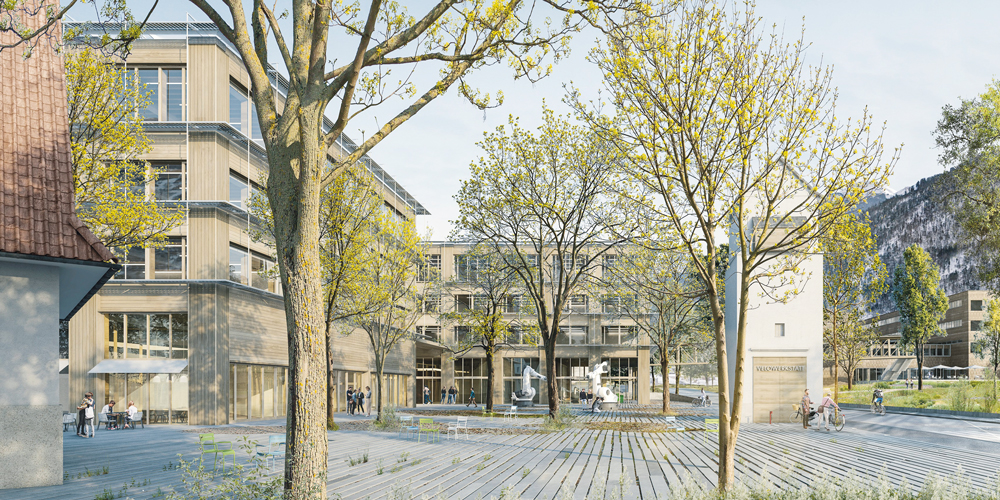
    Die Visualisierung zeigt den zukünftigen Campusplatz.
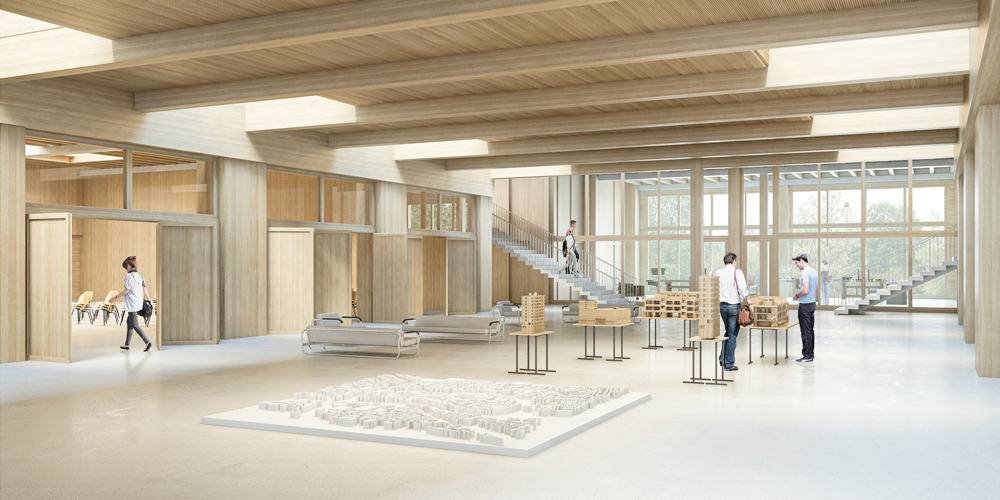
    So soll das Foyer des Neubaus dereinst aussehen.
  • "Zurich should become even stronger as an innovation location"

    "Zurich should become even stronger as an innovation location"

    At the beginning of this year you took over the management of location promotion. What measures have you taken to settle in well and quickly?
    Fabian Streiff: An important point for me was networking with cantonal actors, representatives from business and science. Due to the circumstances, this first had to be done virtually. But even more relevant for me was the question of how we can support companies – especially during the pandemic. The companies’ need for information was enormous. Especially in times when instruments such as short-time work and hardship aid were used.
    What exactly have you done to support the companies?
    The Office for Economy and Labor sought an intensive exchange with entrepreneurs early on in order to find out which issues we need to address at national level and which we can solve within the canton. We have also set up a hotline for companies and continuously updated various websites. Now we are looking to the future and addressing the question of how we can positively influence the attractiveness of Zurich as a business location.

    What is this plan like?
    Discussions with Zurich-based companies confirmed that we should focus even more on an attractive innovation location. Innovations are increasingly emerging in networks, which is why strong innovation ecosystems make a significant contribution to the future success of Zurich’s economy. This needs to be strengthened. A central theme are new hybrid forms of work such as home offices or working from co-working spaces. We have to ask ourselves what this means for the location and its development. It is also exciting to see how Zurich can remain an attractive business location for companies. Are there opportunities to improve access to talent and specialists, especially in the context of mobile working? What role can the state play in making a contribution here? These are all open questions – we are already seeing trends, but of course also the consequences of them, such as the discussion about making labor law more flexible.

    Is Zurich really losing its attractiveness as a business location?
    Many companies answer this question with a resounding no. But shifts are becoming apparent. Large companies are forecasting a concentration on individual locations within the next two years. This means that certain properties could become vacant. On the other hand, these could quickly be used again for new forms of work such as co-working spaces. Rural centers are likely to be revitalized thanks to home office options. The business location Zurich is also strengthened by the universities, which do a great job with their successful spin-offs and research work and are right at the top of the rankings. The companies in the canton of Zurich were also able to attract risk capital on a large scale last year, which is very gratifying.

    How did this positive development come about despite the pandemic?
    Zurich has positioned itself well in recent years, especially with a view to digital transformation. Top talent is needed here and can be found at the Zurich location. This is thanks to the universities and the talent pool, which has been able to develop significantly in recent years. At first the banks had a magnetic effect, now it is the large companies from the information and communication technology sector. The interaction of the various industries is very promising for the future. We are also registering positive developments in the area of research. The points mentioned are becoming more and more relevant in the location competition. But other locations don’t sleep and have positioned themselves very well nationally and internationally, which is why the leading position of the Canton of Zurich cannot be taken for granted. It must continue to be strengthened in the area of innovation.

    The canton of Zurich is Switzerland’s leading business location. Why?
    The attractiveness of Zurich is based on various factors. Starting with education, through a highly qualified workforce, to strong sectors from the financial sector and increasingly from the areas of life science technology, cleantech and information and communication technology. This diversity of competencies enables strong ecosystems, which strengthen cross-industry learning and innovation. The quality of life per se also speaks in favor of Zurich as a location.

    What are you doing to secure this status in the future?
    Our new strategy has three focal points: The first is the strong focus on innovation topics in the areas of financial technology, digital health, biotech, cleantech and new mobility. Here we want to create more networking and opportunities for cooperation. The second focus is on cooperation with regional location subsidies in order to strengthen the diversity of the industry. The size of the Canton of Zurich requires networked work in order to do justice to the diversity of the individual regions. In this way, we can also support exciting regional projects, such as was the case with the Bio-Technopark in Schlieren. We are currently also seeing this at the Digital Health Center in Bülach. The third focus is on creating attractive framework conditions, especially in the area of innovation. Here we can work to ensure that the regulations at federal level are adapted for specific innovation topics.

    Which regulations are in urgent need of adjustment?
    With Zurich as a strong innovation location, the focus is currently on the consequences and solutions following the failed framework agreement with the EU. The exclusion from Horizon Europe weighs heavily. Adjustments to labor law due to changed needs must also be checked – such as when working on the move.

    Which areas are companies currently looking for the most?
    From the customer side, we see a need for space in well-developed locations that are integrated into an ecosystem. Connections to universities are being sought more and more. Biotech laboratories are also becoming increasingly important. Schlieren was able to develop enormously in this area. Nevertheless, we are registering a demand here that cannot yet be satisfied nationwide.

    What is the problem?
    In the biotech sector, the space that comes onto the market is occupied again very quickly. More and more investors are needed who are willing to invest in laboratories. Such a project usually takes two years or more to develop. Appropriate foresighted planning is imperative.

    How do you see the future for the office buildings in the canton of Zurich in light of the changing work models?
    We are currently grappling with this question. In general, employers want to become even more attractive. The demands on an office workplace will therefore increase. But whether that means that more space is required for each employee, or whether there will be mergers, we will only see in one or two years. But we believe that co-working will become even more important. However, in a more comprehensive form than today – in the sense of a meeting place where an in-depth exchange with science, the authorities and other actors in the ecosystem can take place. Quasi a co-working plus.

    Which locations are most desirable?
    The city of Zurich and the airport region remain very attractive. At the airport, we are seeing high demand for the newly built The Circle. And the Limmattal has become even more attractive with the Limmattalbahn and the Bio-Technopark. The city of Winterthur and the Zimmerberg region are also popular locations thanks to the ZHAW.

    Which companies are interested in The Circle?
    The Circle not only attracts companies from the information and communication technology sector such as Microsoft or Oracle, but also from the life sciences sector. Digital health is an important topic here. After a difficult start-up phase caused by Corona, the business on the Circle is now picking up, and 85 percent of the space is already rented.

    What are the most important source markets for the Canton of Zurich?
    The USA is still by far the strongest market. Europe, especially Germany, as well as China and Japan are also important. We are now concentrating on Korea and Israel. Companies are increasingly thinking in terms of research and development hubs. For many companies, Zurich is not only an international business location, but also such a hub. Marketing abroad is handled by the Greater Zurich Area location marketing organization for us.

    How should Zurich as a business location develop over the next 10 years?
    It should become even stronger as an innovation location. Zurich has a long history and is well known as a financial center. That is important – also with a view to future settlements in the area of financial technology. Zurich should also distinguish itself in the areas of artificial intelligence and new mobility, such as the development of autonomous systems. We believe in a move away from the traditional Zurich financial center towards a business location that will be very strong in the new topics mentioned and in digitization. The Zurich economy is already well positioned and is resistant to crises – but in the future Zurich should become even more innovative, attractive and thus even stronger.

    Fabian Streiff with his team.
  • Aargau wants to attract more companies

    Aargau wants to attract more companies

    The Aargau government council has presented the task and financial plan for the years 2022 to 2025. It also provides for measures to increase the attractiveness of the business location, including the settlement of new companies. According to the government's embassy, Aargau and its advantages should be made better known to companies abroad. "That is why additional measures should be examined and implemented in this area in order to increase the density of companies in Aargau in the long term."

    When it comes to settling in, the canton wants to concentrate primarily on the sectors in which it is already strong today, namely the life sciences and the energy industry. The focus is on industrial companies and industry-related service providers who rely on a highly qualified workforce. The aim is to locate between twelve and 14 companies each year, including six to eight in the two focus industries. In the past year five companies were relocated, three of them in the focus industries. The acquisition strategy is to be developed next year and applied in a selected market from 2023.

    According to the embassy, it will be checked as early as 2022 whether the canton should join an existing cross-cantonal organization of location marketing. The canton was one of the founders of the Greater Zurich Area (GZA) in 1999, but later left it. Today, GZA is the largest location marketing organization with nine German and Italian-speaking member cantons, including the three neighboring cantons of Aargau: Solothurn, Zug and Zurich. Aargau also borders the Basel Area Business & Innovation , to which the two Basel cantons and the Jura belong.

    With Lucerne, Nidwalden and Obwalden, the Aargau is only one of four cantons that do not belong to any cross-cantonal organization of location marketing. Western Switzerland is organized in the Greater Geneva Bern area , the four cantons of Eastern Switzerland in the St.GallenBodenseeArea .

  • Uri adopts digitization strategy

    Uri adopts digitization strategy

    According to a press release , the Uri government council has passed its digitization strategy. This defines the general direction that the canton wants to take in the area of digitization. It also serves as an orientation framework for implementing strategic projects over the next five to ten years. Overall, the strategy should give the attractiveness of the residential and business location Uri a positive boost, it is said.

    Digitization could "become a real development driver for the canton of Uri and significantly strengthen Uri's positioning", the government council stated in the government program for 2020 to 2024. For this, the “social peculiarities of Uris as well as the special opportunities Uris as an economic and home office location with a quality of retreat” must be taken into account.

    The Canton of Uri was also supported by the Lucerne University of Applied Sciences ( HSLU ) in developing the digitization strategy. As project manager Stephan Käppeli points out in a communication from the HSLU in February, the canton is suitable “in various ways as a model region for digitization”.