Tag: Wohnungsmarkt

  • 10 million and then

    10 million and then

    On 14 June 2026, Switzerland will vote on the “No 10 million Switzerland!” initiative. It aims to keep the permanent resident population below 10 million in the long term and provides for additional measures from 9.5 million. The political focus is on immigration. However, the spatial effect could be much broader.

    After all, labour markets cannot simply be stopped at the national border. If companies continue to need skilled labour, but fewer people can or should live in Switzerland, the pressure on living and commuting areas close to the border will increase. This doesn’t just change statistics. It changes entire regions.

    The housing market is shifting
    The pattern has long been visible. In the Lake Geneva region, the labour market is growing strongly, while living space remains chronically scarce on the Swiss side. The result is an ever-increasing expansion of the metropolitan area towards France.

    The price difference explains the dynamic. In the canton of Geneva, asking rents recently stood at CHF 384 per square metre per year, while in France, which is close to the border, they were only CHF 190 to 260, depending on the location. The gap is even greater for residential property. In Geneva, asking prices are around 13,500 francs per square metre, in nearby France around 3,500 to 6,000 francs.

    When relief creates new burdens
    What is supposed to act as a brake for Switzerland can additionally fuel border regions. More cross-border commuters mean more demand for housing outside Switzerland, higher prices in neighbouring communities and growing pressure on schools, transport and municipal services. Voices from Haute-Savoie are already warning of precisely this.

    In terms of infrastructure, this is not a minor issue either. New transport services such as the Léman Express have made cross-border commuting much easier and triggered new development dynamics around the stops. The area is not growing any less. It is just growing differently.

    What this means for locations
    This is a tricky truth for location policy. Growth does not disappear just because you want to put a political cap on it. It seeks new paths via commuter axes, residential locations and functional economic areas.

  • People aged 55 and over moving house could ease pressure on the housing market

    People aged 55 and over moving house could ease pressure on the housing market

    The moving patterns of the ‘Best Ager’ generation – those aged between 55 and 74 – are becoming increasingly important for a functioning housing market in Switzerland, as shown by the new Helvetia Housing Report, according to a press release from Helvetia Baloise. The study was conducted by the insurer in collaboration with the Sotomo research institute in Zurich.

    When this age group moves house, they usually relocate to less central areas or, increasingly, abroad. This frees up larger, centrally located flats, which are subsequently occupied by families much more frequently. According to the study, this helps to distribute existing housing more efficiently across different stages of life.

    Furthermore, emigration abroad increased by almost 50 per cent between 2014 and 2024. At the same time, moves within one’s own municipality remain comparatively rare. It is only from the age of 75 that the trend reverses: older people then move more frequently back to well-connected, central locations.

    “Additional moves by this age group make an important contribution to better utilisation of living space,” says Michael Hermann, Managing Director of Sotomo. This dynamic is driven in particular by the moving behaviour of foreign ‘Best Agers’, whose likelihood of moving is 50 per cent higher than that of Swiss nationals. However, this trend is being held back by the so-called lock-in effect: homeowners move significantly less often – their likelihood of moving is over 60 per cent lower than that of tenants. According to the report, however, the often-discussed influence of affordable existing rents is significantly lower than assumed and is not the decisive factor behind the low mobility of older households.

  • Ticino economic area between energy, housing and investment

    Ticino economic area between energy, housing and investment

    [smartslider3 slider=”52″]

    At the 108th immoTable Ticino in Savosa, representatives from the real estate industry, energy, planning and investment discussed the future of the Ticino economic region. The focus was not only on individual projects, but also on the fundamental question of how Ticino can continue to develop as a modern business and real estate location.

    The discussion made it clear that Ticino today is much more than just a vacation and second-home region. A high quality of life, strategic location and exciting development potential meet challenges in terms of processes, living space, mobility and regional cooperation.

    Roberto Fantoni from Volta RE showed how much the energy market has changed. While the feed-in tariff for photovoltaic electricity has fallen massively in recent years, new models for property owners, municipalities and site developments are emerging in the form of energy communities, virtual associations and local electricity communities. The new CLE models from 2026 in particular could have a lasting impact on the real estate market. At the same time, it became clear that owners and administrations are increasingly looking for solutions that reduce energy costs, improve the energy efficiency of buildings and simplify investments.

    Monique Bosco-von Allmen from CASSI focused on the issue of housing. She made it clear that Ticino is lagging far behind the rest of Switzerland in terms of non-profit housing construction and that the discussion about affordable housing, demographic change and sustainable forms of housing is becoming increasingly important. The topics discussed included gentrification, rising rental costs, the low proportion of non-profit housing and the question of how politicians, municipalities and private stakeholders can work together to promote new housing models. At the same time, it was emphasized that housing is much more than just a roof over one’s head, but is closely linked to social balance, intergenerational dialogue and quality of life.

    Manuel Gamper from Leading Investors presented Ticino from the perspective of national and international investors. Ticino remains attractive, but finds itself in a more demanding market environment that requires significantly more professionalism, data competence and strategic thinking. Particularly important are predictability, speed, larger volumes and a professional ecosystem along the entire real estate value chain. At the same time, it became clear that Ticino, despite its limited market size, has interesting returns and considerable development potential if projects are of high quality, flexible and long-term.

    The future of the Ticino economic region will not be decided by individual construction projects or investments alone, but by cooperation, quality, innovation and the ability to think about economic development, energy, mobility and housing together.

    The next immoTable will take place on June 18, 2026 at the StartUp Space in Schlieren.

  • Rental prices rise only modestly in January

    Rental prices rise only modestly in January

    The Homegate rental index for advertised rents, which is compiled by the real estate marketplace Homegate in collaboration with Zürcher Kantonalbank (ZKB), measures the monthly, quality-adjusted change in rental prices based on current market offers. For January 2026, the index shows a slight increase of 0.2 per cent compared to the previous month. Compared to January 2025, advertised rents rose by 2.2 per cent across Switzerland.

    At the cantonal and municipal level, the picture is unusually varied. At the start of the year, rents were down in half of the cantons, particularly in Nidwalden (minus 2.7 per cent) and Schwyz (minus 2 per cent). In several cantons, this development followed a phase of one to three months of strong increases. Compared with the previous year, however, asking rents rose in all cantons, particularly in Graubünden (up 7.7 per cent), Glarus (up 6.4 per cent) and Valais (up 6.2 per cent).

    Cities also showed downward trends in January. Compared with December 2025, all cities showed unchanged or lower values. Rents fell particularly sharply in Geneva (down 1.2 per cent) and Lugano (down 1 per cent). Only Zurich recorded an increase in rents in January (up 0.5 per cent). As in the cantons, however, asking rents in all cities are above the previous year’s level. Rents rose particularly sharply in Lugano (up 7.6 per cent) and Lucerne (up 3.8 per cent) in 2025.

    Homegate is a platform of the SMG Swiss Marketplace Group. It brings together the digital marketplaces of TX Group, Ringier and Mobiliar.

  • Group of 15: Joint plea for a united real estate industry

    Group of 15: Joint plea for a united real estate industry

    The Swiss real estate sector is viewed with suspicion in some places – especially when it comes to the housing market. Is there enough living space in central locations? Why are rents in metropolitan regions rising sharply and constantly? What influence do municipalities, cantons and the federal government have on the activities of the institutional real estate industry? And what voice does the sector speak with throughout the country?

    The professional, institutional and commercial real estate industry is undoubtedly under observation. It is undoubtedly caught between growing regulation, social change and, in many places, calls for innovation, renewal and fairness. The minds and planners of the 25th symposium of the Group of 15, the think tank of the Swiss real estate industry founded in 2001, posed the questions to be answered in the run-up to the event: What does sustainability mean in a market that is becoming increasingly controversial? How can economic incentives be combined with social responsibility and sustainable urban development? And: How much state intervention is necessary – or too much?

    “Curbing regulatory madness”
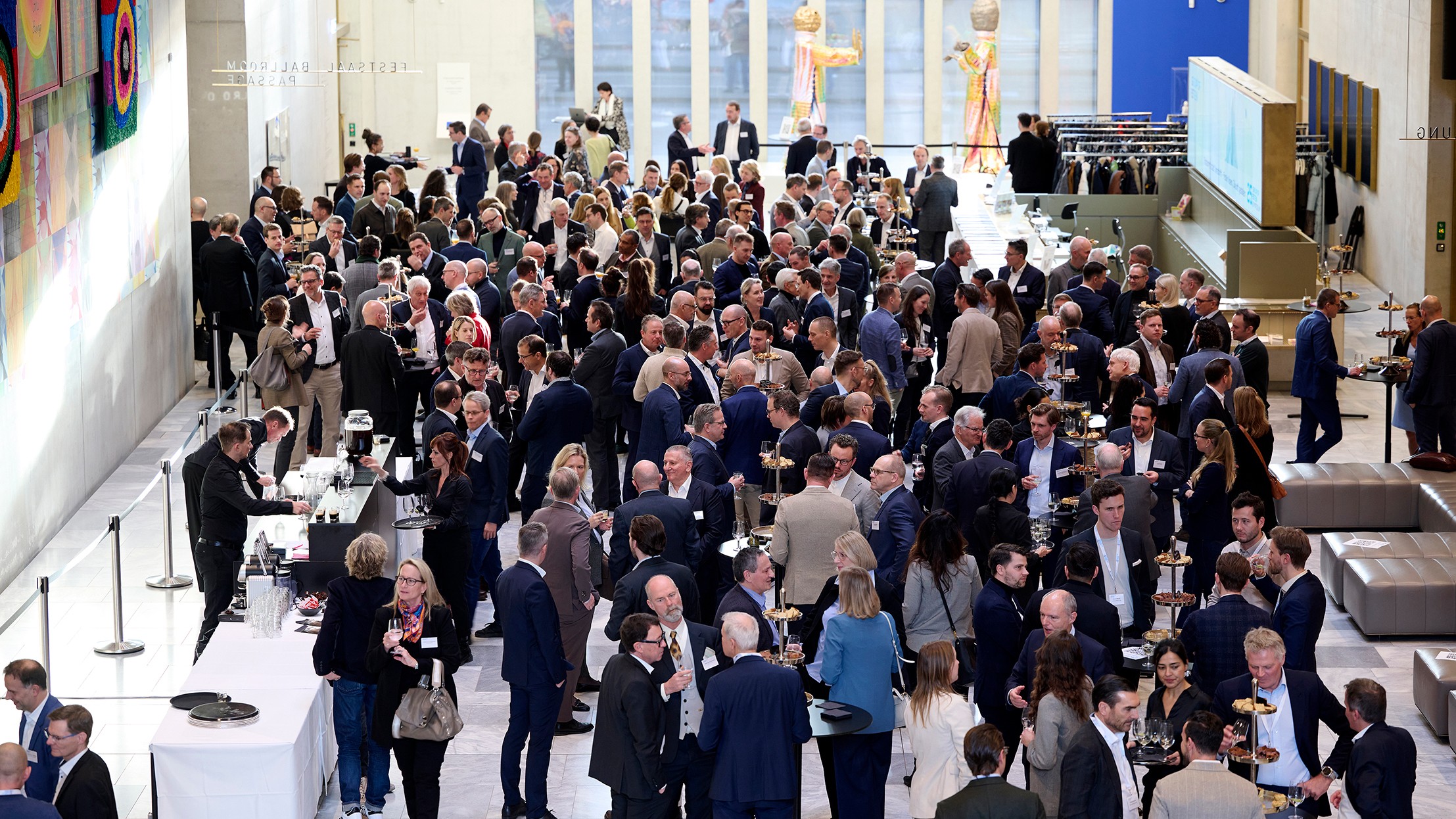
    For Basel-born Prof. Dr. Christoph A. Schaltegger, one thing is clear: the state’s influence on the construction and real estate industry is enormous – and needs to be curbed. The professor of political economy, director and founder of the Institute for Swiss Economic Policy (IWP) at the University of Lucerne and former member of the executive board of economiesuisse criticized Bern and its authorities. He said that subsidyitis and patronage politics were rampant there in their purest form. “The federal government is twice as big as the state quota implies,” he told the 300 or so guests at the symposium in Zurich’s Kunsthaus.

    The Swiss state is growing more than twice as fast as the productivity of the economy and is now accumulating “implicit debts of over 300 percent of economic output”, Schaltegger continued. His call: the “Sturzenegger approach”, a thorough cleaning of public finances à la Argentina. At the same time, he argued for a significant reduction in federal regulation. He referred to the sharp increase in the number of ordinances and decrees since the 1970s. Of course, many of these federal decisions also affect the local construction and real estate sector.

    Artificial intelligence as a remedy?
    Prof. Dr. Christian Kraft, Head of the Real Estate Competence Centre at Lucerne University of Applied Sciences and Arts, then turned his attention to the topic of structural (dis)order and the question of whether artificial intelligence could possibly promote investment security in the “chaos of Swiss-German building laws”. His answer: a clear yes and no. The current uncertainty, which is partly location-specific, is primarily due to longer approval periods for real estate projects at BZO level. Between 2011 and 2024, for example, the average approval period increased from less than 100 days to almost 200 days on average. In addition, there has recently (since 2020) been a sharp increase of 20 to 30 percent in the planning and construction costs of apartment buildings, according to Kraft.

    Successful neighborhood mix and fatal objections
    Dr. Sibylle Wälty, lecturer at ETH Zurich and founder of Resilientsy, then showed what added value the concept of “10-minute neighborhoods” can create in land use planning. Her research and consulting focus is on a balanced mix of residential and working populations as well as other important factors for liveable urban districts. Dr. Wolfgang Müller, Partner & Head Real Estate at MLL Legal Ltd, then shed light on the “room for contradiction”. He explained where current case law offers opponents and “project obstructors” a hand and what conclusions politicians and the real estate industry could and should draw from this.

    Decency and consideration in residential construction
    After the coffee break, Paolo Di Stefano’s symposium presentation entitled “More freedom and personal responsibility” dealt impressively with how real estate investors can move “from problems to prospects” and make residential real estate “fit for the future”. The experienced Head of Real Estate Switzerland at Swiss Life Asset Managers (with around 37,000 residential units in its portfolio throughout Switzerland) showed, among other things, a successful example of portfolio renovation without vacancy notices at the Schmiede in Zurich-Wiedikon. He also presented the Au-Park in Wädenswil, an almost completed major new construction project in which, in addition to around 200 rental apartments, many condominium units are being built by Swiss Life Asset Managers.

    At the symposium, he made a plea and at the same time urgently appealed to the representatives of the real estate industry to speak with one voice to both politicians and the general public. He also pointed out self-critically that the current representation of the farming community in the Swiss National Council and Council of States, for example, is far more important and influential than that of the construction and real estate industry. Di Stefano warned that speculative building investors and long-term institutional investors were sometimes lumped together in the “political power play”. It is important to work together to counter this with arguments and show that “decent building also means consideration”.

    “Simply make good and convincing projects”
    The major Group of 15 event at the Zurich Kunsthaus concluded with a slightly peppery future talk by conference host Rainer Maria Salzgeber with National Councillor Beat Walti (FDP) and Green Liberal Councillor Esther Keller (Canton of Basel-Stadt). They agreed that regulations in the construction sector should not continue to grow wildly and that, above all, discretionary leeway should be made possible for real estate projects. Both warned against an “unholy political alliance between left and right”, which could have counterproductive consequences for the real estate industry.

    Beat Walti, who has been President of the VIS Swiss Real Estate Association since 2023, which represents the interests of institutional investors such as pension funds, insurers and private real estate companies in federal Berne, called on the real estate industry, which he warned at the beginning with a “yellow card”: “Show what you are building and doing in order to create trust – among politicians and the general public”. Esther Keller, Head of Basel’s Department of Construction and Transport, agreed and summed up her demand succinctly in her closing statement: “Just do good and convincing projects”.

  • Nidwalden drives asking rents

    Nidwalden drives asking rents

    The monthly rental index compiled by the digital property marketplace Homegate in collaboration with Zürcher Kantonalbank closed at 131.2 points at the end of August. Compared to the previous month, the index rose by 0.2 per cent, Homegate reported in a press release. Compared to the previous year, the property marketplace’s experts have registered a 2.6 per cent increase in asking rents across Switzerland.

    The month-on-month increase across Switzerland was mainly driven by the canton of Nidwalden. Here, asking rents rose by 1.5 per cent. In a year-on-year comparison, they were around 10 per cent higher. All other cantons showed only slight movements in both directions in a monthly comparison. In a year-on-year comparison, the canton of Schwyz stands out with an increase of 8.4 per cent. Property experts only observed falling asking rents in the canton of Graubünden over the same period.

    Asking rents in the eight Swiss cities included in the index were all higher in August than in the same month last year. At 1.8 per cent, Lugano recorded the largest monthly increase. Asking rents in the city of Lucerne were 2.1 per cent lower in August than in the previous month. In a year-on-year comparison, however, asking rents in Lucerne rose the most among the eight cities surveyed.

    Homegate is a division of SMG Swiss Marketplace Group AG. This combines the digital marketplaces of TX Group, Ringier and Mobiliar.

  • Swiss housing market continues to tighten

    Swiss housing market continues to tighten

    Die aktuelle Situation erinnert an die Jahre 2014 bis 2016, als eine längere Phase massiver Angebotsknappheit herrschte. Heute ist klar, dass kein kurzfristiger Ausgleich zu erwarten ist. Der Wohnungsbau bleibt auch in den kommenden Jahren hinter dem Wachstum der Haushalte zurück. Damit gehört die Schweiz erneut zu den europäischen Ländern, in denen sich die Wohnraumfrage zu einem zentralen Standortthema entwickelt.

    Belastung für Haushalte mit tiefer Kaufkraft
    Besonders stark trifft es Haushalte im unteren Einkommenssegment und des unteren Mittelstands. Während bestehende Mietverträge für rund 80 Prozent dieser Haushalte noch erschwinglich sind, zeigt sich auf dem aktuellen Markt ein deutlich anderes Bild. Nur gut 40 Prozent der neu angebotenen Wohnungen liegen in einem preislichen Rahmen, den diese Gruppen tragen können. In Regionen wie St. Moritz sowie in den urbanen Zentren und Agglomerationen fehlen passende Angebote nahezu vollständig.

    Wohnkosten steigen spürbar
    Ein Szenario aus dem Monitor verdeutlicht die Problematik. Würden alle Haushalte mit tiefer bis mittlerer Kaufkraft umziehen, stiege die durchschnittliche Wohnkostenbelastung von 29,1 auf 35,7 Prozent des Einkommens. Damit würde Wohnen für breite Teile der Bevölkerung klar zu einer finanziellen Überlastung. Bereits jetzt ist der Anteil der Mieterhaushalte, die ihre Wohnkosten nicht mehr im Budget halten können, von 2,6 auf 2,8 Prozent gestiegen. Noch moderat, aber mit klarer Tendenz nach oben.

    Fehlanreize auf der Angebotsseite
    Der Druck auf den Markt wird zusätzlich durch Investitionsmuster verschärft. Viele Investoren setzen auf Ersatzneubauten oder umfassende Sanierungen. Das stützt zwar die Bauwirtschaft, trägt aber kaum zur dringend nötigen Erweiterung des Bestands bei. Neue, bezahlbare Wohnungen kommen damit kaum auf den Markt. Entsprechend öffnet sich die Schere weiter zwischen günstigen Bestandes-Mieten und hohen Angebotsmieten, was die Verknappung zementiert.

    Bedeutung für Politik und Wirtschaft
    Die neue Analyse des BWO rückt die Frage der Wohnkosten im Verhältnis zum Einkommen in den Vordergrund. Für die kommenden Jahre bleibt absehbar, ohne strukturelle Ausweitung des Wohnungsangebots wird die Kluft zwischen Nachfrage und Angebot weiter wachsen. Für Wirtschaft, Gesellschaft und Immobilienbranche gehören damit innovative Wohn- und Baukonzepte ebenso zu den Schlüsselthemen wie regulatorische Anreize, um bezahlbaren Wohnraum effektiv zu sichern.

  • Lock-in effect blocks the housing market

    Lock-in effect blocks the housing market

    While existing rents remain stable or even fall over the years, asking rents are rising sharply. A study by Zürcher Kantonalbank shows that anyone who moved into an apartment in the canton of Zurich in 2008 pays an average of 3.3 percent less today. New tenants, on the other hand, have to pay over 33 percent more. This so-called “stay bonus” means that moving is financially unattractive for many.

    Lock-in effect paralyzes use of living space
    The result is a distorted use of living space. Family apartments remain in place even after the children have moved out, and rooms in shared flats are not reallocated. The lock-in effect keeps older generations in apartments that are too large, while young families can hardly find adequate living space. Large cities are particularly affected, where regulations further exacerbate the effect.

    Consequences for society and the economy
    The stagnation of the rental market has far-reaching consequences. Younger households can hardly find larger apartments to start a family, while the older generation lives in oversized living spaces. At the same time, the problem hits low-income households particularly hard. If they were to move, a significant proportion of this group would have to pay more than 40 percent of their income on rent.

    Solutions required
    This could be remedied by increased construction activity, tax incentives for moving to smaller apartments and innovative housing and financing models. At municipal level, flexible framework conditions are needed to expand the supply. It is also crucial to design regulations in such a way that they do not unintentionally reinforce the lock-in effect and thus harm the very groups that are supposed to be protected.

    The lock-in effect is a recent but increasingly dominant phenomenon in the rental market. It leads to inefficient use of living space, social imbalance and a loss of dynamism. Only with more new construction, creative market models and targeted political incentives can the blockade be broken and the housing market get moving again.

  • May shows minimal increase in rents

    May shows minimal increase in rents

    The property platform homegate.ch has published its monthly rental index in collaboration with Zürcher Kantonalbank (ZKB ). According to a statement, the index rose by 0.1 per cent compared to the previous month to 130.5 points. This means that advertised rents “took a breather” in May.

    Compared to the previous year, advertised rents rose by 1.7 per cent across Switzerland. Depending on the region, an increase in advertised rents of more than 5 per cent was recorded.

    The results show clear differences between cantons and cities. At cantonal level, “consistently rising asking rents were observed for the first time in a long time” in a year-on-year comparison, according to the press release.

    The cantons of Zug (up 7.1 per cent) and Nidwalden (up 6.9 per cent) were the most affected by rising rents over the past twelve months. According to the press release, the values there are also higher compared to the previous month – in Zug by 1.4 per cent and in Nidwalden by 1.1 per cent. However, the month-on-month increase was highest in the canton of Graubünden and the two cantons of Appenzell (plus 1.5 per cent). In contrast, the canton of Schwyz recorded price reductions, as in the previous month. With a decrease of 2.1 per cent, asking rents there are returning to the level of December 2024, according to the report.

    Among the cities, the Greater Zurich Area is considered the most constant, as it was in May 2024. Asking rents have risen “relatively steadily” by a total of 4.4 per cent. In contrast, Geneva recorded a year-on-year decline – prices were 0.6 per cent lower than in the previous month of May. The highest price increase was recorded in the city of Lugano with a significant rise of 5.2 per cent. However, this development can be attributed to a selective decline in May 2024.

    Homegate is a division of SMG Swiss Marketplace Group AG. This combines the digital marketplaces of TX Group, Ringier and Mobiliar.

  • How the tenants’ association is sabotaging housing construction

    How the tenants’ association is sabotaging housing construction

    At first glance, the tenants’ association’s initiative, for which the collection of signatures began on June 3, 2025, sounds like a good thing: lower rents, more protection for tenants, more say. But if you don’t allow yourself to be dazzled by fine-sounding titles, you’ll realize that this initiative combats symptoms – and cements the causes.

    Of course, rising asking rents are a real burden, especially in urban centers. But the impression that this is a conspiracy on the part of landlords falls short of the mark. The figures are clear: according to the Federal Office for Housing, there is an annual shortage of up to 10,000 apartments – with a simultaneous increase in households of around 50,000 units. The fact that asking rents are rising is not surprising – it is the result of growing excess demand.

    And this is precisely the problem with the initiative. It wants to correct pricing administratively instead of eliminating the structural bottlenecks on the housing market. Capping yields may seem popular in the short term, but in the long term it deprives residential construction of important investment incentives. Private investors – including pension funds and insurance companies – are currently responsible for a large proportion of new construction activity. Curtailing their profitability scares off capital and risks a further shortage.

    The myth of the yield-hungry investor is a false one. More than half of rental apartments in Switzerland belong to pension funds, insurance companies or pension schemes – in other words, ultimately to the population itself. Anyone who cuts their returns is jeopardizing our retirement provision. The housing market is not a playground for socially romantic experiments, but a complex system that has to reconcile supply and demand. Anyone who undermines this mechanism is not solving any problems – they are exacerbating them.

    The right of first refusal for non-profit housing is also tricky. It effectively means expropriation with a bureaucratic detour – and a further step towards a state-controlled housing market. I warn against this: such an intervention may be ideologically motivated, but in practical terms it will mainly result in delays and inefficiency. Non-profit housing construction is justified, but it is no substitute for the market-driven volume that we urgently need.

    Instead, we need realistic solutions. SVIT Switzerland has formulated 20 specific demands in its housing agenda: faster and coordinated approval procedures, a reduction in objections, promotion of redensification and space-efficient housing. Tenancy law itself must also become more differentiated: It protects existing tenants too much and not enough those who are urgently looking for an apartment. This is neither fair nor efficient.

    In short: the housing shortage will not be solved by more regulation, but by more apartments. Anyone who hinders new construction, whether out of ideological conviction or a false sense of justice, ultimately only widens the gap between supply and demand – and thus harms the very people they claim to be protecting.

  • New study on residential mobility

    New study on residential mobility

    The desire for a new living environment is particularly strong among the so-called best agers, the 45 to 79-year-olds. The departure of children or the transition into retirement creates new freedom. However, suitable housing offers that do justice to this phase of life are rare. Many best agers therefore remain in apartments that no longer suit their needs. Digital exchange platforms, neutral housing advice or targeted information events could help to realize these relocation wishes, but such offers are still lacking across the board.

    Challenges for young families
    Younger generations are also affected. The desire to move into their own home is widespread among young families. However, high property prices, a shortage of supply and strict financing requirements make this dream a distant prospect for many. For young adults in particular, home ownership remains virtually unaffordable.

    Innovative models as a way out
    The study highlights alternative models such as installment plan, small-scale home ownership, temporary home ownership or building lease solutions. These concepts could open up new perspectives. Making home ownership possible with an easier entry point or better aligning the transition to a home with the stage of life. However, these models are not yet widespread in Switzerland, are often still unknown or are not easy to implement legally.

    Impetus from politics and business needed
    New impetus from politics and business is needed to change this. Municipal housing strategies, targeted funding programs and pilot projects could help to increase residential mobility. Equally important are innovative financing models that also give lower-income households and young families access to suitable housing.

    Central role of the municipalities
    The municipalities play a key role here. They could specifically establish new forms of housing and advisory services that make it easier for people to change their housing situation. In this way, living space can be better utilized and adapted to growing demand, a decisive factor for sustainable residential development. The “Housing Study Series” thus provides important findings and concrete starting points for all players in the housing industry. It is clear that residential mobility is more than just an individual need. It is a key factor for sustainable housing development in Switzerland.

  • Canton of Zurich calls on Federal Council to act

    Canton of Zurich calls on Federal Council to act

    The pressure on the housing market is enormous. Demand is constantly rising, while supply is lagging behind. The canton of Zurich is particularly affected, where construction projects are increasingly being delayed or prevented by appeals. The consequences are rising rents, social tensions and growing political pressure to act. Five cantonal popular initiatives show how much the issue of housing concerns the population.

    Improvements are unnecessarily delayed
    Although new noise protection regulations have already been adopted, their implementation is still a long time coming. The Zurich cantonal government is calling on the Federal Council to bring the changes to the law into force quickly. This is because protection interests must not be allowed to block the expansion of urgently needed living space. A clear legal basis is essential for planning security and accelerated procedures.

    Protection instrument or strategic objection tool?
    The Government Council is particularly critical of the increasing direct application of the federal inventory ISOS, which actually serves to protect important sites. However, the inventory is increasingly being used to object to new construction projects. With serious consequences for inner densification. This problem is already very noticeable in Zurich, but it is increasingly spreading to other cantons.

    Although the cantonal government supports the announced round table on the ISOS issue, it is calling for concrete and timely solutions that must be developed together with the federal government, cantons and municipalities.

    Call for political prioritisation
    According to the cantonal government, the provision of housing is a key concern for the population and the economy. The federal government must strike a new balance between protection interests and structural development so that urgently needed housing construction is not blocked any further. The responsibility for this now lies with the relevant federal authorities.

  • Rents in Switzerland continue to rise

    Rents in Switzerland continue to rise

    The monthly rental index compiled by the digital property marketplace Homegate in collaboration with Zürcher Kantonalbank closed at 129.5 points in January. Compared to the previous month, the index rose by just 0.2 per cent, Homegate reported in a press release. In contrast, the property marketplace’s experts recorded a 3.1 per cent increase in asking rents across Switzerland compared to the previous year.

    Within the cantons, Homegate’s experts have observed significant year-on-year increases in many cases. In the canton of Graubünden and the two combined cantons of Appenzell, however, asking rents in January 2025 were 0.8 and 0.5 per cent lower than in January 2024. Appenzell continued the decline that began in the previous month. Graubünden, on the other hand, has somewhat offset the decline of the past two months, but remains below the level of around a year ago, according to the press release.

    In the eight Swiss cities included in the index, the experts have identified consistently rising asking rents over the past twelve months. In the press release, they highlight Lucerne and Basel with increases of 7.7 and 6.6 per cent respectively. Rents in Lucerne were 1.4 per cent lower than in December 2024. At -2.2 per cent, Lugano recorded the sharpest month-on-month decline. Rents in the city of Bern, on the other hand, rose by 0.6 per cent compared to December 2024.

    Homegate is a division of SMG Swiss Marketplace Group AG. This combines the digital marketplaces of TX Group, Ringier and Mobiliar.

  • Cost rent and rising land prices

    Cost rent and rising land prices

    The cost rent model is based on the cost-covering return on the total investment costs of a new building. In many cities, building land now accounts for up to half of these costs. In Zurich in particular, land prices have risen massively in the last 15 years, from CHF 1,419 per square metre in 2007 to over CHF 5,800 in 2023.

    Even with a conservative calculation, the share of land value in the total investment costs is currently just under 50 %. This means that a reduction or increase in the land price has a direct impact on rental costs. To compensate for a 10 % increase in the land price, the cost rent would have to rise by around 5 %.

    Cost rent compared to market rent
    An analysis of the Werdwies housing estate in Zurich Altstetten shows that construction costs have risen by 32.5 % since 2007. The cost rent of a newly constructed housing estate would currently be barely below the market rent.

    According to a calculation with a gross yield of 4.25 %, the market rent for a 70 m² flat would be CHF 2,567 per month. Reducing the gross yield to 4 % could lower the rent, but without subsidisation it would only be affordable for 56.6 % of local households.

    Subsidies as a control instrument
    Various subsidy models are conceivable to reduce the rent burden.

    Land subsidies: A public subsidy of 20% of the land value could increase affordability by 7.1 percentage points.

    Subject subsidies: Direct subsidies to households could provide targeted relief to those who need it most.

    Object promotion: A reduction in value-added taxes could promote the development of affordable housing, provided that clear control mechanisms are in place.

    Spatial planning and planning certainty are key
    A decisive lever for controlling housing costs is the early and transparent definition of building regulations. Uncertainty about future rental regulations or value-added levies can lead to bad investments.

    In order to ensure affordable housing in the long term, municipalities should consistently use planning surplus values to reduce rents or subsidise subjects. In addition, measures must be aimed at getting a grip on rising land prices, as cost rents will increasingly rise to market levels without intervention.

  • Prices for property in Bern remain on an upward trend

    Prices for property in Bern remain on an upward trend

    “Living in the canton of Bern remains expensive” is the headline of the Berner Kantonalbank(BEKB)’ s latest property barometer. It is compiled every six months by BEKB in collaboration with the Zurich-based property service provider IAZI. According to the autumn 2024 edition, prices for flats and houses in the canton of Bern have risen by 3.3% year-on-year.

    Asking rents are also on an upward trend. The experts at BEKB and IAZI point to strong population growth in the canton coupled with low new construction activity as the background to rising rents and prices on the housing market. “The unemployment rate in the canton remains at a historically low level and the number of job vacancies is steadily increasing,” the press release also states. As long as this remains the case, the housing market is not expected to ease.

    Within the individual regions of the canton, experts have observed a normalisation of price dynamics in tourist regions. Prices in the Oberland regions and especially Obersimmental-Saanen have been strongly driven by the second-home market in recent years. A stabilisation was registered here at the end of the third quarter of 2024. In Oberaargau, on the other hand, prices rose by an average of 3.9 per cent year-on-year. The experts attribute this to a shift in demand for residential property to regions with comparatively moderate price levels.

  • Government council against housing protection initiative

    Government council against housing protection initiative

    The cantonal initiative “Protect affordable housing – stop vacancies” aims to control rent increases through state intervention and restrict conversions to condominiums. This would allow municipalities to introduce an authorisation requirement for renovations, conversions and changes of use. However, the cantonal government sees the initiative as problematic: “Rent caps are counterproductive in the long term,” explains Carmen Walker Späh, Director of Economic Affairs.

    Experience from Geneva: a warning example
    The cantonal government refers to the situation in Geneva, where there are strict rent controls and authorisation requirements. There, it has been shown that new construction activity is declining significantly, while a considerable price difference has developed between existing and new rents. This regulation means that many people are staying in the same flat for a record-breaking length of time, which is exacerbating the housing shortage.

    Danger for energy-efficient renovations and high-density construction
    The government council also sees the danger that a rent cap could reduce the motivation for important renovations and energy-efficient renovations. This could have a negative impact on the quality of living and the condition of many properties. According to the cantonal government, the planned measures also encroach on property rights and increase the administrative burden due to complex authorisation procedures.

    New strategies to promote residential construction
    Instead of rent controls, the cantonal government is focussing on increased construction activity to relieve the market. A framework credit for cantonal housing promotion is to be doubled to CHF 360 million in order to specifically strengthen non-profit housing construction. In addition, a counter-proposal to the “More affordable housing in the canton of Zurich” initiative will further support the creation of affordable housing.

    With these measures, the cantonal government is pursuing a long-term price-curbing approach aimed at combating the housing shortage through increased construction activity and targeted housing promotion. The rejection of the housing protection initiative reflects the aim of improving the housing situation without interfering with the economic freedom rights of property owners.

  • Housing policy strategy 2030 in the canton of Zug

    Housing policy strategy 2030 in the canton of Zug

    The housing market in the canton of Zug is under severe pressure. The canton’s high level of attractiveness has led to an increase in demand, while the supply of housing is declining. This is leading to rising rents and property prices, making it particularly difficult for the middle classes and low-income earners to find affordable housing. Young families are also facing difficulties in finding suitable housing.

    Objectives of the 2030 housing policy strategy
    In order to alleviate the tight housing situation, the cantonal government has defined three main objectives: firstly, more living space, secondly, more affordable housing and thirdly, more housing options for the local population. These goals are to be achieved through simplified building regulations, optimized building permit processes and financial incentives.

    Measures for more living space
    The strategy provides for various measures to increase the supply of housing. Relaxations in building regulations, such as adding storeys and high-rise regulations, should enable the construction of more apartments. In addition, non-profit developers are to be given easier access to loans in order to promote the construction of affordable housing.

    The path to implementation
    In the next steps, the municipalities will be informed about the planned measures. With the involvement of all relevant stakeholders such as municipalities, political parties and organizations, the amendments to the Planning and Construction Act and the Housing Promotion Act will be implemented swiftly. The cantonal government will report on progress every two years.

    The Housing Policy Strategy 2030 is a comprehensive approach aimed at relieving pressure on the housing market and safeguarding the quality of life in the canton of Zug. The focus is on long-term and sustainable solutions.

  • Neue Bauvorschriften zur Lärmbelastung: Chancen für Immobilienentwicklung

    Neue Bauvorschriften zur Lärmbelastung: Chancen für Immobilienentwicklung

    In der Schweiz stehen wir vor der Herausforderung, den Wohnungsmarkt zu erweitern und gleichzeitig die Lebensqualität der Bewohner zu gewährleisten. Insbesondere in städtischen Gebieten mit hoher Lärmbelastung ist es wichtig, einen Kompromiss zwischen innerer Verdichtung und dem Schutz vor Lärm zu finden. Der Nationalrat hat nun eine Lösung vorgeschlagen, die diese beiden Ziele in Einklang bringt.

    Die neuen Bauvorschriften ermöglichen es, in lärmbelasteten Gebieten neue Wohnungen zu errichten, ohne die Gesundheit und das Wohlbefinden der Bewohner zu gefährden. Ein zentraler Punkt ist die Anforderung, dass in jeder Wohneinheit mindestens ein lärmempfindlicher Raum über ein Fenster verfügen muss, bei dem die Immissionsgrenzwerte eingehalten werden. Dies stellt sicher, dass Bewohner trotz der Nähe zu Verkehrswegen oder anderen Lärmquellen einen ruhigen Rückzugsort haben.

    Darüber hinaus müssen die übrigen Räume entweder über eine kontrollierte Wohnraumlüftung verfügen oder es muss ein ruhiger, privat nutzbarer Aussenraum vorhanden sein. Diese Massnahmen tragen dazu bei, den Lärmschutz zu gewährleisten und gleichzeitig die Möglichkeiten für Immobilienentwickler zu erweitern.

    Der Ständerat hatte im Dezember für noch grosszügigere Erleichterungen plädiert, während die Ratslinke eine vorsichtigere Herangehensweise bevorzugte. Letztendlich wurde ein ausgewogener Ansatz gewählt, der den Bedürfnissen sowohl der Bewohner als auch der Immobilienbranche gerecht wird.

    Für Kadermitarbeiter im Fachbereich Immobilien und Standortförderung eröffnen sich durch diese neuen Regelungen interessante Perspektiven. Die Möglichkeit, in lärmbelasteten Gebieten zu bauen, erweitert den Handlungsspielraum und erfordert gleichzeitig eine sorgfältige Planung und Umsetzung. Es ist wichtig, die Bedürfnisse der Bewohner und die gesetzlichen Anforderungen gleichermassen zu berücksichtigen, um nachhaltige und attraktive Wohnprojekte zu realisieren.

    Die Immobilienbranche sollte sich auf diese Veränderungen vorbereiten und die Chancen nutzen, die sich aus der ausgewogenen Balance zwischen innerer Verdichtung und Lärmschutz ergeben. Die Zukunft des Wohnungsbaus in lärmbelasteten Gebieten liegt in der intelligenten Integration von Architektur, Technologie und Nachhaltigkeit – eine Herausforderung, der sich Kadermitarbeiter mit Weitblick stellen können.

  • Asking rents fluctuate at the start of the year

    Asking rents fluctuate at the start of the year

    The monthly rental index compiled by the digital property marketplace Homegate in collaboration with Zürcher Kantonalbank closed at 125.6 points in January. Compared to the previous month, the index rose by 0.3 per cent overall, Homegate reported in a press release. A year-on-year increase of 1.9 per cent was observed across Switzerland.

    In a year-on-year comparison, rents rose in all cantons, Homegate reports. However, the property marketplace’s experts observed major fluctuations on a monthly basis. Rents in Nidwalden, for example, rose the most at 3.7 per cent. High increases of 2.6 and 2.5 per cent were also recorded in the canton of Valais and the combined cantons of Appenzell. At the other end of the scale are the cantons of Schwyz and Glarus, where asking rents fell by 2.6 and 1.7 per cent respectively. In the cantons of Basel-Stadt and Zurich, asking rents fell by 0.4 per cent month-on-month.

    The eight Swiss cities included in the index also showed different trends month-on-month. For example, rents in Lausanne and Lugano fell by 2.1 and 0.8 per cent respectively compared to December 2023. At the same time, asking rents in Zurich and Bern increased by 0.5 per cent each. Rents rose in all eight cities compared to the previous year. At 11.5 per cent, this increase was strongest in the city of Zurich.

    Homegate is a division of SMG Swiss Marketplace Group AG. This combines the digital marketplaces of TX Group, Ringier and Mobiliar.

  • Residents of Eastern Switzerland would reduce living space

    Residents of Eastern Switzerland would reduce living space

    Nikola Vukovic and Raphael Dietrich have developed options for easing the housing market in Eastern Switzerland in their final thesis for the Master’s degree programme in Real Estate Management at OST – Ostschweizer Fachhochschule. “The Swiss population lives too generously,” Vukovic and Dietrich are quoted as saying in a corresponding OST press release. However, according to the findings of the two researchers, many residents of Eastern Switzerland would be prepared to reduce their living space.

    Specifically, 43 per cent of 379 participants in a survey as part of the master’s thesis stated that they could do without living space. A guest room or a hobby room were particularly frequently rated as unnecessary. However, alternatives are needed, “such as a central guest room that would be easy to rent in the flat block,” explains Vukovic.

    The Master’s students have also identified a high level of willingness among the population to move into a smaller flat. However, the problem here is that there are not enough small flats available, according to the press release. The price can also be an obstacle: “Nobody would give up a four-room flat for 1,000 francs for a smaller flat that costs the same or more,” says Vukovic.

    Urban centres could be eased by moving to more rural regions. In the survey, around 95 per cent of respondents indicated a willingness to do so. “However, the respondents would not move without conditions,” explains Dietrich. “Incentives would have to be created to encourage people to move away from urban centres.”

  • Skyscrapers like those in Manhattan are inconceivable for Switzerland

    Skyscrapers like those in Manhattan are inconceivable for Switzerland

    Switzerland is experiencing a remarkable dynamic in its housing market. According to a comprehensive analysis by Dani Steffen and his team at Lucerne University of Applied Sciences and Arts, specific regions such as Zurich, Geneva and central tourist areas are experiencing a striking housing shortage. This contrasts with more relaxed markets such as the Jura or Ticino, where there is an oversupply of rental flats. These regional disparities are illustrated by a nationwide vacancy rate of 1.15 per cent, which shows a worrying decline since 2020.

    Steffen emphasises that the lack of housing is not just a local phenomenon, but a nationwide one, despite regional differences. With the constantly growing population and the trend towards single households, the demand for living space remains constantly high, while residential construction activity is stagnating. This discrepancy between supply and demand is exacerbated by a combination of regulatory hurdles, geographical restrictions and economic factors such as inflation and interest rate rises.

    The study also highlights the rental burden, which on average accounts for around 20 per cent of the household budget, with lower income groups being significantly more burdened. Steffen points out that despite high rents in cities such as Zurich and Geneva, rental costs remain relatively stable in relation to income. This indicates a certain regional balance, although accessibility for lower income groups remains a challenge.

    In the future, the need for age-appropriate housing will increase in order to cater for the ageing population. Steffen emphasises the need to motivate older people to downsize their homes in order to create more space for families and relieve pressure on the housing market. However, this process requires sensitive approaches, as housing is a very emotional issue.

    Overall, the study shows that Switzerland is facing significant challenges in the area of housing construction, which require careful consideration of both the regional characteristics and the different needs of the population groups.

  • Pensimo publishes study on the Swiss housing market

    Pensimo publishes study on the Swiss housing market

    Pensimo Management AG in Zurich, which specialises in real estate investments, is publishing the book “The Swiss Housing Market”, according to a statement on LinkedIn. Michel Schneider, deputy CEO and head of Mandates Switzerland & International, describes the publication as the first solid, economic “outline” of the Swiss housing market. The analysis of the history and present of housing construction and the housing market in Switzerland was written by Frank Bodmer, private lecturer at the Faculty of Economics at the University of Basel.

    The 144-page brochure is published by Park Books in Zurich. It presents a great deal of statistical material in eleven chapters and with numerous diagrams. It traces lines of development and analyses the economic, social and regulatory framework conditions. “Now that the super cycle is over, the volume comes at the ‘right’ time,” says Schneider.

    The real estate markets have been in the headlines internationally for many years. The current price level in Switzerland also raises fears of a new real estate crisis and restricts access to home ownership for large sections of the middle class, according to the content of the Bodmer study on the website of the publisher Park Books. It is true that the rental housing market has avoided the distortions of earlier growth phases. Nevertheless, political interventions could have a detrimental effect and endanger the supply of a growing population with high-quality housing.

    The Zurich-based Pensimo Management AG invests in valuable real estate on behalf of four investment foundations, mainly in Switzerland but also abroad.

  • Housing shortage: Federal Council waits

    Housing shortage: Federal Council waits

    For Wohnbaugenossenschaften Schweiz, it is incomprehensible that the Federal Council simply wants to wait and see in the face of the housing shortage. In an interpellation, Manuela Weichelt, National Councillor (Greens) and member of the board of Wohnbaugenossenschaften Schweiz, wanted to know what the Federal Council intends to do about the housing shortage. The Federal Council replied that it was aware that an insufficient supply of housing could hamper economic development and lead to socio-political tensions. However, it sees the responsibility for housing supply primarily with the real estate industry. Although non-profit housing construction plays an important role in the provision of affordable housing, it is already being promoted with the Fonds de Roulement and guarantees. If necessary, the Federal Council is prepared to evaluate further measures, as called for in a postulate by Damian Müller (FDP), member of the Council of States.

    Immediate measures are needed
    The housing shortage is driving rents ever higher. “The shortage of affordable housing is acute and measures need to be taken quickly,” stresses Manuela Weichelt. “We call on the Federal Council to act now. Recipes against the housing shortage are well known: More non-profit and affordable housing is needed.” The current situation shows that the real estate industry is not ensuring a sufficient supply of affordable housing. “The Federal Council recognises that the non-profit housing developers make an important contribution here. It is therefore all the more incomprehensible that it does not want to promote them more strongly. The current housing subsidies are not sufficient to rapidly increase the share of non-profit housing,” explains Eva Herzog, Member of the Council of States for Basel-Stadt (SP) and President of Wohnbaugenossenschaften Schweiz. In order to be able to build more, non-profit housing developers are particularly dependent on suitable building land. This requires active control, for example with defined shares or zones for non-profit housing. The federal government would have the power to secure land for non-profit building projects: For example, by making land that is no longer needed by the federal government and businesses close to the federal government available for this purpose. Or by giving municipalities the possibility to buy land for non-profit housing with a right of first refusal. The federal government could also support municipalities in the purchase of land, for example with a land acquisition fund.

  • Rental housing market remains lively

    Rental housing market remains lively

    Between October 2020 and September this year, a total of 500,084 rental apartments were advertised on Swiss real estate portals, SVIT Switzerland informs in a message on the current online housing index ( OWI ). It is prepared every six months by the Association of the Real Estate Industry in cooperation with the Swiss Real Estate Institute of the Zurich School of Economics ( HWZ ).

    Compared to the comparison period shortly before the pandemic (October 2018 to September 2019), the number of advertisements has increased by around 40,000 or 8 percent, explain the analysts from SVIT and HWZ. Despite the temporary "extraordinary frictions" in the wake of the pandemic, the rental housing market remains "very lively".

    The average time from the launch of the advertisement to the rental of the apartment has decreased by one to 33 days compared to the same period, the message said. The analysts from SVIT and HWZ observed different developments in the individual regions.

    15 out of 26 cantons showed a decline in advertising times. These were the clearest, with values between ten and 14 days, in the rural German-speaking cantons of Uri, Graubünden and Bern, according to the announcement. In the cantons of western Switzerland, however, the advertising time was consistently longer than in the reference period. The analysts observed increasing numbers of advertisements in ten, while decreasing numbers in 16 cantons.

    In the announcement, the analysts also deal with a shift in demand on the rental apartment market in cities. Compared to the same period of the previous year, 40 percent more one-room apartments and 8 percent fewer apartments with five or more rooms were offered. In this way, "the structural oversupply for large, expensive apartments and the structural surplus demand for small, inexpensive apartments" have been partially reduced.

  • Pandemic stimulates housing market

    Pandemic stimulates housing market

    The number of advertisements for rental apartments on Swiss real estate portals increased by around 13 percent year-on-year between April 2020 and March 2021, writes SVIT Switzerland in a statement on the current online housing index (OWI). It is prepared every six months by the Association of the Real Estate Industry in cooperation with the Swiss Real Estate Institute . In the current OWI, the analysts registered around 513,000 advertisements for rental apartments.

    The average period for which an apartment has to be offered until it is rented has simultaneously been reduced by two to 32 days, the analysts further explain in the press release. For them, the shortened advertising time and the increasing number of advertisements are a sign of increasing demand on the rental housing market with a simultaneous decrease in rental periods. "It can be assumed that the pandemic was the trigger for many tenants to review and adjust their own living situation," the message says.

    In 21 of 26 cantons, the analysts observed a year-on-year decrease in advertising time. The advertising times in French-speaking Switzerland have hardly changed, while in German-speaking Switzerland they have decreased in all cantons. The canton of Zug currently has the shortest advertising time at 14 days. Ticino ranks at the other end of the scale. Here, apartments have to be advertised on average for almost two months before they can be rented.

    In the cities, the analysts observed a “sharp rise” in advertisements for rental apartments in the reporting period. After 3.5 percent in the previous year, the number of advertisements in the “Corona year” in the twelve cities examined increased by 32 percent. However, because the average length of advertising has barely increased, the analysts assume that there will be relocations within the cities. "The much-cited urban escape" could not be proven with the figures, it says in the message.

  • "Best overall package thanks to the Spirit of Zug"

    "Best overall package thanks to the Spirit of Zug"

    To person
    Beat Bachmann is lic.oec. HSG and has management experience in the areas of business development, sales, finance and project management in domestic and foreign markets. His industry experience includes life sciences / medical technology, wholesale / sales of consumer goods, real estate, information and communication technology.

    You are the head of the Business Contact Point in the Canton of Zug. How can you imagine a normal working day?
    Beat Bachmann: Every day is different. As a "one-stop-shop", we primarily support and advise local companies on a wide variety of issues. This also includes support in finding office space. With over 100 company visits per year and by networking the companies with one another in the industry clusters, we help ensure that the companies can operate successfully in a business-friendly location. In addition, we support many companies each year in setting up in the canton of Zug.

    How are the companies based in the canton with regard to the pandemic?
    The Zug economy with its strong international ties is also affected and cannot escape the structural changes. The effects are to be mitigated thanks to the measures taken by the federal government and the canton. Due to the strong constitution of Zug's economy before the Corona crisis and the broad diversification, I estimate that the negative effects will be slightly lower compared to the rest of Switzerland. Nonetheless, our team was able to look after the same number of relocations in 2020 as in previous years.

    In the Credit Suisse location ranking, Zug almost always ranks first – not least because of the low corporate income tax rate of 12 percent. What else do you offer more than other cantons?
    We primarily offer the best overall package of excellent location conditions: These include long-term financial and political stability, tax and finance policy, great innovative ability, high availability of skilled workers in important industry clusters and efficient infrastructure. The fascinating living space and thus the quality of life are also very important. Last but not least, we often hear that economic friendliness – our “Spirit of Zug” – is very much valued.

    What tasks does the Business Contact Point take on in site development?
    In particular, we help ensure that the needs and requirements of the economy and companies are incorporated into the site developments. And when the properties are completed, we offer support in arranging the space for new tenants or buyers.

    Does the site development show that the potential is being exhausted?
    We are very happy that the landowners and site developers have made a significant contribution to the sustainable and qualitative development of the canton for decades. It is in line with the long-term strategy of the government council that Zug should remain an attractive place to live and live. There is still enough arable land. I therefore think that the canton of Zug can continue to develop in this way over many generations.

    «Zug, Baar and Rotkreuz score points with the
    Companies"

    Several commercial buildings are under construction in the canton of Zug. In the wake of the pandemic, however, the trend is towards home offices. Still, are you confident that all of these projects can be brought to life?
    Yes, I am confident that these surfaces will be absorbed. Switzerland and the canton of Zug are and will remain a leading international economic area. In the case of new settlements, the availability of ready-to-move-in space is an important location factor. It is difficult to estimate the long-term impact of Covid-19 on office space demand. The trend towards more home offices is countered by a trend towards more space per capita, as well as co-working spaces / business centers.

    Besides Zug, which city in the canton is the most popular location for companies?
    On the one hand, the Lorzen plain (valley communities) has had the most companies and jobs for decades. Since the canton records around 40% train commuters on working days, the proximity to train stations with IC and express train connections is playing an increasingly important role. Accordingly, along with Zug, Baar and Rotkreuz have been the most popular locations in recent years; Cham follows behind.

    What makes the canton of Zug attractive as a place to live?
    Zug offers a good international infrastructure, excellent schools and political stability. The standard of living is high and the living spaces are intact. There are lakes, mountains and diverse landscapes in the smallest of spaces. Zug therefore offers an outstanding quality of life and the proximity to central Switzerland and Zurich.

    How do you assess the current demand on the housing market?
    It is consistently high in the canton of Zug. At the same time, the vacancy rate in the canton of Zug is only increasing minimally.

    How do you rate the building potential in the housing market?
    Since we at the Business Contact Point primarily deal with companies and, accordingly, with office and commercial space, I am not an expert on the housing market. However, I observe that many apartments have been built unchanged for decades and that they are constantly finding residents. As the smallest full canton in Switzerland in terms of area and due to our sustainable growth strategy mentioned above, we will continue to see a high proportion of commuters in the future.

  • Zurich moves into the bubble zone

    Zurich moves into the bubble zone

    UBS explains in a press release on the current edition of the UBS Global Real Estate Bubble Index that the euro area has the most overvalued housing markets of the 25 cities observed around the world. For Munich, Frankfurt, Toronto, Hong Kong, Paris, Amsterdam and Zurich, the analysts even identify a bubble risk. Overvaluations of residential real estate are attested in the cities of Vancouver, London, Tokyo, Los Angeles, Stockholm, Geneva, San Francisco, Tel Aviv, Sydney, Moscow and New York.

    This year, Zurich has risen to the bubble risk category for the first time, the analysts explain in the press release. You have also observed the strongest price increase of all Swiss economic regions for the metropolis. The supply on the housing market grew relatively quickly in the reporting period. If, according to the announcement, the market for owner-occupied properties has dried up, the majority of the newly built apartments will ultimately be rented out.

    The analysts put Geneva at a lower price level and a lower index value than Zurich. However, the city made up for its losses from 2013 to 2016 in the wake of the recent price hike. Despite the overvalued housing market, the city can benefit from its international orientation and its attraction to foreign nationals.

    Compared to last year's Bubble Index, prices in many European metropolises have risen by more than 5 percent, the press release explains. "At this point in time it is impossible to say to what extent higher unemployment and a bleak outlook for household incomes will affect house prices," said Mark Haefele, chief investment officer at UBS Global Wealth Management, quoted there. "It is clear, however, that the current acceleration is not sustainable in the short term."

  • Pandemic slows the housing market

    Pandemic slows the housing market

    The coronavirus pandemic has left its first traces on the housing market, writes SVIT Switzerland in a message on the current online housing index ( OWI ). It is determined every six months by the Association of the Real Estate Industry in cooperation with the Zurich School of Economics ( HWZ ).

    According to the current OWI, the number of advertisements for rental apartments placed on Swiss real estate marketplaces increased by 4 percent year-on-year to around 380,000 rental apartments between April 2019 and March 2020. A simultaneous decrease in the number of days on the market indicates a further increase in demand for rental apartments, explains SVIT.

    However, the lockdown officially ordered in March to contain the coronavirus pandemic led to a 31 percent decline in the number of advertisements across Switzerland compared to the first half of March, SVIT further informs in the press release. “Despite this massive drop in supply”, the time on the market only fell by just under 5 days or 12 percent. This means that "the demand has also decreased by more than a third," writes SVIT.

    In the twelve largest cities in Switzerland, the decline was "even more striking", explains the real estate industry association. In Lugano, the number of advertisements fell by 75 percent in the reporting period, while in Bern, Zurich and Winterthur there were 40 percent fewer advertisements than in the first half of March. A simultaneous only below average decrease in the time on the market shows that “the demand has collapsed even more or has come to a complete standstill,” writes SVIT. The association assumes that there could possibly be a catch-up effect in the second half of this year.