Author: immoinv_redakteur

  • Valais municipalities launch online.vs.ch

    Valais municipalities launch online.vs.ch

    In four pilot municipalities in Valais, the confirmation of residence is available as a digital service, simply, regardless of location and around the clock. The service is provided via the online.vs.ch portal, which has been set up since January 2025 as a joint access point for digital services from the canton, municipalities and semi-public institutions. By the end of the year, all 122 municipalities in Valais should offer this online service, taking their residents’ services a further step towards end-to-end digital processes.

    A portal for modern government services
    By launching this service, the canton and municipalities are responding to the growing expectations of the population and businesses for simple, accessible contact with the authorities at any time. As the project organiser, the canton of Valais is responsible for financing the project and is working closely with the pilot municipalities to design and introduce the services. The aim is to consistently simplify administrative procedures, avoid media disruptions and make digital interaction the preferred option for contact with the administration.

    Electronic identification increases security
    Until now, many online applications have been based on web forms with subsequent manual identity checks. Identification is now carried out electronically via online.vs.ch, which simplifies the completion of forms, speeds up processing and increases data security. Users can choose between two types of connection, including the AGOV public authority login provided by the federal government, which does not require a password and is based on modern authentication technologies. This provides better protection for personal information and at the same time makes access to digital administrative services more convenient.

    Expansion of the offering
    Since going live at the beginning of 2025, over 40 cantonal administration services have already been integrated. Further services from the canton, municipalities and semi-public organisations will follow step by step. In the long term, the portal should become the central access point for all digital services of the Valais authorities and thus bring the cantonal digitalisation strategy to life.

  • Startup accelerates engineering simulations with AI

    Startup accelerates engineering simulations with AI

    Hardware development and material testing today rely heavily on physics-based simulations for design, validation and production. These calculations often take hours or days and incur high costs, which delays projects and pushes back production launches. Engineers therefore often reduce model complexity to shorten calculation times, at the expense of accuracy and proximity to real operating conditions.

    Physics-aware AI for faster workflows
    Fainite is developing a physics-aware AI platform that speeds up and simplifies existing simulation workflows. The engine learns from physics-based simulations and can derive accurate predictions without relying on large historical data sets. Engineers set up new workflows in minutes, run simulations much faster and can intelligently reuse previous results, even with limited amounts of data. An integrated AI agent guides them through complex steps, suggests settings and makes advanced analyses usable for broader teams.

    cHF 150,000 for scaling and market entry
    The CHF 150,000 from the Venture Kick programme will be used to expand the technology to additional engineering disciplines and use cases and to build a scalable platform with next-generation functionalities. At the same time, the funds will strengthen the team structure and go-to-market activities in order to accelerate deployment at industrial companies. The company is thus addressing around 9 million hardware engineers worldwide whose work is currently slowed down by slow, complex simulation processes.

    Founding team with physics and AI expertise
    The start-up was founded by researchers and engineers from Caltech, ETH Zurich, the University of Cambridge and Google, including CEO Alex Donzelli, Chief Scientist Prof Burigede Liu and ML Lead Matthias Bonvin. The team is complemented by former executives from established simulation software manufacturers, bringing together in-depth expertise in deep learning, computational physics and industrial simulation platforms. According to Alex Donzelli, Venture Kick’s funding, feedback and network have been instrumental in moving quickly from technical validation to the first industrial applications.

  • Thun North forms a new urban neighbourhood

    Thun North forms a new urban neighbourhood

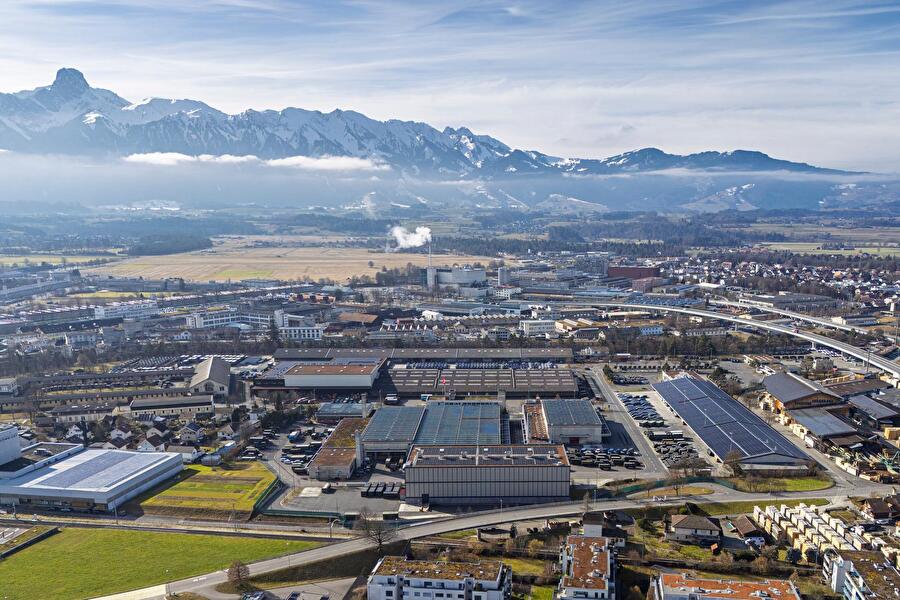
    The cantonal development centre Thun North is considered the most important business location in the Bernese Oberland and is one of the four premium locations in the canton of Bern. The area between Selve and Lerchenfeld, which is still heavily characterised by military use, is to be gradually opened up for new uses. This will create space for working, living and mobility, linked by a new public access route.

    Workshop process as a milestone
    In 2025, the city of Thun conducted a workshop process together with Armasuisse Immobilien, Ruag Real Estate AG and BLS. It marked an important milestone in the transformation of the area. The task was to identify ways in which the site could develop into a modern, networked urban district. In addition to the future Thun Nord S-Bahn station, the creation of a lively urban environment is at the centre of the project.

    Open spaces as a basic framework
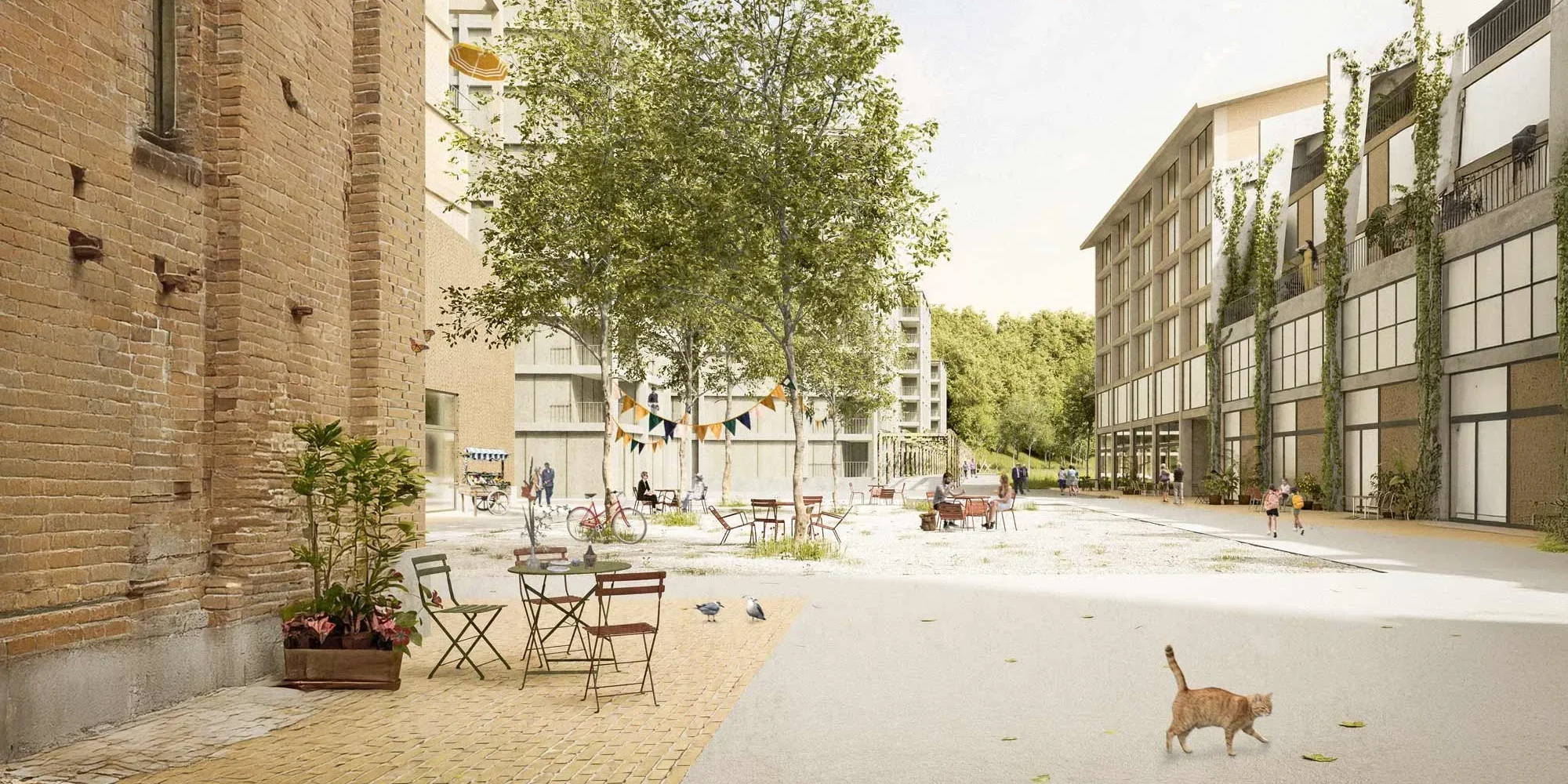
    The planning considerations focus on open spaces as a connecting element between the closed military areas to the south of the site. The three interdisciplinary teams developed several approaches in dialogue with experts, owners and interest groups. Despite different concepts, a common core emerged. The open space, Aare, Alpenbrücke and Allmendstrasse form the supporting framework to which future neighbourhood structures will connect. The new railway station also makes reference to the existing buildings. The striking shed roof hall will serve as the backbone and identity carrier.

    From idea to realisation
    The next phase is now starting. In a so-called synthesis, the city, owners and project partners are working on further refining the open space and neighbourhood structure. This forms the basis for the next, harmonised plans, such as infrastructure projects or the necessary planning instruments. Thun North is thus taking shape as a forward-looking neighbourhood that combines economic strength and spatial quality.

  • How Basel-Landschaft creates spaces for innovation and living

    How Basel-Landschaft creates spaces for innovation and living

    Basel-Landschaft is building for the future. Former industrial sites are being transformed into innovative campuses, flexible business parks and urban neighbourhoods. Dreispitz combines art, education and high-tech on the cantonal border and creates space for 4,000 jobs, research and sustainable architecture at the highest level. Uptown Basel in Arlesheim is positioning itself as a hotspot for Industry 4.0 and medtech with quantum computing pioneers and an ecological beacon character. New neighbourhoods in Muttenz, BusinessCity and AM SCHÄNZLI combine living and working spaces, green open spaces and climate-friendly mobility, further enhancing the location’s profile as a centre of knowledge and innovation.

    In Pratteln, Bredella, the Campus der Wirtschaft and Zentrale Pratteln are creating modern urban living spaces that focus on sustainable development, smart infrastructure and flexible usage concepts. In Allschwil, Bachgraben is developing into a leading life sciences location with the Switzerland Innovation Park Basel Area, where biotech, medtech and pharmaceutical companies are driving forward cutting-edge research and high-tech innovations. The Laufen Industrial Park and Ziegelei Ost in Allschwil are creating momentum for regional production, craftsmanship and community, with a focus on the circular economy and CO² reduction. GETEC PARK is a growth engine for chemistry and life sciences, driven by decarbonisation and ESG standards.

    Basel-Land thus demonstrates how diversity, sustainability and innovative strength are driving transformation.

    Dreispitz
    Dreispitz in Münchenstein (Basel-Landschaft) is one of the most diverse areas in the Basel region. It combines art, education and business. Over 380 companies and around 4,000 jobs characterise the Dreispitz business park, flanked by universities such as the FHNW and creative clusters. The intercantonal site offers space for innovative companies, start-ups, culture and modern educational institutions. A vital location for the future of the entire region.

    uptownBasel
    uptownBasel is currently building the future. Since 2019, a state-of-the-art innovation campus has been under construction for the jobs of the coming decades. The world-renowned dental implant manufacturer Straumann will relocate a total of 1,000 jobs to the forward-looking development area by 2028. Arlesheim will thus become the most important hotspot for medical technology in Switzerland. The campus, which is being rapidly developed by the Staehelin family and Fankhauser Arealentwicklungen, features several buildings already under construction with sustainable architecture of the highest standard. The roof deck has attracted worldwide attention and, together with the seminar and event rooms, is helping to make the site the state-of-the-art centrepiece of the Baselland industrial location.

    Laufen Industrial Park
    The Laufen Industrial Park is located on the former tile factory site of Keramik Laufen AG on the south-eastern edge of the city and has been owned by the Abendrot Foundation since 2017. Following the major fire in 2020, which destroyed around 80% of the building, the commercial site will be rebuilt between 2025 and 2027 as single-storey timber frame buildings. The aim is to create a modern, affordable offering for small regional businesses, craftsmen and creative professionals, with flexible rental spaces and individual expansion options. A network of commercial streets ensures good access, lighting and promotes networking among users. Densification and multi-storey extensions are possible in order to respond flexibly to regional demand. The focus is on sustainability. The concept is characterised by the reuse of building components, wood instead of concrete and renewable energy. An area association is to strengthen cohesion. The overall result will be a regionally relevant, versatile and sustainable commercial centre.

    AM SCHÄNZLI
    The new AM SCHÄNZLI district in Muttenz marks an urban reinterpretation of living, working and leisure at the gateway to Basel. By 2029, three high-rise buildings with 385 apartments and 14,000 m² of commercial space will be built on the 74,000 m² “Hagnau Ost” site. A central square and intensive greening lend urban density a quality of life right next to the Birs recreation area. The focus is on resource-saving construction, energy efficiency (SNBS Gold), photovoltaics and optimised mobility for pedestrians and cyclists. AM SCHÄNZLI stands for modern location development and the sustainable integration of city and nature.

    BaseLink site
    The Bachgraben site in Allschwil has developed into a driver of innovation in Basel. The location combines international life science companies, state-of-the-art research and sustainable urban development. Projects such as the BaseLink site and new public transport and cycling initiatives are creating attractive jobs and an urban environment. Close cooperation between the canton, municipality and business community ensures dynamism and makes the area a showcase project in the tri-national region.

    Business campus
    The new business campus is located directly next to the railway station in Pratteln and is developing into one of the most important event and work locations in the Basel area. By 2028, the H² building will become a state-of-the-art centrepiece. Six floors offer over 10,000 m² of flexible laboratory, event and office space, complemented by a congress hall for up to 1,900 people and a total of more than 6,000 m² of event space. The campus is aimed at companies from industry, research and services, with sustainable architecture, optimal accessibility, infrastructure from a single source and synergies with the Bredella district. The development strengthens the region’s competitiveness and positions Pratteln as an international centre for innovation, exchange and major events.

    GETEC PARK.MUTTENZ
    GETEC PARK.MUTTENZ is the leading industrial cluster in north-western Switzerland for chemicals, pharmaceuticals and life sciences. It combines state-of-the-art infrastructure, secure laboratory and logistics space, and sustainable energy and resource concepts on 50 hectares. The park, which emerged from Infrapark Baselland and Schweizerhalle, is home to global corporations and numerous SMEs. Innovative solutions such as Waste2Value and ESG-based processes make GETEC a growth engine for the industry.

    Pratteln headquarters
    The Pratteln headquarters project is transforming the former Coop site north of the railway station into a lively, ecologically and socially oriented neighbourhood. By 2026, around 480 cooperative apartments for 1,200 people will be built, complemented by a new school, around 15,000 m² of commercial space and a variety of open spaces. Construction and planning are consistently focused on preserving existing structures, reusing building components and sustainable energy supply. Historic industrial buildings such as the sugar silo will be preserved. The cooperation of six developers and the innovative utilisation concept make Pratteln Headquarters a showcase project for non-profit and sustainable neighbourhood development in the Basel region.

    Bredella in Pratteln
    Bredella in Pratteln represents the large-scale transformation of a central industrial area into an innovative urban quarter. In the immediate vicinity of the railway station, 87,000 m² of diverse residential, work and leisure facilities are being created, interspersed with green spaces and renovated industrial buildings. The master plan and neighbourhood plans focus on gradual development, sustainable mobility and a high quality of life. With a perimeter block, high-rise buildings, commercial and studio space, car-free areas and lively ground floors, a model for urban living in the Basel area is being created. Bredella boldly combines modernity, history and sustainable development.

    Ziegelei Ost
    Ziegelei Ost in Allschwil is undergoing a comprehensive transformation into a lively, mixed-use neighbourhood. Historic buildings are being carefully preserved and combined with new uses for living, working and recreation. The neighbourhood is characterised by large green spaces, diverse public spaces and a finely meshed network of paths connecting three central squares: Kulturplatz, Quartierplatz and Lettenwiese. The industrial tradition remains evident through the preservation of the brickworks halls and their integration into modern structures. The project focuses on circularity, the reuse of building components and flexible new buildings to ensure climate protection, sustainability and a high quality of life.


  • Clean waste disposal systems as a success factor in property management

    Clean waste disposal systems as a success factor in property management

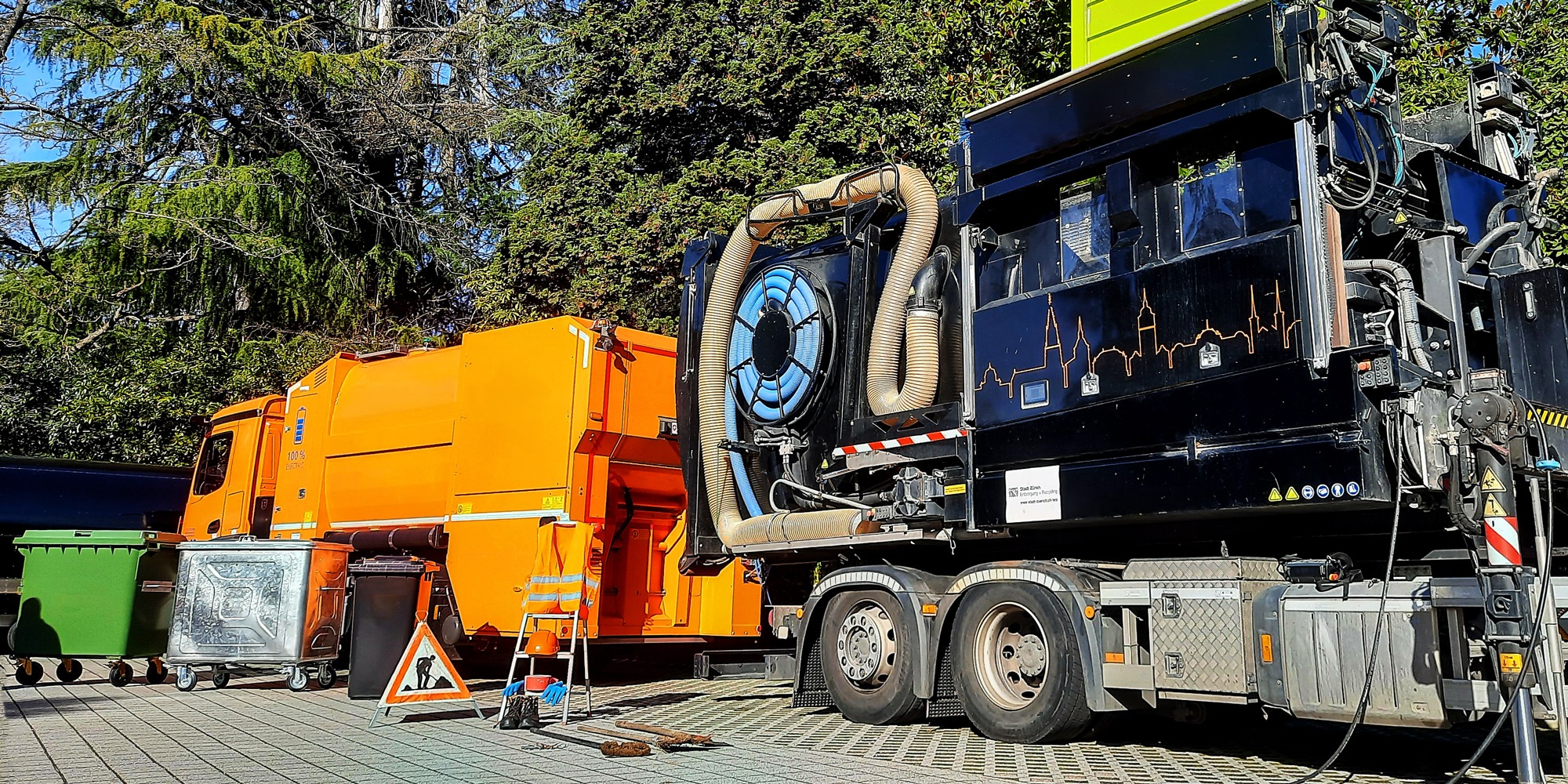
    Functioning waste disposal systems are a central component of modern properties. Underfloor and waste containers must not only be emptied, but also professionally cleaned on a regular basis to ensure hygiene, operational safety and value retention. The requirements for odour management, cleanliness and documented service processes are growing, especially in densely used residential and mixed-use areas.

    For property managers and owners, this means that container cleaning must increasingly be seen as an integral part of site management. Today, modern processes with closed water cycles and standardised procedures enable efficient and sustainable implementation.

    Practical example from Ascona

    A recent CleanTech Day in Ascona showed how professional container cleaning works in practice. Representatives from local authorities and facility management took the opportunity to watch live cleanings and exchange ideas directly with experts. The positive response confirms the growing importance of structured container maintenance in property operations.

  • Areas in Basel-Stadt as the engine of the future

    Areas in Basel-Stadt as the engine of the future

    Basel-Stadt is a prime example of the sustainable transformation of European industrial regions. A new urban culture is growing on what were once closed production sites, combining density, diversity and participation. Areas such as VoltaNord are creating affordable living space and promoting social diversity. Klybeckplus and Klybeckquai are opening up the Rhine area for living, education and leisure. A milestone for urban networking by 2037.

    The cityscape is also changing on the outskirts. The Dreispitz-Nord area combines commerce with urban living, while the Wolf area and Walkeweg are giving rise to new forms of energy-efficient, neighbourly neighbourhoods. In the north, Vordere St. Johann is developing into the region’s centre of knowledge and health with its campus, university and hospital. Projects such as Westfeld are creating places of coexistence that combine building culture, sustainability and social innovation.

    Basel is thus becoming a laboratory for the urban future – characterised by cooperation, down-to-earthness and foresight.

    Rosental Mitte
    Rosental Mitte is developing from a closed industrial area into a permeable, diverse business location. In addition to workspaces, the canton of Basel-Stadt is gradually creating new spaces for living and leisure. Existing structures are being respectfully rebuilt, with historical elements retained as anchors of identity. Public paths and green spaces connect the neighbourhoods, promoting interaction and mobility. One third of the apartments are being built in the affordable segment. Rosental Mitte stands for forward-looking urban development and sustainable urban quality of life.
    rosentalmitte.ch

    VoltaNord
    VoltaNord is a lively district for around 1,500 to 2,000 residents and up to 2,500 jobs being built on the former Lysbüchel site in the north of Basel. Two-thirds of the new flats are affordable and promote social diversity. The development combines dense working and living with added value for the St. Johann district. A new primary school and attractive open spaces make the site a future-oriented place to live, learn and work.
    voltanord.ch

    klybeckplus
    The former industrial site in the north of Basel is being transformed into a mixed-use urban quarter between the Rhine and Wiese rivers. Around 300,000 square metres of space for living and working is being created for up to 15,000 people. Owners Rhystadt AG and Swiss Life AG are developing the site in collaboration with the canton of Basel-Stadt. The 2022 urban development model forms the basis for this. New tram lines, roads, parks and school locations are creating a network of future-oriented neighbourhoods with an urban character.
    klybeckplus.ch

    Klybeckquai & Westquai
    Klybeckquai and Westquai are being transformed from industrial port areas into lively urban landscapes on the Rhine. The relocation of the port railway is creating space for new uses and opening up the urban landscape towards the water. A mixed-use residential neighbourhood with schools, daycare centres and green courtyards is growing on Klybeckquai. After 2029, Westquai is set to become a diverse location for work, culture, leisure and nature. Both areas are developing into sustainable, future-proof neighbourhoods in line with the Net Zero 2037 initiative.
    klybeck-kleinhüningen.ch

    Dreispitz North
    The Dreispitz Nord area on the eastern edge of Gundeldingen is undergoing change: where the MParc shopping centre, the OBI DIY and garden centre and other commercial enterprises still dominate today, a new, diverse district is emerging. The Christoph Merian Foundation and the Migros Basel cooperative are jointly shaping the future of the area. The urban development concept by Herzog & de Meuron enables the development of residential space and attractive green and open spaces, and promotes a mixed-use, forward-looking neighbourhood with a lively character.
    dreispitznord.ch

    Walkeweg site
    The six-hectare Walkeweg site in the south of Basel is being developed into a lively, family-friendly residential neighbourhood. Up to 650 people will be able to live here affordably and energy-efficiently. The canton and SBB are working with building cooperatives to create a diverse range of affordable and compact apartments. A new primary school, spacious natural areas, communal courtyards and a green neighbourhood square and park create space for social interaction and sustainable quality of life. The development follows the principle of “low cost – low energy”.
    areal-walkeweg.ch

    Wolf site
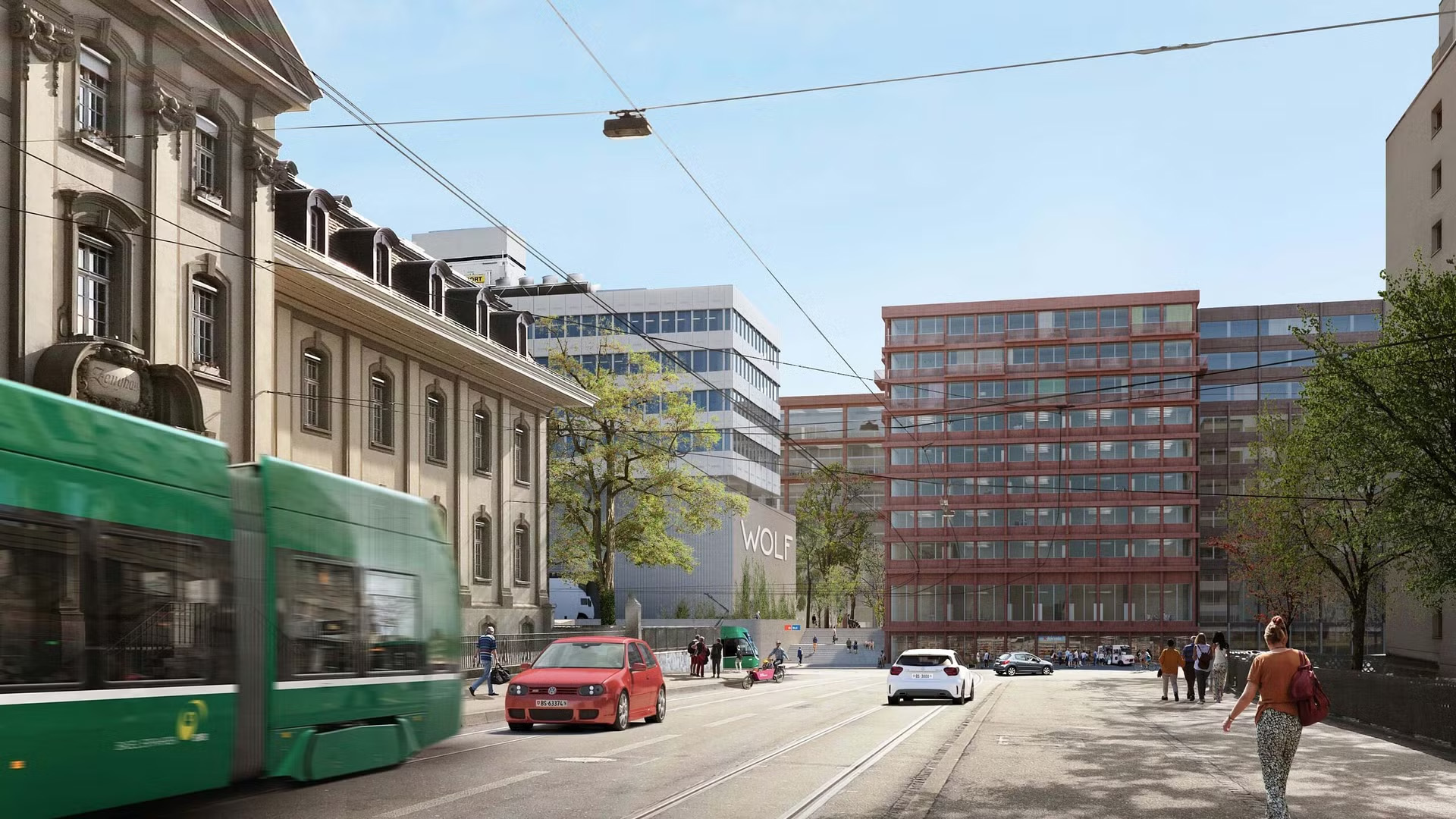
    The Wolf site is being transformed from a freight station into an urban district with a variety of uses. Around 550 flats are being built in the west, a third of which are affordable, while the east will feature office, logistics and commercial space as well as public facilities. Historic buildings are being preserved and integrated into the new courtyard structure, which places particular emphasis on noise and space concepts. SBB is developing and investing here as the owner, creating socially diverse and sustainable living spaces on around ten hectares in the heart of Basel.
    wolf-basel.ch

    Vorderes St. Johann
    Vorderes St. Johann in the north of Basel is developing into an important location for research, education and health. Over the next few years, new buildings for clinics, universities, libraries and private research institutes will be constructed around the Schällemätteli campus and the university hospital. The canton is also pushing ahead with the development of new tram lines and transport projects. A total of 16 construction and infrastructure projects are being implemented, supported by both private and public actors, which will secure the future of the district as a centre of knowledge and health.
    vorderes-stjohann.ch

    University Hospital Basel: Health Campus
    With its Health Campus, the University Hospital Basel is pursuing a comprehensive development plan to ensure competitiveness and cope with increasing pressure on usage. New buildings such as Clinic 2 by Giuliani Hönger and Clinic 3 by Herzog & de Meuron offer flexible use, modern processes and urban quality. A new development plan regulates the development of the entire site, including green spaces and listed buildings. The construction projects are expected to be completed by 2039 and will strengthen Basel’s position as a healthcare location in the long term.
    unispital-basel.ch

    Westfeld
    On the former Felix Platter Hospital site in the Iselin district, Westfeld is creating a diverse urban quarter with 525 new apartments, converted existing buildings and space for commercial and social services. The wohnen&mehr cooperative is committed to sustainable construction and promotes new living models and community spirit through a neighbourhood garden, Westfeldplatz square and local services. The second construction phase will bring further apartments, commercial space and a bicycle pavilion. Westfeld is creating new meeting places and enriching the neighbourhood in a sustainable way.
    wohnen-mehr.ch


  • Defect rights and builders’ liens – important changes

    Defect rights and builders’ liens – important changes

    Kohler Law is a new boutique law firm specialising in construction and real estate law, constitutional and administrative law, and contract law. With over 15 years of experience in law firms in Zurich and Aargau, I advise and represent private individuals, companies and public institutions. As a sole practitioner, I guarantee a direct point of contact, high availability and advice tailored to your needs. My priority is to find efficient, practical and sustainable solutions.

    Sales contract law
    For movable items that are intended to be integrated into an immovable structure (e.g. building materials), there is now a complaint period of at least 60 days for obvious and hidden defects. The limitation period for defect rights remains five years, although a reduction in the period is still permissible.

    When purchasing land with new buildings that are yet to be constructed or are no more than two years old, buyers are now entitled to a mandatory right of rectification free of charge for the first time. In addition, obvious and hidden defects can now also be reported within at least 60 days of discovery. The rights relating to defects for all types of land purchases expire five years after transfer of ownership, and this period may not be shortened.

    Contract law
    In the future, a 60-day complaint period will apply to obvious and hidden defects in immovable works. This also includes defects in movable works that have been integrated into an immovable work, or defects in works by architects/engineers that form the basis for the creation of an immovable work. Another new feature is a mandatory right to free rectification; contractual exclusions or limitations, such as maximum amounts, are invalid. The five-year limitation period cannot be shortened at the expense of the customer; it begins with the acceptance of the work.

    Building contractor’s lien
    The lien secures payment of outstanding claims for remuneration for work performed by contractors. For owners, this can limit creditworthiness or mean a risk of double payment. The new rule is that security covering the principal claim and default interest for ten years prevents the registration of the lien. This introduces a clear, practical regulation that solves previous problems with unlimited interest guarantees.

    Entry into force and transitional law
    The changes will apply from 1 January 2026. Purchase and works contracts concluded before this date will continue to be subject to the old law; claims for rectification for new buildings completed before 2026 will only exist if contractually agreed. However, mandatory limitation periods and the new security rule in the building contractor’s lien apply regardless of the contract date.

    Recommendations
    It is definitely advisable to adapt all contract templates to the new law. When selling properties that are yet to be built, the purchase and works contracts should be aligned with each other in order to avoid contradictions between the liability under the purchase contract and the works contract. This applies in particular to works contracts concluded in 2025 if the property is not sold until 2026. Particular attention should be paid to SIA Standard 118, as this – unlike the statutory provisions – contains a prior right of rectification for the contractor.

  • New construction of the Fröschmatt School in Pratteln

    New construction of the Fröschmatt School in Pratteln

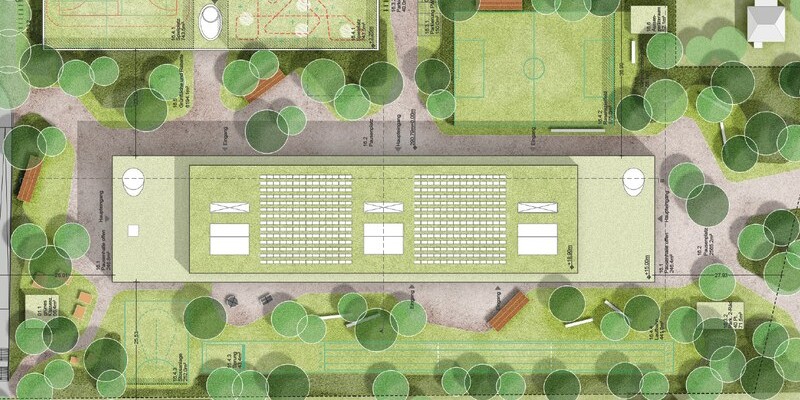
    The Fröschmatt School is Pratteln’s central secondary school and is currently undergoing a transformation. Due to a significant increase in student numbers and long-overdue renovations, it is becoming one of the largest and most modern school facilities in the canton of Basel-Landschaft. With an investment volume of just under CHF 119 million, a sustainable new building for around 36 classes and state-of-the-art educational requirements is being constructed on the existing site. The open competition was won by the winning design “Lungo” by Burckhardt Architekten AG, which integrates the school complex optimally into its park-like surroundings.

    Innovative architecture and flexible use
    The building ensemble is clearly structured. At the centre of the plot, the school building creates space for learning, meeting and development. The gyms, located in the north-east, including an all-weather area on the roof, are being built as separate pavilions. State-of-the-art hybrid timber construction and flexibly designed interiors meet the requirements for sustainability and future viability. Surrounding balconies provide protection from the sun and become lively terraces.

    Planning with the region in mind
    The schedule is ambitious. Construction of the main building will begin in 2026, with occupancy scheduled for 2029. The gyms will be completed by 2031. In the meantime, lessons will continue uninterrupted thanks to a specially constructed, sustainable temporary facility on the Hexmattwiese and in parts of the old building. The entire complex not only promotes contemporary teaching, but also enhances the attractiveness of Pratteln as a location and its development prospects.

  • Return of the wild waters at Schänzli

    Return of the wild waters at Schänzli

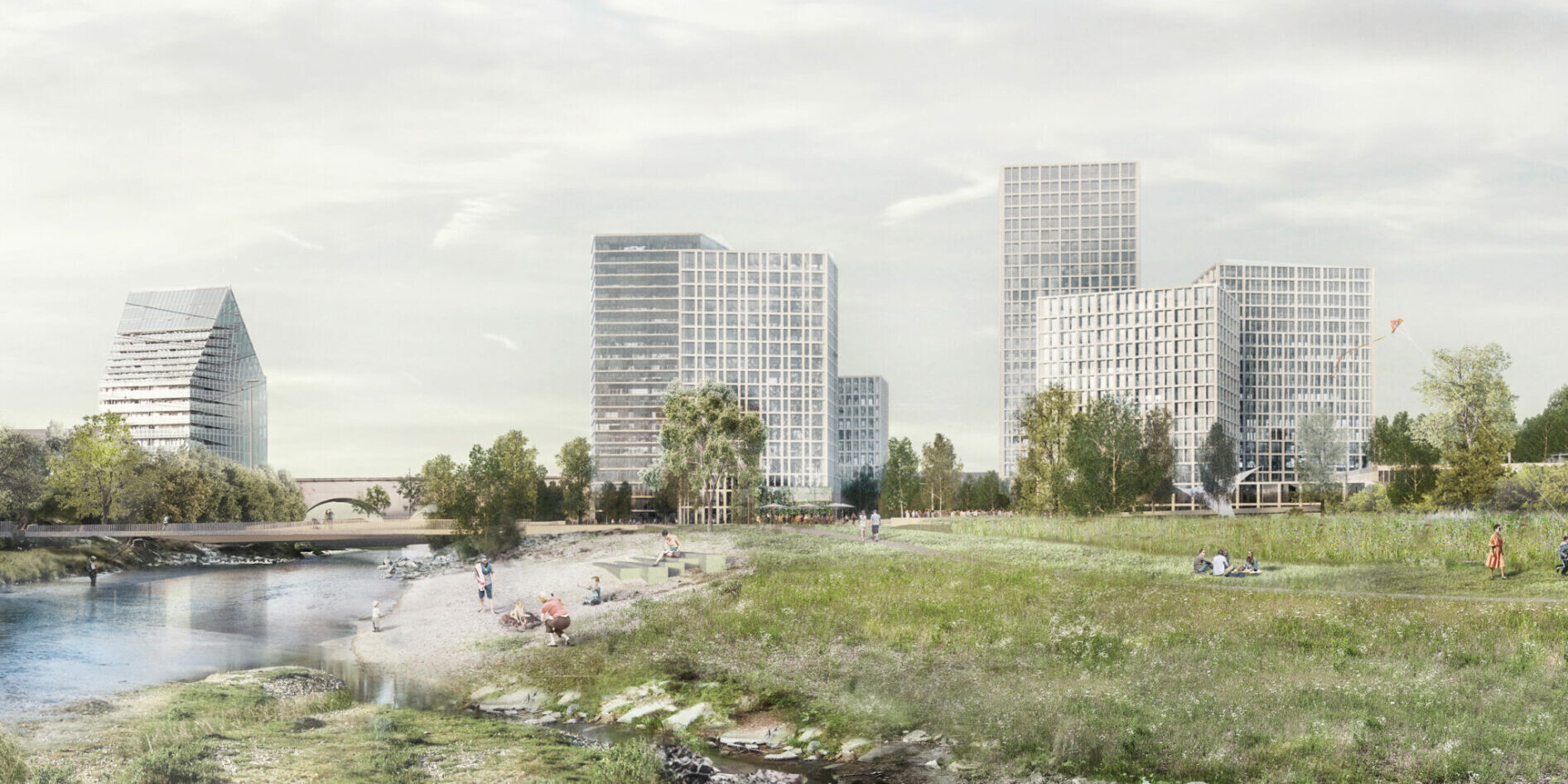
    The Schänzli site marks the beginning of a new era in landscape planning along the River Birs. The winning project, “Aqua fera” by Berchtold.Lenzin Landscape Architects, Versaplan and Holinger, frees the river from its rigid form and gives it freedom of movement. Shallow water zones, low-water channels and near-natural banks create habitats for fish, birds and amphibians, strengthen groundwater protection and make the floodplain landscape accessible again.

    Visitor guidance via wooden walkways, piles of branches and defined paths protects sensitive areas, while a refreshment bar and small event areas at the northern entrance provide space for people to meet. Towards the south, the terrain becomes quieter, merging into the Vogelhölzli nature reserve and opening up new perspectives on a revitalised Birs. Noise barriers along the motorway shield the area and at the same time form a new connection to the Käppeli district.

    City on the river
    The new Am Schänzli quarter borders directly on the nature reserve. Three high-rise buildings with around 400 flats, offices, restaurants and leisure facilities, together with spacious open areas and commercial space, form a lively urban fragment at the gateway to Basel. The development meets the SNBS Gold Standard, focusing on photovoltaics, heat recovery, green roofs and a compact design with biodiversity zones between the buildings.

    The mobility strategy prioritises slow traffic. Cycle, foot and tram connections link the neighbourhood with Basel-Stadt, the Birspark recreational area and the Hagnau sites. The principle of “open space through density” demonstrates its power here: a better quality of life through compact, intelligently organised construction.

    Cooperation and implementation
    The site development is financed by value-added levies on landowners in Hagnau and through public-private cooperation with the municipality of Muttenz. The neighbourhood planning process, which was approved after intensive public participation, forms the basis for the coordinated overall development of Hagnau East, Hagnau West and the Schänzli site.

    Construction of the high-rise buildings began in spring 2025 and will be completed in stages by 2029. While Am Schänzli is growing, the southern river area remains undeveloped and is becoming the backbone of a coherent green network between the city and the countryside.

    A model for the future of cities and nature
    The Schänzli project is symbolic of the new generation of Swiss urban development: ecologically regenerative, architecturally precise, socially integrated. It proves that economic density and ecological diversity are not mutually exclusive, but can reinforce each other.

    With “Aqua fera”, the Birs is not only being renaturalised, it is being reintroduced into everyday urban life. Muttenz is thus demonstrating how forward-looking planning can harmonise open space, climate resilience and urban quality of life. The Schänzli is becoming a living transition between city and nature and a powerful symbol for the return of wild waters.

  • Green living in Basel Dreispitz Nord

    Green living in Basel Dreispitz Nord

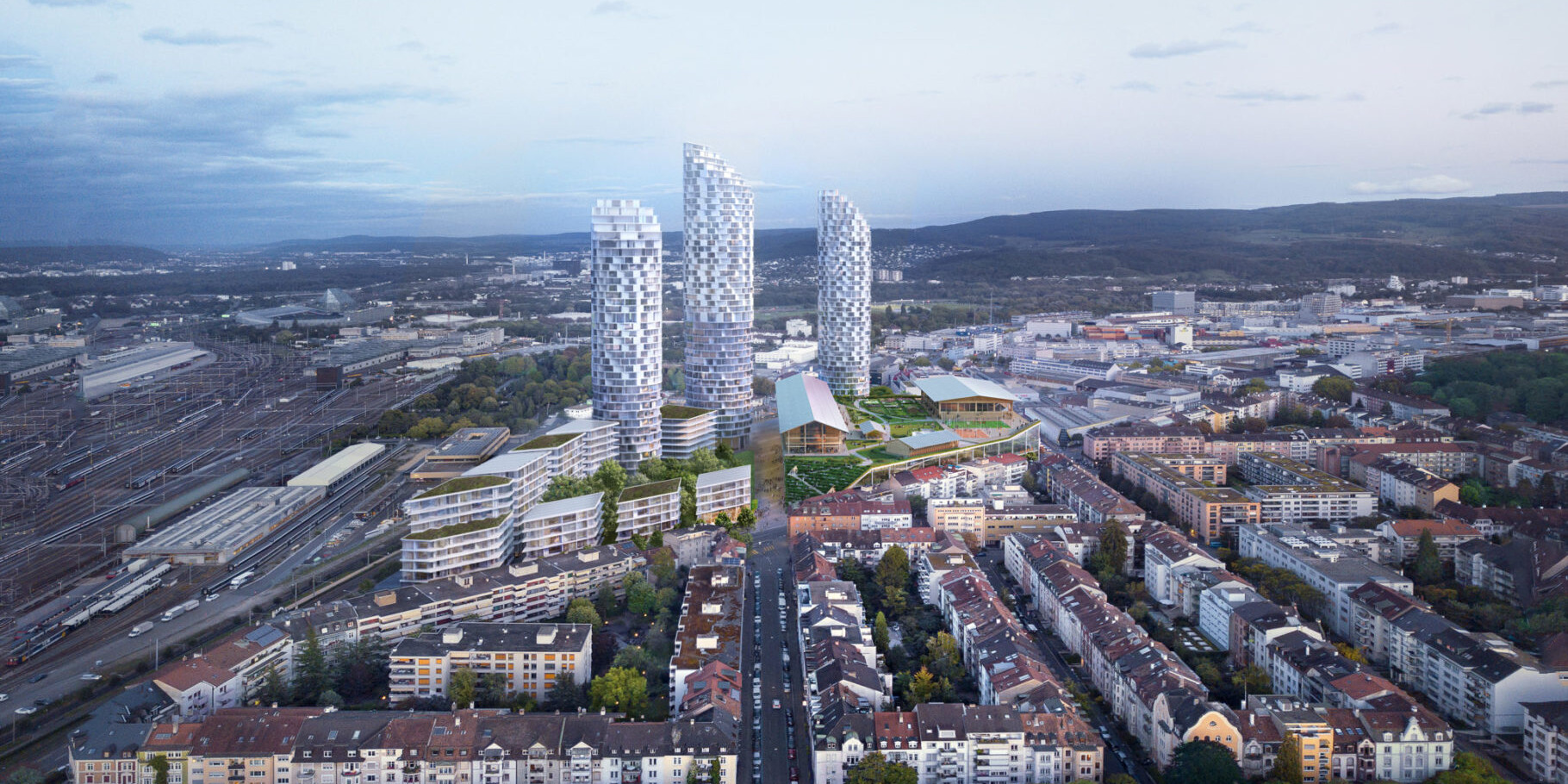
    Dreispitz Nord is transforming a formerly single-use area covering around eight football pitches into an inclusive district. Around 800 flats are being built, a third of which will be affordable and non-profit housing. Three striking round high-rise buildings will offer attractive flats as well as office space, a library and a fitness centre. The focus is on a neighbourhood where everything is within easy reach. Living, working, shopping and leisure activities merge into an urban whole. Pedestrians and cyclists have priority, and the public space is almost completely car-free. A total of 4,000 bicycle parking spaces are planned, and car parking facilities are bundled together and separated from the residential area to minimise traffic in the neighbourhood.

    A green place for urban climate and community
    Two newly planned city parks with large shade trees will transform the area into Basel’s green lungs and improve the microclimate in the long term. Permeable soils and planted roofs fulfil the principles of the sponge city and help to mitigate heat effects. The secondary school for around 600 pupils will be built on the roof of the modernised MParc, opening up new dimensions in terms of land use. The facilities will be complemented by basketball and sports fields, a triple gym and a youth club, which can also be used outside school hours. Direct access from Gundeldingen via a green ramp seamlessly connects Dreispitz Nord with the neighbouring district and creates public spaces that foster a sense of identity.

    Partnership-based planning with vision
    The Christoph Merian Foundation as the landowner, the Migros Basel cooperative as the building leaseholder and the canton of Basel-Stadt as the planning authority are jointly driving the project forward. After an intensive public consultation period with seven objections, all of which were rejected, the cantonal government confirmed the development plan on 14 October 2025 and forwarded it to the cantonal parliament for consideration. In addition to the development plan, adjustments to the zoning plan, noise sensitivity levels and building regulations are also planned. The environmental impact assessment confirms that all requirements have been met.

    Sustainability and social balance
    Dreispitz Nord is a prime example of sustainable neighbourhood development. Instead of grey parking spaces, green open spaces are being created, and the diversity of housing promotes social mixing. The existing building is being integrated into the new complex in a resource-efficient manner. Wide distances between the high-rise buildings ensure good ventilation, shade providers reduce heat stress and permeable surfaces strengthen climate adaptation. With 1,400 new residents, representing 7 per cent of the total population of Gundeldingen, and 1,600 jobs, the district will become a significant economic driver.

    Urban life and economy in harmony
    The new quarter integrates today’s modernised retail spaces, complemented by cafés, restaurants and small shops, which are also easily accessible via the extended tram stop. The interconnection of living, working, shopping and leisure creates an inspiring atmosphere and promotes sustainable mobility over short distances.

    Dreispitz Nord is characterised by its urban compactness, ecological sensitivity and social diversity. The project is a prime example of how comprehensive urban development can harmonise innovation, sustainability and quality of life, strengthening Basel as an attractive city for today and tomorrow.

  • From freight station to urban district

    From freight station to urban district

    The transformation will begin in 2027 with the first phase of development in the western part of the site. Around 600 flats will be built, a third of which will be affordable cooperative flats. The aim is to attract a diverse population and combine urban density with social diversity. The Urban Hub will become the lively centre of the neighbourhood. It will combine gastronomy, sport, culture and services and act as a link between residential buildings and commercial areas.

    The second phase of development will begin in the east of the site in 2031. Modern service and commercial buildings will create around 1,000 jobs and unlock the site’s potential for business, innovation and city logistics. Its central location at the railway station and its connection to the regional transport network reinforce its function as an urban hub in Basel.

    Focus on architecture, sustainability and flexible use
    The master plan consistently follows the principles of ecological and sustainable urban development. The new perimeter block development is based on the sponge city principle and integrates historic railway buildings into the courtyard concept. This ensures a pleasant microclimate, promotes biodiversity and improves rainwater management. Buildings such as Janus and Binaria impress with reused components, modular wood and metal elements, green and accessible roofs, and photovoltaic surfaces. The flexible construction guarantees reparability, ease of maintenance and subsequent conversion.

    Cultural and social start-up initiatives strengthen neighbourhood identity
    Even before construction begins, the area is being actively revitalised through innovative temporary uses. SBB is opening historic warehouses for culture, gastronomy and sport. One example is pickleball, which offers 2,000 square metres of space and attracts new players. Rental space for creative and social initiatives is also available. These pioneering uses create proximity to the neighbourhood population and promote creative participation. In particular, the broad participation process, in which the public, associations and organisations are involved from the outset, guarantees acceptance and innovation.

    Mobility, smart city and quality of life as a guiding principle
    People are at the centre, with technology and sustainability as the supporting pillars. A city logistics hub in the eastern area ensures resource-efficient goods distribution in Basel and the surrounding area. Modern mobility services and integration with public transport are an integral part of the neighbourhood strategy. The SBB’s scientifically supported quality of life model, developed in collaboration with the University of Basel, makes Wolf Basel a laboratory for innovative solutions in energy, circular economy and social cohesion.

    Wolf Basel is creating an inspiring neighbourhood that combines urban densification, sustainability, smart networking and social diversity. In this way, Basel is growing not only spatially, but also socially and technologically into the future.

  • Basel focusses on the circular economy

    Basel focusses on the circular economy

    BaselCircular is not a traditional funding initiative, but forms the basis for a new innovation ecosystem in the region. As a public-private partnership, the initiative is working with the Basel business community to develop structures that combine knowledge, research and entrepreneurship. At the centre of this is the networking of established companies, start-ups and universities. They form a system that promotes innovation, shares knowledge and makes circular business models marketable – according to the principle of “enabling the enabler”.

    Knowledge, technology and cooperation
    A central field of action is the creation of digital platforms for knowledge exchange and cooperation. Practical tools and expert systems are being developed in collaboration with the University of Applied Sciences Northwestern Switzerland and other scientific partners. AI-based tools are planned to make it easier for companies to adapt circular solutions. However, personal exchange remains crucial, as technology serves as an amplifier for human collaboration.

    Inspiring the next generation
    The network aims to inspire young people to become entrepreneurs in the circular economy. Together with educational institutions, programmes are being developed to promote start-ups. Existing start-up support centres are supported in firmly integrating sustainability into their competitions and training courses.

    Shaping the future
    A survey of companies in Basel has shown that knowledge and implementation levels in the circular economy vary greatly. BaselCircular is responding to this with customised offers and close collaborations, initially in the construction and life sciences sectors. Further areas will be added from 2025. This is a clear signal that Basel is actively strengthening its role as a centre of innovation and is resolutely driving forward the transformation towards a resource-efficient economy.

  • Transparency in three dimensions – How geodata can help the property industry

    Transparency in three dimensions – How geodata can help the property industry

    Densification, climate adaptation and increasing regulatory density pose new challenges for the property industry. At the same time, digital geodata opens up a holistic view of space. With the 3D viewer MapBS 3D, the PLR cadastre and property information, digital tools are available in the canton of Basel-Stadt that help owners, developers and investors to sharpen their view of the canton and its properties.

    MapBS 3D – City and buildings as digital twins
    What was previously only recognisable on plans can now be experienced in three dimensions in the browser:

    – Basel as a digital 3D city model with buildings
    buildings, terrain and trees.
    – 3D aerial images and oblique aerial images for a
    photorealistic view of the canton.
    – The buildings can be filtered by height, for example,
    and the data can be freely obtained and
    integrated into customised applications.
    – The toolbox can be used, for example, to simulate shading over the course of the year or visibility axes.

    This makes a location spatially comprehensible. Whether an extension is realistic, how a new building fits into the silhouette or which visual axes are affected – initial answers are just a few clicks away.

    You can quickly recognise how a property fits into the urban context and where potential lies dormant. This makes MapBS 3D a valuable tool – not only for planners, but also for decision-makers.

    The PLR-cadastre – Legal certainty at a click
    Anyone who develops or acquires must know what applies. The PLR-cadastre – the abbreviation stands for public-law restrictions on ownership – bundles relevant specifications for a property: building zones, protected areas, noise or water protection, etc.

    In Basel-Stadt, the cadastre currently covers over twenty subject areas, available online and also as a PDF extract. It is always up to date. This allows risks to be recognised at an early stage and legal framework conditions to be checked efficiently – an advantage that should not be underestimated in times of complex planning processes.

    What else is possible?
    If PLR topics are superimposed in MapBS 3D using the “Add layer” tool, a digital decision space is created.

    Other interesting topics can also be found in the cantonal WebGIS MapBS. There you can use the “Property information” tool to call up information on a property and its buildings directly. The same information can also be automatically integrated into your own applications using an API.

    All of this can be used, for example, to check whether a building intention conforms to the zoning plan or whether noise might make residential use unfavourable. This creates clarity and avoids misunderstandings. In this way, complex knowledge becomes spatially visible and it is easier to recognise location qualities, risks and scope for development.

    What is planned for the future?
    With twinbs, the Canton of Basel-Stadt wants to make geoinformation even more transparent and reliably accessible in the future. The full potential of spatial data is to be utilised. The Geoinformation Centre regularly collects feedback from users. Anyone with questions about MapBS 3D, the PLR cadastre or geodata in general is welcome to contact them directly.

  • The real estate sector is a support for the canton and the citizens

    The real estate sector is a support for the canton and the citizens

    Innovative’ housing projects that are economically, environmentally and socially sustainable could help stimulate the economy in Ticino.

    The conditions for becoming a landlord are becoming increasingly restrictive, and proportionally fewer families can afford to buy property. In Ticino, it is not only families belonging to the economically weaker segment of the population that have to cope with too many expenses to pay rent and ancillary costs. Inevitably, many families ask the State for financial support. By activating an active policy in favour of moderately rented housing we could create the conditions to reduce the demands on the state.

    Private actors in the real estate sector could play an active and decisive role in this direction, as is already the case in other parts of Switzerland, bringing a public benefit while reducing the vacancy rate in the medium term.

    By planning the renovation, refurbishment and conversion of existing buildings in a coordinated and careful manner, we could reduce land consumption by improving the housing stock and, at the same time, have a better social impact in respect of the environment.

    More attention and a sense of individual responsibility towards the community could lead to savings on the part of the state, which is currently under pressure to find solutions and meet citizens’ needs.

    More awareness of the advantages of sharing spaces and services would lead to an increase in quality of life and savings. By optimising expenditure on housing, families could better cope with increases in the cost of living, including healthcare costs.

    Among the many possibilities is the development of public utility housing (which can be non-profit corporations, foundations, housing cooperatives) with rents based on actual costs, taking advantage of funding from the
    Federal funding and sureties. These projects should mainly focus on renovations of existing buildings, realising quality projects, optimising space so that, if possible, there is less consumption of floor space per inhabitant.

    In order for the costs of realising housing projects, as mentioned above, also starting from existing buildings, to be low, it is important that the land cost is not excessive. To be reasonable, the cost of land should be around 20 per cent, or if in central areas 25 per cent, of the total cost. Often in urban areas this is the biggest obstacle.

    The housing stock in Ticino is old. Many owners have not invested in renovations, even with low mortgage rates, and when they decide to sell, the economic demands are too high to create income housing with rents affordable to a large segment of the population. It should not be forgotten that the effort rate for housing should not exceed 33% of the income of a family belonging to the upper-middle class of the population. This rate should not exceed 25% if it is in the lower social stratum. Properties for sale, therefore, are often purchased by developers with specific targets who do not always realise projects that correspond to the needs or economic possibilities of families taking into account that wages are low compared to the rest of Switzerland and that the population is ageing faster.

    The instrument of surface rights, mainly used for commercial real estate projects, is little used in Ticino for housing projects. Yet it could help to find alternative solutions to develop ‘innovative’ projects. It could be very interesting both for the owner of the land, who would regularly receive a rent (ground lease fee) and at the end of the contract would come back to decide how to use the property, and for the landowner, who would develop his project with his own capital according to his needs without having to find funds to buy the property, which is perhaps located in a well-serviced area. Not needing capital to buy the land, many more families would have the means to invest in housing to live in.

    North of the Alps, municipalities or other public authority actors lease out their property by putting bonds on it for private individuals, including Anonymous Societies, to invest capital in specific projects including adequate and affordable housing.

    There are also other avenues that could be pursued. The Soliterra Foundation could be of help if it were a project developed by a non-profit housing project developer, in fact, its aim is to promote the construction of affordable housing throughout Switzerland. This is done in particular through the purchase of land and the granting of surface rights to it. The Soliterra Foundation gives financial support to small or young residential housing cooperatives, in particular for the purchase of properties with existing buildings or for approved new construction projects. But what makes the Soliterra Foundation special? The land can be bought back as soon as the financial situation is stable and the loan capital has been sufficiently repaid. The costs for the land right are low because they correspond to the reference interest rate plus a surcharge for administrative costs and a 50% inflation adjustment.
    The formula is similar to that of the federal government’s revolving fund, which thanks to loan repayments, which are not a cost to the state because they are remunerated, over time funds are again available to buy more property and thus promote new housing projects of public benefit.

    Restructuring the housing stock in Ticino to meet the needs of all generations could bring new opportunities whose benefits would extend to the community. The whole of society would benefit.

  • Dynamics of the economic future in Ticino

    Dynamics of the economic future in Ticino

    The urbanisation of Pian Faloppia was a strategic project for the future. Modern transport connections, a high-performance electricity network and an advanced water supply system create optimal conditions that are particularly attractive to companies with innovative aspirations. The specific site planning of the Balerna municipal association was developed in close dialogue with owners and entrepreneurs in order to sustainably strengthen the settlement area.

    Innovation dynamics and network expertise
    Companies from the precision engineering, watchmaking, solar technology and advanced logistics sectors operate in the centre. The interaction between research, industry and entrepreneurship is a key success factor. Companies located here benefit from links to research centres and universities as well as access to a qualified workforce, creating a powerful and future-oriented economic dynamic.

    Management with vision and synergies
    With the newly created role of Area Manager, Pian Faloppia is focussing on actively supporting and developing the quality of the location. This position bundles regional development structures and ensures targeted networking between companies, authorities and other stakeholders. This creates synergies that continuously strengthen the economic region and ensure attractive conditions for companies to settle here.

    Quality of life as a location argument
    The location is not only characterised by economic advantages, but also by a high quality of life. A wide range of leisure and cultural activities as well as the natural surroundings guarantee attractive conditions for specialists and managers. The temperate climate and Swiss stability offer additional planning security for long-term developments. The Pian Faloppia development centre is an example of future-oriented regional development in Ticino. The consistent focus on sustainable innovation, networking and synergy creates an attractive economic area that offers prospects for companies and skilled workers alike.

  • Bellinzona transformiert

    Bellinzona transformiert

    The historic SBB workshops, the centrepiece of Ticino’s industrial history, are making way for a district that serves as a model for sustainable urban development, an innovative mix of uses and high-quality living spaces. The political, economic and urban development significance of the project extends far beyond the borders of Bellinzona.

    Historical continuity
    The SBB offices have shaped the city centre for more than a century, providing thousands of jobs and an independent industrial identity. The relocation and replacement construction of the SBB industrial facilities in Arbedo-Castione by 2028 will create a rare development opportunity in the centre of Bellinzona. Over 100,000 square metres will be freed up for a comprehensive urban redevelopment, with a balance between tradition, innovation and strategic urban development.

    Participatory guiding process
    The redesign of the site is based entirely on participatory processes. The development process began with an international urban planning competition. Five European planning teams competed against each other, with the “Porta del Ticino – Urban Living Lab” project ultimately coming out on top thanks to its bold use of green space, multifunctionality and attractive density. Public consultations and a broad-based residents’ dialogue ensured broad acceptance and political backing. A representative survey showed that 65 per cent of the population supported the winning concept. Younger generations in particular have high expectations of innovation and quality of life.

    Urban structure, mix and development phases
    The masterplan concept envisages a clear linear tripartite structure for the site. Two peripheral zones combine flats, cooperatives, administrative and research uses, universities, commercial and hotel facilities. In the centre, the spacious Almenda will be a public green and meeting space that will serve as a social, cultural and ecological focus. The implementation period for the realisation of the district extends over several years in order to gradually create lively, resilient living, working and research landscapes. This guarantees flexible management of market dynamics and avoids vacancies or excessive property yield orientation.

    The striking “cathedral”, a listed building dating from 1919, will remain as a cultural magnet and will be transformed into a meeting and event venue. A worthy perspective for a landmark of industrial labour culture.

    A real laboratory of urban change
    The development plan commits to the highest sustainability standards, with the aim of achieving the Swiss Sustainable Building Standard (SNBS). Fossil fuels are excluded, and comprehensive photovoltaics and greenery, rainwater utilisation in the spirit of the “sponge city”, energy-efficient district heating and active promotion of electromobility are integral components. An energy plan supports the objective of covering a large part of the neighbourhood’s electricity requirements locally. Wide green spaces, biodiversity, urban gardening, resource-saving construction methods and low-emission mobility round off the ecological profile.

    Special attention is paid to intergenerational housing models, educational and research facilities, start-up promotion and the new innovation park, which will give Bellinzona a model character and regional appeal

    Model character and regional appeal
    The project combines socio-cultural values, sustainable infrastructure, entrepreneurial innovation and ambitious living and quality of life to create a new urban “engine” for the region. With its combination of participatory governance, versatile utilisation options and resilient open spaces, Bellinzona is setting exemplary standards for Swiss and European urban development in the coming decades.

  • Tenero Swimming Centre

    Tenero Swimming Centre

    The days of the old swimming facilities at the CST youth and competitive sports centre are over. The needs of young and elite aquatics athletes are constantly increasing. With the CHF 91.8 million investment approved by the Federal Assembly in 2021, Switzerland is setting an example for top-level promotion and sustainable development. The new replacement building will raise the CST to a new level as a central centre of excellence for swimming, artistic swimming, water polo, water jumping and ski freestyle.

    Modern concept
    Simply renovating the outdated facilities proved to be uneconomical and not future-proof. The planning therefore favours a complete new build in two construction phases. Firstly, a multifunctional indoor swimming pool will be built, which will define new training standards with an Olympic pool including a lifting floor, whirlpools, ice bath and comprehensive diagnostics area. This will be followed by the renovation of the outdoor facilities, including a modern training pool and landing area for freestyle skiing. Completion is scheduled for 2029, until then operations for athletes will be secured.

    Focus on sustainable and versatile infrastructure
    The Federal Office for Buildings and Logistics attaches great importance to sustainability in construction. The swimming centre is being built in accordance with SNBS and MINERGIE-ECO guidelines, optimised for life cycle costs and energy efficiency. The architecture by Studio Burkhardt and Stücheli Pestalozzi Schiratzki is characterised by its transparency, spaciousness and integration into the park landscape. Art and material aesthetics are also part of the new building, as a sensitive art-in-building concept creates identity for the location.

    A milestone for Swiss sport and the region
    With the laying of the foundation stone and prominent guests such as Olympic medallist Noè Ponti, the project promises not only international training standards, but also innovative event and training opportunities in water sports. The CST remains a pioneer in the promotion of young talent and will become a hub for cross-generational sports development in Switzerland.

  • A milestone in the Ticino SBB Arbedo-Castione plant

    A milestone in the Ticino SBB Arbedo-Castione plant

    Commissioning is scheduled for mid-2028, with SBB, the canton of Ticino, the city of Bellinzona and the federal government investing a total of around CHF 755 million in the ultra-modern site. In doing so, SBB is not only securing its maintenance of new multiple-unit trains, but also sending a strong signal for the economic development of the region.

    Investment in Ticino as a centre of industry
    In future, the NSIF will offer 360 full-time jobs and 80 apprenticeships, a clear commitment to the future of Ticino as a centre of industry. The new facility represents a milestone in the maintenance and repair of the modern Giruno, ETR and Flirt TILO multiple-unit trains. Compared to the existing Bellinzona plant, the level of digitalisation will be significantly increased. One focus is on electromechanical work, with digitalisation and automation making processes more efficient, flexible and sustainable. The green roof with solar panels and the renunciation of fossil fuels emphasise the ecological focus of the project.

    Sustainability and infrastructure
    With a total area of 150,000 square metres, the plant also sets new standards in terms of sustainability and infrastructure. The main building measures 40,000 square metres, as much as eight football pitches. In addition to the factory building, a modern train washing facility, rooms for apprentice training and common areas for staff are being built. The building integrates a comprehensive sustainability concept that minimises the ecological footprint with solar panels and green spaces.

    Progress with the construction work
    Initial work began in June 2025 with site installation, excavation and the design of the foundations. Construction will be accompanied by extensive adjustments to the railway infrastructure. New tracks, points and technical buildings will ensure optimal connections and logistics. In December 2024, the new track group 600 was put into operation in order to efficiently control operating processes and better connect the Coop distribution centre. The extensive railway construction work will run in parallel until the plant is completed.

    Agriculture and compensation
    A total of around 150,000 square metres are required for the NSIF, including 8.4 hectares of crop rotation areas. Together with the Ticino Farmers’ Association, SBB has found alternative agricultural land in Camorino, Bellinzona, Preonzo, Iragna and Biasca in order to fulfil the legal compensation obligations in full.

    Significance for the region
    The ground-breaking ceremony was attended by prominent representatives from politics and business. SBB is thus emphasising the importance and significance of the canton of Ticino and the long-term safeguarding of jobs. In a region that is particularly affected by industrial change, this project symbolises the future, stability and innovation.

    The new SBB Arbedo-Castione plant will bring innovation and sustainability to the Swiss railway sector, consolidate Ticino as an industrial centre and offer prospects for future generations. A ground-breaking ceremony with symbolic power and a project that accelerates the pulse of the region.

  • From a retreat to a strategic residence

    From a retreat to a strategic residence

    The mixture of Mediterranean joie de vivre and Swiss order is unique. Sunny days, Italian cuisine, lakes and mountains offer a quality of life that goes far beyond lifestyle. Families, those seeking peace and quiet and retirees are discovering a second home in Ticino, with a stable infrastructure and safe environment.

    Digitalisation is changing housing decisions
    The wave of working from home since the pandemic has revolutionised the choice of location. People who no longer have to commute every day are increasingly opting for quality of life. Ticino, with its good digital connections and attractive properties, is the clear winner.

    Property prices in comparison
    While living space is hardly affordable in Zurich, Zug or Geneva, Ticino offers more space at more favourable conditions. Particularly outside of Lugano or Locarno, dream homes can be realised that remain out of reach in other regions.

    Expats discover the south
    More and more international professionals, entrepreneurs and wealthy families are looking southwards. Zurich remains a financial centre, Geneva a hub of diplomacy, but Ticino impresses with efficiency, accessibility and a strong balance of cost, quality and lifestyle. Lugano is also developing into a hotspot for private banking, fintech and crypto initiatives.

    Tax clarity and human access
    A decisive advantage lies in cantonal practice. Lump-sum taxation in Ticino is not only attractive, but is also handled transparently and efficiently. The dialogue with the authorities is personal and solution-oriented. A decisive difference to the often more complex procedures in Zurich or Geneva.

    Integration through openness
    Italian cordiality meets Swiss structure, a combination that facilitates integration. Language skills remain important, but the open culture and short decision-making channels create closeness. For many expats and returnees, Ticino is not just their place of residence, but their home.

    Opportunities and challenges
    The boom also brings challenges, such as increasing demand for housing, schools and infrastructure. Municipalities are faced with the challenge of managing growth sustainably without losing their identity. But it is precisely the interplay of tradition, innovation and quality of life that makes Ticino a model of a region that wants to shape the future.

  • Switzerland Innovation Park Ticino

    Switzerland Innovation Park Ticino

    Ticino has been part of the national Switzerland Innovation initiative since 2021. In November 2024, the park was officially recognised as the Zurich Park location. With the newly founded Switzerland Innovation Park Ticino SA, the canton, business and universities are joining forces to sustainably strengthen the region’s innovative power.

    Synergies with Europe and the Greater Zurich Area
    The strategic location makes the park a bridge between two European economic centres, Zurich and Milan. As a member of the Greater Zurich Area, Ticino is gaining international visibility and attracting investment and companies from innovative sectors. At the same time, there are close links with the MIND Milano innovation district, which was created on the Expo site in Milan.

    Competence centres for future technologies
    Three competence centres are currently being created in Park Ticino in areas with high potential: drone technologies, life sciences and applications in the leisure and healthcare sector. These centres promote research, development and knowledge exchange, creating an ecosystem that supports innovation from the idea to market maturity.

    Future location New Officine District Bellinzona
    The final headquarters of the park will open after 2032 in the New Officine District in Bellinzona. On 25,000 square metres, a platform for research and entrepreneurship will be created, embedded in a new urban quarter of 120,000 square metres with living space, companies, administration, culture and leisure. The site benefits from its location right next to Bellinzona railway station, as the northern gateway to Ticino after the Gotthard Base Tunnel.

  • Ticino shows the way to a modern power supply

    Ticino shows the way to a modern power supply

    The European energy system is facing the biggest transformation in its history. Transport, industry and buildings are being electrified, electricity demand is increasing massively and production is becoming more decentralised and volatile. For Switzerland, this means fundamentally adapting its grids. In Ticino, the course was set early on. As early as 2013, the canton brought together the major players, Swissgrid, Azienda Elettrica Ticinese (AET) and SBB, to think about electricity grids and spatial planning together.

    The analysis clearly showed that the infrastructure created in the 1950s was inefficient. Each institution had built its own lines without taking into account the overall view or the landscape. The result is a patchwork of routes through sensitive areas. Today, joint planning makes it possible to bundle several lines on one route, resulting in 140 kilometres becoming superfluous.

    Projects with national appeal
    At the heart of the realisation are three major projects, Airolo – Lavorgo in the Leventina, All’Acqua – Vallemaggia – Magadino and Lavorgo – Magadino in the Riviera and Piano di Magadino. They form the backbone for a secure supply for future generations. At the same time, they create the conditions for the dismantling of old lines, which significantly relieves the landscape.

    Lengthy procedures act as a brake
    The construction of new high-voltage lines in Switzerland often takes more than 15 years. However, close consultation in Ticino has made it possible to develop trust, coordination and joint proposals to speed up federal procedures. Municipalities and the population are actively involved in order to achieve broad-based solutions.

    Balancing landscape protection and security of supply
    Ticino combines sensitive habitats, historic villages and landscapes with lakes and mountains that are important for tourism. The balancing act between security of supply and landscape protection has been mastered here in an exemplary manner. Instead of unilaterally planning power lines, the territory is viewed as an overall system. An approach that increases acceptance and reduces conflicts.

    Federal Council wants to expand the model
    The innovative process has not gone unnoticed. The Federal Council has recognised the advantages and proposed extending the Ticino model to other cantons in a bill. This could turn a regional pioneering achievement into a national model of success, with a signalling effect for the entire energy transition.

    Ticino shows how the modernisation of critical infrastructures can succeed in a way that is technically efficient, compatible with the landscape and politically acceptable to the majority. The dismantling of 140 kilometres of power lines is only the most visible success. The decisive factor is a new way of thinking that strengthens security of supply and quality of life in equal measure.

  • Swiss industry under stress test

    Swiss industry under stress test

    There are many reasons for this development. External shocks such as the strong franc, US tariffs and declining demand in China have been hitting Swiss industry with full force since spring 2025. In the machinery and technology base, incoming orders and production capacities are slumping noticeably. According to Swissmem, the order volume of the MEM industries fell by over 13 per cent in the second quarter, and industry turnover has fallen for nine consecutive quarters. Swiss companies’ dependence on exports makes them particularly vulnerable, as competitors in the EU pay significantly lower customs duties

    Job cuts among the big players and the consequences
    Sika is cutting 1,500 jobs worldwide, mainly in the construction sector and production sites in China. The restructuring is a reaction to double-digit sales losses and a weakening construction market. At the same time, Sika is focusing on investments in digitalisation and automation

    Kühne Nagel also announced up to 1,500 job losses following a slump in profits and pressure on margins. The market is heavily burdened by overcapacity and US tariffs. Efficiency improvements and automation are leading to the loss of many logistics jobs

    SFS Group cuts 110 jobs with the closure of the Flawil plant. The dramatic slump in the automotive industry, the switch to electromobility and competitive pressure from Asia lead to the relocation of production and the reduction of skilled assembly jobs

    Schindler rationalised 1,200 jobs in the third quarter because the global new installations business for lifts, particularly in China, collapsed. This resulted in rationalisations in the back office and production

    Other industry giants such as Rieter (mechanical engineering) and Helvetia (insurance) are also reporting hundreds of impending job losses, often citing declining orders and relocation abroad

    Blue-collar jobs and the risk of a location crisis
    Classic blue-collar jobs – i.e. jobs in production, assembly, logistics or maintenance – are particularly affected. Technology-driven rationalisation, the switch to electromobility in the automotive sector and efficiency programmes in logistics and back office are causing processes to be relocated abroad or automated. According to surveys, more than one in three CFOs in Switzerland currently expects further job cuts in their own company

    The consequences extend far beyond individual companies. Regionally, there is a threat of the desertification of industrial locations, social decline scenarios and risks to social stability. Labour market researchers also warn that even the strong pharmaceutical industry may not be spared further waves of rationalisation.

    Society and politics in dialogue
    Public discussions and economic forums are struggling to find answers. Location promotion, targeted further training and qualifications, accompanying socio-political measures and innovation promotion are the key issues. This is because the downsizing is an expression of a twofold structural change. It is the result of a fluctuating global economy, but also of the rapid progress of digitalisation and AI, and will not be solved by pure market logic.

  • Clay celebrates its comeback

    Clay celebrates its comeback

    Clay has been tried and tested for thousands of years, consists of local clay, silt and sand, can be used without energy-intensive firing processes and is available in almost unlimited quantities. In contrast to concrete, the production of which causes considerable CO₂ emissions by burning limestone, loam scores points with its minimal energy consumption during extraction and processing. According to estimates from various sources, the production of concrete generates an average of 800-900 kg of CO₂ per tonne, whereas clay often only produces a tenth of this and usually none at all, provided it is dried naturally

    The clay pavilion in Horw
    As part of the “Think Earth” programme, ETH Zurich, HSLU and industrial companies are working together to bring clay and wood into innovative applications as a material base. One milestone is the clay pavilion in Horw, where clay and wood elements are combined in hybrid form with recycled Oulesse, a mixed demolition material developed by Oxara. The prototypes are created in close collaboration with the construction industry and students. The aim is to create modular, prefabricated clay building components with reliable strength, versatile and deconstructable, for multi-storey residential construction and flexible architecture

    Advantages, challenges and recycling potential
    Earth is not only energy-saving, but can also store CO₂, especially when organic additives are added – it can even have a climate-positive effect. Earth building materials can be easily separated and reused when buildings are dismantled. The recycling process is not costly and enables a genuine circular economy.

    Clay is already available in abundance regionally as excavated clay or as a by-product (“filter cake”) from gravel and excavation washing. So far, widespread use has failed mainly due to a lack of standardisation and market maturity. The “Think Earth” project partners are now working intensively on this

    Clay construction hybrid solutions are still more cost-intensive than conventional concrete construction, but advances in industrial production, material mixing and quality assurance are increasingly bringing them within reach for the masses

    From niche to standard?
    Researchers at HSLU and ETH Zurich are working on the standardisation of the new hybrid earth building elements, so that market entry in the next ten years is realistic. The industry is showing great interest. Especially because “waste” from excavations is becoming a key raw material. With clay, wood and intelligent hybrid technologies, a building principle is available that conserves natural resources, offers climate benefits and still enables architectural diversity. Clay is experiencing an innovation and image revival. “Think Earth” and the earth pavilion show how research and the construction industry are working together to deliver solutions for the building revolution. A small ecological footprint, circular potential and healthy living are more than just a trend – they mark the path to urban building culture in the 21st century.

  • Impetus for sustainable site development

    Impetus for sustainable site development

    Switzerland is one step ahead with the harmonisation of labels. Minergie-Areal focuses on energy efficiency, comfort and climate-friendly mobility and, with its streamlined certification process, is ideal for smaller, manageable sites. It sets clear specifications, for example for building quality and monitoring. SNBS-Areal is convincing for large, complex sites of 10,000 m² or more and covers social, economic and ecological aspects in equal measure. With 30 tested criteria and a broad sustainability assessment, it also serves as a basis for ESG reporting and special utilisation planning

    The example of Kraftwerk1 in Zurich
    Kraftwerk1 demonstrates the value of self-organisation, diversity and solidarity in urban areas. Democracy, low-car living, social rental models and flexible spaces ensure sustainability in practice. The cooperative structure combines individual appropriation with neighbourhood cohesion and strong environmental responsibility

    Life cycle, costs and sufficiency as levers
    Costs are reduced in the long term where product life cycles are extended, recycling is promoted and resources are optimally utilised. Beat Salzmann explains how life cycle management and the circular economy influence financial planning. Sustainable buildings are investments in the future. Sufficiency, as Boris Szélpal explains, means targeted reduction and conscious use of materials and energy. It expands the understanding of sustainability to include the aspect of voluntary renunciation, the development of resilient living spaces and social structures

    Sustainable site development is a coordinated process. Standards create clarity, cooperatives live values and sufficiency opens the way to resilient neighbourhoods with a high quality of life and low environmental impact. The future lies in the balance between comfort and indulgence and in the openness to consistently develop new models

  • Energy self-sufficiency for buildings and 6G

    Energy self-sufficiency for buildings and 6G

    Traditional sensor solutions are cumbersome. They contain environmentally harmful substances such as lead or rare earths, require costly maintenance and often cause hazardous waste due to batteries. The new sensors are based on lead-free aluminium nitride and use special metamaterials produced using 3D printing. These focus metamaterials bundle vibration energy, such as vibrations from rail or road traffic, exactly where it is needed on the sensor (“rainbow trapping”). This maximises the efficiency with which vibration energy is converted into electricity for the sensor

    The result is a prototype just 300 micrometres long, i.e. smaller than a five-wheeler, which obtains its energy directly from the environment, works completely without a battery and transmits data wirelessly in real time.

    From bridges to 6G stations
    The potential applications are diverse. In structural monitoring, the sensors enable continuous, maintenance-free monitoring of bridges, tunnels and high-rise buildings, especially in places that were previously difficult to reach. They provide continuous data on material fatigue, vibrations or any damage and offer the possibility of equipping critical infrastructures with early warning systems. For example, to detect earthquake movements or damage to the terrain.

    Another field is opening up with 6G technology. High-frequency, energy-autonomous microsensors will enable a very dense sensor network, which is essential for the next generation of digital communication. The new technology will become a key element for real smart cities.

    Sustainability, ethics and regulatory added value
    The elimination of lead and rare earths not only protects the environment. The innovation is also beneficial from a regulatory perspective, as no special disposal is required and global supply chains become more independent. The use of freely available materials also increases the economic feasibility and scalability of such solutions.

    Interdisciplinary partnership and funding landscape
    The technology is the result of a major collective research effort. From mathematical modelling at Imperial College, materials research in Zurich and Milan, through to industrial implementation by the project partners Multiwave and STMicroelectronics. The project was funded by the EU’s Horizon 2020 programme and the EIC Pathfinder, which specifically bridge the gap between basic research and concrete applications, bringing sustainable, microscale sensor technology to where it is most urgently needed – on buildings, in remote areas and in the network technology of the future. The combination of energy self-sufficiency, robust material selection and integrated digitalisation is exemplary for a construction and infrastructure sector that combines ecological transformation and technical innovation. The project thus provides a construction kit for an Internet of Things that works with the environment instead of against it. Pioneering and immediately applicable in practice

  • New Regional Policy NRP in Switzerland

    New Regional Policy NRP in Switzerland

    Holistic support for structural change
    The economic importance of tourism in the target regions is strengthened with innovative product and infrastructure developments. Co-operations and new, strategically positioned products increase regional added value and open up additional sources of income. The aim is to optimally utilise the potential of individual destinations and provide new impetus for sustainable development.

    Digitalisation as the key to competitiveness
    Digitalisation is now an integral part of every funding strategy. The NRP supports projects in the area of digital transformation, promotes strategies to raise awareness and networking and thus strengthens the connectivity of even remote regions. This ensures that innovation and value creation are increasingly possible regardless of geographical location disadvantages.

    Partnership and synergy as a success factor
    Targeted interaction with other federal funding policies is a prerequisite for the effectiveness of the NRP. The partnership-based implementation of projects and the harmonisation of different development strategies promote added value and contribute to the sustainable solution of regional challenges. In this way, location promotion is promoted in a comprehensive and forward-looking manner.

    Financial incentives for sustainable growth
    The NRP provides extensive structural and financial impetus through global contributions and targeted funding, thereby increasing the competitiveness and attractiveness of regions and opening up new development opportunities.

    The New Regional Policy is more than just a funding instrument. It creates future prospects for regions that were previously overshadowed by the major centres. Its programmes and strategies are the key to sustainable structural change and the development of strong, resilient locations in Switzerland.

  • Work-life balance as a success factor

    Work-life balance as a success factor

    The Greater Zurich Area is considered one of the most important business locations in Europe. But in addition to its economic appeal, the region offers a decisive advantage: an optimal work-life balance. The balance between professional success and personal well-being is no coincidence here, but the result of targeted economic and social developments.

    Flexible working models as standard
    The companies in the Greater Zurich Area economic region rely on modern working structures. Working from home, part-time models and flexitime are widespread. This flexibility enables skilled workers to achieve an ideal work-life balance. The high level of productivity in Switzerland shows that efficient working and reduced working hours are not a contradiction in terms, but complement each other.

    Quality of life at the highest level
    Switzerland regularly occupies top positions in international rankings for quality of life. The infrastructure, security and first-class healthcare are essential factors that underline the attractiveness of the economic region.

    Added to this is the immediate proximity to nature. If you work in an innovative company in the morning, you can go hiking in the Alps after work, swim in one of the many lakes or enjoy a wide range of cultural activities in the urban centers.

    Efficiency through short distances
    Another feature of the region’s success is its excellent transport infrastructure. Commuting times are short compared to other major cities around the world. The closely timed public transportation system ensures that skilled workers spend less time traveling back and forth, leaving more time for work, family and leisure.

    A magnet for talent and companies
    The Greater Zurich Area is not only attractive for skilled workers, but also for companies that benefit from the unique quality of the location. Numerous international corporations and innovative start-ups have settled here, particularly in the fields of finance, technology, life sciences and mechanical engineering.

    Challenges and opportunities
    Despite all the advantages, there are also challenges. The cost of living is high and competition on the labor market is intense. However, companies are meeting these challenges with attractive additional benefits, such as health programs, childcare and training opportunities.

    The perfect balance between career and leisure
    The Greater Zurich Area economic region offers an incomparable combination of economic excellence and a high quality of life. Those who live and work here benefit from an environment that makes it possible to be successful while enjoying life to the fullest. The work-life balance is not a theoretical concept, but a lived reality.

  • The new Lokstadt: urban, versatile, steeped in history

    The new Lokstadt: urban, versatile, steeped in history

    The “Rocket” high-rise is one of the tallest timber residential buildings in planning. With Lokstadt, Implenia is developing a new, urban and diverse district with 750 apartments for around 1500 people. Lokstadt is located south-east of Winterthur railroad station. In the past, this area was home to the workshops of the Swiss Locomotive and Machine Factory (SLM) – the most important locomotive forge in Switzerland. The neighboring Sulzer factory took over SLM in the 1960s.

    Some of the locomotives produced by SLM bear the names of the various construction fields. For example, the “Tender”: condominiums were built here, which have been occupied since mid-2023, as well as commercial space. There were also 11 “townhouses” for sale: these are four- to five-storey maisonette apartments that have already been completed. In a second construction phase, six four-storey “townhouses” were built: these comprise a total of 24 apartments and have been ready for occupancy since spring 2023. The “Elefant” office building, which is located directly on Zürcherstrasse, has also been occupied since summer 2024.

    The central Dialogplatz will be framed by three buildings in future. The first is the “Krokodil” in timber construction. Here, 254 apartments have been created to meet the diverse housing needs of three cooperatives and individual homeowners. Vertical bands of windows are reminiscent of the former industrial halls and give the building a clear structure. BIGBOY” is located at the front of Dialogplatz. The 50 meter high building with 16 floors houses 125 rental apartments as well as office and commercial space between 55 and 370 square meters. The roof terrace offers a unique view over Lokstadt and the whole of Winterthur. The industrial past of the site is reflected in the brick façade. BIGBOY was ready for occupancy in summer 2023. The third building is still under development and is currently one of the tallest planned timber residential buildings: “Rocket”, developed and realized on behalf of Ina Invest, will be 100 meters high and with 33 floors will be the landmark of the new district and the Winterthur skyline. There are plans for 272 apartments. Charitable apartments are also planned in the “Tigerli” base building. A hotel is also planned. The move-in date is planned for 2028.

    Lokstadt stands for the sustainable use of resources, a carefully planned variety of uses and the innovative revitalization of listed buildings. These include the former factory buildings. Under the leadership of Implenia, these are being transformed into spaces that reflect local history and modern city life. The district is being developed step by step in accordance with the SIA Efficiency Path 2040. Despite the dense construction, emphasis is placed on sufficient open spaces and a high quality of stay. The site will be developed with an underground car park for motorized traffic across all building plots. Above ground, pedestrians and cyclists have priority thanks to a generously designed pedestrian zone.

    With Lokstadt, Winterthur connects the 19th century with the 21st century. Here, the city’s industrial history is brought together with Winterthur’s future as a residential and service city. The district is being built for people who love city life and care about sustainability.

  • Greater Zurich Area first-class economic area

    Greater Zurich Area first-class economic area

    The economic area around Zurich spans several cantons and is a hotspot for future-oriented industries. In addition to its role as a global financial center with excellent FinTech expertise, the region offers a dynamic ecosystem for technology companies that benefit from stability, trust and an innovation-friendly environment.

    Top scientific location with a global impact
    Research institutions such as ETH Zurich and the University of Zurich are drivers of scientific progress. They shape the region in areas such as life sciences, robotics and artificial intelligence. The close exchange between universities and companies promotes innovation and accelerates the implementation of marketable solutions, a decisive locational advantage in global competition.

    Attractive for companies, convincing for skilled workers
    Clear political conditions, a transparent legal system and attractive tax conditions create an investment-friendly climate. Companies also appreciate the excellent infrastructure, short decision-making processes and access to a highly qualified workforce. The international orientation of the population also strengthens competitiveness.

    Quality of life as a strategic success factor
    The region is not only convincing economically. It also offers an environment with a high quality of life. International rankings regularly place Zurich among the world’s most liveable cities. This environment attracts skilled workers and entrepreneurs and promotes long-term loyalty to the location.

    Future-oriented, sustainable and digital
    The area makes targeted investments in sustainable development, digital infrastructure and technological topics of the future. Commitment in areas such as renewable energies, low-emission mobility and intelligent urban development make the region a pioneer of sustainable transformation, setting an example beyond the country’s borders.

    SMEs as a pillar of economic strength
    In addition to global companies, the region is characterized by a strong SME sector. Highly specialized SMEs strengthen the diversity and innovative power of the economic area and complement the industrial ecosystem with flexibility and niche expertise.

  • Gartenstadt Bergacker living with a future

    Gartenstadt Bergacker living with a future

    The approximately 70-year-old buildings on the Bergacker estate are no longer up to date and are in need of renovation. It is not feasible to renovate them while they are occupied, which is why the owners, Swiss Life for the western part of the site and Habitat 8000 for the eastern area, have decided in favour of a comprehensive replacement building.

    Test planning was carried out back in 2019 to develop a sustainable urban planning solution. The result is a concept based on four-storey terraced buildings that are arranged along the slope and create generous, green open spaces. These “garden courtyards”, developed by EMI Architekten and Maurus Schifferli Landschaftsarchitekt, tie in with the original garden city idea and promote the quality of life.

    Sustainability as a guiding principle
    The entire construction project is designed in accordance with the highest sustainability standards and aims to achieve the “Gold” certificate of the Swiss Sustainable Building Standard. Energy is supplied by geothermal probe heat pumps and photovoltaic systems, making the neighbourhood largely self-sufficient in renewable energy. Green roofs and climate-resistant outdoor spaces with wildflower meadows and shady trees promote biodiversity. At the same time, a large proportion of the garden courtyards remain unsealed in order to improve natural water management.
    In addition to ecological sustainability, the social component also plays a central role. The new building will create a total of 270 flats with 1.5 to 5.5 rooms, which are aimed at a broad public, from singles and families to older people. The focus is on affordable living space that is suitable for all stages of life.

    Living quality through intelligent architecture
    The new buildings make optimum use of the hillside location to offer maximum living comfort. A noise-reduced mezzanine floor has been created on the street side, while the rooms on the garden side have generous ceiling heights and offer direct access to the green open spaces. The floor plans are designed in such a way that morning sun in the kitchens and evening sun in the living rooms ensure a pleasant indoor climate. Each flat has two outdoor areas in the form of a loggia, a balcony or a terrace with a private garden.

    Particular emphasis is placed on communal areas. In a participatory process, tenants expressed a desire for seating, playgrounds, barbecue areas and urban gardens, which are now being integrated into the planning.

    Staggered implementation for a smooth transition
    To ensure an orderly transition for residents, the new building will be realised in several stages. The construction project planning should be completed by the end of 2025 before the first construction phase starts in 2026. The first new buildings are expected to be occupied in 2028, while the other construction phases should be completed by 2030.

    Swiss Life tenants will be actively supported throughout the entire process. They will receive help in finding accommodation, have priority when re-letting within the neighbourhood and benefit from flexible notice periods.

    A showcase project for sustainable living
    Gartenstadt Bergacker is becoming a forward-looking neighbourhood that combines sustainable construction with a high quality of living and a social mix. Conscious planning and the involvement of the tenants will create an environment worth living in that fulfils ecological, economic and social requirements in equal measure. The project sends out a strong signal for the future of sustainable living in the city of Zurich.