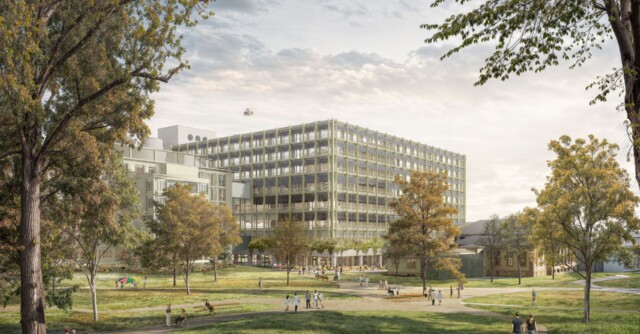
On Monday, the Council of States adopted the Federal Council’s proposal to amend the Civil Code by a large majority. Owners should now be able to reclaim their property themselves within a “reasonable period” after becoming aware of an occupation. Previously, the condition “immediately” applied. This change gives owners more flexibility and room for maneuver in the event of unlawful occupation.
Rapid eviction even in the case of unknown squatters The second key amendment to the law is also intended to enable homeowners to obtain an eviction more quickly, especially if the number or identity of the squatters is unclear. This should prevent unlawful occupations from continuing in the long term and owners from having to bear high follow-up costs.
Controversial voices from the Council of States However, the bill was not uncontroversial. Carlo Sommaruga, SP member of the Council of States from Geneva, criticized the tightening of the law as superfluous, as many squats are regulated by interim use agreements anyway. According to Sommaruga, rising rents and the housing shortage are much more relevant in this context.
Further process in parliament Although there is still a small difference of opinion between the two chambers, the way has basically been paved for a stronger position for owners in the case of squatting. The bill now returns to the National Council for finalization.
With the white paper “Retrofitting the Future”, the CRML at HEC Lausanne, together with E4S, is presenting a sound basis for assessing progress in the building sector. The analysis of over 45,000 building permits issued in 2024 provides a precise picture of how the Swiss real estate sector is progressing towards climate neutrality and where it is still encountering obstacles.
Lots of potential, little energy efficiency The study shows that significant trends are emerging in the renovation of buildings. However, only a small proportion of renovations are directly aimed at improving energy efficiency. Although the transition to low-emission buildings has begun, it is not yet sufficient to achieve the ambitious climate targets.
Financial challenge for real estate funds The report also highlights the role of real estate investment vehicles (REIVs). In order to achieve the climate targets by 2050, they would have to mobilize an average of 13 percent of their net assets, a total of CHF 28.3 billion, for energy-efficient renovations. Some market players will have to invest far more than this average, as the authors emphasize.
Data-based perspective for the future “By combining current data and detailed project typologies, we create a bridge from theoretical analysis to a concrete basis for action,” explains Dr. Nathan Delacrétaz, co-author of the white paper. Together with Professors Eric Jondeau and Fabio Alessandrini, he is thus providing a decisive impetus for the urgently needed real estate turnaround in Switzerland.
In 2025, the average corporate income tax rate in Switzerland fell from 14.6% to 14.4%. The canton of Zug remains the front-runner with just 11.85%, while Bern (20.54%), Zurich (19.61%) and Valais (17.12%) occupy the upper ranks in the tax ranking. At first glance, this is a sign of the attractiveness of the business location, but the dynamics are more nuanced.
In fact, some cantons have even increased their tax rates slightly. Geneva, for example, rose from 14 to 14.7 percent, while Basel-Stadt will increase its rate to 14.53 percent in 2026. This is due to the introduction of the global minimum tax rate of 15% for companies with high profits. Cantons that were previously regarded as low-tax locations are adapting in order to cushion the threat of the additional tax and retain revenue themselves. For investors, this means that while the tax advantage remains, flexibility is required in order to be able to react to cantonal differences and future adjustments.
Location remains competitive There has also been a slight decrease in the top tax rates for private individuals. From an average of 32.7 percent to 32.5 percent. Geneva (-1.7 percentage points) and Schwyz (-0.61) in particular have lowered their rates. However, the ranking remains stable. Schwyz (21.98%), Zug (22.68%) and Nidwalden (24.1%) remain at the top. Geneva, Vaud and Bern remain the most expensive cantons for top earners. For real estate developers and highly skilled workers, these locational differences in income tax remain a decisive factor, especially for international projects.
Global minimum tax Stability in Switzerland, uncertainties internationally Over 50 countries worldwide have already implemented the minimum tax of 15 percent for large companies. However, the USA, the original driving force behind the initiative, has not yet adopted the OECD guidelines into national law. On the contrary, the new US administration is increasingly questioning the project. Experts such as Stefan Kuhn from KPMG Switzerland emphasize that, in the worst-case scenario, these uncertainties could lead to a return of tax competition or special digital taxes. For Switzerland, however, the signal is clear: the global minimum tax is becoming a reality here too. The stability of implementation and the ability to plan remain a locational advantage over uncertain international developments.
Cantons boost location attractiveness with targeted projects In parallel to the tax adjustments, many cantons are investing in location promotion projects. Lucerne, Basel-Stadt, Zug and others have already adopted programs to support local companies and new relocations. For real estate developers, this means opportunities for new projects, incentives for investment in commercial and residential space and a solid basis for long-term viable business models.
At the same time, it is clear that it is not tax policy that determines the attractiveness of a location, but also the accompanying measures such as infrastructure, securing skilled workers and digitalization. This is where new spaces for innovative projects are created for developers and investors,
especially in a market environment that is characterized by growing demands for sustainability and resource efficiency.
Industrial policy and tariffs In addition to taxes, international trade issues are once again gaining in importance. Discussions about US tariffs, bilateral trade agreements and strategic industrial policy are driving reindustrialization worldwide. For Swiss locations, this means that the demand for suitable production and logistics space could increase. At the same time, the protection of strategic industries is once again receiving greater political support, which could open up new areas for investment in high-tech and industrial production.
Switzerland remains strong – eyes on Ireland and Asia In an international comparison, Switzerland remains on a par with other top European locations. Ireland taxes corporate profits at 12.5 percent, Hungary at 9 percent. Guernsey, the Bahamas and the Cayman Islands remain low-tax havens with zero percent, but this is no comparison for Switzerland. Instead, the location competes with attractive metropolises such as Hong Kong (16.5%) or Singapore (17%), which entice with additional incentive programs. China, India and Brazil also continue to rely on other tax strategies with high rates (25-34%), but selectively offer low effective burdens for strategic industries. Switzerland remains competitive and complements this advantage with a stable political and legal framework.
BLKB Fund Management AG, the Binningen-based subsidiary of Basellandschaftliche Kantonalbank(BLKB), has launched its first sustainable property fund. According to a press release, the BLKB (CH) Sustainable Property Fund will primarily invest in energy-efficient properties in Northwestern Switzerland and the neighbouring regions of Bern, Central Switzerland and Zurich. It is aimed at qualified investors who wish to invest in a high-quality property portfolio with a predominantly residential focus.
The initial issue has a volume of up to CHF 160 million. BLKB also intends to invest in the fund. The proceeds of this issue are to be used to acquire a property portfolio with a market value of CHF 177 million. The portfolio, for which BLKB has already acquired seven of the eight properties in the past two years, consists of energy-efficient properties in good locations. It is characterised by a high proportion of residential properties with a low vacancy rate. Currently, 80 per cent of the property assets in the BLKB (CH) Sustainable Property Fund are located in Northwestern Switzerland.
“The launch of the sustainable property fund with a focus on Northwestern Switzerland is an important milestone. The property sector offers attractive yield opportunities for investors and at the same time has a major impact on energy efficiency, which is particularly relevant for climate neutrality,” Michel Molinari, CEO of BLKB Fund Management AG, is quoted as saying in the press release.
The subscription period is expected to run from 24 June to 23 July 2025 with payment on 30 July 2025.
The Federal Court in Lausanne is not reviewing whether the price supervisor is responsible for the acceptance prices of municipal waste. According to a ruling on 11 April, it did not accept an appeal by Limeco for procedural reasons, the Limmat Valley regional utility writes in a press release.
Limeco had lodged an appeal against a ruling by the Federal Administrative Court in St. Gallen on 10 November 2023. In doing so, the company wanted to have the jurisdiction of the price supervisor reviewed.
However, the St.Gallen judgement of 2023 had ruled in favour of Limeco on the merits. The court ruled that the price supervisor had based its 2018 price reduction order on incorrect calculations. Limeco had charged CHF 150 per tonne of municipal waste for thermal recycling. The price supervisor reduced the price to CHF 102 in its ruling.
With the current decision of the Federal Court in Lausanne, the price supervisor can continue to assess the acceptance prices for municipal waste in the future. However, it must adhere to the framework set by the St.Gallen court.
The Limeco member municipalities include Dietikon, Geroldswil, Oberengstringen, Oetwil a.d.L., Schlieren, Unterengstringen, Urdorf and Weiningen.
What began as US customs policy under Donald Trump is developing into a global threat to open economies. For export-dependent Switzerland, this development is more than just a geopolitical disturbance. It affects the core of the business model, international networking, stable framework conditions and reliable markets.
According to a representative survey of 800 Swiss companies involved in foreign trade, 70 percent expect a negative impact on their own business. Export-oriented sectors such as the pharmaceutical, watch and machinery industries as well as suppliers in the real estate, construction and logistics sectors are particularly affected.
Location strategies under pressure The reactions of companies show that protectionism is no longer an abstract risk. Over 60 percent of those surveyed expect higher costs and bottlenecks in the supply chain. Every second company is planning price increases in order to pass on the additional costs. At the same time, many are focusing on increasing efficiency and searching for new sales markets.
Large companies in particular are rethinking their strategy. 40 percent are considering setting up their own sites abroad in order to circumvent trade barriers. This creates new requirements for location development, real estate projects and investment planning, both domestically and internationally.
Clear demands on politicians The Swiss economy is calling for an active and future-oriented economic policy. The focus is on free trade agreements, particularly with the USA, to ensure competitiveness, the reduction of regulations and tax relief to strengthen the willingness to invest domestically.
Research and innovation as key There is also broad support for the further development of bilateral agreements with the EU, particularly in the energy sector. More than 60% of companies see this as an opportunity to strengthen security of supply and integration into central European markets.
Securing future technologies – together with Europe With growing protectionism, there is also growing concern about being left behind when it comes to access to key technologies such as AI, quantum computing or high-performance chips. Three quarters of the companies surveyed see an acute need for action here.
Entrepreneurs recommend building up their own capacities in cooperation with European partners. In technology-intensive sectors in particular, companies are calling for government stimulus, even if this would mean a paradigm shift in Swiss industrial policy.
The canton of Glarus is also progressive at other levels, for example in terms of digitalization. The MINTGL initiative promotes enthusiasm for the subjects of mathematics, IT, natural sciences and technology among children and young people. Coverage with UHB Internet via mobile communications or fiber optics has increased significantly and is being continuously expanded. And the economy benefits from subsidies for the digital transformation of its products and business models.
Room for development Glarus has exceptionally large reserves of building land as a result of the municipal structural reform. Thanks to its geographical proximity to Zurich, St. Gallen, Graubünden and Liechtenstein, companies have access to the expertise of universities, dynamic economic areas and skilled workers.
The implemented land use plans in Glarus and Glarus North enable the targeted development of key areas and an unbureaucratic response to the needs of the population and companies. The areas around the Glarus, Näfels and Ziegelbrücke railroad stations offer enormous development potential – in the immediate vicinity of the town center and with excellent transport links. There are 170,000 square meters of land reserves available in the employment zones. At the same time, over 2,000 new apartments are planned in the canton of Glarus – state-of-the-art living space for around 6,000 people. This corresponds to around 15 percent of the current population.
The contact point for the economy supports investors in their search for suitable sites and land reserves. This is based on work zone management, which provides information on building maturity, development and possible natural hazards. In the case of strategically important sites, the canton can become active itself – either by investing directly in their development or by acting as a partner.
Skilled workers for success If you want to attract companies, you need space – including space for skilled workers. This is exactly what Glarus offers. Here, people have the opportunity to live where they work: to enjoy lunch with the family, to experience nature after work – and all this with a low cost of living, a relaxed real estate market and in a safe, socially intact environment. Glarnerland thus combines the economic strength of the “Greater Zurich Area” with a quality of life close to nature.
The canton of Glarus is also committed to education and training. With the Work 4.0 pilot project, it is specifically strengthening the employability of skilled workers by co-financing training and further education. This commitment is complemented by three cantonal vocational schools, two technical colleges in Ziegelbrücke and the proximity to the universities and colleges in Zurich, Rapperswil, St. Gallen and Chur. Together with offers in adult education, vocational and career counseling, people in Glarnerland have access to almost every training and further education path. The smartglarus.com platform offers a compact overview of educational opportunities, support programs and services – a digital showcase for anyone who wants to learn, work or develop in Glarus.
Innovation for the future It is often said that innovation mainly originates at universities and colleges. This is only partly true. Start-ups need more than just good ideas: They are dependent on partners from industry and business who can drive product development forward with their experience and know-how. This is exactly what the Glarus economy offers. When it comes to growth, practical factors count: affordable space, qualified specialists and continued access to universities. The canton of Glarus combines all of this. And is therefore an ideal location for start-ups with ambitions.
Innovation promotion is broadly based in the canton of Glarus – thanks in part to cooperation with strong partners such as InnoSuisse and the Innovation Network Eastern Switzerland (INOS). Start-ups and companies benefit from coaching, expertise and financial support for the development of their products and services. One example: the fast-growing drone manufacturer ANAVIA made a conscious decision to locate in Näfels – a clear sign of how innovation-friendly the Glarus region is.
Circular economy in the food and packaging industry
In Glarnerland, the circular economy is a way of life – from the development of energy-efficient machines and innovative packaging solutions to food production and recycling: the economic area combines industrial strength with ecological responsibility. The result is a regional ecosystem that not only thinks about sustainability, but also puts it into practice.
It all started with Netstal Maschinen AG, which develops high-performance injection molding machines. These are used at Resilux Schweiz AG in Bilten – together with high-precision molds from Glaroform AG. Resilux uses them to produce preforms, i.e. PET preforms, as well as finished bottles. These in turn are filled at the mineral springs in Elm.
After use, the cycle starts all over again: the empty bottles end up at the Resilux recycling plant, where they are processed back into high-quality recyclate – ready for the next round of production. This creates a regional ecosystem based on innovation, efficiency and resource conservation. The companies benefit from each other’s expertise and thus drive the circular economy forward.
Rethinking plastics Kunststoff Schwanden AG is also part of this sustainable network: it develops and manufactures sophisticated plastic parts using multi-component injection molding – with a focus on recyclates and energy-efficient processes.
Where ideas take shape in corrugated cardboard and paper runs in circles Müller Kartonagen AG supplies customized solutions. Its corrugated cardboard packaging made from renewable raw materials is manufactured regionally – efficiently, in a resource-saving manner and tailored to customer requirements, such as those of Läderach. The raw material comes from the Netstal paper mill, which produces around 50,000 tons of recycled paper every year – from waste paper, most of which comes from Switzerland, and is processed using closed material and water cycles.
Packaging is just the beginning. In Glarus, the contents are also produced responsibly: In the food industry, regional ingredients meet modern processing – sustainably and efficiently.
Traditionally, Glarner Schabziger stands for local food production. Today, the spectrum is broader. Foodstuffs from chocolate to salmon are taking the lead. The entire region benefits from the growing potential of the food industry.
Chocolate art with global success Since the invention of the Truffes hollow ball in 1970, Läderach has expanded steadily – and is now present in Europe, Asia and North America. The new factory in Bilten makes it possible to control the entire value chain – from the cocoa bean to the end product.
Also from Bilten, GUMA AG distributes the traditional Stalden cream – a Swiss dessert classic in four varieties with over 120 years of history.
Mexican bite with Glarus roots MiAdelita has been producing fresh corn tortillas and potato chips since 1995 – and is now the largest supplier of its kind in Switzerland. Now in its second generation of management, the company consistently focuses on regionality: the corn comes from the Landolt mill in nearby Näfels. Together with the delicatessen supplier IMEX, a new production site with around 40 jobs is being built in Bilten.
North Atlantic salmon from land-based farming Swiss Blue Salmon AG is planning the largest land-based fish farm in Switzerland in Mollis. With a market share of seven percent, it will make an important contribution to climate-friendly food supplies. The recirculation system will be supplied with water from Lake Walen and passively cooled – ideal conditions for sustainable salmon farming. The location in the “Biäsche” industrial area also offers first-class transport links to Zurich and Chur.
High-flyer – the aviation industry in Glarus
Flying has a long tradition in the canton of Glarus. in 1939, the first flight day attracted thousands of onlookers to watch the daredevils in their flying boxes. Today, aviation is one of the main areas of development in the canton of Glarus. With the zoning of additional building land, the Mollis airfield offers new space for aviation companies.
The municipality of Glarus North is drawing up a master plan for the structural development of the site by summer 2025. Also in summer, athletes take to the skies at Mollis airfield – and land unerringly in the sawdust: 150,000 visitors are expected every day at the Swiss Wrestling and Alpine Festival (ESAF).
Flying high – with a firm footing on Glarus soil Everything around the Mollis airfield revolves around precision and high-altitude flights. What the companies based here have in common: They use the synergies of a specialized cluster. First and foremost the Kopter Group. The helicopter manufacturer wants to establish itself internationally with the single-engine AW09. The location offers space for test flights, short assembly routes and a technology-friendly environment.
Anavia is one of the youngest aviation companies in Glarus. The start-up develops unmanned helicopters – such as the HT-100, which flies for up to six hours, carries 60 kilograms and is ideal for border surveillance, infrastructure inspections or rescue missions. Founder and Co-CEO Jon Andri Jörg says: “Glarus is ideally suited to our needs. We have access to highly qualified specialists. And the proximity to Mollis airfield offers an ideal location for both production and testing.”
Another start-up has made a conscious decision to locate in Glarus in 2025: Marenco Aviation is working on a new generation of lightweight helicopters with a focus on alternative propulsion systems. A proven player is Rega, which has been operating its own base in Mollis since 2010. The strategically favorable location allows for quick missions in the Alps. The expansion into a permanent station shows how central the location has become for air rescue.
Heli-Linth AG has been operating here since 1972. It flies tourists over glaciers, supplies alpine huts, transports materials – and occasionally rescues cows from rough terrain. Comprehensive aircraft management is provided by the internationally active Linth Air Service AG, which has been anchored at the site for over 20 years. The Ecoflight flight school also takes off from here.
Only Sauter, Bachmann AG remains on the ground, and with good reason: the Netstal-based specialist for gears and drive systems also supplies the aviation industry and benefits from direct contact with partners at the airfield, the technical expertise in the region and the industrial tradition of the Glarus region.
Together, these companies focus on quality, proximity and a clear commitment to the Glarus region. They take off and yet remain grounded.
Zehnder Group AG expects to improve its sales and profitability year-on-year in the first half of 2025. Specifically, the Aargau-based specialist for ventilation and radiators expects to achieve a double-digit increase in sales to between EUR 380 million and EUR 390 million, Zehnder announced in a press release. The target range for the EBIT margin is 8 to 9 per cent. In the same period last year, Zehnder realised an EBIT margin of 6.6 percent.
The internationally active group of companies is basing its forecast on increased demand for Zehnder’s products in the ventilation segment in North America and Europe. Improvements in sales and profitability were also supported by the acquisition of the Spanish company Siber in summer 2024. By contrast, sales in the radiator segment are currently weaker than in the past. This confirms “the strategy of consistently focussing on ventilation system solutions”, writes Zehnder.
The Group will communicate the unaudited figures for the first half of 2025 on 25 July. An outlook for the year as a whole will also be presented. Zehnder believes that the results in the second half of the year will depend on developments in its own customers’ inventory build-up, the impact of economic stimulus programmes in key markets and US customs policy. The company estimates the impact of any tariff extensions in the USA on its own business activities to be low.
Flughafen Zürich AG has announced the takeover of the Radisson Blu building in a press release. The previous owner, Al Maha Real Estate AG, has handed over the property in full for the purchase price of CHF 155 million. This is the last site within the airport perimeter that has not previously belonged to Flughafen Zürich AG.
According to the press release, the building, which was constructed under building rights from 2005 and inaugurated in 2008 and is home to the Radisson Blu hotel chain as well as offices and a meeting and conference centre, was subject to a building rights agreement until 2080, which was terminated prematurely following its reversion to Flughafen Zürich AG. The rental agreement with Radisson Blu will continue. Hotel operations are to continue. In addition, there will be no changes to the existing utilisation.
The strategic idea behind the complete takeover of ownership is the development and growth objectives of Flughafen Zürich AG in the central airport perimeter.
The purchase of the 25,500 m² ABB site by the City of Zurich for a net CHF 106 million is more than just a land purchase. It is a strategic decision with a long-term impact. Thanks to the urban development contract concluded in 2021 and the special building regulations that come into force in 2025, Zurich can shape the future on a centrally located piece of the city. With high density, mixed uses and consistent citizen participation.
Transformation through participation A key success factor is the early and transparent involvement of residents, associations and neighbourhood organisations. The needs of the neighbourhood were directly incorporated into the participatory strategy process. This turned an industrial site into an urban development concept with a high level of social acceptance. Urban planning thus not only gains space, but also trust.
Mix of uses as a driver of innovation The utilisation concept envisages three new construction zones and three existing areas. A mix of non-profit housing, neighbourhood supply, creative commercial use and publicly accessible open spaces is planned. The House for Culture and Circular Economy is a flagship project for innovative urban utilisation. The combination of culture, sustainability and economic activity makes the site a catalyst for new value creation models in urban areas.
Temporary use as an impetus for location quality Before construction work begins, halls and open spaces are used temporarily in a targeted manner. A strategy that brings life to the neighbourhood, promotes social contacts and creates identity even before construction begins. Interim uses are increasingly recognised as a success factor for the attractiveness of locations and resilience in transformation areas.
Public-private partnership with a role model function ABB remains anchored in Oerlikon with 500 jobs and supports the development. The project shows how forward-looking urban development can work constructively with private owners. A model that can be transferred to other urban conversion sites. The combination of urban management and entrepreneurial willingness to co-operate points the way forward.
MFO-West is not an isolated case, but an exemplary model for the urban transformation of former industrial sites. Those who invest in such development areas can help shape new urban qualities. From social integration and innovative utilisation concepts to sustainable value creation. In times of housing shortages, climate targets and new forms of mobility, sites like MFO-West are the key to the city of tomorrow.
The year 2024 was a success for the pension funds. Thanks to positive developments on the capital markets, an average net asset performance of 7.4 % was achieved. Only 0.8 % of the institutions still had a shortfall at the end of the year. Active insured persons also benefited. Their retirement assets earned an average interest rate of 3.76 %, well above the statutory minimum interest rate of 1.25 %.
Market risks remain Despite the positive outlook for 2024, OAK BV urges caution. Market distortions due to geopolitical tensions are already weighing on the current year. It therefore remains essential to build up and maintain fluctuation reserves in order to cushion potential losses and stabilise the system in the long term. A stress test carried out shows that the pension funds are currently well positioned.
Focus on collective and joint schemes The Supervisory Board continues to focus on collective and joint schemes, which look after around 75% of active insured persons. In this heterogeneous structure, the OPSC sees risks due to conflicts of interest, competitive pressure and insufficient reserves in the event of rapid growth. New guidelines on the distinction between interest and benefit improvements and on transactions with related parties are intended to increase transparency and stability.
The next development step In addition to ongoing supervision, the OPSC BV is providing impetus for the further development of the system. A more standardised supervisory practice, clearer rules for brokerage and auditing as well as a risk-oriented reporting obligation should make the system fit for the future. The evaluation of the LOB structural reform will show where there is a need for legislative action.
Robust system, remain vigilant Occupational pension provision in Switzerland is solid and resilient at the end of 2024. But the challenges remain. Long-term security can only be guaranteed with consistent supervision, structural development and a clear focus on the interests of the insured.
Anyone who purchased residential property in the first quarter of 2025 had to pay around 0.7 per cent more across Switzerland than in the previous quarter, according to the Federal Statistical Office(FSO) in a press release on the current Swiss Residential Property Price Index. Year-on-year, the experts at the FSO have observed a 4.1 per cent increase in residential property prices. The Swiss Residential Property Price Index is compiled by the FSO on a quarterly basis.
In the quarter under review, prices for single-family homes rose comparatively strongly with an average increase of 1.5 per cent compared to the previous quarter. Prices for owner-occupied flats rose by only 0.1 per cent across Switzerland in the same period. Year-on-year, prices for single-family homes were 3.6 per cent higher across Switzerland, while prices for condominiums were 4.6 per cent higher.
In terms of municipality type, the price increase for single-family homes was strongest in the intermediate municipalities at 3.4 per cent. In the urban municipalities of large conurbations, on the other hand, the experts registered a 0.4 per cent fall in prices for single-family homes. In the case of condominiums, the largest increase of 1.2 per cent was observed in the urban municipalities of medium-sized conurbations. By contrast, prices for owner-occupied flats in the urban municipalities of a small conurbation or outside a conurbation fell by 1.7 per cent compared to the previous quarter.
The Schindler Group generated total global sales of 2.73 billion Swiss francs in the first quarter of 2025, the Ebikon-based group of companies specializing in elevators, escalators and passenger conveyor belts announced in a press release. Year-on-year, this corresponds to growth of 2.5 percent in local currencies. In the same period, order intake increased by 6.0 percent in local currencies to 2.95 billion Swiss francs.
At CHF 329 million, operating profit at EBIT level was 13.4% higher in local currencies than in the first quarter of 2024. The EBIT margin increased by 1.1 percentage points to 12.0%. Net profit amounted to CHF 257 million, compared to CHF 232 million in the same period of the previous year.
“In the first quarter, we recorded more orders, increased margins and higher cash flow,” said Schindler CEO Paolo Compagna in the press release. “Our focus remains on our strategic priorities while keeping an eye on the volatile macroeconomic environment, in particular the weakening market indicators for the Americas region.” For the year as a whole, Schindler expects revenue growth in the low single-digit range. The EBIT margin should be maintained at around 12 percent. In the medium term, the Group aims to achieve an EBIT margin of 13 percent.
In February 2024, the Zurich housing protection initiative was submitted with over 20,000 signatures. Initiated by the Tenants’ Association, SP, Greens and AL, it is intended to give municipalities more leeway to intervene in the housing market in future. The vote is planned for 2026. However, property owners should already be analyzing the potential effects on their portfolios.
Flexible framework with unclear consequences The cantonal bill is limited to framework definitions. Municipalities are given the right to define temporary rent caps in the event of housing shortages, conversions, demolitions or conversions into property. Whether and how these are implemented is at the discretion of the municipalities. Any municipal decree would be subject to a referendum. However, based on examples such as Basel-Stadt or Geneva, many municipalities are likely to adopt similar instruments.
Risks to value retention and investment momentum The potential “value at risk” for real estate portfolios lies in restrictions on rent adjustments, uncertainty in project development and a declining willingness to invest. Experience from other cantons shows that rent caps dampen new construction and renovation activities, which can lead to supply bottlenecks and the erosion of residential quality in the medium term. Existing properties in tight markets are particularly affected.
Strategies required to minimize risk For institutional investors, a differentiated scenario analysis is recommended, which takes into account possible reductions in value as well as tax and regulatory consequences. Strategic diversification, active asset management and timely communication with local authorities will be crucial in order to secure room for maneuver.
The combined tax burden for companies in Switzerland is between 12 and 24 percent, depending on the canton. The reason for this is the tax autonomy of the cantons, which specifically create attractive framework conditions in the competition between locations. Economically strong cantons such as Zug, Schwyz and Nidwalden rely on low corporate taxes to encourage companies to settle here.
Since the STAF tax reform (2019), companies have benefited from further advantages. These include the patent box, which taxes income from patents at a preferential rate, as well as deductions for research and development, which is particularly relevant for technology-oriented companies. Holding companies also benefit from special tax regulations, which makes Switzerland attractive for globally active companies.
Tax framework for private individuals Private individuals also benefit from a moderate tax burden. Federal tax on income is a maximum of 11.5 percent, supplemented by cantonal and communal levies. Many cantons have a flat tax progression, which means that even higher incomes are subject to a low tax burden by international standards.
Wealth tax is usually less than one percent. There is no inheritance tax at federal level and some cantons offer regulations for wealthy newcomers. Foreign nationals without gainful employment in Switzerland can benefit from lump-sum taxation.
Value added tax as a locational advantage With a rate of 8.1 percent, Swiss VAT is one of the lowest in Europe. A clear advantage over countries such as Germany (19 %) or France (20 %).
International developments in view International pressure, particularly from the OECD and the EU, is demanding adjustments to prevent tax competition. Switzerland is responding with reforms, but without giving up its attractiveness as a business location.
PriceHubble AG wants to set new standards for the finance and real estate industry. To this end, the Zurich-based company specializing in digital solutions for the finance and real estate industry has launched three specialized AI agents. “They combine high-quality real estate data with automation and generative AI”, PriceHubble explains in a press release.
The AI agent PriceHubble Companion provides advice and personalized insights into real estate. The PriceHubble Copilot supports work processes from valuing a property to answering complex customer inquiries. The PriceHubble Analyst is trained to recognize and interpret trends and developments. Each of the three agents can be customized and integrated into existing internal processes.
With the three new agents, PriceHubble aims to support banks, asset managers, property managers, portfolio managers and real estate agents in overcoming specific challenges. “AI agents are the logical next step – for us and for the market,” said Stefan Heitmann, CEO and founder of PriceHubble, in the press release. “Accurate, transparent data combined with sophisticated, customizable solutions are the key to excellent customer experiences, more efficient advice and real ROI in finance and real estate.”
Holcim AG generated global sales totaling 5.54 billion Swiss francs in the first quarter of 2025, the Zug-based building materials group announced in a press release. In the same period of the previous year, sales were at the same level at 5.59 billion Swiss francs. At CHF 515 million, recurring operating profit at EBIT level was 3.1 percent weaker than in the first quarter of 2024. In local currencies, however, EBIT growth of 1.7 percent was achieved.
“We achieved a disproportionately high increase in recurring EBIT in the first quarter and maintained the margin level,” said Holcim CEO Miljan Gutovic in the press release. “The growing demand from our customers for our sustainable building solutions contributed to ECOPact and ECOPlanet’s share of sales in their respective product lines reaching new highs.” Specifically, the sales share of low-carbon ECOPact concrete increased from 26% to 32% year-on-year. At the same time, the low-carbon ECOPlanet cement improved its share of sales from 26% to 29%.
Against the backdrop of the stable quarterly result, Holcim is sticking to its targets for the 2025 financial year. It aims to achieve sales growth in the mid-single-digit range in local currency and a disproportionately high increase in recurring EBIT. The spin-off of Holcim’s North American business (Amrize) is proceeding according to plan. On March 25, Amrize held its first investor day in New York, explains Holcim. The spin-off is to be listed on the NYSE and the SIX Swiss Exchange in June.
Hypothekarbank Lenzburg has gained two new partners for its Banking-as-a-Service business. Bern-based homie AG and Zurich-based arvy AG will be using the bank’s own onboarding and account solution in future, Hypothekarbank Lenzburg announced in a press release.
Banking-as-a-Service (BaaS) is a newer business area of the bank and connects third-party providers of financial services without a banking licence to the Finstar open banking platform developed by the bank. The new partnerships show “that our BaaS offerings in the areas of rental deposits and digital asset management are in demand and that we are gaining breadth in the BaaS business in the Swiss financial market”, Reto Huenerwadel, Head of Market Services at Hypothekarbank Lenzburg, is quoted as saying in the press release.
Fintech homie will use Hypothekarbank Lenzburg’s solutions to open and operate digital rental deposit accounts. “Together with Hypothekarbank Lenzburg, we are noticeably simplifying the entire process for property managers and tenants,” homie CEO Arben Lekaj is quoted as saying in the press release.
Fintech arvy, on the other hand, uses Hypothekarbank Lenzburg’s solutions for its own accounts and securities custody accounts at Hypothekarbank and other digital asset management services. “We don’t just want our customers to invest, we want them to really understand what they are investing in,” explains arvy co-founder Patrick Rissi. “The partnership with Hypothekarbank Lenzburg enables us to realise our vision efficiently and in compliance with regulatory requirements.”
The start-up Nestermind, which specialises in AI-supported automation solutions in the real estate sector, has successfully completed a substantially oversubscribed pre-seed financing round, according to a press release.
The fresh capital will be used to further develop the technology and boost the company’s national and international market presence. The Agentic AI software developed by Nestermind enables easier management of property listings, better customer communication and faster sales processes.
“We are proud to have such experienced and strategically valuable partners at our side who share our vision of taking property marketing to a new level,” said co-founder and CEO Lucas Pelloni.
The platform opens up new ways for players in the property industry to network in a data-driven ecosystem. “We are thus creating enormous efficiency potential and paving the way for a new way of working in the property industry,” co-founder and CTO Severin Wullschleger is quoted as saying.
According to the company, the software is particularly tailored to the needs of smaller SMEs in the property sector. By automating tasks such as lead generation and CRM management, they can increase efficiency and save time without having to invest in complex systems.
According to the press release, the financing was concluded with the participation of a round of investors comprising “well-known personalities from the property sector, renowned family offices and leading property companies”. The amount was not disclosed.
The monthly rental index compiled by the digital property marketplace Homegate in collaboration with Zürcher Kantonalbank closed at 130.1 points at the end of March. Compared to the previous month, the index rose by 0.2 per cent, Homegate reported in a press release. Compared to the previous year, the property marketplace’s experts recorded a 2.6 per cent increase in asking rents across Switzerland.
Developments varied from canton to canton. In seven cantons, month-on-month growth of more than 1 per cent was registered, while a further seven cantons recorded a decline in asking rents of more than 1 per cent. The strongest increases in asking rents were recorded in Glarus (2.1 per cent) and Valais (1.3 per cent). The sharpest declines were recorded in Nidwalden (1.7 per cent) and Graubünden (1.1 per cent).
The experts also observed different developments in the eight Swiss cities included in the index. Specifically, four cities each recorded an increase or decrease in asking rents in a monthly comparison. The biggest changes were registered for Bern with a plus of 0.9 per cent and Lucerne with a minus of 1.0 per cent.
The residential construction balance will be lower than expected in 2025. Replacement new builds and extensions are increasingly replacing traditional new builds on greenfield sites. Although the number of building permits rose in 2024, net additions due to demolition projects will remain limited. The canton of Zurich is particularly affected, where only 73% of new construction projects actually lead to more living space.
At the same time, the supply rate for rental flats has fallen to a historic low of 3.7 %. Demand clearly exceeds supply in almost all regions.
Price increases due to boom in demand The reduction in interest rates and the rising net wealth of households are stimulating demand for residential property, particularly in the upper price segment. Transaction prices are continuing to rise. The momentum is particularly pronounced in Central Switzerland. An increase of 3.6 % for condominiums and 3.8 % for single-family homes is forecast for 2025. Rents on offer will also rise, albeit at a more moderate rate ( 1.7 %), while existing rents are likely to fall slightly due to the lower reference interest rate.
Office space market stable with regional impetus Developments in the office segment are more subdued. Following moderate employment growth of 1.1 % in 2024, demand for space is expected to slow slightly in 2025. Although construction activity rose by 51.5 % in nominal terms, this was due to a small number of major projects. Growth across the board is significantly lower.
Asking rents rose by an average of 2.4 %, in major centres by as much as 4.4 %. In Zurich and Geneva, prime rents fell slightly, while Bern saw an increase of 5.3 %.
Building construction Trend reversal and renovation as the key After six years of decline, a new phase of growth in building construction will begin in 2024, with an expected increase of just under 5 % in 2025. The renovation sector in particular is becoming a growth driver ( 7.2 %), driven by the shortage of building land, the energy transition, tax incentives and the high need for renovation.
Investment in apartment blocks is rising significantly, while traditional single-family house construction continues to decline. Investment activity is increasingly focussing on inner-city densification, renovation of existing buildings and energy-efficient refurbishments.
Intermediate spurt with uncertainties The economic environment remains volatile. The Swiss economy is expected to grow by 1.3 % in 2025, driven by consumption and construction investment. Global trade continues to suffer from geopolitical tensions and customs conflicts, which is weighing on the export industry with the exception of the pharmaceutical sector.
Inflation remains low ( 0.3 %), the key interest rate cut to 0.25 % is supporting the economy, but could exacerbate deflationary tendencies. At the same time, the labour market is cooling. Population and household growth is slowing, which could have an impact on demand for housing in the medium term.
Schenker Schweiz AG broke ground for the expansion of the national transport terminal in Eiken on 1 April 2025. According to a press release, the terminal is to be expanded by 9800 square metres to 15,400 square metres. The new transshipment warehouse is planned with an underground car park on two levels of 4900 square metres each. An office wing with social facilities is also to be created on the upper floor.
A photovoltaic system will be installed on the roof of the new building, which is to be constructed in accordance with modern guidelines and will also supply charging stations for electric lorries. The main contractor for the building is Tierstein AG, which is responsible for the entire planning and execution.
“With the modern extension, Schenker has additional capacity to further expand its land transport network,” said Basaran Yildirim, Head of Land Transport at Schenker Schweiz AG, in the press release. “We would like to thank the municipality of Eiken for its trust and the cooperation with all those involved in the project.”
The Eiken site plays a central role for Schenker logistics for imports and exports by land due to its good transport connections on the north-west border of Switzerland.
Since the intensification of global trade conflicts under the current US administration, questions about economic resilience have once again come to the fore. A new study by the KOF Swiss Economic Institute at ETH Zurich sheds light on how vulnerable the Swiss economy actually is to international upheavals.
KOF Co-Director Hans Gersbach puts it in a nutshell and says that Switzerland is both robust and vulnerable at the same time. While short-term shocks can usually be cushioned well, prolonged trade conflicts threaten permanent GDP losses of over one percent per year. Key sectors such as mechanical engineering, pharmaceuticals and the precision industry, which also play a central role for Switzerland as a business location and the real estate markets, would be hit particularly hard.
Scenarios show risks for location and stability The analysis is based on the new “KOF Trade Model”. An innovative equilibrium model that maps global supply chains, price changes and demand effects in detail. The simulations show that almost all of the scenarios examined are negative for Switzerland, especially if protectionist measures affect entire trading blocs.
An escalation between the USA and Europe would be particularly critical, as a result of which Switzerland would also be affected by counter-tariffs. In this case, growth could fall by more than one percent of GDP per year. A serious blow, especially for export-oriented industries and their business environment.
Recognize risks early and strengthen resilience in a targeted manner The study also names specific areas of action. Free trade agreements and strategic diversification of import and export markets are among the most important levers for strengthening the resilience of the Swiss economy. Stable framework conditions for investments in key technologies and an innovation-friendly environment are equally crucial.
Foresight instead of alarmism The KOF study shows that Switzerland is vulnerable at a global level, but has instruments at its disposal to minimize risks. A smart trade policy, strategic promotion of innovation and stable institutional framework conditions not only strengthen the economy, they also make the business location more crisis-proof and attractive for long-term investments.
Construction and real estate services provider Implenia AG has successfully placed a bond for CHF 220 million, according to a press release. The fixed-rate, non-subordinated bond was issued at par with a term of four years and an interest rate of 2.50 per cent. The bond is to be admitted to trading and listed on the SIX Swiss Exchange.
The settlement of the bond, i.e. the mandatory accession of investors, is expected to take place on 30 April, it is further reported. UBS AG, Commerzbank Aktiengesellschaft, Raiffeisen Schweiz Genossenschaft and Zürcher Kantonalbank acted as joint lead managers (JLMs) and bookrunners or lead managers for the issue. JLMs are responsible for marketing the securitisation to investors and for executing the transaction on time and on budget.
The issue proceeds will be used for general corporate purposes, according to the press release. This also includes the refinancing of existing debt, such as the repayment of the CHF 175 million bond maturing on 26 November 2025 and the EUR 30 million promissory note maturing on 9 June. The successful issue will enable Implenia to further strengthen the company’s financing structure, according to the press release.
As a construction and real estate services provider, Implenia develops, realises and manages living spaces, working environments and infrastructure for future generations in Switzerland and Germany, the company said.
Headquartered in Opfikon, Implenia employs over 9,000 people across Europe and generated sales of 3.6 billion Swiss francs in 2024.
Switzerland is facing new challenges, but its economic strength is based on clear success factors such as personal responsibility, decentralization, innovative strength and international networking. In his keynote speech, Minister of Economic Affairs Albert Rösti impressively emphasized these key points. Referring to historical roots and current risks, he made it clear that prosperity is not a sure-fire success. Instead of relying on statism, regulatory clarity and a return to proven principles of economic freedom are needed.
Tariff shocks and negotiating skills State Secretary Helene Budliger Artieda provided insights into global economic negotiations and emphasized: “The latest US tariffs came as a surprise. But Switzerland remains capable of acting because it diversifies its trade relations broadly and actively maintains them.” Openness towards partners such as the EU, the USA and China is not arbitrary, but a strategic necessity. The resilience of the Swiss economy is based on this broad foundation and a clear view of geopolitical realities.
Robust foundations, prudent restraint Several panels made it clear that Switzerland has a strong institutional framework, but must remain vigilant. Economist Gunther Schnabl and former CFO Serge Gaillard warned against softening the debt brake and urged fiscal discipline. At the same time, they praised the level of political debate in direct democracy, which enables broad participation in fundamental economic issues.
Economic model between global players and SMEs Switzerland’s strength lies not only in multinational corporations, but also in regionally rooted SMEs. According to historian Tobias Straumann, this combination ensures innovative strength and stability. Representatives such as Suzanne Thoma (Sulzer) and Urs Furrer (SGV) called for practical solutions for securing skilled workers and fewer regulatory hurdles. The new basis for negotiations with the EU offers opportunities, but must be implemented wisely.
Vigilance is not a contradiction to strength Switzerland has a strong foundation, but this requires care. Institutional stability, a high capacity for innovation, foreign trade openness and political sovereignty make the location fit for the future. The economic panel sends a clear signal: self-confidence yes, complacency no. If you want to strengthen Switzerland, you have to use the room for maneuver wisely instead of relying on supposed certainties.
Zurich-based technology company ABB has finalised the sale of a “significant urban development site” to the city of Zurich, according to a press release. The city is planning a mixed-use development including affordable housing, commercial and socio-cultural uses and the creation of outdoor spaces on the approximately 25,500 square metre site in Zurich Oerlikon. The development site is located close to ABB’s global headquarters. The sale, which was completed on 27 March, was agreed in an urban development contract between the two parties in 2021, according to the press release.
ABB will report an operating gain on disposal of around 120 Swiss francs before tax in the first quarter of 2025 and receive net cash of around 90 million Swiss francs. These amounts include the effect of the value-added compensation of almost 17 million francs from the development plan amendment and compensation for the zonal relocation of affordable housing totalling around 22 million francs, which ABB had to pay under the agreement.
With this transaction, ABB is not only supporting the city of Zurich in the construction of additional affordable housing, but also in the further development of the Neu-Oerlikon neighbourhood, according to the ABB press release. As part of the agreement, the former ABB production site and current event venue Halle 550 will be retained in the long term.
ABB’s corporate headquarters in Zurich-Oerlikon and the historic ABB building will remain unaffected by the sale.
With the amendment to the ordinance, which comes into force on 1 October 2025, the Federal Council is responding to ongoing criticism of the lack of transparency in the determination of the initial rent. The most recent values of the reference interest rate and the national consumer price index must now be shown on the form for new lettings in cantons where forms are mandatory.
The aim is to make it easier for tenants to recognise whether a rent is justified or contestable. This not only increases confidence in the rental housing market, but also makes it easier for investors and institutional landlords to plan ahead.
Urban centres are particularly affected The change affects cantons with mandatory forms such as Zurich, Geneva, Basel, Lucerne and Zug. These are regions in which the majority of new tenancies are concluded. There, the official and private forms must be adapted and approved by 1 October 2025 at the latest. Failure to do so could result in the tenancy agreement being classed as invalid with regard to the initial rent. This is a legal risk that professional property owners should not ignore.
At the same time, the Federal Council is easing the administrative burden for graduated rents. A simple written notification of the rent increase is now sufficient; an official form is no longer required.
Foundation for a future-proof rent model The existing calculation model for rent adjustments, which dates back to the 1980s, is to be fundamentally revised. This is a political response to studies that judge the current model to be outdated. In future, the focus will be on realistic cost assumptions for capital, maintenance and administration, another development that is particularly important for institutional investors and project developers.
International tax competition is being readjusted by the OECD minimum taxation and is hitting Lucerne hard. The previous advantage of low corporate taxes for internationally active groups will no longer apply. This could result in companies moving away, a drop in investment and a massive loss of tax revenue. Over a billion francs are at stake for the federal government, canton and municipalities – a scenario that Lucerne is not prepared to accept without taking action.
Strengthening the business location, ensuring quality of life The cantonal government is responding with a far-reaching location promotion programme, which comprises around CHF 300 million per year. Around two thirds of this is to flow directly into measures to promote innovation, digitalisation, economic areas and a business-friendly administration. This will also create new opportunities for property developers and investors. In particular in the planning and realisation of forward-looking commercial and infrastructure projects.
The remaining third is dedicated to quality of life. The measures range from tax relief and family friendliness to the promotion of culture and digital participation, key location factors when it comes to retaining talent and attracting new workers.
Participatory and forward-looking The programme was developed in close consultation with the business community, municipalities and social partners. The public consultation will run until 9 June 2025 via the “e-participation” tool. The final decision lies with the people. The package will be put to the vote in September 2026 and is scheduled to come into force on 1 October 2026.
Lucerne is sending a strong signal with this proposal. Location promotion is no longer an optional extra, but a strategic duty – and it requires clear, long-term investment.
Despite moderate price trends compared to the rest of German-speaking Switzerland, residential property in the Basel region remains in demand. Prices are rising significantly in rural communities in particular, which is increasingly prompting potential buyers to extend their search radius. According to Marco Pirelli from Basellandschaftliche Kantonalbank, the fall in mortgage interest rates over the past two years has also fuelled demand. However, this has been accompanied by growing affordability problems. While prices for detached houses have remained stable, condominiums have risen slightly. The result is a 35 per cent increase in mortgage enquiries within one year.
Examine financial options at an early stage Pirelli advises prospective buyers to consider financing at an early stage. “The choice of mortgage products and terms varies from person to person. Clarifying the financial scope with the bank in good time creates planning security.” For many people today, this is crucial in order to be successful in the tense market environment.
Despite housing protection, prices are rising The rental market in Basel is also showing signs of continuing inflation. Fabian Halmer from Holinger Moll Immobilien AG points to structural causes such as an outdated building stock with a high need for renovation. Despite housing protection, rents are continuing to rise, particularly in Basel-Stadt, where 84 per cent of the population live in rented accommodation. Although the situation is not as tense as in Zurich or Geneva, the low vacancy rate of 0.7 per cent signals an acute housing shortage.
Bottleneck due to too few building applications The number of building applications submitted in the canton of Basel-Stadt is particularly alarming. While an average of 784 building applications were recorded each year from 2014 to 2020, the figure fell to just 190 between 2021 and 2023. Halmer believes the new Housing Promotion Act is one of the causes. It protects existing tenants, but hinders new construction projects and makes it more difficult to move in or relocate. The resulting supply bottleneck is likely to lead to further increases in rents.
Need for reform in legislation and planning The experts agree that without targeted adjustments to the Housing Promotion Act and accelerated authorisation procedures, the housing market in Basel is at risk of coming under further pressure. Development sites such as Klybeckplus or Dreispitz Nord could provide relief. Provided they are pursued consistently. A sustainable housing policy must not only focus on protecting existing properties, but also actively consider future growth.
Direct investments are a central component of the global economy. They comprise equity investments in foreign companies with the aim of permanently influencing their business activities. The focus is on strategic control, market access and securing resources. In contrast to portfolio investments, which are primarily aimed at capital gains, direct investments have far-reaching economic effects for the countries of origin and recipient countries.
Switzerland’s locational advantages Switzerland is one of the most attractive investment locations in the world. Factors such as legal certainty, a stable economy, highly qualified skilled labour and a well-developed infrastructure make the country particularly attractive for multinational companies. Many international corporations such as ABB and Novartis have their headquarters here, while global companies such as Google and Liebherr have branches in Switzerland.
Global networking and economic effects As an investor and investment location, Switzerland benefits from international capital flows. Swiss companies expand abroad through direct investment, while foreign investors invest in Swiss companies. This not only promotes the exchange of expertise and technologies, but also strengthens economic dynamism. The pharmaceutical sector in particular plays a key role in bilateral investment flows, especially between Switzerland and the USA.
Direct investments and their influence on growth Direct investments have a measurable influence on economic performance. Capital gains from Swiss investments abroad flow back into the domestic economy and have a positive impact on consumption and investment. At the same time, foreign direct investment in Switzerland creates employment and increases productivity. in 2022, foreign-controlled companies accounted for around 24 per cent of total gross value added, while 11 per cent of jobs were directly dependent on them.
Increasing regulation as a challenge In recent years, direct investments have been subject to increasing political regulation. Tax adjustments and investment controls are intended to create transparency and prevent tax avoidance. At the same time, there is a growing debate about tighter controls on takeovers by foreign investors, particularly with regard to national security interests. These developments could impair the growth potential of future direct investments.
Direct investment as a stabiliser and growth factor Switzerland benefits greatly from direct investment, both as a country of origin and as a recipient country. It promotes innovation, strengthens economic power and secures prosperity. However, increasing regulatory intervention could pose long-term challenges for the global flow of investment and economic growth.
Wir verwenden Cookies zur Unterstützung und Verbesserung unserer Dienste. Mit der Nutzung dieser Website erklären Sie sich mit der Verwendung von Cookies einverstanden. Weitere Informationen finden Sie in unserer Datenschutzerklärung.