Category: Promotion

  • Digitalisation strengthens customer focus

    Digitalisation strengthens customer focus

    At the turn of the year, SMG Real Estate integrated numerous new digital tools into the digital Business Manager for its customers, which provide specific support for letting and marketing. These include, for example, the digital showcase page, which professionally presents the portfolio and special services of property companies to interested parties. A personal introduction of the team with contact information and contact person portraits promotes a pleasant first impression and builds trust.

    Another new feature is the use of artificial intelligence (AI) and the automated creation of listings on SMG Real Estate’s property platforms. The entire process is made considerably easier. Once the address and a few specific details of a property have been entered, the advert is filled in automatically – supported by reliable data from IAZI. The property description can also be created automatically. The new AI solution is integrated into the Business Manager user interface and analyses property data and neighbourhood information to create professional descriptions that highlight the best features of each property.

    SMG Real Estate has also further optimised its marketing packages: 50% more ads in the search results list not only ensure more visibility, but also improve performance and thus the company’s own marketing success. A key factor in optimising the likelihood of closing deals quickly is, on the one hand, information relevant to decision-making and, on the other, the accuracy of the approach to potential interested parties. SMG Real Estate now provides the “Potential Map for Properties” tool for this purpose. Based on property valuations, estate agents can identify regions with potential sales potential and can therefore focus their marketing activities on particularly promising districts and regions.

    SMG Real Estate has also simplified day-to-day collaboration within the team. Customers can access the entire real estate ecosystem with just one login. This makes it even easier for them to benefit from daily updates in the Business Manager and gives them quick and convenient access to numerous third-party partner services.

    The product portfolio of third-party partners has also been expanded once again. The IAZI capitalised earnings value model not only makes it possible to quickly calculate property yields on the basis of current market data. The tool now also incorporates “natural hazards” on the basis of IAZI data and provides important decision-making aids for most cantons with regard to various natural hazards (including risks such as avalanches, landslides, rockfall, floods, storms, earthquakes, hail and surface runoff) and their hazard categories.

    Another example of additional services: If you place the HEDOlight widget on your own company website, it lays the automated foundation for new contacts and mandates. This is because potential home sellers can use the HEDOlight widget to obtain a free estimate of the value of their property based on IAZI’s hedonic method.

    And thirdly, SMG Real Estate’s exclusive partnership with the Residenture auction platform opens up new opportunities for estate agents to significantly increase the number of potential buyers for their properties. The leading Swiss platform for AI-supported property auctions provides estate agents with a legally compliant and transparent digital auction process. Bidding processes for properties advertised via SMG Real Estate can be started seamlessly with verified interested parties in a fast, traceable process.

    Letting and selling properties is becoming increasingly efficient with the use of digital tools. This not only creates additional convenience and higher performance for business customers, but also frees up time for important customer contact.

    If you want to get an overview of all the new digital products, take a look here.

  • Digital Real Estate Summit: Innovation trifft Immobilien

    Digital Real Estate Summit: Innovation trifft Immobilien

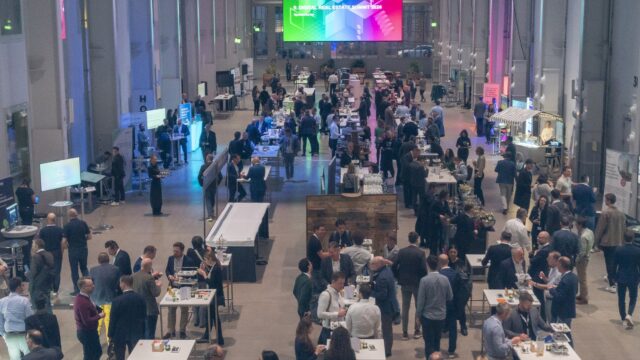
    The Digital Real Estate Summit is the platform for all players in the property industry who see the digital world as an opportunity and want to tap into new business opportunities or further develop existing ones. An exhibition of digital products and systems that anticipate the future of the property industry will show what is already in practice today. Because many things are possible if you have the right information!

    Become part of the network and join us in Baden on 6 March 2025.

    The varied programme offers something for everyone who wants to play an active role in shaping the digitalisation of the real estate industry. Be impressed by inspiring keynotes in which renowned personalities share their visions and experiences. Gain new perspectives through practice-orientated workshops that will give you insights into current topics and best practices.

    The exciting exhibition will present the latest trends and developments in the industry. Whether smart buildings, digital platforms or AI-supported solutions – here you will find the innovations that will shape the market tomorrow.

    Of course, there will also be plenty of networking opportunities. Exchange ideas with other experts and visionaries at the 10th Digital Real Estate Summit 2025 and make valuable contacts. Culinary highlights will ensure that you can enjoy the day in a relaxed atmosphere.

    The Digital Real Estate Summit has been the leading platform for discussing the transformation of the property industry for years. Take the opportunity to network with other pioneers and expand your knowledge. Register now and become part of the most important industry event

    Be there when visionaries and industry leaders develop forward-looking solutions. Be inspired, actively shape the digital property world and celebrate the 10th anniversary of the Digital Real Estate Summit with us!

    Further information: https://www.digitalrealestate.ch

  • IMMO25 – Where the Who’s Who of the property industry meets

    IMMO25 – Where the Who’s Who of the property industry meets

    It’s that time of year again: IMMO25, Switzerland’s largest real estate trade fair, will open its doors again on Wednesday, 15 and Thursday, 16 January 2025. The specialist congress is a firm fixture in the calendar and attracts several thousand visitors and industry giants to Zurich Oerlikon every year.

    As an investor fair, the event is aimed at a professional audience from the property and finance industry. From architects and project developers to specialised service providers, consultants and lawyers to financial intermediaries and asset managers – the participants represent the entire value chain of direct and indirect real estate investments.

    In addition to the traditional trade fair activities, participants at the accompanying forum can once again look forward to 35 panel discussions with over 120 high-calibre representatives from industry, politics and business. Renowned experts will share their visions on emerging trends, current challenges and future opportunities. Whether it’s about sustainable property investments, digital innovations or market developments – the IMMO Forum offers a wide range of topics, exclusive insights and assessments from decision-makers. IMMO is the meeting place for experts who want to think outside the box and set the course for successful business and investments. Take this opportunity to find out about the latest developments and opportunities and to sharpen your investment strategy.

    As an event partner, we cordially invite you to participate

    The congress programme and exhibitor list are available on the trade fair website at www.swisspropertyfair.ch. The online ticket counter for IMMO25 opens on Wednesday, 11 December 2024.

    Secure your ticket in good time and become part of the biggest property event in Switzerland!

    Visitor ticket code IMMO25: 50251

  • Future prospects at the 103rd immoTable Zug

    Future prospects at the 103rd immoTable Zug

    Mayor André Wicki opened the event with an inspiring look at the economic future of the city of Zug. Under the motto “Zug remains Zug – liveable, visionary, vibrant”, he emphasised the challenges associated with sustainable growth, affordable housing and climate protection. His visions emphasise the aspiration to further develop Zug as an innovative and attractive place to live and do business.

    Sustainable strategies and economic success
    Beat Bachmann presented the “Spirit of Zug” long-term strategy, which strikes a balance between growth and resource consumption. Regional cooperation and attractive conditions for companies will strengthen the region as a leading business location. The innovation platforms, such as HSLU and the Tech Cluster Zug, promote technological advances in areas such as energy, mobility and decarbonisation.

    Successful projects for modern living and commerce
    Lukas Fehr presented the award-winning “Papieri Cham” project. The neighbourhood combines historical substance with modern new buildings, sustainable architecture and green open spaces. With around 1,000 flats and 40,000 square metres of commercial space, the Papieri site sets new standards for sustainable living and working.

    Material innovation in timber construction
    Pius Kneubühler spoke about the advantages of board stack constructions made with Swiss timber and minimal glue. This technology promotes sustainable cascade utilisation and combines high load-bearing capacity with an excellent carbon footprint. Material identity is at the centre of sustainable construction.

    Water treatment and infrastructure safety
    André Spathelf rounded off the event with a comparison of the Swiss market leaders in water treatment. He emphasised the importance of a proactive approach to monitoring and maintaining water networks. This approach ensures the quality and sustainability of vital infrastructure.

    The 103rd immoTable Zug once again demonstrated the importance of dialogue between business, science and politics in shaping a sustainable future. Visionary projects, technological innovations and economic strategies strengthen Zug as a leading region in Switzerland.

  • Property funds and solar contracting: a response to the specific needs of property owners

    Property funds and solar contracting: a response to the specific needs of property owners

    How does solar contracting work?
    Solar contracting is based on a simple principle: we install our own photovoltaic panels at your company’s site. Within this framework, we take over the complete planning and project realisation, as well as the financing and management of the system.

    This offer not only enables you to upgrade your property, but also fulfils the legal requirements and the expectations of your investors and tenants. It also enables the creation of new rental space.

    Your unused space as a capital investment
    As a property owner, you probably have areas that are suitable for the installation of photovoltaic panels. At Romande Energie, we offer installation on the following surfaces:

    • On a roof
      Turn unused space into a power plant – from 500m2.
    • On a car park
      Use your car park to generate electricity with a solar carport – from 2,000m2.
    • On a greenfield site
      Set up a ground-mounted solar power system on an unused plot of land – from 2,000m2.

    Stoneweg: a concrete example

    The Stoneweg Group, which specialises in real estate investment, turned to Romande Energie to equip several buildings with solar panels.

    We have realised several projects with Romande Energie and have always greatly appreciated their reliability and their solutions to specific challenges.” Diana Oblak, Managing Director at Stoneweg

    Click here for the interview

    What are the advantages of contracting?
    Contracting makes it possible

    • the creation of new rental stock and therefore an increase in your returns.
    • guarantee the conformity of your properties.
    • increase the value of your property.
    • reduce theCO2 emissions of your property portfolio.
    • Providing your tenants with clean and locally generated electricity at a competitive price.
    • participate in reducing the risk of electricity shortages at a national level.
    • participate in the fight against climate change.

    To make an appointment or for further information, please contact us at

    www.romande-energie.ch/solar

    0800 233 825 | solar@romande-energie.ch

  • Achieving success even more efficiently with digital tools

    Achieving success even more efficiently with digital tools

    In the current market situation, efficiency in marketing and management processes is more important than ever for property professionals. A quick letting or sale means lower costs. With optimised digital operating and communication processes, estate agents and property managers also gain valuable time to focus on the essentials: looking after tenants and owners. The new digital solutions from SMG Real Estate offer the ideal support to save time and money in the property business while improving the quality of customer communication.

    Automation and artificial intelligence (AI) are two important new details that SMG Real Estate is using to support its business customers in making the marketing process more efficient. New tools based on these technologies significantly simplify and speed up the listing process. All you need to do is enter the address and some specific data about the property and the advert is created automatically. The software accesses IAZI’s extensive database.

    In a matter of seconds, concise and appealing property texts are also created that optimally present the specific advantages of the property. The new AI solution is conveniently integrated into the Business Manager user interface and is available as an option.

    Strengthen customer loyalty through fast and professional communication

    Communication with potential prospective tenants is now much easier thanks to the Flatfox tools, which are also integrated into the Business Manager. The Flatfox Messenger enables efficient management of the entire rental process. From scheduling viewings to online application management and the automatic generation of rejections – everything can now be done with just a few clicks. This simplification creates space for the essential tasks, such as intensive support for owners and tenants. A particularly useful feature is the digital reference check, which allows quick access to all relevant information on prospective tenants and thus increases the chances of swift rental agreements.

    In addition, improved lead qualification ensures that all contact enquiries contain all the necessary information to qualify customers, including relevant financial aspects. Property professionals thus receive all decision-relevant information at a glance, which increases the chances of success in the letting process and facilitates faster deals.

    Last but not least, it provides access to a comprehensive digital ecosystem that includes numerous other partner services. Customers can now access all SMG Real Estate services via a single login. This means that they can access the entire SMG Real Estate ecosystem with just one login, including daily updates in the Business Manager and third-party services – all available in a centralised and user-friendly way.

    There has already been a lot of positive feedback from existing and new customers who have tested SMG Real Estate’s digital tools in a practical check. The numerous pieces of feedback flow directly into processes that are used to further develop the solutions and services on offer and work on additional innovations. The aim is to enable property professionals in Switzerland to digitally let and manage their properties with maximum efficiency and professionalism.

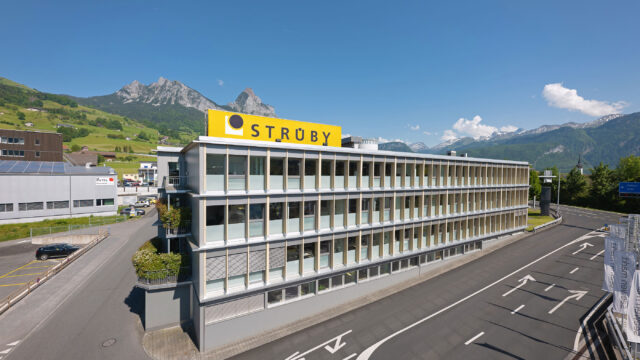
  • Strüby Unternehmungen receives first certificate for realised Minergie site

    Strüby Unternehmungen receives first certificate for realised Minergie site

    Energy efficiency, energy self-sufficiency and heat protection are currently major issues and will become even more important in the future. Since 2023, not just a single house, but an entire site can be certified by Minergie, meaning that the surrounding area can also be increasingly included in the planning of residential construction projects. On 2 September 2024, the “Fischermätteli” in Burgdorf BE received the first definitive site certificate from Minergie in Switzerland and thus reached a new level in sustainable construction.

    Label with high requirements
    The new, comprehensive Minergie site standard is supported by the Minergie Association, the cantons, the business community and the Swiss Federal Office of Energy. The Minergie site is characterised by very low energy consumption, minimised greenhouse gas emissions during construction and operation and maximum self-sufficiency with renewable energies. The buildings have above-average heat insulation and controlled air exchange. The design of the outdoor space increases climate resilience and the quality of stay, for example through suitable planting and shading. The Minergie site also incentivises climate-friendly mobility.

    Over 6600m3 of Swiss wood
    The Fischermätteli residential construction project was successfully completed by Strüby Unternehmungen in autumn 2023 after a construction period of around three and a half years. The ten apartment blocks with a total of 168 condominiums were built on a former commercial site in Burgdorf BE. Over 6600m3 of Swiss timber was used in the construction, making “Fischermätteli” the largest project in Switzerland to combine the Minergie-A-ECO standard and Swiss timber.

    Climate-friendly environmental design
    One hundred per cent of the energy for the entire site comes from renewable sources: the electricity from the photovoltaic systems on the building roofs, the heat for heating and hot water from a heating centre supplied with Swiss pellets. The finely meshed mobility concept focuses on electromobility, car sharing, bicycles and public transport. A co-working space promotes working from home and thus indirectly relieves traffic congestion. In addition, the climate-friendly environmental design based on the sponge city principle ensures natural and efficient cooling in summer and makes the “Fischermätteli” a hotspot of biodiversity thanks to the countless native plants.

    Success thanks to a climate-friendly overall concept
    Pius Kneubühler, Managing Director Real Estate Development & Construction at Strüby Unternehmungen, can confirm that the climate-friendly overall concept in line with the Minergie site standard pays off not only for the residents, but also for the investor. “The success has already manifested itself in the marketing of the condominiums. Demand was so pleasing that all flats were sold by the time construction was completed.”

  • Trafo Baden shines under the sign of the Real Estate Award 2024

    Trafo Baden shines under the sign of the Real Estate Award 2024

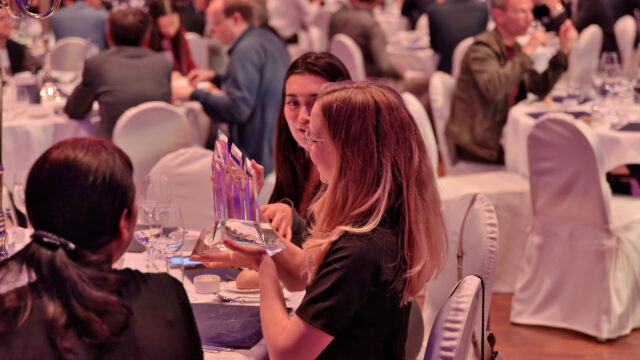
    Mara Schlumpf, Managing Director and organiser of the awards ceremony: “I was delighted to honour the best in the construction and real estate industry with the numerous guests from business, politics and society. It was an unforgettable occasion.”

    The winners of the coveted crystal glass trophies were honoured in five categories:
    – Marketing: emonitor AG
    – Digital: Novalytica AG
    – Sustainability: Zurich Airport
    – Project development and innovation: Cham Group
    – Real Estate Personality of the Year: Dr Hans-Peter Bauer

    Another highlight of the evening was the impact speech by Patrizia Laeri, women’s promoter and fintech founder, who drew attention to the gender property gap. The inspiring speech impressively demonstrated the importance of equal rights in the property sector. Moderator Annina Campell led a sofa discussion with Councillor of States and FDP President Thierry Burkart, which also highlighted the political perspectives on the sector and its potential.

    Meanwhile, comedian Joël von Mutzenbecher provided plenty of laughs, while the band “The B-Shakers” rounded off the evening with their rockabilly sound.

    Real Estate Award AG would like to thank all participants and guests for the successful evening and looks forward to further innovative impulses for the future of the property sector.

  • 102. immoTable Schaffhausen on the road to the future

    102. immoTable Schaffhausen on the road to the future

    [smartslider3 slider=”24″]

    Councillor Daniel Preisig gave an overview of Schaffhausen’s economic development in recent decades. After the industrial crisis and stagnation in the 1990s, Schaffhausen has recovered thanks to targeted economic development. in 2023, the population record of 1969 was reached again for the first time. Preisig emphasised how projects such as the conversion of the old steel foundry and the relocation of roads to create traffic-free promenades along the banks of the Rhine contributed to the city’s attractiveness. Schaffhausen is continuously investing in smart, future-orientated urban development and digital administration.

    Dino Tamagni highlighted the impressive economic development of the canton of Schaffhausen. The region’s industrial success story began with the construction of the Moser Dam in the 19th century. The hydroelectric power plant, once the largest of its kind in Switzerland, laid the foundations for the establishment of important industrial pioneers such as Georg Fischer, SIG and IWC, which turned Schaffhausen into a central industrial centre.
    In the 1990s, globalisation led to plant closures, job losses and emigration, resulting in the loss of 11% of jobs. However, targeted economic measures, such as the creation of an economic development agency, enabled Schaffhausen to overcome the challenges and regain its competitiveness.
    Today, the canton has one of the strongest economies in Switzerland, with the highest GDP per capita. Thanks to the promotion of innovation projects and the continuous expansion of the infrastructure, Schaffhausen remains an attractive and future-orientated business location.

    Andreas Campi, Head of Development, Halter AG, presented the “Im Pantli” residential project in the Waldquartier Schaffhausen. A modern residential neighbourhood is being built on the site, which was once used as a workers’ housing estate by Georg Fischer AG. The buildings are arranged around a neighbourhood centre to create urban alleyways and meeting spaces. The car-free development offers spacious, family-friendly flats with private outdoor areas. Childcare facilities and a dedicated bus stop enhance the quality of the location. The project not only promotes modern living, but also a lively community life.

    Pascal Stutz, CEO of SVIT Zurich, Joëlle Zimmerli, Managing Director of Zimraum GmbH and Christian Brütsch, Owner and Managing Director of Stratcraft GmbH, presented solutions to the shortage of skilled labour. A key challenge facing the property sector is the shortage of skilled workers and dissatisfaction among experienced professionals. Around 60 % of the senior professionals surveyed feel that their workload is too high, and over 50 % see large portfolios as problematic. The study presented highlighted the need for action and suggested solutions such as the standardisation of processes, intelligent digitalisation and the promotion of leadership skills in order to better overcome the challenges.

    Tindaro Milone presented a comparison of energy sources for heat pumps at the immoTable. EKZ operates over 1,200 energy systems across Switzerland and favours sustainable solutions. Air is cost-effective, but less powerful. Geothermal energy offers stable energy, but is expensive and location-dependent. Groundwater is efficient, but requires strict authorisations. Waste water provides a lot of energy, but is irregularly available. Seawater is particularly efficient, but expensive and tied to bodies of water. The choice of energy source depends on the project requirements, with EKZ offering customised solutions. We look forward to welcoming you to the next immoTable in Zug, where the focus will once again be on exciting topics and pioneering developments in the property sector. Join us as experts discuss the future of Zug as a property location and the latest innovations in the sector.

    Further information on the event and future dates can be found at www.immotable.ch

  • New white paper: ‘Energy storage systems for properties: Using renewable energy efficiently’

    New white paper: ‘Energy storage systems for properties: Using renewable energy efficiently’

    Link to the whitepaper

    Switzerland is aiming for a target of net zero by 2050. This means replacing fossil-based energies with renewables. However, the output from systems is dependent on weather conditions, the time of day, and the season. Getting supply and demand in sync calls for storage solutions. This also improves the property’s carbon footprint, because it requires less oil or gas to cover peak loads.

    Electricity storage systems: battery-powered flexibility
    Battery storage systems can temporarily store surplus solar power locally and supply household consumers, electric vehicles or the heat pump later on. This significantly increases the level of self-consumption and with it the cost-efficiency of solar power plants. Not only the operator benefits from a storage system – the electricity grid does as well. This means, for example, that when a solar power plant produces a surplus, it doesn’t have to be shut off for fear of overloading the grid. And in the reverse scenario – when demand outstrips supply – locally stored energy can help cover peak loads, which stabilises the grid and keeps costs low. Currently the standard means of electricity storage is the lithium-ion battery, while alternatives such as sodium-ion batteries and salt batteries have yet to become established. This also applies to bidirectional charging, in which the battery of an electric vehicle is used for local electricity storage.

    Heat storage units: geothermal probes and containers
    One alternative to storing surplus solar power is to transform it into thermal energy. Heat can be stored over weeks or months and used later for heating and hot water supply as required. This makes heat storage a great fit with renewable heating systems such as heat pumps and thermal networks. And some types of storage system can be used as heat sinks in summer to cool buildings with minimal use of energy. The most common storage types in Switzerland are geothermal heat storage units and container heat storage units. One interesting variant that requires less space is ice storage.

    Hydrogen and methane: seasonal storage
    Another way to store surplus solar power seasonally is to transform it into a carbon-neutral gas like hydrogen or methane (‘power-to-gas’). If required, the gas can be used either to produce heat and electricity or as a fuel for vehicles. Hydrogen is produced through the electrolysis of water, and the degree of efficiency in this transformation is up to 80 per cent. Transforming it further into methane has the advantage that it can be stored in the natural gas grid, so it doesn’t require separate infrastructure. The overall degree of efficiency depends on the method used, but with a current best-case result of 50 to 70 per cent, it is not yet cost-effective.

    You can find much more information and real-life examples in the new ewz white paper ‘Energy storage systems for properties: Using renewable energy efficiently’.

  • Sustainable properties: fit for the future

    Sustainable properties: fit for the future

    Residential and commercial properties need energy – and a lot of it. The Swiss building stock is responsible for 25 per cent of Switzerland’s final energy requirements and a third of domestic CO2 emissions. This is why property also plays a key role in the energy transition. However, striving for greater sustainability in the building sector not only makes sense from an ecological perspective, but also from an economic one. Investments to increase energy efficiency and switch from fossil fuels to renewable energies have a value-enhancing effect. And sustainable buildings are marketable in the long term. Migros Bank offers corporate customers a free analysis to identify the optimisation potential in their property portfolio.

    Free analysis of property portfolios
    A sustainable property provides long-term ecological, social and economic benefits. What this means in concrete terms for an individual residential property must be assessed on a case-by-case basis. Ecological sustainability is generally about increasing the energy efficiency of the building and reducing emissions.

    Together with customers, Migros Bank analyses residential properties in terms of sustainability, yield, potential and marketability. Together with property experts, a tool has been developed for this purpose. This shows which investments have an impact on savings and costs resulting from these investments and what CO2 emissions can be expected from the property portfolio. Energy-efficient refurbishment or early replacement of heating systems often have a positive impact on profitability.

    The opportunities of sustainable buildings
    If the energy efficiency of buildings increases, energy costs fall. This is directly noticeable. Of course, the investments – for example in the renovation of the building – must be amortised. However, expensive energy costs mean that the amortisation period is short in many cases. Increased energy efficiency can also increase the market value of the property. The increase in attractiveness is also noticeable for rental properties. The demand for sustainable buildings with low ancillary costs is high. Tenants are prepared to pay more for sustainable living space.

  • Secure your ticket to the 17th Swiss Finance and Real Estate Congress in Zurich now

    Secure your ticket to the 17th Swiss Finance and Real Estate Congress in Zurich now

    To mark its 30th anniversary on 20 November 2024, IAZI AG is presenting a varied and inspiring congress programme and is once again proving to be a central platform for expertise on the relevant topics in the finance and real estate industry. Guests will have the unique opportunity for exclusive networking with leading experts and decision-makers from closely interlinked sectors and the chance to gain a valuable knowledge advantage.

    Global challenges such as climate change and economic inequality require innovative approaches and collaborative action in an increasingly interconnected world. Linking global strategies and local initiatives makes sustainable and effective solutions possible – this will be the focus of the 17th Swiss Finance and Real Estate Congress.

    Under the motto “Global Perspectives, Local Solutions”, high-calibre speakers will highlight trends and forecasts on topics such as the global security situation, ESG strategies and urban architecture.

    Keynote speakers include Christof Franzen, journalist and SRF special correspondent, who will take a look at the global security situation with a focus on Russia and Switzerland, and Jens Korte, renowned business journalist and stock market expert, who will analyse the impact of the US elections.
    Dr Anna Braune, Head of Research and Development at the German Sustainable Building Council, DGNB e.V., will address the topic of sustainability in the construction industry and present future-proof concepts for new buildings.
    Renowned futurologist Oona Horx-Strathern will present visions for a new urban architecture and extreme sportswoman and entrepreneur Anja Blacha will provide inspiration for an ascent that combines extreme sports and entrepreneurship.

    This dialogue on the future will be rounded off with high-quality information and precise data from the Swiss real estate market to support the daily business of real estate professionals. Prof. Dr Donato Scognamiglio, Co-Founder and Chairman of the Board of Directors of IAZI AG, will explain the latest figures, trends and forecasts with regard to Swiss real estate.

    You can find all the details of the programme here: immokongress.ch

  • Vocational trainer meeting SVIT Zurich 2024

    Vocational trainer meeting SVIT Zurich 2024

    The reforms to basic commercial training are crucial to ensure that the training of young adults meets the changing demands of the labour market. The new provisions, which are based on a review every five years, have been in force since August 2023. The aim is to ensure that commercial apprenticeships always keep pace with the times. The current projects of Bildung Kaufleute Schweiz and the Interessengemeinschaft Kaufmännische Grundbildung ensure that commercial apprenticeships EFZ and EBA will continue to meet the changing needs of the labour market in the future. The focus here is on the development of competences to facilitate graduates’ direct entry into professional life.

    Experience reports and practical implementation
    This year’s SVIT Zurich vocational trainer meeting will focus on the reform. The organisation for basic commercial training in fiduciary services / real estate will report on its experiences in implementing the reforms. SVIT Zurich will also present ways in which apprentices can be supported throughout the three years of training in accordance with the new training regulations and optimally prepared for the final examination.

    Interactive participation and dialogue
    A key element of the meeting is the opportunity to ask questions directly to the OKGT. This gives participants the opportunity to get actively involved and benefit from the experience and knowledge of the experts.

    Event details
    The vocational trainer meeting will take place on Tuesday, 10 September 2024, from 10:30 to 13:00 on the premises of SVIT Zurich, Siewerdtstrasse 8, 8050 Zurich. Participation is free of charge for both SVIT Zurich members and non-members. As the number of places in the presence mode is limited, members of SVIT Zurich have priority when allocating places.

    This meeting offers a valuable platform for the exchange and networking of vocational trainers and experts in the property and location promotion sector. Participants will have the opportunity to find out about the latest developments in basic commercial training and actively participate in the discussion.

    Registration for the Vocational Trainer Meeting 2024

  • Real Estate Award 2024: The property event of the year is coming up!

    Real Estate Award 2024: The property event of the year is coming up!

    The event menu for the Real Estate Award ceremony on 24 October 2024 is set: In addition to a meat-based 4-course feast, guests can also look forward to a delicious vegan option. Just one of many innovations, as the Managing Director of Real Estate Award AG, Mara Schlumpf, explains: “Our guests can look forward to an unforgettable evening. In addition to a delicious culinary experience, encounters with well-known personalities from Swiss business and politics also have a fixed place in the exciting evening programme.” Whether on the red carpet, at a cosy aperitif or at an upscale gala dinner: there is hardly a better opportunity for networking in the real estate industry this year.

    On 24 October 2024, this year’s winners will be chosen in the categories Digital, Project Development and Innovation, Marketing and, for the first time, in the newly created Sustainability category. You can currently vote for your favourites at www.realestateaward.ch. The contenders for the coveted crystal glass trophies are

    Digital: Backbone, Novalytica, QAECY

    Project Development & Innovation: Cham Group, Redvolution, Topik

    Marketing: Emonitor, Fairmarkter, Properti

    Sustainability: Zurich Airport, Vaudoise&HRS, Zindel United

    In addition, the Real Estate Personality of the Year will be chosen by the renowned Real Estate Award jury. A good atmosphere is also guaranteed at the event: comedy and music round off the varied programme. “I’m already looking forward to the Real Estate Award ceremony in October,” says Mara Schlumpf. “The evening will set a new benchmark in the history of the award.”
    Tickets for the award ceremony and gala dinner are available at www.realestateaward.ch.

  • Optimal exam preparation for prospective property professionals

    Optimal exam preparation for prospective property professionals

    The member organisations SVIT Bern, SVIT Eastern Switzerland, SVIT Central Switzerland and SVIT Zurich are intensively involved in the training of their apprentices. One outstanding example of these endeavours is the three-day “QV-Campus” launched by the SVIT Young Zurich youth commission in 2017. This campus offers apprentices optimal preparation for the company qualification process (final apprenticeship examination).

    The graduates of this year’s campus have just received their exam results. As every year, most of the participants scored above average, which makes the association proud and emphasises the high quality of their training.

    During the QV-Campus, participants were tested in industry-specific lessons without grades in order to specifically identify and close any gaps in their knowledge. The most important exam topics were taught by experienced QV exam experts. The programme also included overcoming exam anxiety and various learning techniques. On request, learners received further support on site or via Zoom until the exam.

    With around 40 third-year learners taking part, the “QV-Campus” can be considered a success. The high level of motivation of all those involved contributed significantly to the positive outcome. “It gave me a wake-up call!” commented one participant, who was now also able to gain new and exciting insights into the subject of “Taxation”. Another participant commented: “I had planned to study intensively for four weeks before the QV, but after the QV-Campus I realise that this is not enough.”

    For many young people, activities such as going out, friends and sport take centre stage, and they often lack the motivation and ambition to prepare for their exams in a timely and structured manner. This is precisely where the QV-Campus comes in, by guiding apprentices to plan properly and showing them that relaxation and proper preparation are crucial for a successful apprenticeship qualification.

    After the Campus is before the Campus.

    Are you in your 3rd year of apprenticeship and want to be optimally prepared for the company qualification process?

    Then register for the QV-Campus 2025 at www.svit-young.ch.

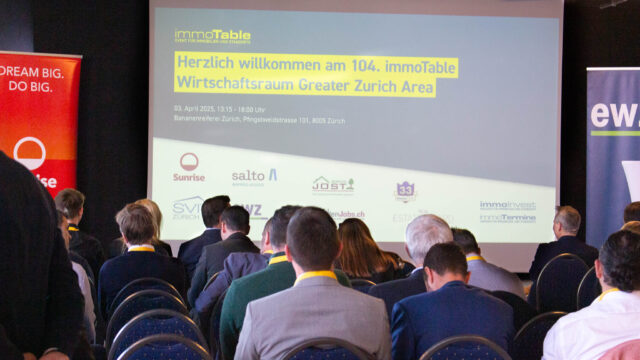
  • 101. immoTable – Geneva economic area

    101. immoTable – Geneva economic area

    [smartslider3 slider=”16″]

    The 101st immoTable, the renowned event for the property industry at Signatur Rhône in Geneva, focused on important topics that will have a significant impact on the future of the property world. From sustainable spatial development and geothermal energy as part of the energy transition to health risks in water and legal issues relating to renovations in Geneva, the event provided a comprehensive platform for dialogue on current challenges and innovations in the sector.

    The Director of the Department of Territory of the Canton of Geneva, Marta Alonso, presented pioneering urban development and spatial planning projects. By 2060, over 12,000 new residential units, 6,000 workplaces, schools, a large park and revitalised river areas are to be built on an area of 230 hectares. Modern visualisation techniques and 3D models enable a transparent presentation of the development scenarios.

    David Faehndrich, Head of the Western Switzerland division at EKZ Contracting SA, emphasised the role of sustainable and economical energy supply systems. Several important projects have already been realised, such as the geothermal energy supply for the new flats in the “Jardins du Bourg” in Châtel-St-Denis. These measures reduce CO₂ emissions and promote the energy transition.

    In his presentation, Pierre Descloux, CEO of Dipan SA, emphasised the importance of treating hydraulic systems, particularly with regard to rust, limescale and legionella. He emphasised the importance of ensuring the hygiene and efficiency of these systems.

    Cosima Trabichet-Castan, a specialist in property law at MLL Legal, spoke about the challenges of obtaining planning permission and complying with local building regulations. She also spoke about the complex regulatory requirements in Geneva, which according to a recent UBS study has the longest waiting times for building permits in Switzerland. Her presentation highlighted the importance of integrating sustainable practices in this context-rich regulatory environment.

    Fabio Nairi from IWG Switzerland spoke about measures to reduce commuting times and CO₂ emissions as well as the transition to hybrid working models.

    The 101st immoTable once again proved why the event is one of the top platforms for the property industry. The topics discussed are of key importance for the future development of the industry and offer valuable solutions for current challenges.

    Further information on the event and future dates can be found at www.immotable.ch

  • New career opportunities for career changers in the property industry

    New career opportunities for career changers in the property industry

    A career change opens up exciting opportunities for many career changers. Claudio Kuhn, an experienced business administrator with a Master of Science in Business Administration from HSLU, sees the property industry as his new challenge. Motivated by the prospect of intensive customer contact and diverse marketing activities, he is focusing on a career in property sales, particularly in the Zurich economic area and the Lucerne region.

    Targeted further training for entry
    Despite his extensive specialist knowledge, Kuhn realised that specific basic knowledge was essential for property sales. He therefore decided to enrol on the intensive course for career changers at SVIT Zurich, which he successfully completed. The course provides essential knowledge and skills to gain a foothold in the dynamic property sector.

    Support from SVIT Zurich
    In addition to specialist training, SVIT Zurich offers comprehensive support for professional integration into the property industry. Pascal Stutz, CEO of SVIT Zurich, supports course participants in developing successful job search strategies. As a result, graduates not only acquire in-depth knowledge, but also valuable skills for a successful job application.

    Networking and practical experience
    Kuhn and other course graduates also have the opportunity to present themselves to potential employers via dossiers and personal references such as skills. These documents, which can also be requested by non-SVIT members, enable companies to access qualified candidates directly (mail to: pascal.stutz@svit.ch).

    Outlook for interested lateral entrants
    SVIT Zurich’s current range of courses for lateral entrants in the fields of property management or property sales can be viewed on the svit-bildung.ch website. With targeted programmes and supportive guidance, the SVIT offers ambitious career changers like Claudio Kuhn a solid basis for a successful career start in the real estate sector.

    The intensive training and close support provided by SVIT Zurich offer a promising opportunity to increase the attractiveness of the property industry for career changers and pave the way for a successful career.

  • Successes, prospects and highlights of the 100th immoTable in Zurich

    Successes, prospects and highlights of the 100th immoTable in Zurich

    As part of the 100th immoTable at Ambassador House, one of the top events for the real estate industry, not only was progress celebrated, but topics such as sustainable urban development and the shortage of skilled workers were also addressed. Sabine Billeter briefly summarized the developments of the last five years. Arun Banovi then presented the new industry-specific job platform, which is an important resource for skilled workers. ImmoMedia is responsible for several media vehicles, such as the immoNewsletter, www.immo-invest.ch, immobilienJobs.ch, immoTermine.ch, the magazine immo!nvest a platform for locations and real estate.

    The focus of the event was the discussion on Zurich’s development strategies, which were presented by Fabian Streiff, Head of the Canton of Zurich’s Department of Economic Affairs. He emphasized Zurich’s strong position compared to other European cities and outlined innovative projects such as the research being carried out by universities, colleges and ETH on topics such as drone infrastructure, regulating the last mile and connecting with co-working and meeting zones for pedestrians and cyclists as well as the public transport network. The increasing shortage of skilled workers and demographic challenges were also the focus of the discussion.

    Martin Schneider, Deputy Director of the City of Zurich’s Office for Urban Development, highlighted the need to create living space for the city’s predicted growth. He referred to the importance of flexible housing concepts and the need to adapt land use to noise protection and climate targets. He also spoke about urban expansion and densification in the context of ISOS, which illustrates the complexity of urban development.

    Sustainable construction was also discussed, represented by Jura Cement-Fabriken AG, which has set itself the goal of building sustainably with concrete by 2030. Reducing CO2 emissions by changing material compositions was highlighted as an important factor in future construction practice. EWZ has also set itself the goal of 100% climate-neutral heating and cooling. The approach was illustrated to the participants using the Guggach and Greencity projects.

    Finally, Stefan Fahrländer, owner of Fahrländer Partner Raumentwicklung, emphasized the need for political measures to speed up the construction process and thus improve responsiveness to market needs. His comments underlined the need for faster and more efficient implementation of construction projects in Switzerland.

    The event was rounded off with a performance by rapper and beatboxer Knackeboul, who summarized the content of the event in a dynamic rap. In this way, the combination of specialist knowledge and cultural integration was illustrated in an entertaining way.

  • Graubünden as an economic region – working, living and investing

    Graubünden as an economic region – working, living and investing

    [smartslider3 slider=”16″]

    The 98th immoTable Economic Area Graubünden took place on Thursday, 28.9.2023, in Chur and attracted almost 100 participants.

    The event began with a presentation by Victor Zindel from Regional Management Plessur, who reported on current developments and focal points in Chur.
    Afterwards, Cantonal Government Councillor Marcus Caduff addressed the attendees with a video message.
    Patrick Widmer from the Office of Economy and Tourism Graubünden gave an overview of current business and presented interesting real estate projects.
    Andreas Schefer from Logbau AG explained in an exciting presentation how a CO2-neutral concrete can be produced.
    Another highlight was the contribution of Gioia Deucher from the InnHub innovation centre in La Punt Chamues, who gave us insights into the future of the New Work sector.
    Achim Sax from Hamilton told us about the challenges of a large corporation in the sustainability of facility management.

    After the presentations, there was an aperitif where participants had the opportunity to exchange ideas with the speakers and partners. The moderation of the event was in the capable hands of Monika Schärer.

    We look forward to the 99th immoTable on 24.11.2023 in Thun.

    Click here to register: LINK

  • Despite all headwinds: demand for single-family homes remains robust

    Despite all headwinds: demand for single-family homes remains robust

    The volume of advertisements for single-family homes, which declined by 17 per cent in the previous period (Q3 2021 – Q2 2022), recovered in the current period (Q3 2022 – Q2 2023) with eleven per cent growth. At the same time, the average tendering time also increased from 60 to 66 days to the same extent. Despite the strongest increase in mortgage interest rates in the last 30 years, demand for single-family homes proved to be quite robust in the reporting period. This is shown by the current online home market analysis of the real estate portals Homegate and ImmoScout24 in cooperation with the Swiss Homeowners’ Association and the Swiss Real Estate Institute based on the evaluated advertisements of several well-known real estate portals.

    For Martin Waeber, Managing Director Real Estate at SMG Swiss Marketplace Group, the results of the current study once again show how robust the single-family home market in Switzerland is overall, despite the significant rise in mortgage rates. “The increased supply and the longer listing period are giving searchers more choice and more time to think, as well as a better overall chance of finding the right property,” says Waeber. However, the best offer is of little use if the question of financing becomes increasingly challenging, Waeber comments on the new analysis.

    Listing duration up in many places, demand down
    The biggest changes in listing duration were seen in the eight regions of northwestern Switzerland (plus 51 per cent) and central Switzerland (plus 48 per cent). And even in the “hotspots” of Zurich and central Switzerland, sellers with a listing period need more patience than before to sell a single-family home. In French-speaking Switzerland and Ticino, on the other hand, the listing period remained at practically the same level as in the previous period. Nevertheless, in Ticino, with a new average of 136 days, it takes more than three times as long to find a buyer as in the Zurich region with a new average of 42 days.

    The combination of the change in the duration of the advertisements and the number of advertisements allows conclusions to be drawn about the development of demand. Although demand in Switzerland as a whole has remained robust, there are considerable differences between the eight regions analysed. The regions of eastern and northwestern Switzerland in particular suffered the greatest slumps in demand. In the region of eastern Switzerland, for example, sellers had to advertise their single-family homes 9 days longer than before (plus 21 per cent). At the same time, almost the same number of single-family homes were advertised as in the previous period (minus 1 per cent).

    Rising demand primarily in high-income municipalities
    A closer look at the different types of municipalities also shows that demand for owner-occupied homes is rising in six out of eight regions in the high-income municipalities, while it is declining in the majority of suburban municipalities. This majority decline could be related, among other things, to a comparatively higher share of debt financing in these municipalities. Therefore, a rise in interest rates hits these municipalities harder than the high-income municipalities, where, for example, less debt capital is required for the purchase of a home thanks to advance inheritance and thus also less debt-financed funds.

    Peter Ilg, head of the Swiss Real Estate Institute, which analysed the data, draws the following conclusion: “Perhaps the risk of a real estate bubble was simply overestimated in the past. While in comparable countries such as Sweden home prices have already corrected noticeably due to the interest rate hikes, in Switzerland there is still no sign of a weakening in the demand for single-family homes. And this despite the fact that the mortgage debt of Swiss households is among the highest in the world, at 140 percent of total economic output in 2020, Ilg concludes.

    About
    the Online Home Market Analysis
    The Online Home Market Analysis is a semi-annual analysis that looks at the market for condominiums and single-family homes on an alternating basis. With the eight major regions analysed, it covers the whole of Switzerland and at the same time provides information on the development of supply and demand for owner-occupied homes, differentiated by region and broken down by market segment.

    Homegate and ImmoScout24 as well as the Swiss Homeowners Association publish the analysis in collaboration with the Swiss Real Estate Institute of the HWZ Hochschule für Wirtschaft Zürich. The latest edition analyses single-family home listings for the period from 1 July 2022 to 30 June 2023, which originate from several well-known real estate portals and thus comprise the majority of all online listings during the study period in Switzerland.

    Here you can find the complete media release on the current Online Home Market Analysis, including further graphics and detailed reports on the individual regions.

  • Net zero: towards climate-neutral transport

    Net zero: towards climate-neutral transport

    The real estate industry needs to reduce greenhouse gas emissions quickly and significantly. Getting close to net zero is already possible by combining various approaches and measures. A new white paper reveals the key areas of action for planners and building owners.

    The building sector is responsible for around 40% of global GHG emissions. The potential for reduction is accordingly great – and thus also the responsibility borne by those involved in the industry. To raise awareness of the urgency of rapidly reducing GHG emissions, it is important to know where and when a building emits GHGs throughout its life cycle and how these emissions can be reduced.

    The climate-friendliness of a construction project begins with the architectural concept. Optimised geometry, a material-efficient building structure, opting for durable materials and compact structures all contribute to reducing emissions.

    Today, very few construction materials are completely emission-free, but many are at least low-emission. These include building materials of biogenic origin such as wood, insulation materials made from renewable raw materials such as straw or cellulose, and climate-optimised concrete types. As concrete accounts for around 8% of global GHG emissions, it has a particularly large impact.

    Many properties in this country are still heated with fossil fuels such as oil or gas. Suitable alternatives for low-emission heating include heat pumps, thermal grids and wood-fired heating systems. It is also important for roof and façade areas to be used for photovoltaics.

    Exemples de projets réussis
    Various examples show that net-zero construction works not only on paper, but can also be implemented in practice. At the Hobelwerk site in Winterthur, for example, the focus is on measures such as replacing concrete with timber structures or reusing components. Similar methods are also being used at the Greencity sector B6 (Vergé) [GRL1] in Zurich. In addition to the choice of low-emission materials, the use of renewable energy from ewz also contributes towards reaching the net zero objective. A third example is the new headquarters of Sonova Communications in Murten. Thanks to high-quality insulation and a large thermal storage mass, the building requires no active heating or cooling, making it operationally carbon-neutral.

    Go to the white paper

  • Real Estate meets Limmattal – The new real estate meeting place for Limmattal

    Real Estate meets Limmattal – The new real estate meeting place for Limmattal

    But the Schlierefäscht has even more to offer – it is not only a festival of fun and celebration, but also an exciting platform for business and industry. A special highlight is the newly launched real estate meeting “Immobilien meets Limmattal” on Thursday, 7 September 2023 with exciting keynotes, panel discussions and exchange of experiences.

    The half-day event will focus on the topic of “Limmattal site development”. It offers a unique opportunity to delve deeper into the development of the region and gain insights into the challenging interplay of architecture, urban planning and social aspects.

    Be inspired by the latest trends, analyses and innovative solutions. You can expect exciting keynotes from renowned speakers such as Michael Hermann, Managing Director of sotomo, Fabienne Hoelzel, Professor of Urban Design at the State Academy of Fine Arts Stuttgart or Thomas Sevcik, CEO of arthesia, interesting insights into the areas of Dietikon, Schlieren and Spreitenbach as well as a lot of interesting information about electromobility, the property market and sustainability for areas.

    Take the opportunity to make valuable contacts and get to know the Limmattal real estate industry. Register now and secure your ticket at the exclusive price of CHF 80 (instead of CHF 150) with the note “reader offer immo-invest”.

    Real Estate meets Limmattal
    Thursday, 7 September 2023, from 2 p.m.
    Event tent, Pischte 52, Schlieren

    Programme:
    Link

    Registration:
    Link

  • SMG Real Estate: Reach interested parties who are looking for exactly what you have to offer

    SMG Real Estate: Reach interested parties who are looking for exactly what you have to offer

    Those who pursue the goal of successful real estate marketing rely above all on one tool: the efficient approach to potential interested parties. This is the demanding task of drawing attention to current new construction projects or already existing properties with appealing communication that is as accurate as possible. This can be achieved without much effort with a newsletter that exclusively presents an exciting property to those looking for real estate.

    Property seekers are not only grateful, but also very good to activate if they are offered a quick orientation in their search process with an approach that specifically takes their preferences into account. After all, the search for the right property is about implementing personal concrete wishes such as buying or renting, regional preferences and the size of a property.

    This match between the real estate professionals with their current property portfolio and interested parties can be optimally supported with the Premium Newsletter from Homegate or the Newsletter Boost from ImmoScout24.

    The newsletters reach an exclusively created distribution list, which ensures that the expectations and demands that the prospective buyers pursue in their property search match the respective property characteristics. In this way, customers can be approached without wastage in a trustworthy and renowned editorial environment.

    The individual appearance of each property is coherent, because the professionally designed newsletter addresses the addressees with meaningful images and a text tailored to the specific property. As part of a marketing campaign, the newsletter can be adapted to specific times. In this way, for example, targeted attention can be generated in an early planning phase for a new project or potential interest can be identified. But the use of the newsletter is also suitable for property units that are not yet available and that are to be pointed out to specific target groups, and above all it pays off, because it is hardly possible to address potential interested parties in a more flawless way.

    Here you can find out more about the opportunities to address potential real estate buyers directly.

  • Sustainability & profitability – achieving returns with climate-friendly, intelligent energy solutions.

    Sustainability & profitability – achieving returns with climate-friendly, intelligent energy solutions.

    Integrated and intelligent
    Integrated energy solutions combine different energy sources and technologies to achieve high energy efficiency and flexibility. Intelligent energy management systems are used to optimise energy consumption and reduce CO2 emissions. They help to reduce operating costs and increase property value. IWB offers companies in the construction and real estate sector carefree packages for a high return on investment. Customers can choose between centralised, decentralised or combined solutions depending on their location and portfolio strategy. To achieve an optimal sustainable energy supply and use, the early involvement of the energy partner is crucial.

    Sustainable and economical
    Implementing renewable energies and intelligent energy management systems not only saves costs and increases the value of properties, but also achieves environmental sustainability. A good ESG score is becoming increasingly important and can also influence financing options.
    Property owners can reduce CO2 emissions and optimise the energy consumption of buildings by using photovoltaic systems and climate-friendly heating solutions such as heat pumps or district heating from renewable sources. Intelligent energy management systems monitor energy consumption in real time and regulate it by automatically controlling heating, ventilation and cutting off energy peaks.

    Sensible and profitable
    Investing in good energy solutions and intelligent energy management is sensible and profitable for a sustainable real estate portfolio. With IWB as a partner in the field of energy and sustainability, companies in the real estate sector can benefit from customised, efficient and smart solutions. The focus is on developing individual solutions tailored to the specific needs and goals of the customers. Together, they can invest in a sustainable future that offers not only ecological but also economic benefits.

  • Timber Industry in Immo!nvest Special 2023

    Timber Industry in Immo!nvest Special 2023

    Wood has and will continue to gain in importance. The eco-balance of the real estate industry must be improved with all available means. The issue highlights the topics of wood culture and history, tries to show the development and future of timber construction. Health, energy and the circular economy are further topics that are explained in detail in the issue.

    Exciting articles and projects that offer a differentiated perspective on the multi-layered aspects of timber construction. Join us and share your experiences and how you tackle the challenges. We look forward to working with you to produce an up-to-date magazine on this topic.

    Further information on the topic
    www.immo-invest.ch/wp-content/uploads/2023/06/Immonvest_Spezial_Holz_230612.pdf

  • 97. immoTable Economic Area Winterthur

    97. immoTable Economic Area Winterthur

    [smartslider3 slider=”15″]

    Es war ein wirklich gelungener Anlass mit tollen Gästen und Monika Schärer als grossartige Moderatorin. 

    Vielen Dank auch an unsere Partner EWZ, Jost Service, Salto Systems, Amt für Städtebau Winterthur und ZHAW für Architektur, Gestaltung und Bauingenieurwesen für die tolle Unterstützung.

    Unter folgendem Link finden Sie einige Impressionen:

    Wir freuen uns auf den nächsten immoTable im September 2023 in Chur.

  • 96. immoTable Lucerne

    96. immoTable Lucerne

    [smartslider3 slider=”14″]

    Monika Schärer welcomed Cantonal Government Councillor Reto Wyss, who informed us about current issues in the Canton of Lucerne. Mr. Zettel, Head of Corporate Development, Lucerne Economic Development, gave an insight into current business and presented current real estate projects. Markus Weber HSLU Co-Director of the Digital Construction course, President of Bauen digital Schweiz showed the potential of BIM, IoT and Lifecycle Data Management. Sabine Ruoss, overall coordinator, and Massimo Guglielmetti, project manager for the Lucerne through station, showed us what is planned and will be built for the through station over the next 20 years. Finally, Clemens Högger from Energie360° showed us a forward-looking and economical energy solution with regard to the energy strategy challenge. At the Apéro Riche, the opportunity to exchange ideas and learn more with the speakers and partners was actively used.

  • Werkstadt Zurich: Transformation into a climate-friendly neighbourhood

    Werkstadt Zurich: Transformation into a climate-friendly neighbourhood

    SBB is transforming the 42,000-square-metre Werkstadt site in Zurich into a vibrant urban space, to be completed by 2035. This will preserve the fabric of its historic buildings, which will one day be joined by both new buildings and extensions to create an exciting cluster. The transformation of the former SBB workshops will be exceptionally sustainable, featuring climate-conscious building measures, circular economy elements and an innovative energy concept.

    Developing existing buildings
    In close coordination with the monument preservation authorities, the existing buildings will be gradually renovated and joined by new buildings and extensions in the coming years. At the heart of the site, the former carriage workshop ‘Building Q’ will allow for a diverse usage mix under one roof from 2023. The development will offer an exciting interplay between the fabric of historic buildings, structural densification and public use of outdoor space.

    © SBB AG, Martin Zeller

    Environmentally friendly construction
    ‘SBB wants to be climate-neutral by 2030, and climate-compatible construction is an important factor in achieving this objective,’ said Gabriele Bühler, Project Manager at SBB. Various climate-conscious building measures have been incorporated into the planning of the site. That includes configuring the new buildings to promote the circulation of cool air currents. Where possible, the roof water will be allowed to seep into an above-ground system for further cooling. Surfaces will remain unsealed where possible. The transformation follows a systemic approach that considers the building along its entire life cycle. The aim is to keep CO2 emissions as low as possible. To ensure circularity, all construction components are recorded on the Madaster platform. There is also a particular focus on reusing components. 

    Energy concept: 100% renewable
    ewz was able to win SBB’s public tender with an energy solution based on 100 per cent renewable energies. Groundwater, which is collected in four wells on the site, serves as a source of heating and cooling. From these wells, the water flows to the energy centres in the larger buildings, which house heat pumps and cooling machines that bring the water to the required temperature. An anergy network connects all the buildings and ensures that excess energy is exchanged between the building groups. For example, excess heat or cold in one building can be used in another. This system also has the advantage of not requiring groundwater boreholes in every building: the smaller buildings are connected to the energy centres via a local heating network. Heating and cooling is generated without any CO₂ emissions, as the rest of the electricity also comes from renewable sources. The use of a monovalent energy system will ultimately lead to a CO2 reduction of over 2,100 tonnes per year.

    High self-consumption of solar power
    ewz also plans, finances, creates and operates the transformer systems and medium-voltage lines to supply the site with electrical energy. ‘Some of the electricity that the people in the Werkstadt use on the site is produced there using photovoltaics,’ explains Markus Fischer, Head of Sales at ewz Energy Solutions. To this end, SBB and ewz want to make the best possible use of the roof areas for solar power production. Both the roof of Building Q, at the centre of the site, and the roofs of other buildings with a suitable structure and orientation for generating solar power are to be kitted out with photovoltaic systems. SBB requires its tenants on the site to form a self-consumption association (ZEV). ‘When completed, the ZEV will consist of around 300 parties that will use locally produced electricity on the site. This allows us to achieve a high self-consumption rate, which, in turn, makes a significant contribution to the cost-effectiveness of the photovoltaic systems,’ says Markus Fischer. He expects self-consumption on the Werkstadt site to be almost 100 per cent when completed.

    © SBB AG, Martin Zeller

    The benefits of contracting
    For the owner, this form of collaboration has various benefits, including keeping financial risks and management costs very low. If a system fails, ewz makes sure it gets back into operation as quickly as possible. To ensure that the system can be operated efficiently, ewz will start undertaking energy-related operational optimisations shortly after commissioning. As part of an ongoing process, the systems will be optimised and adapted to the actual needs relating to their use. By extension, this ensures that they consume as little energy as possible, generate minimal costs and offer maximum convenience for users.

    Werkstadt Zürich is a successful example of a forward-looking approach to repurposing a historic industrial site. With the targeted renovation and expansion of existing buildings and a ground-breaking energy concept, the developers – together with the planners and ewz – are creating added value for future users and the environment alike. Find out more about the Werkstadt site’s innovative energy concept here.


    https://www.ewz.ch/en/business-customers/real-estate.html

  • Capital raising of the “Vertina Wohnen” investment group

    Capital raising of the “Vertina Wohnen” investment group

    The foundation, which was established in March 2022, was able to notarise 6 properties within a year. The portfolio, which focuses primarily on new buildings, has a market value of around CHF 60 million as of 31 December 2023. After completion of the projects, the market value will be around CHF 117 million. The new capital will be used for the focused expansion of the portfolio. Two real estate projects with an investment volume of CHF 70 million were secured for this purpose.

    With its strategy, the Vertina Investment Foundation reconciles the requirements of investors and the needs of tenants. It has the knowledge and experience to combine high-yield real estate with responsibility for the environment. With its focus on future-oriented residential buildings in well-developed locations, the foundation aims for maximum sustainability.

    Details on capital raising

    Target volumeCHF 50 million
    Subscription volumeMinimum CHF 0.5 million
    Issuing premium1.0% (in favour of assets) Relevant NAV as of payment date
    Security number / ISIN116 503 599 / CHE116 503 599 4
    Allocation processSubscriptions up to CHF 20 million will receive a full allotment. The remaining subscriptions may be reduced proportionally in case of oversubscription.
    Subscription periodStart: 20 March 2023, End: 26 May 2023


    Existing and new investors who are permitted to invest in tax-exempt foundations in accordance with Swiss legislation and the Articles of Association of Vertina Investment Foundation may participate in the capital raising.

    Detailed information on the investment foundation and the “Vertina Wohnen” investment group can be found at: www.vertina.ch

  • New white paper on ‘Climate-conscious building’

    New white paper on ‘Climate-conscious building’

    Climate change is causing summer temperatures to rise in Switzerland. This is particularly apparent in densely built cities with extensive sealed surfaces. Buildings and their surroundings must be designed to offer a comfortable quality of life in the climate of the future. ewz’s new white paper on ‘Climate-conscious building’ offers an overview of this topic. The publication serves as a knowledge base and inspiration for construction in the context of climate change and is free to download here.

    Focus on cities
    Green spaces with shady trees and cold air corridors intended to bring cooling are often either entirely absent or inadequate, meaning heat islands form in urban areas – where temperatures can be up to ten degrees higher at night than in surrounding areas. A catalogue of measures tailored to each specific location is needed to counteract this heat island effect. Important principles for eco-friendly urban planning and building include building position and sizing, green areas, facades and roofs, and shading.

    Copyright Roland Bernath

    Moderate window proportions
    It’s not just exterior spaces that need to be planned and built in a climate-conscious way, but also the buildings themselves. To keep interiors as cool as possible when external temperatures rise, parameters such as building orientation, window surface areas and the building’s retention capacity are critical, starting at the design stage. Solid ceilings and floors, for example, store heat due to their mass and the room temperature rises more slowly. Windows also need special attention. Large-scale glazing is beneficial in that it lets abundant natural daylight into the interior and keeps solar heat input high in winter. In summer, however, this heat is undesirable. It is therefore recommended to avoid floor-to-ceiling windows as far as possible, and to strike a balance between aesthetics and comfortable temperatures. A window proportion of up to 30 per cent in residential buildings and up to 40 per cent in office buildings is a benchmark.

    Ventilation and cooling
    During long periods of hot weather, even a well-planned building heats up. It is extremely effective to dissipate the accumulated heat at night. This can be achieved by cross-ventilation, for example. Even better is to design a building that develops a chimney effect. Ventilation flaps in the façade – adjacent to the windows, for example – allow cool outside air to enter the interior and then discharge through an opening in the roof by way of the stairwell. Solutions like this entail no or minimal additional costs and work more efficiently than air conditioning units.

    Unlike residential buildings, today’s office buildings are often equipped with cooling systems. This is due to the high internal loads produced by users and IT infrastructure, not to mention the high proportion of glass in the façades. There are office buildings whose requirements for cooling and heating energy are now already identical. By 2100, office buildings could require up to ten times more energy for cooling than for heating, depending on climatic developments. This would presumably increase operating costs significantly and make it more difficult to operate buildings economically.

    An array of local energy sources
    Environmentally friendly passive cooling is ideal for meeting the basic cooling requirements of office and residential properties. Known as free cooling, there are various energy sources in Switzerland that are suitable for this.

    Geothermal heat accessed via probes is often used. In winter, thermal energy from the ground is used as a heat source, while in summer it serves also for cooling, because required temperatures are significantly below room temperatures. Lake water is another particularly suitable energy source, as the many Swiss lakes provide a valuable thermal storage mass. Because their shores are often densely populated, the lake water can be efficiently used to supply numerous buildings.

    Whether it comes from geothermal probes, lake water or other sources, it is crucial that cooling uses as little energy as possible. So it’s a good idea for building owners, investors and architectural specialists to discuss this issue with an energy service provider such as ewz as early as possible and see which options are feasible. This enables the construction of buildings that can offer high comfort levels even in the hot summers of the future, without placing an additional burden on the environment.

    Environmentally friendly heating remains important
    It is important to bear in mind that the cooling energy needed for residential buildings is relatively low compared to the heating required. Decarbonisation of heat supply must therefore remain a priority in order to achieve net zero. Sustainable heating is not a problem nowadays, with various technically mature and economically attractive renewable heating systems available.

    The ‘Climate-conscious building’ white paper provides in-depth information, detailed insights and a range of best-practice examples highlighting specific solutions for tackling this issue. The new white paper is free to download for all interested parties.

    https://www.ewz.ch/en/business-customers/real-estate.html