Category: Bern

  • Energie Wasser Bern plans to expand the heating networks in Köniz

    Energie Wasser Bern plans to expand the heating networks in Köniz

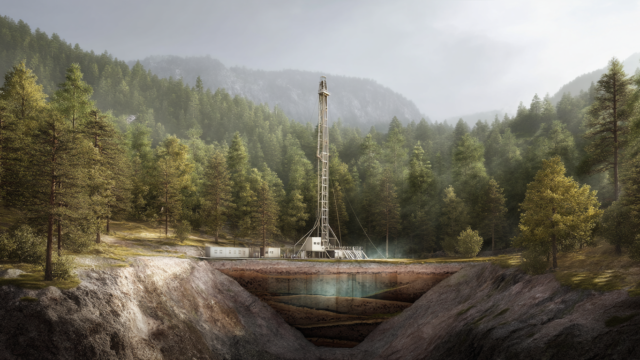
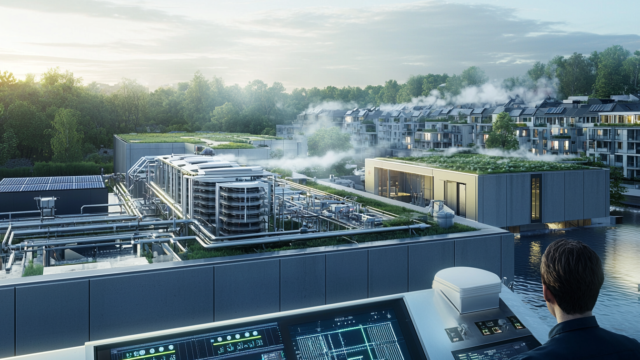
    Energie Wasser Bern is planning to expand its existing network of heating networks in the municipality of Köniz. The two new thermal networks in the Köniz districts of Niederwangen and Wabern near Bern will also supply parts of the city of Bern with climate-friendly heat. The conditions for realisation are currently being examined. A final decision on realisation is expected to be made next year, ewb announced in a press release.

    The new Niederwangen heating network will be supplied by the existing ewb Forsthaus and Rehhag energy centres in Bern. Independent heat generation using energy from surplus water is planned for the Bern-Wabern heating network. The expansion of the climate-friendly heat supply supports the plans of the city of Bern and the municipality of Köniz to reduce their own greenhouse gas emissions to net zero by 2045 at the latest.

    The Bernese energy supplier is assuming operational and financial responsibility for the project. The municipality of Köniz is supporting the project by creating the best possible conditions. In particular, the municipal administration is responsible for coordinating construction and spatial planning activities and informing the residents of Köniz. A corresponding cooperation agreement is to be signed at the end of this year.

  • Helvetia places property fund on the stock exchange

    Helvetia places property fund on the stock exchange

    The Helvetia (CH) Swiss Property Fund was listed on the SIX Swiss Exchange on 25 June as planned, Helvetia Asset Management AG announced in a press release. The fund was included in the SXI Real Estate Broad and SXI Real Estate Funds Broad indices on the stock exchange. The successful placement brought the fund a total capitalisation of around CHF 890 million.

    The investment manager, which is part of the Helvetia Group, launched the fund, which focuses on high-quality residential property, in 2020. It currently has 46 properties in various locations, diversified in terms of age and tenant structure. Their market value totalled CHF 1.072 billion as at the end of March.

  • Free steel hall is ready for collection

    Free steel hall is ready for collection

    A steel hall in Bern that is no longer needed by the Beachcenter Bern is being given away, Luna Sonia Sagasser from öbu reports in a post on LinkedIn. The 29.2 metre wide and 32.4 metre long hall is located at Goumoënsstrasse 50 in Bern. It can be “collected free of charge and set up at another location”, writes Sagasser.

    The hall’s façade is made of sandwich elements from Montana Bausysteme, while the roof consists of an insulated sheet metal cassette from the same company. The room height varies between 6 and 8 metres. Other features mentioned in the article include two large doors, an internal steel structure with a gallery and a large skylight.

    Interested parties should contact the architect Michael Batt. A telephone number and e-mail address are given in the article.

  • Sustainable CO2 storage in the concrete plant

    Sustainable CO2 storage in the concrete plant

    The gravel and concrete plant of Ch. Gerster AG is the first company in Liechtenstein to offer the Neustark process for storing CO2. The CO2 is mineralised on site in Gerster’s concrete granulate called granulite, which in turn is obtained from demolition concrete. This granulate is also a component of Gerster’s Rainulit recycled concrete. “We are thus presenting a solution for reducing CO2 emissions in the construction industry,” says a statement from Gerster.

    In the plant developed by the Bern-based ClimateTech company Neustark, gaseous CO2 of biological origin reacts with lime produced during cement production. This mineralisation process produces limestone again. As the CO2 would only be released again at a temperature of over 700 degrees, it remains permanently bound in the limestone and is therefore permanently removed from the air. According to Neustark’s own press release, the Ch. Gerster AG plant can permanently store 100 tonnes of CO2 per year.

    Neustark now has 19 separation and storage plants, transforming the world’s largest waste stream – demolition concrete – and other mineral waste materials into carbon sinks. According to its own figures, the spin-off from the Swiss Federal Institute of Technology in Zurich(ETH) has so far permanently removed 1719 tonnes of CO2 from the air. Its goal is to reach 1 million tonnes by 2030.

  • Meyer Burger Modules honoured as top performer

    Meyer Burger Modules honoured as top performer

    PVEL has included Meyer Burger ‘s high-performance modules in the highest category of its current top performer list. This was announced by the independent North American laboratory for reliability and performance testing of solar modules on 5 June when it published its 10th Annual PV Module Reliability Scorecard.

    According to Meyer Burger, these tests relate to Meyer Burger’s current product portfolio and the utility module that will be manufactured at the Goodyear site in Arizona. These tests are carried out in seven different categories, including temperature and humidity effects, the impact of mechanical stress and hail and all relevant degradation mechanisms.

    Meyer Burger joined only eight other manufacturers on the list of those that received top marks in all seven categories. According to Meyer Burger, PVEL tests far beyond the usual IEC and UL standards.

    “We can be proud to have achieved such a good result in our very first participation in the PVEL test procedure,” Madlen Apel, Head of Product Management, is quoted as saying. “This success impressively reflects our quality awareness and our technological leadership in the industry and independently demonstrates the confidence in our products for all customers and investors.”

  • Reference interest rate remains unchanged

    Reference interest rate remains unchanged

    The reference interest rate will remain unchanged at 1.75 per cent in June, the Federal Office for Housing announced ina press release. The interest rate relevant to tenancy law for the whole of Switzerland has been at this level since the beginning of December 2023. This means that no new claims for rent reductions or increases can currently be made on the basis of the reference interest rate.

    The reference interest rate, which is graduated in quarters of a per cent, is calculated using the volume-weighted average interest rate for domestic mortgage receivables. As at the reporting date of 31 March, it stood at 1.72%, the same level as in the previous quarter. The reference interest rate, which is commercially rounded to 1.75 per cent, is only adjusted if the average interest rate falls below 1.63 per cent or rises above 1.87 per cent. The next announcement of the reference interest rate will be made on 2 September.

    Rents based on a reference interest rate of 2.0 per cent or higher are currently still entitled to a reduction. Conversely, landlords are entitled to an increase if the rent is based on a reference interest rate of 1.5 per cent or lower. This does not apply to rental agreements with indexed or graduated rents, rents for subsidised flats and turnover rents for commercial premises.

  • University of Bern makes Postgasse even greener

    University of Bern makes Postgasse even greener

    The University of Bern launched the project “The greenest alley in the world” in 2023 with a greening campaign in Postgasse. A second planting day took place on 25 May. “Our aim was and is to increase biodiversity, improve the urban climate locally and enhance the quality of life of residents with the minimum possible structural measures,” said Matthias Erb, initiator of the project and professor at the Institute of Plant Sciences at the University of Bern, in a press release.

    The project is supported by the City of Bern and partners from Bern’s business community, which means that the residents of Postgasse can design their neighbourhood largely free of charge. in 2023, eight trees, 23 small shrubs and over 300 seedlings were planted. This year, plants, soil and pots were delivered to Postgasse to continue the greening process. All residents were invited to take part in the gardening work. Boum, a spin-off company from the University of Bern, provided plant pots with an irrigation function.

    After planting in 2023, the Institute of Geography at the University of Bern carried out measurements that showed a localised drop in surface temperature. In order to have a noticeable impact on the air temperature, the greening would have to be significantly advanced, according to the press release. “I am confident that with further greening we can counteract the loss of biodiversity and, at least locally, the effects of extreme heat,” Adrian Métry, head of the project, is quoted as saying. A survey showed that 78 per cent of residents perceive the alley to be significantly greener after the first greening campaign, which improves the quality of life. According to the survey, a third of respondents had noticed a positive climate effect. 53 per cent said the project had prompted them to think about issues such as climate change and community. 94 per cent agreed to further greening with communal gardening.

  • Trinational S-Bahn: 33 new Flirt Evo France trains for the Basel area

    Trinational S-Bahn: 33 new Flirt Evo France trains for the Basel area

    New S-Bahn connections for the Basel area
    Every day, 60,000 people commute in the border triangle of Switzerland, France and Germany – including 30,000 commuters between Alsace and north-west Switzerland. Around 90 per cent of them currently use the car. This is set to change: From the end of 2030, a direct S-Bahn connection will be introduced between north-west Switzerland and Alsace. The aim is to get as many commuters as possible onto the railway, including the more than 6,000 employees in the EuroAirport catchment area and the approximately eight million air passengers a year.

    Introduction in stages
    The new cross-border S-Bahn lines will be introduced in stages:

    • From December 2030: Commissioning of the S2 (Olten-Basel-Mulhouse) and S4 (Laufen-Basel-St. Louis) lines every 30 minutes.
    • From 2034/35: Connection of EuroAirport to both lines, together with the French regional express line Strasbourg-Mulhouse-Basel (TER200) every 10 minutes between EuroAirport and Basel SBB.

    Procurement of the new trains
    SBB is procuring 33 Flirt Evo France trains from Stadler to operate the new railway service. These vehicles are characterised by two special features:

    • A standardised fleet:
      The trains can be used in both countries, which reduces complexity and increases operational flexibility. The vehicles can be efficiently coupled as single or multiple traction and replace the previous vehicles on the Mulhouse-Basel line (TEROmnibus).
    • Two systems:
      The trains are technically equipped to be authorised in Switzerland and France. They have two integrated traction current and railway safety systems to ensure smooth cross-border operation.

    Investment and project management
    The investment for the procurement of the 33 trains amounts to around 320 million Swiss francs. SBB and SNCF Voyageurs jointly founded EuroBasilea AG in July 2023 to ensure efficient preparation and timely commissioning of the new service. Further information is available at www.eurobasilea.com

  • Importance of the property sector for the Swiss economy

    Importance of the property sector for the Swiss economy

    The Federal Office for Housing emphasises the great importance of the real estate sector as an economic force for Switzerland, as detailed in a press release. It puts the real estate industry’s share of gross domestic product (GDP) at 11 per cent. Including rental income and owner-occupied rents from private households, the figure is 16 per cent. A total of 592,000 people, or 14 per cent of all employees, work in the real estate sector.

    In addition, real estate-related gross value added grew by 23 per cent between 2011 and 2021, with overall economic growth of 17 per cent.

    The property stock increased from 2.66 to 2.82 million buildings. Of these, 1 million are single-family homes, which would have increased the share by 6.1 per cent. Multi-family houses increased by 15.5 per cent. The cantons of Bern, Zurich and Aargau saw the largest increase in property. There were also regional differences in terms of value creation. The share of property-related gross value added in cantonal GDP varied between 8 per cent in the canton of Basel-Stadt and 22 per cent in the canton of Glarus.

    The report also provides information on the property sector’s share of total tax revenue. According to the report, around CHF 17.4 billion in tax revenue is generated in the property sector. This corresponds to 11 per cent of the national fiscal revenue.

    The report is based on figures from a survey conducted by pom+ on behalf of the Federal Office for Housing (BWO) and the Swiss Homeowners’ Association(HEV).

  • Company secures CHF 3 million for compressed air energy storage system

    Company secures CHF 3 million for compressed air energy storage system

    Green-Y Energy AG has successfully completed a financing round led by Swiss capital Global Impact Fund AG totalling CHF 3 million. The company, which specialises in compressed air energy storage and is based in Hasle near Burgdorf, intends to use the additional capital to further optimise its innovative storage technology and drive forward the marketing of the systems, CEO Rafik Barhoumi was quoted as saying in a press release. The solution is considered to be particularly sustainable as it uses compressed air to store photovoltaic electricity and also enables the supply of heating and cooling in buildings and processes.

    After a four-year development phase, a pilot system with a total capacity of 100 kilowatt hours was successfully launched in 2023, according to the press release. This can be used to optimise self-consumption in commercial areas. In residential and office buildings, the system could support space heating, water heating and cooling. Industrial companies could utilise the heat and cold generated in production processes.

    The system makes “economic and ecological sense if the storage of electrical energy is combined with the utilisation of heat or cold. This is why compressed air storage systems are particularly suitable for neighbourhoods, larger office buildings and industry,” says Christian Ochsenbein, an expert in storage technologies and head of the Swiss Battery Technology Center.

  • “Fischermätteli” first site with Minergie certificate

    “Fischermätteli” first site with Minergie certificate

    The innovative and long-term residential construction project Fischermätteli was successfully completed by Strüby Unternehmungen in autumn 2023 after a staggered construction period of around three and a half years. The ten apartment blocks with a total of 168 condominiums were built on a former commercial site in Burgdorf BE. Over 6600 m3 of Swiss wood was used in the construction, which serves as a natural CO2 reservoir and has an excellent ecological footprint thanks to the short transport routes.

    One hundred per cent of the energy requirements for the entire site are covered by renewable sources. The electricity comes from the PV systems on the roofs of the buildings, while the heat for heating and hot water comes from a heating centre that runs on Swiss pellets. The well thought-out mobility concept is based on electric mobility, car sharing, bicycles and public transport. A co-working space supports working from home and thus indirectly relieves traffic congestion. In addition, the environmental design based on the sponge city principle ensures natural and efficient cooling in summer and turns the project into a true biodiversity hotspot thanks to the wide variety of native plants.

    Label with high requirements
    In April 2024, the largest real estate project to date was awarded the coveted certificate by the Minergie association: the Minergie-Areal label, having already been awarded the Minergie-A-ECO label. The new standard, which has been in place since September 2023, is supported by various organisations such as the Minergie Association, the cantons, the business community and the Swiss Federal Office of Energy. The Minergie site is characterised by minimal energy consumption, minimised greenhouse gas emissions during construction and operation and maximum self-sufficiency with renewable energies. The buildings have particularly efficient heat insulation and controlled air exchange. In addition, the outdoor space of the Minergie site is designed in such a way that climate resilience and quality of stay are increased, for example through green planting and shading options. Another advantage of the Minergie site is the promotion of climate-friendly mobility.

    The development in Burgdorf BE sets new standards in timber construction for flats. With 168 owner-occupied flats in ten apartment blocks, it is the largest construction project of its kind to combine Swiss timber and the Minergie-A-ECO standard. Sustainability aspects were at the centre of the project right from the start, which earned it the first Minergie-Areal certificate for a completed project.

    Thanks to the elegant timber façades, the ensemble blends in perfectly with its natural surroundings. The clearly defined meeting and play zones with village charm promote relationships between the residents. At the same time, the architecture ensures privacy and creates living spaces with ideal air, light and sound characteristics. Community-enhancing elements such as a spacious communal pavilion and the professional home office zone “fm produktiv” round off the offer.

    The flats offer 2.5 to 5.5 rooms and are designed for singles, couples and families of all ages. The floor plans are flexibly designed so that they can be adapted to future needs. From the ground floor upwards, the building was constructed using timber elements.

    The energy supply is consistently based on renewable sources. The electricity for the approximately 400 residents comes from the PV systems on the roofs of the apartment blocks (700 MWh/year). Heat is generated in a heating centre using Swiss wood pellets.

    The mobility concept focuses on cycling, public transport, electric vehicles and car sharing. Bicycle stands, charging stations, repair and cleaning areas are available. Residents can also use one of the two electric cars from the neighbourhood’s own car-sharing scheme via an app or conveniently use the bus, which runs every half hour from the neighbourhood to Burgdorf. Demand for the condominiums and rental flats was very high right from the start. All 168 flats were sold or rented months before completion. The fair sales and rental prices certainly contributed to the great success, e.g. a flat with 4.5 rooms was already available from CHF 610,000 (minus Minergie subsidies from the Canton of Berne).

  • CO2 removal in building materials: CDR alliance grows

    CO2 removal in building materials: CDR alliance grows

    Over the next few years, NextGen CDR will purchase CO2 removed from the air and permanently stored in building materials (carbon dioxide removal, CDR) from the Bern-based company Neustark at 18 locations. The CDR alliance includes Mitsubishi, South Pole, UBS and SwissRe.Neustark will ensure the high-quality, permanent removal of CO2 from the atmosphere for NextGen CDR in the coming years. The two companies have signed a multi-year agreement to this effect, according to a press release.

    The CO2 will be removed by Neustark at its sites in Switzerland, Germany, Liechtenstein, France, the UK and other European countries. The Bern-based ClimateTech company has developed an innovative process that captures biogenic CO2 at source.

    “We turned the world’s largest waste stream – demolition concrete – and other mineral waste materials into carbon sinks,” explains Neustark’s Head of CDR, Lisa Braune. “Partnering with carbon removal pioneers like NextGen is critical to scaling the impact of the CDR industry.”

    According to NextGen, NextGen has already removed 1500 tonnes of CO2. With 120,000 tonnes of high-quality carbon removal sold to various organisations, Neustark is among the top 10 worldwide.

    According to NextGen GDR, the alliance was “developed specifically for corporate buyers committed to Net Zero targets. It makes durable, high-quality CDRs accessible at a target price of $200 per tonne.” NextGen CDR is operated by Zurich-based climate consultancy South Pole and Mitsubishi Corporation, and supported by founding buyers Boston Consulting Group, Liechtenstein-based LGT Group, Tokyo-based shipping company Mitsui O.S.K. Lines, Zurich-based reinsurer Swiss Re and major bank UBS. NextGen CDR plans to purchase a total of 1 million tonnes of CDR by 2025.

  • Ground-breaking ceremony for Bern’s first PlusEnergy neighbourhood

    Ground-breaking ceremony for Bern’s first PlusEnergy neighbourhood

    Today’s ground-breaking ceremony symbolically marked the start of the PlusEnergy Aarerain neighbourhood in Worblaufen. Following an extensive development phase, preparations for the construction site began in September 2023.

    The new development will offer 189 flats for up to 400 residents. In addition to the flats, a daycare centre and studio spaces are also planned on the ground floors, which will enliven the neighbourhood square. The project’s slope path will provide barrier-free access to the Aare area and the municipality of Ittigen’s new leisure and water sports centre. “Good things come to those who wait,” is a well-known saying,” says a delighted Marco Rupp, President of the municipality. “The Aarerain project completes the reorganisation of the Aare area in Worblaufen and fits in perfectly with our sustainable basic ideas of urban development.”

    PlusEnergy neighbourhood produces energy surplus
    Over the course of the year, the new housing estate will produce more energy than it consumes in accordance with the PlusEnergy neighbourhood energy standard based on weighted criteria. This will be achieved through the consistent use of photovoltaics on the roofs and façades of the six to eight-storey buildings. The PV panels on the façades will be realised in a green-blue colour and reflect the play of colours of the Aare and the surrounding area. Heat is generated by means of geothermal probes; the geothermal probes are regenerated in summer by cooling the flats via the underfloor heating.

    The “PlusEnergy neighbourhood” energy standard launched by the Swiss capital region promotes sustainable development in the building sector with a simple and clear definition, thereby contributing to the implementation of the Swiss government’s Energy Strategy 2050. The cantons and municipalities are working together with renowned infrastructure companies and investors. Cantonal Councillor Christoph Ammann adds: “PlusEnergy neighbourhoods enable sustainable development – without compromising on living comfort. I am delighted when such flagship projects shine beyond the capital region.”

    Close to nature and sustainable
    However, the development will not only score points in terms of its positive energy balance. The sustainable project is characterised by attractive flat layouts, a natural living environment with a view of the Aare and the greatest possible preservation of the green spaces on the banks of the Aare. Keeping the green spaces free is made possible by the compact construction of the site in the eastern part of the plot. Thanks to this skilful urban planning in the sense of economical use of the land, a good half of the plot remains undeveloped and natural. The car-free neighbourhood square between the buildings offers a high quality of stay and counteracts overheating in summer with its differentiated paving and greenery.

    The symbolic ground-breaking ceremony on 9 April 2024 marked the official start of the development of the Aarerain PlusEnergy district in Worblaufen, a project by Losinger Marazzi in collaboration with the CPV/CAP Coop pension fund and the municipality of Ittigen. The architecture was designed by Fischer Architekten AG. This ultra-modern residential development is scheduled for completion at the end of 2026 and will not only offer 189 flats, but also communal facilities such as a daycare centre and studios to enliven the neighbourhood.

  • New construction of the Witzwil regional prison

    New construction of the Witzwil regional prison

    The plans to modernise the prison infrastructure in the canton of Bern are taking shape. The new building is to be financed with a total budget of CHF 13.5 million, which the cantonal government has now submitted to the cantonal parliament. This step is part of a comprehensive strategy to modernise the prison system, which is set out in the Canton of Berne’s master plan.

    CHF 12 million has been earmarked for the competition to ensure the best possible realisation of the new building project. The need for this new building arises from the condition of the existing Biel/Bienne regional prison and the requirement to provide adequate support for the closed prison system. The clarifications on prison space requirements and operating costs requested by the Grand Council in advance have now been provided, which means that the project is based on solid data.

    In addition, the realisation of the new building requires the relocation of a number of agricultural buildings that are essential for prison operations in Witzwil. In order to avoid expensive interim solutions, it is proposed to construct these buildings from scratch, for which an additional CHF 1.5 million has been budgeted.

    The vote on these financing proposals is scheduled for the 2024 summer session of the Grand Council. The approval of these loans will not only advance the urgently needed modernisation of correctional facilities in the Canton of Bern, but also ensure an efficient and sustainable solution for the accommodation of offenders.

  • IWB to decommission distribution network for natural gas by 2037

    IWB to decommission distribution network for natural gas by 2037

    The canton of Basel-Stadt has decided to phase out fossil fuel heating by 2037. IWB currently supplies just under 11,000 properties in Basel, Bettingen and Riehen with natural gas. Of these, 9,000 use natural gas for heating.

    According to an IWB statement, 5800 properties can be connected to an existing or planned district heating network. For the remaining properties, alternatives must be sought. These could be heat pumps or pellet heating.

    About 2000 properties use natural gas for cooking. Therefore, about 14,000 gas cookers must be converted to electric cookers.

    IWB wants to decommission its natural gas network gradually, basically at the end of the respective service life. The first shutdowns are planned for 2026 and 2027. After that, around 1000 connections are to be taken off the grid each year.

    The canton supports the changeover to heat pumps, wood heating systems or heating networks with subsidies. For gas systems that have not yet been amortised, it also pays compensation for residual values. The canton expects to pay a maximum of 80.4 million francs for such compensation and bridging solutions.

  • Spatial planning moderates real estate market

    Spatial planning moderates real estate market

    The Federal Office of Housing(BWO) and the cantonal planners of the Zurich metropolitan area commissioned the Center for Regional Economic Development of the University of Bern, in cooperation with IAZI, to investigate the contribution of spatial planning to rising housing costs. According to the results of the study, spatial planning plays a moderating role in the real estate market. It has an impact on construction activity and thus influences housing costs, writes the BWO in a statement on the study.

    By limiting the availability of building land and zoning capacities, spatial planning controls how flexibly the supply can adapt to the development of demand for housing. Too strict spatial planning can lead to higher housing costs in the long term, the authors of the study state. At the same time, however, spatial planning also has the task of protecting the landscape and limiting urban sprawl.

    The study identifies inner development as a solution to this dilemma. It offers an instrument “that makes it possible both to protect the landscape and to increase the supply of living space”. Another instrument proposed by the study is rezoning, i.e. the expansion of possible uses in a building zone. In addition, “lengthy approval and appeal procedures are described as driving up housing costs”.

    From 3 to 7 November, the Swiss Housing Days 2023 will take place in Biel BE. On 6 November, the programme will include a discussion by experts on the question of internal development that leads to more affordable housing.

  • Neustark expands into the EU

    Neustark expands into the EU

    Neustark has opened a commercial plant for the permanent storage of CO2 in demolition concrete together with the construction and recycling company Heim. In the plant, more than 1000 tonnes of biogenic CO2 can be removed from the atmosphere and bound annually, informs the Bern-based ClimateTech company in a statement. The CO2 mineralised in demolition concrete comes mainly from MVV’s biowaste fermentation plant in Dresden-Klotzsche.

    “According to the Intergovernmental Panel on Climate Change, negative emissions are indispensable in order to achieve our net zero targets,” Johannes Tiefenthaler, founder and co-CEO of neustark, is quoted as saying in the press release. The young Bernese company has developed a method for this, in which demolition concrete is transformed into a corresponding sink for CO2 emissions. “New also in Germany, which is a big step for neustark, but above all for the entire CO2 removal market,” Tiefenthaler says.

    In neustark’s technology, CO2 is converted into limestone, which is bound to the pores and surface of the concrete granulate. The granulate carbonated in this way can then be used in road construction or for the production of recycled concrete. In the twelve large-scale plants currently operated by neustark in Switzerland and Germany, around 5000 tonnes of CO2 are bound each year.

    Neustark has set itself the goal of expanding its annual capacity to 1 million tonnes of CO2 by 2030. To this end, 15 additional plants are planned in the DACH region and in France. Another major step is the adoption of the technology in Holcim‘s recycling plants.

  • BKW acquires Darmstadt architecture firm

    BKW acquires Darmstadt architecture firm

    The Bern-based BKW Group intends to significantly expand its presence in southwest Germany. This is according to a media release in which BKW announces the acquisition of the architecture and urban planning firm Planquadrat Elfers Geskes Krämer und Partner GmbH. Planquadrat, with 160 employees, is one of the larger architectural firms in the Rhine-Main region. The Darmstadt-based company specialises in residential construction, administrative building and hotel construction as well as logistics and the construction of laboratory buildings. The broad range of services also includes an independent department for urban planning.

    Planquadrat is involved in both public and private tenders. Founded in 1993 by the three namesakes, the architectural firm has since associated two further partners. The company has a stable, wide-ranging and long-term clientele, which is now being integrated into BKW’s portfolio. Planquadrat’s broad range of services strengthens the BKW engineering network in all service phases of object planning, especially for general planning projects, the statement says.

  • Soobr wins Purus Innovation Award at CMS Berlin

    Soobr wins Purus Innovation Award at CMS Berlin

    Soobr has received the Purus Innovation Award 2023 in the Digital Tools and Systems category. The technology company from the canton of Bern was honored by CMS Berlin, the leading international trade fair for the cleaning industry, for its artificial intelligence-based smart cleaning platform. It enables optimized and dynamic planning of building cleaning and also ensures transparency with a digital bill of quantities, Soobr quoted the jury as saying in a statement. Soobr also spread the victory news on LinkedIn. The company remains true to its mission of driving innovation and providing excellent solutions, it said there.

    All 18 final-round competition entries were on display in a special show at CMS Berlin, Sept. 23-26. According to CMS, the Award for Innovation Achievement in the Cleaning Industry recognizes products, tools and systems that impress with their high application quality and superior overall design.

    According to the release, Soobr Smart Cleaning replaces inefficient, rigid cleaning schedules with flexible deployment plans. Thanks to data evaluation based on artificial intelligence, cleaning is only carried out where it is really necessary. This saves water, chemicals, plastic and money. This allows companies to respond to fluctuations in building occupancy rates, for example. The cleaning staff receive their deployment plans via an app.

    Soobr was founded in Ittigen in 2020. The company maintains a subsidiary in Hamburg.

  • Ypsomed builds conference and cultural centre in Solothurn

    Ypsomed builds conference and cultural centre in Solothurn

    Ypsomed is investing around CHF 15 million in Solothurn. The funds will be used to set up a conference and cultural centre opposite the new main entrance to Ypsomed’s company building. The medtech with headquarters in Burgdorf has entrusted the Solothurn office of phalt Architekten AG with the planning and implementation of the project.

    “We have created over 400 new jobs in Solothurn in the last ten years and want to continue to grow,” Ypsomed CEO Simon Michel is quoted as saying in a statement from his address when the plans were announced. “We are also investing here because we are receiving optimal support from the city.” With the Forum, the company wants to “give something back to the city and the people of Solothurn”, Michel said. The planned Ypsomed Centre can be rented for public events and occasions.

    The new building is designed as a five-storey building with a two-storey parking deck. A reception and an auditorium are planned for public events. In addition, Ypsomed wants to have the area between the centre and its own company building landscaped and turned into a meeting zone.

    At the event to announce the plans, City President Stefanie Ingold pointed out the upgrading of the district through the conference and cultural centre. Ypsomed has established a knowledge location in Solothurn, Ingold was quoted as saying in the press release. The globally active Bern-based medtech specialises in infusion and injection systems for liquid medicines.

  • Mobiliar invests in heat reduction in Bern neighbourhood

    Mobiliar invests in heat reduction in Bern neighbourhood

    Mobiliar is contributing CHF 450,000 to a climate adaptation and upgrading project in the Breitenrain district of Bern. According to climate measurements by the University of Bern, this neighbourhood is hotter than average. According to a statement by the insurance company, the municipal council has approved a loan of 1.3 million francs for a corresponding redesign of Optingenstrasse. “With Mobiliar’s financial contribution, we can do more on Optingenstrasse than if the city had to finance the project alone,” municipal councillor Marieke Kruit is quoted as saying.

    The plan is to plant 20 trees to combat heat accumulation and to unseal street and parking areas so that rainwater can seep away and cool the air through evaporation. To further enhance the neighbourhood, green or marl areas are to be created with bicycle stands or seating. The city is carrying out these climate adaptations as part of the renovation work of the energy supplier Energie Wasser Bern, which is planned for 2024 anyway.

    “Our approach to natural hazards is not limited to paying for damage – we are also increasingly involved in prevention,” Thomas Trachsler of Mobiliar is quoted as saying. Belinda Walther Weger, Head of Public Affairs & Sustainability at the insurance company, emphasises that sponge city projects go beyond mere hazard prevention: “They help to ensure that the quality of life in densely populated areas remains high.” For this reason, Mobiliar from the cooperative will participate in further sponge city projects in Swiss cities as part of its support for climate protection projects. “With our commitment, we want to make an important contribution to a sustainable and positive future.”

  • Helion Energy and Meyer Burger enter into partnership

    Helion Energy and Meyer Burger enter into partnership

    Photovoltaic manufacturer Meyer Burger has agreed a strategic partnership with Helion Energy, a provider of complete solar energy solutions and AMAG subsidiary. According to a media release, the AMAG Group will give preference to Meyer Burger solar modules for all its own photovoltaic plants yet to be built. As part of its climate strategy, the AMAG Group will build around 75,000 square metres of solar plants at its own locations by 2025.

    Helion Energy and Meyer Burger Technology are committed to rebuilding the photovoltaic value chain in Switzerland as part of the strategic partnership, the statement added. Currently, Switzerland imports more than 90 percent of its solar modules from Asian countries.

    “Meyer Burger high-performance modules offer a number of advantages for customers: they are developed in Switzerland and sustainably produced in Germany,” Helion CEO Noah Heynen is quoted as saying. The modules show lower performance losses over the years and higher yields in all seasons due to better temperature coefficients and low-light behaviour. They are designed to last more than 30 years and come with an industry-leading warranty of at least 25 years, he said.

    According to CEO Gunter Erfurt, Meyer Burger is in the process of “massively expanding” its production for solar cells and modules. The Swiss solar modules have a technological advantage over the Asian competition and generate significantly higher yields over the entire lifetime.

  • Parliament decides on solar obligation for large new buildings

    Parliament decides on solar obligation for large new buildings

    The National Council voted 98 to 95 in favour of making solar energy compulsory for new buildings with a roof and façade area of more than 300 square metres. It thus followed a minority vote of its Committee for the Environment, Spatial Planning and Energy, the parliamentary services inform in a press release. An extension of the solar obligation to include conversions was rejected. The decision of the National Council corresponds to a decision already taken by the Council of States in the context of the discussions on the Energy Mantle Decree.

    However, the two chambers have not yet been able to reach an agreement on other points of the Energy Mantle Decree. Deviating from the Council of States, the National Council on Monday continued to support a solar obligation also for car parks above a certain size. With regard to the residual water regulations for hydroelectric power plants, the National Council voted for a stricter limitation of the exceptions than the Council of States. However, there is agreement on the planning of hydropower plants whose residual flow would run through a protected area of national importance. Such projects should not be excluded from the outset.

    The federal law on a secure electricity supply with renewable energies, known as the Energy Coat Decree, serves to implement the energy turnaround. In order to avert the danger of a shortage of electricity as quickly as possible, the Energy Decree should be passed by the councils this autumn, if possible, according to a statement by Energy Minister Albert Rösti. After the National Council’s vote, the bill now goes back to the Council of States.

  • Second home prices soar

    Second home prices soar

    In a press release , the major Zurich bank UBS informed about an increase in the price of holiday apartments in the Alpine region. With a price increase of almost 10 percent, residential real estate has reached its highest level in the past twelve years. Arosa GR, Engelberg OW, Flims/Laax GR and the Jungfrau Region, where prices have risen by 15 percent, are most affected.

    Based on the findings of the Alpine Property Focus study, UBS explains the price increase, among other things, with a decline in supply and increasing demand. As a result of the corona pandemic, working from anywhere has become attractive. Many working people have moved their desk and primary residence to the holiday regions.

    Furthermore, held back sales have led to the tense supply situation on the residential real estate market. According to this, many owners would have refrained from a planned sale of the holiday apartment because of their own needs for their home office.

    The Second Homes Act, which has been in force since 2012, has also had an unfavorable effect, ordering a de facto freeze on the construction of second homes in tourist regions. However, the stable value of residential real estate is said to be unaffected by the lack of new housing construction.

    As a result of the high capital costs when buying a holiday home and rising interest rates at the same time, the demand for holiday homes is likely to fall again, according to experts. The real estate economist at UBS, Maciej Skocz, quoted in the study, also includes the increased energy costs and expects “a good third higher usage costs” for an “average holiday home” for 2023 compared to the “beginning of the second home boom in 2020”. In the medium term, the expected increase in the supply of second homes will regulate the current price explosion again.

  • Housing estate receives self-sufficient lighting

    Housing estate receives self-sufficient lighting

    The outdoor lighting in the Moosbühlstrasse housing estate in Moosseedorf near Bern is no longer dependent on the power grid, BKW said in a statement . The Bernese energy and infrastructure company has installed 27 solar-powered LED lights here, which throw sufficient light onto stairs and into house entrances, but emit as little light as possible that is irritating to people and the environment. With the project, which is financially supported by the municipality , BKW is “for the first time equipping an entire settlement with sustainable solar lights,” project manager Simon Jakob from BKW is quoted as saying in the press release.

    The innovative lighting has a whole range of advantages over conventional outdoor lighting, as explained in more detail in the press release. Not only can the lamps be operated independently of the mains supply, but there is also no need to pull cables when setting up and replacing them. The solar panels attached to all four sides of the lamp posts generate enough energy to operate the lights even on dark winter days. Motion-dependent control also helps to save energy. "The trend towards as little light as necessary and the population's greater environmental awareness makes solar outdoor lighting interesting for residents and owners," says Jakob.

  • Decision for the paper mill center in Ittigen

    Decision for the paper mill center in Ittigen

    Kick-off for the paper mill hub
    The “Zentrum Papiermühle” site is centrally located in the district of Papiermühle in the municipality of Ittigen, near the S-Bahn station of the same name. It stretches along Worblentalstrasse and connects directly to the intersection of Papiermühlestrasse, Grauholzstrasse and Worblentalstrasse.

    For the development of the area, an urban planning solution (use, development, development) was already worked out in 2014. Based on this, the planning instruments relevant for the area were then adapted, namely the “ESP Ittigen-Paper Mill” structure plan, the zoning plan, the building regulations and the associated building regulations. With the award of the study contract, the intention was to obtain a solution for the area that was convincing in terms of local planning, architecture and function through a qualified competition procedure involving the municipality of Ittigen.

    Five planning teams, consisting of architects, landscape architects and civil engineers, were invited to the study assignment. The project contributions were evaluated by the assessment committee chaired by Michael Geschwentner (Steib Gmür Geschwentner Kyburz Partner AG Architekten & Stadtplaner) with regard to the fulfillment of the objectives and numerous criteria such as urban development, architecture, open space, development, design, use, profitability and sustainability. Of particular importance were also qualitative and convincing apartment floor plans.

    Appreciation of the winning project
    In the opinion of the assessment committee, the project contribution by E2A Piet Eckert and Wim Eckert Architekten AG is characterized by a clever urban planning setting that gives the place a strong identity, with exciting spatial qualities and the desired degree of publicity. The project was unanimously recommended for further processing.

    Based on a precise analysis of the urban planning context, the architects developed a volumetric arrangement of high-rise and long building that creates a well-proportioned, all-round square that accommodates the different prevailing height situations and achieves a clear address for commercial and residential areas.

    The extra-high ground floor gives the high-rise a self-confident appearance and cleverly addresses the terrain offset in the interior. In interaction with the ground floor, the newly created square unfolds a strong public that has the potential to activate and enliven the place. The longitudinal building also benefits from the free space at the rear. The filigree appearance of the high-rise is combined with the delicate wooden construction of the longitudinal building and leads to a harmonious relationship between the two buildings.

  • Bern University of Applied Sciences is working on heavy-duty wooden bridges

    Bern University of Applied Sciences is working on heavy-duty wooden bridges

    The infrastructure construction with its high proportion of reinforced concrete is one of the largest emitters of CO2 in Switzerland, explains the Bern University of Applied Sciences ( BFH ) in a statement . BFH researchers at the Institute for Timber Structures, Structures and Architecture , together with TS3 and other business partners, have developed a research strategy for the use of wood in infrastructure construction. A feasibility study for heavy-duty bridges made of wood is currently being carried out under the direction of BFH professor Steffen Franke.

    A first working model has already been created as part of the study, which will run until summer 2023. The bridge element has been on display in the inner courtyard of the BFH site in Biel since May 9th. The BFH explained in the statement that it was designed for a bridge running perpendicular to the axis. With it, for example, a cantonal road can be routed over a six-lane motorway. Industrial partner TS3 has contributed its technology for the wooden bridge, which is designed for a payload of 40 tons, with which the individual plates of the elements can be connected in a rigid manner.

  • Housing estate receives self-sufficient lighting

    Housing estate receives self-sufficient lighting

    The outdoor lighting in the Moosbühlstrasse housing estate in Moosseedorf near Bern is no longer dependent on the power grid, BKW said in a statement . The Bernese energy and infrastructure company has installed 27 solar-powered LED lights here, which throw sufficient light onto stairs and into house entrances, but emit as little light as possible that is irritating to people and the environment. With the project, which is financially supported by the municipality , BKW is “for the first time equipping an entire settlement with sustainable solar lights,” project manager Simon Jakob from BKW is quoted as saying in the press release.

    The innovative lighting has a whole range of advantages over conventional outdoor lighting, as explained in more detail in the press release. Not only can the lamps be operated independently of the mains supply, but there is also no need to pull cables when setting up and replacing them. The solar panels attached to all four sides of the lamp posts generate enough energy to operate the lights even on dark winter days. Motion-dependent control also helps to save energy. “The trend towards as little light as necessary and the population’s greater environmental awareness make solar outdoor lighting interesting for residents and owners,” says Jakob.

  • Power Integrations opens new plant in Biel

    Power Integrations opens new plant in Biel

    Power Integrations , a company specializing in power electronics, has opened a new plant in Biel. This covers around 4600 square meters and also houses offices and laboratories. The Biel-based operation specializes in so-called gate drivers for high-power applications such as solar and wind energy, electric locomotives and efficient DC transmission lines. In addition to production, the location is also used for the development of prototypes. In total, around 60 engineers and other technology experts are employed.

    Power Integrations has reportedly invested around $20 million in the Biel site. The facility was planned and built by the Biel architects GLS Architekten . A photovoltaic system with an output of 25 kilowatts is located on the roof.

    Power Integrations’ presence in Switzerland dates back to the acquisition of Biel-based CT-Concept Technologie AG in 2012. Headquartered in San Jose, Power Integrations employs around 770 people worldwide.

    “We are excited to open our new, permanent headquarters in Biel, bringing together all of our local employees under one roof and giving us ample room for the growth we expect in the years to come,” said Balu Balakrishnan, CEO of Power Integrations , quoted in the communication.

    Biel’s Mayor Erich Fehr (SP) welcomes the investment. “The fact that such an innovative and fast-growing company has settled here speaks for the attractiveness of our city and our region as a business location,” he says.

  • A lighthouse at the gateway to Bern

    A lighthouse at the gateway to Bern

    Das neue Gewerbe- und Dienstleistungsgebäude am östlichen Tor zur Stadt Bern soll durch verschiedenste Nutzungen an Lebendigkeit gewinnen. Neben konventionellen Büroräumlichkeiten, flexibel buchbaren Büroräumen für Kleinmietende und Start-ups sowie einem zukunftsorientierten Gastronomie- und Eventbereich sind auch Gewerbeflächen für die Nutzung im Gesundheitsbereich möglich.

    BERN 131 wurde als Multispace konzipiert, wodurch grösstmögliche Flexibilität in der Innenraumgestaltung besteht. Multispace ist ein modulares Raumkonzept mit offenen Bürostrukturen und verschiedenen Sonderflächen – etwa für den Austausch, Pausen oder Rückzugsmöglichkeiten. Diese Raumvielfalt macht Multispace attraktiv und eignet sich gut für die neue, individualisierte Arbeitswelt. Gespräche mit verschiedenen Mietinteressierten sind im Gange.
    Die Architektur und die geschickte Planung von BERN 131 garantieren eine hohe Qualität des Arbeitsumfelds trotz der exponierten Lage. Der geplante Neubau profitiert von einer hohen Sichtbarkeit und der unmittelbaren Nachbarschaft zur Wankdorf City. In diesem jungen und aufstrebenden Stadtquartier sind zwei von drei Bauetappen abgeschlossen. Die SBB, die Schweizerische Post und andere Grossfirmen haben hier neue Hauptsitze bezogen. Rund um BERN 131 gibt es ausserdem verschiedene Gastronomie-Angebote, Supermärkte und Business-Unterkünfte. Der Bahnhof Wankdorf ist in rund fünf Gehminuten, diverse Autobahnanschlüsse sind in zwei Fahrminuten erreichbar.

    Das Gebäude in der Form eines Kreisbogendreiecks wird sechs Etagen haben. Die einzelnen Etagen können durch die drei Erschliessungskerne und einen Ring, der sich um das begrünte Atrium legt, erschlossen werden. Die Geschossflächen können flexibel auf verschiedenste Flächenbedürfnisse aufgeteilt werden. Das Gebäude wird grösstenteils in Skelettbauweise mit Holzstützen, Holzunterzügen und Holzhybridecken errichtet. Bei der horizontalen Aussteifung des Gebäudes setzt man auf Erschliessungskerne in Massivbauweise.

    Photovoltaik-Anlagen an der Fassade und auf dem Dach, Energieerzeugung über Erdwärmesonden, ein innovatives Lüftungskonzept mit Wärmerückgewinnung sowie die Nutzung von Regenwasser tragen zur Nachhaltigkeit und Energieeffizienz bei. Die Verwendung von Holz und Holzwerkstoffen schafft zudem eine schöne Raumqualität und ein angenehmes Raumklima.

    Mit seiner Architektur, seiner ausgewogenen Betriebsenergiebilanz sowie zahlreichen gebäudetechnischen Innovationen soll das Gebäude ein Vorzeige- und Leuchtturmprojekt in Sachen Nachhaltigkeit und Ingenieurskunst werden.

    Die Baueingabe erfolgte Mitte Mai 2021; die rechtskräftige Baubewilligung wird zeitnah erwartet. Der Baustart ist auf das zweite Quartal 2022 geplant. Im dritten Quartal 2024 soll BERN 131 bezugsbereit sein.