Category: Mobility

  • Renovation of the airport runway takes place during ongoing flight operations

    Renovation of the airport runway takes place during ongoing flight operations

    Walo Bertschinger AG, based in Dietikon, is participating in the renovation of the main runway at EuroAirport Basel-Mulhouse together with its partner TRBA from Péruwelz in Belgium. The large-scale project involves the dismantling and restoration of parts of the runway, according to a Facebook post.

    The work is being carried out at high intensity. Within 29 hours, 38,000 square metres of runway were dismantled. Over 15,000 cubic metres of concrete had to be demolished and replaced. At the same time, 500 people are working on the project at peak times. The work is being carried out in parallel with flight operations on the secondary runway 07/25. According to the airport, flight movements with larger A319 and A320 aircraft, which normally use the main runway, will also take place there. Work has been underway since 15 April and will continue until 20 May 2026, with the new runway due to reopen on 21 May.

  • 10 million and then

    10 million and then

    On 14 June 2026, Switzerland will vote on the “No 10 million Switzerland!” initiative. It aims to keep the permanent resident population below 10 million in the long term and provides for additional measures from 9.5 million. The political focus is on immigration. However, the spatial effect could be much broader.

    After all, labour markets cannot simply be stopped at the national border. If companies continue to need skilled labour, but fewer people can or should live in Switzerland, the pressure on living and commuting areas close to the border will increase. This doesn’t just change statistics. It changes entire regions.

    The housing market is shifting
    The pattern has long been visible. In the Lake Geneva region, the labour market is growing strongly, while living space remains chronically scarce on the Swiss side. The result is an ever-increasing expansion of the metropolitan area towards France.

    The price difference explains the dynamic. In the canton of Geneva, asking rents recently stood at CHF 384 per square metre per year, while in France, which is close to the border, they were only CHF 190 to 260, depending on the location. The gap is even greater for residential property. In Geneva, asking prices are around 13,500 francs per square metre, in nearby France around 3,500 to 6,000 francs.

    When relief creates new burdens
    What is supposed to act as a brake for Switzerland can additionally fuel border regions. More cross-border commuters mean more demand for housing outside Switzerland, higher prices in neighbouring communities and growing pressure on schools, transport and municipal services. Voices from Haute-Savoie are already warning of precisely this.

    In terms of infrastructure, this is not a minor issue either. New transport services such as the Léman Express have made cross-border commuting much easier and triggered new development dynamics around the stops. The area is not growing any less. It is just growing differently.

    What this means for locations
    This is a tricky truth for location policy. Growth does not disappear just because you want to put a political cap on it. It seeks new paths via commuter axes, residential locations and functional economic areas.

  • Electric bus marks a new chapter in regional transport

    Electric bus marks a new chapter in regional transport

    STI Bus AG, based in Thun, has put its first electric bus into service. According to a press release, it has been operating in Grindelwald since 15 April.

    The company has thoroughly prepared its staff for the transition to electric mobility. Staff have been trained in the technical fundamentals, high-voltage systems and energy-efficient driving with electric buses. These training sessions are ongoing.

    STI Bus AG plans to put three more electric buses into service in Grindelwald and two in Thun before the end of this year. By November, all STI depots will also be equipped for depot charging. A further 16 electric buses will follow next year. By 2036, the entire fleet of over 100 regular service vehicles is set to be electrified.

    “The first electric bus is an important milestone – but above all a promise,” says Jürg Lehmann, Managing Director of STI Service AG and E-Mobility Project Manager, in the press release. The company promises employees, passengers and the region to “continue to develop mobility responsibly”.

    According to Patrick Fankhauser, the switch to electric mobility demonstrates how the company intends to shape the mobility of the future. “Electric mobility is a conscious investment in the environment and in the quality of life in our region for both current and future generations,” the Director of STI Holding AG is quoted as saying.

  • The city shapes the traffic and the traffic shapes the city

    The city shapes the traffic and the traffic shapes the city

    Researchers from ETH Zurich and the University of Wisconsin-Madison have correlated geoinformation data from 30 major cities worldwide with traffic congestion data. For the first time, they were able to demonstrate not just correlations, but genuine cause-and-effect relationships between urban changes and traffic flow. The study was published in April 2026 in the journal “Nature Communications”.

    Three factors, one traffic jam
    The research team led by first author Yatao Zhang distinguished three dimensions. The structure of the road network, the spatial form of the city and the function of individual areas, i.e. whether people live, shop or work there. Surprisingly, it is not only the road network that determines the flow of traffic. An urban sprawl structurally generates more traffic. The concentration of leisure activities in a neighborhood drives up weekend traffic. Mixed-use developments, on the other hand, bring living and working close together, shorten commuting distances and reduce the volume of traffic. “Traffic is created by what people do, not just by the existence of roads,” Zhang sums it up.

    Singapore versus Zurich
    An international comparison shows major differences. In Singapore, residential areas are clearly separated from the service center and structural changes have a direct impact on commuter flows. In Zurich, this link is much weaker because apartments are spread across the entire city and commutes are shorter and more diverse. Such differences can now be systematically measured and compared for the first time.

    What this means for planning
    ETH Professor Martin Raubal, who supervised the study, sees great potential for urban and transportation planning. The new method makes it possible to forecast how an intervention, such as the construction of a large shopping center, will affect traffic in the medium term. Cities could use it to better simulate measures before they are implemented. However, more in-depth detailed analyses are still needed before concrete recommendations can be made in Zurich or other cities.

    Data from open sources
    Open Street Map was the main source of data, supplemented by traffic congestion data from Here Technologies, which is updated every five minutes worldwide. For Los Angeles alone, the congestion values of over 18,000 road sections were included in the analysis. The fact that such a study is based on publicly accessible geodata makes the approach reproducible and scalable.

  • From the construction group to the top of the railway

    From the construction group to the top of the railway

    After twelve years on the Board of Directors, ten of them as Chairwoman, Monika Ribar leaves behind an institution that has changed. The term limit ended her commitment, not her will. Together with her, Vice-Chairman Pierre-Alain Urech, Georg Kasperkovitz and Clara Millard Dereudre are leaving the Board.

    A lateral entrant with a system
    André Wyss was born in 1967, completed an apprenticeship as a chemical technician, studied economics part-time and furthered his education at Harvard Business School. Before joining Implenia as CEO in 2018, he was responsible for around 40,000 employees at Novartis. He brings 40 years of management experience in the construction, property and pharmaceutical industries to his new role. He has already been a member of the SBB Board of Directors since August 2024, so the handover went smoothly.

    Construction meets rail
    What seems like an unusual career move at first glance makes sense on closer inspection. SBB is not only a railway operator, it is also one of the largest property owners in Switzerland. Wyss has first-hand knowledge of complex infrastructure projects, sustainable construction and the political framework conditions in Switzerland. This is precisely why the Federal Council saw him as the right candidate.

    Stable course, new impetus
    Wyss has clearly communicated what he wants: to further develop SBB as the modern and sustainable backbone of Switzerland, focussing on stability and innovation. For its part, SBB is pursuing the goal of being climate-neutral by 2030. This is precisely where Wyss and the new composition of the Board of Directors come in.

    Four new members strengthen the Board
    Four new members were elected to the Board of Directors at the same time as Wyss: Anna Barbara Remund, Dino Cauzza, Dominique Pierre Locher and Maria-Antonella Bino. They are intended to complement the Board professionally and bring new impetus without changing course. The Board of Directors was constituted directly after the Annual General Meeting in Berne.

  • Condensed, networked, liveable

    Condensed, networked, liveable

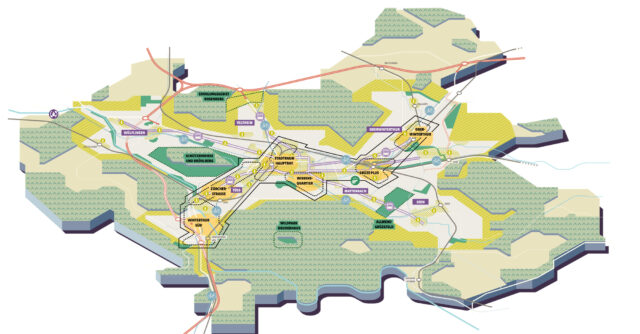
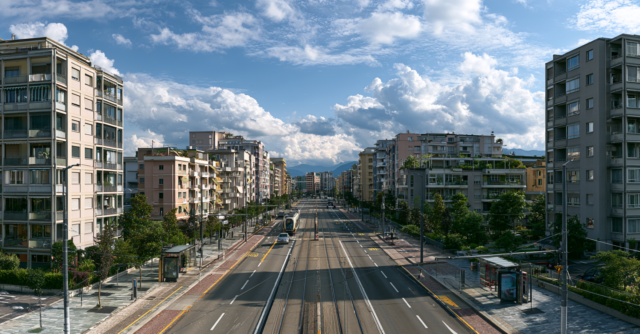
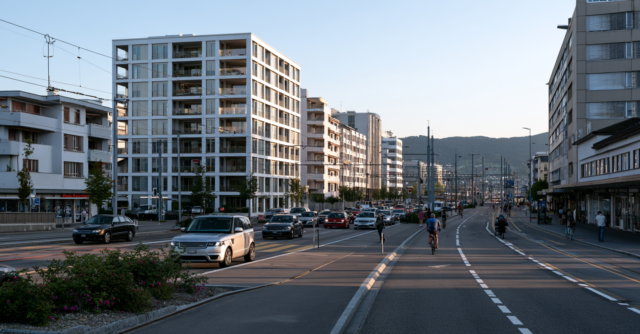
    Switzerland currently has over 9 million inhabitants and the population continues to grow. The pressure on the housing market is increasing, while building outside existing building zones has been severely restricted since the RPG revision of 2013. Cities and municipalities must develop inwards. According to Dita Leyh, Professor of Urban Development at the OST, there are sufficient reserves of space. Single-family home neighborhoods near train stations, brownfield sites or unused railroad areas offer great potential. A second revision of the RPG will further tighten the requirements.

    Densify where public transport is strong
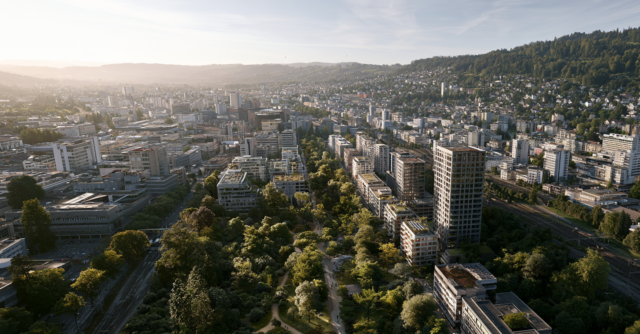
    Inner development at public transport hubs makes particular sense. “Inner densification makes particular sense at public transport hubs,” says Dita Leyh. This is because optimal connections to the bus and rail network create more living space, but not automatically more traffic. Another key lies in the reorganization of stationary traffic. Collective garages on the edge of the neighborhood bundle car traffic, leaving the interior of the neighborhood largely car-free and thus gaining open space for people and nature. “The more densely you build, the more open spaces you have to create at the same time,” says Leyh.

    Mix of uses as a quality feature
    Densification is far more than just stacking up apartments. A diverse mix of uses, from bakeries and restaurants to green spaces, revitalizes neighbourhoods and creates added value. High-quality, interdisciplinary planning is needed to create this added value. Urban planning, transport planning and open space planning must sit together at the table from the outset, emphasizes Leyh. The updated Spatial Concept Switzerland 2050, which was adopted by the Federal Council in March 2026, confirms this approach and focuses on regional cooperation, landscape quality and climate-friendly mobility.

  • How digital systems are reorganizing urban development

    How digital systems are reorganizing urban development

    Modern cities must simultaneously manage transportation, energy supply, housing, infrastructure, administration and climate adaptation. This is despite a growing population and increasingly scarce resources. Smart city approaches see the city as an ecosystem in which mobility, energy, buildings, climate and governance are interlinked. Sensors, data rooms and digital platforms create transparency, provide real-time information and improve the basis for long-term decisions. The decisive factor is not the digitalization of individual silos, but the interaction of systems.

    Switzerland in the top international group
    Zurich has held a top position in the IMD Smart City Index for years and once again leads the global rankings in 2025. Geneva and Lausanne are also in the top 10, underlining the strength of the Swiss approach with high data quality, well-developed infrastructure and a strong research landscape. At the same time, medium-sized cities such as St. Gallen, Winterthur and Lugano are developing their own smart city strategies, data platforms and pilot projects. Often with a focus on mobility, administration and energy.

    International role models and different approaches
    Singapore is regarded as a reference for integrated national digital strategies in which mobility, energy, administration and health are linked via data and platforms. Copenhagen combines smart city technologies with a consistent sustainability policy and low-emission mobility, while Helsinki scores with extensive open data approaches and digital administration. Cities such as Dubai, London and Amsterdam have different priorities. From large infrastructure programs to data-driven mobility and data-ethical governance. What they have in common, however, is a clear political will and long-term strategies.

    Governance, data and federal reality
    Smart city is only partly a question of technology. Without resilient data spaces, clarified responsibilities, data protection rules and transparent decision-making processes, projects remain piecemeal. In federal Switzerland, municipalities, cities, cantons and the federal government also have to coordinate their roles. For many municipalities, Smart City therefore primarily means process modernization, cross-departmental cooperation and a new understanding of urban development. UrbanTech and PropTech combine administration, real estate management, energy and mobility systems. The closer these systems are linked, the greater the leverage for sustainable urban development.

    Technology as a means, not an end
    The most successful smart cities in the world are not characterized by the number of sensors they have, but by the way they deal with complexity. They use technology in a targeted way to improve quality of life, resilience and efficiency. They embed digital solutions in social and ecological goals. Smart City is therefore less an IT project than an urban development project in which technology remains a tool. The decisive factor is how cities use data and digital systems to make smarter, more inclusive and more sustainable decisions.

    What exactly is a smart city?
    Smart city – precisely defined:

    A smart city is a city that uses digital technologies, data and networked systems to improve quality of life, sustainability, efficiency and participation. It integrates energy, mobility, buildings, administration and the environment into a common data and organizational model and uses this information to intelligently manage services, infrastructure and urban planning.
    The decisive factor is not the technology itself, but the ability to use it responsibly, safely and purposefully in the interests of the entire population.

    Smart cities promise efficiency, sustainability and better urban services. At the same time, they harbor risks that need to be carefully addressed. The following areas are particularly critical:
    Data protection and surveillance

    Sensors, cameras, mobility data and networked infrastructures generate huge amounts of data about the population’s behavior, movements and usage. Without clear rules, this can lead to a risk of surveillance, whether by the state or the private sector.

    The power of algorithms
    When data-based systems control decisions, for example in transport, administration or energy use, there is a risk of non-transparent or difficult-to-understand processes. A lack of explainability or unverifiable models can weaken public trust.

    Democratic control
    Smart city decisions are often made at the interface between the administration, technology providers and infrastructure operators. Critics warn that important urban development decisions could increasingly be influenced by technical systems or private companies.

    Social inequality
    Digitalization is expensive. Cities with fewer resources run the risk of falling behind. A “digital divide” can also emerge within a city. Between those who can use all services and those who remain excluded. Be it for financial, technical or social reasons.

    Complexity and dependency
    The smarter a city, the more dependent it is on digital systems, platforms and external technology partners. Outages, cyberattacks or technical disruptions can have significant consequences for infrastructure, security or supply.

    Lack of standards and governance
    Without clear governance models, isolated solutions, incompatible systems and unclear responsibilities arise. This can negate efficiency gains and make long-term investments more difficult.

    International smart city gadgets that have made headlines
    Smart lamp posts, networked street lamps (Barcelona, Los Angeles, London)
    Smart lanterns with sensors for traffic, noise, weather, air quality and parking lot detection.
    They caused a stir because they are disguised as harmless infrastructure but collect large amounts of data.
    – Symbol for “visible invisible” smart city technology.

    “Quayside Project” Sidewalk Labs sensor masts (Toronto)
    Alphabet/Google planned a district with a fully sensorized environment.
    Temperature, movement, mobility, waste, energy – everything was to be measured in real time.
    – Stopped after criticism of data protection. Discussed worldwide.

    “Lampposts-as-a-Platform” (Singapore)
    Singapore equipped lampposts with cameras, microphones and IoT modules as infrastructure for autonomous driving and safety systems.
    – Internationally renowned for AI-based monitoring and efficiency.

    Smart waste bins, solar-powered waste containers (Bigbelly, New York, Berlin, Vienna)
    Compact waste, report fill levels and sometimes serve as Wi-Fi hotspots.
    – Was in the headlines because some models were able to secretly collect data (“WLAN tracking”).

    Intelligent parking spaces, sensor parking spaces (San Francisco, Amsterdam)
    Ground sensors report free parking spaces in real time.
    – Known for the SFpark project, which measurably reduced traffic.

    Autonomous delivery robots (London, Tallinn, San Francisco)
    Robots that transport food and parcels.
    – Media excitement because they are considered “new road users” on the sidewalks.

    AI-based traffic lights (Hangzhou, Tel Aviv, Los Angeles)
    Cameras and AI control traffic lights dynamically, reducing congestion times by up to 30 %.
    – The “City Brain” system from Alibaba in Hangzhou has become particularly well known.

    Drone programs for rescue and logistics (Rwanda, Dubai, Zurich)
    Drones deliver medicines, defibrillators and medical supplies.
    – Known for Zipline (Rwanda) and medical drone logistics in Switzerland.

    Smart benches with charging function and sensors (Prague, New York, Dubai)
    Solar modules charge smartphones, integrated sensors measure environmental values.
    – Viral because they combine design, energy and technology.

    Holographic citizen information and AR maps (Seoul, Tokyo, Shanghai)
    Interactive AR displays for navigation, participation or administration.
    – The first prototypes were celebrated at trade fairs and shared globally.

    Sound Traffic Light, noise radar systems (Paris)
    Cameras and microphones measure vehicles that are too loud and automatically trigger fines.
    – Great media coverage due to privacy vs. noise abatement.

    Robot police and autonomous security vehicles (Dubai)
    Dubai was one of the first cities to present “Robocop”-like surveillance robots.
    – Global media topic, futuristic and controversial at the same time.

    Top 20 Smart Cities 2025 – International ranking

    1.Zurich (Switzerland)
    Outstanding combination of quality of life, digital administration, mobility and energy efficiency.

    2.Oslo (Norway)
    Leading in climate protection, autonomous mobility solutions and digital governance.

    3.Singapore (Singapore)
    Smart nation as a guiding principle of the state, fully integrated mobility & administration.

    4.Geneva (Switzerland)
    International governance, smart mobility management, high urban service quality.

    5.Copenhagen (Denmark)
    World leader in sustainable urban development and networked mobility planning.

    6.Lausanne (Switzerland)
    Strong research (EPFL), innovative urban planning, mobility and energy data spaces.

    7.Helsinki (Finland)
    Open data, digital administration and one of the highest transparency standards in the world.

    8.London (United Kingdom)
    Mobility data, AI pilot zones, sharing economy and world-leading GovTech scene.

    9.Abu Dhabi (UAE)
    Massive digitization of administration, smart mobility & automated infrastructure.

    10.Amsterdam (Netherlands)
    Pioneer in data ethics, circular economy and citizen-oriented smart city projects.

    11.Stockholm (Sweden)
    Strong IoT infrastructure, energy efficiency, digital access to public services.

    12.Seoul (South Korea)
    Smart governance, AI traffic light systems, highly connected city infrastructure.

    13.Dubai (UAE)
    One of the most technology-driven cities in the world: autonomous transportation, 3D printing, GovTech.

    14.Vienna (Austria)
    Excellent administration, smart living, social innovation and urban resilience.

    15.Barcelona (Spain)
    Urban sensor technology, mobility platforms, open data movement and civic tech.

    16.Prague (Czech Republic)
    Rise in Europe: smart mobility, digital administration, open data initiatives.

    17.Tokyo (Japan)
    Autonomous mobility, robotics, smart infrastructure on a megacity scale.

    18.Tallinn (Estonia)
    E-government world champion, blockchain-based administration, digital identity.

    19.Canberra (Australia)
    Digital administration and mobility systems at a very high level.

    20.Vancouver (Canada)
    Sustainable urban planning, smart mobility, strong tech and innovation scene.

  • Hydrogen can do a lot, but not everything

    Hydrogen can do a lot, but not everything

    The Fraunhofer ISI analyzed 774 individual statements as part of a meta-fact check and condensed them into 77 core statements. The result was not a new opinion paper, but a synthesis of the current state of knowledge. The result is nuanced, but the key points are unambiguous. Lead author Nils Bittner puts it in a nutshell: hydrogen can have an enormous impact where there are no equivalent alternatives. Where such alternatives do exist, its use costs valuable resources and time.

    The efficiency bottleneck
    The basic problem lies in physics. Green hydrogen is produced by electrolysis. Depending on the process, this requires around 50 to 60 kWh of electricity per kilogram. Compression, transportation and reconversion swallow up further energy. In the end, often only a fraction of the kilowatt hours originally used remain. Heat pumps and battery-powered vehicles therefore use the same electricity many times more efficiently.

    Where H₂ remains indispensable
    Nevertheless, there are areas in which hydrogen has no viable alternative. The steel industry needs it to reduce iron ore, the chemical industry as a raw material for ammonia and methanol. Aviation, shipping and heavy goods transport can hardly be directly electrified. Hydrogen is the fuel of choice here. There is also currently no comparable alternative for the seasonal long-term storage of energy over weeks and months. In Switzerland, this assessment is in line with the federal government’s hydrogen strategy, which envisages H₂ primarily for high-temperature process heat and transport sectors that are difficult to decarbonize.

    The chicken-and-egg problem is slowing down the ramp-up
    A functioning hydrogen economy requires infrastructure such as pipelines, cavern storage facilities and electrolysis plants. However, companies only invest when the supply is secured and network operators only build when there is sufficient demand. This chicken-and-egg problem is slowing down the market ramp-up considerably. The Fraunhofer ISI therefore recommends concentrating on industrial clusters instead of a nationwide network extending into residential areas.

    Imports only solve half the problem
    Germany will have to import up to 80 percent of its hydrogen requirements. Transportation over long distances usually requires conversion into ammonia or liquid hydrogen, with further energy losses. This creates new global supply chains instead of fossil dependencies. Switzerland will not become self-sufficient in hydrogen either. The cantons of Basel-Stadt and Basel-Landschaft adopted a joint hydrogen strategy for the first time in February 2026 and calculate a demand of 0.4 to 3.4 percent of total energy requirements for 2050, concentrated on industry and heavy goods vehicles.

  • Major project to boost rail capacity in the Zurich area in the long term

    Major project to boost rail capacity in the Zurich area in the long term

    According to a press release, SBB has begun work on upgrading the line between Zurich and Winterthur to four tracks throughout. As part of the ‘MehrSpur Zurich-Winterthur’ project, SBB is constructing a new tunnel, upgrading several stations and carrying out further improvements.

    SBB and the construction firms involved have now started work on upgrading the stations at Wallisellen, Dietlikon, Bassersdorf and Winterthur Töss. This includes widening platforms, constructing new and modified underpasses, and building footbridges and bridges. Work in Bassersdorf is due to be completed by 2030, in Wallisellen and Dietlikon by 2031, and in Töss by 2034.

    The Brütten Tunnel is set to be 9 kilometres long. Tunnel boring is scheduled to begin in 2029, with the tunnel due to open in 2037.

    The expansion is expected to cost a total of 3.3 billion Swiss francs. This major project, together with other initiatives such as the expansion of Zurich Stadelhofen station, is set to significantly improve rail services in the Greater Zurich area.

  • Partnership drives smart urban development in the region

    Partnership drives smart urban development in the region

    The City of Thun and the Smart Regio Thunersee association have signed a cooperation agreement. According to a press release, the collaboration will be guided by the Smart City Thun vision.

    “The partnership aims to drive innovation in a targeted manner, use resources efficiently and further develop the city of Thun and the Thunersee region as an attractive place to live and do business,” said Councillor Andrea de Meuron, Head of the Finance, Resources and Environment Department, in the press release.

    The Smart City project, developed as early as 2021/22, aims to make Thun “liveable, progressive and resource-efficient”. Digitalisation is to be used to increase the efficiency of services. At the same time, there is also a desire to bring together the various forces within society.

    The agreement now concluded is intended to strengthen selected innovation and networking formats. As concrete projects, Thun-based SMEs are planning to use cargo bikes for inner-city transport; an information day on this will take place on 2 June 2026. In the autumn, the focus will be on the circular economy in construction. “We don’t just want to discuss smart projects, but actually initiate and implement them, working closely with the city and the local community,” says Markus van Wijk, President of the Smart Regio Thunersee association.

  • Graubünden builds bigger, more expensive, longer

    Graubünden builds bigger, more expensive, longer

    128 construction sites do not mean relief, but concentration. Instead of many small interventions, the focus in 2026 will be on complex infrastructure projects that require more manpower, longer construction times and higher budgets. Traffic light systems will be used at 67 of the 128 construction sites to guide traffic through in an orderly fashion. The Graubünden Civil Engineering Office has set clear priorities.

    La Punt freed from through traffic
    The largest project is the La Punt bypass in the Engadin. In future, a 584-metre-long tunnel will run under the village center and a 55-metre-long bridge will cross the Inn. The total costs amount to 80 million Swiss francs and the construction period is eight years until 2033. After the ground-breaking ceremony in September 2025, the preliminary cuts in the Arvins area will be made in 2026. It is a relief for La Punt and a leap in quality for the Engadin.

    New tunnel for the Surselva
    Between Disentis and Curaglia, a new 500-metre-long tunnel will replace the dilapidated Las Ruinas tunnel and its two galleries. The work will take three years and traffic will remain in operation throughout the construction period. As the new tunnel runs directly next to the existing one in some places, night-time closures are unavoidable. An intervention that requires consideration, but is necessary.

    malix five years of work before completion
    On the Julierstrasse between Chur and Malix, the signs are pointing to the finale. The section lies in a landslide area and has been stabilized, widened and straightened over five years. The final work should be completed by July. As a visible sign of the new start, the section will be given a cycle lane. A project that was born out of necessity and ends up as a modern stretch of road.

    infrastructure as an investment
    Graubünden’s 2026 construction season shows that infrastructure is not a matter of course. Operating 1360 kilometers of cantonal roads through alpine terrain, landslide areas and flood zones requires continuous investment. Fewer construction sites, larger projects – this is not a cost-cutting exercise, but a strategic decision for sustainable quality.

  • Intercantonal development project focuses on mobility and efficiency

    Intercantonal development project focuses on mobility and efficiency

    Voters in St. Gallen have approved the sale of two plots of land owned by the Canton of St. Gallen to the Canton of Thurgau, as well as the provision of compensation in the form of crop rotation areas. According to a statement from Regio Wil, this is a “landmark decision” for the Wil region. The plots are to form the WILWEST development area, which is intended to combine environmentally friendly mobility, energy efficiency and regional cooperation as a sustainable economic zone. At the heart of the project is a new junction with the A1 motorway, complemented by improved bus, rail and cycle connections for the entire region.

    For the Wil region, the project creates prospects for new jobs, reduced traffic congestion and coordinated, sustainable spatial development, the statement says. The decision by St. Gallen’s voters is also a strong signal for intercantonal cooperation between St. Gallen and Thurgau, as well as for the 22 municipalities of Regio Wil.

    The St. Gallen electorate had initially rejected a special loan for the WILWEST project in September 2022. The project was subsequently comprehensively revised, particularly in the area of sustainability. Among other things, land use was optimised, soil sealing reduced, and car traffic and the number of parking spaces cut.

    The priority now is to ensure sustainable implementation, to develop the area in a land-conserving manner and in phases, and to continue to take the concerns of the public into account. Regio Wil intends to remain actively involved in the process in the future.

  • Ein Quartier ohne Einsprache

    Ein Quartier ohne Einsprache

    Der Luzerner Regierungsrat genehmigte den Bebauungsplan Schützenmatt im Januar 2026. Der Emmer Einwohnerrat hatte ihn bereits am 1. Juli 2025 in zweiter Lesung einstimmig verabschiedet. Nach Ablauf der Beschwerdefrist liegt nun Rechtskraft vor, kein einziger Rekurs wurde eingereicht. Das ist bei einem Projekt dieser Grössenordnung keine Selbstverständlichkeit, sondern ein Zeichen breiter Akzeptanz.

    250 Wohnungen, 4000 Quadratmeter Leben
    Auf dem Areal entstehen rund 250 Wohnungen in verschiedenen Grössen sowie Gewerbe-, Gastronomie- und Dienstleistungsflächen von insgesamt rund 4000 Quadratmetern. Der Wohnungsmix reicht von kleineren Einheiten über Familienwohnungen bis zu Alterswohnungen . Bewusst konzipiert für alle Lebensphasen und verschiedene Einkommensstufen. Ein Teil der Wohnungen muss als preisgünstiger Wohnraum realisiert werden.

    Weniger Auto, mehr Velo
    Das Mobilitätskonzept setzt klare Prioritäten sodass Fuss, Velo und öffentlicher Verkehr Vorrang haben. Geplant sind über 970 Veloabstellplätze, darunter eine gedeckte, öffentlich zugängliche Velostation mit mindestens 300 Plätzen direkt an der Bahnhofunterführung. Für Autos stehen maximal 120 Parkplätze in der Tiefgarage bereit. Die Velohauptroute entlang der Gleise wird kreuzungsfrei geführt. Somit entfallen Konflikte mit dem Fussgängerverkehr.

    Die Stadt als Schwamm
    Das städtebauliche Konzept stammt von Fischer Architekten, deren Wettbewerbsbeitrag mit dem ersten Preis ausgezeichnet wurde. Im Zentrum steht das Schwammstadtprinzip. Sickerfähige Beläge, Bäume auf natürlichem Boden und begrünte Dachflächen speichern Regenwasser und geben es kontrolliert wieder ab. Mindestens 60 Prozent der Dachflächen werden intensiv begrünt. Das verbessert das Mikroklima und macht das Quartier klimaresilient.

    Ab 2027 wird gebaut
    Mit der Rechtskraft liegt die Umsetzung nun bei den Grundeigentümerschaften. Die Realisierung ist in vier Etappen geplant, ein Bezug der ersten Wohnungen ist ab rund 2030 realistisch. Christine Bopp, Leiterin Planung der Gemeinde Emmen, spricht von einem abgeschlossenen langen Planungsprozess, der nun Planungssicherheit für alle Beteiligten schafft. Emmenbrücke bekommt sein neues Herz und baut es mit Bedacht.

  • Multiple use of private car parks efficiently utilised

    Multiple use of private car parks efficiently utilised

    Many private car parks remain unused for hours at a time, during the day in residential neighbourhoods and at night at work or shopping locations. With multiple use, owners make their car parks available when they do not need them themselves. This reduces the pressure on public car parks, while cities gain space for more greenery, cycle connections and quality of life. The basis for this is a management concept commissioned by the Department of Construction and Transport, which aims to make more efficient use of private parking facilities.

    Four pilot projects demonstrate the potential
    Since the beginning of this year, four projects have been running in which owners are working together with the car park brokers ShareP and Parcandi. PSP Swiss Property is providing around fifty underground car park spaces for multiple use at Hochstrasse 16. Lonza AG opens its company car park on the Lindenhof site to residents at night and at weekends. There are further offers in the St. Alban suburb at the Goldener Löwen and at Dornacherstrasse 8/10, with solutions for residents and commuters alike. The projects will be monitored and analysed for two years and form the basis for further implementation.

    Flexible offers for different needs
    The new parking models are aimed at different user groups. Commuters can book fixed or recurring parking spaces during the week. Residents benefit from secure parking spaces at night and at weekends. Season tickets are available for regular users, while short-term offers are available for spontaneous journeys. The result is a parking system that adapts to people’s everyday lives instead of creating additional space requirements.

    Advice for owners and supplementary neighbourhood parking
    Owners of parking facilities can now obtain advice free of charge. The initial consultation shows how car parks can be managed more efficiently without a great deal of effort. Multiple-use models can also be used without advice and without authorisation procedures. At the same time, the canton is promoting additional neighbourhood car parks. By taking over the Horburg multi-storey car park, it will create over 300 rentable parking spaces for residents from April 2026, thus strengthening the overall offer in the neighbourhood.

  • Portfolio approach drives electric mobility in residential properties

    Portfolio approach drives electric mobility in residential properties

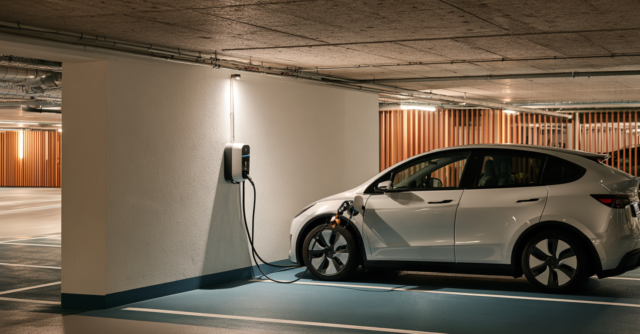
    According to a press release, Helvetia Baloise Holding AG, the insurance company formed in December 2025 from a merger between Helvetia and Baloise, is promoting e-mobility together with its partner Energie 360°. The energy and e-mobility company, which is 96 per cent owned by the City of Zurich, has already taken over more than 150 charging stations in 13 properties, mainly in western Switzerland, the Mittelland and Basel.

    As Reto Baschera, head of the mobility group at Energie 360°, emphasises, the expansion is “demand-driven and geared to the requirements of the tenants”. According to the information provided, six further properties are currently in the planning stage, with more to follow gradually. The focus is on a harmonised portfolio approach with a hardware-independent billing solution that takes into account different building types and product characteristics. Helvetia Baloise has a total of around 845 properties in Switzerland with approximately 30,000 apartments.

    “For me in strategic procurement at Helvetia Baloise, it was crucial to find a partner who sees electromobility not as a single product, but as an integrated part of a large real estate portfolio,” says Karin Hauser of Baloise Asset Management AG. “In our collaboration with Energie 360°, we particularly appreciate the structured approach, the reliable implementation and the ability to pragmatically map different starting points in our properties.”

  • Start of construction for double track expansion in Dietikon postponed to 2028

    Start of construction for double track expansion in Dietikon postponed to 2028

    There is a delay in the double-track expansion of the Bremgarten-Dietikon railway and the renovation of Bremgartnerstrasse. According to a statement by Aargau Verkehr AG, the building permit from the Federal Office of Transport (FOT), which was scheduled for the end of 2025, could not be granted due to ongoing appeal negotiations and a renewed partial suspension of the project in connection with compensation claims.

    The transport company now expects the start of construction, originally planned for summer 2026, to be postponed until summer 2028. Until then, a number of project adjustments will have to be made. This will require technical reviews and consultation with the authorities.

    According to Aargau Verkehr, the expansion is intended to increase the safety, punctuality and capacity of rail operations: “The construction of a centrally located double track will integrate the railway safely into road traffic, which will increase traffic safety and reduce traffic jams.”

    Planning approval is expected to be completed by the second quarter of 2027. Aargau Verkehr AG is in contact with the Civil Engineering Office of the Canton of Zurich, the client for the road construction project, the FOT, the city of Dietikon and affected residents to clarify outstanding issues and move the project forward.

  • Air transport between growth and climate costs

    Air transport between growth and climate costs

    Civil aviation generated direct added value of CHF 9.8 billion in Switzerland in 2024. This includes companies at airports and their suppliers. This is shown in a report prepared by INFRAS AG on behalf of the Federal Office of Civil Aviation (FOCA). At 68 per cent, more than two-thirds of the direct value added is attributable to Zurich Airport and the neighbouring building complex The Circle. Geneva follows with 19 per cent and Basel with 12 per cent.

    The total value added, which also includes indirect effects such as tourism in Switzerland, amounts to CHF 24.8 billion.

    Civil aviation is also a driver of employment. It directly provides 49,100 full-time equivalent jobs and a total of 150,200 full-time equivalent jobs.

    Thanks to its airport, the Zurich region is the most accessible region in Europe. North-western Switzerland ranks sixth, also thanks to Basel Airport, and the Lake Geneva region ranks seventh, thanks to Geneva Airport. The other regions of the country are also among the 15 most accessible of the 284 regions surveyed in Europe.

    The report estimates the external costs of civil aviation at CHF 6.1 billion. Of this, CHF 4.6 billion is attributable to the climate and CHF 1.1 billion to upstream and downstream processes.

  • New double-track line relieves congestion on the route between Zurich and Winterthur

    New double-track line relieves congestion on the route between Zurich and Winterthur

    SBB has commissioned a consortium consisting of the construction companies Implenia from Opfikon and Marti from Zurich to build a new double-track line. As part of the Zurich-Winterthur multi-track project, the Swiss Confederation and SBB are planning to build a new line and expand the stations in Dietlikon, Bassersdorf, Wallisellen and Winterthur Töss. According to a statement, Implenia and Marti will each take on 50 per cent of the construction of five of the six lots in the project. The total contract is worth around CHF 1.7 billion, with Implenia’s share amounting to around CHF 830 million. The project is expected to take around ten years to complete.

    As part of the project, Implenia and Marti will take on the construction of the Brüttener Tunnel (lot 240), the Winterthur section (lots 140 and 141), the Dietlikon section (lot 340) and the Wallisellen section (lot 540). The new double-track line through the Brüttener Tunnel is intended to eliminate the 8.3-kilometre capacity bottleneck in the rail network between Zurich and Winterthur. Part of the bottleneck is a branch line towards Zurich Airport. The underground double-track expansion will involve the construction of a single-track tunnel with a diameter of around ten metres for each direction of travel.

    According to the announcement, the infrastructure project is geared towards the mobility needs of future generations and is therefore in line with Implenia’s strategy. “We are delighted that Implenia, together with our consortium partner Marti, will be able to contribute our many years of experience and comprehensive expertise in infrastructure construction to make this important section fit for increasing frequencies and future requirements,” said Implenia CEO Jens Vollmar in the press release.

  • Modern eGates drive terminal modernisation forward

    Modern eGates drive terminal modernisation forward

    Dormakaba has announced a strong order situation in the German airport sector. The locking technology company supplies, replaces and maintains more than 650 Argus Air sensor gates, known as eGates, at Frankfurt, Munich and Düsseldorf airports. The order volume is in the low double-digit million range.

    From spring 2026, new Argus Air boarding sensor gates will be in use in Frankfurt (Terminal 1) and Munich (Terminal 2). The access solutions enable passengers of Lufthansa and Star Alliance airlines to board easily themselves. In Frankfurt, dormakaba is also supplying sensor gates for the new Terminal 3 and has equipped all security-relevant passages in the terminal with security doors.

    “We continue to see very strong demand for our access control solutions in the airport sector,” CEO Till Reuter is quoted as saying in the announcement. “We are delighted that many long-standing customers are once again relying on our systems when modernising their terminals. The replacement of older systems with modern solutions shows that the requirements for security, efficiency and passenger comfort continue to increase.”

    Dormakaba’s eGates link biometric recognition data with boarding passes and ID cards and compare this information with databases. According to the company, the sensor technology reliably identifies authorised persons, prevents the exchange of access authorisations and double access, and distinguishes between people and luggage.

    Dormakaba achieved net sales of CHF 2.9 billion in the 2024/2025 financial year with 15,000 employees worldwide.

  • Basel region calls for rapid implementation of cross-city rail link

    Basel region calls for rapid implementation of cross-city rail link

    The underground rail link between the SBB railway station and Badischer Bahnhof in Basel is essential for the expansion of the S-Bahn in the border triangle. This is stated in a declaration by the cantons of Basel-Stadt and Basel-Landschaft and the Basel Chamber of Commerce (HKBB). They are calling for the rapid implementation of this so-called cross-city line, which will make the current turning movements of trains in both stations superfluous. In return, they see potential for reductions in further rail expansion in Basel.

    The two cantons and the Chamber of Commerce refer specifically to Ulrich Weidmann, who described the new connection as undisputed and absolutely necessary for the S-Bahn system. The professor at the Swiss Federal Institute of Technology Zurich had prepared the Transport 2045 report. On the basis of this report, the Federal Council decided in October to deprioritise the Basel SBB underground station and the cross-city line.

    “The cross-city link represents a quantum leap in suburban rail services for the region,” said Esther Keller, member of the cantonal government, in the press release. “In our view, it can be realised within the next 20 to 30 years,” said the head of Basel’s Department of Construction and Transport.

    Martin Dätwyler points out the importance of eliminating bottlenecks on the roads. “With the rapid implementation of the diameter line, we will be able to make both modes of transport – road and rail – fit for the future,” the HKBB director is quoted as saying. “This will not only strengthen the Basel economic region, but also the Swiss economy as a whole, and is essential for the country’s supply.”

    Government Councillor Isaac Reber also emphasises the importance for the whole country. “The region is the gateway to Switzerland,” says the head of the Basel-Landschaft Department of Construction and Environmental Protection. “Without the construction of the cross-city link, the region will become a bottleneck. We cannot afford that – and neither can Switzerland.”

  • New cable car technology strengthens sustainable mobility in metropolitan areas

    New cable car technology strengthens sustainable mobility in metropolitan areas

    The Câble C1 urban cable car system has been in operation in the south of Paris since 13 December, using ropes and a magnetic induction monitoring system from Fatzer AG in Romanshorn. Fatzer claims to be the global market leader in the field of transport ropes and is part of the Brugg Group based in Brugg. According to a press release, the new railway is the longest urban cable car in France. In the densely populated Val-de-Marne department, which is part of the Paris metropolitan area, it is intended to relieve the public bus and metro system and reduce individual traffic. The project was realised by Doppelmayr France, a subsidiary of the Doppelmayr ropeway technology group based in Wolfurt, Austria.

    According to Fatzer, the cable car serves a 4.5 kilometre route with five stations and a journey time of 18 minutes, connecting the suburb of Créteil with the municipalities of Limeil-Brévannes, Valenton and Villeneuve-Saint-Georges. A total of 105 cabins travel over 30 supports with the help of three rope loops. Fatzer supplied three ropes with a total weight of around 90 tonnes for this project. The Performa DT rope type was used, which Fatzer developed especially for use in densely populated areas and high loads. It is characterised in particular by its long service life and quiet, smooth running.

    The rope condition is monitored using the Fatzer TRUscan solution to ensure that the operating times of 18 to 19 hours a day can be reliably guaranteed without interruption. According to the company, magneto-inductive measurements provide those responsible with real-time data. Irregularities are detected immediately, making maintenance work easier to plan.

    It is stated that the Performa-DT rope is already being used in numerous highly frequented urban installations, including in La Paz in Bolivia, Medellín in Colombia, Guayaquil in Ecuador, La Réunion and Ajaccio in France, Mexico City and, soon, Uruapan in Mexico.

  • Expansion of Basel SBB West station

    Expansion of Basel SBB West station

    Basel SBB station has long since reached its limits. Over 140,900 people use it every day, and the trend is rising. With the Basel SBB West project, the partners are preparing the station for this development. A comprehensive extension is planned in the west of the site, where the train stop will be moved further west in future and additional access to urban traffic will be created. Two closely linked sub-projects form the core, the Margarethen platform access and the new construction of the Margarethen Bridge.

    The new passenger bridge for the Margarethen platform access is to run parallel to the existing Margarethen Bridge. It will be around 16.5 meters wide, have stairs, escalators and lifts and provide access to all platforms. To make this possible, SBB is extending several platforms to the west and adapting the track layout. The project thus responds to the expected growth in rail traffic and at the same time relieves the existing passerelle at the main station.

    Linking rail and city
    In addition to rail planning, urban integration plays a central role. The canton of Basel-Stadt is planning a new multimodal transportation hub to the west of the station, at the Markthalle site. Here, the transfer between train, streetcar, bus and bicycle is to become even more efficient in future. This reorganization will relieve the overcrowded Centralbahnplatz and enable a more balanced traffic regime in the city center.

    The Margarethen platform access is more than just a bridge. It will become a link between the new urban traffic axes and the rail network. It offers space, light and orientation. Features that are particularly important in highly frequented traffic zones.

    A new Margarethen Bridge with a signal effect
    The second sub-project is dedicated to the renewal of the Margarethen Bridge. The existing bridge is owned by SBB and only meets current safety requirements for heavy goods traffic with restrictions. In addition, it does not meet the future requirements of SBB and the canton on both the rail and road sides. The new bridge will therefore not only be structurally more efficient, but also significantly wider – 27 meters compared to 16.3 meters today. This will create space for a barrier-free streetcar stop in the middle of the bridge as well as wider footpaths and cycle paths.

    A temporary auxiliary bridge is planned during the construction period. The possibility of integrating this temporary structure into the new building at a later date is being examined. This solution should minimize construction interruptions and ensure urban mobility during the entire implementation phase.

    The winning project by Penzel Valier
    In the spring of 2025, an assessment panel of independent experts and representatives from SBB and the canton evaluated the proposals of six interdisciplinary planning teams as part of a study commission. The contract was awarded to Penzel Valier. Their design impresses with a generous, flexibly expandable roof that spans both the new streetcar stop on Margarethenbrücke and the platforms. This creates a hall-like space that characterizes the western part of the station.

    The roof fulfills several functions at the same time. It brings daylight onto the platforms, protects against the weather and allows the installation of photovoltaic systems and greenery. In terms of urban planning, this creates a harmonious link between the SBB station, the listed SNCF hall and the adjacent Gundeldingen and St. Johann districts.

    The SNCF hall itself will be retained in the context of the French part of the station and in its function as a platform canopy. This was a key concern of the conservation authorities. The hall will be moved to the west to create space for the new track layout.

    Planning, financing and time horizon
    The Margarethen platform access is part of the 2035 national rail expansion phase. The federal government has already approved the planning and preliminary project planning. While the Margarethen platform access is financially secured, the funds for the implementation of the new Margarethen Bridge are still being decided. Both projects can be built technically independently of each other, but should be realized at the same time if possible.

    The planning requirements are high. They take into account ongoing rail operations, the protection of historic buildings and integration into the dense city traffic. Construction is currently scheduled to start in 2034 at the earliest. The project volume for both project elements (platform access and bridge) is estimated to be in the low to mid three-digit million range.

    More than infrastructure – a new entrance for Basel
    Basel SBB West will not only provide the city with a strategically important transportation hub, but also a new entrance to the city. The relocation of train traffic to the west will create space for clearer traffic routing, a better quality of stay and greater safety for cyclists and pedestrians. In future, travelers will experience shorter routes, generous spaces and intuitive orientation.

    The interaction between trains, streetcars, buses and bicycles will become more efficient, more sustainable and more pleasant. At the same time, the project forms the structural foundation for future expansions such as the possible Basel SBB underground station. In its entirety, Basel SBB West thus stands for a new generation of railroad stations – open, networked and future-proof.

  • The fifth generation of the Basel agglomeration program

    The fifth generation of the Basel agglomeration program

    New impetus for space and transport
    The program marks a decisive step in the joint planning of landscape, settlement and transport across national borders. Germany, France and Switzerland are pulling together to make mobility in the tri-national area more efficient, safer and more climate-friendly. In the coming years, eleven new transport hubs will be built along the tri-national S-Bahn and Basel-Stadt is investing in a fully electrified bus fleet. Around 200 million francs have been earmarked for the upgrading of municipal streets and the promotion of pedestrian and bicycle traffic.

    Mobility with a future
    In essence, it is about more than just infrastructure. The agglomeration program is a coordinated response to the complex mobility needs of a region that uses busy international transport routes on a daily basis. The integrated planning of public transport, private transport, footpaths and cycle paths is intended to reduce traffic congestion and CO² emissions. The priority is to develop a sustainable transport system that increases the quality of life and attractiveness of the location.

    Broad political support
    Esther Keller, member of the cantonal government and President of Agglo Basel, emphasizes the success of the cross-border cooperation, which has been in existence for over 15 years. Isaac Reber, Director of Construction in Basel, sees the large number of small and medium-sized projects as the backbone of progress. Jean-Marc Deichtmann from Saint-Louis and Marion Dammann from Lörrach also emphasized the strategic horizon. This ranges from multimodal platforms to citizen participation that strengthens climate protection and spatial quality.

    Looking ahead to the sixth generation
    Work has already begun on the 6th generation agglomeration program. Submission to the federal government is planned for 2029, with the construction phase starting in 2032. The Agglo Basel association is continuing the coordination and ensuring that space, transport and landscape in the border triangle are not considered separately, but as a coherent project for the future.

  • Railroad modernization in the sensitive Alpine region

    Railroad modernization in the sensitive Alpine region

    STRABAG AG is carrying out the outstanding renovation work on the Zentralbahn line between Meiringen and Brienzwiler in the Bernese Oberland. The narrow-gauge line runs on a single track along the Hasliaare, which is part of the Aare flood plain. Out of consideration for several nature conservation areas, “maximum precision for logistics and coordination” is required for the new construction, according to a press release. Preparatory work began in March 2025 and the ten-week intensive phase has been underway since October 2025.

    Heavy rainfall events had repeatedly occurred in the area, causing the railroad embankment and superstructure to flood, resulting in damage to the railroad infrastructure and adjacent cultivated land. STRABAG already carried out track construction work there in 2022 and 2023 (lots 1 and 3). The modernization project will now be completed with a total reconstruction of the challenging middle section of lot 2 over a length of 2600 meters and in the middle of the Sytenwald nature reserve. This involves raising the railroad embankment. To allow surface and slope water to drain away, a continuous planned drainage system will be installed along the route. The area along the Hasliaare will receive a new flood protection wall.

    According to the press release, the “tight space conditions and local lack of redundant construction slopes in certain sections between the Hasliaare, the railroad line and several nature conservation areas” are a special construction feature, which requires special precautions for ecology and landscape protection. On the one hand, STRABAG is building 30 new foundations for the catenary masts on the side facing away from the river, and on the other, 37 crossings are to ensure the ecological continuity of the terrain. This means protection for wildlife and small animals when crossing the section.

    A particularly challenging component is the new construction of the Hüsenbach bridge made of ultra-high-strength and durable fiber-reinforced concrete (UHPC). During bridge construction, special consideration was given to the trout population present there at spawning time.

  • Switzerland rethinks electric mobility

    Switzerland rethinks electric mobility

    The principle is familiar from smartphones. A transmitter coil transmits energy to a receiver coil via a magnetic field without the need for a plug. In the case of electric cars, this means that all you have to do is park and the charging process starts automatically. In the “INLADE” pilot project, Empa and energy supplier Eniwa AG tested this technology for the first time under everyday Swiss conditions. The project was supported by the Swiss Federal Office of Energy and the cantons of Zurich and Aargau.

    Practical test passed
    Even in snow, rain and slight parking deviations, inductive charging achieves an efficiency of around 90 percent, comparable to the classic cable. AMAG and other partners equipped existing vehicles with receiver coils and integrated interfaces for charging management. Following extensive safety tests, the vehicles were granted individual approval for Swiss roads. They are among the world’s first electric cars with an inductive system that are suitable for everyday use.

    Mobile storage for the energy transition
    The real revolution lies in the potential. Electric cars are stationary for an average of 23 hours a day. If they were automatically connected to the grid during this time, their batteries could compensate for fluctuations in the electricity grid and stabilize renewable energies. Bidirectional charging, i.e. feeding electricity back into the grid, also works inductively. Vehicles are connected more frequently without users having to take any active steps. This makes every parking space a potential hub of a decentralized energy system.

    Economically attractive
    Intelligent charging reduces electricity costs, especially when charging during the day when photovoltaic systems feed a lot of energy into the grid. The combination of convenience, efficiency and grid integration makes inductive charging a promising building block for the mobility of tomorrow.

  • Frauenfeld integrates old town car park into Smart Parking

    Frauenfeld integrates old town car park into Smart Parking

    The city of Frauenfeld is expanding its Smart Parking system to include the Altstadt multi-storey car park. The city has now announced this. To this end, it has been equipped with sensors that display free parking spaces in the Regio Frauenfeld app. The pilot project was launched in 2023 and continued in 2024 following a comprehensive evaluation. It now comprises a total of six car parks and 24 cameras.

    Occupancy is recorded there every two minutes and visualised on the app. This should enable road users to find a free parking space more quickly and benefit from smoother traffic flow.

    The Altstadt multi-storey car park is the only one not equipped with cameras. It is owned by Wohnpark Promenade AG and managed by Tobler Immobilien AG. A one-year trial operation was agreed with the managers of both companies. The underground car park offers 66 parking spaces in a central location.

    Following the renovation of the Passage shopping centre, its multi-storey car park with around 260 parking spaces will also be connected. The construction work should be completed by the end of 2027.

    Frauenfeld’s smart parking concept is based on a project by the Innovation Sandbox for Artificial Intelligence in the canton of Zurich. Parquery AG from Zurich, a spin-off from the Swiss Federal Institute of Technology in Zurich(ETH), used image recognition to efficiently record and analyse car park occupancy in real time.

  • Basel plans consistently climate-friendly and future-oriented

    Basel plans consistently climate-friendly and future-oriented

    Ms. Keller, how do you rate the progress made so far in sustainable urban development and what are your priorities for the coming years?
    We have already done a lot – but there is still a lot to do! We have set an important course with our urban climate master plan and climate protection strategy as well as the associated action plan. In particular, we are taking a comprehensive approach to greening and unsealing as well as reducing CO2 emissions. In addition to reducing direct emissions from operations, my department is also concerned with indirect emissions from the construction of buildings. We are currently examining new approaches here, such as an incentive tax on indirect emissions from construction. We are densifying and converting existing buildings and want to simplify the construction of existing buildings in future by amending the law. These are the guidelines for how we want to promote sustainability in urban development over the next few years.

    What measures are you taking to strengthen building culture in Basel and promote high-quality, sustainable construction?
    Building culture is very important to us: the people of Basel should feel comfortable in their city. Of course, this is also a key basis for achieving the climate targets, which is why a forward-looking building culture is extremely important. A high level of building culture creates identification and quality of life. Both the preservation and further development of existing buildings, the maintenance of traditional building methods and the use of sustainable technologies and buildings make a significant contribution to this. Building culture is sustainable and sustainable planning must become an integral part of building culture. Incidentally, this is also very well illustrated in our “Basel Compass”, where building culture is mentioned and addressed as one of the first points.

    What contribution can the Department of Construction and Transport make to the circular economy in order to achieve the goal of net zero by 2037?
    Basel-Stadt has an ambitious strategy to promote the circular economy in the construction sector. This means that we want to design buildings and construction products in such a way that they can be used for as long as possible and are made from reused or recycled materials. An important focus is on continuing to build and use existing buildings instead of demolishing and rebuilding them. This not only reduces waste, but also cuts the greenhouse gas emissions that are normally generated during the production of new building materials. New buildings should also increasingly be constructed in such a way that they can be dismantled and made available as building material for the next structure at the end of their useful life (design for disassembly). Basel-Stadt also promotes the use of recycled materials in the construction process, such as recycled asphalt for road surfaces. We are working to create a legal framework to facilitate circular construction and we are investing in the infrastructure needed for the reuse and recycling of building materials. For example, the canton has set up its own building materials warehouse: Cantonal deconstruction material is recorded in an online construction parts catalog and made available for reuse in other projects. With these measures, we not only want to improve our carbon footprint, but also promote innovation in the construction sector.

    What are the next steps in the “green asphalt” project and how do you assess the climate protection potential of this innovation?
    The use of green asphalt on road construction sites in Basel is developing well. Within the city, green asphalt has been used on at least eight larger and smaller construction sites. Examples include Burgfelderstrasse, Freiburgerstrasse and the Eselweg. Further projects are currently underway in which the use of green asphalt is planned. However, green asphalt does not directly reduce CO2 emissions. However, thanks to biochar, green asphalt binds more CO2 from the atmosphere than it releases during production. In this way, we can reduce the climate impact of road construction. However, it is not yet a sure-fire success. There are still critical manufacturers and associations. We must continue to seek dialog and highlight the opportunities.

    What are currently the biggest challenges in maintaining and modernizing the public infrastructure in Basel?
    The challenges are many and varied. One key aspect is the need to regularly renovate existing infrastructure such as roads, bridges and streetcar tracks in order to ensure a reliable supply of water and energy. At the same time, IWB is expanding the district heating network by a total of 60 kilometers by 2037 on behalf of the canton of Basel-Stadt. This requires close coordination with the other renovation work in order to minimize the impact on residents and at the same time take the opportunity to redesign the urban climate and active transport. After all, climate change is also a challenge. On the one hand, we need to prepare the city for heat waves and extreme weather events. To avoid heat islands, we need to unseal asphalt surfaces and create green and water areas in public spaces. On the other hand, the canton has set itself an ambitious climate protection target of net zero by 2037. We are therefore increasingly focusing on renovating buildings and converting existing buildings, for example, and are focusing on sufficiency, reducing grey energy and minimizing operating energy consumption.

    To what extent is digitalization, for example with new apps for passengers, part of your strategy to increase the attractiveness of public transport in Basel?
    Digitalization is very important for public transport. Passengers want to use the app to find out about timetables or any service disruptions and also buy their tickets conveniently. Digitalization is also key when it comes to sharing and combining different vehicles. Many of us combine our streetcar or bus journey with a rental vehicle: depending on where we live, we take a rented bike, scooter or car to the stop or from there to our destination. The majority of us already book or pay for these rental vehicles digitally. The aim must be to have digital solutions that conveniently connect all these services. The big breakthrough has not yet been achieved; there are many players and challenges along the way. But we are working on solutions.

    What are currently the biggest challenges in cross-border coordination with the canton of Baselland and neighboring countries with regard to public transport?
    In our region, we are all used to crossing cantonal or national borders every day. Accordingly, we also plan a lot of things together across borders in the region – especially when it comes to mobility. Many streetcar and bus lines operate both in the Basel region and in Basel. We also have two cross-border streetcar lines – one from Basel to St. Louis (F) and one from Basel to Weil am Rhein (D). These are very successful and are well used, but financing the maintenance and operation of the sections in the neighboring countries is a challenge. However, the biggest challenge at the moment is probably not so much coordination within the region, but the fact that we as a region are sometimes not sufficiently recognized by the federal government. The current discussions surrounding the urgently needed rail expansion in Basel demonstrate this. I am grateful that we in the region are all pulling together and fighting for a tri-national S-Bahn that is worthy of the name. A continuous S-Bahn system has great potential for shifting journeys from road to rail.

    What is your concrete timetable for converting the entire bus fleet to electric drive by 2027 and what challenges still remain?
    This conversion is in full swing and on track. Around half of BVB buses are already electric. Basler Verkehrs-Betriebe will convert its entire bus fleet to e-buses by 2027. BVB is thus making a significant contribution to helping Basel achieve its ambitious climate targets.

    You are heavily networked in national bodies. What trends or best practices from other cities and regions inspire you for Basel in particular?
    The exchange with other cities is always enriching. They all struggle with the same challenges, such as conflicting objectives in tight spaces. I am watching the pilot tests with autonomous public transport services in other cities with interest. As President of the Urban Mobility Conference, it is important to me that we set the right course in this area at an early stage and are equipped for new challenges such as autonomous vehicles. Such new developments should be a win-win situation for all sides. However, this requires certain framework conditions.

    Is there anything you would like to see in Basel? Something from other cities around the world that has impressed or inspired you?
    When you look at Asian cities, you are sometimes impressed by the speed at which projects are realized, especially in building construction and civil engineering. On the other hand, I am very grateful that we have democratic processes in Switzerland, which are lengthy but ensure that people are involved and can have an influence. I am convinced that this participation – whether via parliament or directly via the population – is a key to greater acceptance and therefore also to social cohesion.

  • New urban quarter at Winterthur railroad station

    New urban quarter at Winterthur railroad station

    The Stellwerk 2 project is being built on a site of just 2,000 square meters right next to the train station, combining living, working and mobility in a small space. The new building comprises 66 city apartments and around 2,000 square meters of space for offices, education and healthcare. On the first floor, a spacious retail zone of 700 square meters will provide for public-oriented uses. The aim is to make optimum use of existing railroad land without additional sealing.

    Compact units with one to three and a half rooms will be created on the upper floors. Guest rooms and communal areas promote flexible forms of living and social interaction. An approach that responds to changing urban lifestyles. The project was developed by Zurich-based Esch Sintzel Architekten, which won the 2021 SBB competition in close cooperation with the city.

    Hub for two-wheelers and everyday life
    Stellwerk 2 is being built not only to live and work in, but also to facilitate movement. In the basement, 360 new bicycle parking spaces are being created with charging facilities for e-bikes, cargo bike zones and lockers. Together with 150 recently created spaces in the existing building, the capacity of the neighboring bike station will increase to around 510 units. The new building will be connected to the existing facility under Signal Box 1 via a new passageway.

    For city councillor Christa Meier, the project is emblematic of the transformation to a mobility city: the signal box will become Winterthur’s actual bicycle hub and strengthen the station’s role as a multimodal center.

    Realization in stages
    With Stellwerk 2, SBB Immobilien and the city of Winterthur are demonstrating how urban densification and the traffic turnaround can go hand in hand. A place where living, working and sustainable mobility merge into a new urban entity.

  • Transformation of a military airfield into a civilian innovation centre

    Transformation of a military airfield into a civilian innovation centre

    The civilian conversion of the St. Stephan military airfield in the upper Simmental is making progress. According to a press release, the Federal Office of Civil Aviation(FOCA) has authorised the conversion into a civilian airfield. This means that buildings and facilities that are no longer required can be demolished and the infrastructure for civil flight operations can be built. The FOCA has also granted Prospective Concepts Aeronautics AG(PCA) an unlimited operating licence and approved the operating regulations.

    The Cantonal Office for Municipalities and Spatial Planning is expected to approve the development plan for the site at the beginning of 2026, which was adopted by the municipal assembly in 2024. Armasuisse Immobilien will then transfer the site from federal ownership to the municipality of St. Stephan. PCA will use the airfield under building rights.

    In future, the airfield will be used for both civil aviation and commercial purposes. Flights are likely to be triggered primarily by development, manufacturing and maintenance companies.

    Occasional tourist and business flights are also planned. Flight operations are regulated in the Sectoral Transport Plan, Infrastructure Section (SIL), which was adopted by the Federal Council on 30 August 2023.

    The airfield was established during the Second World War in 1941. It is located close to the Gstaad-Zweisimmen-St. Stephan and Adelboden-Lenk ski resorts.

  • New service facility strengthens the Weinfelden railway location

    New service facility strengthens the Weinfelden railway location

    SBB and its Thurgau subsidiary Thurbo AG, based in Kreuzlingen, are to open the new service facility in Weinfelden on 1 November, according to a press release. The existing Thurbo fleet will be serviced here and the new fleet of 329 Flirt Evo trains will be put into operation and serviced. The first new trains are due to be introduced in 2026 and will also be used by SBB and its subsidiary RegionAlps, based in Martigny VS. The proximity to the Bussnang and Erlen sites of the train manufacturer Stadler enables efficient maintenance, training and introduction.

    Thurbo has invested CHF 18.4 million in the facility. It was built in timber construction and extended by 30 to 100 metres. It also houses a photovoltaic system whose 866 modules will generate almost 400 megawatt hours of electricity per year. Up to 30 employees will work here in future.

    The facility will be opened on 1 November with an open day. The first train of the new Flirt Evo fleet will also be christened at the event.