Tag: Forschung

  • Research project promotes the reuse of concrete in construction

    Research project promotes the reuse of concrete in construction

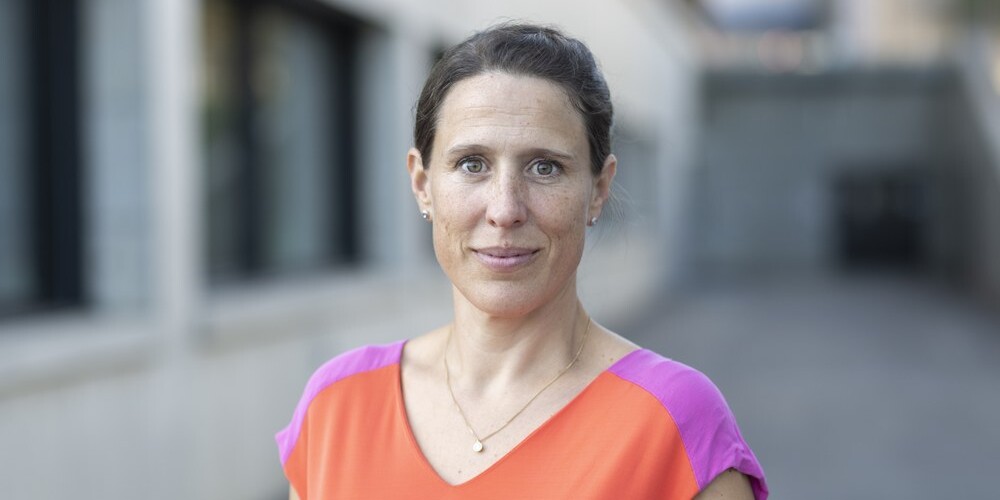
    The Materials and Structures Group of the Institut du patrimoine construit, d’architecture, de la construction et du territoire(inPACT) at the Haute école du paysage, d’ingénierie et d’architecture de Genève(HEPIA) is leading the Concrete Upcycling Techniques(CUT) research project. The project, led by Professor Maléna Bastien Masse, aims to integrate the reuse of concrete slabs into construction practice, as detailed in a press release. The aim is to reduce the industry’s CO2 footprint. The project is supported by the Swiss National Science Foundation(SNSF) and is being carried out in collaboration with Professor Corentin Fivet’s Structural Xploration Lab at the Swiss Federal Institute of Technology Lausanne(EPFL).

    The project aims to preserve concrete slabs during the demolition of buildings. The slabs are sawn up on site and then analysed by HEPIA researchers. The aim is to find out whether these slabs can be reused. The panels approved for reuse are then used in new buildings. The project is also investigating how they can be joined together during reuse. Advanced techniques and materials such as high-performance fibre-reinforced cementitious composite (CFUP) will be used.

    “The construction industry loves concrete. It is an indispensable, versatile, adaptable and cost-effective material, but it is also extremely harmful to the environment. One solution is obvious: reuse,” reads the press release. “By recovering and reusing components from existing buildings for new construction projects, concrete consumption is reduced, resulting in a lower CO2 footprint.”

    HEPIA is a Geneva-based university that specialises in education and research in the fields of engineering, architecture and the environment, particularly in the areas of materials and sustainable construction. The university is part of the University of Applied Sciences Western Switzerland(HES-SO).

  • Switzerland Innovation Park Ticino

    Switzerland Innovation Park Ticino

    Ticino has been part of the national Switzerland Innovation initiative since 2021. In November 2024, the park was officially recognised as the Zurich Park location. With the newly founded Switzerland Innovation Park Ticino SA, the canton, business and universities are joining forces to sustainably strengthen the region’s innovative power.

    Synergies with Europe and the Greater Zurich Area
    The strategic location makes the park a bridge between two European economic centres, Zurich and Milan. As a member of the Greater Zurich Area, Ticino is gaining international visibility and attracting investment and companies from innovative sectors. At the same time, there are close links with the MIND Milano innovation district, which was created on the Expo site in Milan.

    Competence centres for future technologies
    Three competence centres are currently being created in Park Ticino in areas with high potential: drone technologies, life sciences and applications in the leisure and healthcare sector. These centres promote research, development and knowledge exchange, creating an ecosystem that supports innovation from the idea to market maturity.

    Future location New Officine District Bellinzona
    The final headquarters of the park will open after 2032 in the New Officine District in Bellinzona. On 25,000 square metres, a platform for research and entrepreneurship will be created, embedded in a new urban quarter of 120,000 square metres with living space, companies, administration, culture and leisure. The site benefits from its location right next to Bellinzona railway station, as the northern gateway to Ticino after the Gotthard Base Tunnel.

  • Clay celebrates its comeback

    Clay celebrates its comeback

    Clay has been tried and tested for thousands of years, consists of local clay, silt and sand, can be used without energy-intensive firing processes and is available in almost unlimited quantities. In contrast to concrete, the production of which causes considerable CO₂ emissions by burning limestone, loam scores points with its minimal energy consumption during extraction and processing. According to estimates from various sources, the production of concrete generates an average of 800-900 kg of CO₂ per tonne, whereas clay often only produces a tenth of this and usually none at all, provided it is dried naturally

    The clay pavilion in Horw
    As part of the “Think Earth” programme, ETH Zurich, HSLU and industrial companies are working together to bring clay and wood into innovative applications as a material base. One milestone is the clay pavilion in Horw, where clay and wood elements are combined in hybrid form with recycled Oulesse, a mixed demolition material developed by Oxara. The prototypes are created in close collaboration with the construction industry and students. The aim is to create modular, prefabricated clay building components with reliable strength, versatile and deconstructable, for multi-storey residential construction and flexible architecture

    Advantages, challenges and recycling potential
    Earth is not only energy-saving, but can also store CO₂, especially when organic additives are added – it can even have a climate-positive effect. Earth building materials can be easily separated and reused when buildings are dismantled. The recycling process is not costly and enables a genuine circular economy.

    Clay is already available in abundance regionally as excavated clay or as a by-product (“filter cake”) from gravel and excavation washing. So far, widespread use has failed mainly due to a lack of standardisation and market maturity. The “Think Earth” project partners are now working intensively on this

    Clay construction hybrid solutions are still more cost-intensive than conventional concrete construction, but advances in industrial production, material mixing and quality assurance are increasingly bringing them within reach for the masses

    From niche to standard?
    Researchers at HSLU and ETH Zurich are working on the standardisation of the new hybrid earth building elements, so that market entry in the next ten years is realistic. The industry is showing great interest. Especially because “waste” from excavations is becoming a key raw material. With clay, wood and intelligent hybrid technologies, a building principle is available that conserves natural resources, offers climate benefits and still enables architectural diversity. Clay is experiencing an innovation and image revival. “Think Earth” and the earth pavilion show how research and the construction industry are working together to deliver solutions for the building revolution. A small ecological footprint, circular potential and healthy living are more than just a trend – they mark the path to urban building culture in the 21st century.

  • Switzerland Innovation Park Basel Area Main Campus

    Switzerland Innovation Park Basel Area Main Campus

    The site extends over 115,000 square meters, structured around a central park that acts as a social and creative heartbeat, promoting communication and creating encounters. The striking main buildings, Main Campus HQ, HORTUS, ALL, SCALE, HOPE, Swiss TPH, ALBA Haus, Innovation Garage, Holiday Inn Express and the parking garages, create a visionary structure. Each building is more than just space. HORTUS is a prime example of the circular economy and sustainable urban development, ALL combines flexible working and laboratory landscapes in a new architectural idea, SCALE and HOPE are aimed at growing biotech and medtech industries, while Swiss TPH and ALBA Haus combine expertise in public health and research.

    Sustainability and community
    The cluster offers more than just space. Radically sustainable construction, energy recovery from photovoltaics, green roof landscapes and a self-regenerating campus park set new standards for urban development. With coworking, intellectual exchange zones and gastronomy, innovations are created in everyday life. Up to 8,000 workplaces will be created on the site and supplemented with sports, educational and leisure facilities.

    The Botnar Institute of Immune Engineering
    In 2027, the Botnar Institute of Immune Engineering (BIIE) will move into a new building on the campus. Endowed with one billion dollars by the Fondation Botnar, BIIE will focus on international immune-based research and therapies, especially for children and adolescents. As an anchor tenant in the ALL building, the institute will attract up to 300 researchers, putting Basel on the global map for cutting-edge research. The decision in favor of Basel was made against major international applicants from the USA, England, Israel and Singapore and underlines the importance of the research cluster in the region.

    Innovation, networking and prospects
    More than 100 companies, universities and international teams from biotech, digital health and medtech are working here on the challenges of tomorrow. Accelerator programs such as BaseLaunch, open community platforms and physical proximity establish a dynamic workspace in which knowledge transfer is lived directly. One third of the usable space is reserved for start-ups and founders and the link between science and entrepreneurial practice is promoted.

    The Switzerland Innovation Park Basel Area Main Campus brings a new quality of collaboration, spatial concept and scientific excellence. Basel’s vision of becoming a model city for circular innovation and applied research can become a reality here, internationally visible and locally rooted.

  • Statics gap in timber construction is closed

    Statics gap in timber construction is closed

    Researchers from the Swiss Federal Laboratories for Materials Science and Technology(Empa), the Bern University of Applied Sciences and the Swiss Federal Institute of Technology in Zurich(ETH) have carried out a comprehensive series of tests in collaboration with the Federal Office for the Environment(FOEN). According to a press release, the aim of these investigations was to close a structural analysis gap in timber construction. Multiple tests and mathematical models were used to gain insights into the horizontal load of timber frame constructions.

    “We are investigating the horizontal bracing of buildings with timber frame walls that contain window openings,” said Nadja Manser, project manager at Empa, in the press release. “Neither in Switzerland nor in other European countries is there currently a regulation on how much horizontal load a timber frame wall can bear if it contains a window opening.”

    In order to obtain this data, the researchers carried out numerous experiments in Empa’s construction hall with two-storey and single-storey walls, each containing two window openings. The horizontal beams were subjected to a load of over 100 kilonewtons.

    The next step is to use the large amount of data obtained to create a computer model that is easy for structural engineers to calculate and that can be used to realise structural calculations for timber frame buildings. Throughout the project, the researchers are working with industry partners such as Swiss Timber Engineers, Holzbau Schweiz and Ancotech AG. One of the aims is to eliminate the need for expensive and labour-intensive steel anchors and the concrete cores that were previously required.

  • Efficiency in timber construction thanks to statics

    Efficiency in timber construction thanks to statics

    Timber frame construction scores highly as a sustainable alternative to concrete. However, there is a problem with structural planning. Walls with windows were previously considered “statistically invisible” due to a lack of reliable data on load-bearing behavior. Planning, use of materials and costs suffered as a result.

    Large-scale tests for greater material and cost efficiency
    In order to close this knowledge gap, Empa, the Bern University of Applied Sciences and ETH Zurich launched a joint research project, supported by the FOEN and industrial partners. In Empa’s construction hall, wooden walls are deliberately subjected to extreme horizontal loads, generating valuable data on the load-bearing capacity of walls with window openings. The aim is to use the horizontal bracing values of such elements reliably in everyday engineering in the future.

    Less concrete, more wood
    The findings are being incorporated into a new, simple computer model. The initial results show that walls with windows also make a significant contribution to bracing. This reduces the need for steel anchors and concrete cores and cuts the amount of material, time and costs involved in timber construction. In the long term, this results in more economical and ecological buildings.

    Cooperation between research and industry
    The focus is on the practical suitability of the new model. In close dialog with industry partners, the complex research model is translated into an applicable solution for planning practice. This benefits planners, investors and residents alike.

    With new test procedures and calculation models for window walls, the research project is taking timber construction a step further towards greater efficiency, resource conservation and innovation.

  • Light controls electricity in metals

    Light controls electricity in metals

    A team of researchers at the University of Minnesota Twin Cities has achieved a significant breakthrough. They have developed a method that uses light to influence the flow of electricity in extremely thin metal layers at room temperature. This new approach could help to make optical sensors and quantum information devices significantly more efficient in the future. The scientists’ interim results were recently published in the renowned journal “Science Advances”.

    The study is based on ultra-thin layers of ruthenium dioxide (RuO2), which were applied to titanium dioxide (TiO2). Depending on the direction, these layers not only react differently to light, but also to the flow of electricity. The structure of these layers makes it possible to specifically control the dynamics of the electrons and thus regulate energy flows.

    New paths through targeted use of light
    A key finding of the researchers is that the reactions of the material to light can be precisely influenced by targeted changes in the atomic structure. This controlled effect occurs at normal temperatures and opens up exciting prospects for future applications. “This is the first time anyone has demonstrated tunable, directed ultrafast carrier relaxation in a metal at room temperature,” confirms Seunggyo Jeong, a postdoctoral researcher in the Department of Chemical Engineering and Materials Science at the University of Minnesota.

    Such findings challenge many ideas about the behavior of metals of recent years and prove that the targeted control of electricity through controlled light pulses is possible. This opens up completely new approaches to dealing with energy and information processing in the smallest of spaces.

    Controlling electricity in detail
    The previous consensus in physics considered metals to be unsuitable for such precise control mechanisms because they have too complex electronic properties. However, the current research team discovered that precisely this complexity, known as band interleaving, can be actively used to steer the ultra-fast response of metals in different directions. This means that the material’s ability to control electricity can be adapted depending on the situation.

    New applications in computer technology, data storage, sensor technology and communication could benefit massively from this. The efficiency and speed of components in particular could be significantly improved through the targeted control of electricity. Tony Low, co-author and Professor of Electrical and Computer Engineering at the University of Minnesota, emphasizes that the results provide deep insights into how subtle structural distortions can change the electronic structure of metals. This could be crucial for future ultrafast and polarization-sensitive optoelectronic technologies.

  • Ticino is one of Europe’s most innovative regions

    Ticino is one of Europe’s most innovative regions

    According to the European Commission’s Regional Innovation Scoreboard 2025, the canton of Ticino is one of the ten most innovative regions in Europe. In Switzerland, it is in second place directly behind Zurich. The high proportion of small and medium-sized companies that introduce process or product innovations is particularly noteworthy. The canton also occupies a top position nationally in terms of trade mark registration.

    University excellence with international networking
    The Università della Svizzera italiana (USI) strengthens the region’s academic innovative power with over 20 specialised research institutes. It specialises in areas such as biomedicine, computational science and finance. Its close integration into national and international funding networks makes the USI a key player in Ticino’s innovation system.

    Practice-orientated research for companies
    The University of Applied Sciences of Southern Switzerland (SUPSI) is also a key player in the innovation landscape. It has a high level of expertise in industrial automation, robotics and materials science and is characterised by the highest success rate in accessing European funding of all Swiss universities of applied sciences. Companies benefit from practical co-operation in applied research projects.

    Statutory innovation promotion with a broad impact
    The canton provides targeted support for innovation through the Economic Innovation Act. This offers comprehensive funding opportunities, from support for research programmes and investment projects to participation in trade fairs and internationalisation projects. It is implemented by the Office for Economic Development.

    Switzerland Innovation Park Ticino as a hub
    With the Switzerland Innovation Park Ticino, the canton is promoting the transfer between business and science. The emerging centres of excellence focus on key areas such as life sciences, ICT, drone technologies and the leisure industry. The aim is to develop technical and technological solutions that are highly relevant to the canton’s economy.

    https://projects.research-and-innovation.ec.europa.eu/en/statistics/performance-indicators/european-innovation-scoreboard/eis#/ris?compare_year=2025&year=2025
  • 6G Europe network shapes digital transformation

    6G Europe network shapes digital transformation

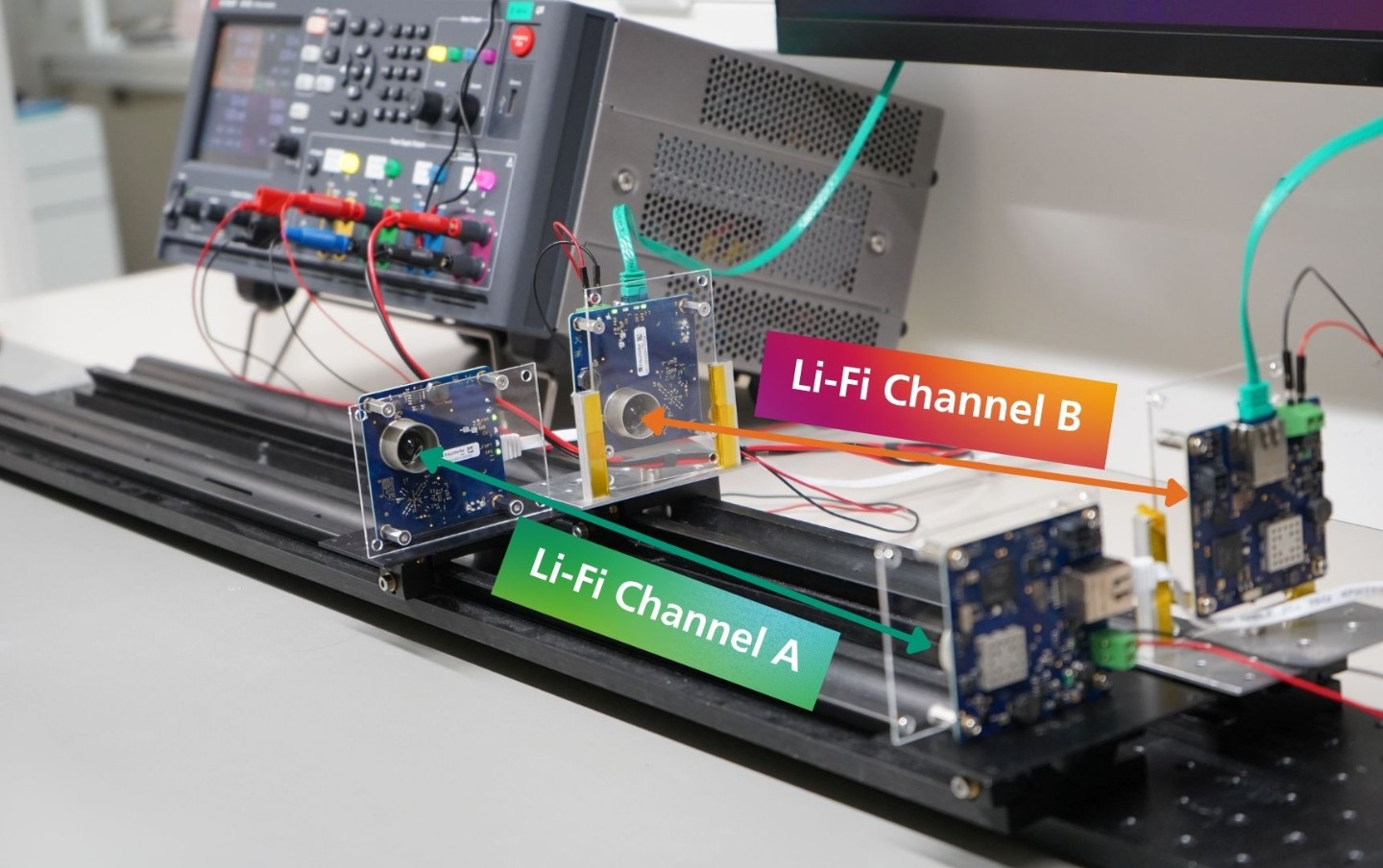
    The wireless transmission of time-critical data was previously considered a technical hurdle, especially in industrial applications with high safety requirements. The Fraunhofer Institute for Photonic Microsystems has now developed a solution that sets new standards. A modular testbed for time-sensitive networking that combines real-time analysis with energy-efficient operation and enables wireless data transmission via Li-Fi for the first time.

    Li-Fi utilises light for data transmission and offers high speed, low latency and high reliability. Ideal conditions for the mobile use of autonomous robots or machines on factory floors. In combination with TSN, this creates an infrastructure that is not only more flexible, but also more robust and cost-efficient. Elaborate cabling becomes superfluous, without compromising on data security.

    Energy efficiency as a key factor
    Energy consumption was a key development issue. Especially in mobile applications, energy efficiency is crucial for the operating time. With the new testbed, Fraunhofer IPMS is offering a realistic basis for comparing TSN networks and their energy consumption for the first time.

    The aim is to extend the operating time of devices through targeted optimisation and at the same time reduce the load on infrastructures. This is supported by TSN standards such as IEEE 802.1AS, which ensure high-precision time synchronisation and redundant data paths – essential for safety-critical scenarios.

    Research for 6G
    The Ostbayerische Technische Hochschule Regensburg is also working on the future of digital communication. At the renowned European Conference on Antennas and Propagation (EuCAP) 2025, Professor Dr Susanne Hipp and her team presented their latest research on wave propagation in the 6G frequency range beyond 100 GHz.

    Verena Marterer is researching the dielectric properties of textiles for smart sensors in the healthcare sector. Franziska Rasp is working on antenna concepts for vehicle communication, a core element for autonomous driving. Both projects impressively demonstrate how broad and practical the potential applications of future mobile communications technologies will be.

    6G as a platform for the digital transformation
    The introduction of 6G from 2030 will bring enormous changes. Transmission rates of up to 1,000 gigabits per second, extremely low latency times, massive device density and new services such as immersive environments in the metaverse or remote medical care in real time.

    Europe is actively positioning itself. Fraunhofer, Telekom, Vodafone and other players are driving basic research forward. Germany is funding development with over 700 million euros. The first pilot projects are planned from 2028. New devices, chips and frequency technologies will form the technical basis, with AI, cloud-edge computing and sustainability as guiding principles.

    Europe is reinventing the digital infrastructure
    What was previously considered a dream of the future is becoming reality. Wireless real-time communication, energy-saving networks and ultra-precise high-frequency technology are merging to create a new generation of infrastructure. The impetus from research institutions such as the Fraunhofer IPMS or the OTH Regensburg proves that Europe is ready to take a leading role in the 6G era – sustainable, intelligent and connected.

  • Building culture in focus, NRP 81 begins

    Building culture in focus, NRP 81 begins

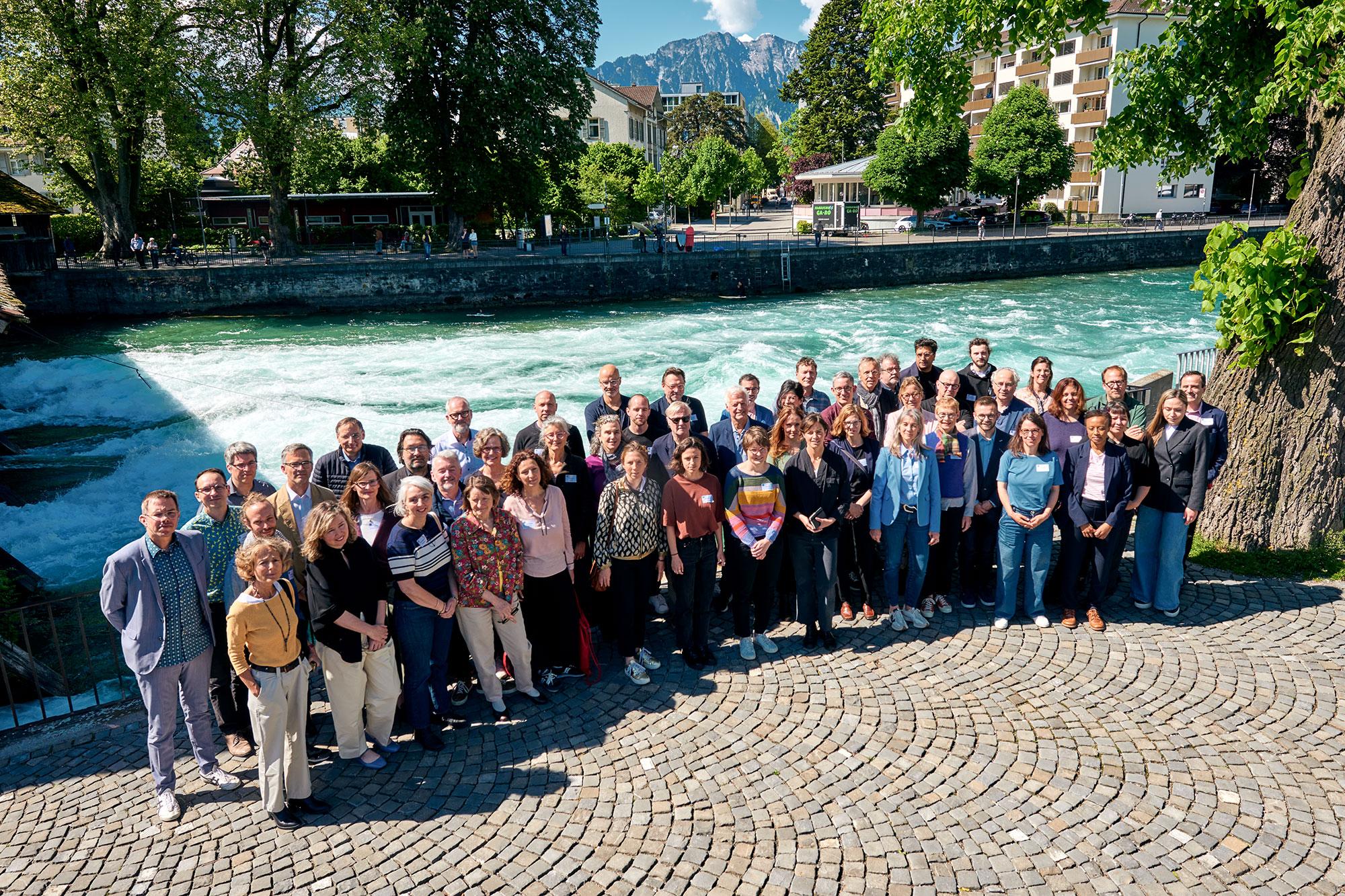
    Am 13. und 14. Mai 2025 traf sich die NFP-81-Community erstmals persönlich in Thun. Rund 80 Vertreterinnen und Vertreter aus 13 Forschungsteams präsentierten ihre Projekte in kurzen Vorträgen und gewährten dabei Einblick in die beeindruckende thematische Breite des Programms. Ergänzt wird diese akademische Vielfalt durch die 45 Praxispartnerinnen und -partner, die mit ihrem Praxiswissen die Forschungsarbeiten bereichern. Insgesamt sind über 130 Personen direkt am Programm beteiligt. Ein klares Zeichen für die starke Verankerung des NFP 81 in Wissenschaft, Wirtschaft und Gesellschaft.

    Impulse aus der Praxis: Stadt Thun als Gastgeberin
    Der erste Veranstaltungstag endete mit zwei aufschlussreichen Vorträgen von Dr. Raphael Lanz, Stadtpräsident von Thun und Florian Kühne, Stadtarchitekt von Thun. Beide betonten die entscheidende Rolle eines offenen Dialogs in der Baukultur und die Bedeutung interdisziplinärer Zusammenarbeit. Diese Perspektiven lieferten wichtige Impulse für die Arbeit in den Forschungsprojekten, die das Ziel haben, ökologische und soziale Fragen in der Baukultur stärker zu verknüpfen.

    Austausch über gemeinsame Herausforderungen
    Der zweite Veranstaltungstag diente dazu, die gemeinsamen Herausforderungen und Schnittmengen der vielfältigen Forschungsvorhaben zu identifizieren. Dr. Oliver Martin vom Bundesamt für Kultur und Prof. Ivana Katurić, Co-Autorin eines Handbuchs für das New European Bauhaus, gaben den Auftakt für einen intensiven Austausch. In gemischten Breakout-Sessions diskutierten die Teilnehmenden engagiert darüber, wie sich unterschiedliche Perspektiven und Kompetenzen bündeln lassen, um innovative und nachhaltige Lösungen für den gebauten Raum zu entwickeln.

    Gemeinsame Vision und positives Fazit
    Zum Abschluss des Treffens zeigte sich Prof. Dr. Paola Viganò, Präsidentin der Leitungsgruppe, erfreut über den intensiven Austausch und die Aufbruchstimmung: «Ich freue mich zu sehen, dass hier eine Gruppe entsteht, die ein gemeinsames Ziel teilt. Wir alle möchten mit diesem Programm den Diskurs über den ökologischen und sozialen Wandel des gebauten Raums voranbringen.» Dieser Satz bringt das gemeinsame Selbstverständnis der Teilnehmenden auf den Punkt: Das NFP 81 ist keine Aneinanderreihung isolierter Projekte, sondern eine Gemeinschaft mit einer gemeinsamen Mission.

    Transparenz und Partizipation
    In den kommenden Tagen werden auf der Webseite des NFP 81 die Porträts der einzelnen Projekte aufgeschaltet. Neben prägnanten Beschreibungen der Forschungsvorhaben werden dort auch die Praxispartner vorgestellt, die im Programm eine tragende Rolle einnehmen. Dieser transparente Einblick soll nicht nur den Austausch innerhalb der Community fördern, sondern auch eine breitere Öffentlichkeit ansprechen und zum Mitdenken und Mitwirken einladen.

  • Foundation stone laid for cutting-edge biomedical research

    Foundation stone laid for cutting-edge biomedical research

    On May 23, the University of Basel celebrated the laying of the foundation stone for the new biomedicine building on the Schällemätteli Life Science Campus together with project partners and guests from politics and science. From 2030/31, around 700 researchers will have access to a state-of-the-art infrastructure here, the University of Basel announced in a press release. “With this building, we are not only creating space for excellent research, but also promoting close spatial networking between the university, clinics and industry,” Rolf Borner, Director of Infrastructure & Operations at the University of Basel, is quoted as saying in his speech at the laying of the foundation stone.

    In the new Biomedicine building, the University intends to bring together the units of the Department of Biomedicine, which are currently spread across six different locations. It conducts research at the interface between basic science and medical application, mainly on tumor diseases, the immune system, regenerative medicine and neurosciences.

    Construction work on the building, which is over 40 meters high and has eleven floors, has been underway since 2023 and the shell is due to be completed next year. In addition to laboratories, the plans include lecture halls, seminar rooms and a lounge to promote scientific exchange. The project is being realized by the construction and real estate company Implenia from Opfikon as total contractor.

    At the groundbreaking ceremony, the University of Basel also launched the new Basel BioMed Symposium conference series. The first edition on May 23 was dedicated to the value chains of biomedical research.

  • Empa wins bridge builder

    Empa wins bridge builder

    Matthias Sulzer is not your typical researcher. His career path took him from a trade to engineering studies to founding a company and finally back to research. Today he heads the Empa Department of Engineering Sciences, where he is helping to shape the built environment of tomorrow. His office is just as structured as his way of thinking. On a poster he drew himself, a mountain road shows the stages of a strategic development. For Sulzer, visualizations are not just a working tool, but an expression of pragmatic, goal-oriented thinking.

    He recognized early on that sustainable change can only succeed if research and practice work closely together. Even when he founded his company, he focused on scientific cooperation. This attitude later led him to Empa as a senior researcher, where he led national innovation projects and translated scientific findings into concrete applications.

    Innovation as a combination of systems thinking and responsibility
    Today, Sulzer deals with a wide range of topics, from sustainable robotics and new materials to the decarbonization of entire energy systems. Its work is particularly impressive in the context of climate change. After all, the built environment is responsible for a large proportion of resource consumption. Sulzer sees this not only as a technological task, but also a social one. His vision ranges from closed material cycles to the recovery of atmospheric carbon. For him, climate protection begins in the laboratory, but it ends in application.

    His department covers the entire spectrum of research, from molecular material developments to the evaluation of national energy strategies. From drones for infrastructure repairs to biocompatible implants, the work of the Empa teams is as diverse as it is relevant. According to Sulzer, it is crucial that the various disciplines work together. Where individual experts used to work side by side, today the focus is on real teamwork.

    Research that empowers people
    For Sulzer, however, the focus is not on technology, but on people. Research should not only be measured in terms of excellence, but must also empower the next generation to take responsibility. He sees himself as an enabler who creates spaces for scientific excellence. And he believes in the added value of teams in which individual strengths are combined to create collective intelligence. Where disciplinary boundaries are crossed, new solutions emerge, often with an impact beyond research.

    With Matthias Sulzer, Empa is not only gaining a technically skilled head of department, but also a leader who brings together science, entrepreneurship and social responsibility. At a time when technological developments alone are no longer enough, Sulzer relies on attitude, cooperation and a clear vision. Research that works through people, for people.

  • Tanja Zimmermann takes over the presidency

    Tanja Zimmermann takes over the presidency

    On 6 May 2025, Tanja Zimmermann was elected as the new President of the Board of Trustees of Technopark Zurich. She succeeds Lothar Thiele, who has chaired the board since 2019. The change not only gives the innovation hub new leadership, but also sends a clear signal in favour of diversity and future orientation.

    Impetus from research and technology
    Zimmermann’s career has been characterised by interdisciplinary research and the targeted bridging of science and industry. As Director of Empa, she has been promoting sustainable innovations at the interface between the laboratory and the market for many years. She is now contributing this expertise to the strategic development of the Technopark, an ecosystem that connects start-ups, research institutions and companies.

    Technopark as a workshop for the future
    For Zimmermann, Technopark Zurich is a place where ideas grow and become reality. “This is where visionary research meets entrepreneurial action. This is the ideal breeding ground for innovation,” she says. As the new President, she wants to create targeted framework conditions that promote forward-looking developments and strengthen synergies.

    A clear commitment to Switzerland’s innovative strength
    With the election of Tanja Zimmermann, Technopark Zurich is sending a strong signal for strategic expertise, sustainable orientation and the promotion of a sustainable business location.

  • FORUM UZH Centre for Education and Research

    FORUM UZH Centre for Education and Research

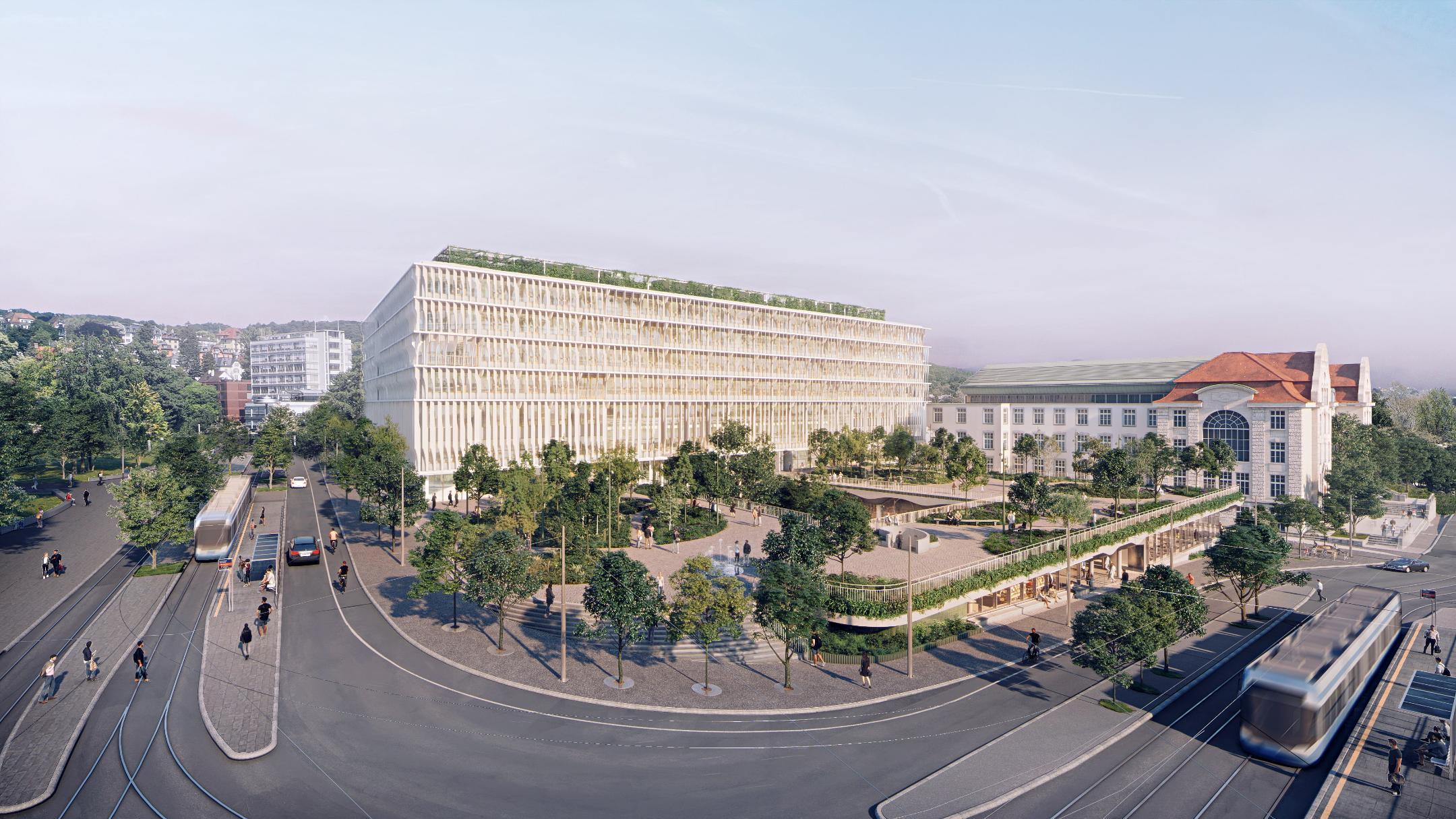
    The FORUM UZH is a milestone for the structural and academic development of the University of Zurich. The new building comprises a total of 37,000 m² of usable space and will not only accommodate the predicted growth in student numbers, but also set new standards in teaching, research and sustainability. The new centre will bring together the faculties of law, economics and modern philology. These will be complemented by modern libraries, sports facilities for secondary schools and the Academic Sports Association as well as publicly accessible cafeterias and commercial areas.

    Architecture and spatial concept
    The FORUM UZH consists of a terraced base for teaching and university life, a trapezoidal structure hovering above for research and a central courtyard. The structure is set back from Rämistrasse to create a spacious front zone with city balconies that blends in with the urban surroundings. The façade design with horizontal ceiling panels and vertical brise soleils gives the building a striking depth effect and allows for flexible light regulation inside.

    At the centre of the building is the eponymous Forum, a light-flooded hall that is a lounge, meeting and work space all in one. It connects all levels and can be used for university and public events for up to 2,000 people.

    Flexible learning environment and modern infrastructure
    The FORUM UZH offers a variety of innovative teaching and learning spaces. Five lecture theatres and several seminar rooms can be used flexibly and are equipped with state-of-the-art technology to enable hybrid teaching models. There will also be a spacious teaching and learning centre with over 700 student workstations. The university library will be united under one roof on the upper floors.

    Sustainability and innovative construction
    The FORUM UZH is based on a sustainable timber-concrete hybrid construction method that reduces CO² emissions while offering a high quality of stay. The intensively greened roof not only serves as a fifth façade, but also as an ecological compensation area with a habitat for flora and fauna. A photovoltaic system supplies its own electricity, while over 50 large trees on the redesigned town square have a positive impact on the microclimate.

    Thanks to the modular design, UZH saves as much CO² as would be released by the construction of 77 detached houses. The building will be certified in accordance with the SGNI Gold standard and Minergie P.

    Integration into the urban environment
    The FORUM UZH will not only be open to the university community, but also to the city’s population. The libraries, catering areas and neighbourhood shops will be open to the public and the Gloriaterrasse will be a green meeting place where people can linger. The urban design will create a direct link between the university quarter and the surrounding neighbourhoods.

    Construction schedule and next steps
    Following the completion of the preliminary project, construction work began in August 2024. Completion is scheduled for 2028 and the building will be occupied in 2029. Until then, students and researchers at the University of Zurich will be able to follow the development of this project of the century at close quarters.

  • EPFL researchers improve efficiency of solar cells with rubidium

    EPFL researchers improve efficiency of solar cells with rubidium

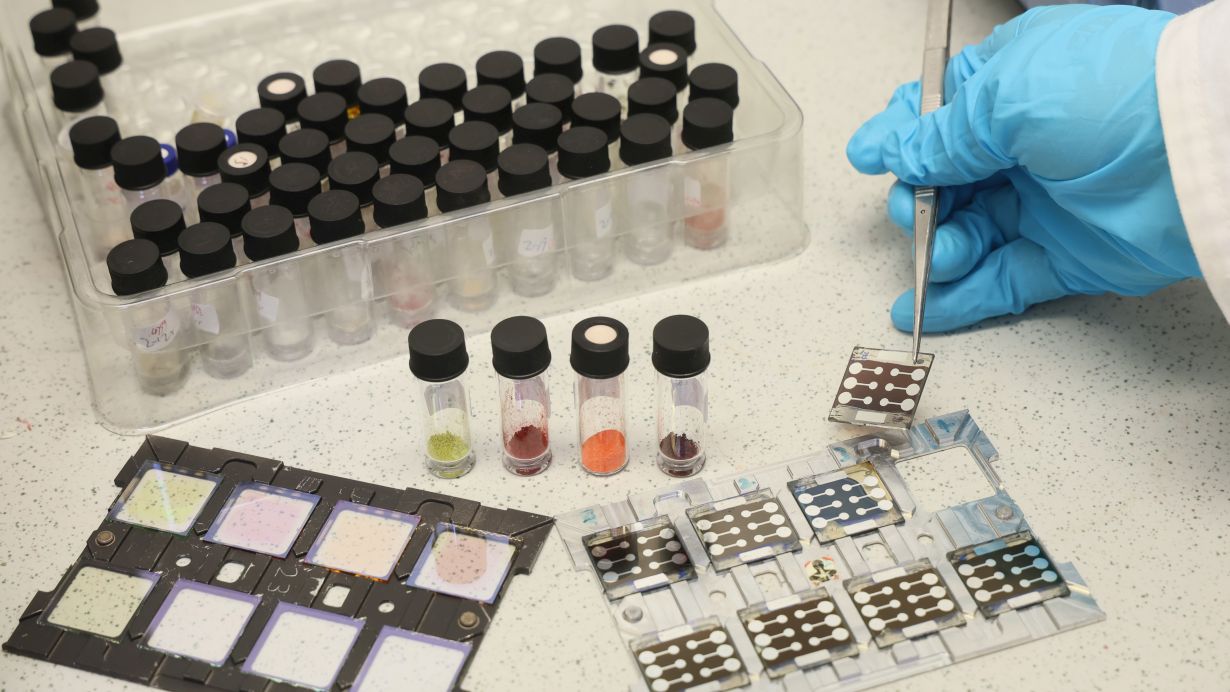
    Researchers at EPFL have discovered a method for reducing the energy loss of perovskite solar cells, according to a press release. Perovskite solar cells are based on semiconductors with a wide bandgap, but they often suffer from phase separation, which causes a drop in performance over time. The integration of rubidium (Rb) is intended to stabilise the semiconductor material and at the same time improve the energy efficiency of the solar cell. By utilising the lattice voltage of the perovskite film, the researchers were also able to ensure that the Rb ions are fixed in the right place.

    The researchers led by Lukas Pfeifer and Likai Zheng from Michael Grätzel’s group at EPFL also used the X-ray diffraction method to verify and analyse this effect. They discovered that, in addition to the lattice stress, the introduction of chloride ions also makes a decisive contribution to the stabilisation of the material. The chloride ions equalise the size differences between the incorporated elements and thus ensure a more uniform ion distribution. The result is a more uniform material with fewer defects and a more stable electronic structure.

    The new perovskite composition reached 93.5 per cent of its theoretical limit with an open circuit voltage of 1.30 volts. This is one of the lowest energy losses ever measured in perovskite semiconductors. An improved photoluminescence quantum yield also indicates a more efficient conversion of sunlight into electricity.

    Increasing the efficiency of perovskite solar cells could lead to more efficient and cost-effective solar modules and thus reduce dependence on fossil fuels. Perovskites could also be used for LEDs, sensors and other optoelectronic applications. The EPFL’s findings could therefore also accelerate the commercialisation of these technologies.

  • A global centre for artificial intelligence

    A global centre for artificial intelligence

    A key component of this initiative is the new Alpine supercomputer, which was put into operation at the Swiss National Supercomputing Centre in Lugano in February 2024. With over 10,000 graphics processors, it is one of the most powerful computers in the world and offers Swiss scientists an infrastructure that was previously only available to the largest technology companies.

    AI development with a focus on specialised industries
    Instead of developing general AI models, Switzerland is focussing on industry-specific solutions, particularly in the fields of robotics, medicine, climate science and diagnostics. EPF Lausanne has already published a medical AI model that is specifically tailored to the healthcare sector.

    Open and transparent AI models
    The organisation deliberately focuses on transparency and open source. In contrast to the proprietary models of large corporations, Switzerland’s new large language models should be comprehensible to everyone. This applies to the data used as well as the training methods and results.

    Research for digital sovereignty
    ETH Vice President for Research, Christian Wolfrum, emphasises the importance of Switzerland’s digital independence: “Science must take on a pioneering role so that AI is not left to multinational corporations alone. This is the only way we can guarantee independent research and digital sovereignty.”

    Large computing volume for ambitious goals
    The plan is to utilise ten million GPU hours on the Alpine supercomputer within the next 12 months. This corresponds to an enormous computing power, as the same volume would have to work continuously for 1,100 years with one GPU. Switzerland is thus setting new standards in AI research.

    AI for industry and administration
    The initiative is intended to benefit not only science, but also Swiss companies, start-ups and public administrations. Swisscom CTO Gerd Niehage sees the initiative as an important building block for Switzerland’s digital future: “It accelerates the digital transformation and creates new skills that our country needs to play a leading role in the field of generative AI.”

    International collaboration and networking
    To drive their research forward, ETH Zurich and EPFL are working closely with the Swiss Data Science Centre and around a dozen other Swiss universities and research institutes. The initiative is also part of the European AI Excellence Network, which comprises around 40 leading AI research centres in Europe.

    The initiative is thus sending out a clear signal. Switzerland is positioning itself as a leading global hub for the development of transparent and responsible AI technologies
    AI technologies.

  • Prof Nora Dainton takes over as Head of the FHNW Institute of Digital Construction

    Prof Nora Dainton takes over as Head of the FHNW Institute of Digital Construction

    Prof Nora Dainton takes on dual responsibility as interim head of the institute. She heads the Institute of Digital Construction and at the same time remains head of the MSc in Virtual Design and Construction programme. This combination enables a close integration of research, teaching and strategic development. “I look forward to actively shaping the future of digital construction together with our students and colleagues,” she emphasises.

    Prof. Dainton has been working at the institute since 2021 and is shaping the content and strategic direction of the VDC Master’s programme. A degree programme that focuses on digital processes in construction and real estate.

    Bridging the gap between research and practice
    One of Prof. Dainton’s key concerns is applied research in close collaboration with practice partners. As a link between industry, teaching and research, she wants to actively support the digital transformation in the construction industry. The focus here is on new planning and construction processes, innovative forms of organisation and digital tools that increase efficiency, sustainability and quality in the construction process.

    Her cross-institutional role within the university also enables her to contribute to the further development of the departments and university development at a strategic level.

    Handover with perspective
    Prof. Dainton succeeds Prof. Manfred Huber, who has built up and shaped the Institute of Digital Construction with great commitment over eight years. From August 2025, Prof Huber will take on a new management role as Director of the Department of Engineering & Architecture at Lucerne University of Applied Sciences and Arts.

    The transition marks a new phase for the institute, which is positioning itself as a regional, national and international driving force for digital transformation in the construction industry.

  • Zug as a global centre for blockchain technology

    Zug as a global centre for blockchain technology

    The Canton of Zug is supporting the establishment of the “Blockchain Zug – Joint Research Initiative” with a financial commitment of around CHF 40 million. This innovative cooperation project between the University of Lucerne and Lucerne University of Applied Sciences and Arts aims to develop Crypto Valley into an international centre for blockchain research. The Cantonal Council gave the go-ahead for the project in February 2024.

    New research institute at the University of Lucerne
    A central component of the initiative is the establishment of a Zug Institute for Blockchain Research at the University of Lucerne. With nine new chairs, an interdisciplinary research environment will be created to analyse the social, economic and legal aspects of blockchain technology. HSLU is contributing its expertise from the fields of computer science, finance and engineering, thus creating a unique synergy between technological innovation and a humanities perspective.

    Lighthouse project with international appeal
    The aim of the initiative is to establish Zug as a global centre for blockchain research. Finance Director Heinz Tännler emphasises the importance of this project: “Blockchain has the potential to transform many areas of our lives. With this initiative, we are ensuring that we are at the forefront of this development.” This is not only an investment in the technology of the future, but also a strategic measure to strengthen Zug as a business location.

    Technology meets society
    Unlike many purely technological research projects, the “Blockchain Zug – Joint Research Initiative” takes a broad approach. In addition to the technical foundations, the effects on the economy, politics and society are also being analysed. This emphasises the unique character of the project, which not only aims to drive innovation, but also to understand and shape social transformations.

    Long-term perspective and sustainable funding
    The initiative is designed for the long term. After five years of start-up funding from the Canton of Zug, the research network is to be placed on a sustainable financial footing. An external evaluation after three years will determine the way forward.

  • Innovation Park Ticino strategic project for the future

    Innovation Park Ticino strategic project for the future

    The Switzerland Innovation Park Ticino will be located on a 25,000 square meter site in the middle of the new quarter. The proximity to Bellinzona railroad station and excellent connections to the economic centers of Zurich and Milan make the location particularly attractive. The historic “cathedral” of the former workshops in the center of the quarter will be preserved and integrated into the modern cityscape as a landmark of the industrial past.

    Promoting research and development
    The innovation park will become a hub for cutting-edge research projects and business collaborations. Competence centers for drone technology, life sciences and lifestyle tech are planned. These are intended to strengthen the region’s innovative power and intensify cooperation between start-ups, established companies and academic institutions. The Life Sciences Competence Center, for example, will open up new avenues in biotechnology and work on animal-free drug testing.

    A strategic joint project
    Funding is provided by a broad partnership of public and private stakeholders, including the canton, BancaStato, industry and business associations as well as renowned universities such as the Università della Svizzera italiana (USI) and the SUPSI University of Applied Sciences. Switzerland Innovation Park Ticino SA was founded as a non-profit organization and will manage the development of the park.

    Stimulus for the economic development of Ticino
    With the official recognition by the national innovation network Switzerland Innovation, Ticino will be closely networked with the Innovation Park Zurich. This collaboration is intended to create synergies between the two regions and promote the exchange of knowledge between research and industry. The link to the MIND Milano Innovation District underlines the international focus of the project and strengthens Ticino’s competitiveness as a high-tech location.

    State Councillors Christian Vitta and Marina Carobbio Guscetti emphasize the strategic importance of the innovation park for Ticino. For Ticino as a business location, the innovation park is a strategic project for the economic development of the canton. The aim is to establish the region as an innovation hub, create highly qualified jobs and attract investment. The Switzerland Innovation Park Ticino will thus become a key driver of economic and technological development in the region and consolidate Ticino’s position as a major player in the Swiss innovation ecosystem.

  • Buildings contribute to grid stability

    Buildings contribute to grid stability

    The transformation of the energy sector brings challenges. Renewable energies such as photovoltaics do not provide a constant supply of electricity, but are subject to weather conditions and times of day. The power supply must therefore become more flexible in order to utilise production peaks and compensate for bottlenecks. This is precisely where automated building systems come in. They control consumption and feed-in intelligently and reduce the load on the grid.

    Predictive control for maximum efficiency
    An innovative algorithm developed by Empa analyses energy availability and user behaviour in order to optimally control energy consumption. For example, surplus solar energy is prioritised or stored instead of overloading the grid. At the same time, comfort is maintained. Hot water or heating are available exactly when they are needed.

    Successful practical test in the NEST building
    The algorithm was tested under real conditions in a pilot project in Empa’s NEST building. A photovoltaic system, battery storage, a heat pump and a charging station for electric vehicles were used. The results show that CO2 emissions were reduced by more than 10 per cent without compromising user comfort. The building was also able to communicate independently with the grid in order to absorb peak loads.

    Digitalisation as a prerequisite for scalable solutions
    The study shows that intelligent energy control is a key building block for a sustainable energy future. In order for such solutions to be used across the board, consistent digitalisation is required. At the same time, it must be ensured that the IT infrastructure remains sustainable. Empa researchers are therefore already investigating ways of using old smartphones as control units for building automation.

    The future of energy supply lies in the networking of intelligent systems. Through predictive management, buildings can not only cover their own energy requirements, but also actively contribute to grid stability.

  • Foldable and reusable formwork revolutionises concrete construction

    Foldable and reusable formwork revolutionises concrete construction

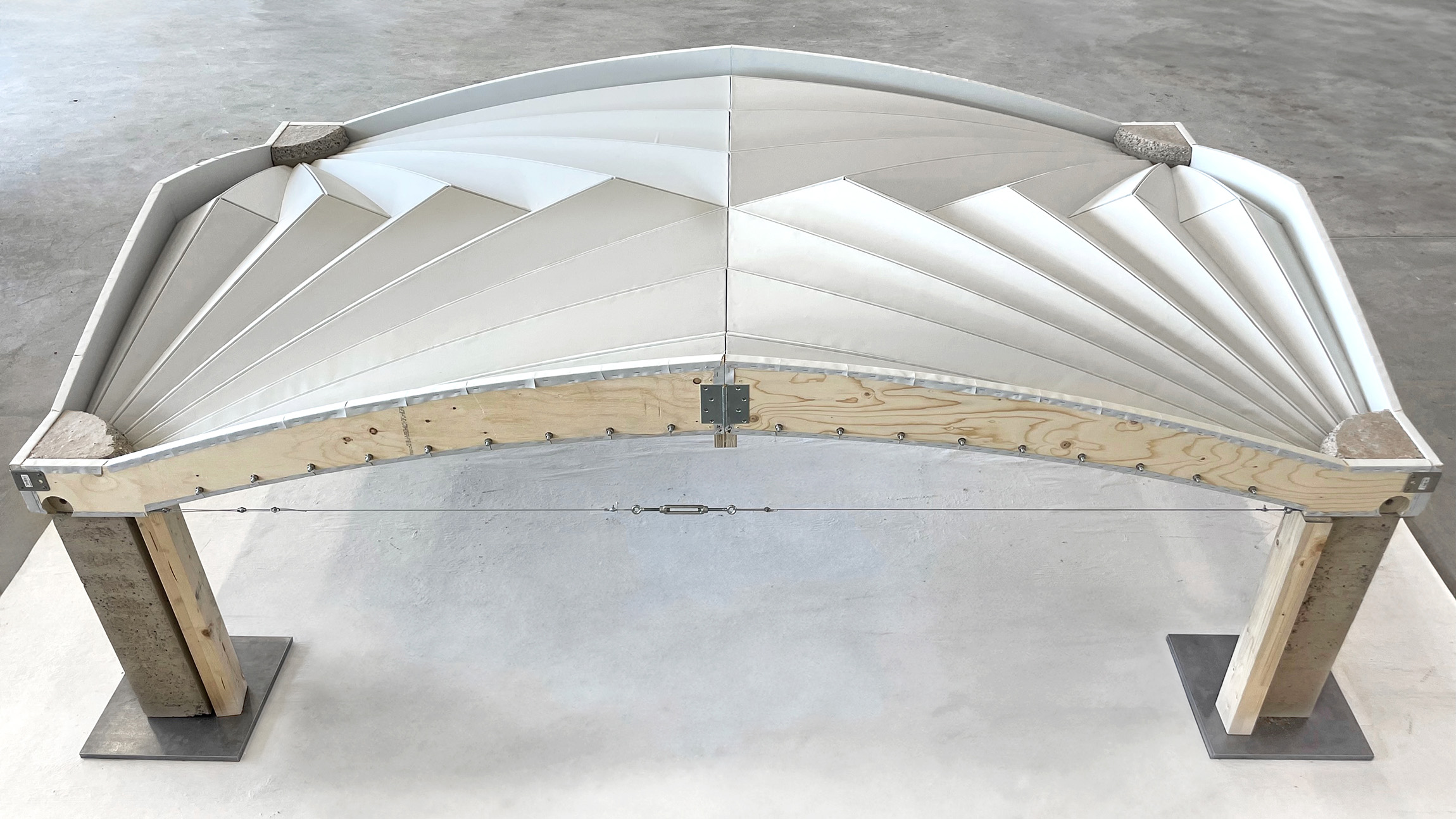
    Unfold Form is the name of the lightweight and reusable formwork for vaulted concrete structures. It was developed by architecture doctoral student Lotte Scheder-Bieschin in Philippe Block’s ETH research group. According to an ETH report, it saves up to 60 per cent concrete and up to 90 per cent steel compared to conventional ceilings.

    Unfold Form consists of thin, flexible plywood strips. They are connected to each other by textile hinges and can be unfolded like fans. Four such moulds are quickly and easily joined together in a wooden frame to form a load-bearing formwork with spikes. The concrete is poured on top. “The concrete absorbs these corrugations as ribs,” says the inventor. “These ribs help to transfer loads.”

    Once the concrete has hardened, the formwork can be removed from below, folded up again and used again. According to the information provided, the entire system for the prototype weighs just 24 kilograms, but can carry up to 1 tonne of concrete.

    “In addition to the material, you only need a template for the mould and a stapler.” The material for the prototype cost 650 francs. As the researcher emphasises, the formwork can be produced and set up without specialist knowledge or high-tech. This means it can be used worldwide, even with limited resources, for example in developing countries. The demand for new buildings is particularly high there.

    The second prototype was cast on site by the South African partner company nonCrete, which is committed to sustainable buildings and affordable housing. “The innovative formwork system,” says Scheder-Bieschin, “will one day be used to build high-quality, dignified and sustainable homes in South African townships.”

  • AI accelerates perovskite solar cells for the mass market

    AI accelerates perovskite solar cells for the mass market

    Perovskite solar cells already achieve efficiencies of over 26% and are light, flexible and inexpensive to produce. They are considered a promising alternative to conventional silicon modules. However, challenges such as long-term stability and scalability still stand in the way of industrial utilisation.

    AI as the key to optimising production
    The Karlsruhe Institute of Technology (KIT) is researching how machine learning can improve the manufacturing process for perovskite cells. Deep learning models analyse material properties in real time and optimise the parameters for maximum efficiency.

    Detecting errors before they occur
    AI uses in-situ imaging techniques to monitor thin-film formation and detect errors at an early stage. This allows process deviations to be corrected immediately and expensive rejects to be avoided.

    Simulations for maximum efficiency
    AI-supported simulations allow production conditions to be precisely adapted. The control of the vacuum quenching time in particular plays a decisive role. AI optimises this process to ensure the best possible material structure.

    The path to market maturity
    The KIT study shows that AI is a key driver for the further development of perovskite photovoltaics. The technology could revolutionise the solar energy market and become industrially usable faster than ever with AI.

  • Concrete as CO₂ storage

    Concrete as CO₂ storage

    Reducing greenhouse gas emissions alone is not enough to slow down climate change. It is just as important to actively remove CO₂ that has already been emitted from the atmosphere. Empa researchers have calculated that up to ten billion tonnes of carbon could be sequestered annually through targeted CO₂ storage in concrete. In the long term, this process could help to reduce the CO₂ level in the atmosphere to the target value of 350 ppm.

    The concept is based on the conversion of CO₂ into solid carbon compounds that are used as concrete aggregates. In addition to concrete, other building materials such as asphalt or plastics could also contribute to storage. The challenge lies in incorporating large quantities of carbon efficiently and quickly into these materials without impairing their properties.

    Silicon carbide as a key technology
    One promising approach is the production of silicon carbide as a concrete aggregate. This compound can bind carbon almost permanently and at the same time improves the mechanical properties of the concrete. However, the production of silicon carbide is very energy-intensive, which is why the full utilisation of this technology is only realistic after the energy transition.

    Without the use of silicon carbide, it would take more than 200 years to remove the excess CO₂ from the atmosphere. However, a combination of porous carbon and silicon carbide could significantly accelerate this process.

    New paths for a CO₂-binding economy
    The “Mining the Atmosphere” research initiative aims not only to reduce CO₂, but also to utilise it as a valuable raw material. In addition to storage in building materials, carbon can also be used for the production of polymers, carbon fibres or graphene.

    However, technological advances as well as economic and regulatory incentives are required for successful implementation. The researchers emphasise that a combination of CO₂ reduction and active removal is necessary to mitigate climate change in the long term.

    Using concrete as a carbon sink could make a decisive contribution to stabilising the climate. A sustainable solution for the future of the construction industry.

  • Swiss data ecosystem

    Swiss data ecosystem

    Data is a key resource for economic development, research and social progress. To prevent data from remaining in isolated silos, the federal government is focussing on a national data ecosystem. This comprises topic-specific data spaces in which companies, universities, authorities and organisations can exchange data in a secure and controlled manner.

    The Federal Council has instructed the Federal Chancellery to create a central contact point to coordinate these data rooms. The Swiss Data Ecosystem Focal Point, which began operations on 15 January 2025, is operated by the Federal Chancellery in collaboration with the Federal Office of Communications, the Federal Statistical Office and the Directorate of International Law.

    Coordination, advice and international networking
    The main task of the contact point is to create the basis for an interoperable data ecosystem. This includes regulations, technical standards and organisational structures. At the same time, it supports ongoing data room projects with conceptual, organisational and legal advice.

    A central element is the networking of the relevant players. Experts can exchange knowledge and experience in so-called communities of practice in order to accelerate the development of joint data solutions. In addition, the contact point works with international partners such as the Fraunhofer Institute to ensure the compatibility of Swiss data spaces with European and global initiatives.

    Making data usable for business, research and society
    Several data room projects are already under development, for example in the areas of health (“DigiSanté”), tourism (“National Data Infrastructure for Tourism”) and agriculture (“agridata.ch”). Another example is the planned mobility data space, in which players from public transport, logistics and the authorities exchange mobility data. This will enable more efficient traffic management, optimised route planning for freight forwarders and faster response times for emergency services.

    With the new contact point, Switzerland is taking an important step towards utilising the potential of data sustainably and promoting digital innovations across industry and administrative boundaries.

  • Mushroom batteries the energy source

    Mushroom batteries the energy source

    The components of the mushroom battery are manufactured using 3D printing. The mushroom cells are incorporated directly into the printing ink. This special ink, developed on a cellulose basis, supports the growth of the mushrooms and is also electrically conductive. The manufacturing process places high demands. The ink must be biodegradable, easy to extrude and rich in nutrients without damaging the sensitive fungal cells.

    Possible applications and potential
    Although the mushroom battery only generates small amounts of electricity, it is sufficient to operate sensors in agriculture or environmental research for several days. The battery can be activated at the place of use by simply adding water and nutrients. After use, the materials decompose on their own due to the fungi.

    Challenges and future plans
    Working with living materials requires interdisciplinary knowledge from microbiology, materials science and electrical engineering. The researchers are planning to improve the performance and service life of the mushroom battery and to research other types of mushrooms as electricity suppliers. The aim is to develop an even more efficient, sustainable energy source.

    Green biotechnology with wood and mushrooms
    Wood, a renewable raw material, is also used by Empa for innovative applications. In addition to the mushroom battery, environmental sensors and green electronics made from cellulose fibres are being developed here. These projects promote the sustainable use of wood and fungi in materials science and contribute to the energy transition.

  • Climate-neutral industry – Vision 2026

    Climate-neutral industry – Vision 2026

    Founded in 2022, the Association for the Decarbonisation of Industry aims to reduce emissions to a minimum through innovative technology. At the forefront is the methane pyrolysis process, which enables emission-free energy utilisation by splitting hydrogen from methane. The remaining carbon is utilised as a resource, for example as humus in agriculture or as a building material, which binds the carbon in the long term.

    Cooperation between business, research and politics
    Without the cooperation of 16 leading companies, Empa and politicians from the Canton of Zug, the project would hardly be possible. Together, they are contributing to the development and scaling up of the pyrolysis process, which is to be scaled up from laboratory to industrial size by 2026. The partners are providing funding of over CHF 8 million, thereby sending a strong signal for the decarbonisation of industry.

    Methane pyrolysis Reduction of CO2 emissions
    The association is focusing on methane pyrolysis, a process that minimises CO2 emissions when using natural gas. Instead of traditional combustion, hydrogen is obtained from methane, while the carbon is in solid form and therefore does not cause any emissions. This technology could save up to 270 g of CO2 per kilowatt hour produced and is therefore a potential key to the net-zero targets by 2050.

    Sustainable ecosystem without waste
    The association is working to create an ecosystem that optimally utilises all components of the process. Through the circular economy concept, not only hydrogen, but also carbon and waste heat are to be efficiently reused to avoid waste. This holistic strategy creates a model that is ideally suited to a climate-friendly future.

    Membership of the Association for the Decarbonisation of Industry
    Companies that are committed to the climate-neutral future of industry and would like to benefit from the findings of the association can become members. The association is tax-exempt and donations are deductible in the canton of Zug. Members gain access to advanced knowledge and support an initiative that lays the foundations for an emission-free
    industry.

  • New technologies for geothermal utilisation developed in Switzerland

    New technologies for geothermal utilisation developed in Switzerland

    Researchers at ETH are fully utilising energy from underground to generate electricity and heat. Several research groups at the university are exploring the possibilities of geothermal energy, the ETH announced in a press release. According to the statement, Switzerland is better prepared for the utilisation of geothermal energy than it was a few years ago in terms of technology, regulations and public acceptance.

    A group led by Stefan Wiemer, Professor at the Department of Earth and Planetary Sciences at ETH and Director of the Swiss Seismological Service, is conducting research in the BedrettoLab on minimising earthquake risks in so-called enhanced geothermal systems. A sensor-supported system monitors the creation of the necessary artificial cracks in which water heats up. The knowledge gained in the BedrettoLab is being utilised in the planning of the geothermal pilot power plant in Haute-Sorne JU.

    The group led by Martin Saar, Professor of Geothermal Energy and Geofluids in the Department of Earth and Planetary Sciences at ETH, is exploring the possibilities of closed raw circuits in which CO2 circulates. These so-called deep closed-loop advanced geothermal systems could be “a climate-friendly alternative to CO₂-intensive reserve gas power plants”, Saar explains in the press release. The group has also already patented so-called CO2-Plume Geothermal Systems. These combine the permanent storage of CO2 in rock with its utilisation for the production of heat and electricity. The storage of process and summer heat from buildings in rock, which can be used for heating in winter, is also being investigated.

  • New projects for decarbonisation of the gas industry to start in 2025

    New projects for decarbonisation of the gas industry to start in 2025

    EPFL and the French-speaking Swiss gas supplier Gaznat have signed a framework agreement to expand their collaboration, according to a press release. This provides for three calls for tenders for research and development projects that can make a significant contribution to a clean gas supply. The first call is scheduled for early 2025.

    The winning projects will be selected by a scientific advisory board consisting of four representatives from both sides. These include Gaznat CEO Gilles Verdan, Wendy Lee Queen and Yasmine Calisesi from the EPFL Energy Centre and EPFL Vice President Edouard Bugnion. A programme manager will coordinate the tenders and support the selected projects.

    EPFL and Gaznat have already jointly financed 17 projects in three calls for proposals. Gaznat opened its innovation lab in Aigle in 2023.

    Gaznat, based in Lausanne, procures and transports gas for partner companies in western Switzerland. The company aims to make its supply climate-neutral by 2050. “Thanks to our research and development collaboration with EPFL, we are getting closer to our goal of climate neutrality and can decarbonise our industry,” Gaznat Chairman of the Board of Directors René Bautz and CEO Gilles Verdan are quoted as saying in the press release.

  • Timber construction as the key to CO2 reduction in the construction sector

    Timber construction as the key to CO2 reduction in the construction sector

    The European research project TIMBERHAUS was launched in Copenhagen at the beginning of November, Empa announced in a press release. It is one of 19 partners from a total of ten countries participating in the project, which is funded by the EU and the State Secretariat for Education, Research and Innovation to promote timber construction in Europe. Within four years, innovative timber construction technologies and structures are to be developed with which CO2 emissions in the construction sector can be significantly reduced.

    According to Empa, the construction sector is responsible for 40 percent of global CO2 emissions. The use of wood could help here. Currently, however, European forest resources, half of which consist of hardwood, are only used “very inefficiently” and limited to a few types of softwood for construction, explains project coordinator Anders Kjellow from the Danish Technological Institute. “With TIMBERHAUS, we are trying to overcome this challenge in order to increase the sustainable use of wood in construction.”

    Empa is contributing to the project with innovative prototypes created using digital tools such as machine learning and artificial intelligence. “The prototypes will serve as practical examples of how we can effectively utilize a wider range of wood resources,” Empa researcher Mark Schubert is quoted as saying in the press release. “Our goal is to provide the construction sector with viable and efficient products that meet current building standards while promoting the principles of the circular economy and supporting European climate goals.”

  • Milestone for the second stage of the innovation park

    Milestone for the second stage of the innovation park

    The Zurich Innovation Park combines research, development and aviation utilisation in a unique way. An area for the innovation park and for a research, test and industrial airfield will be created in the south-western part of the Dübendorf airfield. This vision includes not only modern infrastructure, but also publicly accessible green and open spaces. The project is of central importance for the region, the canton of Zurich and Switzerland as a whole.

    Design plan as the basis for sustainable development
    The newly established design plan for sub-area B creates a binding framework. It regulates the utilisation, the location of the building areas as well as design, ecological and traffic requirements. At the same time, the impact on the regional transport network is analysed in depth and green spaces are optimally integrated.

    Progress through participation and planning security
    Following a public consultation phase and the consideration of objections received, the design plan was revised and approved. It will come into force on 22 November 2024 and form the basis for future construction projects. This marks another important step towards the realisation of the Zurich Innovation Park.