Tag: Immoinvest

  • Light controls electricity in metals

    Light controls electricity in metals

    A team of researchers at the University of Minnesota Twin Cities has achieved a significant breakthrough. They have developed a method that uses light to influence the flow of electricity in extremely thin metal layers at room temperature. This new approach could help to make optical sensors and quantum information devices significantly more efficient in the future. The scientists’ interim results were recently published in the renowned journal “Science Advances”.

    The study is based on ultra-thin layers of ruthenium dioxide (RuO2), which were applied to titanium dioxide (TiO2). Depending on the direction, these layers not only react differently to light, but also to the flow of electricity. The structure of these layers makes it possible to specifically control the dynamics of the electrons and thus regulate energy flows.

    New paths through targeted use of light
    A key finding of the researchers is that the reactions of the material to light can be precisely influenced by targeted changes in the atomic structure. This controlled effect occurs at normal temperatures and opens up exciting prospects for future applications. “This is the first time anyone has demonstrated tunable, directed ultrafast carrier relaxation in a metal at room temperature,” confirms Seunggyo Jeong, a postdoctoral researcher in the Department of Chemical Engineering and Materials Science at the University of Minnesota.

    Such findings challenge many ideas about the behavior of metals of recent years and prove that the targeted control of electricity through controlled light pulses is possible. This opens up completely new approaches to dealing with energy and information processing in the smallest of spaces.

    Controlling electricity in detail
    The previous consensus in physics considered metals to be unsuitable for such precise control mechanisms because they have too complex electronic properties. However, the current research team discovered that precisely this complexity, known as band interleaving, can be actively used to steer the ultra-fast response of metals in different directions. This means that the material’s ability to control electricity can be adapted depending on the situation.

    New applications in computer technology, data storage, sensor technology and communication could benefit massively from this. The efficiency and speed of components in particular could be significantly improved through the targeted control of electricity. Tony Low, co-author and Professor of Electrical and Computer Engineering at the University of Minnesota, emphasizes that the results provide deep insights into how subtle structural distortions can change the electronic structure of metals. This could be crucial for future ultrafast and polarization-sensitive optoelectronic technologies.
  • Efficient cooling with underfloor heating

    Efficient cooling with underfloor heating

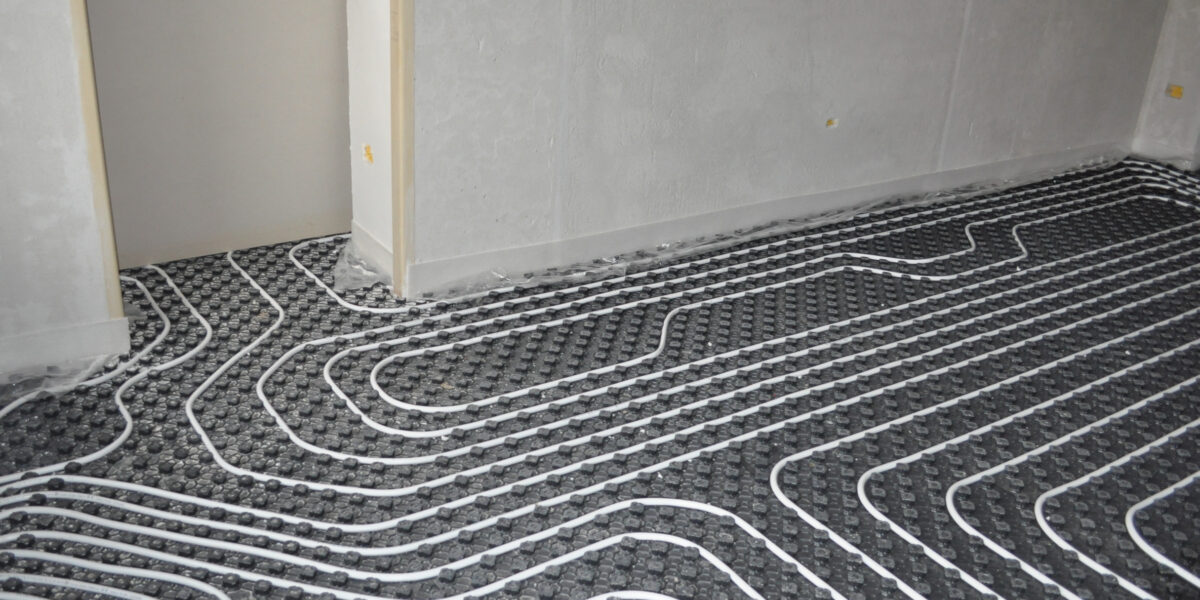
    In well-insulated new buildings and energy-efficiently renovated old buildings, interest in alternative cooling methods is increasing. Underfloor heating can not only provide cozy warmth in winter, but can also contribute to a pleasant indoor climate in summer, provided it is connected to a suitable heat pump. This opens up an efficient, noiseless and climate-friendly dual use of existing technology.

    Technology that can do both
    Only water-based systems are suitable for cooling. Cool water flows through the pipe system laid in the floor in summer, controlled by a pump and a smart control system. The decisive factor is the combination with a reversible heat pump, which provides technical support for the cooling mode. The difference between heating and cooling mode lies primarily in the water temperature. Instead of 35 to 40 °C, 16 to 20 °C is pumped through the system.

    Active or passive – two ways to cool down
    Passive cooling uses the temperature difference to the ground or groundwater without the compressor being active. This saves energy, but is often only sufficient for a slight temperature reduction in very hot weather.

    Active cooling, on the other hand, works at full pump capacity. Rooms can be cooled significantly more, but with higher power consumption.
    Brine/water and water/water heat pumps are suitable for both variants. Air/water systems are designed exclusively for active cooling.

    Technology and planning must go together
    The achievable temperature reduction is between 2 and 5 °C. With active solutions, values around 20 to 22 °C are also realistic. A flow temperature that is too low can cause condensation. This is why systems with dew point monitoring are needed that automatically counteract critical values.

    Know the limits, exploit the potential
    Underfloor heating systems react slowly, so cooling needs proactive control. However, with good planning and suitable technology, anyone building or renovating today can rely on a single system that provides year-round comfort without additional air conditioning.

    The achievable temperature reduction depends on the construction method, insulation and design of the system. In well-insulated new buildings or renovated properties, it is possible to cool rooms to 22 °C or below even when it is hot outside. Bedrooms, offices or heavily heated living areas in particular benefit from uniform, silent cooling.

  • School routes become safer with coloured pencil pillars

    School routes become safer with coloured pencil pillars

    Habidom wants to make routes to school safer. The manufacturer of road signals and markings, founded in 2001 and based in Aveleda in northern Portugal, has now also launched a special marking for school routes.

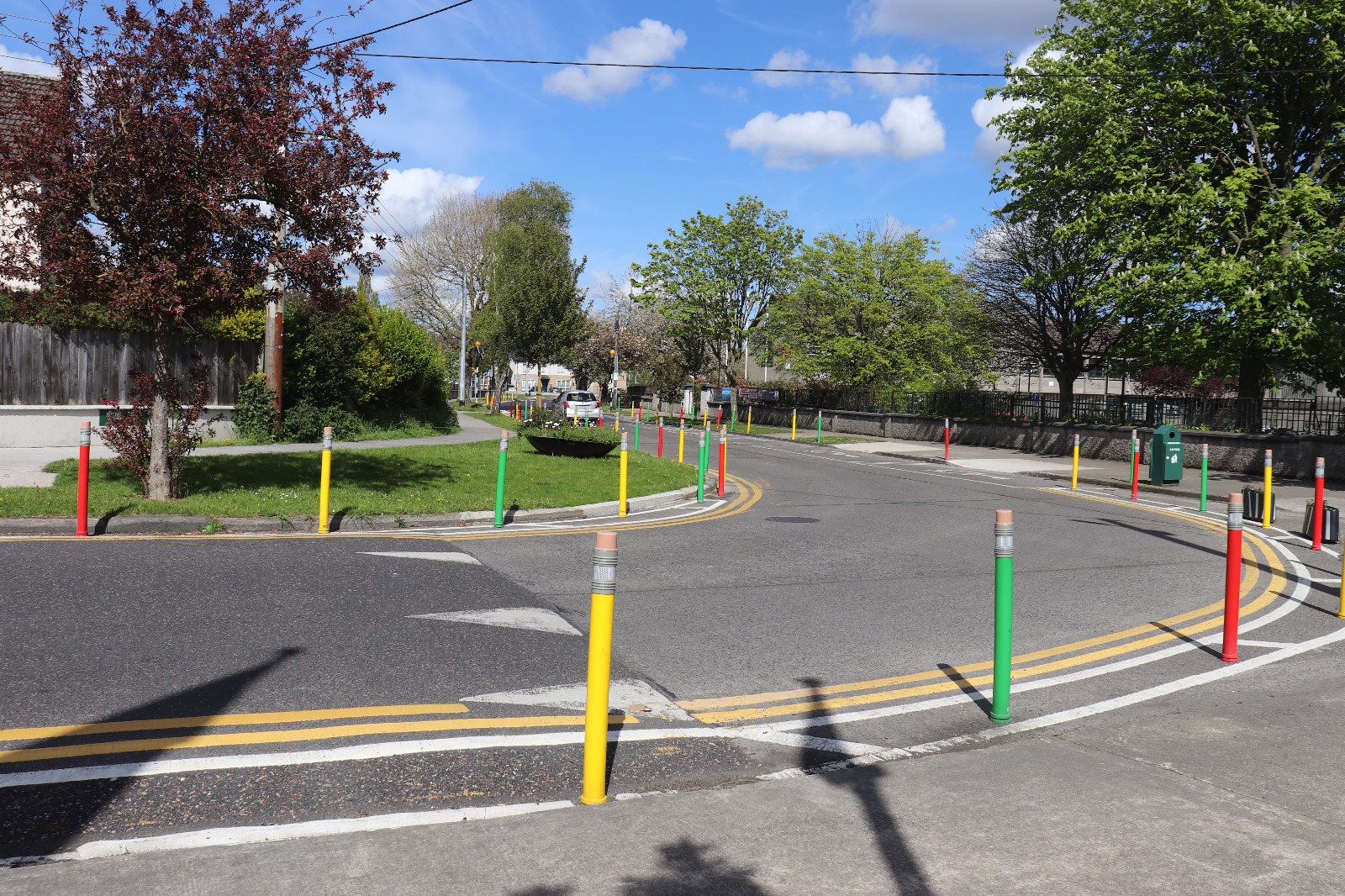
    The markings separate the road from the pavement like normal posts. However, they are in the shape of coloured pencils and thus make a playful reference to school. They are intended to signal to drivers that they should pay attention to the behaviour of children near the road.

    The pillars are made of flexible material, which reduces the risk of injury to children in the event of an accident. In addition to Portugal, Habidom’s coloured pencils for the road are already being used in Ireland, Belgium, Croatia and Austria.

    According to a press release from the company, Milvignes was the first municipality in Switzerland to install the coloured posts on its school routes, including near schools in Auvernier and Colombier and at the railway station.

  • Energy location with future potential

    Energy location with future potential

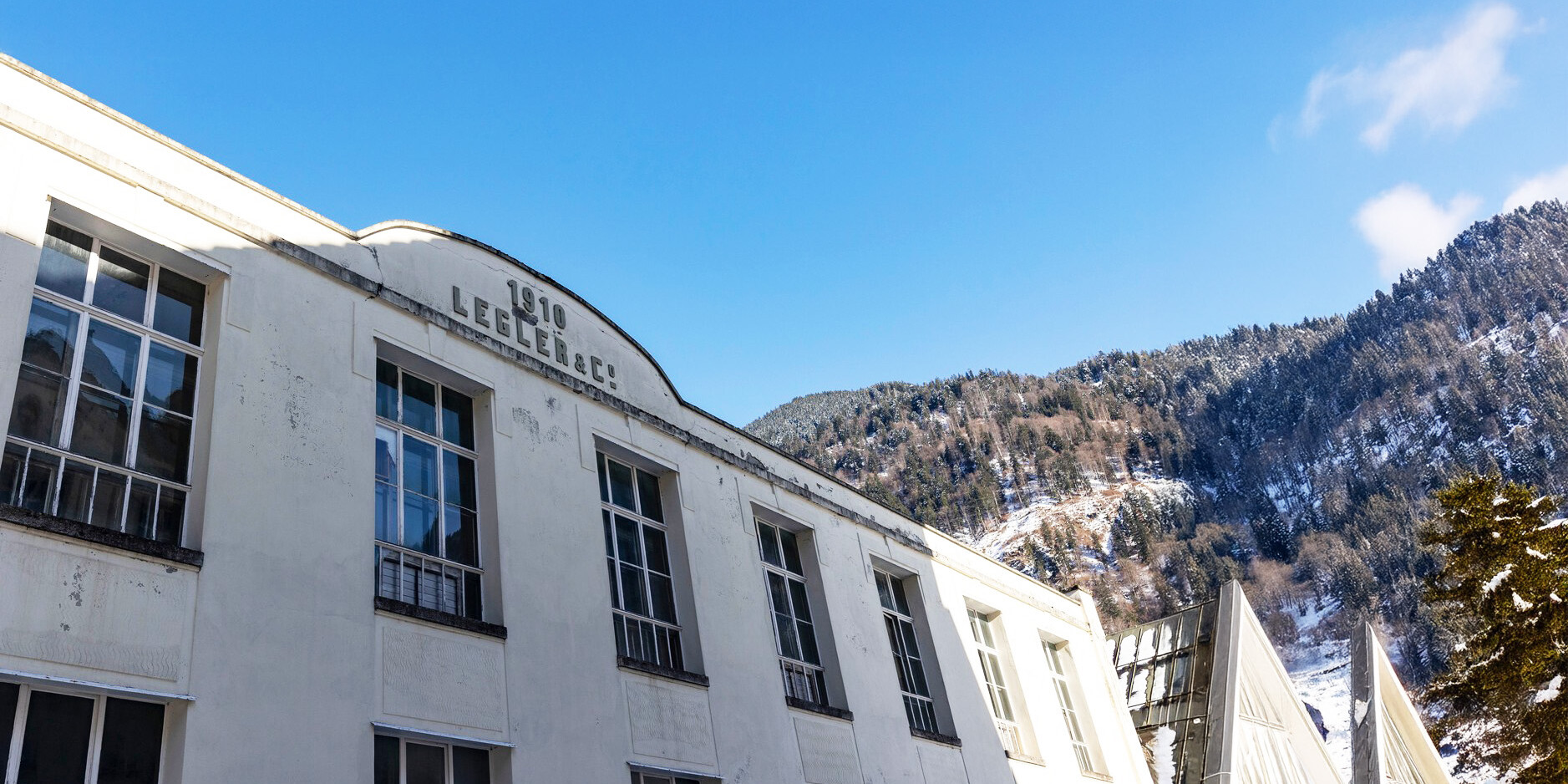
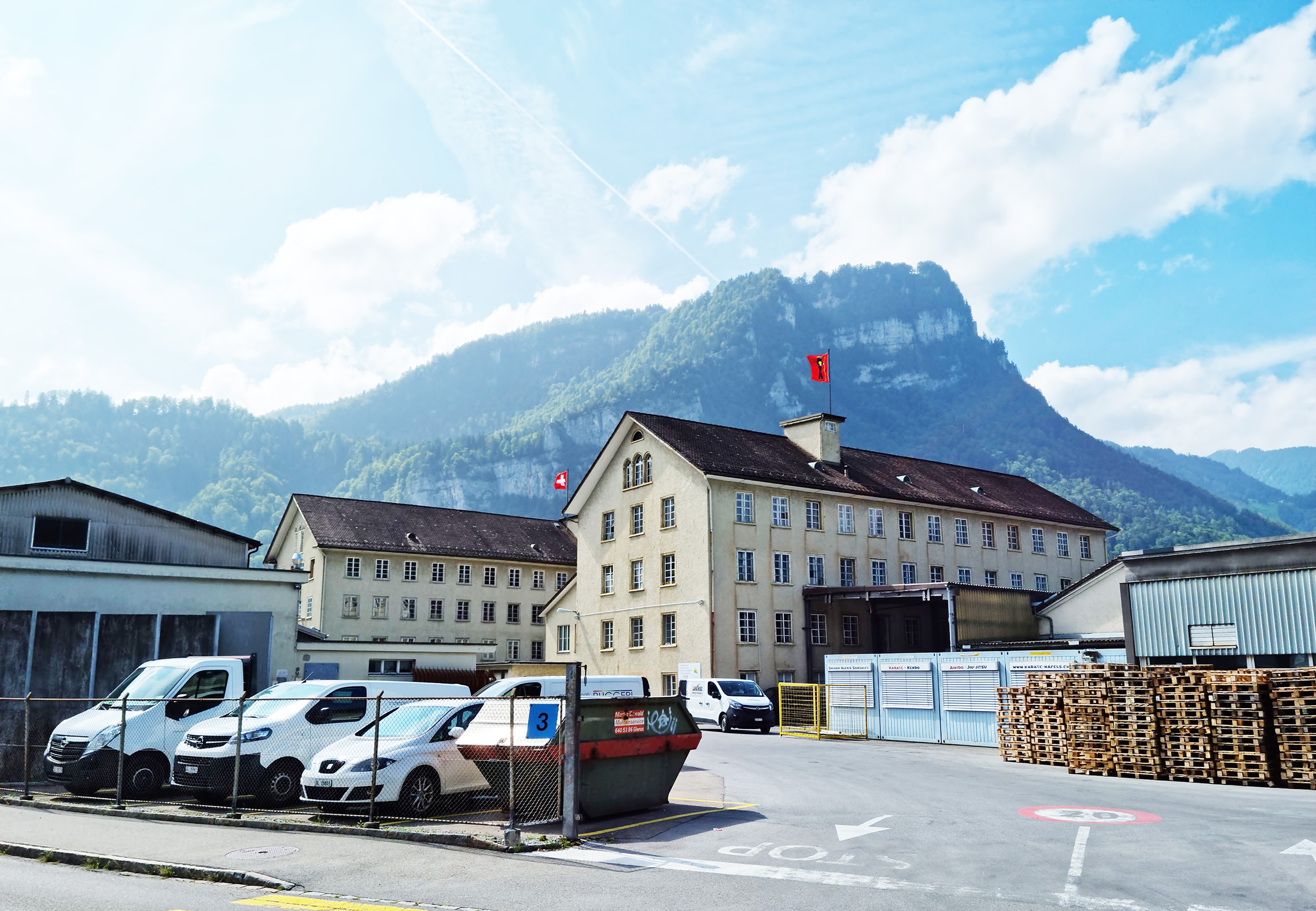
    With the purchase of the former Legler site by Hochdruckkraftwerk Diesbach AG and the simultaneous participation of the municipality of Glarus Süd, a new chapter has begun for the traditional factory site in Glarnerland. The operator of the local hydroelectric power plant has secured the site, including the power plant centre. At the same time, the municipality is acquiring agricultural land from the previous owner and will become the largest shareholder with a 40% stake.

    Energy meets site development
    The acquisition not only serves to preserve the historic power plant, but also opens up new opportunities for long-term site development. “We can offer areas ranging from 50 to several 1,000 square metres,” says Chairman of the Board of Directors Weber-Thedy.

    The municipality of Glarus Süd has secured two seats on the Board of Directors and an important land reserve of almost 30,000 square metres of agricultural land, which is earmarked for replacement measures or ecological compensation areas. The municipality is thus creating space for future developments.

    Long-term perspective with interim utilisation
    The potential of the Legler site is undisputed, but a new use takes time and requires careful planning. The aim is a mixed-use development with residential and office space that fits in with the landscape and the municipality. The first steps towards realisation are not expected before the next ten years.
    Until then, the site will be put to sensible interim use. The large halls will be rented out as storage space. They can be divided up flexibly, even if they are only suitable for certain purposes due to structural restrictions.

    Sustainability as a guiding principle
    The high-pressure power plant is focussing on environmentally friendly energy production and will renovate the plant to the latest standards in 2025. Earlier discussions about the expansion were postponed in favour of a sensitive approach to the landscape, but the roar of the Diesbach Falls is to be preserved.

    A boost for the Glarus region
    The acquisition of the Legler site is more than just a change of ownership. It is an example of forward-looking site development, supported by local energy production, public participation and a long-term perspective. The municipality of Glarus Süd is actively committed to the development of the site and at the same time minimises the risk of a prominent property falling into disrepair.

    The combination of energy infrastructure, property development and public involvement makes the project a beacon for the region and a role model for comparable sites in Switzerland.

  • Switzerland continues to massively expand solar power

    Switzerland continues to massively expand solar power

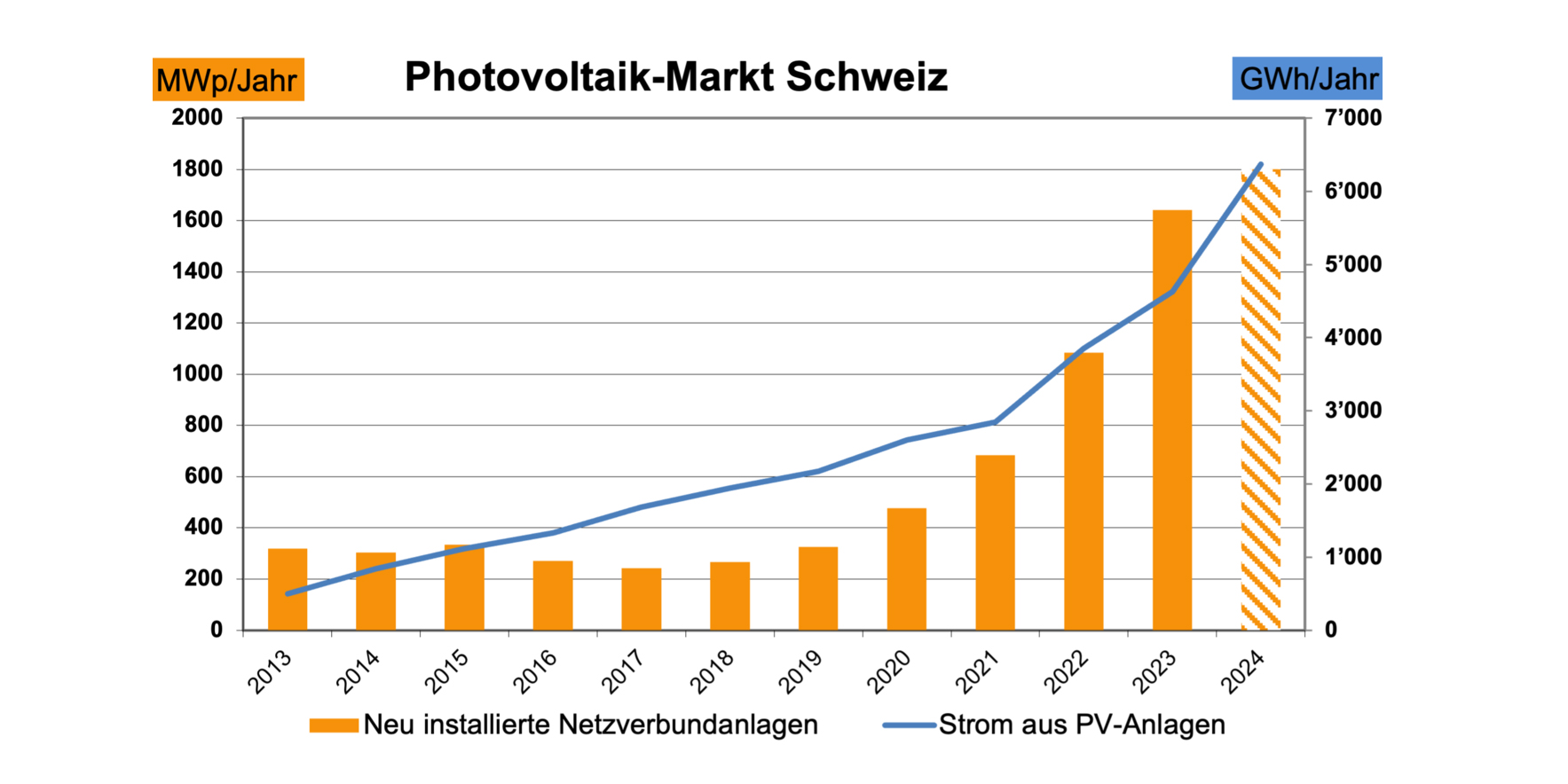
    The expansion of solar power reached a new record in 2024, according to a statement from Swissolar. According to the industry association, systems with a total output of 1,798 megawatts were installed, an increase of 10 per cent compared to the previous year. In total, 8170 megawatts were installed by the end of 2024. This generated 5961 gigawatt hours of electricity.

    Solar power accounted for 10.4 per cent of electricity demand in 2024. In the previous year, it was 8.25 per cent. Swissolar expects a share of 14 per cent by 2025. “Solar power is already a central component of our energy supply today and is well on its way to becoming the second mainstay of our electricity supply alongside hydropower,” said Matthias Egli, Managing Director of Swissolar, in the press release.

    Swissolar also emphasises the importance of solar power for the winter months. Around 2,400 gigawatt hours of solar power were generated between the beginning of October 2024 and mid-April 2025, around a third of annual production.

    The number of newly installed battery storage systems grew by 4 per cent in 2024. In single-family homes, 47 per cent of all solar installations were already equipped with battery storage systems, compared to just 42 per cent in the previous year. The total installed storage capacity at the end of 2024 was already 896 megawatt hours, enough to cover the consumption of 100,000 households for one day.

  • CO2-neutral commercial building with ramp and roof garden

    CO2-neutral commercial building with ramp and roof garden

    Felix Partner Architektur und Design from Zurich have symbolically handed over the first dismantled components of the former Stewi headquarters in Winterthur-Grüze to their customers for recycling at the start of construction of their Green Spin project in Winterthur. According to a press release, most of the demolished parts will not end up in landfill, but will be reused in other buildings. The demolition concrete will also be shredded and used to produce recycled concrete.

    A service building for commercial tenants will be built on the same site. Companies that also focus on sustainability themselves are set to move in from late summer 2027.

    The building shell is planned as a CO2-neutral timber construction. A green inner courtyard and a roof garden will also be realised. Photovoltaic modules on the façades and wind turbines will supply green electricity, while geothermal energy will be used for heating. The building is to be certified in accordance with the international BREEAM sustainability standard.

    The centrepiece is a ramp that is up to six metres wide and rises gently around the inner courtyard. It provides access to the rental areas on all levels, including by bicycle. The commercial, office, production and sports space will be complemented by catering outlets and individual retail outlets.

    “I hope this project will inspire others to think big and act boldly,” said FDP National Councillor Andri Silberschmidt in his speech at the start of construction. Jens Andersen, Winterthur’s master builder, emphasised that the project “fits in perfectly with our strategy of sustainable urban development”.

  • Recyclable linoleum flooring with a high cork content

    Recyclable linoleum flooring with a high cork content

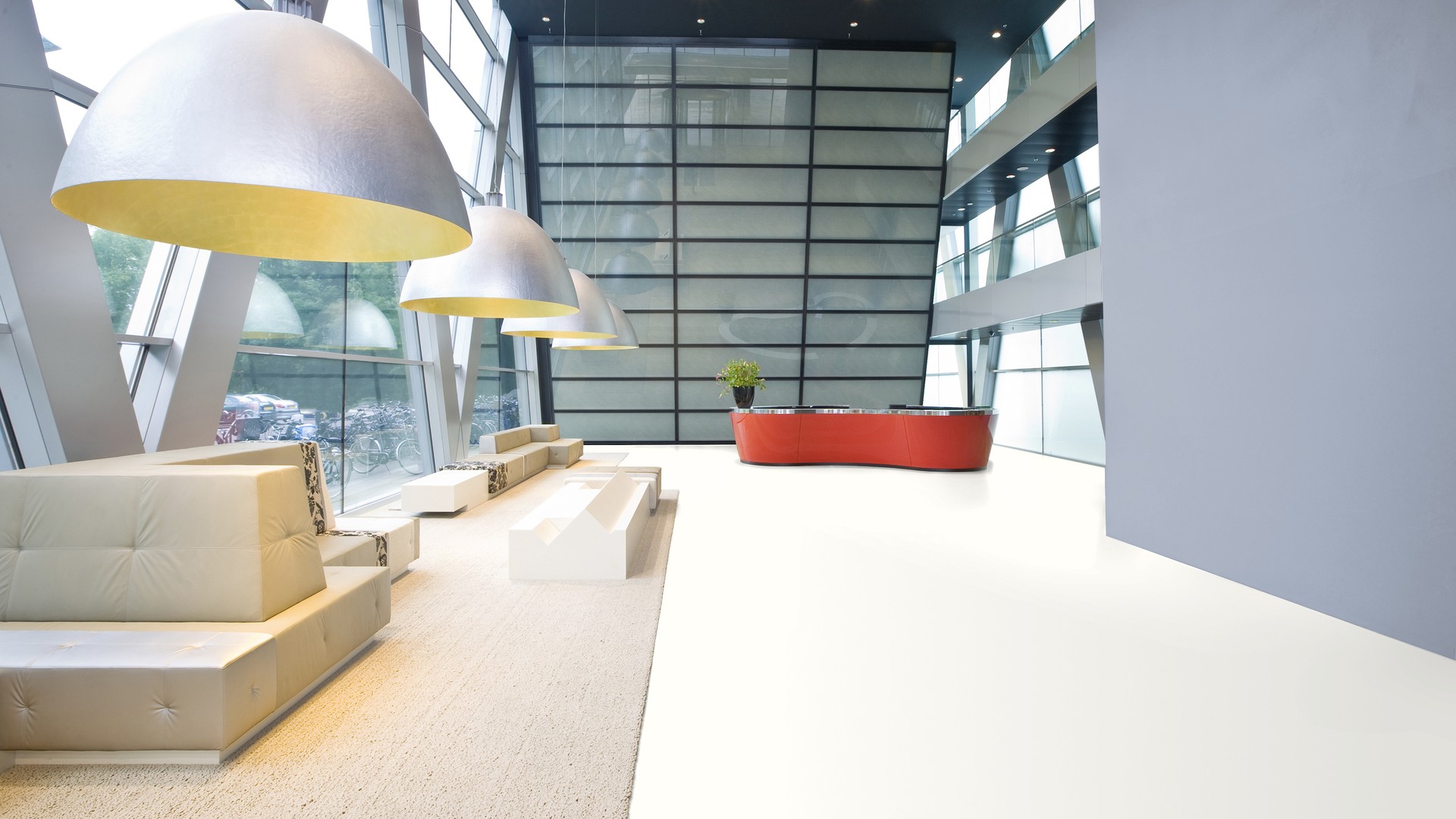
    Dietlikon-based flooring supplier Tarkett Schweiz AG has launched its own recyclable Lino Materiale collection. It consists of cork granulate, linseed oil, pine resin and wood flour and is available in ten earthy colours, the company writes in a press release.

    Thanks to its high cork content, Lino Materiale is more flexible and can reduce sound better than other linoleum floors. The material’s good abrasion and chemical resistance throughout its service life makes the flooring solutions resistant to dirt and daily wear and tear. This makes them a good choice for high-traffic areas such as schools, offices, clinics and administrative buildings.

    The floors, which were developed on the basis of the original recipe from 1898, have an exclusive surface finish, according to the supplier. This reduces cleaning and maintenance costs and therefore energy requirements. The floors require neither initial maintenance nor additional care or coating measures, which also contributes to the manufacturer’s sustainability concept.

    However, part of this concept is also that the flooring can be recycled. “Because at Tarkett, real sustainability doesn’t end with installation,” says Daniel Mai, Product Manager D/A/CH for Homogeneous Vinyl, Heterogeneous Vinyl, Linoleum, Sports Indoor, in the press release. The ReStart take-back programme returns the linoleum and installation residues to the cycle. The flooring is fully processed and reused as recyclate.

  • New building in Sursee for cycling team

    New building in Sursee for cycling team

    According to an article in the “Luzerner Zeitung”, the Tudor Pro Cycling Team, currently based in Schenkon, is about to move to Sursee. The team would like to invest 18 million Swiss francs in a new six-storey headquarters there. The initiator is Sette Immo AG, which runs not only the professional team but also a junior team through its Sette Sports Group. Fabian Cancellara, a former racing cyclist, is not only team manager of the Tudor Pro Cycling Team, but is also active at Sette Immo AG.

    The team’s new headquarters is due to be completed in September 2026 and will provide space for storage, workshops, training and meeting rooms. Offices for the administration and recreation rooms for the drivers will also be built, as well as a showroom for the team. A photovoltaic system will also be installed on the roof.

    The team, which is sponsored by watch manufacturer Tudor from Geneva, is currently taking part in the Tour de France until the end of the month.

  • Demand for single-family homes remains high

    Demand for single-family homes remains high

    “Single-family homes remain very popular,” is how ImmoScout24 introduces a press release on the current ImmoScout24 Purchase Index. It is compiled monthly by the property marketplace, which belongs to SMG Swiss Marketplace Group AG, in collaboration with IAZI, a consultancy specialising in real estate. Compared to May, prices for single-family homes have risen by 0.8 per cent. In a year-on-year comparison, they have risen by 3.6 per cent.

    At 0.2 per cent, prices for owner-occupied flats rose much more slowly than prices for single-family homes. However, they had risen significantly by 0.8 per cent in May. Year-on-year, prices for condominiums rose by 4.5 per cent.

    The press release cites the current favourable financing conditions following the Swiss National Bank’s return to zero interest rates as a driver of demand. “For prospective buyers, now is a favourable time to consider the step into home ownership, especially with a view to planning security,” explains Martin Waeber, Managing Director Real Estate at SMG Swiss Marketplace Group.

    From a regional perspective, the rise in prices for owner-occupied flats was primarily driven by a significant increase in Central Switzerland. Above-average price increases for single-family homes were recorded in June in the regions of Lake Geneva, north-west Switzerland and eastern Switzerland.

    ImmoScout24 is a division of SMG Swiss Marketplace Group AG. This combines the digital marketplaces of TX Group, Ringier and Mobiliar.

  • Rehabilitation centre to be retained and expanded

    Rehabilitation centre to be retained and expanded

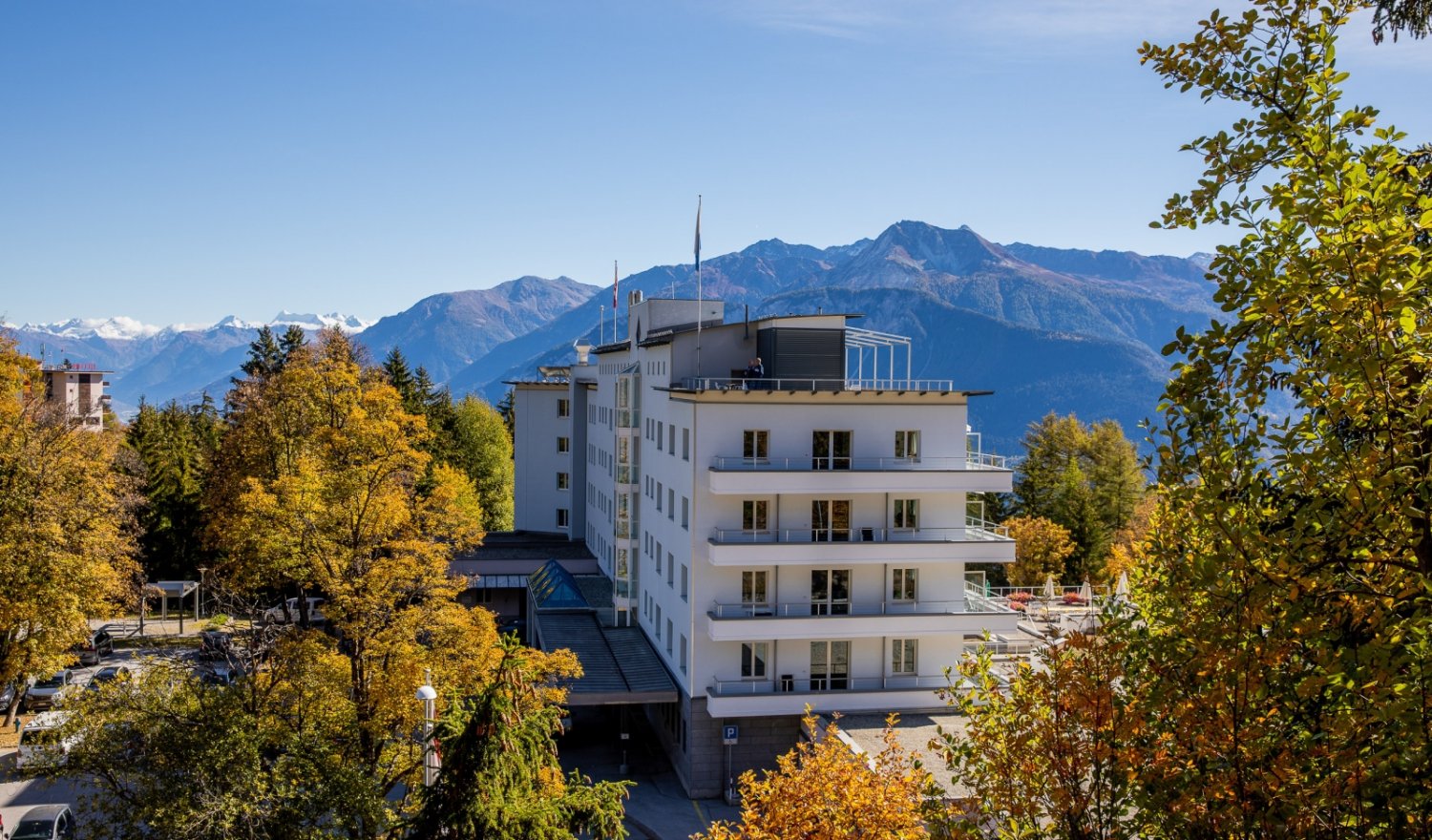
    The Berner Klinik Montana(BKM) will take over the Luzerner Höhenklinik Montana(LHM), also based in Crans Montana, on 1 January 2026. According to a press release, an agreement to this effect has been successfully concluded between Lucerne Cantonal Hospital(LUKS), the Canton of Lucerne and BKM. BKM will continue to operate the acquired Lucerne clinic. The IT systems of both clinics are still to be adapted before the takeover.

    “The takeover of the operation with its highly competent staff is a stroke of luck for us”, Philippe Eckert, Director of the Montana Clinic in Bern, is quoted as saying in the press release. “With the integration of LHM, synergies could be developed in musculoskeletal, psychosomatic and oncological rehabilitation and the range of services offered by BKM could be expanded to include pulmonary rehabilitation.”

    The canton of Lucerne will initially remain the owner of the land and property. BKM rents the main building of the Höhenklinik and the Villa Claire staff building for three years. It has a purchase option for two years at a price of CHF 13.5 million.

    Florian Aschbrenner, CEO and Chairman of the Executive Board of the LUKS Group, is satisfied with the conclusion of the contract. “It was very important to us to find a good solution for the employees of LHM. We are ensuring this with the sale to a very renowned clinic in the rehabilitation sector that is also based locally,” says Aschbrenner.

    LHM will remain on the hospital list of the Canton of Lucerne. Patients will continue to have the option of choosing a hospital for inpatient rehabilitation within the framework of the freedom of choice granted by law.

  • Digital guest platform strengthens Glarus as a business location

    Digital guest platform strengthens Glarus as a business location

    The GlarnerlandPass combines the registration system, guest card and travel guide in an integrated system and links tourism, culture and trade on a common platform. It is being implemented as part of the realignment of tourism, which began with the merger of all organisations in 2024. Under the new umbrella brand “Glarnerland”, an overall Alpine experience with a strong regional identity is being created just outside Zurich, which will be digitally visible, combinable and bookable.

    Guest centricity and digital proximity
    The application accompanies the guest along the entire customer journey and enables interactive communication in real time. Not only overnight guests are taken into account, but also day guests, second home owners and locals. For guests staying overnight, public transport throughout the canton is included in the pass. A strong signal for sustainable mobility.

    Added value through local networking
    Tourism companies, businesses and cultural institutions are actively involved. A common understanding of digital processes is created in workshops and focus groups, new products are developed and additional sales channels are opened up. This close collaboration strengthens the regional economy and creates real added value in the Glarus region.

    Sustainable management and modern technology
    The platform allows flexible management of visitor flows and provides valuable impetus for sustainable destination development through the data collected. Technologically, the system is based on proven, modular solutions from leading destinations and utilises the connection to discover.swiss.

    Visibility through ESAF 2025
    The Swiss Wrestling and Alpine Festival 2025 offers an ideal opportunity to present the pass to a wide audience. The combination of Alpine authenticity, digital innovation and an integrative location strategy makes the project a showcase for the future of tourism.

  • New growth momentum through strategic partnership

    New growth momentum through strategic partnership

    With the strategic participation of an entrepreneurial investor, the company is setting the course for the next stage of growth. The new partnership combines capital strength with technological and operational expertise. The aim is to consolidate the company’s market presence in its home market and expand internationally, particularly in the key areas of digitalisation, sustainability and artificial intelligence.

    Future-oriented strategy with a clear focus
    The new growth strategy focuses on three structural drivers: the digital transformation of the property sector, the industry’s growing role in climate protection and the increasing demand for sustainable, connected living spaces. At the same time, the proven corporate DNA remains intact, with the operational team and all partners staying on board and continuing to run the business.

    Technological scaling and international expansion
    Internationalisation will begin with the existing presence in Germany and will be expanded through targeted acquisitions. At the same time, the digital service portfolio will be expanded through the development of proprietary products, the automation of customer processes with “Agentic AI” and the strengthening of the team. The strategic partnership creates the necessary room for manoeuvre in terms of technology, personnel and geography.

    New opportunities for the German site
    There are also new opportunities for the team in Germany. As an agile location within the Group, it benefits from the stability of the company and the opportunities offered by a strategic growth partner. The combination of a proven structure and fresh dynamism should pave the way for successful expansion in a rapidly changing market environment.

  • Digitised road network for the district of Horgen

    Digitised road network for the district of Horgen

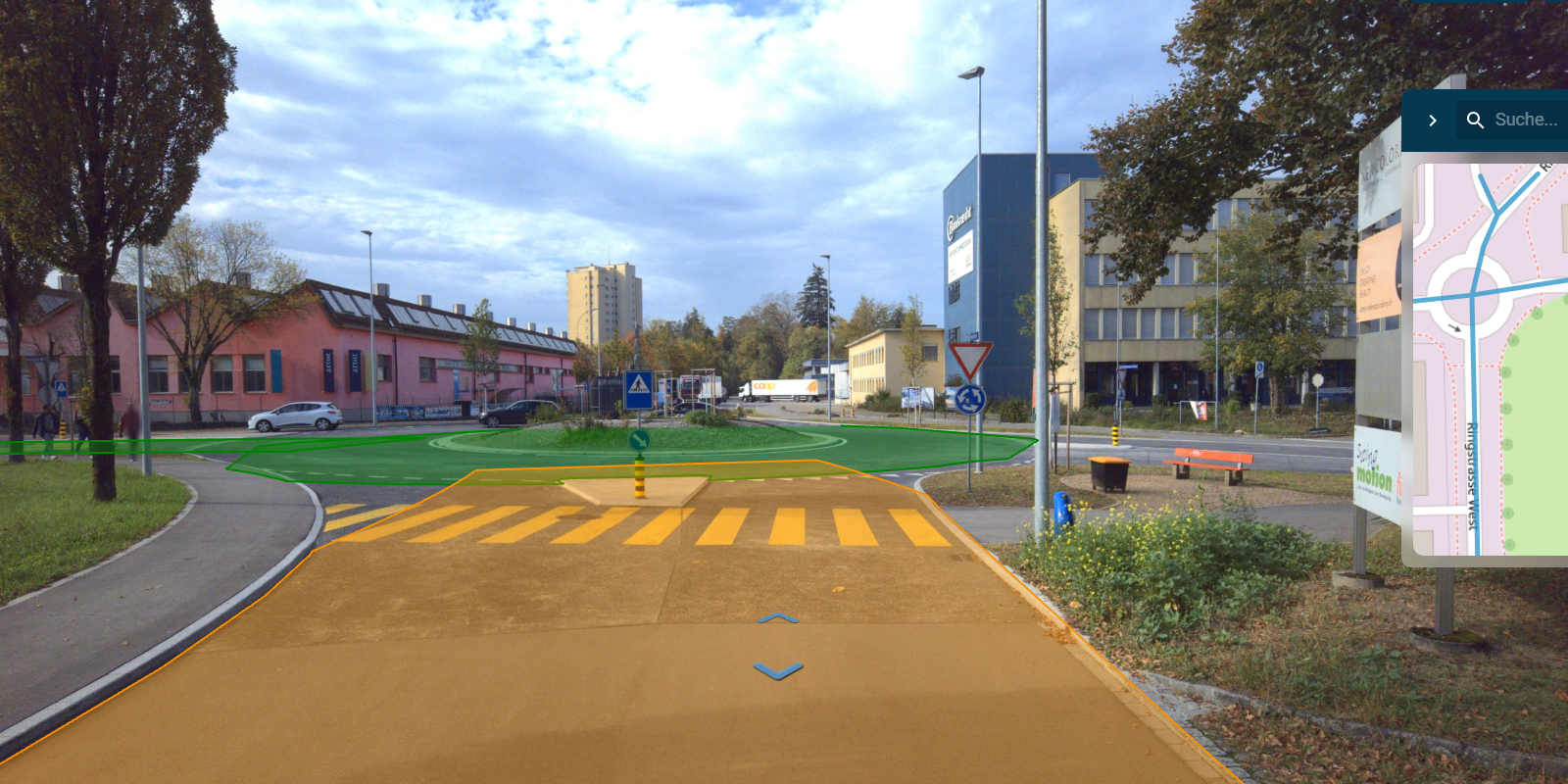
    From mid-July 2025, iNovitas from Baden will be mapping the streets in the district of Horgen. The company is creating a three-dimensional digital image of the public road network, according to a press release. The data obtained from the model is intended to form a basis for the areas of administration, utilities management and planning. The digital image reduces the time and effort required for inspection trips and inspections and should therefore provide an efficient organisation for maintenance and planning directly from the office.

    The municipal and cantonal roads of Adliswil, Kilchberg, Langnau am Albis, Rüschlikon, Thalwil and Oberrieden will be digitised. The municipality of Horgen had already commissioned iNovitas to carry out this work at an earlier stage. The data is recorded exclusively on public roads. According to the press release, people and number plates are anonymised, thereby protecting personal rights. The captured image and geodata is provided via the web-based infra3D platform and is only available to authorised specialists or administrative bodies with the appropriate authorisation.

  • The Landolt site in transition

    The Landolt site in transition

    What significance does the development of the Landolt site have for Glarus as a business location? What specific impetus do you expect for the local economy and the creation of new jobs?
    The site is already well utilised with many different SMEs. When the Landolt company moves out in the medium term, the old stock will be freed up. The Shedhalle, which we have already renovated and equipped the roof with a large PV system, is particularly interesting. We are in the process of attracting new tenants and offer a very attractive location with optimal logistics connections. Attractive new jobs are being created here.

    Temporary uses such as the planned mobility hub are a central element of the concept. What opportunities do you see in these temporary uses to revitalise the site during the development phase?
    This is one of the most important parts of the transformation. We would like to keep all of the existing tenants if possible. We maintain direct contact with them so that they can continue to develop within the site. The buildings with interim uses are let cheaply but not for long, whether as storage, car parks or hubs, but without major investment on our part. There is also room for creativity here.

    How are the canton of Glarus and the location promotion organisation involved in the project? Is there strategic coordination with cantonal development goals?
    We are in regular dialogue with the location promotion agency and are confident that the good location and the size of the space on offer will also attract larger SMEs to the canton of Glarus. Several companies are already interested in setting up here.

    Participatory planning is emphasised. How were local residents and businesses able to get involved and what findings from this process will be incorporated into the next steps?
    With well-supported representation from the authorities and a specialist committee from the worlds of business and urban planning, as well as an international team of planners, the urban design, the relationships with the neighbours and the use and building distribution of the site were reworked. Many of the old spinning mill buildings are to be preserved and given a new lease of life.

    The current purely commercial area will be supplemented with various commercial offerings, and a small proportion of housing will also be possible. The very attractive location between the Chli Linthli and Mühlibach streams also invites walkers and residents to experience this beautiful and idyllic place.

    The planners are currently working with the design commission and the heritage conservation organisation to draw up the basic project. By the summer of 2025, it will be possible to show the future shape of the site, the expanded commercial offer and the variety of flats. We are very pleased with the excellent cooperation and are convinced that the careful handling of the existing buildings and the new buildings will create great added value for the users of the site, as well as for local residents.

    The development will take place in four stages. How will you ensure that the site remains lively, usable and attractive in the intermediate phases and does not become a long-term construction site?
    As already mentioned, part of the existing industrial buildings will be used for new purposes. The very old existing buildings, which will be vacant in the medium term after the Landolt company moves out, are to be rented out again quickly after conversion or modernisation. The various talent zones were defined for this purpose, and these form the stages. The development will be successively finalised with the completion of the respective zones.

    The innovation campus at Chli Linthli is intended to develop independently and in line with demand. Which target groups would you like to address here and which sectors could settle here?
    This site is already fully occupied with a wide range of businesses. The needs of the future will be accommodated here. The idea is to create a diverse range of businesses that require good networking within this area and function like a campus. However, we are also open to other ideas. Only time will tell what these are.

    How do you create long-term identity and loyalty on the site? What role do social, cultural or ecological offerings play for future users?
    The site already has a rich history. You can see this everywhere here. With a new use and the right approach, the culture will be preserved but also redefined. With our goal of sustainability, this process will also conserve resources. The use of natural building materials and simple architecture will create affordable working and living space that is healthy and worth living in. With its watercourses, green spaces, newly created neighbourhood squares, etc., the site offers a lot of spatial quality, but also a very attractive place to work, live and stay.

  • Solar energy on track

    Solar energy on track

    In 2024, 1,798 megawatts of new photovoltaic capacity were installed in Switzerland, an increase of 10 % compared to the previous year. The total output rose to 8.2 gigawatts, which covered over 10 % of the national electricity demand. Despite below-average solar radiation and rising electricity consumption, the annual production corresponds to the consumption of around two million households.

    Security of supply through winter electricity
    Photovoltaics is not just a summer technology; from October 2024 to April 2025, 2.4 terawatt hours of solar power were generated, a third of annual production. This contribution significantly relieved the pressure on Switzerland’s reservoirs. Without solar energy, Switzerland would have had to import significantly more electricity.

    Decline in the single-family home segment
    While larger systems continued to grow strongly, the expansion on single-family homes fell by 3 %. This slowed overall growth, as around a third of installed capacity was previously based on this segment. According to Swissolar, the reason for this restraint is the uncertainty surrounding the new Electricity Act.

    Battery storage systems are gaining in importance
    The expansion of battery storage systems also increased by 4%. The commercial sector in particular is showing increased momentum. Today, 47% of PV systems on single-family homes are already equipped with battery storage. The total storage capacity is just under 900 MWh, enough for 100,000 households for one day.

    International momentum confirms global trend
    Around 597 GW of photovoltaic capacity was installed worldwide in 2024, an increase of 33%. With 908 watts per capita, Switzerland is in 10th place in an international comparison. Global solar power production rose to 2,000 TWh.

    Changing framework conditions
    The new Electricity Supply Act creates important foundations for local electricity consumption, but also leads to uncertainty. In particular, there is a lack of practicable solutions for local electricity communities and market-based purchase remuneration. Swissolar is calling for concrete improvements to better utilise the potential of local use and storage solutions.

    Slowdown with prospects
    Swissolar expects the market to decline by around 10% to 1600 MW in 2025 due to regulatory transition phases. Stabilisation is expected from 2026. The targets of 18.7 TWh of solar power by 2030 and 35 TWh from new renewable energies by 2035 are achievable with continuous expansion of between 1,800 and 2,000 MW per year.

  • Government council plans infrastructure boost in Glattal

    Government council plans infrastructure boost in Glattal

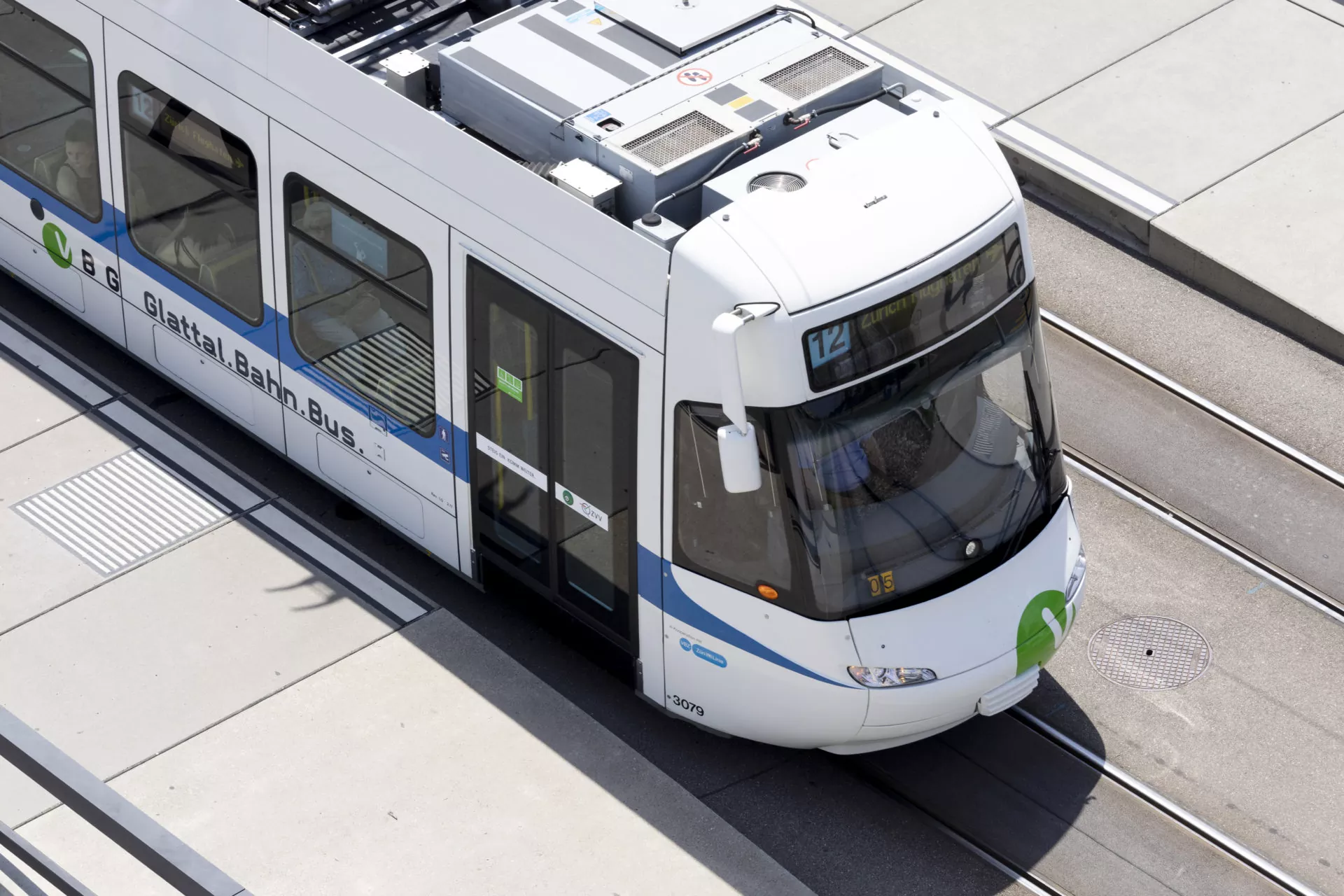
    The Glattal is one of the most dynamic development regions in the canton of Zurich, strategically located between Zurich, Winterthur and the international airport. The cantonal government is now proposing a total package totalling CHF 543 million to the cantonal council in order to strengthen the infrastructure in a targeted manner. Plans include the extension of the Glattalbahn railway to the Steinacker area, a main cycle link to Bassersdorf and flood protection measures on the Altbach.

    Mobility and environmental boost for the airport region
    The combination of railway expansion, cycling infrastructure and water protection addresses several key objectives of the cantonal development plan. The extended Glattalbahn railway will provide better connections to the industrial area of Kloten, while the main cycle link will create an environmentally friendly alternative for commuters. At the same time, the planned flood defences will protect the population and critical infrastructure such as the airport from natural hazards.

    Efficient implementation through synergies
    The close proximity of the three sub-projects requires joint planning and therefore offers ideal conditions for efficient implementation. Construction time, costs and disruption can be reduced by bundling the construction phases. Construction is scheduled to start in mid-2027 and will take around five years.

    Cost sharing by the federal government and municipalities
    Although the project volume totals CHF 543 million, the canton is only expected to contribute around CHF 290 million itself. The federal government is contributing up to 40 % to the railway and cycle path, and between 35 and 45 % to flood protection. Value-added contributions from the city of Kloten and private investors are also planned.

    Clear decision despite municipal rejection
    Although two municipal proposals for the development of the Steinacker area were rejected by the people of Kloten in 2024, the Glattalbahn itself was not part of this vote. Following a comprehensive review, the government council nevertheless considers the existing project to be the most appropriate solution, both economically and in terms of transport and spatial planning.

  • New momentum for Switzerland

    New momentum for Switzerland

    Whether digital property management, digital financial solutions or bio-based chemicals, Swiss start-ups are currently on the road to success. The latest awards show how broadly positioned the innovation landscape is and how strong the international demand for scalable solutions with added social value is growing.

    Digital property management with prospects
    Proptech startup Bewy impressed in the Swiss Prime Site Accelerator 2025 and is one of the winners of the programme. With digital solutions for the management of rental and owner-occupied properties, the young company aims to make the real estate industry more transparent and user-centric. The award enables pilot projects and commercial collaborations with one of Switzerland’s leading property companies.

    High technology for the future of fusion
    Smolsys was honoured with the transfer prize at the Neuland Innovation Contest for its focus on safe hydrogen isotope processing. In partnership with KIT, the company is working on key technologies for fusion research, a highly specialised, safety-critical field of application with great potential for the future.

    Rethinking nutrition with intellectual property
    Planetary uses precision fermentation to develop sustainable proteins and was honoured with a WIPO Global Award for its work. The start-up combines technological progress with IP strategy and contributes to the transformation of global food systems towards greater resilience, nutrient density and climate compatibility.

    Financial technology with Swiss precision
    Fintech Bivial was honoured with the Best Use of Tech in Business Payments award at the PayTech Awards 2025. The API-based platform enables real-time payments in over 160 countries and combines Swiss IBANs with modern financial tools. The company achieved profitability within six months of its market launch, a testament to efficient processes, regulatory clarity and market-orientated development.

    Sustainable chemistry from Zurich to Houston
    The start-up Biosimo was accepted into the renowned Activate programme in Houston. The team will receive two years of financial and infrastructural support to scale up biobased acetic acid as an alternative to fossil-based chemicals. Co-founder Sotiria Mostrou also benefits from targeted access to experts and innovation networks.

    Prostheses made from plastic waste with impact
    The social enterprise Circleg is the only Swiss company to be included in the Forbes Accessibility 100 list. With affordable, locally manufactured prostheses made from recycled plastic, the start-up not only provides mobility for people with amputations in East Africa, but also strengthens local economic cycles and labour markets.

  • Cooperation for more solar power in Zurich and eastern Switzerland

    Cooperation for more solar power in Zurich and eastern Switzerland

    The Basel-based energy supplier IWB has acquired the Winterthur-based solar specialist Senero AG. According to a press release, IWB intends to expand its position in the field of renewable energies. Senero’s position will therefore be significantly expanded with access to IWB’s structure, size and integrated range of solutions.

    In the cooperation, IWB intends to invest in its own and the expansion of decentralised solar power production and thus make a contribution to security of supply and the energy transition, according to the press release. The company plans to install 150 to 200 megawatts of photovoltaic capacity (megawatt peak/MWp) on roofs and façades for private and business customers by 2030. Currently, 55 MWp have already been installed. In addition, IWB offers its customers comprehensive services in connection with the connection for self-consumption (ZEV). Customers are supported in setting up, operating and managing ZEVs.

    Senero is contributing its expertise in the installation of photovoltaic systems (PV), batteries and charging stations for electric cars to the new partnership. The company installs 120 photovoltaic systems every year.

    “Together with our solar companies Planeco and Kunz Solartech, IWB can realise solar systems for companies and private customers throughout German-speaking Switzerland thanks to Senero. We can now strengthen our sales activities, particularly in the Zurich area and eastern Switzerland,” said Markus Balmer, Head of Sales at IWB, in the press release. “We expect continued strong growth in the solar industry, even though the current market environment has become more difficult. There are still far too many roofs without PV, and the legal framework for PV systems has improved with the new energy legislation.”

    Fabian Krämer, Co-Managing Director of Senero, sees security and a long-term perspective in the takeover by IWB. “IWB is a large and established partner that offers our employees secure prospects for the future. Together with IWB, we can continue our success story in the solar market and realise many more systems for our customers,” Krämer is quoted as saying.

  • Aircraft manufacturing headquarters to be extensively modernised and condensed

    Aircraft manufacturing headquarters to be extensively modernised and condensed

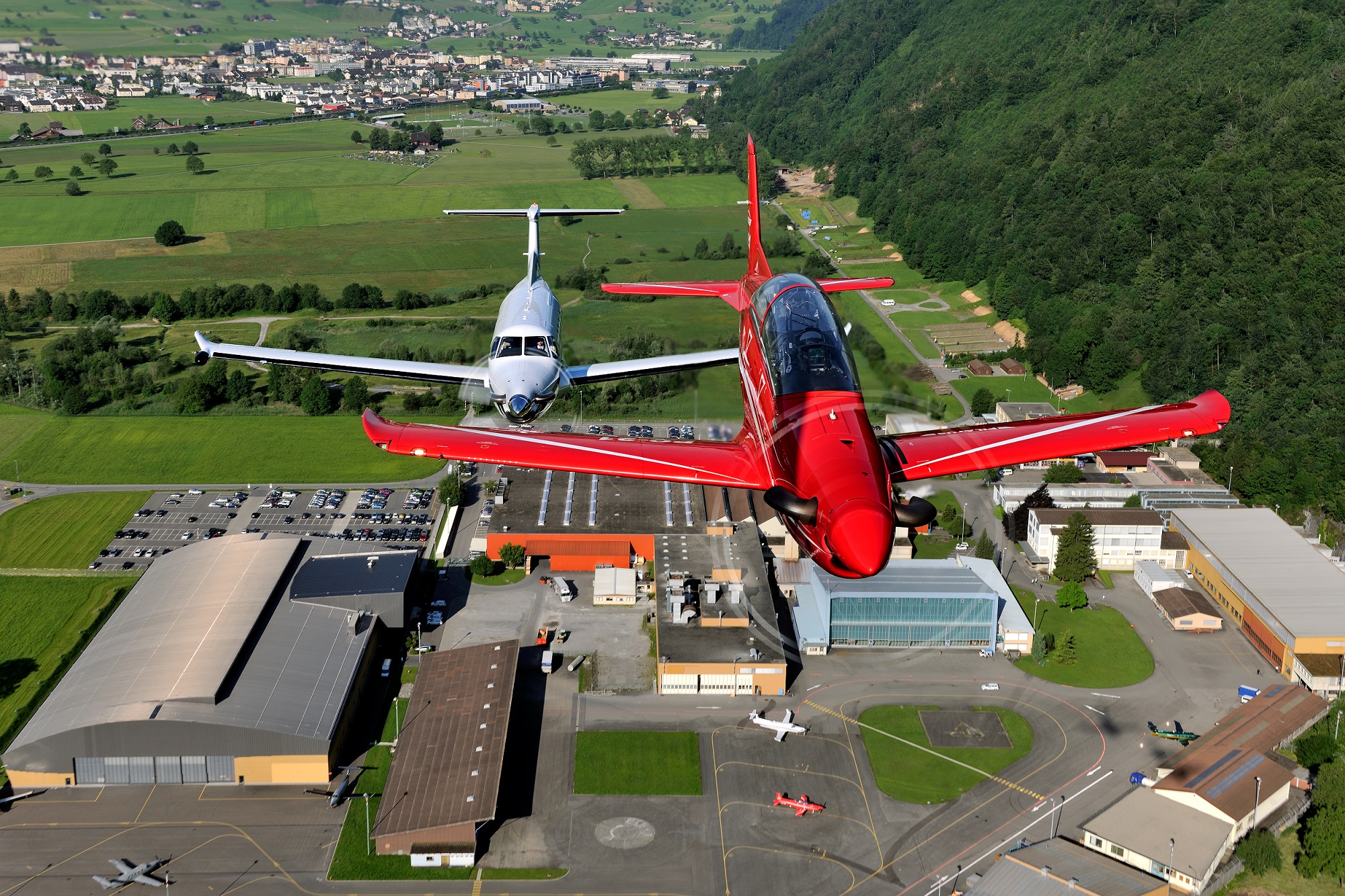
    The aircraft manufacturer Pilatus is planning to modernise its headquarters in Stans. According to a press release, the buildings, some of which are very outdated and energy inefficient, are to be comprehensively reconstructed. The production and administration areas will also be densified with new buildings. The architectural structure will be adapted to the landscape conditions. The vertical construction method will make better use of the space without the buildings exceeding heights of 32, 36 or 56 metres.

    According to the company, the buildings will follow the principles of sustainability and comply with international standards (LEED). Recycled concrete and local timber will be used. All buildings are subject to high energy standards. Large-scale photovoltaic systems will ensure that the building produces its own electricity.

    With this comprehensive renovation, Pilatus is showing its commitment to the Stans site and to the well-being of its 2,500 employees. Their environmentally friendly journey to work by public transport will be subsidised with financial support of up to CHF 1,000 per year, according to the press release.

    On 26 November 2025, the population of Stans will be able to decide on an amendment to the land use plan.

  • Swiss Cultural Message 2025–28 for building culture

    Swiss Cultural Message 2025–28 for building culture

    The draft Cultural Message 2025-28 places building culture at the centre of sustainable spatial development. In the face of climate change, resource scarcity and the loss of biodiversity, the design of living space is gaining strategic importance. With its holistic approach, Baukultur provides answers to key challenges and enables a sustainable future.

    Design as a social mission
    Baukultur encompasses all spatially effective activities from monument preservation and urban planning to the design of contemporary buildings. Well-designed buildings, settlements and infrastructure promote the well-being of the population, strengthen the cultural heritage and combine ecological, social, economic and cultural values. This integrative quality makes Baukultur a decisive instrument for the transformation of cities and regions.

    Forward-looking impetus from Davos
    The international Davos Baukultur process and the latest declarations by European culture ministers confirm the need for a holistic understanding of Baukultur. Switzerland is taking up this impetus and is planning to enshrine Baukultur in the Nature and Cultural Heritage Protection Act, an important step towards strengthening the federal government’s role model function and making targeted use of existing funding instruments.

    Circular economy and innovation as guidelines
    Future building culture must be consistently geared towards the circular economy and sufficiency. New standards such as life cycle limits for emissions, the conscious use of resources and a culture of remodelling form the foundation. In addition, a culture of innovation is needed that promotes new materials, technologies and processes.

    Recommendations for coherent implementation
    The signatory organisations have made specific demands. The environmental sector should be more closely integrated, municipalities and cities should be included in advisory and training programmes and effective construction taxation should be taken into account when adjusting subsidies. In addition, a consistent application of the concept of Baukultur is required, for example in the Swiss Culture Awards or in the work of Pro Helvetia. The Swiss Building Culture Round Table offers itself as a national platform for coordination with international initiatives.

  • Strong followers instead of weak bosses

    Strong followers instead of weak bosses

    The classic assumption is that those who perform will be promoted. However, the so-called Peter Principle already explains why good employees often rise to the level of incompetence. Researchers Christian Zehnder, Benjamin Tur and Matthieu Légeret have now introduced a new perspective. They argue that it is not only their competences that count when a manager is promoted, but also the loss of their contribution as a follower.

    A conflict of objectives with consequences
    If a person with high team competence becomes a manager, the group often loses a productive and committed employee at the operational level. In some cases, it may therefore be strategically wiser to promote a less competent person, simply in order to maintain the functioning team structure.

    Leadership is not always the key to success
    “Our research shows that under certain circumstances it can be optimal to place less competent people in leadership roles,” explains Zehnder. This is particularly true when the leadership function is time-consuming but operationally less crucial and when the best follower is indispensable for day-to-day work.

    Role of corporate culture
    A key element here is recognising the value of good follower roles. Reward systems could be designed in such a way that top performers want to remain at lower hierarchical levels without this being perceived as a career standstill. Internal communication is also needed to explain why not every promotion is synonymous with the highest contribution to the organisation.

    Rethinking leadership means increasing efficiency
    The study calls for a radical rethink of talent strategy. The classic idea of promotion is not always the best solution for the organisation. Sometimes it is more effective to leave expertise where it brings the greatest benefit, even if this means that the best people are not at the top. True success may lie in the strength of those who do not lead.

  • New sports hall in Sissach is being built underground

    New sports hall in Sissach is being built underground

    ERNE AG Bauunternehmung is well on track with the realisation of a triple sports hall in Sissach. The project is being realised by ERNE plus as total contractor, the Laufenburg-based ERNE Group company announced in a press release. Construction work has been in full swing since the ground-breaking ceremony on 12 April last year.

    As total contractor, ERNE plus is coordinating all the trades involved in the construction work. The close collaboration will ensure that the construction project is completed on time and to a high standard, writes ERNE AG. ERNE is using digital tools for planning and realisation.

    The design of the triple sports hall, developed by architects Penzel Valier AG from Zurich, is based on sustainable construction methods, according to the press release. A large part of the hall will be built underground so that an all-weather pitch can be created on the hall roof. Above ground, the hall will be connected to the existing school building via a pavilion.

  • Price development with a split picture

    Price development with a split picture

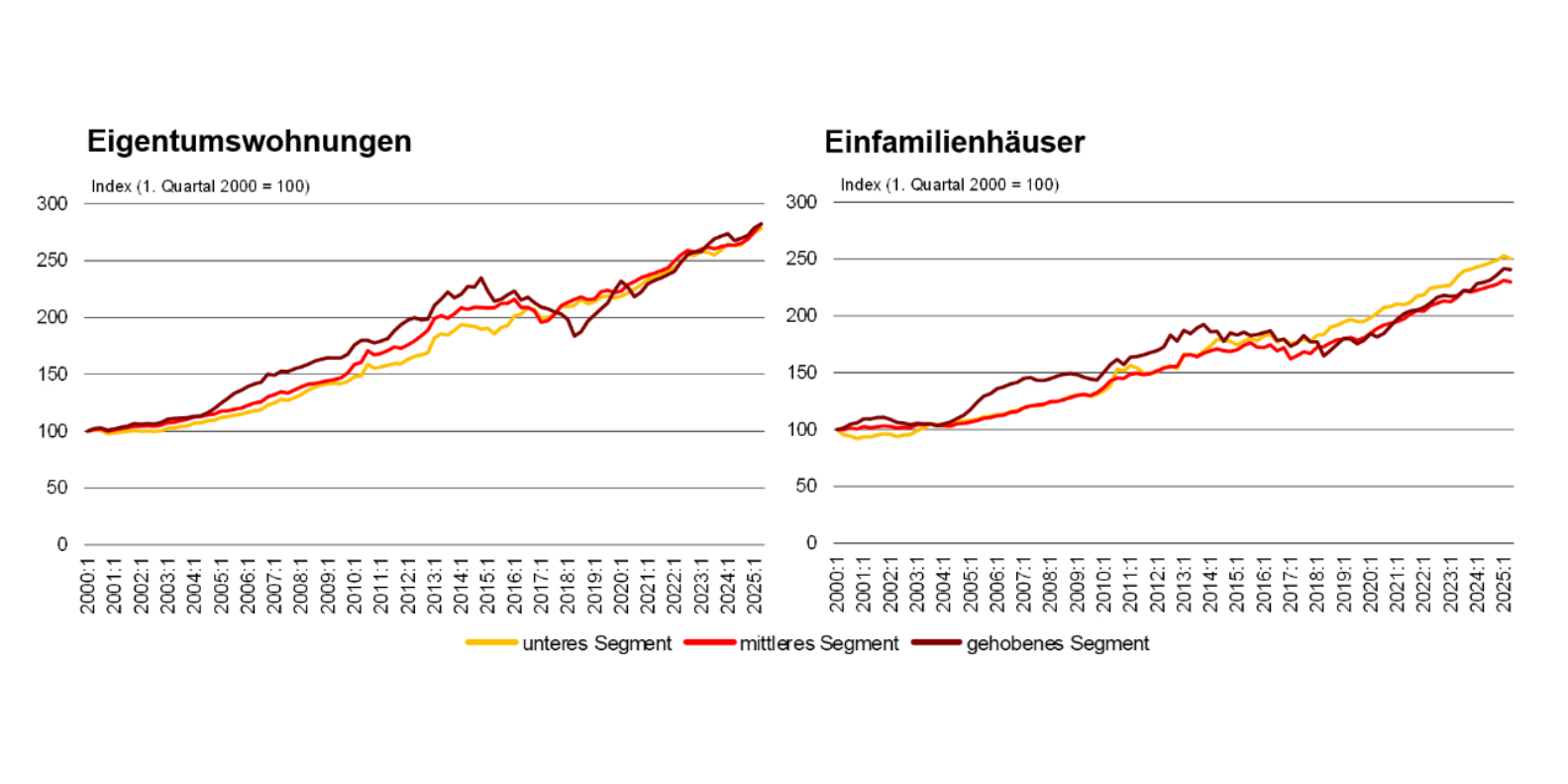
    According to the latest analyses by Fahrländer Partner Raumentwicklung (FPRE), prices for condominiums rose by 1.7 per cent in the second quarter of 2025 compared to the previous quarter. The middle segment was particularly hard hit with an increase of 2.5 per cent. The lower ( 1.5 %) and upper segments ( 1.2 %) also recorded price increases. A year-on-year comparison shows significant growth, particularly in the regions of Basel ( 9.1 %), Zurich ( 7.9 %) and southern Switzerland ( 7.7 %).

    Single-family homes with stable development
    The situation is different for single-family homes. Compared to the previous quarter, prices have largely stagnated (-0.6 %). The change in the individual segments remains moderately negative, -1.1 per cent in the lower, -0.6 per cent in the middle and -0.4 per cent in the upper market segment. Over the course of a year, however, the average increase is 2.5 per cent.

    Demand exceeds supply
    The sustained demand for housing continues to be met with restrained construction activity. FPRE therefore expects prices to continue to rise over the next twelve months, both for condominiums and single-family homes. Central locations in particular are likely to benefit more. Stefan Fahrländer, Partner at FPRE, summarises: “The demand for residential property remains high, which is reflected in rising prices in almost all regions of Switzerland.”

  • Underground facility to reduce CO2 emissions

    Underground facility to reduce CO2 emissions

    Flughafen Zürich AG is building an underground energy centre located between multi-storey car park 6, the Radisson Blu Hotel and Operation Center 1. The centre will be equipped with heat pumps and chillers with a total output of 12 to 15 megawatts. In the medium term, it will cover around two thirds of the heating and cooling requirements of the terminal and the surrounding buildings at the airport head. Commissioning is planned for autumn 2027, Flughafen Zürich AG announced in a press release.

    At the same time, the company is exploring an ice-age channel at a depth of 300 metres in order to store thermal energy there and make it usable again. The first well has been in operation since 2024 and a second one is being built. Exploration of the channel is being funded by the Swiss Federal Office of Energy.

    Together with the energy centre and a planned low-temperature network, the channel should save around 6,500 tonnes of CO2 per year in future and help to reduce CO2 emissions at the airport head by 35% to 15,900 tonnes per year by 2030. Flughafen Zürich AG aims to reduce its own CO2 emissions to net zero by 2040.

    “Technically, we are relying on innovative systems with our plan to decarbonise the infrastructure. The combination of heat pumps, seasonal energy storage in an ice-age channel or via geothermal probe fields and a low-temperature network allows us to significantly reduce the climate impact of heating and cooling,” says Guido Hüni, Head of Energy and Decarbonisation at Flughafen Zürich AG.

  • 1.47 billion in venture capital invested in Swiss start-ups in the first half of the year

    1.47 billion in venture capital invested in Swiss start-ups in the first half of the year

    In the first half of 2025, CHF 1.47 billion flowed into Swiss start-ups, an increase of 36 per cent compared to the previous year. This is the third-best result since measurements began. However, growth was driven by a small number of startups that raised large sums from international investors. The number of financing rounds fell for the third time in a row to 124, which corresponds to a decline of ten per cent.

    Biotech as a growth driver
    The biotech sector in particular produced a strong result. It set a new record with an inflow of CHF 705 million in capital. The previous record of CHF 436 million from 2021 was clearly surpassed. The reasons for this success lie in highly qualified start-up teams and technological developments based on excellent research.

    Recovery in ICT and fintech
    The recently weakening ICT and fintech sectors were also able to recover. General ICT start-ups recorded investment growth of 86 per cent to CHF 247 million. Fintech companies received CHF 153 million, which corresponds to an increase of 93 per cent. The number of transactions remains low, which indicates continued investor selectivity.

    Swiss startup ecosystem remains resilient
    Despite the uncertain market environment, the Swiss startup ecosystem is able to produce internationally competitive companies. One example of this is Sygnum Bank, which became Unicorn in the first half of 2025. The bank, which specialises in digital assets, was valued at over 1 billion dollars, a signal of the potential of innovation outside of the healthcare sector.

    Gloomy outlook among investors
    A broad-based survey shows that expectations for the coming twelve months are subdued. Fundraising and more difficult exit opportunities are of particular concern. International trade barriers, on the other hand, only play a subordinate role. Access to capital is likely to remain challenging for many start-ups, despite individual success stories.

  • From a peripheral area to an urban neighbourhood with a vision

    From a peripheral area to an urban neighbourhood with a vision

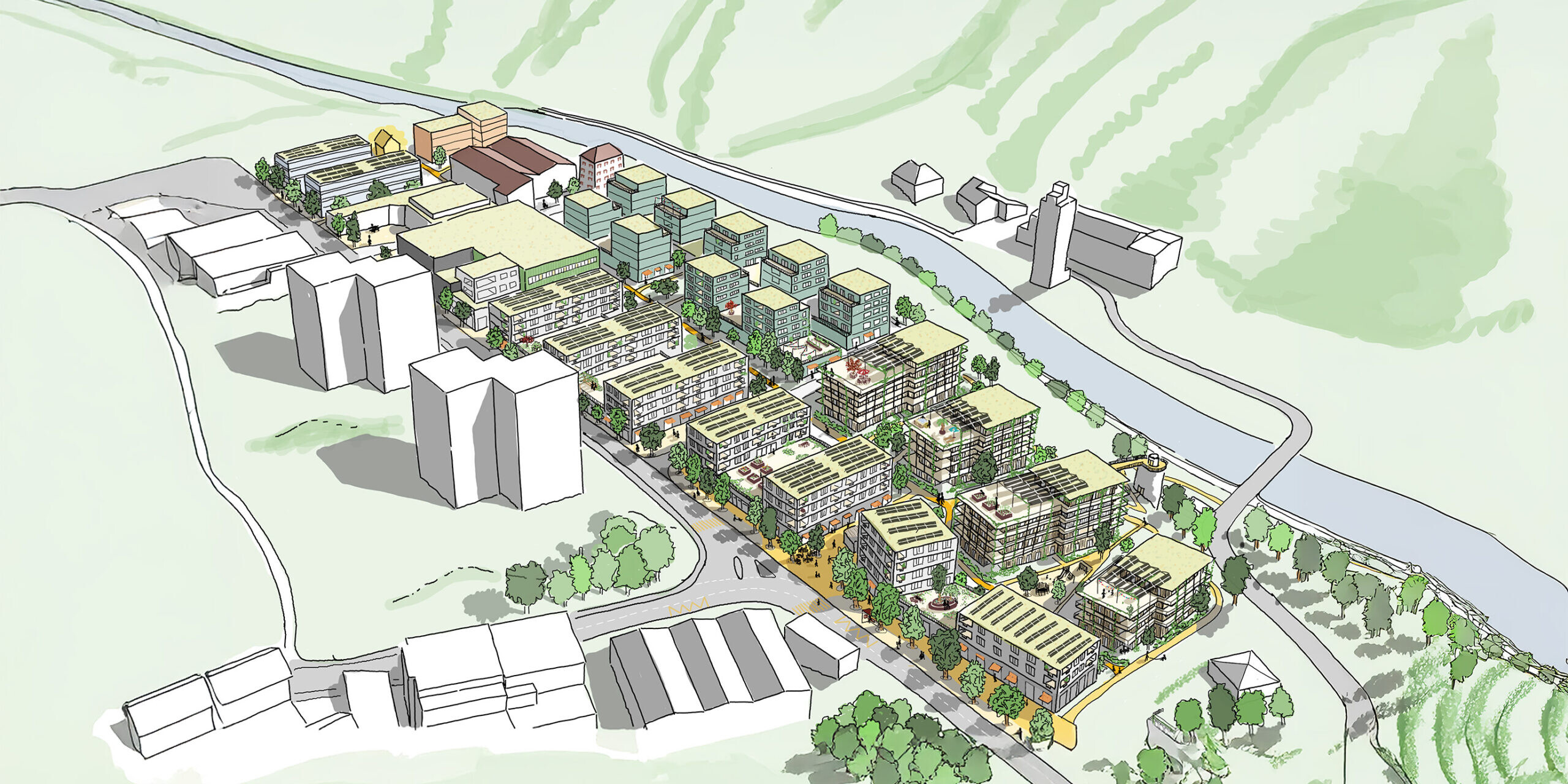
    Buchholz stands for a new urban beginning. On an area of around 36,300 m², an independent urban quarter is being created that combines living, working, exercise and socialising. The previously heterogeneous structure is giving way to a clearly organised mix of uses that combines spatial quality with ecological responsibility. The centrepiece of the development is the “green centre”. A centre with a school, sports facilities and open space, framed by high-rise residential and commercial buildings.

    From industrial site to lively neighbourhood
    The development is the result of a successful study commissioned by the Zurich architecture and planning office helsinkizurich. This formed the basis for a finely balanced indicative project with a development strategy that provides for a staged, in-depth planning process. Realisation will take place in three phases – tailored to the different interests of the owners. Particular attention will be paid to the architectural heritage: elements such as the listed powder tower will be carefully incorporated and respectfully integrated into the urban context.

    Neighbourhood life at the bottom, quality of life at the top
    Commercial uses and communal areas in the plinth zones along Buchholzstrasse characterise the public face of the neighbourhood. Above, light-flooded flats open up wide views of the landscape. Meeting spaces, courtyards and access axes promote social interaction. The graduated public realm allows both retreat and participation, a principle that does justice to urban life.

    Blue-green infrastructure as the backbone
    In the Buchholz neighbourhood, sustainability is not a promise, but a reality. Well thought-out water management with rainwater retention and evaporation areas relieves the burden on the infrastructure and improves the microclimate. Green roofs, permeable paving and climate-active open spaces create quality of life, are ecologically effective and have a convincing design.

    Strong identity, clear address
    The new promenade along Buchholzstrasse not only creates a functional access route, but also an identity-forming address for the new neighbourhood. The district thus positions itself between the scenic Linth area and the urban centre – open, permeable, forward-looking.

    Urban development with impact
    Buchholz is an example of urban development that thinks long-term and takes a differentiated approach. The project creates new living space and a modern form of urban quality on the outskirts of Glarus – networked, sustainable and with a view to the big picture.

  • BRUGG Pipes opens production in the USA

    BRUGG Pipes opens production in the USA

    BRUGG Pipes is about to deliver the first pipe rings for its CALPEX PUR-KING flexible pipe system, announced the Kleindöttingen-based company, which is part of BRUGG Group AG in Brugg, in a press release. The pipe rings were manufactured in the new production hall of BRUGG Pipes and Rovanco Piping Systems in Joliet in the US state of Illinois. In April last year, BRUGG Pipes and Rovanco agreed to set up a joint venture in Joliet to start production in the USA.

    The partner companies have invested around 20 million dollars in the new plant. Under the management of Pirim Dahinden from Switzerland, between 3,000 and 5,000 feet of the CALPEX PUR-KING pipe system will be produced there each year. BRUGG Pipes specialises in the production of pipe systems for liquids, gases and heat.

    “With the new production facility in the USA, we are increasing planning security for our customers, reducing delivery times and transport costs and are also not affected by potential US tariffs,” said Martin Rigaud, CEO of BRUGG Pipes, in the press release. “This gives us a decisive competitive advantage in the current market situation.” According to BRUGG Pipes, around 80 per cent of the raw materials processed in the new plant come from the USA.

  • Zurich focusses on the future

    Zurich focusses on the future

    The canton of Zurich looks to the north, or more precisely to Copenhagen, as a pioneering example. The Danish capital has impressively demonstrated that ambitious climate targets can be achieved without compromising on the quality of life. With an 80 per cent reduction in CO2 emissions since 2012, Copenhagen has achieved a remarkable feat. Inspired by this, the canton of Zurich is striving to achieve greenhouse gas neutrality by 2040, or by 2050 at the latest. This target, which will be put to a vote by Zurich’s electorate on 28 September 2025, is a clear commitment to a sustainable climate policy. It is not just a question of defining a target, but of consistently driving forward the effective reduction of CO2 emissions. This is an endeavour that requires determination and innovative strength.

    Success through targeted measures
    Alongside climate protection, the canton of Zurich is investing heavily in the preservation and promotion of biodiversity. Habitats for flora and fauna are being reclaimed through ecological upgrading, renaturalisation and near-natural maintenance. Successful monitoring impressively demonstrates how quickly nature adapts and thrives. One outstanding example is the upgrading of streams as part of the “Diverse Zurich Waters” programme, which led to the rapid reintroduction of dragonflies. The adapted maintenance of embankments along cantonal roads is also having an effect. Life is pulsating there, insects and small animals are once again finding a suitable habitat. These successes prove that the commitment to biodiversity is worthwhile and that nature responds quickly with targeted measures.

    Setting the course for a sustainable future
    The canton of Zurich is setting the course for a sustainable future by revising various laws and introducing new instruments.

    Noise protection ordinance
    The consultation on the revision of the Noise Abatement Ordinance, which is due to come into force on 1 April 2026, runs until 6 October 2025. This is a direct consequence of the amendments to the Environmental Protection Act adopted in September 2024.

    “Core zone plansGIS map
    A new digital map now provides a comprehensive overview of the legally binding supplementary plans for “core zones” and their elements, based on the PLR-cadastre.

    CO2 Ordinance
    The Federal Council has brought the revised CO2 Ordinance into force with partial retroactive effect from 1 January 2025. It sets reduction targets for greenhouse gas emissions by 2030 and specifies measures for adapting to climate change as well as subsidies for climate-friendly technologies.
    Combating invasive organisms
    The consultation on a revision of the Environmental Protection Act, which is intended to give the cantons more powers in the fight against invasive alien organisms, is open until 13 October 2025.

    Parking regulations
    An amendment to the Planning and Building Act from 1 August 2025 will make it possible to reduce the number of parking spaces in individual cases, provided that there is no relocation to public spaces.

    ÖKOPROFIT
    This tried-and-tested programme successfully helps companies to get started with environmental management in order to reduce costs, optimise resource efficiency and improve their environmental footprint. The canton of Zurich is endeavouring to get other cantons interested in ÖKOPROFIT.

    Listed buildings
    A bill currently undergoing consultation aims to simplify the construction and energy modernisation of listed buildings.

    Deep geological repository
    The general licence applications for the deep geological repository and the fuel element packaging facility, submitted by Nagra, are now publicly accessible after being reviewed and amended.

    Expansion of large-scale hydropower
    A report published by the Federal Council on 13 June 2025 highlights the considerable potential, but also the uncertainties surrounding the renewal and expansion of large-scale hydropower.

    Zurich is ready to take on the challenges of climate change and utilise the opportunities for a more sustainable future. It’s time to act, or as they say in Denmark “Så kom nu i gang!”

  • Where electricity will come from in 2050

    Where electricity will come from in 2050

    For Switzerland to become CO₂-neutral by 2050, transport, heat supply and industry must be largely electrified. Today’s electricity demand of 56 terawatt hours will increase to around 75 TWh by 2050. At the same time, 23 TWh will come from nuclear energy. The necessary reorganisation of the energy system is far-reaching in technical, economic and social terms.

    Massive expansion of renewable energy
    According to the EDGE report, around 60 % of electricity must be covered by new renewable energies by 2050, specifically 45 TWh per year. This would be possible with 28 TWh from photovoltaics, 13 TWh from wind power and 4 TWh from biomass. To achieve this, photovoltaic capacity would have to be quadrupled to 26.8 GW. Wind power would need to be expanded 80-fold to 8.4 GW, especially for winter operation. According to the researchers, this is hardly realisable without strong subsidies.

    Limiting electricity imports makes the system more expensive
    The new Electricity Act limits net electricity imports in winter to 5 TWh. In order to meet this target, an additional 80 % more wind power, 11 % more gas capacity and 10 % more solar capacity would be required. This would increase electricity generation costs by 20 % and electricity prices could more than double.

    Europe remains decisive
    If European electricity trading were to be severely restricted, e.g. through a 70 % reduction in cross-border grid capacities, Switzerland would have to expand wind power by a further 20 %. Supply costs would rise by an additional 8 %. A survey by the EDGE consortium shows the conflicting priorities. 60 % of the population would like to cooperate with Europe, while at the same time 70 % want energy independence and favour domestic energy sources.

    Investments flow abroad
    Another study shows that more than half of the annual investments made by Swiss energy suppliers in large-scale renewable energy projects are channelled mainly to Germany, France and Italy. Only 1 % of these funds are invested in Switzerland. There is a lack of suitable projects or framework conditions in Switzerland. This means that Switzerland is often financing the energy transition indirectly, but not at home.

    Net zero has its price
    The cost of living could rise between 2020 and 2050, for example due to CO₂ taxes, emissions trading or higher production costs. The annual consumption loss of a household could be 0.63-0.75 %, depending on the global climate protection pathway. Without offsetting options abroad, the costs could rise to up to 1%. In the long term, however, this would be more favourable than the consequences of unchecked climate change.

    The energy transition is feasible and challenging
    A CO₂-neutral electricity supply by 2050 is technically possible if photovoltaics and wind power are massively expanded, imports are used intelligently and investments are channelled in a targeted manner. Access to the European electricity market remains crucial. At the same time, we need broad social support and an understanding that inaction will be more expensive than a bold transformation.

  • Green light for cargo sous terrain

    Green light for cargo sous terrain

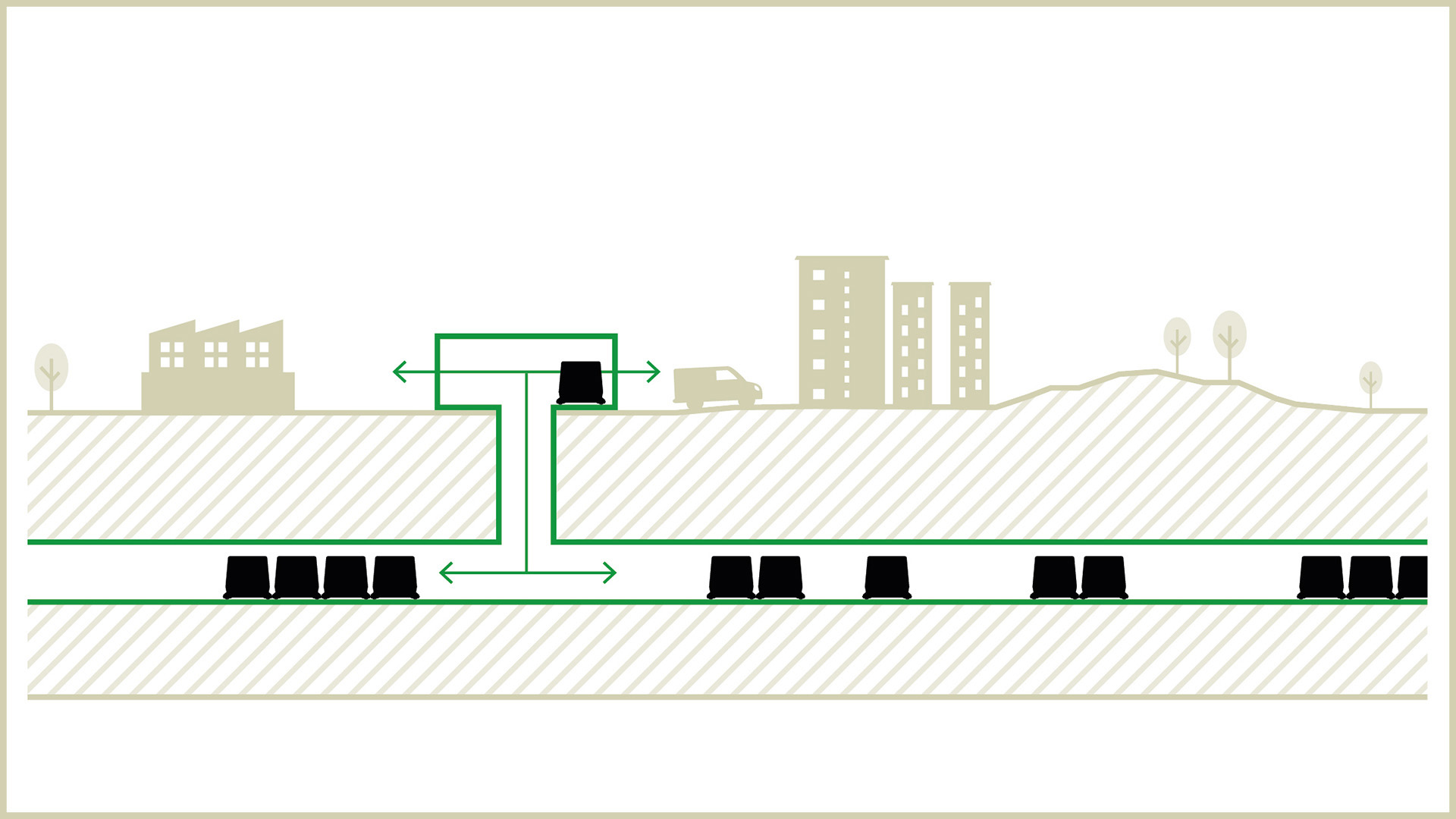
    With the Federal Council’s sectoral plan decision, the innovative Cargo sous terrain freight transport system is officially anchored in spatial planning for the first time. The privately initiated project will transport goods through an underground tunnel system from the Swiss Plateau to the cities. This will be done around the clock, with low emissions and independently of road traffic.

    The basis for this is the Federal Act on the Underground Transport of Goods (UGüTG), which came into force in 2022. It enables companies like CST to plan and implement such systems under clear legal conditions.

    First stage between Härkingen and Zurich defined
    The federal government has now defined the spatial planning corridor for the first section from Härkingen to Zurich in the newly inserted part of the sectoral transport plan. The planned locations for the logistics hubs are also spatially localised in the plan. The plan thus creates planning and legal certainty for all levels involved, from the federal government to the cantons and municipalities.

    Critical points will be incorporated into further development
    The cantons and municipalities affected were able to express their opinions during a consultation in the first half of 2024. Issues discussed included the impact on groundwater, the volume of traffic at the hubs and the handling of excavated material from tunnelling. The feedback will be integrated into the further development of the sectoral plan. According to the federal government, there are no contradictions with existing structure plans.

    Important step on the way to the construction permit
    The entry in the sectoral plan fulfils a key requirement for the subsequent construction permit. Further authorisation and approval procedures are still to come, but the current decision significantly strengthens the feasibility of the overall project.

    Paving the way for a new logistics era
    With the sectoral plan decision, the Federal Council is sending a clear signal in favour of sustainable and innovative infrastructure development. Cargo sous terrain could revolutionise freight transport in Switzerland in the long term – underground, quiet and space-saving. The spatial planning framework is in place, now the next stage of implementation begins.